


36 Japanese staples are gathered here. Most of them you’d usually buy at the store. Mentsuyu, fresh noodles, a jar of pickles. But make them yourself, and the whole equation changes. You decide what goes in, no unwanted ingredients. You make the amount you actually want, instead of whatever size the bottle comes in. You can save money, instead of splurging on expensive import prices. And there’s the quiet pleasure of putting something on the table and saying, I made that.
1. Tempura Batter

Featured Comment
It turned out so crispy and yummy! The best recipe I’ve tried so far, and it was easy to make! My husband said it tastes better than some tempura we’ve tried at sushi restaurants.
★★★★★
– Michelle
Stirred barely at all with chopsticks, then into hot oil within minutes. A low-gluten flour, egg, and water straight off the ice make the base, and cornstarch and carbonated water go in on top, one guarding against failure, one for lightness at home. It carries no salt at all, and the lumps in the bowl are meant to stay.
Born and raised in Japan, I got caught off guard at my first tempura specialty restaurant, and that bite reset my standard. Japan sells a ready-made premix with all of it blended in, and chasing that restaurant coating at home put those choices in my hands. It took round after round, and the leftover batter gets its own entry below.
2. Okonomiyaki Sauce
Featured Comment
Couldn’t find okonomiyaki sauce locally, so this saved me! Will definitely make again.
★★★★★
– Carlene
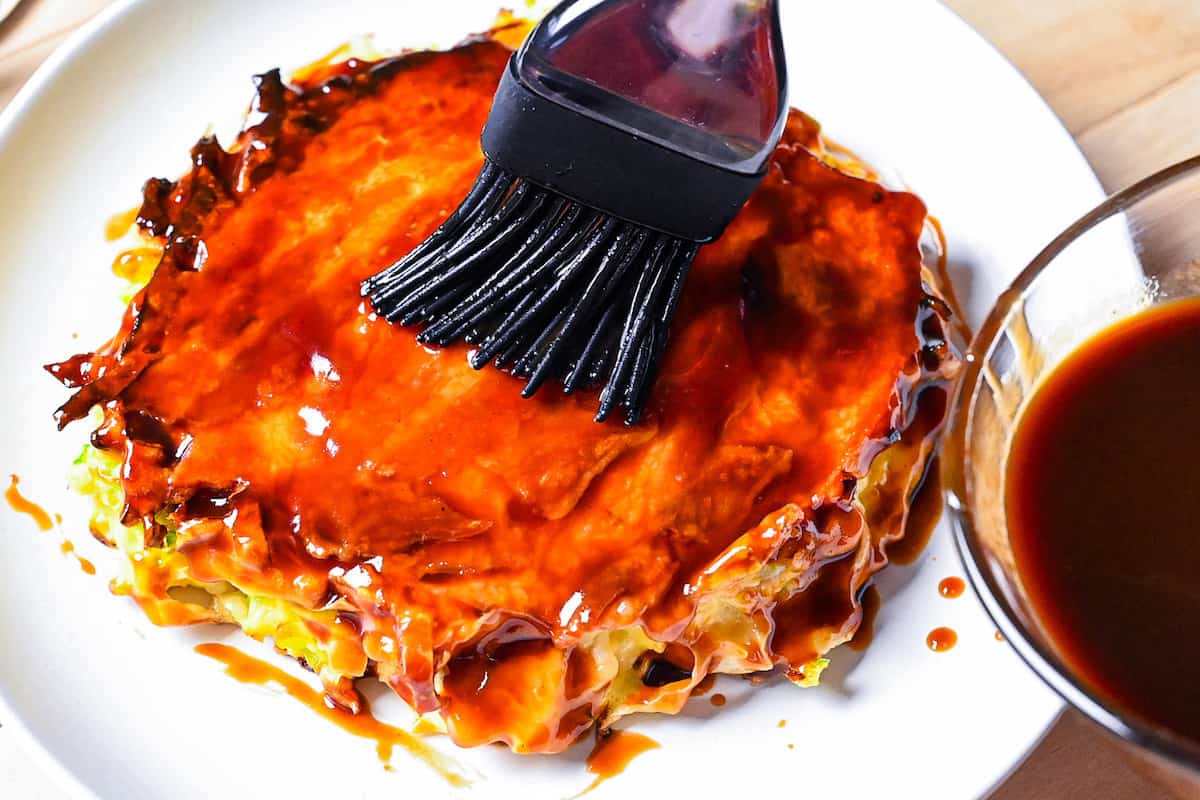
I whisk this okonomiyaki sauce in a bowl and it never goes near heat. Five condiments, about a minute, and it comes out thick and fruity, sweet up front with a tang running underneath. You end up with exactly the amount one round of okonomiyaki asks for, and no leftovers to find a jar for.
Mixing your own means the balance is yours to set, since every ketchup and Worcestershire sauce tastes a little different from the next. You taste off the spoon and move it where you want it. The seasoning that earns its keep here is the oyster sauce, the quiet savory floor most cooks would drop first.
3. Takoyaki Sauce
Featured Comment
Best home-made recipe for takoyaki sauce I’ve found. I especially love the tip of adding a small dash of lemon. Gives it the perfect acidity.
★★★★★
– Serena S
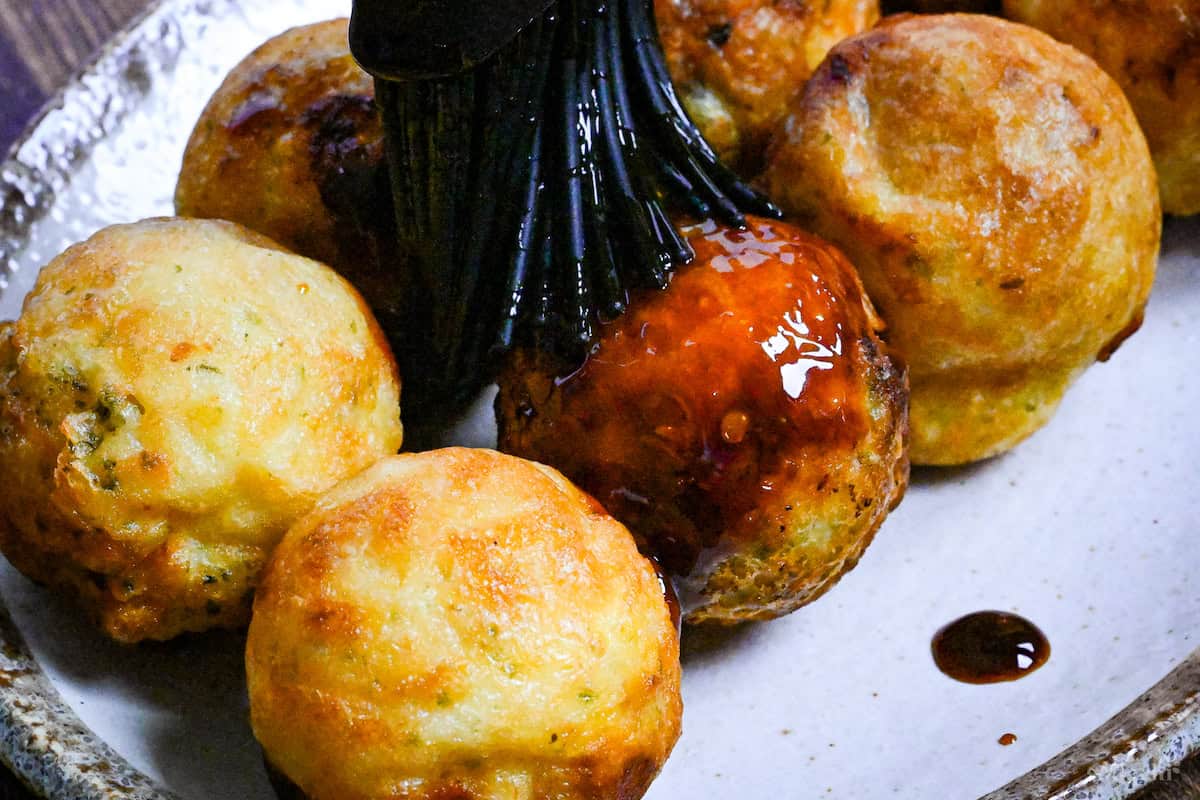
Spoon this over takoyaki straight from the freezer aisle, or over a batch you made yourself at home. Either way, the sauce is what everyone tastes first. Glossy and fruity, sweet at the front and sharp behind it, and the sweetness comes from honey, which layers instead of landing on one flat note.
Everything goes into a cold pot and comes up to a gentle simmer, three minutes that thicken it slightly and take the raw edge off the mirin. A small measure of dashi granules is what makes it read as Japanese. Four optional add-ins sit at the end, and each one sends the sauce somewhere different.

4. Yakisoba Sauce
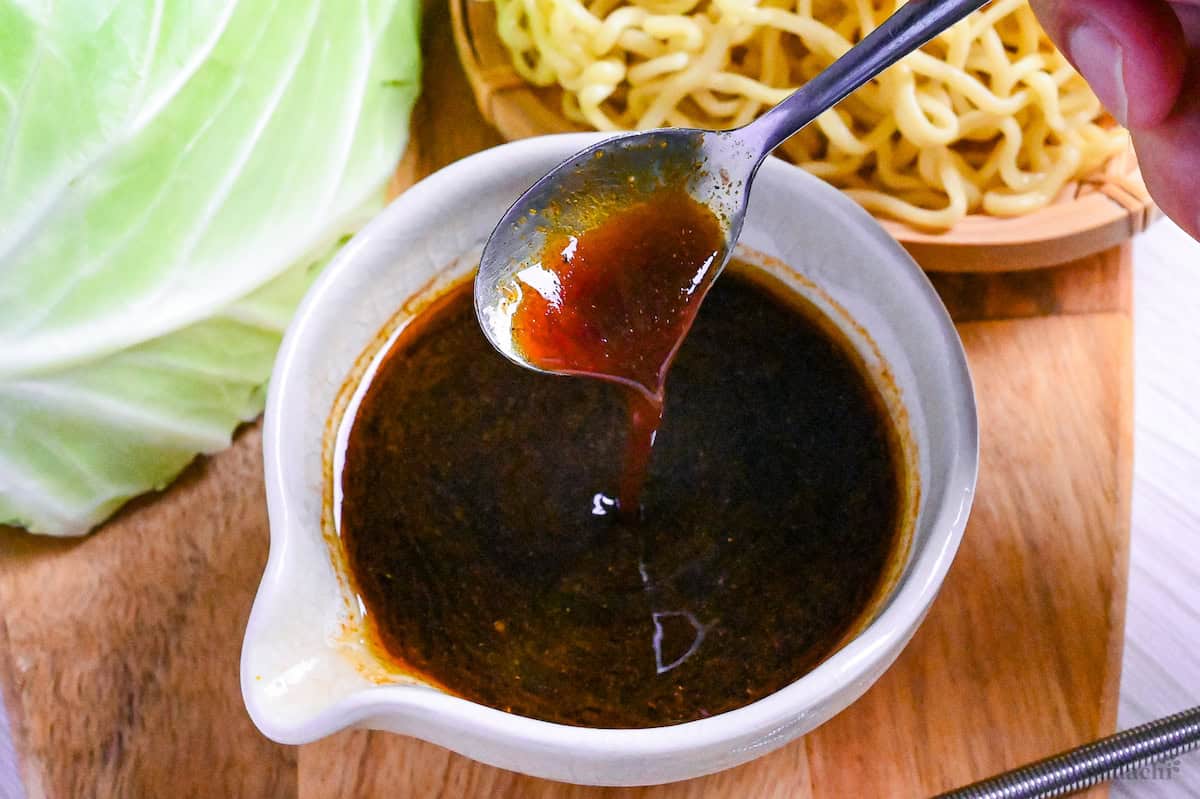
Worcestershire sauce, of all things, sits at the heart of yakisoba flavor. Good enough still bothered me. So I set this one beside my tonkatsu, gyoza and takoyaki sauces and worked through seasonings until one pantry spice, capped at a quarter teaspoon, gave me the depth I wanted, plus a gentle kick.
Mix a larger batch and portion it into small airtight containers, which keep for three or four days in the fridge, long enough that the flavors can settle further after a day. Cook it together with the noodles, meat and vegetables. What clings to every strand is tangy and savory, glossy from the ketchup, with a spiced warmth underneath.
5. Shiso Dressing

Featured Comment
But flavor was spectacular, I wanted to drink it. I tossed it with vermillion rice, shrimp and summer vegetables from my garden.
★★★★★
– Casey
When I put this one together I loaded it with perilla leaves, ten of them for four servings, and worked grated garlic in underneath as the secret ingredient. Those leaves carry the distinct flavor the whole thing is named for. What comes out of it tastes sour and complex at once.
Finding ten perilla leaves takes some looking, and that is the demanding part of it. After that, a sterilized jar with the leaves fully under the liquid keeps it going for three weeks. Then it is there whenever you want it, spooned over crunchy mild vegetables, cabbage and lettuce and cucumber.

6. Panko Breadcrumbs
Featured Comment
EXACTLY what I was looking for!!! I immediately went to the internet, and your picture looked just like the ones they used in the show.
★★★★★
– Ll
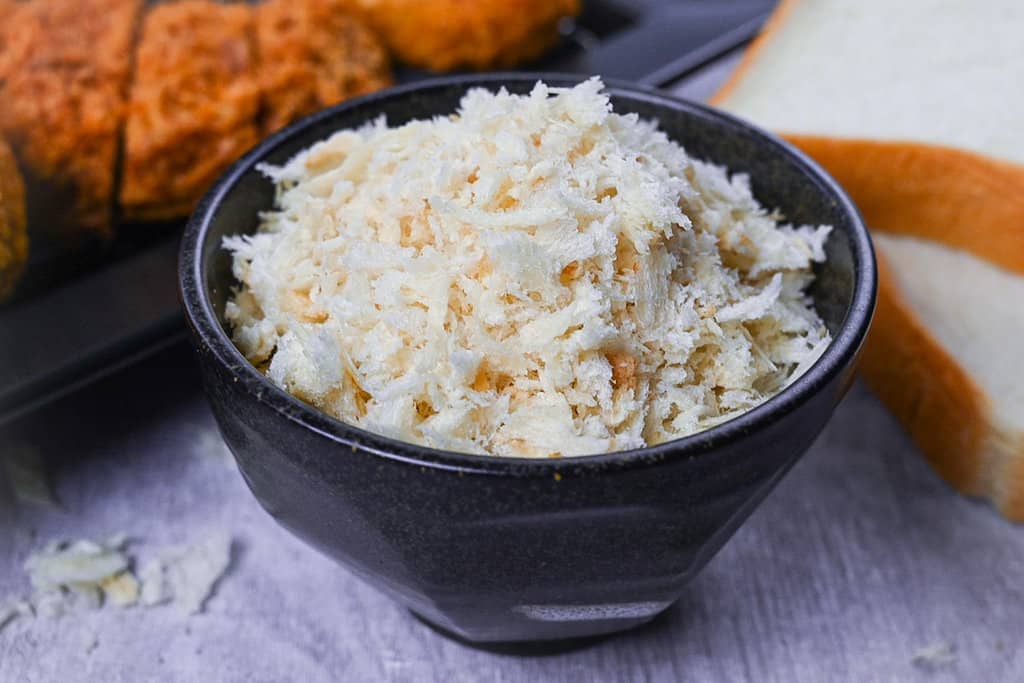
Traditional Japanese panko is the fresh kind rather than the dry, and the fine air bubbles inside are what fry up light and crispy. Leftover bread is the only thing it asks for, no special loaf, and in a processor the work takes about thirty seconds. Dry crumbs and fresh ones swap freely, so none of this is a rule.
So I ran three breads I had at home through the same test, frying pork cutlets with each batch. The one I liked best was not the one I expected, and its crust reached a crunch the other two could not touch. Almost any loaf works as long as it carries no fillings or sauces.
7. Restaurant-Style Yakiniku Salad Dressing
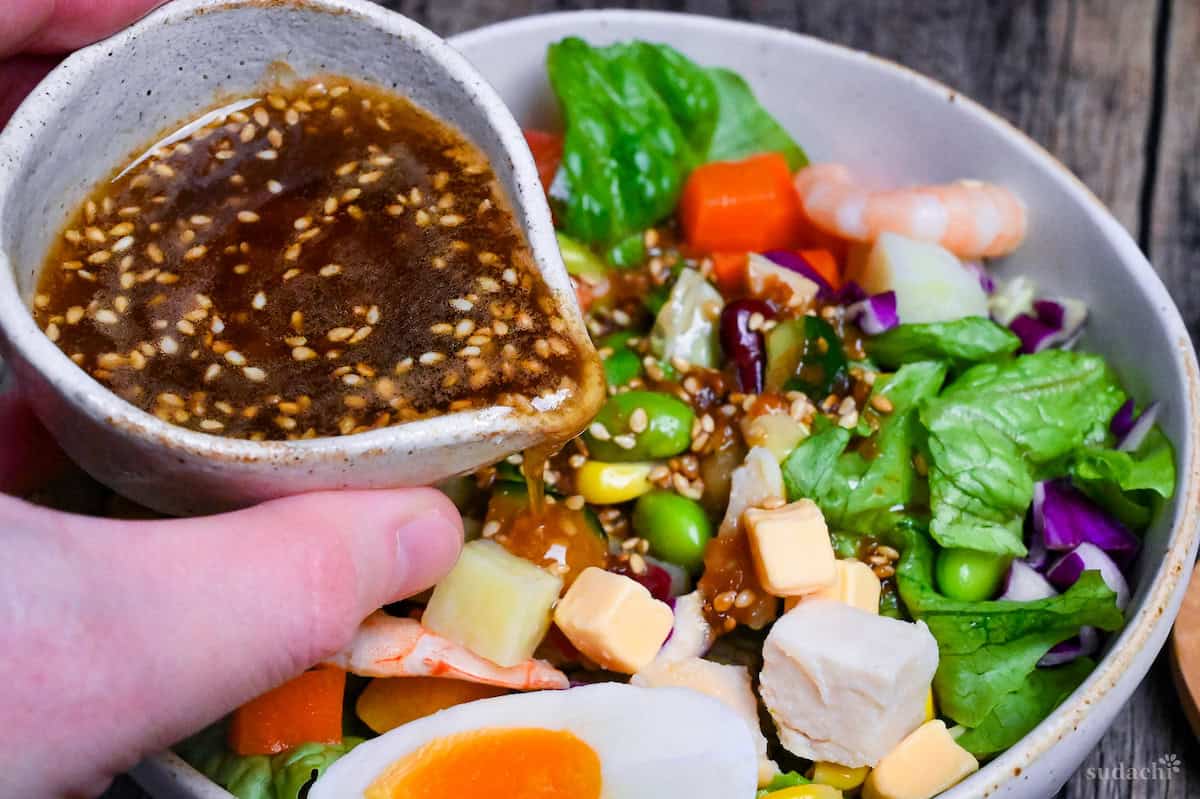
The first thing you notice is how smooth it tastes. Garlic, soy sauce and oil hold together in one body, with no vinegar in the jar to cut across the leaves. Japan has had a bottled version since 1994, made by the yakiniku chain Jojoen, and I have had it countless times.
Chinese-style chicken bouillon powder takes the edge off the soy sauce, scaled to how strong your own brand is. It begins with room temperature ingredients and ends in the fridge, good for a week. Nothing is cooked, and the whole thing runs about five minutes, though the first thirty seconds are oil going in a drop at a time.

8. Yakiniku Sauce (Japanese BBQ Sauce)
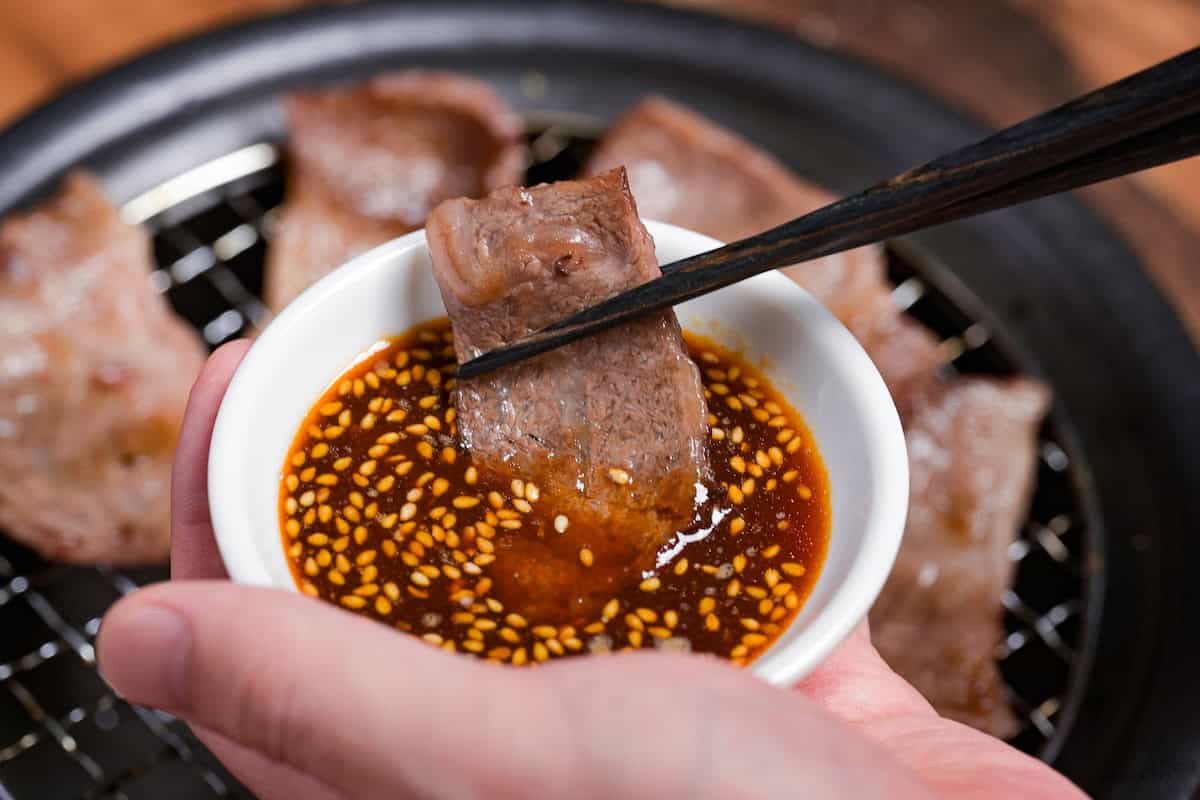
It reaches the table in a dipping bowl, and grilled meat goes in the moment it comes off the heat. That is the whole job. You can skip the sugar step and still pour a good sauce, though three minutes of cooking it to deep amber, until the toffee smell and the first faint smoke arrive, changes what happens next.
Open the container the next morning and what reaches you first is sesame, with grated apple a step behind it. A single night of waiting gets you that much, and the sharp edge of day one is gone by then. The reason the garlic and ginger arrive as powder took me a full redesign to work out.

9. Sesame Dressing (Goma Dressing)
Featured Comment
Extremely good recipe. I had to triple the recipe for my family.
– Kerry Berger
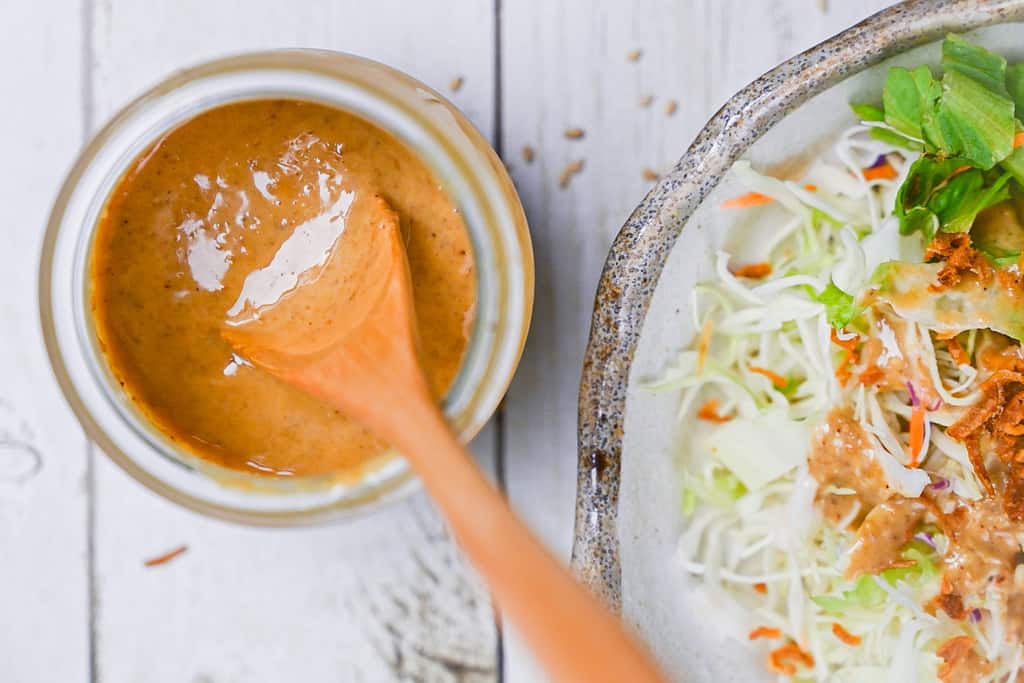
The sesame seeds start out already toasted, and they go back over heat anyway before they are ground. Buying them pre-toasted is the recommendation, and toasting them a second time is still worth the three minutes it takes. The pan matters too, for a reason that has nothing to do with heat.
Ground sesame powder keeps for months in a cool dry place, so the next round takes about a minute of actual work. That is short work for what lands on the salad. Thick and creamy, tangy, carrying the deeper sesame flavor the oil brings, and still loose enough to pour straight over the leaves.

10. Japanese Curry Powder
Featured Comment
I wasn’t afraid and bought all the spices, mixing them in your proportions. The result was a wonderful, aromatic sauce.
★★★★★
– Tatiana
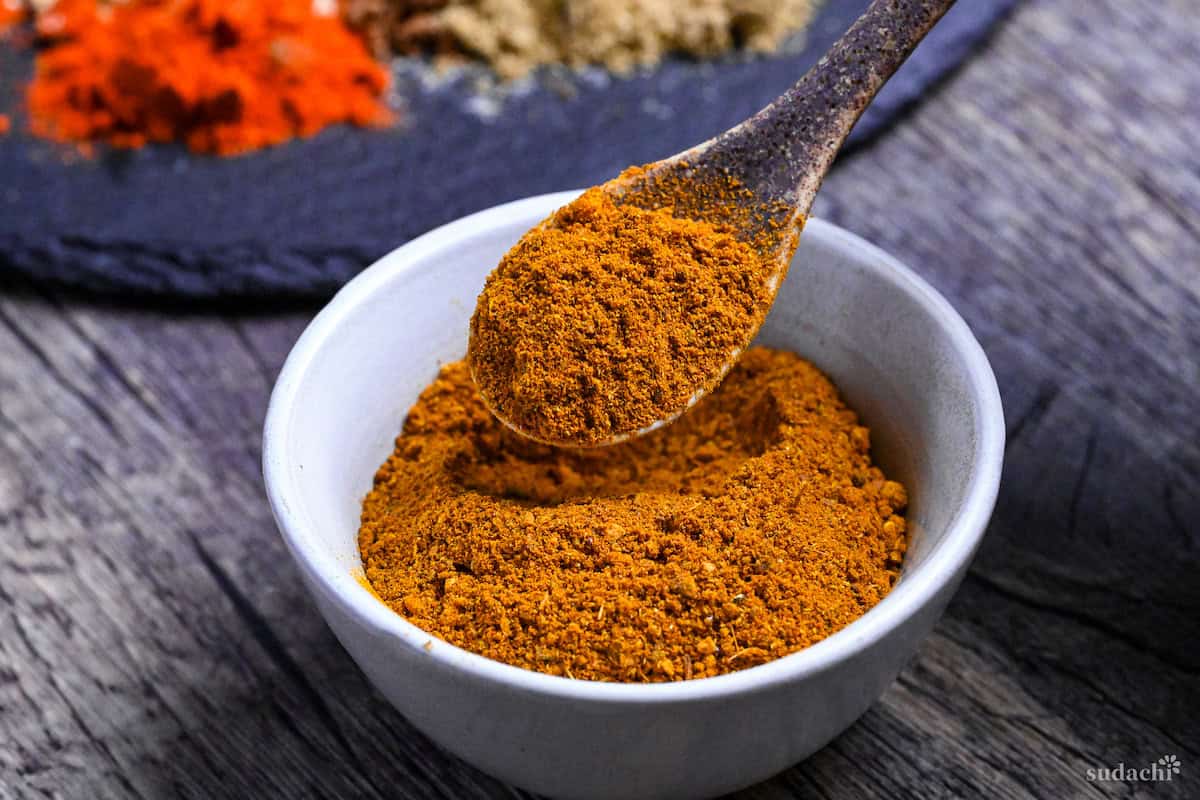
Until this one, my Japanese curry came out of roux cubes and the red can, which only lists seven of its thirty-plus spices. So I worked backward by taste, fine-tuning batch after batch of curry rice, and stopped at 18 spices. The ratio between them is what makes it taste Japanese.
Toasted, the blend darkens to a deep brown and the fenugreek comes through maple sweet. Shift a proportion or two and it leans hotter, sweeter, closer to whatever your table wants. It carries a pot of beef curry, a bowl of curry udon, a pan of dry curry, and gyoza fried with a curry edge.

11. Ramen Noodles From Spaghetti
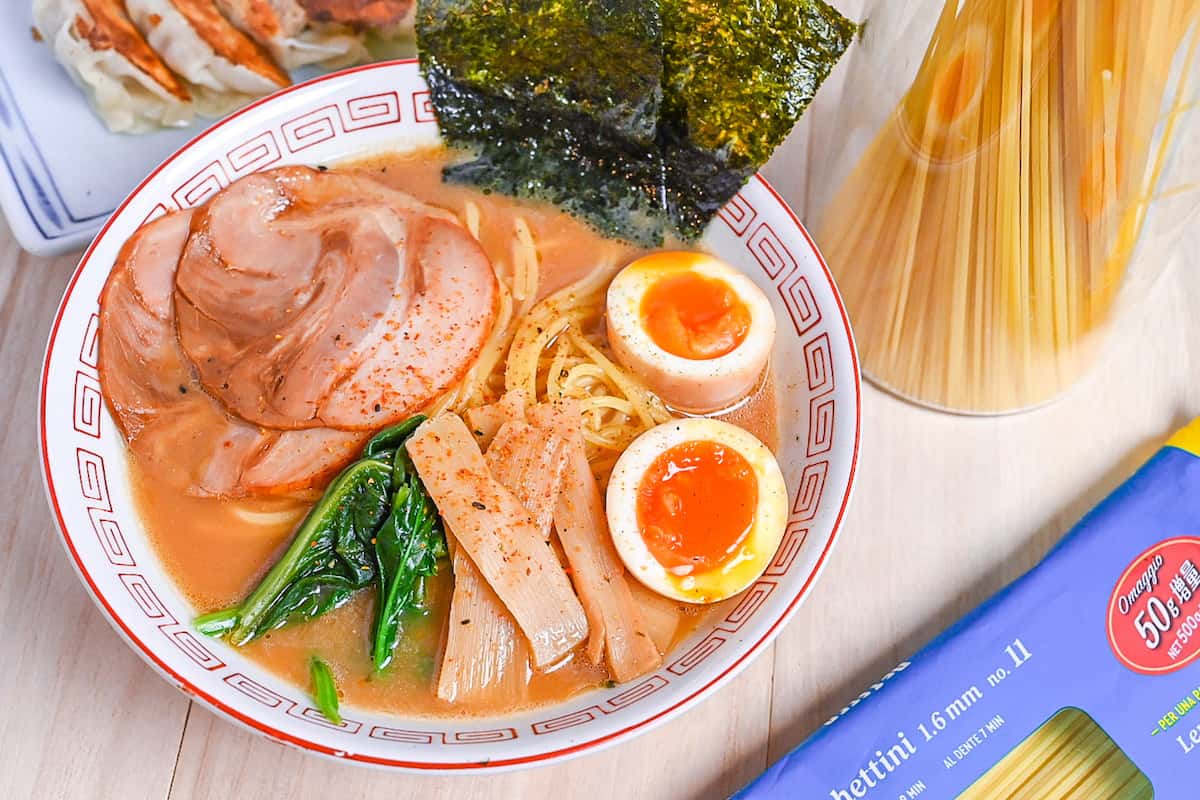
Spaghetti sits closer to real ramen noodles than it looks. Baking soda in the boiling water breaks down into the same alkaline salt that gives ramen its chew and yellow cast. It is not a replica and I will not pretend otherwise, but ten minutes gets you noodles worth ladling broth over.
I have made ramen noodles from scratch, cranking a manual pasta machine until the kitchen was upside down, and that recipe is further down this list. This is the answer for the other days, when a craving arrives without the hours to match it. Two small choices decide whether it works, the timing and the rinse.
12. Tempura Flakes (Tenkasu)

Featured Comment
Unbelievably delicious!! I implore anyone reading this recipe to make it! The steps are so simple and allowed me to make it perfectly on my first try!
★★★★★
– Rebecca
Bite one and it shatters, then floods with the oily richness of tempura itself. That is why these golden scraps of batter land on hot udon and cold soba, and get folded into okonomiyaki. I have been piling them on since childhood, and a shop with free tenkasu still buries my udon under a hill of flakes.
Leftover tempura batter is the starting point, kept cold with ice so it puffs the instant it hits the oil. A balloon whisk shaken over the pot, small drops at a time, gives me flakes that stay separate and go golden in two minutes. The job runs ten minutes, and it rides on a tempura session that came first.
13. Tonkatsu Sauce, 3 Ways
Featured Comment
Takes literally 2 minutes and I already had all the ingredients in my pantry.
★★★★★
– Caileigh
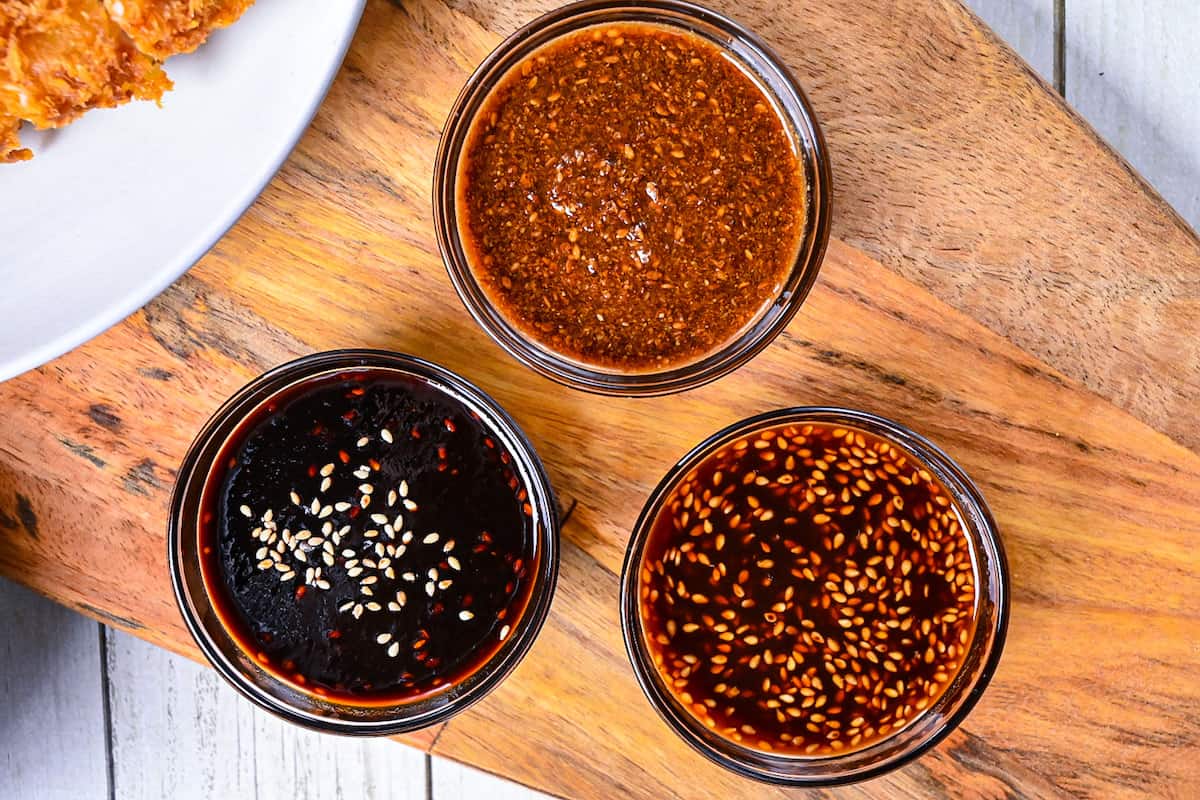
This is the sauce that arrives with fried food. Croquettes, menchi katsu, a cutlet straight out of the oil. Restaurant kitchens each land somewhere different with it, so there are three here, one sweet with the sharpness pulled back, one simmered dark and glossy with red miso, and one nutty from freshly toasted sesame.
All three can be on the table at the same time, which turns dinner into a tasting. Two of them go on the heat and the third is a bowl and two minutes. The simmer on the red miso one is doing two jobs at once, and only one of them is thickness.
14. Kinshi Tamago (Shredded Egg Crepe)
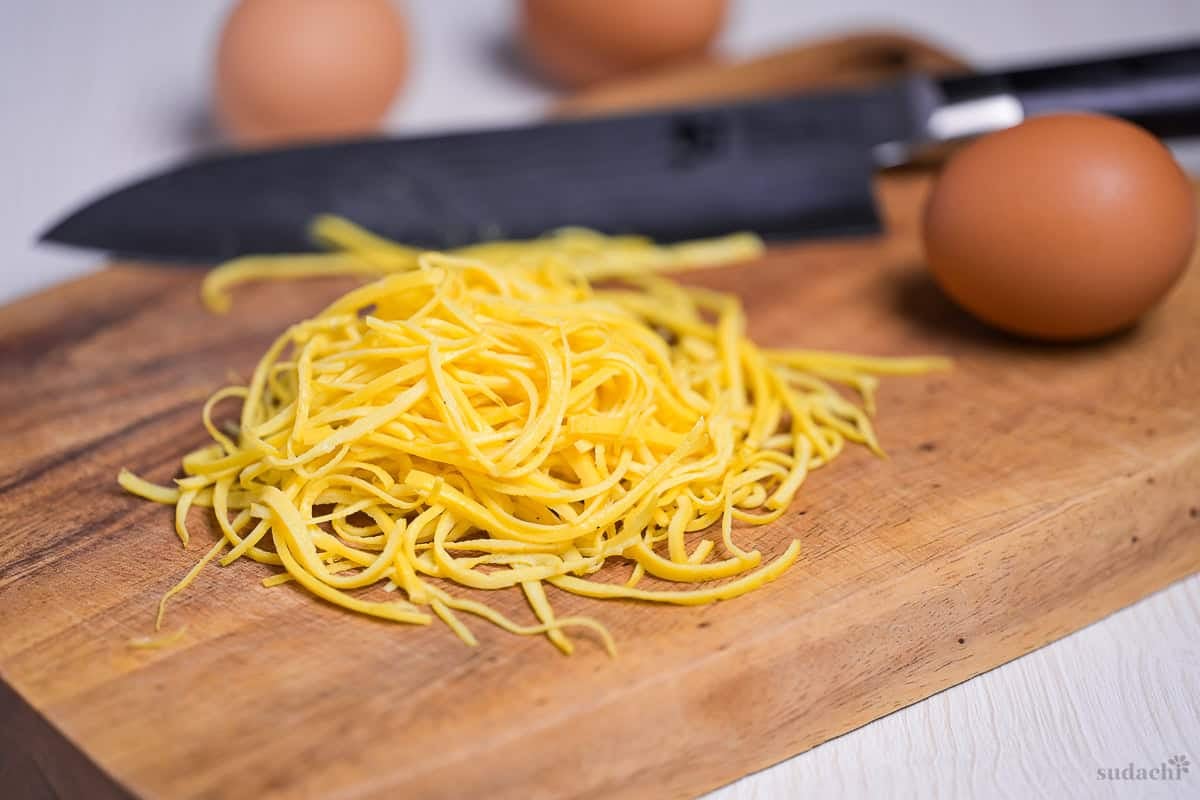
Browning counts as failure here. The goal is a sheet of egg cooked through and still the pale gold it went in as, so the heat stays low, the sheet never gets turned over, and trapped steam finishes the top. Then it becomes the thread that lands on chirashizushi and cold summer noodles.
My sheets kept tearing across different pans until I worked a thin potato starch slurry through the egg. Now they lift and fold whole. Sliced cold, the threads come out soft and just barely sweet against the salt, tender enough to settle over a bowl of warm rice in loose folds.
15. Unagi Sauce (Eel Sauce)
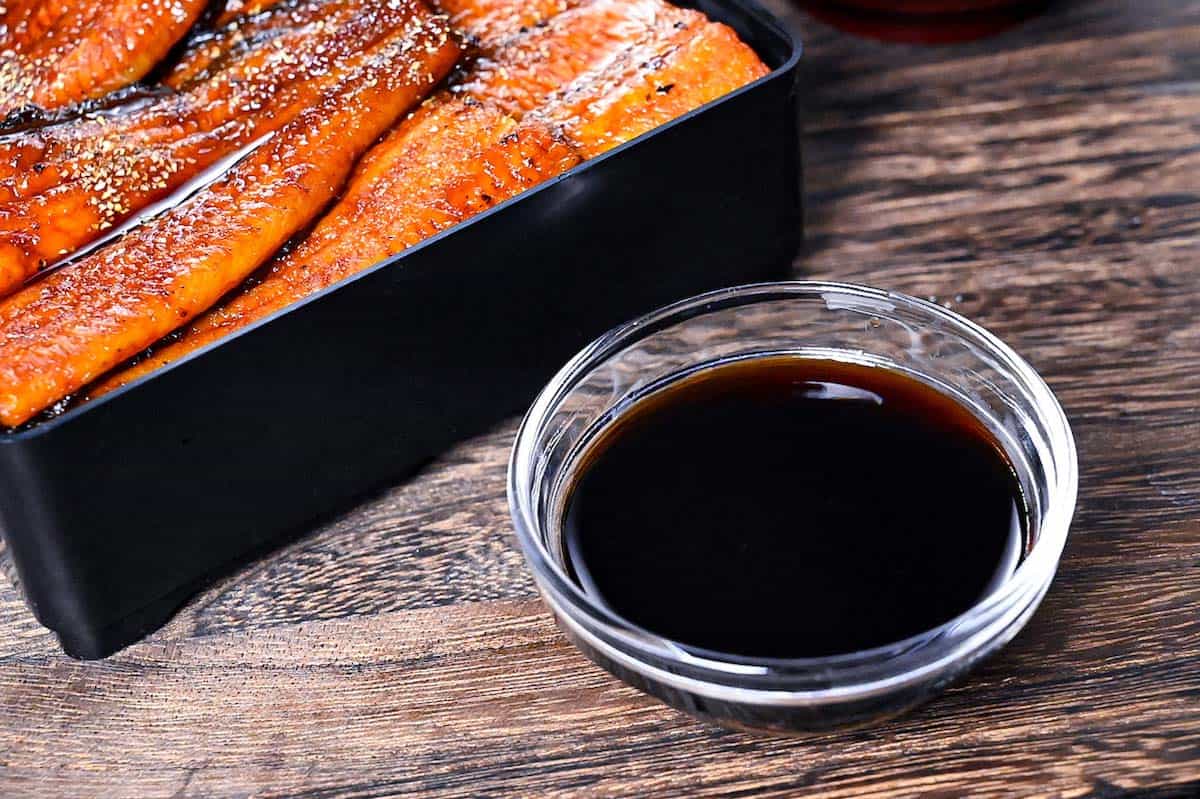
I developed this unagi sauce in a yukihira nabe, the 16cm Japanese saucepan, and the sugar is the part I lead with. Zarame is my signature move here, sold as turbinado or raw cane in most supermarkets, and dark muscovado carries the other half of the sugar work with a low molasses note underneath.
The hot pan reads thinner than the finished sauce, so you take it off while it still looks a little loose and let cooling do the rest. Watch the drops. Once they fall slow and heavy, it is close, and then it goes on grilled eel, chicken, on salmon, over tofu, or straight onto hot rice.

16. Sakura Denbu (Pink Fish Flakes)
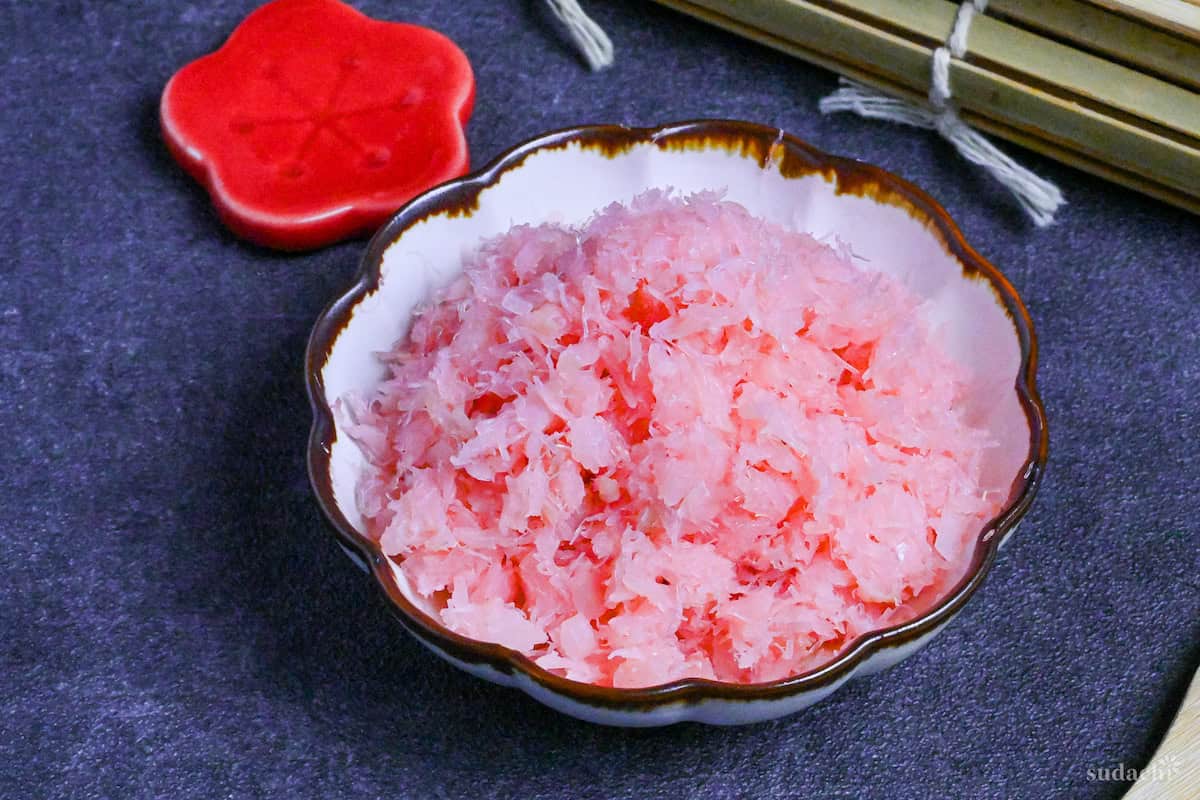
Scatter these pink flakes over sushi rice, or roll them into the middle of a thick sushi roll, and you have the sweet, mild topping that turns up in spring dishes across Japan. Cod and sea bream are the usual fish, though any flaky white fish will work, haddock and pollock included. The pink is a decision the cook makes.
The boiled fish goes straight into a sieve set in cold water, which stops the cooking and catches the pieces already breaking loose. After that the pan works with no oil and white sugar only, and both of those are there to protect the color. The fine flakes come from your fingers.

17. Rayu (Japanese Chili Oil)

Chili oil turns bitter when the powder scorches, so I dampen mine before the hot oil ever touches it. That bit of moisture shields the chili while it infuses. Toasted sesame oil makes up half the base, which is why this one tastes nutty and round rather than simply hot.
The strange part is that it is not finished when you finish. Fresh from the pan, sesame, garlic and chili still taste like three separate things, and a day or two of quiet resting is what pulls them into one flavor. 20 minutes of work, then patience does the rest.

18. Salmon Flakes

Featured Comment
A top-tier upgrade for every salad or rice bowl. WOULD be perfect for work-day meal prep, but somehow it always disappears before making it into the lunch box
★★★★★
– Peti
Plain white rice is where this earns its place. A sprinkle over a hot bowl, a spoonful tucked into rice balls, a scattering on cold tofu or ochazuke, which is rice with green tea poured over it. Coral-colored, savory with a little sweetness, and it melts slightly into the steam.
Butter is the surprise here. It brings depth alongside soy sauce, with mirin for a hint of sweetness and sesame seeds at the finish. The harder part is knowing the exact moment to pull the pan off the heat, and that moment arrives earlier than the flakes look ready.

19. Tentsuyu (Tempura Dipping Sauce)
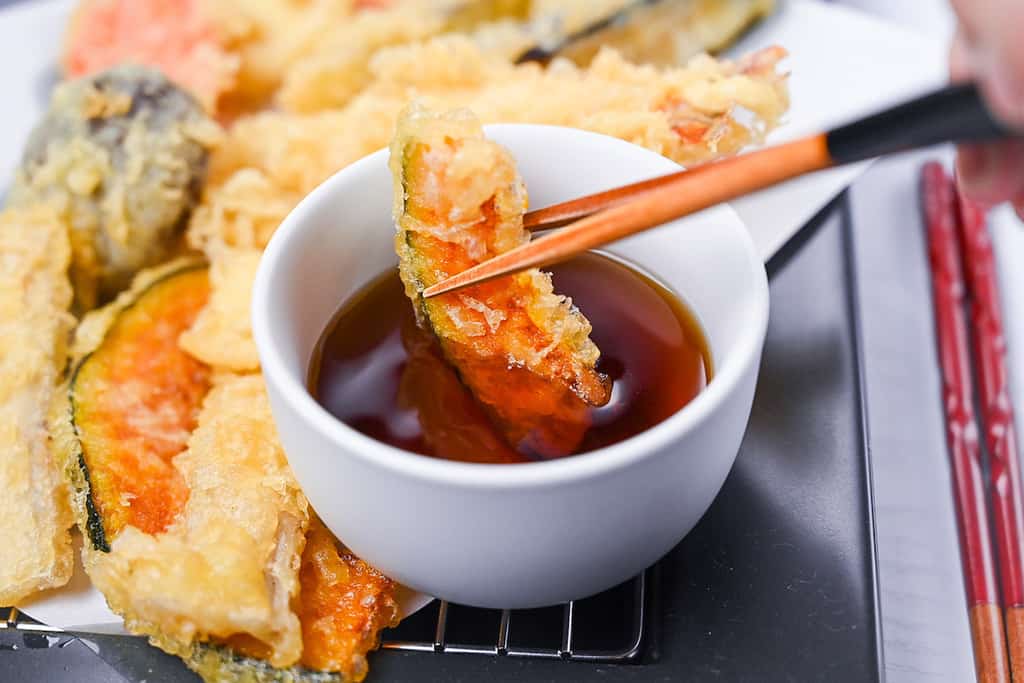
Mentsuyu thinned with hot water can stand in for tentsuyu. Going the other way fails. The two share almost the same ingredients, and the difference is entirely in the quantities, which push tentsuyu milder and sweeter while mentsuyu stays stronger and saltier, a gap small enough to miss on paper and obvious in the bowl.
The mirin gets a minute or two at a bubble so the alcohol cooks off. Twenty minutes of chilling follows, counted inside the recipe as a real step. It reaches the table cool and lightly sweet against a hot crust, and grated daikon stirred in bowl by bowl cuts through the oil.

20. Homemade Soba Noodles
Featured Comment
Really great! Chef here, never made buckwheat noodles and been really interested in making noodles, so this was fun!!
★★★★★
– Megz patience
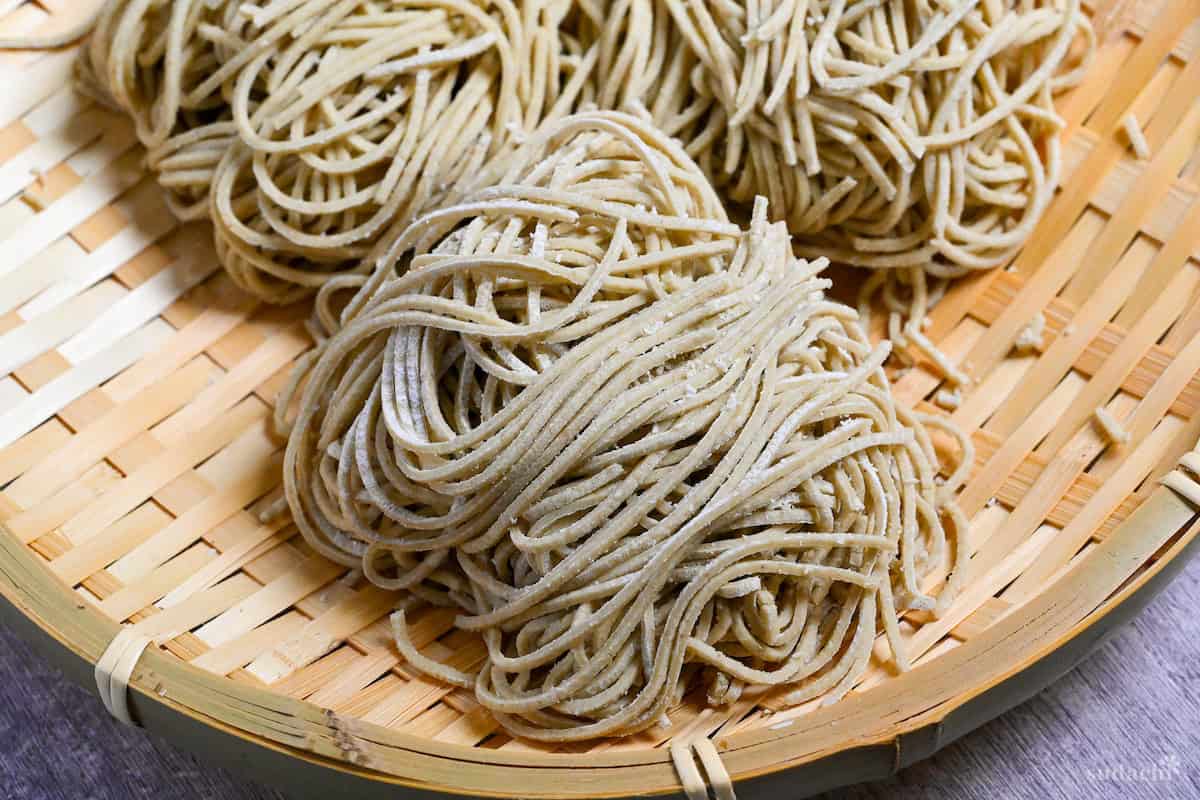
I had already worked out ramen and udon at home, so I went into soba expecting the easy one. The dough crumbled in my hands instead. Buckwheat brings no gluten, and it took a long run of trial and error before I could feel where the water needed to go.
The recipe lays out four buckwheat ratios, and a first attempt can start at thirty percent then climb with later batches. Cut noodles boil in one minute forty five seconds. Wrapped in single portions, a batch keeps a month in the freezer, so the next serving of soba is already made.

21. Gyoza Wrappers

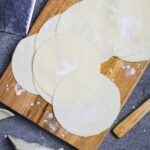
In Japan these belong to a weekend, often with a few people working around one table. The dough is flour, salt, and hot water, kneaded soft as an earlobe and rolled into thin rounds. Hot water gelatinizes the starch and holds gluten back, which gives you chew and a crisp bottom.
Rolling is where this recipe gets particular, and the particular thing is thickness. Push the sheet too thin and it deforms and tears the second you go to handle it, so I worked through every setting on my pasta machine and setting six is where I stopped.
22. Shiitake and Kombu Dashi (Vegan)
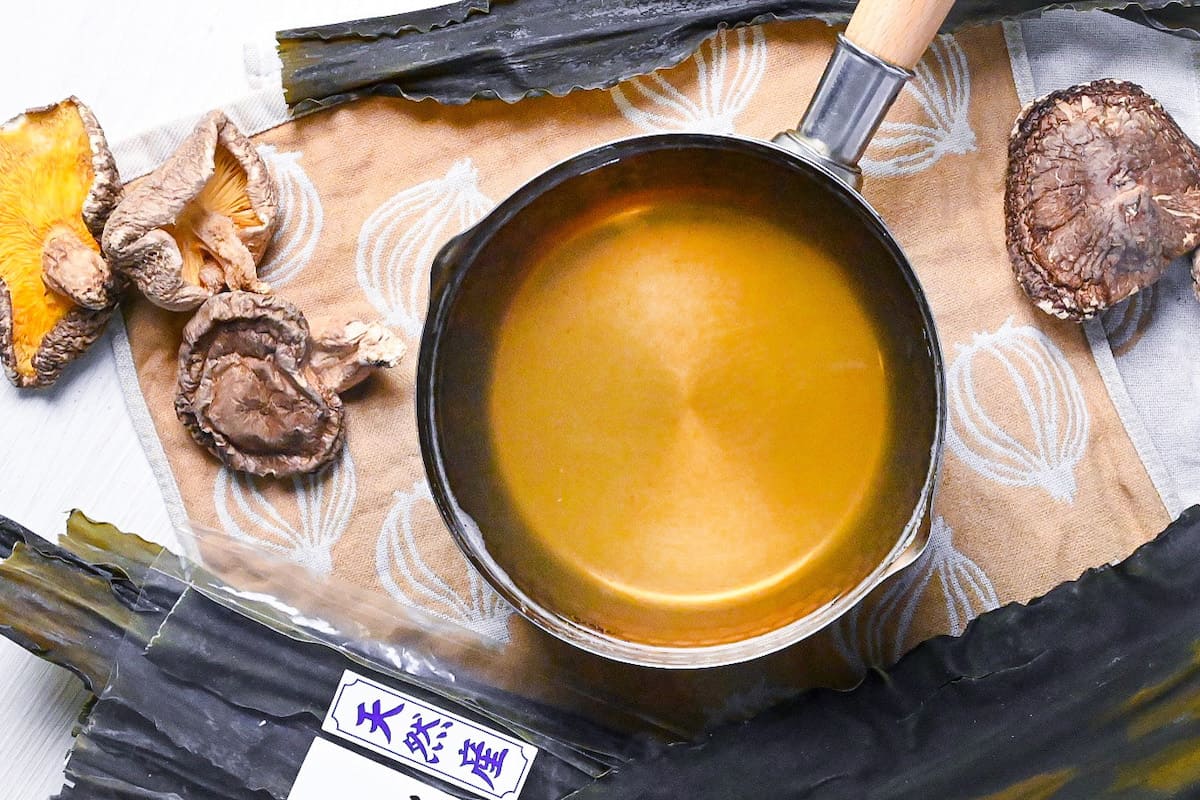
Taste it warm and the savory depth lands as fully as any fish-based stock does. Kombu carries glutamic acid, dried shiitake carries guanylic acid, and the two together are why this pot tastes complete. Plant-based cooking runs back through the temple kitchens that once fed Buddhist monks, so nothing here is borrowed.
Cold water, kombu, and dried shiitake sit together in the fridge overnight. The next day the mushrooms come out, the kombu follows just before the boil, and five minutes of simmering finishes it. Overnight is the honest ask, though a thirty minute soak still works when you are in a hurry.
23. Atsuage (Thick Fried Tofu)
Featured Comment
This is fantastic. We added sautéed shiitake to the broth and it was lovely.
★★★★★
– Adam Simons
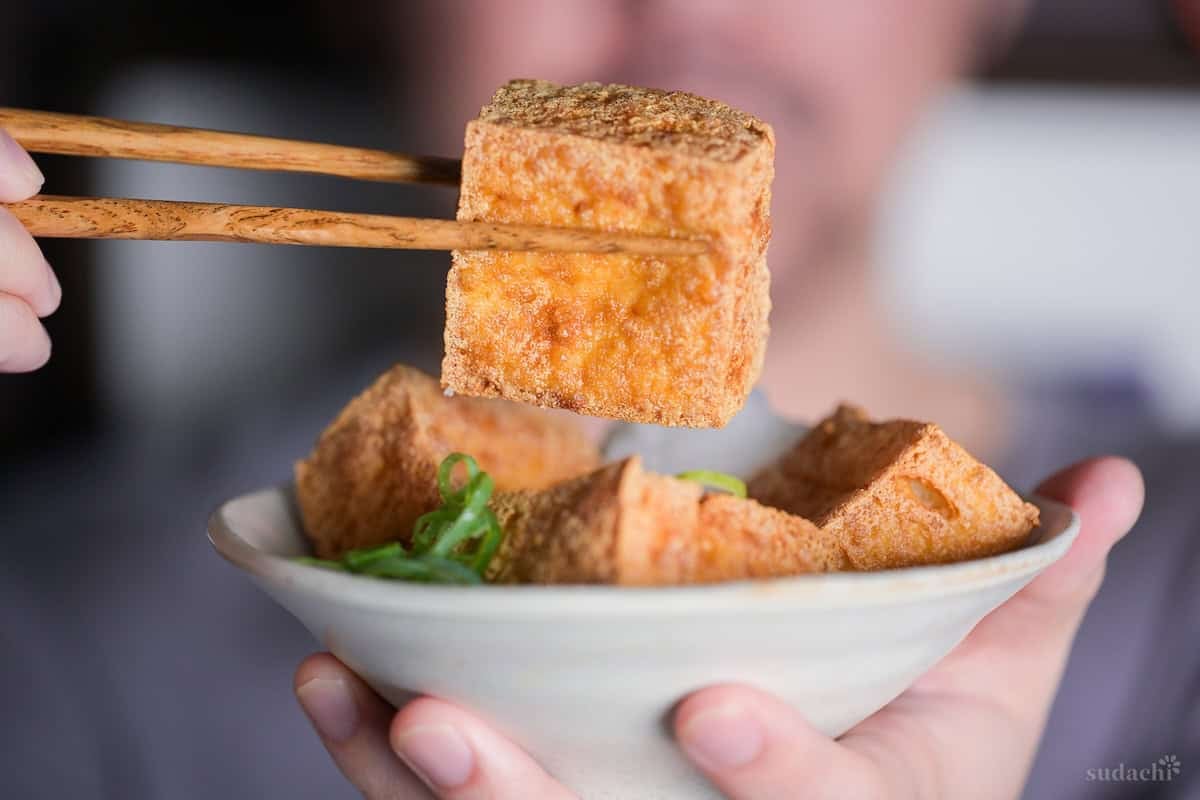
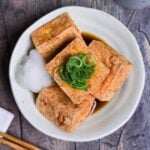
In Japanese pubs it shows up grilled and plain, with grated ginger on top and warm dipping broth poured around it. At home it goes into simmered pots, where the fried surface soaks up the broth and the block still holds its shape. One thick slab of tofu, two very different jobs.
Frying is the short part. Getting there means pulling water out of the block first, because too much left inside keeps the crust from browning and too little leaves it dry and spongy. The recipe names the exact weight loss to aim for, and a kitchen scale tells you whether you are there before the oil gets hot.
24. Awase Dashi (Kombu and Bonito Stock)

Featured Comment
I love that I could use the kombu a second time. Delicious!
★★★★★
– ami
By 1643 a Japanese cookbook was already describing dashi as something you draw twice from the same kombu and katsuobushi. Most cooks expect a stock to give up everything at once. The second run simmers longer, and one of the rules you followed carefully for the first extraction flips completely.
Katsuobushi is expensive outside Japan, so this one counts it in handfuls and lets less kombu soak longer. The first pour is delicate and clear, a little salt, sake and light soy sauce away from a soup you drink on its own, and the second comes back with umami enough for the dish itself.
25. Japanese Mayonnaise

Featured Comment
For me, this one is the most successful one I tried (and I tried many!). Very well-balanced.
★★★★★
– Alex
Yolks only, no whites, which is where the richer, creamier body comes from. Two mustards go in, the hot Japanese kind and a smooth Dijon, and the Dijon does double duty by helping the emulsion hold. The acid is where I take a different route, more apple cider vinegar than rice vinegar.
15 minutes of hands-on work, then an hour in the fridge. The one moment to watch inside that quarter hour is when the vinegar goes in, since acid meeting a base that is not yet thick and stable will pull the emulsion apart. And if it splits on you anyway, there is a way back.

26. Koshian (Smooth Red Bean Paste)
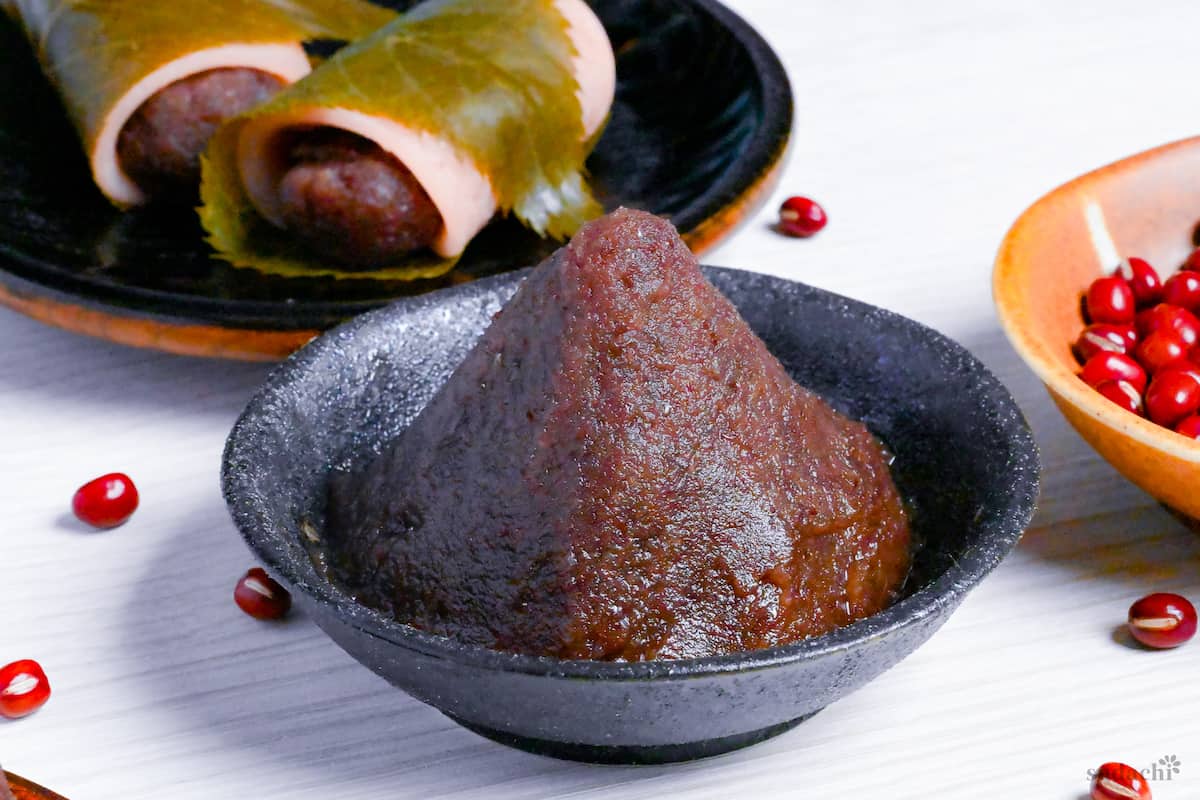
This is the recipe where I hand the sweetness over to you. Mine runs on white and light brown sugar at roughly 60 to 40, for a little depth, though one kind of sugar on its own is fine. Go lighter if you prefer, just not below 80 percent of the bean weight.
I will admit this one asks for more hands-on time than anything else here, and your hands stay busy through it. Three changes of fresh water after the sieving are what leave the flavor bright and refined, and that is the part I would not rush. Save it for an afternoon with nothing else in it.
27. Japanese Curry Roux
Featured Comment
I’ve tried several other homemade roux recipes; but none have measured up to our favorite box version… until now! It was totally worth the extra work.
★★★★★
– Bernadette S
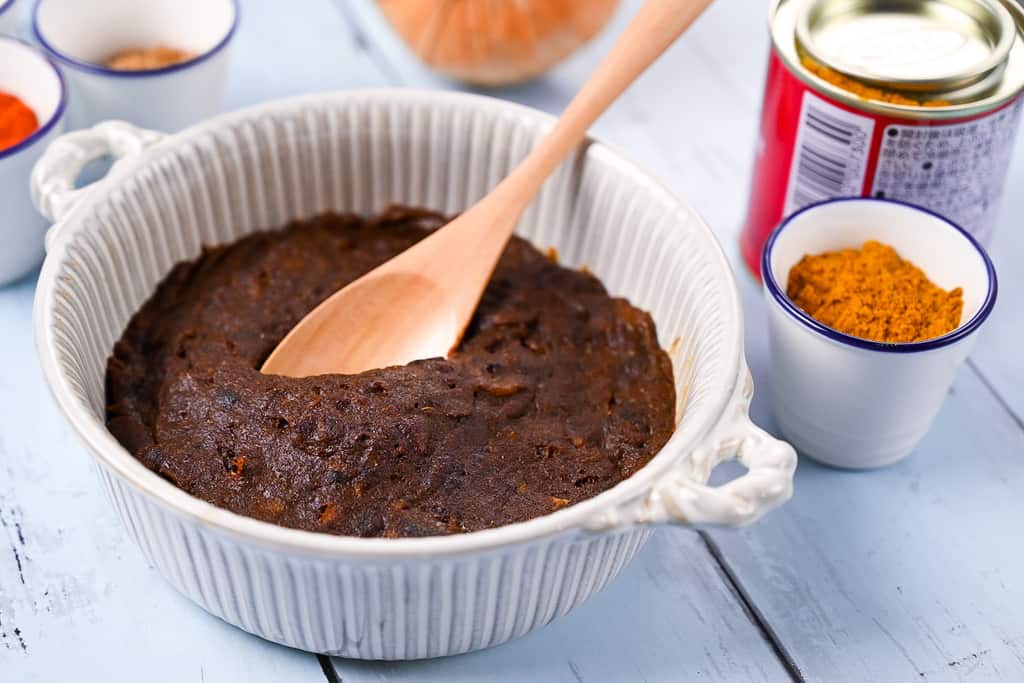
This one is a thick paste rather than a solid block, and it does the same job once it hits the pot. The decision I care about sits earlier than that. I caramelize the onions into the roux itself, instead of into every new batch of curry I cook down the line.
Most of the two and a half hours is the pot doing the work rather than the cook. The onions take half an hour of steady attention, and after that the liquid reduces down to a paste with only an occasional stir and a skim of the foam. Not every spice gets toasted, and the split is deliberate.
28. Homemade Udon Noodles

These land on the table on a weekend, in front of the kids or friends who helped make them. Every batch gets rinsed cold to wash the loose starch away, and a second pass of hot water follows if you want them warm. The salt worked into the dough is part of why they hold that firm, chewy bite.
You knead it inside a zip-top bag, and then, if you want the easier road, you stand on that bag and let your body weight work the gluten. Odd, and centuries old. The heels get a rule of their own, and it is worth reading before you ever climb on.

29. Dashi Packets

Featured Comment
I always make plans for the week to prepare specific meals but life gets the better of me and I can’t keep up. Little tips and tricks like this are wonderful.
★★★★★
– Anna
Fresh shiitake carry almost none of the third umami compound. Drying builds it inside the cells, which is why a dried mushroom earns its place in a bag next to kombu and katsuobushi. What else goes in there is open, down to a version with no fish in it at all.
One packet is not spent after the first steep. A second pass gives up more, and the softened contents end up toasted over rice. What you pour off that first morning is clear, kombu wide and round underneath, the smoke of the katsuobushi arriving a beat later on the tongue.
30. Tsuyu Sauce (All Purpose Noodle Base)
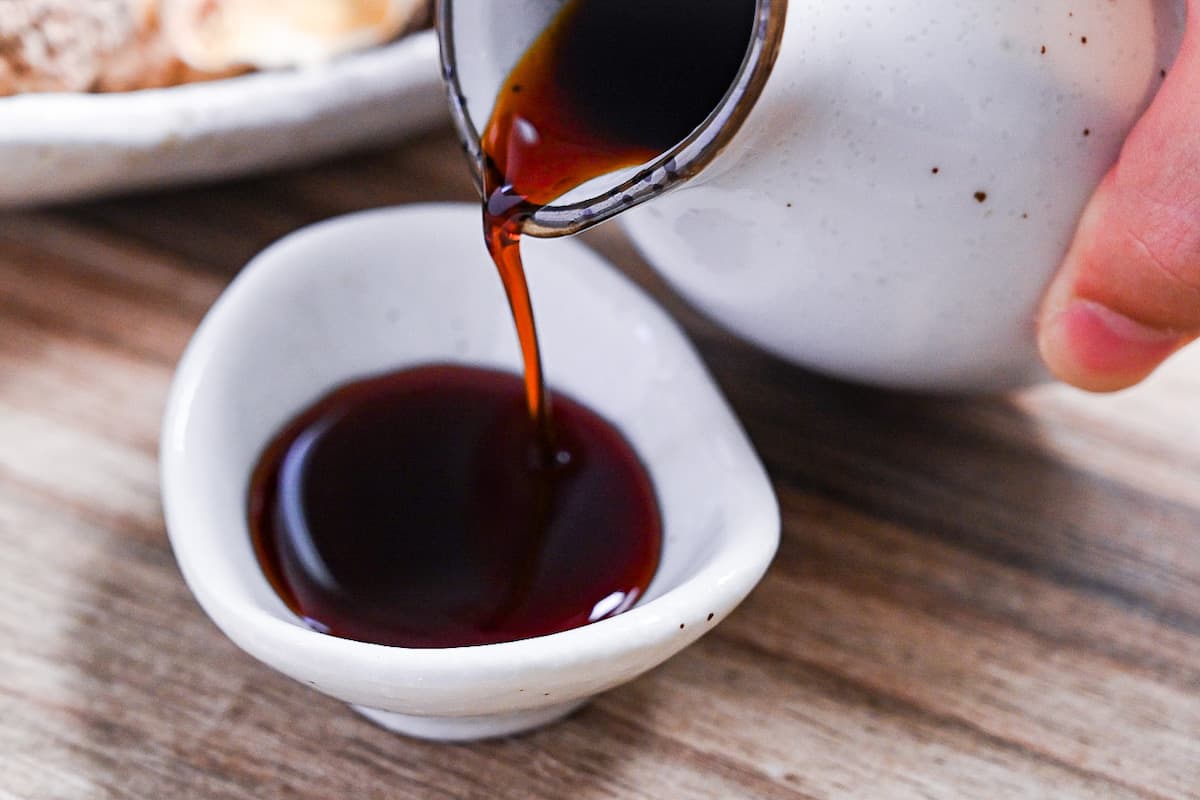
I built three versions of this concentrate for this article, and the one I call rich carries bonito, kombu and dried sardines. A version with kombu and dried shiitake skips fish entirely. Bonito and kelp sharpen each other during the cold soak, and mirin and sugar round the edges, so it tastes deeper and sweeter than soy sauce.
Cut it with two parts water for dipping cold soba, five or six for a hot bowl of udon. Three parts lands on agedashi tofu, four on tempura. Undiluted, it goes in as a seasoning, and two weeks in the fridge means one batch carries a good stretch of weeknight dinners.
31. Fukujinzuke (Pickles for Japanese Curry)
Featured Comment
I have been looking for this recipe as it pairs so wonderfully with curry. This was very easy to make. And you’re absolutely correct, tastes best on the third day!
★★★★★
– Robin
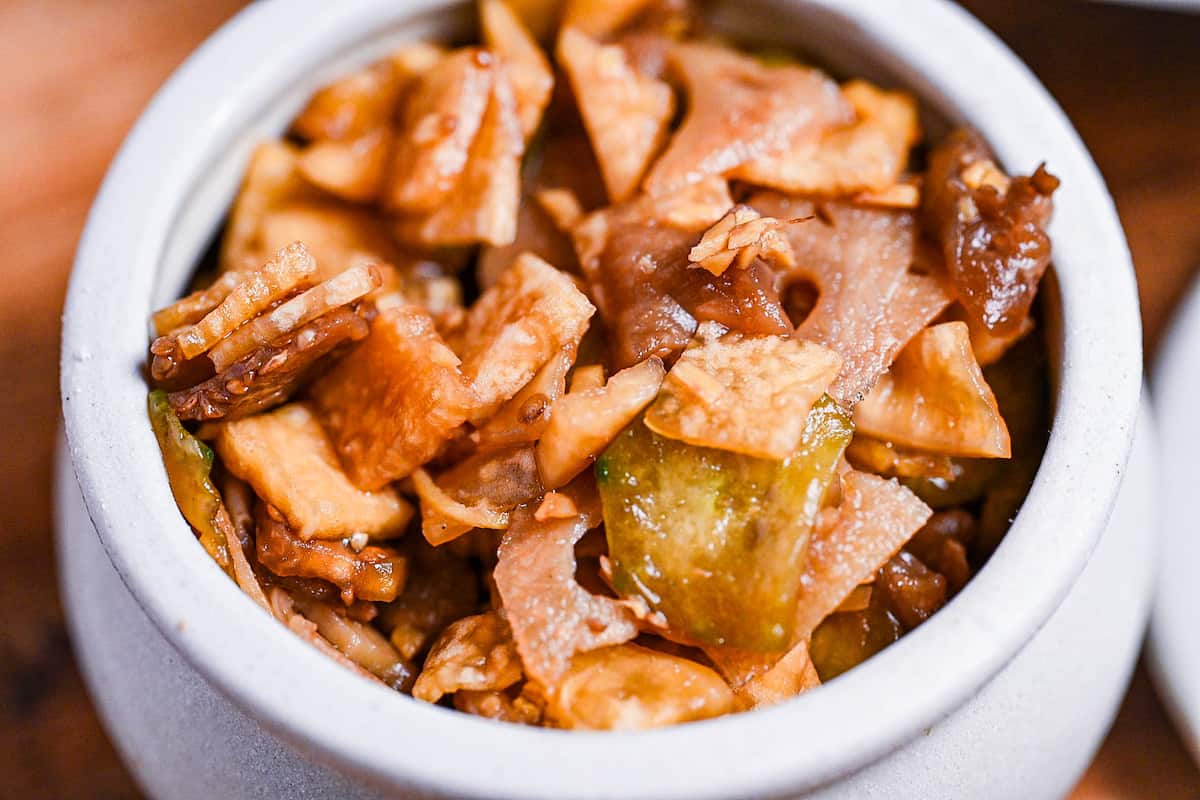
I love Japanese curry rice enough that I built this pickle backwards from the plate it belongs on, starting with what all that rich, spicy sauce actually needs beside it. Sweet, sour, and crunchy. Eating curry rice without a small pile of this on the side is unimaginable to me.
Twelve hours in the fridge is the minimum before it is ready to eat, and in my experience it peaks on the third day. Fill the jar tonight and the curry it belongs beside is still a few days out. The waiting is the recipe.

32. Beni Shoga (Red Pickled Ginger)

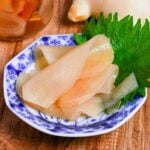
A deep pink tangle of ginger lands on hot yakisoba and cuts straight through the oil. That color comes from red plum vinegar alone, the liquid drawn off umeboshi and turned red by salted perilla leaves. Young ginger keeps it bright, and a short blanch with a little sugar softens the intensity if you want it gentler.
Dry ginger drinks in color and flavor, so the slices sit under salt for an hour and then spread across a tray for a few hours of air. Kitchen paper does the job on a busier day. Add it up and your hands work about twenty minutes, with the first taste a day after the jar goes in.

33. Sushi Ginger (Gari)

A slice or two goes between pieces of sushi, so a bold mouthful of ikura does not carry into the bite of white fish that follows. Crisp, sweet and sour, with the raw ginger heat softened down to a warm edge. It does what a sorbet does partway through a long dinner.
Salt the slices while they are hot and squeeze them dry, and they drink the brine in instead of watering it down. The pink that follows is soft and uneven because it comes from the ginger’s own red stem tips. Blanching time is the heat dial, and the recipe tells you which way to turn it.
34. Homemade Ramen Noodles

Featured Comment
We used to live in Japan and quality restaurant ramen was our favorite. This is the first homemade recipe I’ve tried that has actually turned out like “real” ramen noodles!!!
★★★★★
– Erika
Ten years ago I lived in England with a craving for Japanese-style ramen I could not satisfy, since fresh noodles rarely reach ordinary supermarkets outside Japan. So I wrote this one for that version of me. It takes flour, water, salt, and the alkaline agent that gives the strands their yellow color and their chew.
The active work is about forty minutes, but it splits across two days, since the dough rests for an hour and then a full day. That is why it wants a free Saturday and the Sunday after it. The kneading happens with your feet, not your hands, inside a bag on the floor, the second time on this list.

35. Takuan (Pickled Daikon)

Featured Comment
Love this recipe. Brings back memories of my mom’s takuan. Perfect!
★★★★★
– Sue
I weigh the daikon and salt it at two percent of its weight, then press it under a one kilogram bag of salt so the moisture draws out evenly. Freezer bags won me over for the pickling stage, since the color spreads and the smell stays contained. Fifteen minutes of hands-on work, all told.
A strip of kombu in the brine builds the savory depth that months of fermenting would normally supply. The yellow comes from gardenia pods, pierced so the color moves into the brine, though turmeric works too. Half moons alongside rice at the end of a meal, sticks when it is headed into a sushi roll.

36. Umeboshi (Pickled Plums)
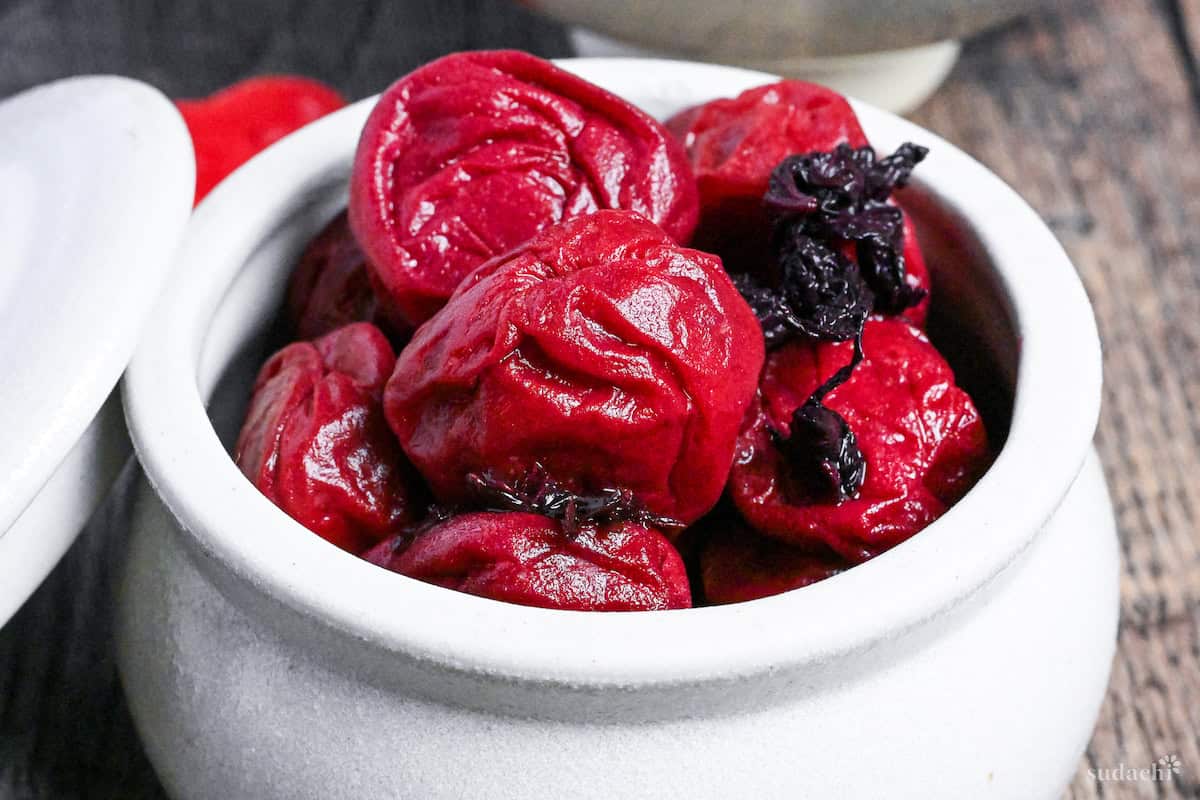
Ume sit under salt, then dry through three days of sun once the forecast promises them, and come out as umeboshi, salty and sour enough to keep for years. It does take a few special tools, so in my version jars of sugar stand in for weights and a freezer bag for the pickling jar.
Ume ripen only from late May into early July, which makes this a once a year project. Three or four months after the drying, the saltiness mellows, and the same batch leaves you plum vinegar for cooking and dried shiso to grind into a seasoning for rice. Nothing goes to waste.

37. Homemade Ochazuke Seasoning Mix
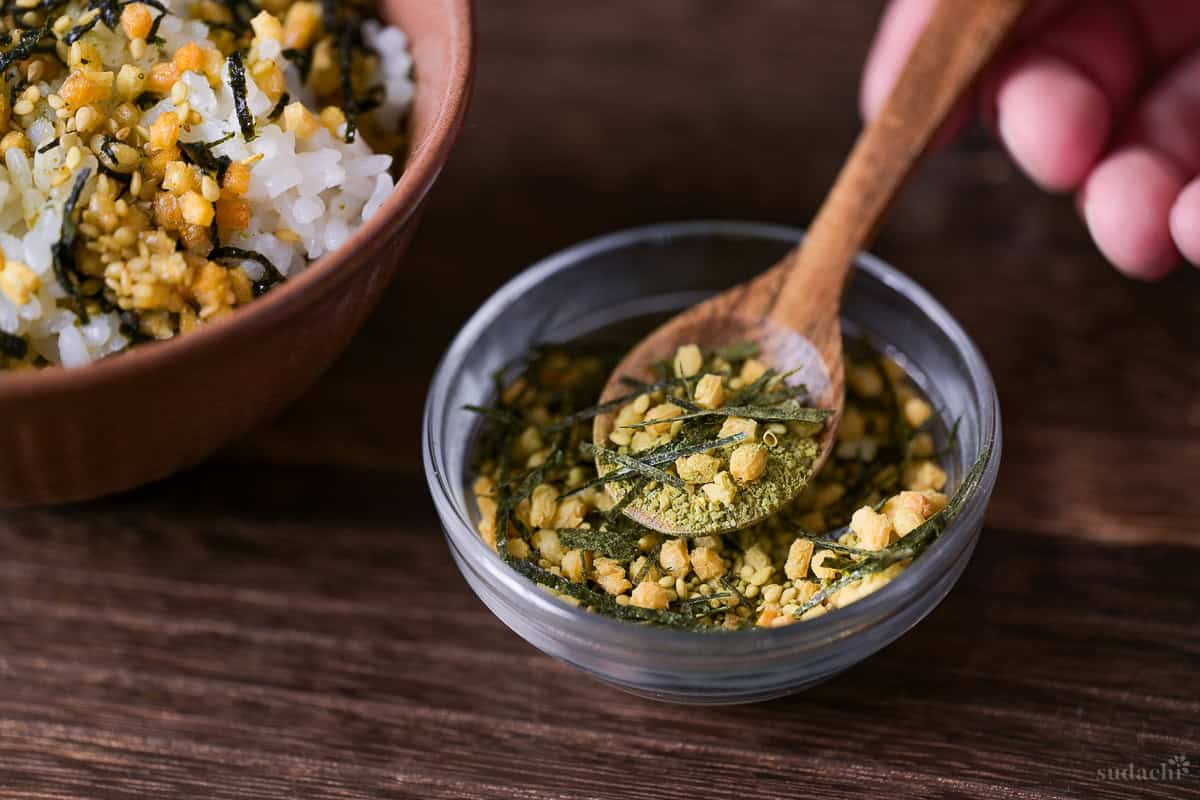
A box of ochazuke packets asks you to want ochazuke 6 times. My homemade ochazuke seasoning mix asks for a spoon. 5 dry ingredients go into a jar, and the tea is already in the powder.
Mixing it myself means the salt and the dashi sit where I put them. I keep the nori, sesame, and rice crackers in their own bags so the crunch is still there at the bowl. You make the amount you actually eat.

Leave a rating and a comment