

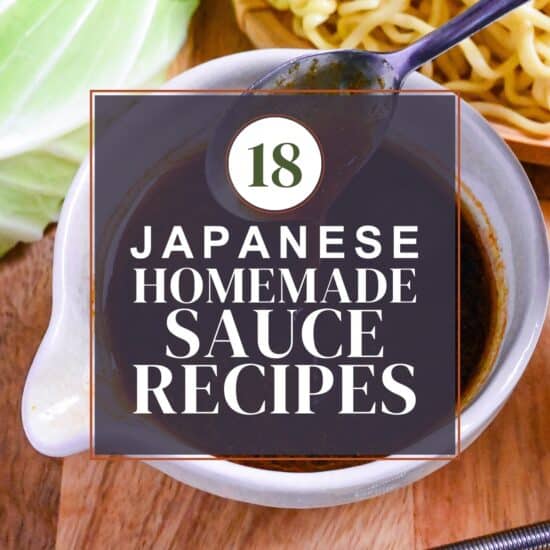

Ask yourself how often you actually make takoyaki. I am Japanese and I do not make it often, which is why buying the bottle of sauce never made much sense to me, since a sauce you reach for a few times a year does not earn permanent space in your fridge door. The sauces worth making at home are not the complicated ones, they are the ones you need rarely, and most of them come together faster than the trip to the shop that sells them.
1. Gyoza Dipping Sauce
Featured Comment
Absolutely love this sauce and all the extra suggestions too
★★★★★
– Suzanne
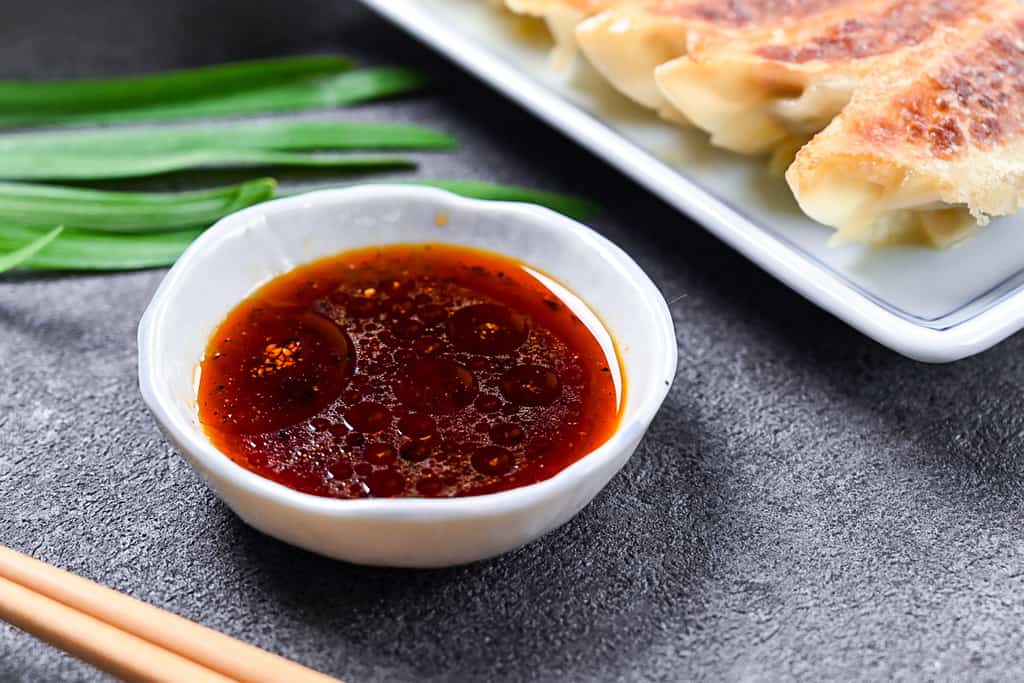
I have never kept a dedicated bottle of gyoza sauce, and I do not plan to start. Four things in a small bowl, one minute, no pan and no heat. That was the whole brief I set myself, a sauce good enough to reach for every single time, with no step that had not earned its place.
If you stir together only one sauce from this list, make it this one. Rice vinegar and soy sauce carry it, and the chili oil (la-yu) is what turns a plain dip into something with a kick. My wife asks me for the recipe by name every time gyoza land on our table, which is the only review I need.
2. Takoyaki Sauce
Featured Comment
Best homemade recipe for takoyaki sauce I have found. I especially love the tip of adding a small dash of lemon. Gives it the perfect acidity.
★★★★★
– Serena
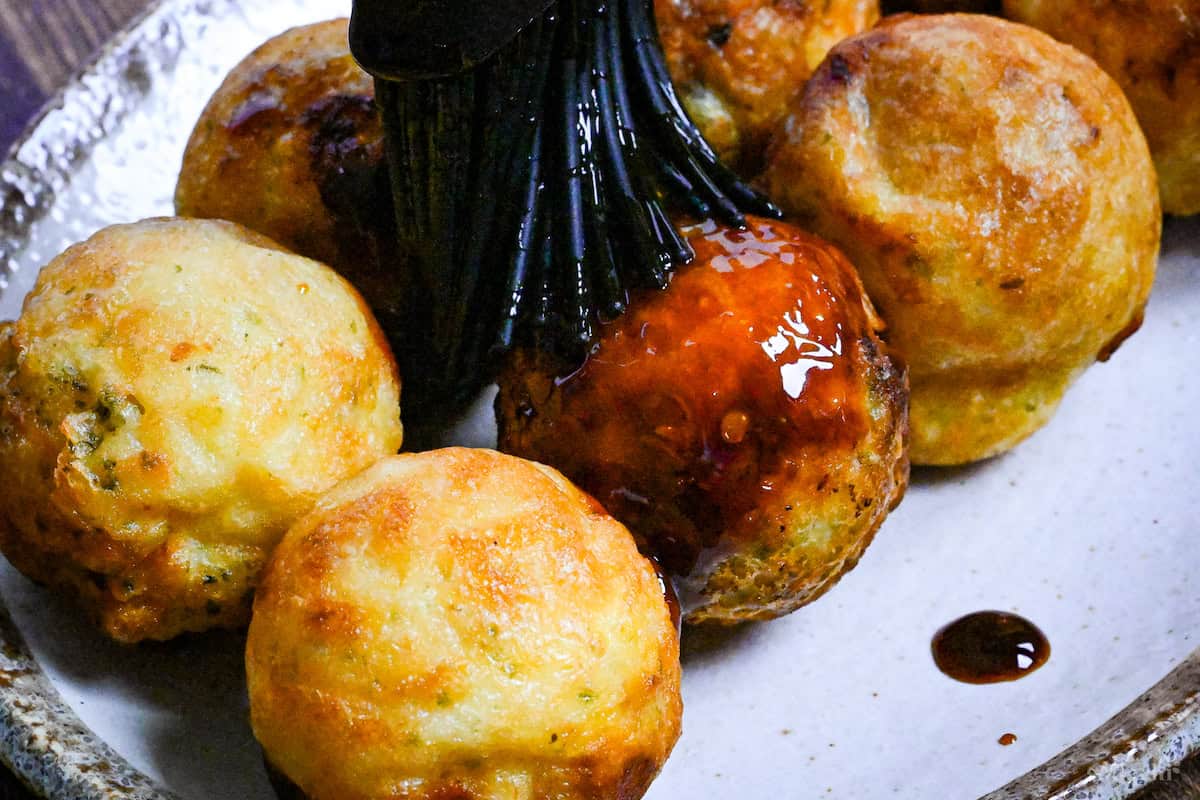
I am Japanese, born and raised, and I have eaten more takoyaki than I can count. When I lived abroad, though, I hit the same wall you have, because nothing on the shelf tasted like what I remembered. Six ingredients and 3 minutes on the stove closed that gap.
Everything goes into a cold pan, then onto the heat for a short simmer until it thickens. What keeps mine from tasting generic is a small measure of dashi granules, and there are 4 optional add-ins you use one at a time, in amounts so tiny that everyone will be asking for the secret.

3. Japanese Steak Sauce
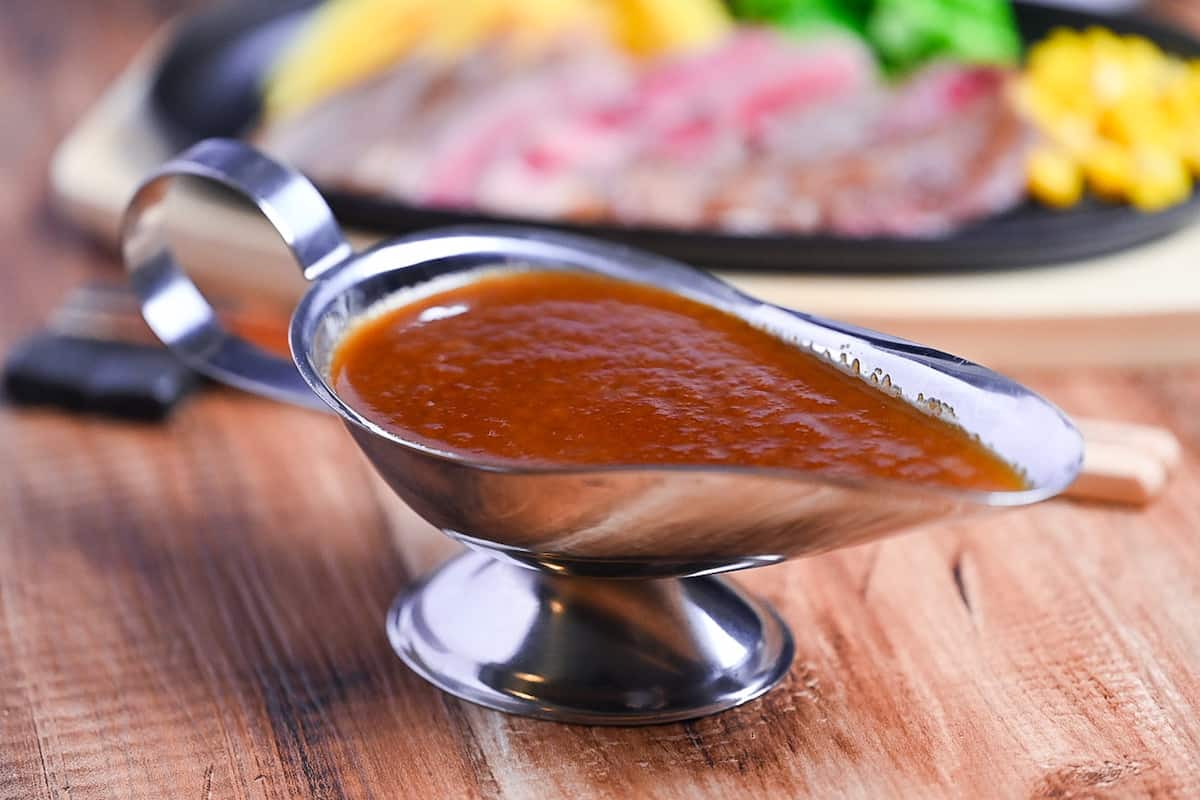
Bronco Billy is a steakhouse chain in central Japan, and I have loved it since I was a kid. Back then steak was a rare treat, so every visit felt like an occasion, and the fondness never faded. This sauce is my attempt at the one they pour over theirs.
What carries it is not one ingredient but a blend, apple and carrot and ginger and garlic going into the jug with soy sauce, red wine and honey. I blend rather than grate, because grated ginger turns lumpy and you taste it. And I soften the onions first, which you can skip, though I would not.

4. Yakiniku Sauce (Japanese BBQ Sauce)
Featured Comment
It’s delicious. I love these well researched sauces.
★★★★★
– Marian
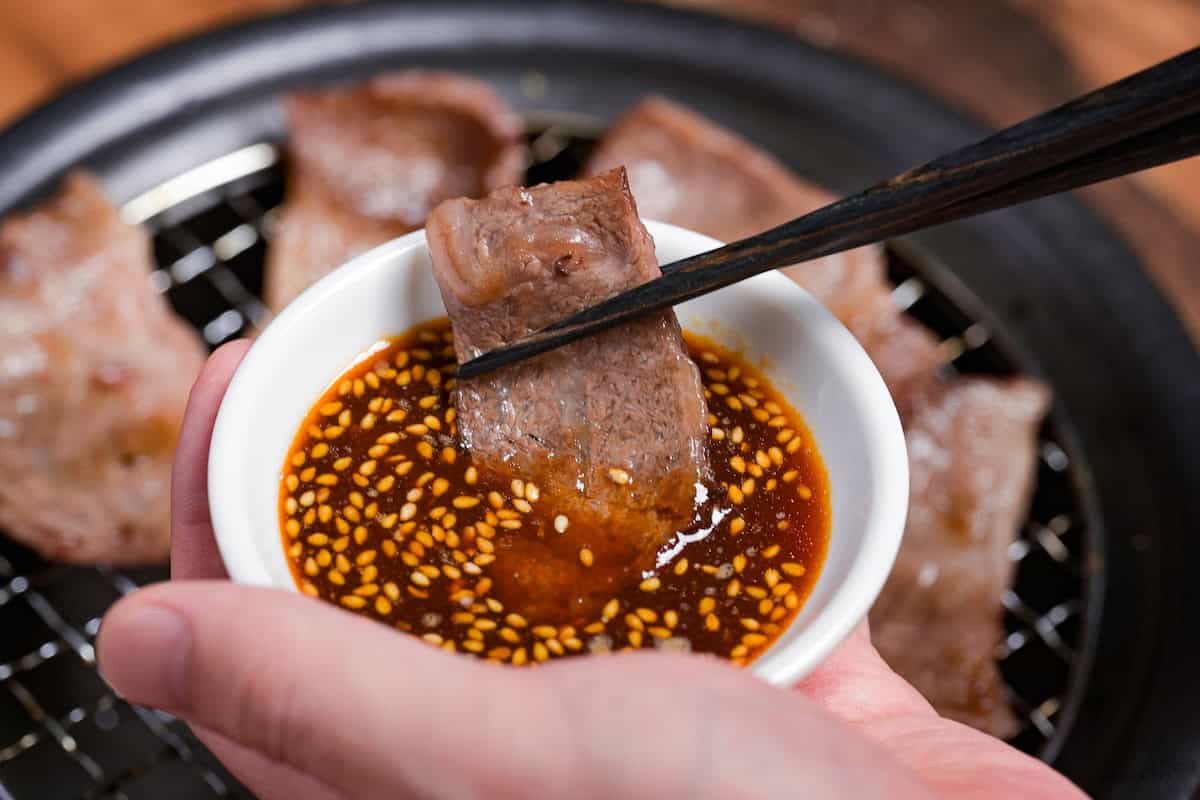
I rebuilt this one more times than I care to admit. The sugar gets caramelized before anything else goes in, and that is the step I would not give up, because caramel brings toffee and a faint bitter edge that meets the soy sauce halfway. Raw sugar only brings sweet.
Soy sauce and a small amount of miso build the base, and grated apple goes in at the very end for a fresh, fruity brightness rather than more sweetness. It is not the fastest sauce here, and I picked it anyway. Of the 18, this is the one I most want you to make.

5. Yakisoba Sauce
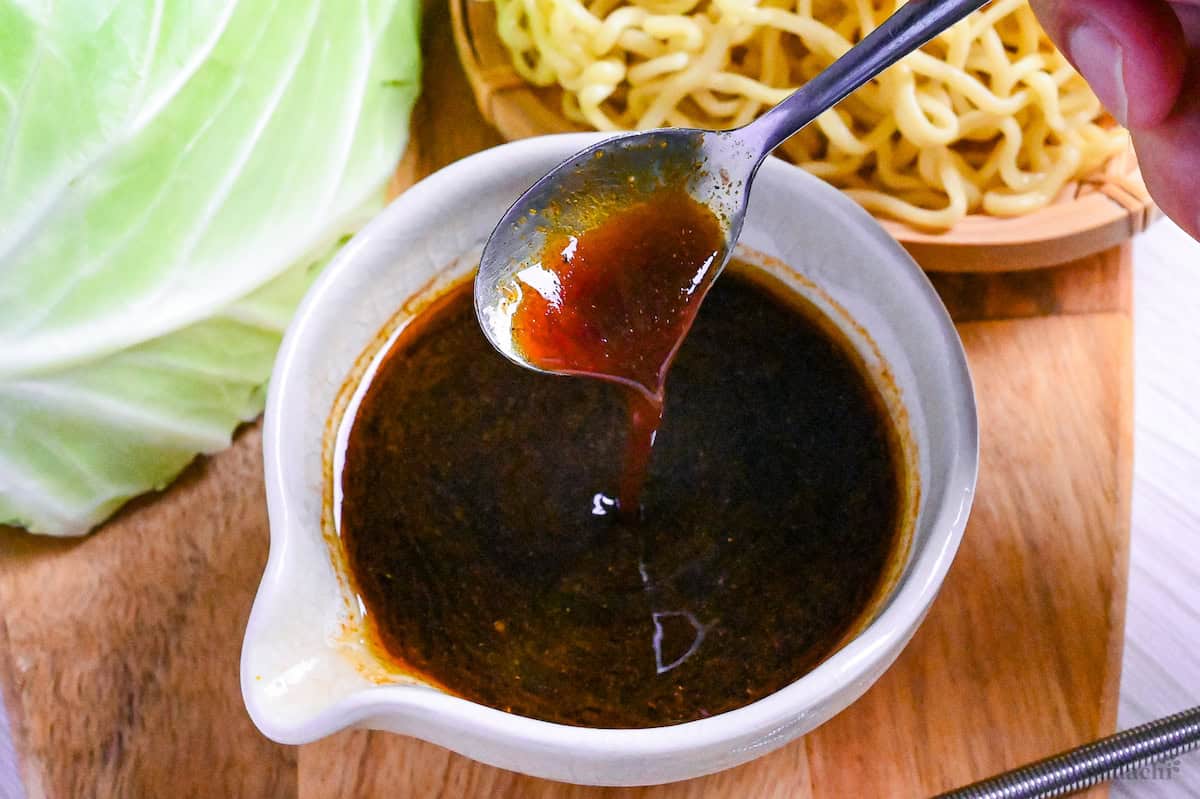
I lined this one up next to my tonkatsu, takoyaki and gyoza sauces, and good enough was not going to do. I knew I could improve it, so I went back to the seasonings and kept testing. This recipe is what came out of the other side of that.
What fixed it was a pinch of curry powder, just a touch. It does not turn the sauce into curry, which is the whole point, it just sits underneath, deepening everything else and leaving a gentle kick on the finish. The whole thing comes together in about 60 seconds.
6. Tsuyu (Multipurpose Dashi Sauce)
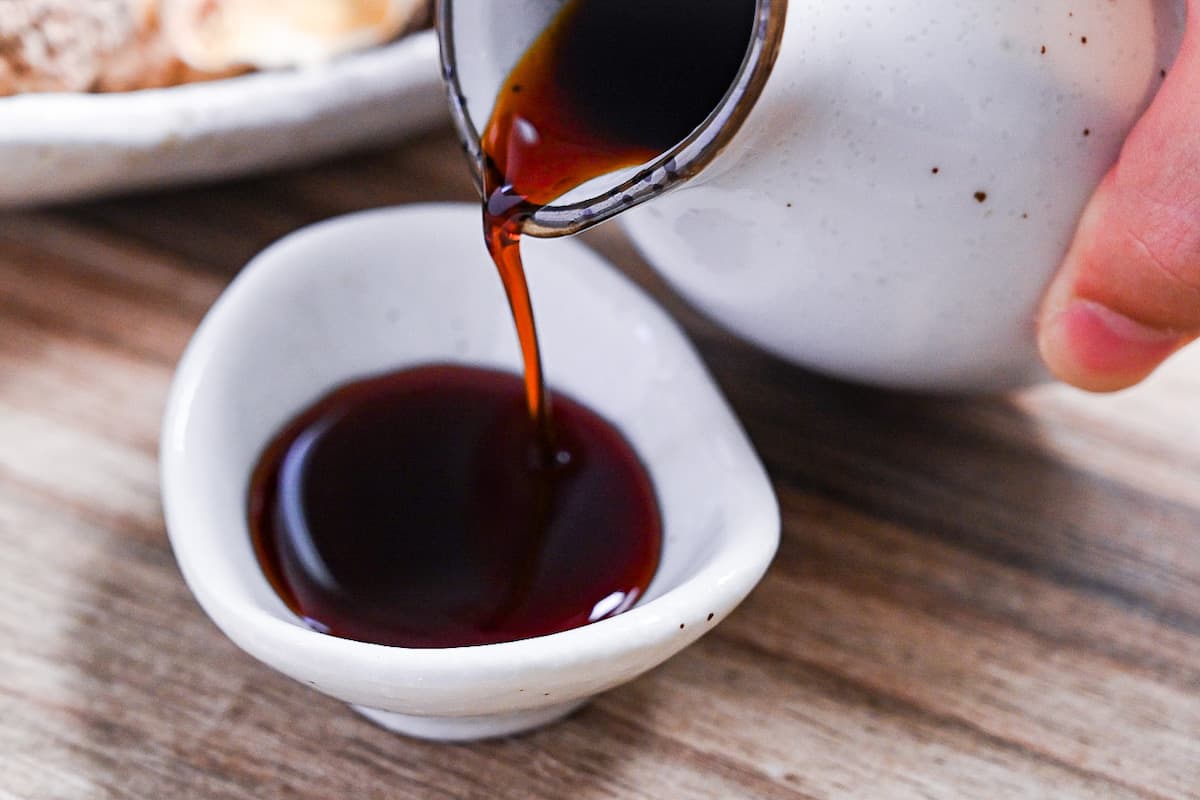
Every bottle of tsuyu has already picked your dashi for you. Some lean on bonito flakes, some on mackerel, some on kombu alone. When I make it at home I choose that myself, which is the whole reason to switch to homemade, and it bends toward what I want to taste, or what I can and cannot eat.
My own default is awase dashi, kombu and katsuobushi together. If that sounds like too much trouble, granulated dashi is genuinely fine here, and I say that as the person who wrote the recipe. This one is a concentrate, so you cut it with water, a little for dipping soba and a lot for hot noodle broth.
7. Mentsuyu (Noodle Dipping Sauce)
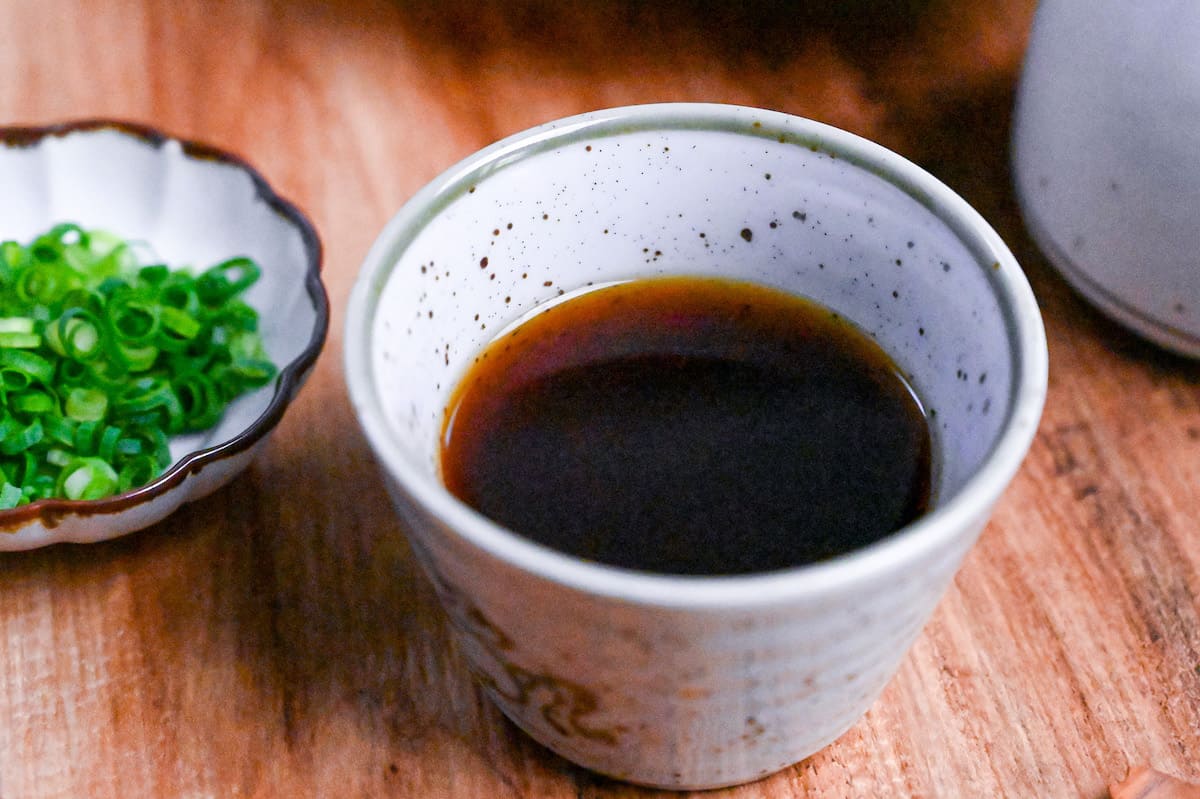
This is the one you do not dilute. Mentsuyu is built to meet cold soba, udon or somen straight from the jar with nothing added, which is what the name says, noodle soup. It also works hot, so one batch covers a chilled bowl in August and a steaming one in January.
The dashi is the whole job here. Kombu soaks in water for half an hour, then bonito flakes, soy sauce, mirin and sugar follow for a 5 minute simmer before you strain it. The one thing I would not get wrong is pulling the kombu out right before the water boils, never after.

8. Okonomiyaki Sauce
Featured Comment
Couldn’t find okonomiyaki sauce locally, so this saved me! Will definitely make again.
★★★★★
– Carlene
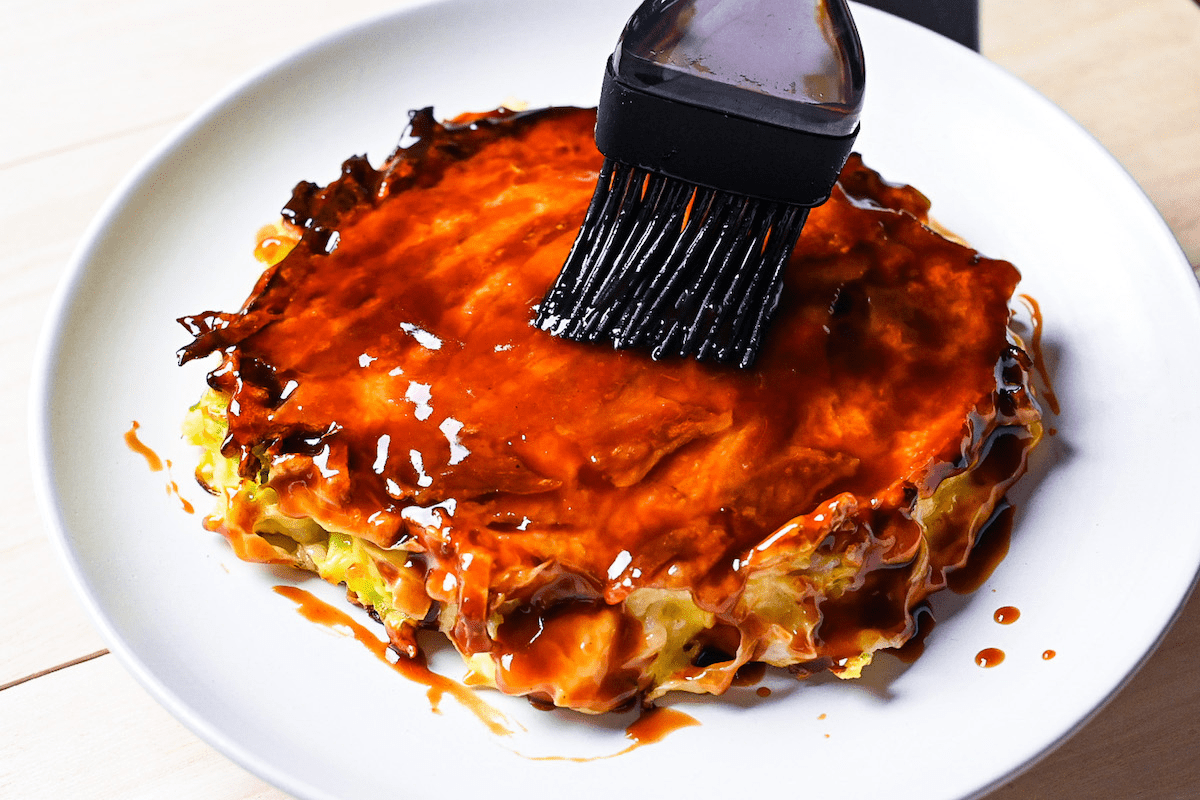
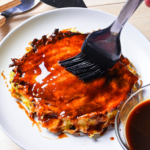
I first made this in England, where a bottle costs several times what it does in Japan. That was when it clicked. Everything I needed was already sitting on the shelves around me, a handful of ordinary condiments, stirred cold in a bowl into the thick dark sauce I had been missing.
This is the one sauce I actually made this month, and it took no pan, no simmer, no waiting at all. Next to a steak sauce it lands sweeter and heavier, with an acidity underneath that stops it turning cloying. Mine is ready before the cabbage is even shredded.
9. Unagi Sauce (Japanese Eel Sauce)
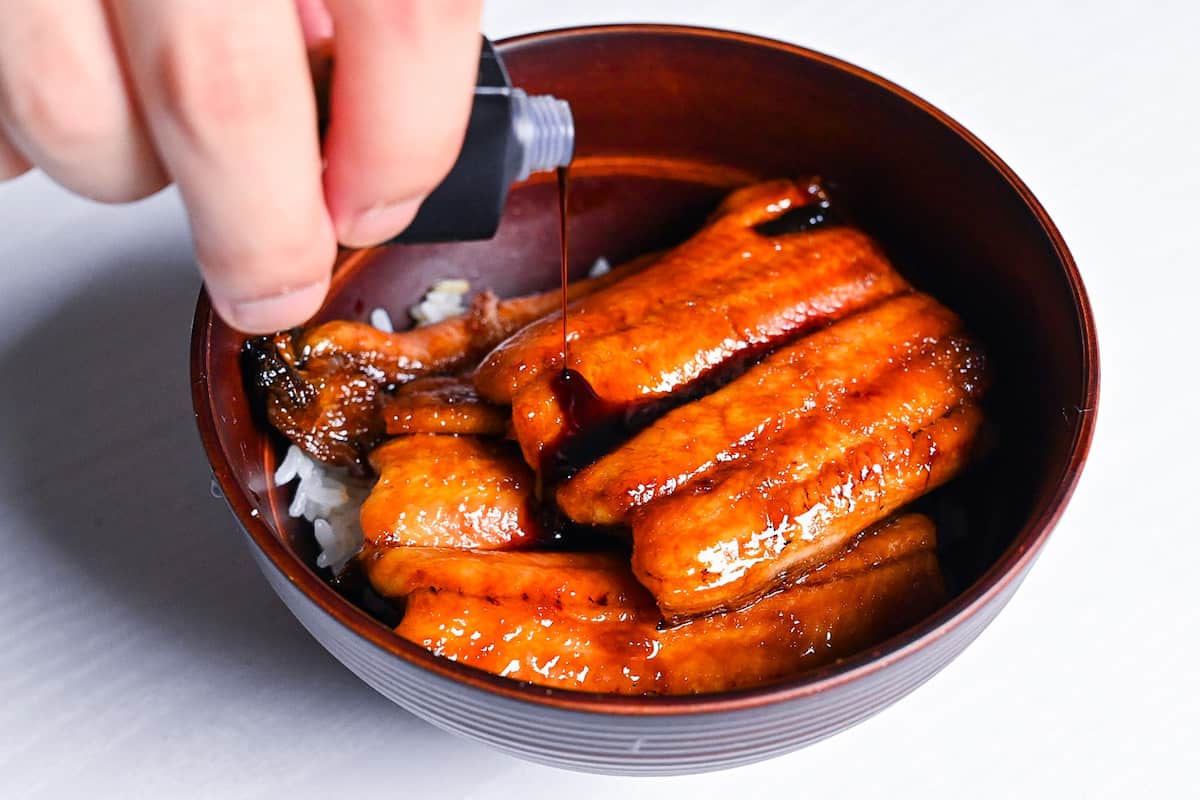
The bottle looks unbeatable until you set it beside a homemade pour on plain rice. Then it turns over. The shop version is sweet with a faint additive edge, while a reduction made at home wins on the one thing a bottle cannot fake, which is depth.
The sugar is where this gets decided. I use coarse turbinado with a little dark muscovado, so the sugar is doing depth and roundness instead of pure sweetness, and the sauce stops tasting like syrup. Then there is the thing the hot pan will not tell you, which is when to stop.

10. Tonkatsu Sauce

Featured Comment
Made the classic version last night for my homemade tonkatsu and wow, so much better than the bottled stuff I usually buy. Takes literally 2 minutes and I already had all the ingredients in my pantry.
★★★★★
– Caileigh
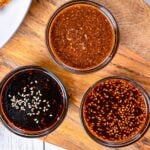
I keep three of these in rotation, the classic tangy one, a Nagoya style built on red miso, and a nutty toasted sesame version. Rather than hand you one rule, I would rather hand you three, because what a katsu wants on a casual Tuesday is not what it wants when you cooking to impress.
The classic is a few things already on your shelf, stirred in a bowl, done in about 2 minutes. The red miso one gets simmered until it thickens and goes glossy. The sesame one asks you to toast and grind the seeds first, which is the most work of the three and worth it for the nuttiness.
11. Ponzu Sauce

Featured Comment
Never realized how easy homemade ponzu is! Used a mix of lemon and lime since I couldn’t find yuzu, and it still tastes leagues better than store-bought.
★★★★★
– Mair
Ponzu is a sour condiment that exists nowhere but Japan, citrus juice sharpened with vinegar and rounded out with soy sauce and dashi. The citrus is the part worth thinking about. I made it 5 ways, with lemon, lime, yuzu, sudachi and kabosu, and they do not land in the same place.
Yuzu was my favorite of the 5, though it is the one you are least likely to find. Lime surprised me, and it is what I would reach for if Japanese citrus is out of reach where you live. I also do not like sweet ponzu, so mine leans sour, and you can push it back the other way.

12. Japanese Tartar Sauce (Tarutaru)
Featured Comment
So delicious I could eat it on its own! Thanks for the recipe
★★★★★
– Bella
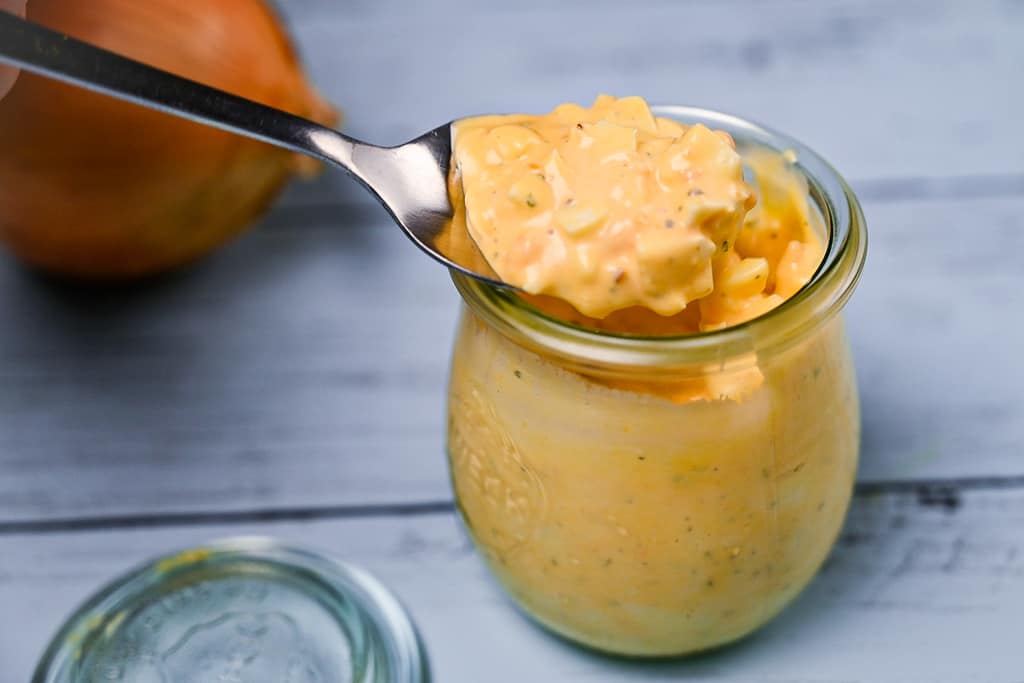
I am not going to pretend this goes with everything, because it does not. It exists, in my kitchen at least, for ebi fry, breaded fried prawns, and almost nothing else. That narrowness is the strength, because every part of it is tuned to something hot, crisp and straight out of the oil.
Built on Japanese mayonnaise, it lands richer and sharper than most people expect, and the acidity cuts clean through the grease of anything fried. Finely diced boiled egg goes in, which is the part that makes it Japanese rather than French, and it wants 20 minutes in the fridge before you touch it.
13. Tempura Dipping Sauce (Tentsuyu)
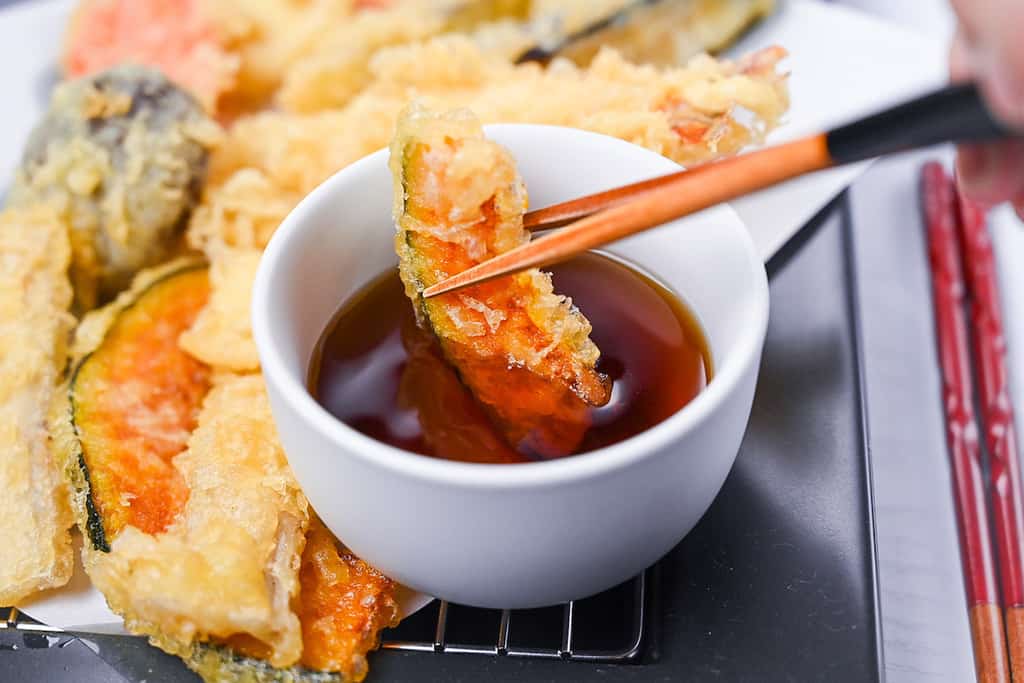
You can buy tentsuyu in a bottle, and nobody would blame you. I keep making my own anyway, because the whole thing is one small pot and a short simmer, and because the homemade version lands milder and sweeter than the sauce you would use for noodles. Tempura is a side, not the main event, and the sauce follows.
The part I like best happens at the table. You set out grated daikon and ginger beside the bowl, and each person stirs in as much as they want, so the same sauce turns sharp for one eater and gentle for the next. One dip in, and you can start adjusting.

14. Yuzu Kosho

This is the most hands-on recipe here, and I am not going to sell it to you. Salt, chili heat, and yuzu zest become a paste that then sits and matures on its own schedule. Whether that is worth doing comes down to how much you personally value making things by hand.
What I get back is a paste I keep reaching for with chicken. A dab stirred into a Mizutaki hotpot or a bowl of chicken zosui sharpens the whole pot. And if fresh yuzu is nowhere near you, there is a citrus workaround inside that I would use without apology.

15. Japanese Mayonnaise (Kewpie Style)

Featured Comment
The Japanese mayonnaise turned out perfectly. I wanted to make your recipe for Osaka style Okonomiyaki which required okonomiyaki sauce and mayonnaise and was glad to find a recipe for both as it meant less store bought jars in my fridge which never gets used up.
★★★★★
– Tove
Egg yolks only, no whites, which is where the custard richness comes from. The tang is the part I had to work at, because rice vinegar on its own does not quite get you there. I blend it with apple cider vinegar, since the tang I was chasing was built from fermented apple and malt.
Homemade mayonnaise has exactly one place it can fall apart, and that is the second the emulsion splits. I put the fix in the recipe, because a broken batch is not a lost batch once you know the move. And I am honest inside about when buying the bottle is the smarter call.

16. Rayu (Japanese Chili Oil)

This is the best rayu I have tasted, and it was a fraction of the work I had braced for. What makes it Japanese rather than Chinese is the base, half neutral oil and half toasted sesame oil. Give it a day or two in the jar before you judge it.
Two numbers carry the whole thing. The oil goes to 160°C (320°F), and the aromatics infuse on low for 10 minutes. Then a splash of water goes into the chili powder before the hot oil hits it, which is the difference between clean tasting and burnt tasting.

17. Japanese Curry Roux
Featured Comment
Thank you so much Omura, for this delightful recipe. It was totally worth the extra work, and will be my new go-to recipe for our roux.
★★★★★
– Bernadette
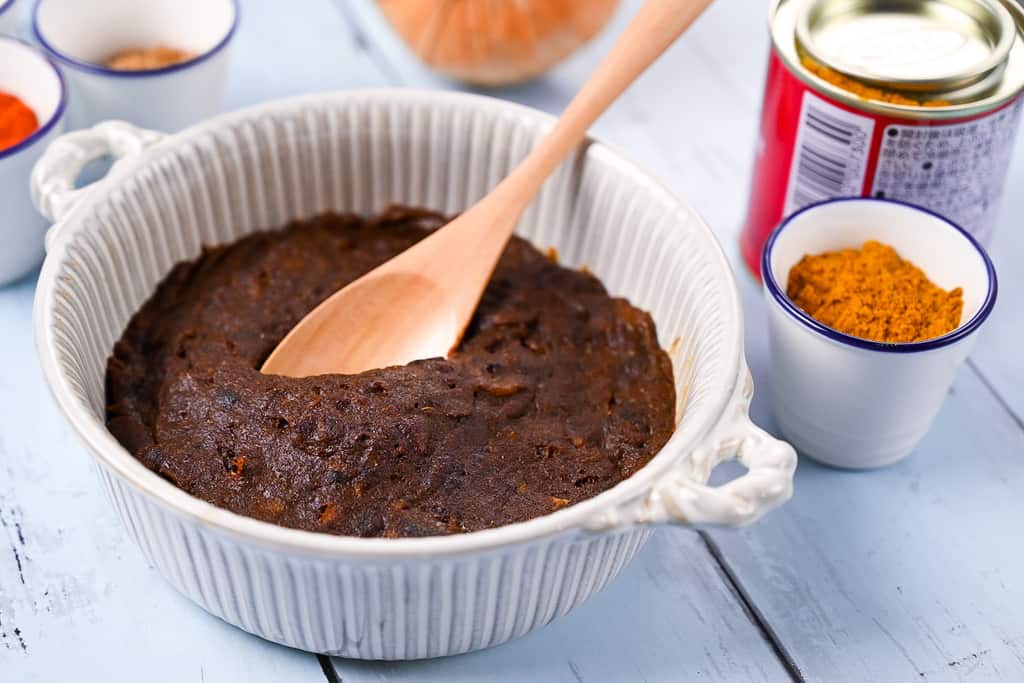
Curry roux is fat, flour, and spices pressed into a block that looks like a chocolate bar. The fat holds it together, the flour gives it body, and the spices do all the talking. I skipped the snap-apart shape and made mine a thick paste instead, which behaves the same in the pot, only softer.
I will not pretend this is fast. In Japan a box of curry roux is cheap and on every shelf, so it earns its keep there, but the math changes the moment you cannot buy it, or cannot eat what is inside it. Then you get to build the spice yourself, and set the heat exactly where you want it.
18. Kuromitsu (Japanese Brown Sugar Syrup)
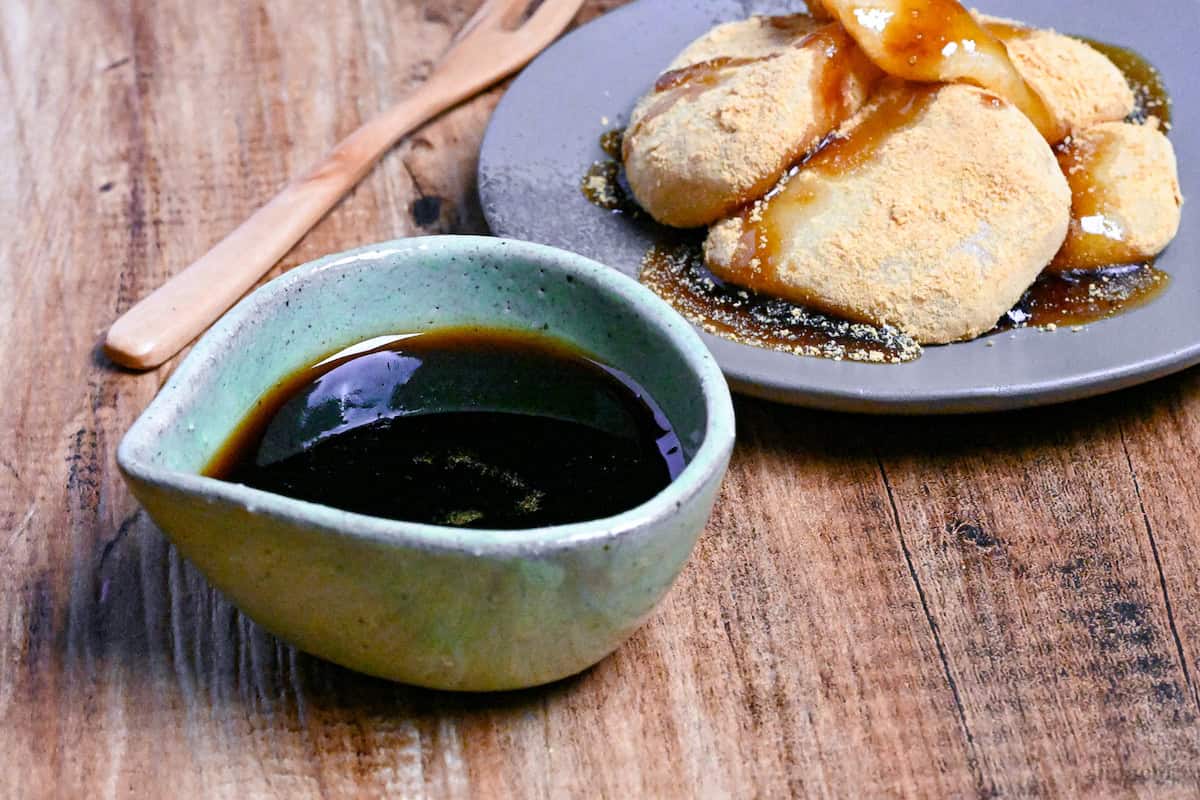
Kuromitsu means black honey, and it is built on kokuto, the unrefined dark sugar from Okinawa and Kagoshima. For years I only ever made it in small amounts, as a component inside something else, so this time I scaled it up into a jar that lives in the fridge and gets used.
Here is the part I would not change. Half the sugar is white, because dark sugar on its own turns the syrup bitter, and that split is what keeps it rich instead. It looks like molasses, pours thinner, tastes milder, and 5 minutes on the stove is the whole job.


Leave a rating and a comment