

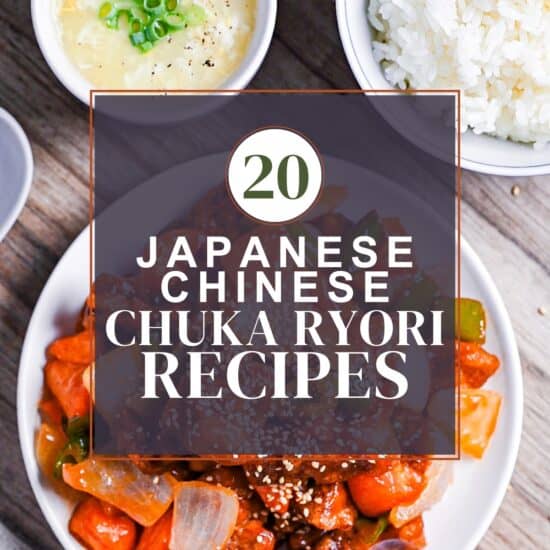

Growing up in Japan, the dishes I used to believe were Chinese as a kid, like gyoza, chahan, and tantanmen were not authentic Chinese food. They were Japanese foods that were inspired by Chinese cuisine a long long time ago. We call this whole category chuka ryori, and it lives in every home kitchen, every school lunch, every weeknight rotation. These 20 recipes are the chuka I cooked growing up and the chuka I cook now, ready for your kitchen tonight.
1. Hiyashi Chuka
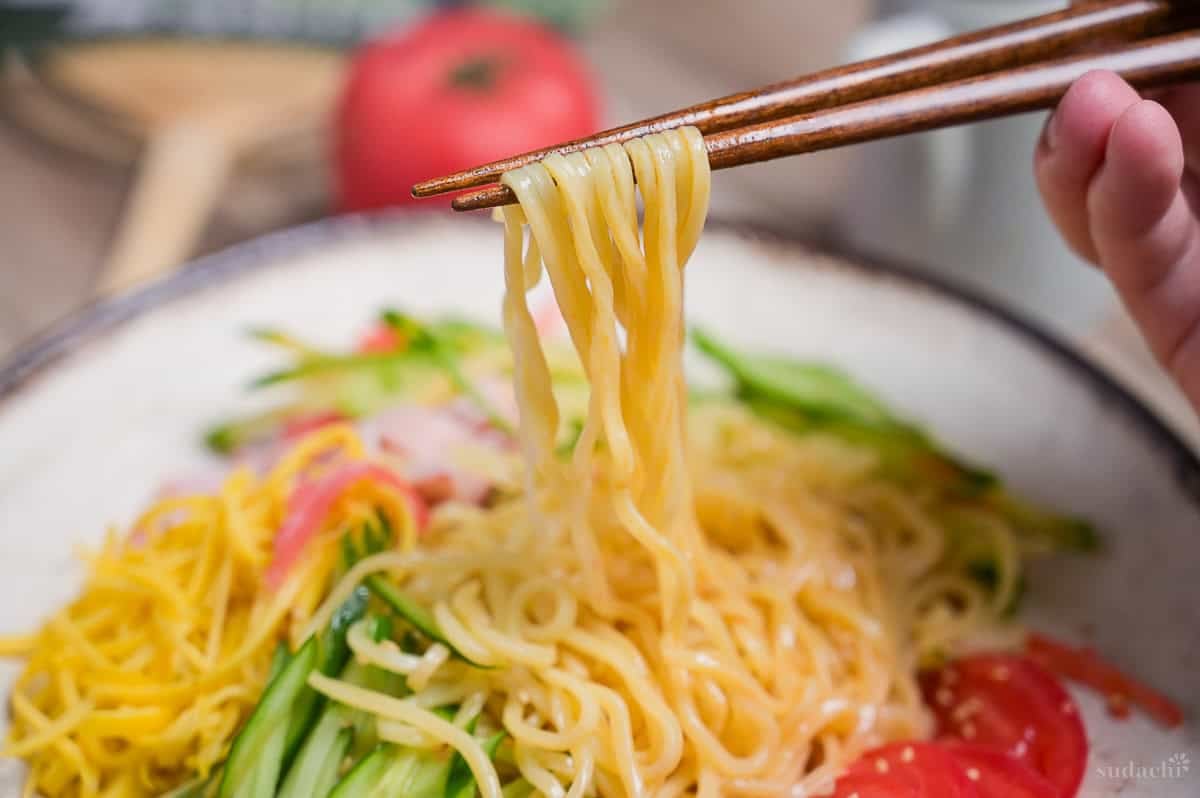
Hiyashi chuka means “chilled Chinese” and it carries the same weight in summer Japan as iced coffee does in August. The toppings are a rainbow of kinshi tamago (shredded egg crepe), ham, cucumber, tomato, plus a sour soy dressing that hits in the back of the throat.
If you have spent a summer in Japan, the craving is unmistakable, and the version sold abroad almost never matches. This guide brings the convenience store standard straight to your kitchen table.
2. Hiyashi Tantanmen

Featured Comment
This is your third recipe I’m trying and a third 5 star!!! So delicious! Thank you so much for another great recipe!
★★★★★
– Dee
This is tantanmen served cold, with the sesame-chili soup chilled until it sharpens. The aroma stays clean, the richness stays heavy, and the noodles stay slick.
Spicy plus cold sounds wrong until you taste it. Then it becomes the only thing you want in late July.

3. Tantanmen (Tan Tan Ramen)

Featured Comment
This is absolutely the best ramen recipe we have ever tried at home. If tan tan ramen is your jam, this is the recipe you want. Thank you Yuto for this; all of your recipes we tried have been absolute winners, but this one is special to us.
★★★★★
– Wayne
Tantanmen is Japan’s creamy, weeknight answer to Sichuan dan dan. Sesame paste plus chili bean paste plus pork rendered fast in under 30 minutes is the whole secret.
Of every ramen I have on this site, this is the one I recommend starting with. The depth-per-minute ratio is the highest by a wide margin.
4. Shoyu Ramen
Featured Comment
I was surprised how good the result was.
★★★★★
– Ric
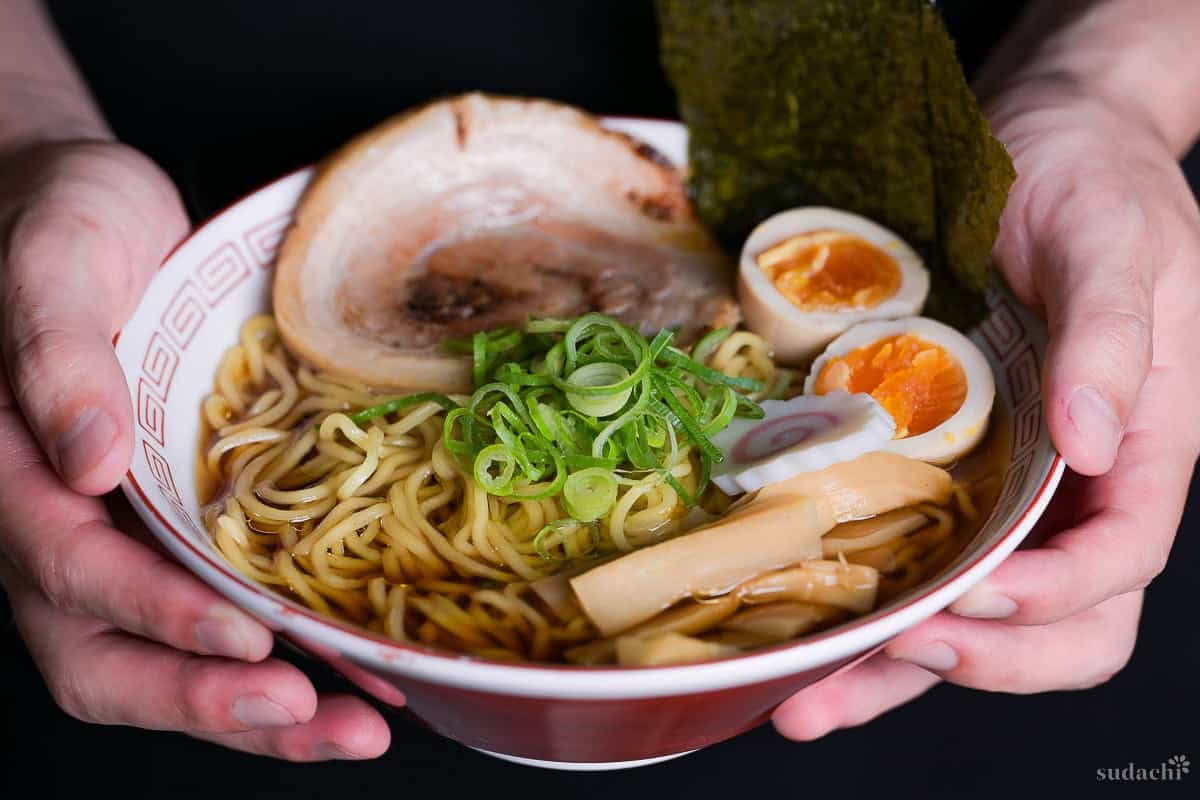
Shoyu ramen is the original ramen, the one that arrived from China and settled into Japan around the early 1900s. It was originally called chuka soba (Chinese-style soba noodles). It says it all.
My broth uses chicken plus a little dashi, with the tare built from rendered chicken skin, soy sauce, sake, and mirin. It sits between the lightness of shio ramen and the punch of miso ramen. If you have only made one ramen at home, this is the one to make next.
5. Taiwan Mazesoba

This is a brothless spicy ramen from Nagoya, my local city famous for being inspired by Chinese ideas. You get thick noodles, spicy minced pork, raw egg yolk, garlic, and chives, all mixed at the table until everything coats.
The dish is two minutes of mixing and twenty minutes of cooking. The mixing part is half the fun.
6. Nagasaki Champon

This is the noodle dish that proves Nagasaki spent four centuries trading with China while the rest of Japan stayed closed. Pork, shrimp, cabbage, bean sprouts, kamaboko, corn, carrot, all stir-fried in lard, then dropped into a milky chicken-bone-and-dashi broth with thick noodles.
It is messy, full, and warming in a specific Kyushu way. One bowl is dinner for two.
7. Authentic Yakisoba

Featured Comment
Thank you so much for the recipe. I’ve made these so many times, and we always end up eating two portion haha… planning to make again this week for my friend. Love your other recipe too! Thank you
★★★★★
– Mentari
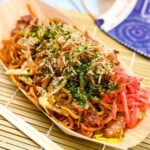
You might not think that now but, yakisoba is also originally inspired by Chinese cuisine. Yes, chow mein.
The smell of yakisoba on a teppan is the smell of Japanese summer festivals, and the secret addition is in the post. The festival comes home.
8. Japanese Pork Gyoza

Featured Comment
I just made these today. They were fantastic! Almost all gyoza disappeared instantly, everyone in the family found it incredibly addicting. The cooking method is also great, gyoza turns out to be very juicy but still crispy on the bottom. Thank you so much, it is now my favorite gyoza recipe!
★★★★★
– @niidzumakun8170 (from YouTube)
Japanese gyoza took Chinese jiaozi and decided the pan-fry was the whole point. Meat, cabbage, garlic chives, ginger, garlic, a touch of lard, then a crisp brown bottom and a steamed-soft top.
This is the recipe I built and updated in 2024 after years of testing gyoza wrappers. Make once, freeze a tray, and you have dinner for next Tuesday already.

9. Pork Shumai
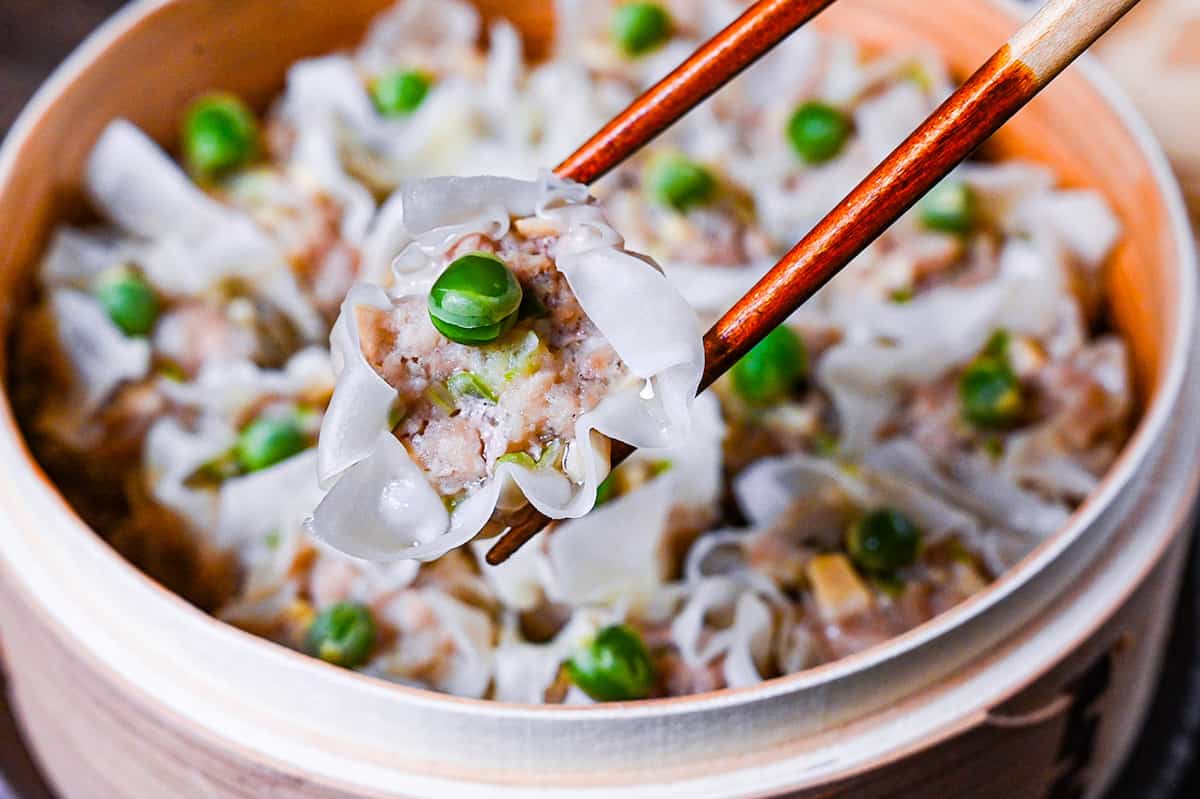
Shumai are square-wrapped, steamed, and bouncy in a way gyoza never gets. I dice the pork belly by hand instead of grinding it, which is the difference between a chewy bite and a soft one.
Yokohama Chinatown is where shumai became a Japanese pantry staple. A bamboo steamer is the only special tool you need.

10. Nikuman
Featured Comment
Thank you for yet another terrific recipe from Sudachi Recipes. The filling is really delicious. And the leftover buns are really convenient to have around, just pop in the microwave for a quick snack.
★★★★★
– S Yoshimi
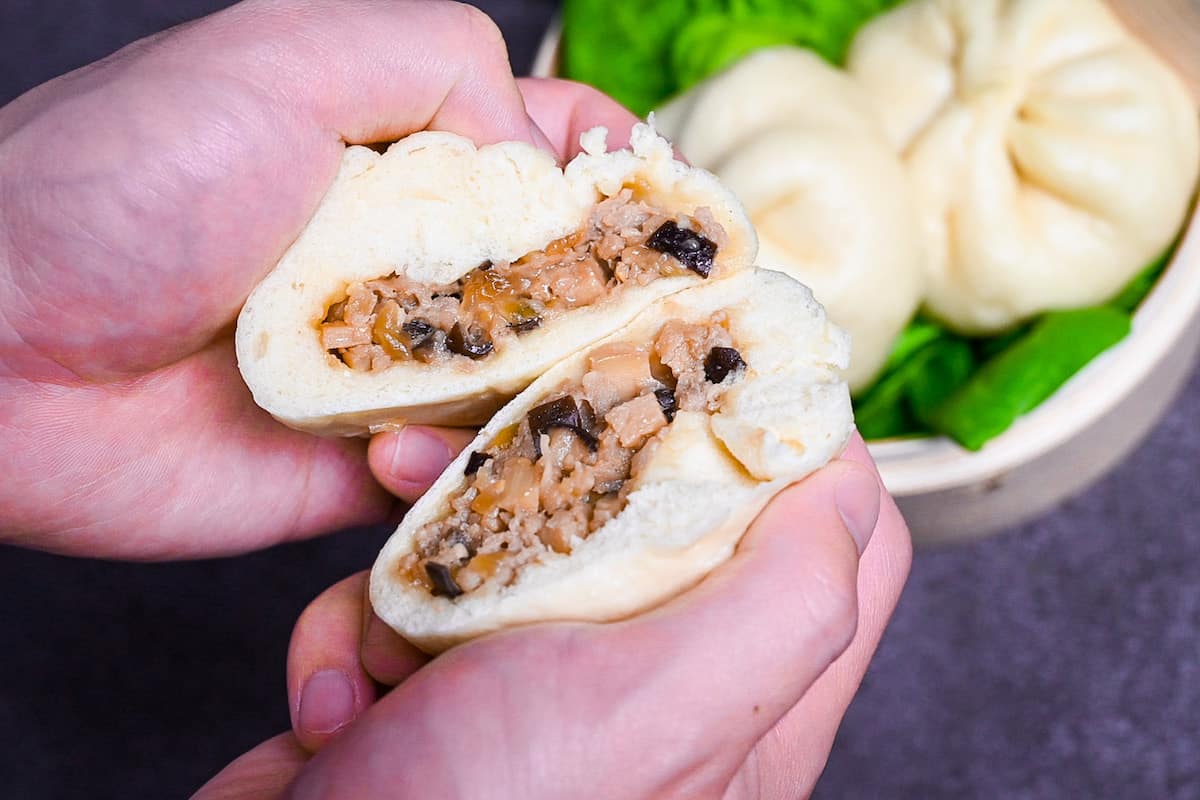
Nikuman is the steamed pork bun that lives in every Japanese convenience store from November through March. Cloud-soft dough, juicy pork filling with onion, bamboo shoot, and shiitake.
Some say the konbini version cannot be beaten. I spent longer on this recipe than almost any on the site, proving otherwise.
11. Harumaki
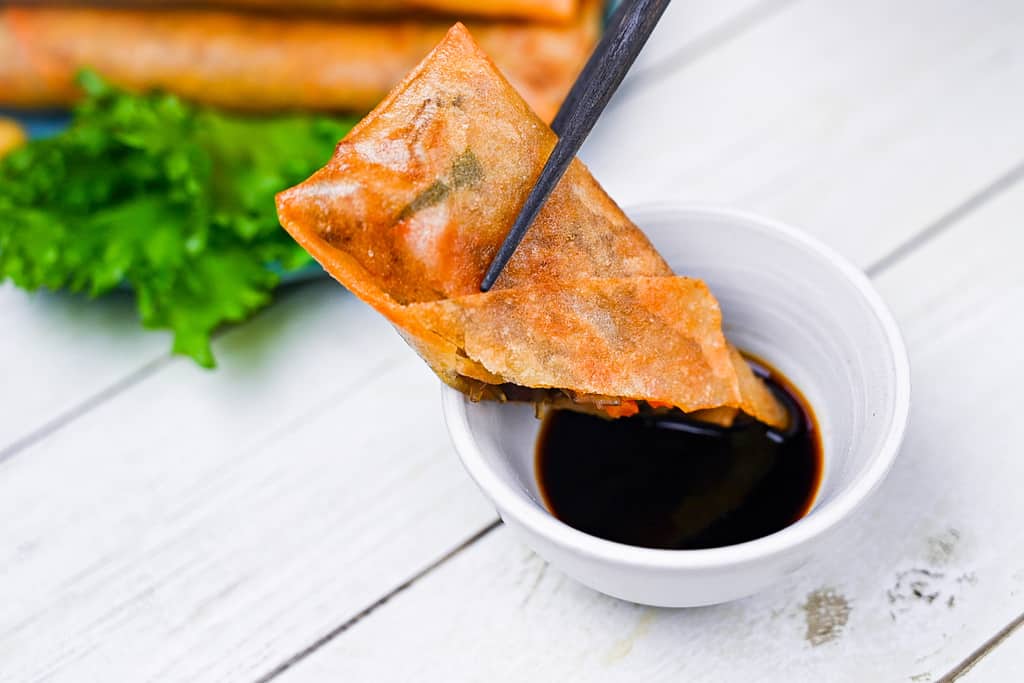
These are Japanese-style spring rolls. Pork plus glass noodles plus thick vegetables, all cooked and lightly thickened before rolling so the filling does not weep and the shell stays glass-crisp.
The trick is cooling the filling fully before you roll. That one step completes the whole recipe.
12. Mabo Dofu

Featured Comment
Great recipe! We always bought the ‘CookDo’ Mabo Tofu sauce when we lived in Japan. Needless to say…this is WAYYYY better! Thanks for the recipe.
★★★★★
– Spence
Sichuan mapo tofu has chili heat and Sichuan peppercorn numbing. Japanese mabo tofu has miso, sugar, and a softer chili-bean punch that lands in school lunches across the country.
I waited for it every school lunch week growing up. Under 30 minutes, one pan, and you can dial the heat to whoever is at the table.
13. Plant-Based Mabo Nasu

Featured Comment
Absolutely delicious!! The whole family raved! i forgot to add the extra water, so it was a little more dry than you intended, but we loved it that way. Definitely will be making this again!
★★★★★
– Sata
Mabo nasu is mabo tofu’s eggplant cousin, and this version is fully plant-based with soy mince standing in for pork. The eggplant drinks the chili-bean sauce until each bite is a small spicy sponge.
Even if you eat meat every other day, eggplant is the right choice here. The flavor route is structurally different.
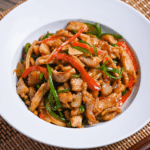
14. Chinjao Rosu (Pepper Steak Stir Fry)

Chinjao rosu came to Japan in the mid-1900s from a Chinese chef named Kenmin Chin, the same person who brought over mabo tofu and tantanmen. Thin meat ribbons, snappy bell pepper strips, and crunchy bamboo shoots in a glossy savory-sweet sauce.
It is under 20 minutes and faster than delivery. The dish that taught a whole country how to stir-fry green peppers.
15. Subuta (Sweet and Sour Pork)

Featured Comment
I made this recipe this evening and all I can say is wow!! You’re absolutely right. This will make you throw that takeout menu in the bin! This is an absolute triumph!
★★★★★
– @rodmund83 (from YouTube)
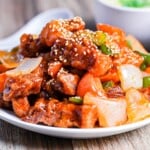
Subuta translates literally to “vinegar pork” and it is the Japanese-Chinese restaurant dish in Japan. Cubed pork, coated in starch, deep-fried, then tossed with crispy fried vegetables in a sweet-and-sour sauce built on ketchup, rice vinegar, sake, and a touch of soy.
Every Chinese restaurant in Japan has this on the menu. After one bite of the homemade version, the takeout menu does go in the bin.
16. Ebi Chili

Featured Comment
I made this dish following the recipe with no deviations and it came out great! Thank you for posting!
★★★★★
– Nicholas
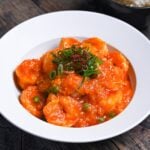
Ebi chili was Kenmin Chin’s adaptation of Sichuan stir-fried shrimp, with the chili dialed down and the sauce dialed glossier for Japanese palates. Bloomed doubanjiang, shrimp-infused oil, cornstarch coating, twenty minutes.
The store-bought pouch never comes close. Once you taste the homemade clinging sauce, the pouch goes back on the shelf for good.
17. Chahan (Japanese-Style Fried Rice)
Featured Comment
This dish was very easy to make. This is a great dish to make when using leftover rice and whatever you have in your refrigerator.
★★★★★
– Alice
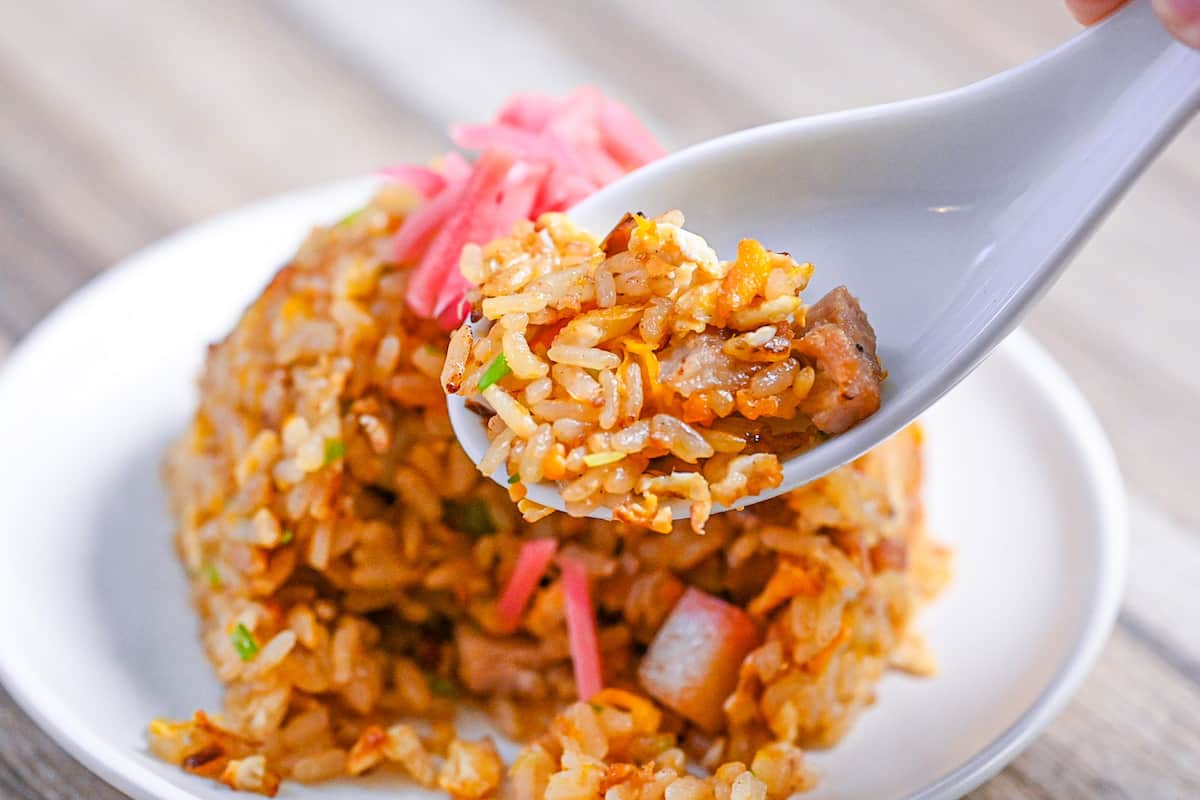
Chahan is what every ramen shop in Japan serves alongside the bowl, and it took me years of testing to figure out why the shop version tastes different from home. The answer turned out to be rendered pork fat, chashu tare reduction, and Chinese chicken bouillon, not fancy technique.
15 minutes, one pan, leftover rice. The ramen shop comes home.
18. Tenshinhan (Crab Omelette on Rice)
Featured Comment
Just made this. Omg soo good and so easy. Thanks for the video!
★★★★★
– @michaelmolina5742 (from YouTube)
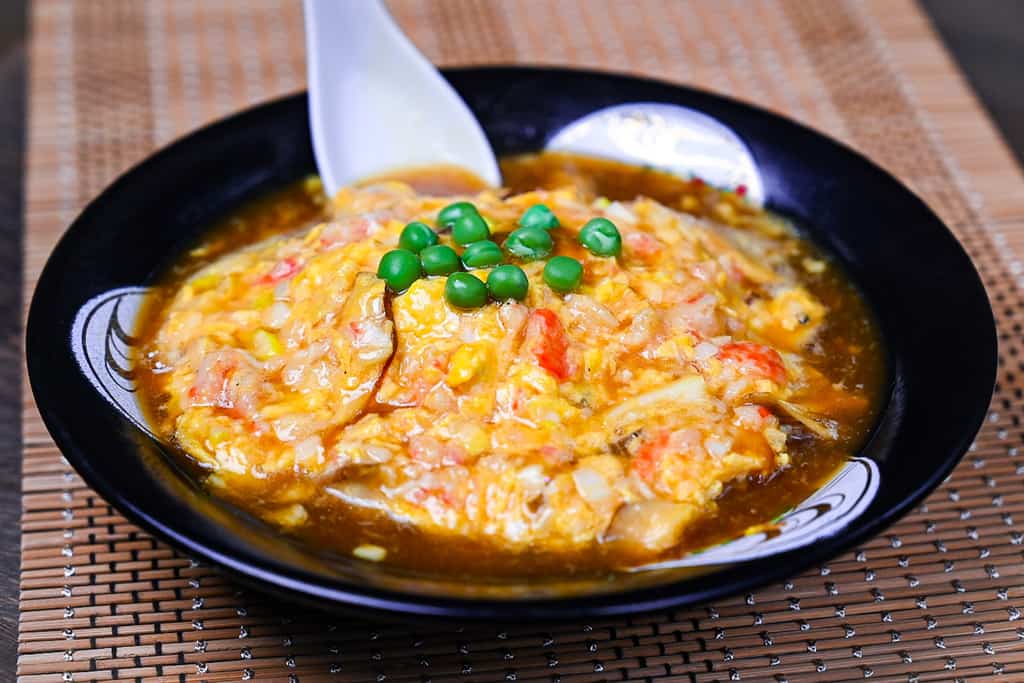
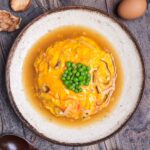
Tenshinhan is a fluffy crab omelette over a mountain of rice, smothered in a thick, glossy, sweet-sour sauce. Tokyo style leans vinegary, Osaka style leans savory, and this recipe is Tokyo style.
It was born after the war in a restaurant called Raizen, when crab plus egg plus rice was the dinner that fed the city. Comfort food with a story.
19. Ebi Mayo

Featured Comment
I love this recipe, way better than a restaurant dish. I added some cubed avocado and it was even more amazing!
★★★★★
– Mary
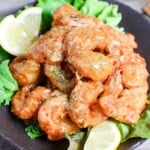
Ebi mayo was invented in Japan by chef Shu Tomitoku, who saw a mayonnaise shrimp dish in LA and rebuilt it for a Japanese palate. The result is a creamy, sweet-sour mayo glaze with condensed milk over crispy beer-battered shrimp.
This is a dish that exists in Chinese restaurants in Japan but does not exist in China. My beer batter from my England years makes the coating the best I have ever fried.
20. Sara Udon

This is champon’s crispy sibling from the same Nagasaki port that traded with China for four centuries. Thin ramen noodles get pan-crisped until they crackle, then a glossy ankake sauce loaded with pork, cabbage, carrot, bean sprouts, and quail eggs lands on top.
The crackle of the noodles when the sauce hits is half the dish. Eat it the second it is plated, before the crunch gives in.

21. Gyoza Soup
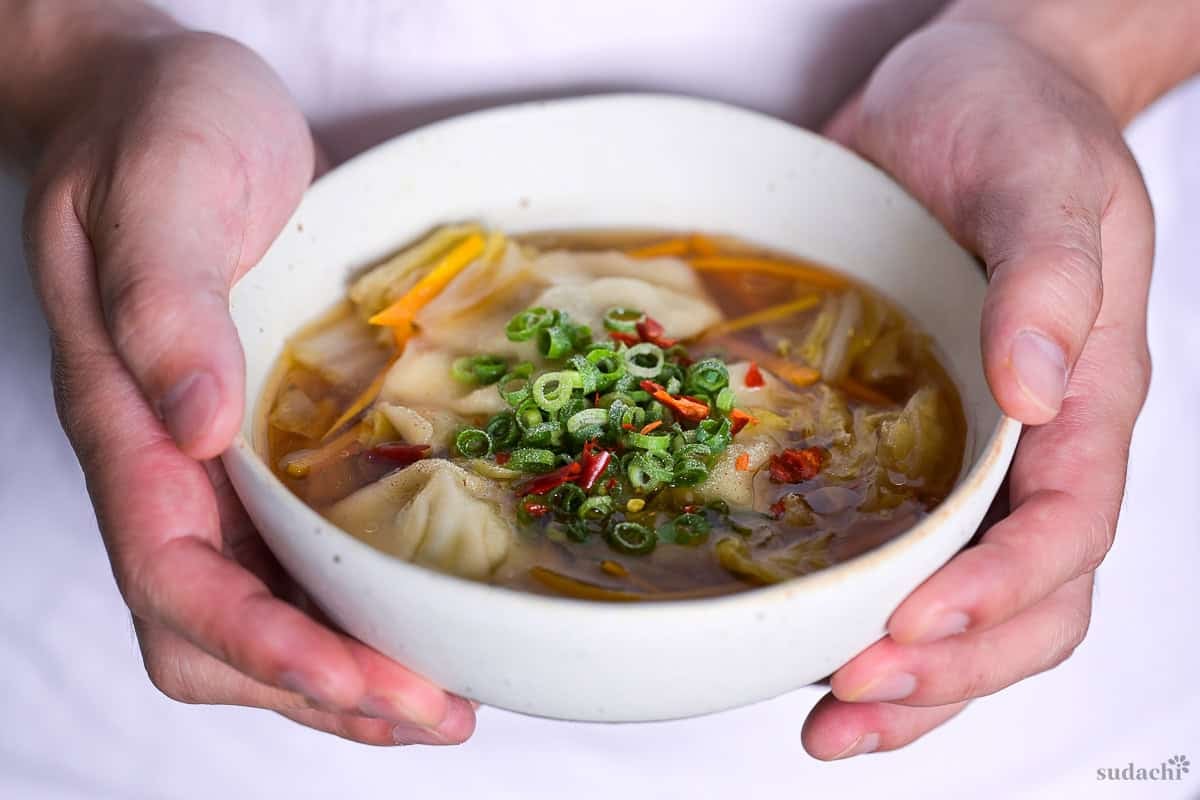
Gyoza soup is chuka through and through, the Japanese-Chinese home cooking I grew up eating on weeknights. I run the two cuisines together on purpose in the broth. A Japanese awase dashi for a quiet floor, then a Chinese chicken base layered on top for pull.
That pairing is the one thing in the bowl I will not move off. The brands stay open and the vegetables bend, but drop either side and it becomes a different soup. The dumpling already brings its own soy and aromatics, so the broth never has to fight it.
22. Tanmen
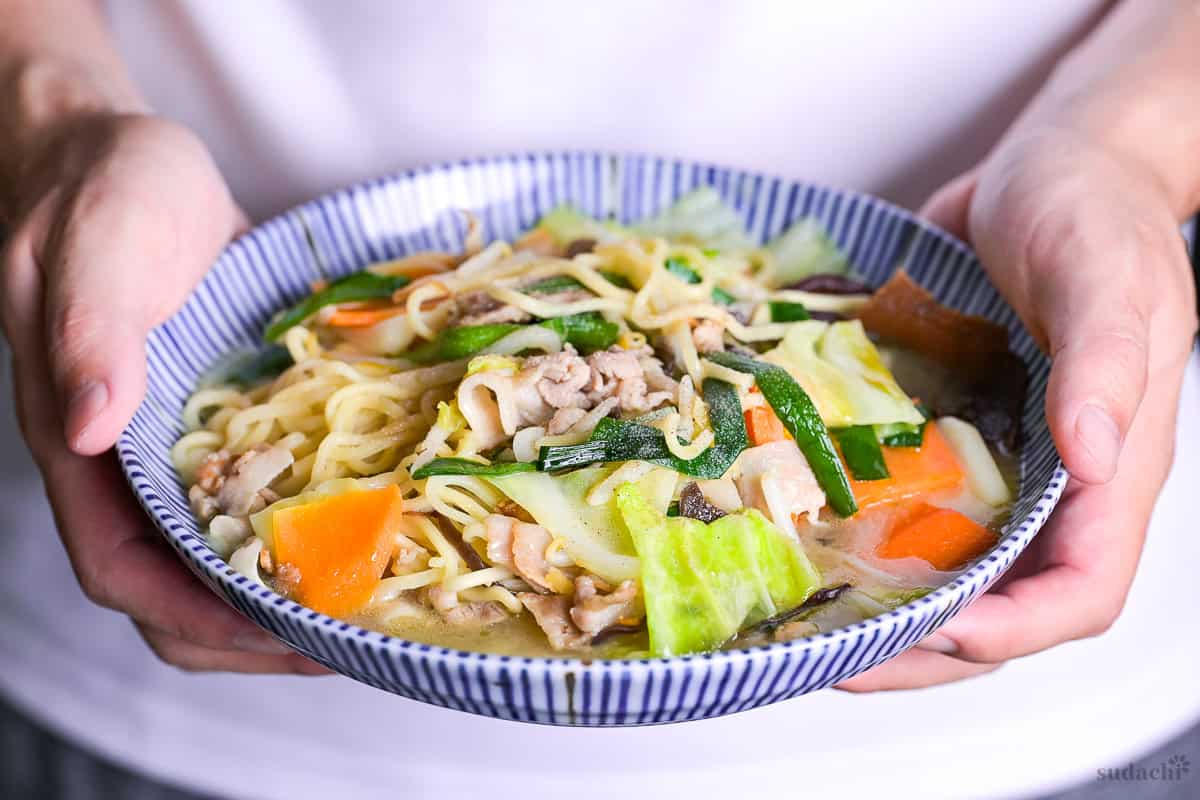
Tanmen belongs to the world of chuka, the Chinese-influenced cooking that grew up inside Japanese kitchens. It carries a Chinese-sounding name, yet it is a Japanese original, a Kanto dish that stays close to Tokyo and Yokohama. Most tellings trace it to a Yokohama counter shop in the 1950s.
One thing I always clear up is that Tanmen and tantanmen are completely different bowls, related only by the sound of the name. There is no sesame here, no chili, just a clean salt broth thick with vegetables. It is the kind of unfussy, everyday bowl I keep in my own rotation.

Ten out of ten
Thank you, Pete! 🙂