



Featured Comment
Very good recipe! The sauce has good flavor! Thank you for sharing your recipe. I didn’t have cucumbers and it was still yummy! This is a keeper for sure!
★★★★★
– Shel
A pack of sashimi-grade salmon. You bought it and it is still sitting there unopened. Slice it, lay it out, soy sauce, done. I get the appeal. It just feels like a small waste to stop there.
All it takes is 30 minutes in soy sauce, mirin and sake that you simmer down and let cool. The edges round off and the sweetness of the fat comes forward. Then you lay it over rice that has stopped steaming.
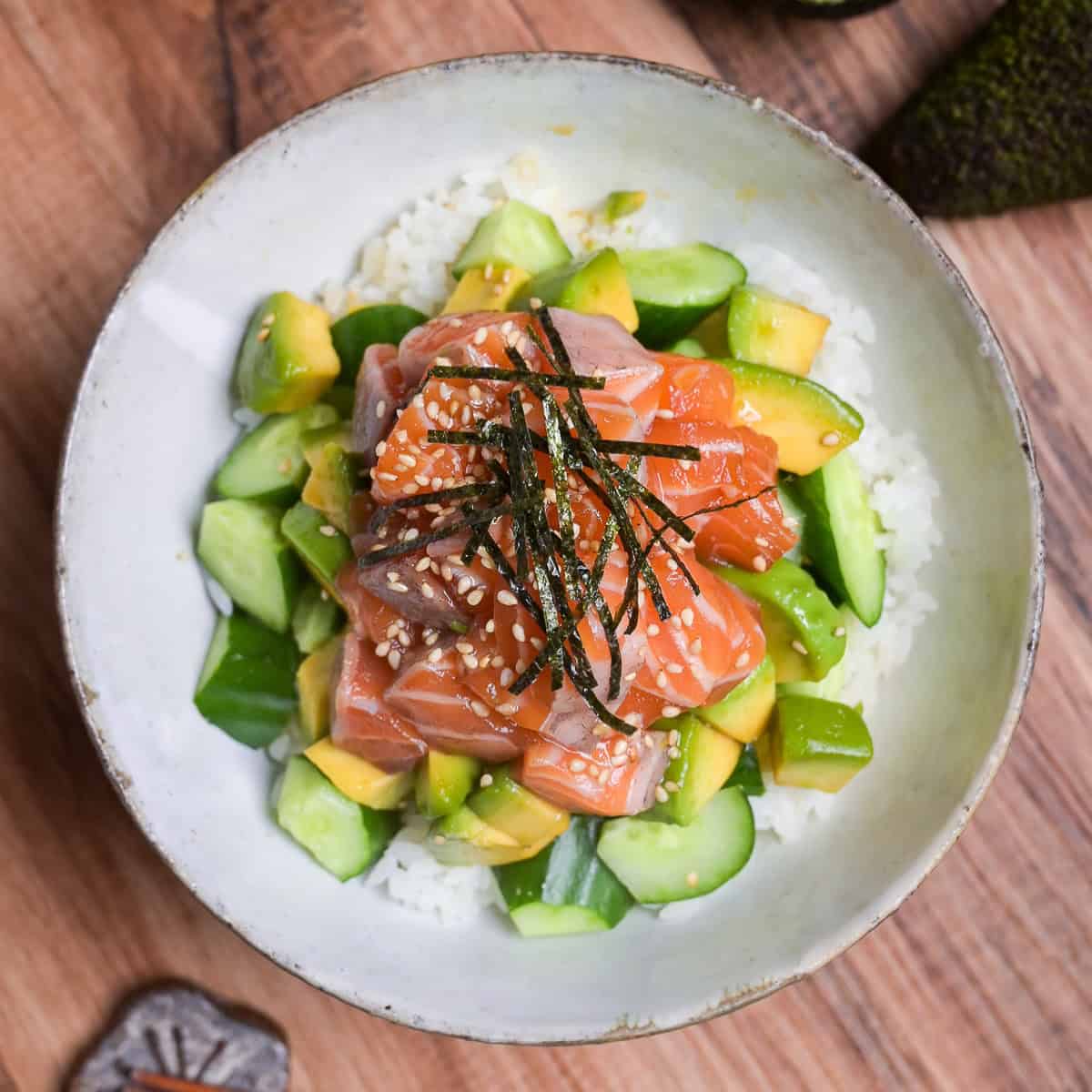
Salmon don
Recipe Snapshot
- What is it? Raw salmon over white rice, the Japanese bowl called salmon don. It turns up on weeknight dinner tables, usually marinated in a soy sauce base first.
- Flavor profile: The salmon falls apart in your mouth first. Avocado fat and kombu-rich soy sauce come up behind it, and cucumber crunch adds textural contrast in each bite.
- Why this recipe works: The marinade is deliberately shallow, and plastic wrap pressed onto the surface spreads it over every face. Rice cooled to body temperature keeps the fat inside the salmon.
- How to make it: Boil the marinade 1 minute, cool it, then marinate cubed salmon and avocado in the fridge while the rice cooks. That small pan is the only other heat.
- What to expect: Hands-on work takes 10 minutes, marinating 30, for 40 minutes total. It serves 2. The stumble is adding fish before the marinade goes cold, which whitens the surface.
What Is Salmon Donburi?
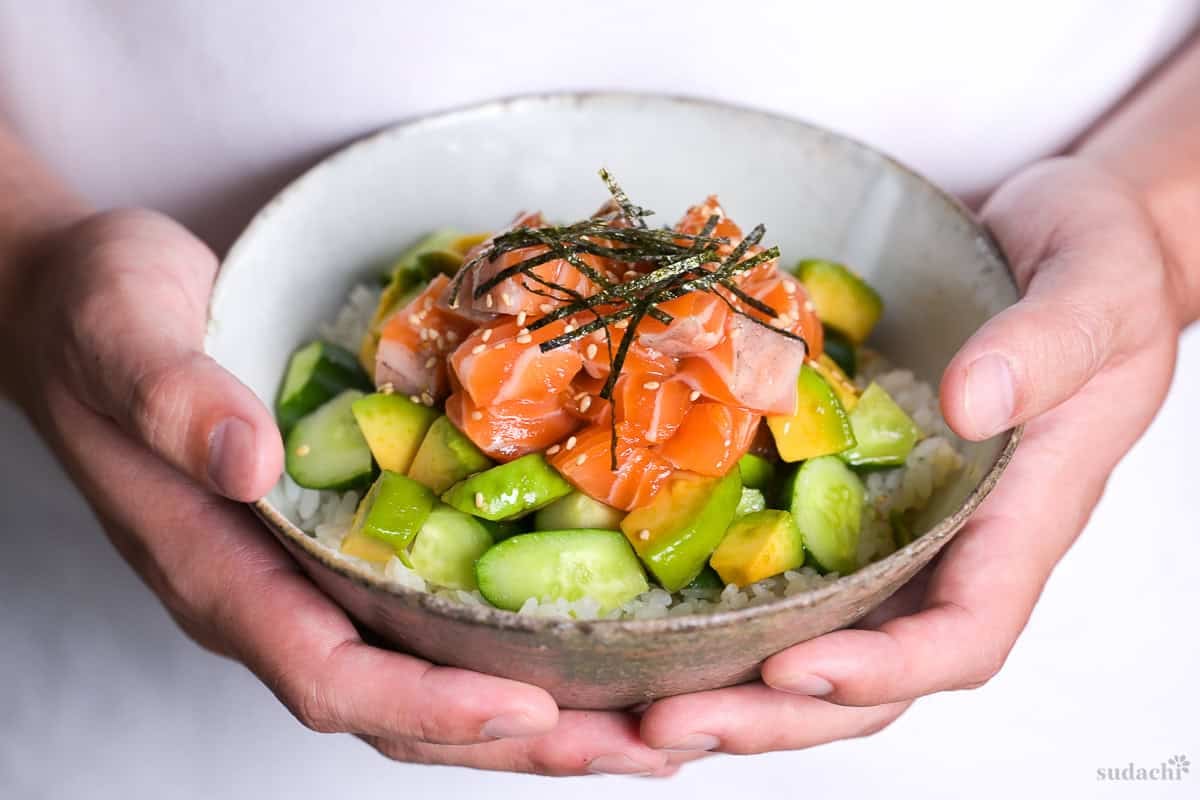
Salmon donburi is a Japanese rice bowl that showcases sashimi-grade salmon in the simplest and most reliable way possible. While seafood donburi often features several kinds of raw fish, this version sticks to salmon alone. I serve it over plain steamed white rice with no vinegar at all. It is not a formal dish. I decide to make it on a whim and finish it the same day.
In English-speaking countries, rice bowls topped with raw fish tend to get lumped together. In Japan they are treated as distinct dishes. Poke is a Hawaiian preparation. It uses cubed fish tossed in sesame oil and soy sauce, served over plain rice. Chirashi sushi starts with vinegared sushi rice and scatters toppings on top. Kaisendon is a seafood rice bowl that can use either plain or vinegared rice and usually features several types of sashimi. Salmon don takes the kaisendon idea and limits it to salmon only. The base is always plain white rice, and the flavor comes from a marinade of soy sauce and mirin. It may look similar to poke at a glance, yet the origins and taste direction are completely different.
In Japan, raw salmon is actually a recent arrival. Japan has eaten salmon for centuries, but the locally caught Pacific fish carries parasites and had to be cooked. The shift came from Norway. Commercial salmon farming had started there in the 1970s, domestic seafood consumption was falling, and the fish was filling industrial freezers across the country. Bjorn Eirik Olsen landed in Tokyo in 1986, responsible for market research on a campaign called Project Japan, and he went straight for the raw market on purpose. Fish aimed at the grill was cheap and plentiful. Fish accepted for sushi or sashimi could be priced up to ten times higher. To separate this fish from the salmon people already knew, he passed over the Japanese word sake and chose the katakana samon, the name now used in virtually every supermarket in the country. By his own account it took about ten years before the market actually took off.
Traditional sushi counters in Japan almost never list salmon. This has nothing to do with price or personal taste. It is strictly about the fish’s source. All salmon safe to eat raw is farmed, and most of it is imported. Even domestic sashimi salmon that has appeared in recent years is still farmed. Farmed fish can be eaten raw because controlled feed keeps them free of parasites. Wild salmon cannot, because of the environment it lives in. Traditional sushi shops use only wild-caught fish. Therefore salmon has never been part of their lineup.
My salmon donburi cuts everything into cubes. There is only 1 reason. I really wanted to include avocado. Once I decided on avocado, the usual thin slices of sashimi no longer matched in size. So I cut every component into the same neat cubes. The finished bowl ends up looking close to poke. Still, the marinade is a reduction of soy sauce, mirin, and sake that I cool before use, so the flavor stays firmly in classic Japanese territory.
Salmon Sashimi Bowl Ingredients
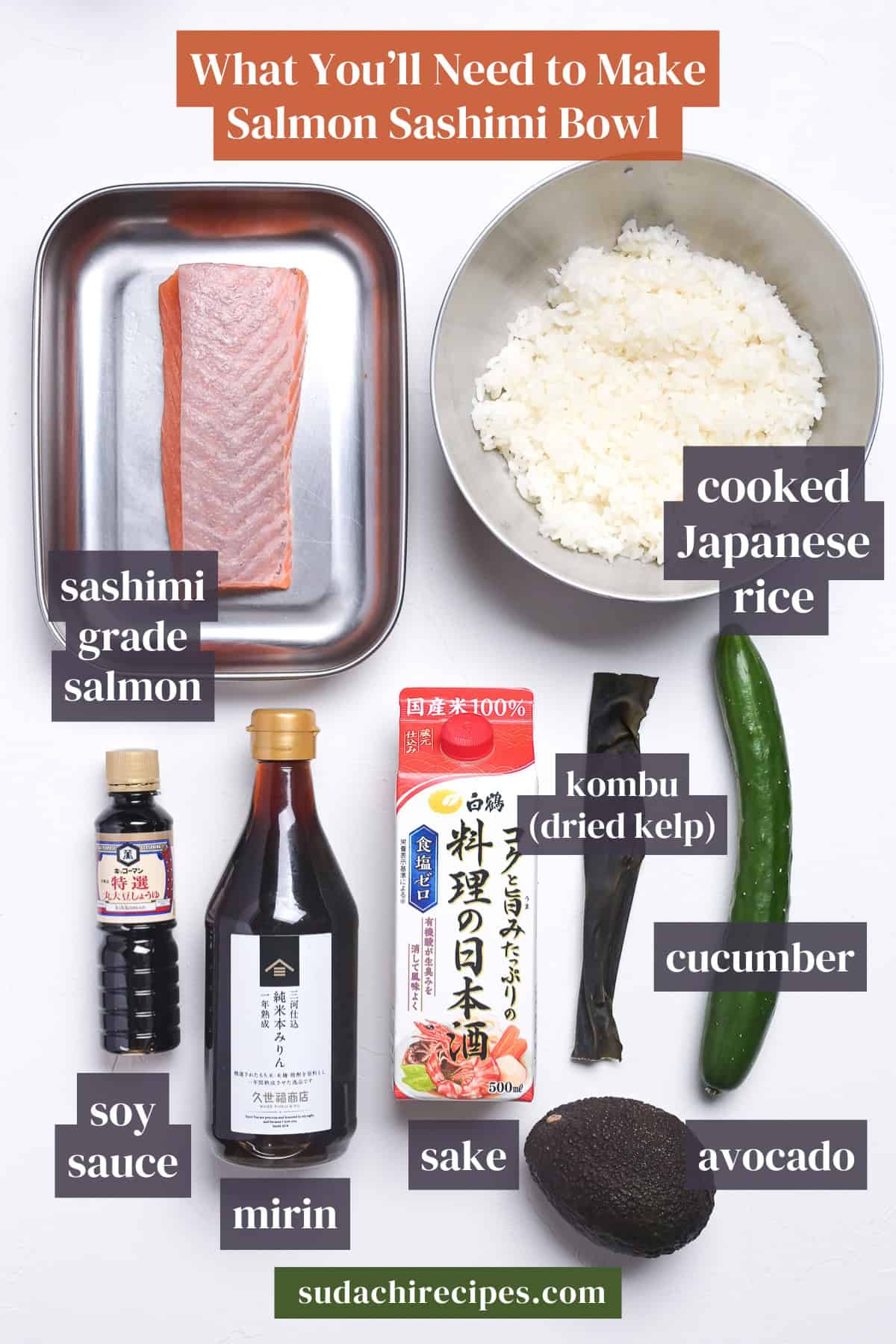
- Sashimi-grade salmon: The first thing to check at the shelf is the label. Buy only what is marked sashimi grade or sushi grade, and treat salmon with no such label as fish for cooking. After that, 2 things matter. Norwegian salmon is what I reach for when I want a melt-in-the-mouth texture. Then the pack in front of you. Look for vivid orange flesh with a glossy surface and almost no liquid released. Dull color, or liquid pooled in the bottom of the tray, is the one you walk past.
- Soy sauce: It carries the salt and the savory base of the marinade, and it keeps the smell of raw fish in check. A single bottle of standard Japanese soy sauce (koikuchi shoyu), the everyday kind, is all you need.
- Dried kelp (kombu): It adds a layer of savory depth to the marinade. Any ordinary dried kelp works.
Substitutions, Variations, and How to Customize
The salmon, the rice underneath, the kelp, and the cucumber can all be rebuilt from whatever you can actually get.
Substitutions:
- Sashimi-grade salmon → Other raw-grade fish and shellfish: Tuna, scallops, and sea bream all work. Anything sold for raw eating sits in this same marinade without adjustment, and mixing 2 or 3 of them turns the bowl into a mixed seafood donburi. The label is the only condition, so salmon sold for cooking and wild salmon stay out.
- Japanese short-grain rice → Calrose medium-grain rice: Calrose cooks up close to Japanese short-grain. Use slightly less water than usual. The grains separate more once they cool, so serve it freshly cooked.
- Japanese short-grain rice → Korean or Chinese short-grain rice: Both are the same japonica family, and Korean rice in particular comes very close to Japanese rice in texture and aroma. If there is a Korean grocer near you, that is the first place to look.
- Dried kelp (kombu) → Korean dried kelp (dashima): It is almost the same product and the closest swap there is. It is thinner, so the savory depth comes out faster. Rinse the salted type before you use it.
- Japanese cucumber → Persian or English cucumber: These are larger, so use half of one. Quarter it lengthwise and scrape out the seeds if there are many, then cut. The higher water content and thicker skin leave the texture a little softer than a Japanese cucumber.
Have trouble finding Japanese ingredients? Check out my ultimate guide to Japanese ingredient substitutes!
Variations:
- Build it on sushi rice: Use vinegared sushi rice as the base instead of plain white rice. Seafood bowls are made both ways, and the vinegar cuts the fat, so it eats closer to chirashi sushi.
- Skip the marinade: Lay the cut salmon straight onto warm rice and add soy sauce and wasabi right before you eat. There is no 30-minute wait, and the natural sweetness of the salmon comes through straight.
- Leave the kombu out: The marinade stands on soy sauce, mirin, and sake alone. The savory layer thins out, and the bowl still lands.
How to Customize:
- Add an egg yolk: Break the yolk and it coats the salmon and the rice at once.
- Add aromatics: Shiso leaves, myoga (Japanese ginger buds), ginger, or green onions. The aroma cuts the smell of raw fish and puts a difference in texture on the plate.
- Finish with sesame oil: A swirl of toasted sesame oil brings a toasted edge and pushes the bowl toward poke. Leave it out on the days you want it to stay Japanese.
How to Make My Salmon Don
If you prefer to watch the process in action, check out my video of this salmon don recipe!
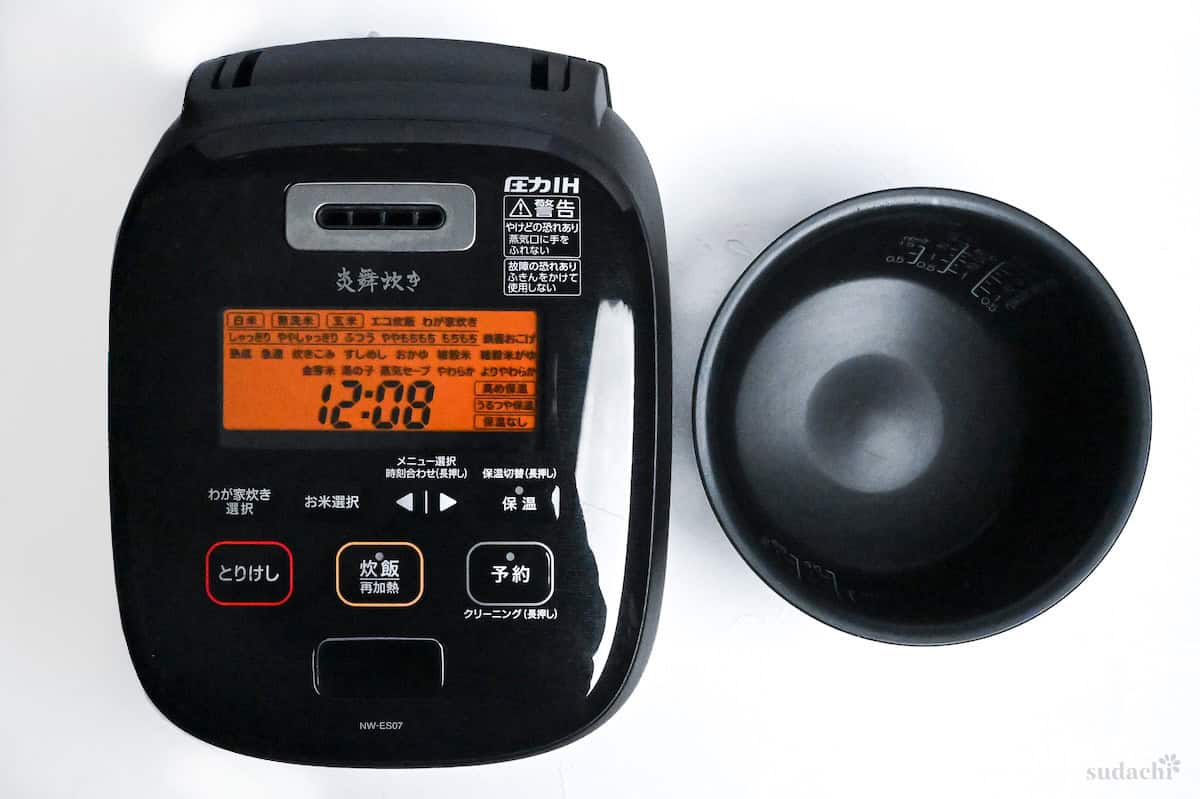
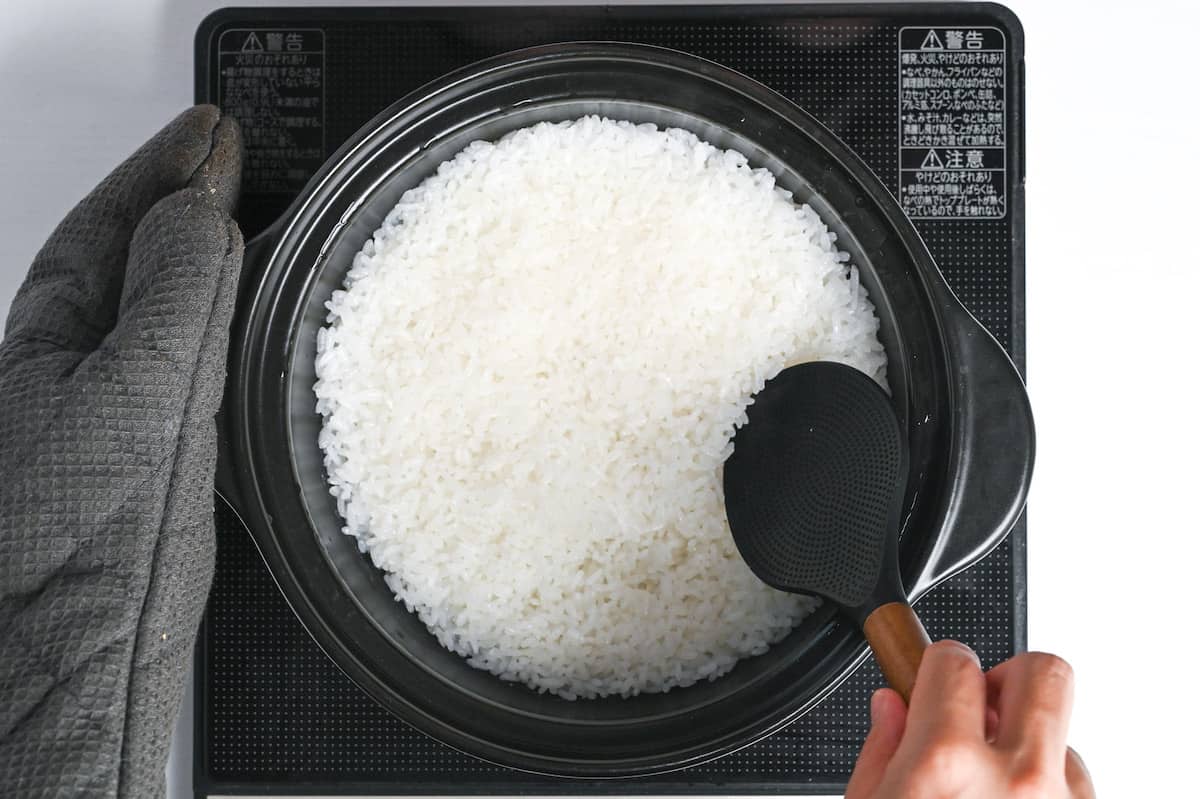
To develop this recipe, I used a Zojirushi’s rice cooker to cook my rice.
i. Combine the soy sauce, mirin, and sake in a small pan over medium-high heat. Once it boils, hold it there for 1 minute to drive the alcohol out of the mirin and sake.
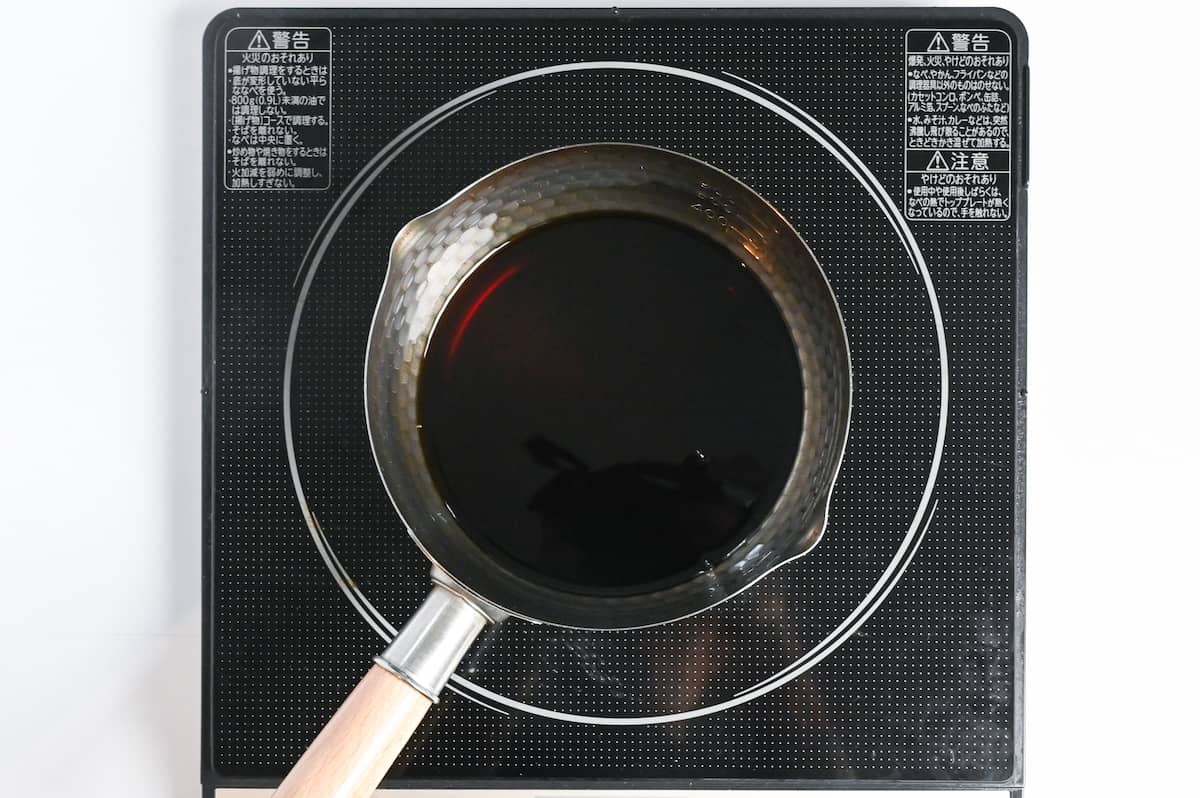
ii. Take the pan off the heat and swirl it a few times to let the heat out.
iii. Pour it into a wide heatproof container and add the dried kelp. Leave it to cool completely.
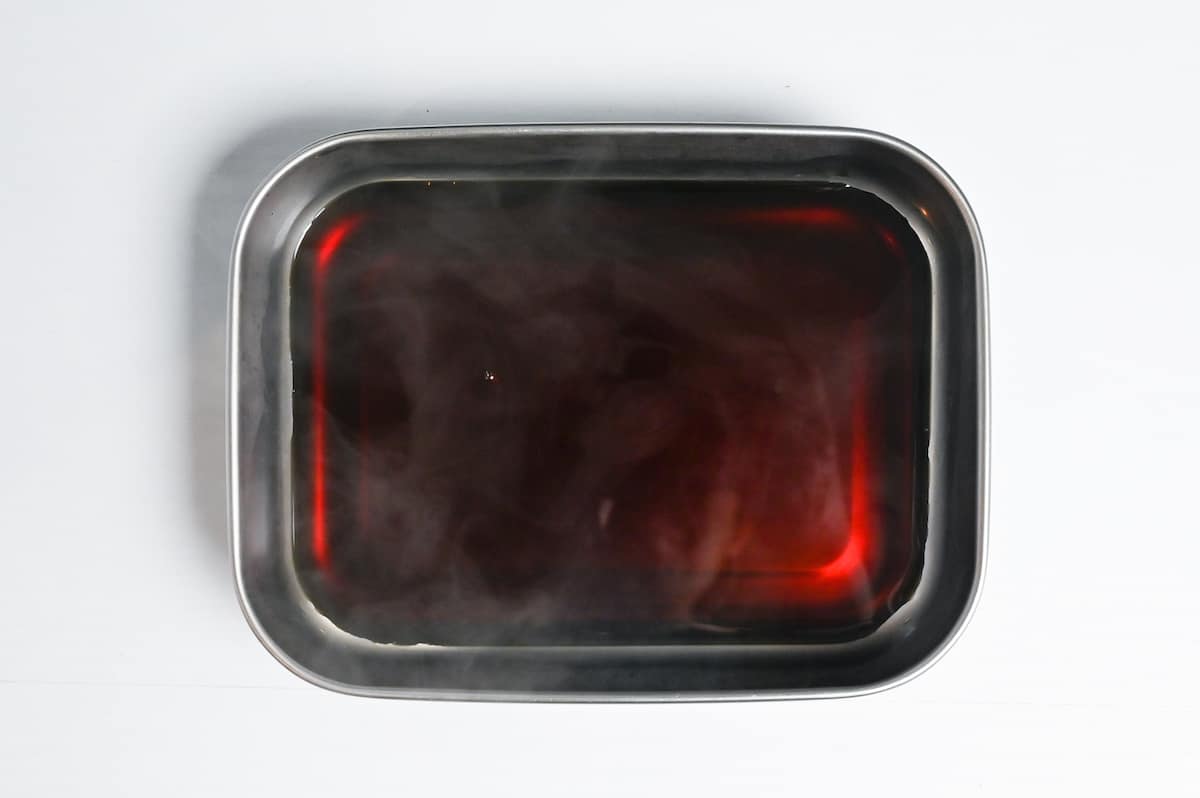
Raw salmon firms up from whatever face the heat touches first. A warm marinade turns that face white and tight while the inside sits unmarinated. Bring it down until it feels cold to the touch before the fish goes in, and sit the container in an ice bath if you are in a hurry.
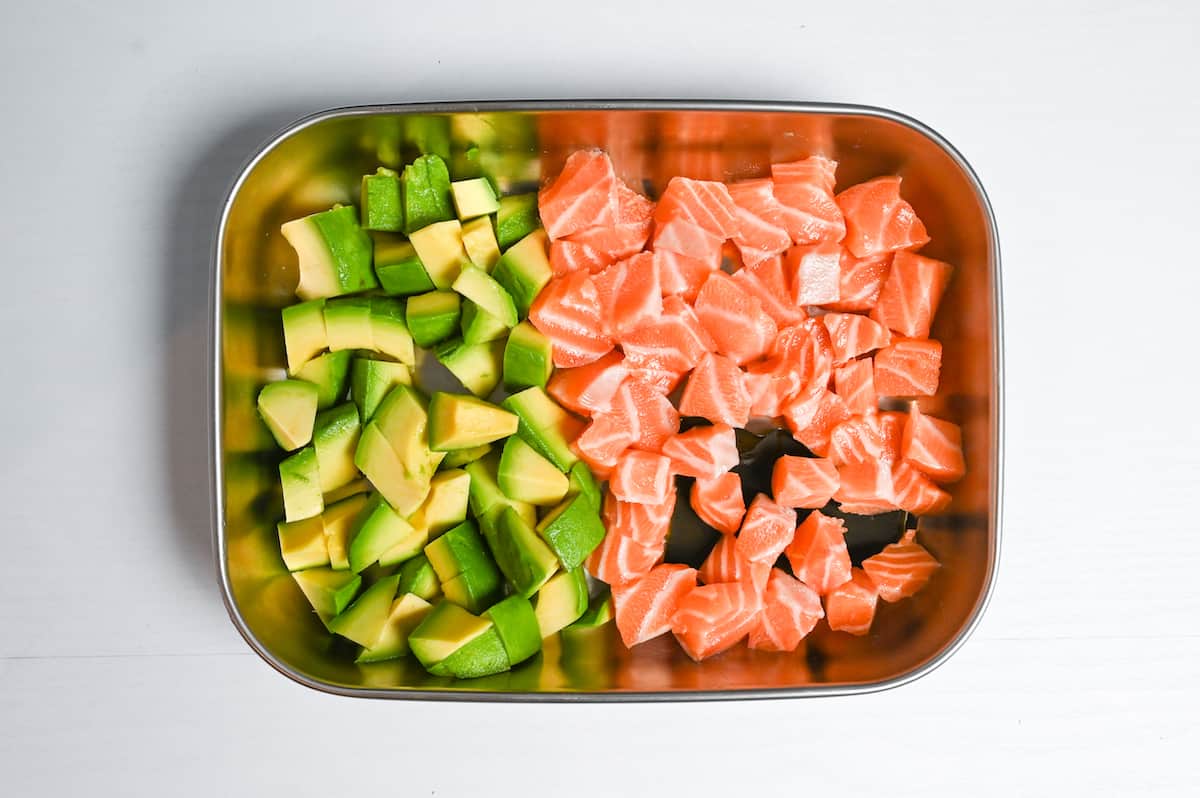
i. Cut the salmon and avocado into cubes of the same size.
ii. Once the marinade is cool enough to touch, lay them in the container in a single layer without stacking them.
iii. Lay plastic wrap over them so it touches the surface. Shake the container gently to lift the marinade up toward the wrap.
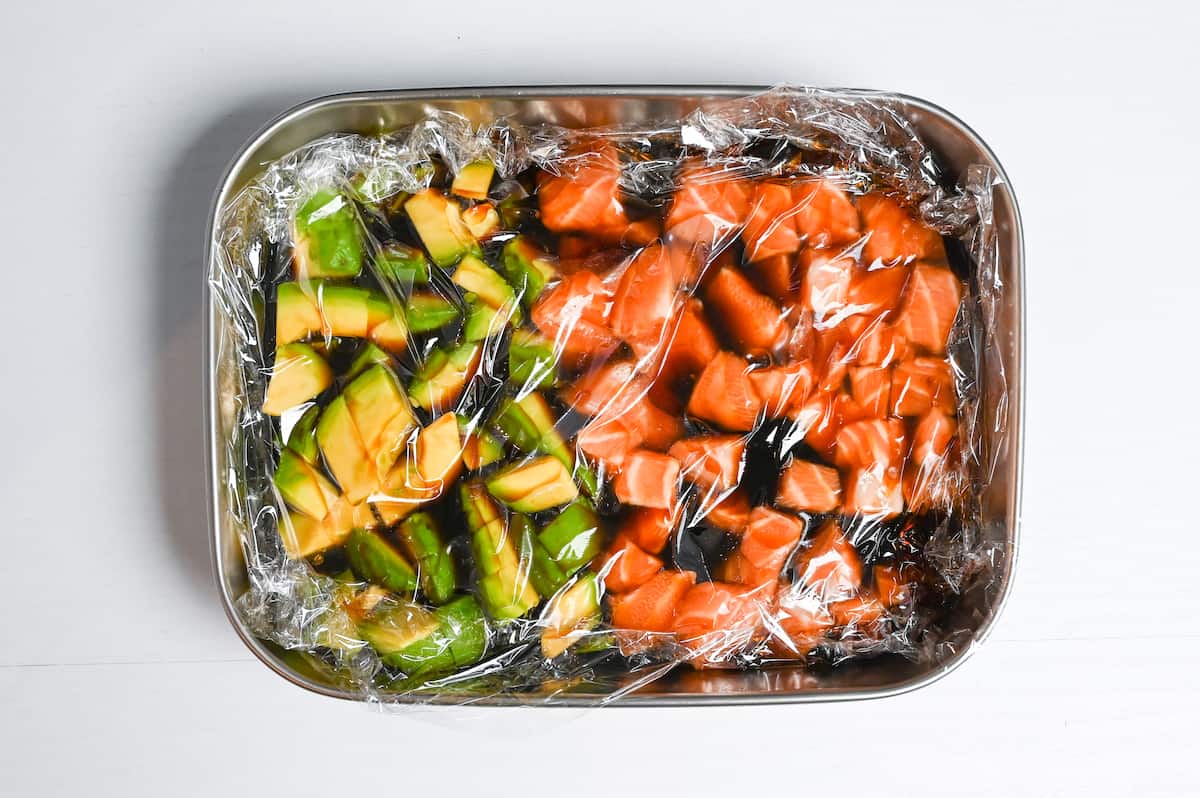
iv. Put a lid on if you have one and refrigerate for 30 minutes. Cook the rice during this time.

A wrap laid onto the surface does a different job from a lid. A lid only closes the mouth of the container, which leaves a pocket of air between the lid and the liquid. Plastic wrap sits directly against the liquid and against the face of the fish, so that air disappears. This marinade is made short on purpose, in a volume that never covers the pieces. So the wrap goes down onto the surface and the container gets a gentle shake to lift the marinade up. The top faces get it from the wrap side and the bottom faces get it from the marinade pooled underneath, at the same time. The short marinade and the wrap work as a pair.
i. Dish up the rice. If it is freshly cooked, let it sit until the steam dies down and it settles to skin-warm.
ii. Cut the cucumber into rough cubes.
iii. Scatter the salmon, avocado, and cucumber over the rice.
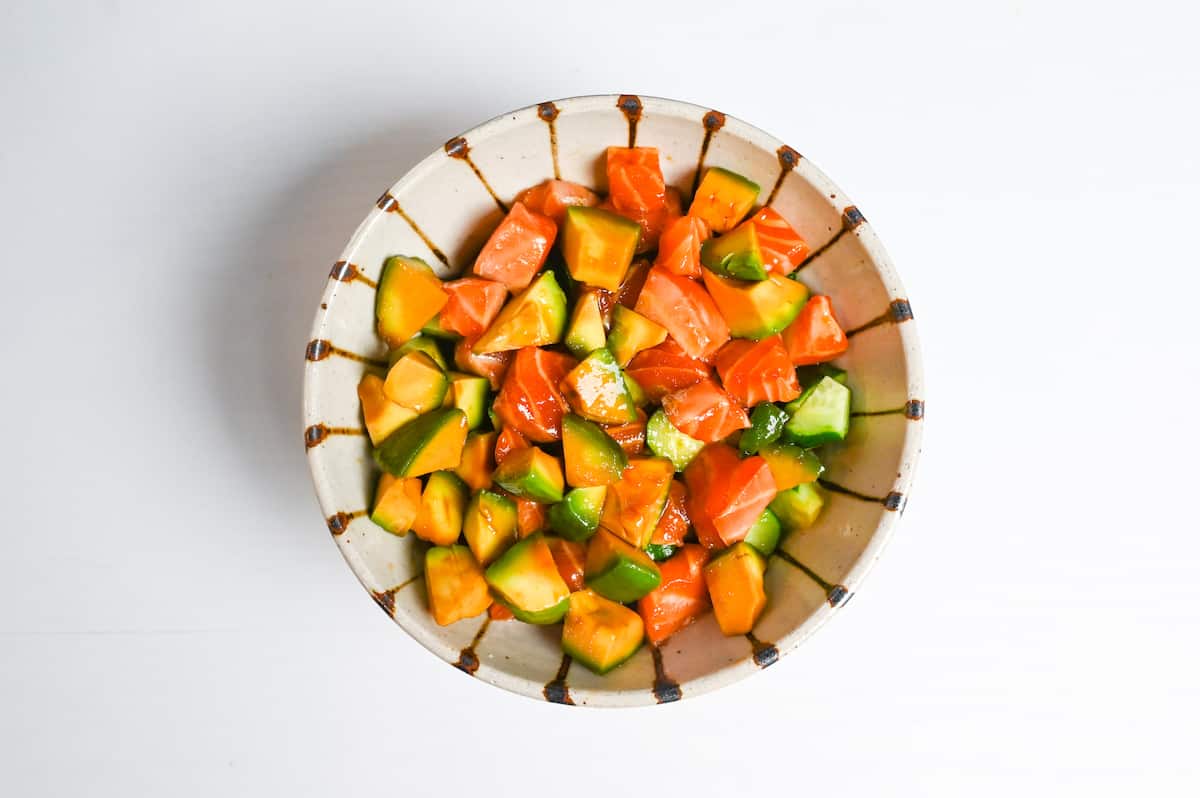
iv. Spoon a little of the leftover marinade over each bowl and sprinkle on the toasted white sesame seeds, kizami nori (shredded nori), and chili threads. Add wasabi paste to taste.
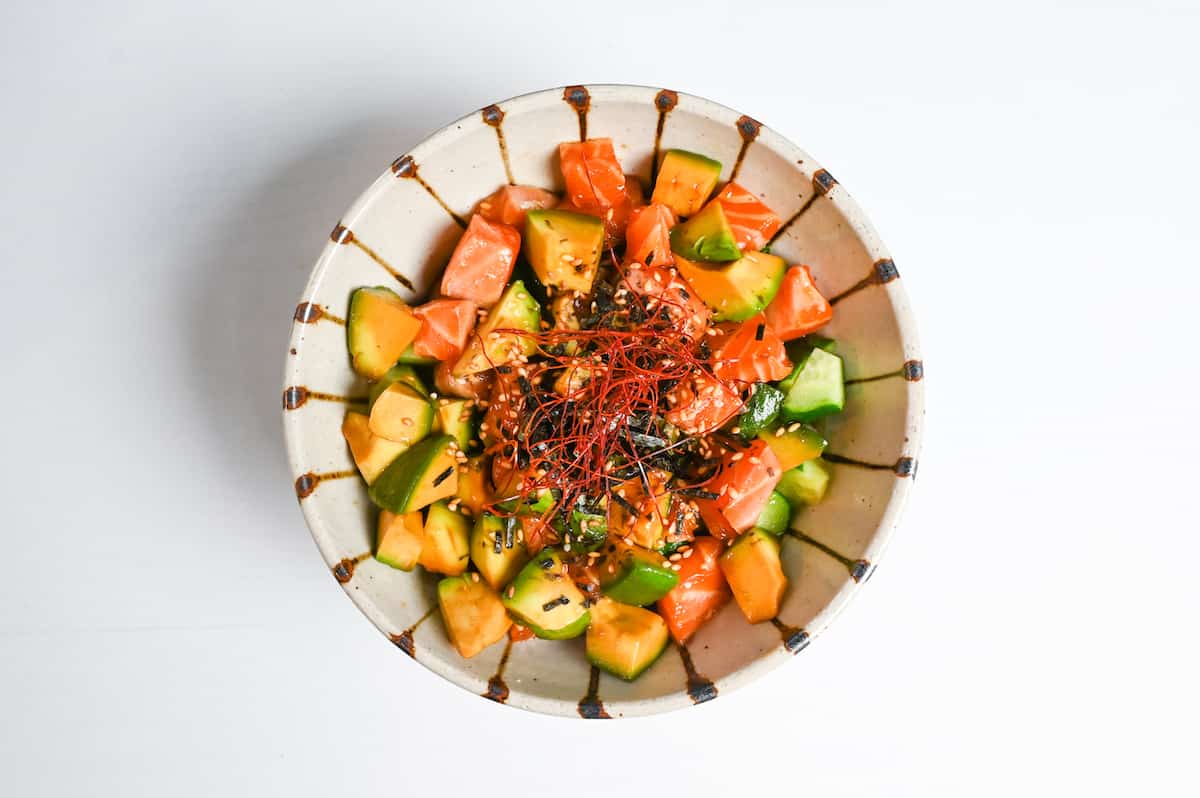
Salmon fat melts well below body temperature, so it goes soft in your mouth. That low melting point makes it weak to heat. Rice straight from the cooker seeps the fat out and dulls the color. Rice that is too cold keeps the fat firm and the sweetness flat. Skin-warm is where a finger feels neither hot nor cold.

Tips for the Best Salmon Donburi
- Trust the small amount of marinade. It looks too shallow to cover the fish, and that is deliberate, because the quantity is set for a sheet of wrap pressed flat onto the surface. Resist topping it up. Pour in enough to submerge everything and the salt goes too far in, pushing the sweetness of the fat behind it.
- Wasabi and vinegar do not make fish safe to eat raw. Freezing and heat are the only things that kill parasites. Soy sauce and salt behave the same way, so marinating adds no safety at all. Whether a fillet can be eaten raw was settled at the shelf, by the label you read.
- Wipe off the drips as soon as you get home. The liquid pooled in the pack sits on the surface in the fridge and that is where the smell starts. Press the fish gently with kitchen paper, wrap it again, then chill it.
From the shelf to the container, everything that decides this bowl comes down to the fish itself and how much marinade it sits in.
Storage & Meal Prep
Fridge: Eat marinated raw salmon the same day.
Freezer: Not recommended.
Meal prep: Make the marinade the night before or the morning of. It has to be cold before the fish goes in, so preparing it early erases the wait.
What to Serve With Salmon Sashimi Bowl
- Silken Tofu Miso Soup
- Quick Pickled Napa Cabbage (Hakusai no Asazuke)
- Sesame Spinach Salad (Goma-ae)
- Hijiki Seaweed Salad
Salmon Don Troubleshooting
If liquid is already pooling in the container before you marinate, the fish was thawed roughly or left sitting with its drip on it. Lay a thin layer of salt over the surface, wait 10 minutes, then rinse the salt away and pat the fish dry. The flesh firms up and the flavor concentrates. Salt pulls out water without making the fish salty. Curing it between sheets of dried kelp (kombu) does the same job and adds a little umami.
Almost all of that smell comes from the drip. Take the fish out of the pack, press the surface with kitchen paper until the moisture lifts, then cut it. If the smell still bothers you, salt it for 5 to 10 minutes, wipe it dry, and stir a little ginger into the marinade.
The marinade was still warm. Raw salmon firms up from whatever face meets heat first, so the white is simply cooked. It is fine to eat, so plate that side face down. Next time, sit the container in an ice bath and bring the marinade down until it feels cold to the touch before the fish goes in.
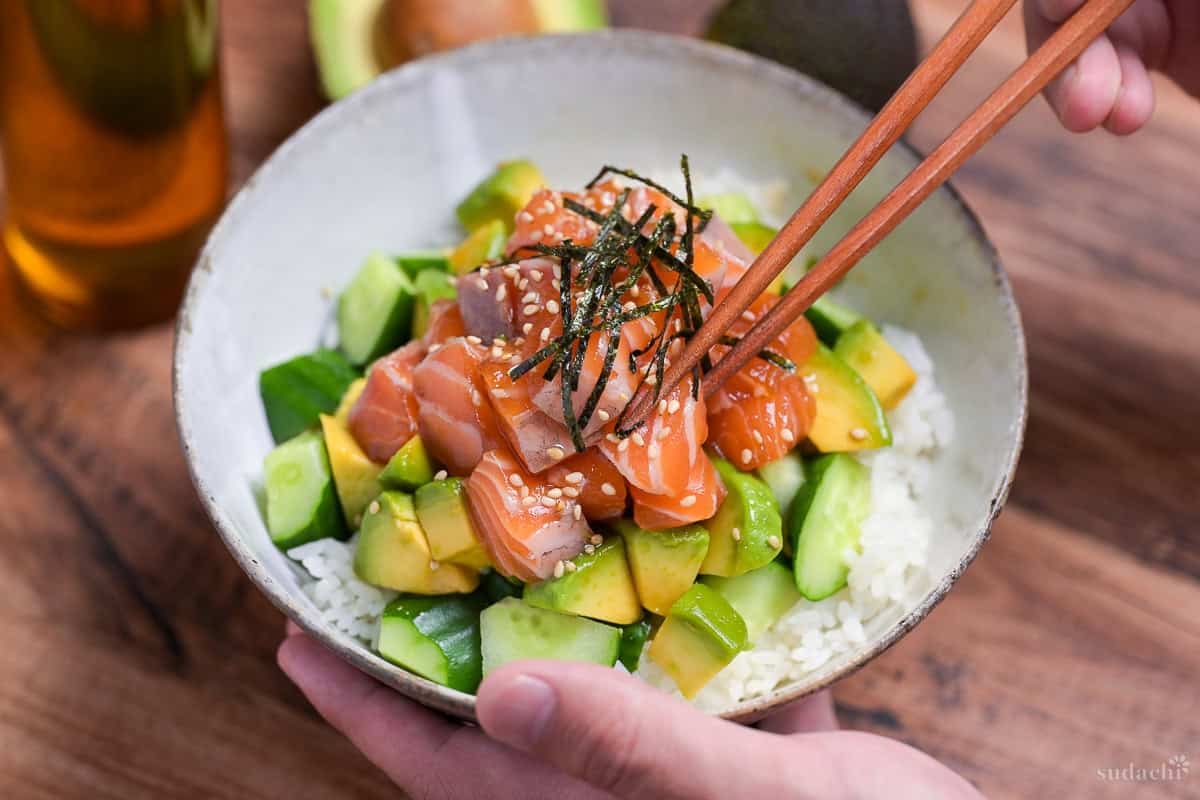
More Japanese Salmon Recipes
The same block that goes into this marinade can also be grilled, flaked, or stirred through rice, and those bowls are gathered in my Japanese salmon recipe collection.
Did You Try This Recipe?
I would love to hear your thoughts!
💬 Leave a review and ⭐️ rating in the comments below. 📷 I also love to see your photos – submit them here!
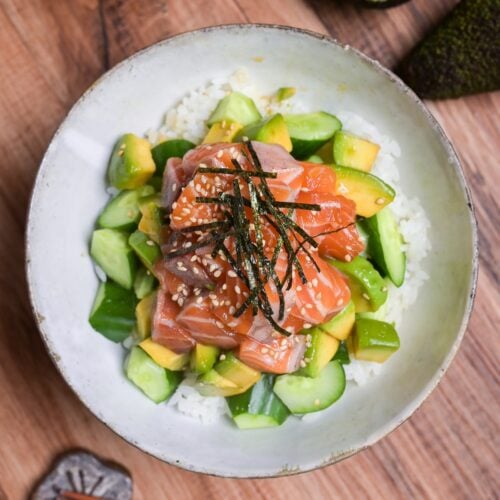
Salmon Don (Marinated Salmon Sashimi Bowl)

Ingredients
- 3 tbsp Japanese soy sauce (koikuchi shoyu)
- 3 tbsp mirin
- 3 tbsp sake
- 5 g dried kelp (kombu)
- 200 g sashimi grade salmon
- 1 avocado
- 2 portions cooked Japanese short-grain rice see how to cook Japanese rice on the stove here
- 1 Japanese cucumber or ½ Persian cucumber
- toasted white sesame seeds
- kizami nori (shredded nori) optional
- wasabi paste optional
The ingredient brands and tools I trust are in my Japanese pantry guide and my cooking tools guide.
Can’t find certain Japanese ingredients? See my substitution guide here.
Instructions
- Pour 3 tbsp Japanese soy sauce (koikuchi shoyu), 3 tbsp mirin and 3 tbsp sake into a small pan and bring it to a boil on medium-high heat. Boil for 1 min to burn off some of the alcohol in the mirin and sake.

- Remove the pan from the stove and swirl it around a few times to release some heat. Pour the marinade into a wide heatproof container and add 5 g dried kelp (kombu). Leave to cool completely.
- Cut 200 g sashimi grade salmon and 1 avocado into cubes. Once the marinade is completely cool, place the salmon and avocado in a single layer then cover it with plastic wrap touching the surface.
- Gently shake the container to encourage the marinade to rise and touch the plastic wrap. If you have a lid, seal the container and store it in the refrigerator for 30 mins. I use this time to cook 2 portions cooked Japanese short-grain rice.

- After 30 mins dish up the rice into serving bowls and roughly cut 1 Japanese cucumber. Scatter the salmon, avocado and cucumber over the rice.
- Pour ½ tbsp of the leftover marinade over each bowl and sprinkle with toasted white sesame seeds and kizami nori (shredded nori). Add a blob of wasabi paste to taste. Enjoy!

Very good recipe! The sauce has good flavor! Thank you for sharing your recipe. I didn’t have cucumbers and it was still yummy! This is a keeper for sure!
Hi Shel,
Thank you so much for the comment and sharing your experience!
I’m glad you enjoyed the recipe!
Yuto