


Tuna in a Japanese home kitchen rarely means a pricey slab of toro. It means the can in the pantry and the cheapest lean block of sashimi tuna at the supermarket, turned into something you crave with a short soy sauce marinade, a light salt cure or a spoon of mayonnaise and oil, the same trick behind the negitoro sold in ready-made packs. These are the tuna recipes I cook at home, and every one of them starts with affordable tuna you can buy this week.
1. Mugen Piman (Bell Peppers with Canned Tuna)

Featured Comment
This is truly addictive. My family couldn’t stop eating it! And the great thing is that it tastes even better the following day.
– Shandra
Picture thin green pepper strips, still crunchy, glossy with a sweet and savory sauce and tossed through canned tuna and a spoon of Japanese mayo. I fry the peppers for only 1 minute before the sauce goes in, so they soften at the edges and keep their snap.
This is the pantry end of Japanese tuna cooking, and the name Mugen, Japanese for infinite, promises a side you will keep reaching for. All it takes is a drained can, oil-packed or water-packed, whichever you have, so that promise is always within reach.

2. Tuna Mayo Onigiri

I press the canned tuna hard in a sieve before any mayonnaise goes in. That makes the filling drier than you might expect, so nothing seeps into the rice. A couple of teaspoons per ball is all I use, and the loosely pressed rice stays tender around it.
Any ordinary can from the pantry works here. Oil-packed tuna makes the filling richer and water-packed keeps it lighter, and I am happy with either. Whichever you open gets just a spoon of Japanese mayonnaise and a little soy sauce.

3. Maguro Zuke Don

My zuke marinade leans sweet. The mirin rounds off the salt in the soy sauce and sake, so the tuna tastes seasoned rather than pickled. If you prefer it sharper, I give a less sweet ratio in the recipe too.
The soak is 30 minutes in the fridge, long enough for the marinade to season the fish while it keeps its raw texture. Spooned over hot rice, that balance is what makes this the bowl I would hand anyone trying raw tuna at home.

4. Negitoro Don
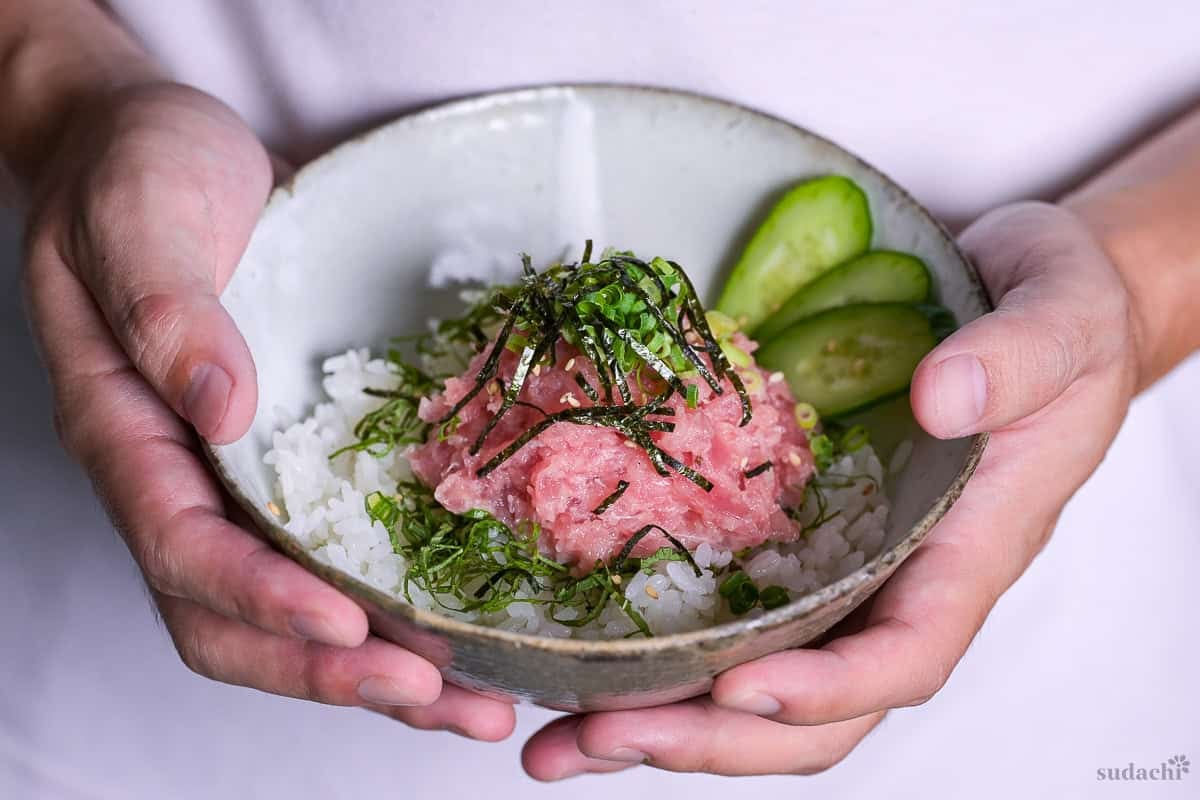
This negitoro is soft from edge to edge, yet it starts with a budget block of sashimi tuna chopped by hand. I break it up with a spoon first, then rock the knife through them in every direction. The goal is not too pasty, not too chunky.
The toro in the name most likely describes that soft texture, so the dish never needed the expensive fatty cut. Over rice on shiso and nori with my cooked sake sauce, it makes a 20-minute weeknight bowl.

5. Tekka Don
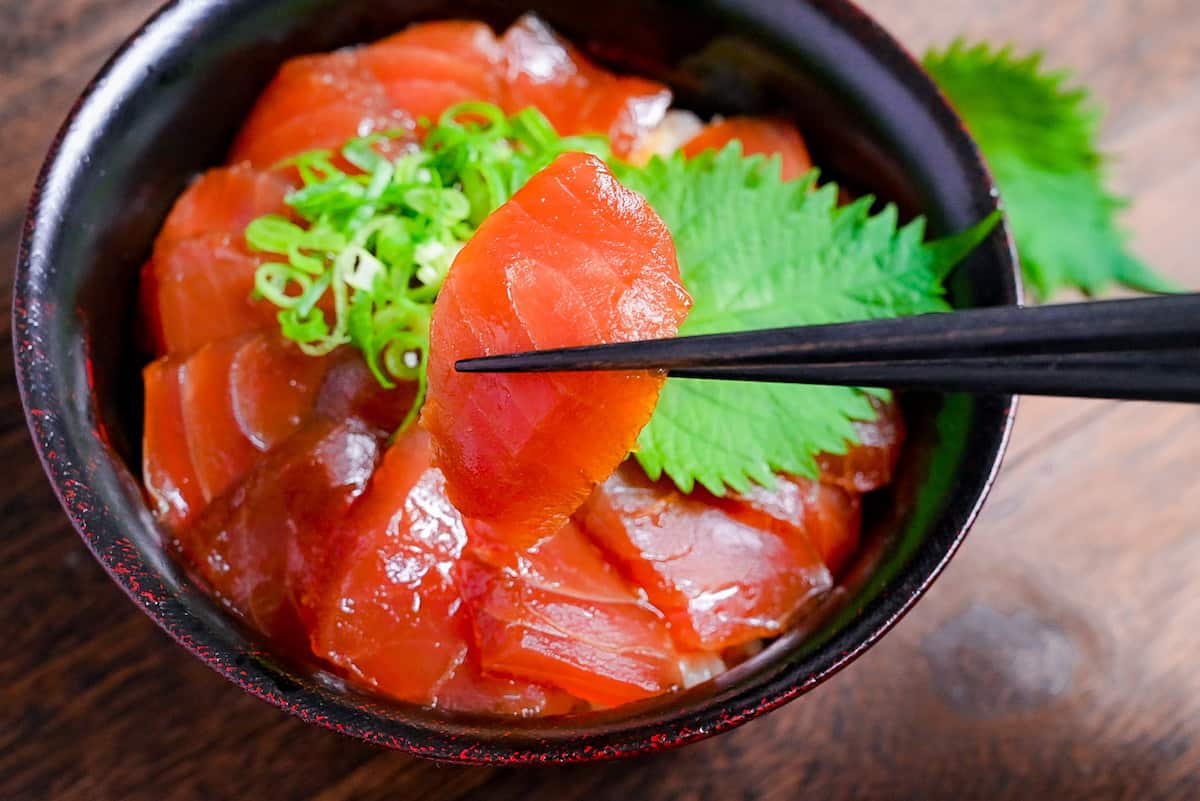
Tekka don is the bowl with sushi rice underneath, which is what separates it from a plain tuna rice bowl in Japan. I make the vinegared rice in a small pot for 2 servings, with kombu in the cooking water. A piece of kombu rests in the marinade too, and the spoonful left in the container sauces each bowl.
The marinade itself is equal parts mirin, sake and soy sauce, cooled. That simple ratio over sushi rice is my way to make 200 g of akami feel like a treat.

6. Tekka Maki
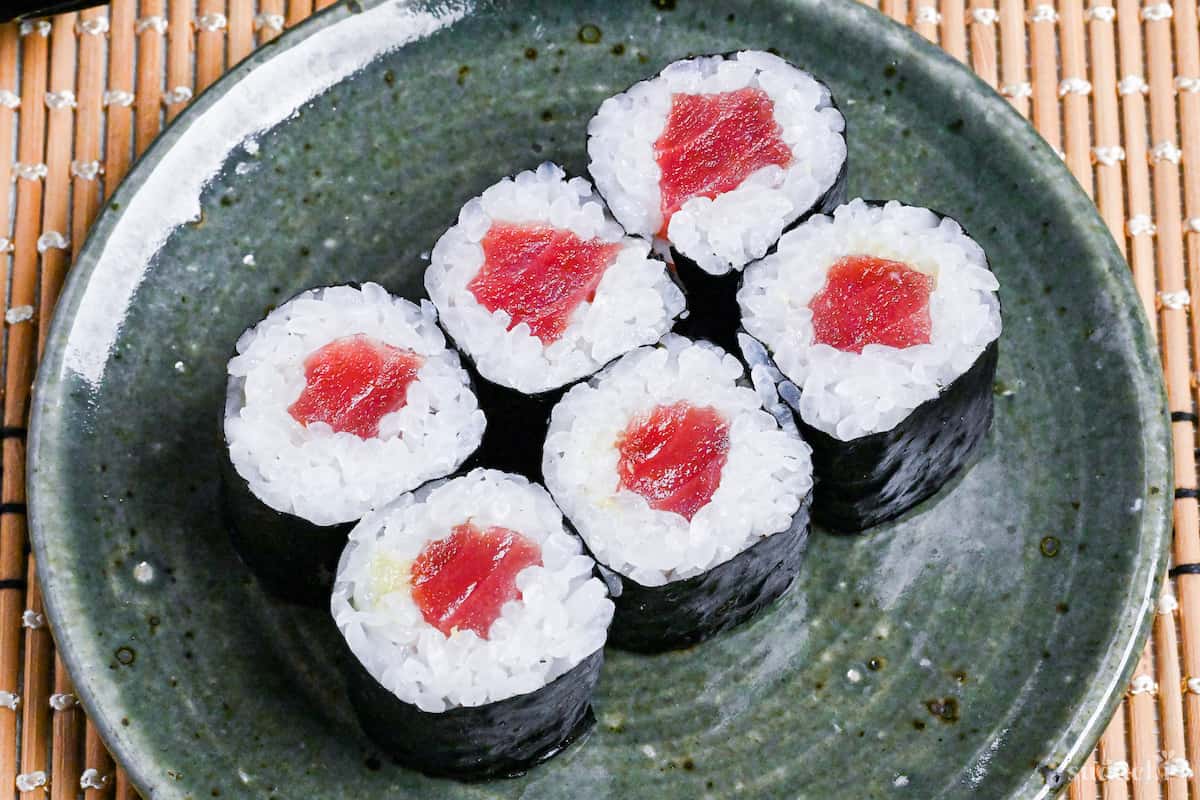
The tuna in this roll is firm, deeper in taste, and free of any fishy edge. That comes from a light sprinkle of salt and 10 to 15 minutes of rest before it goes anywhere near the rice. I prop the container on my rolled-up sushi mat so the liquid runs off.
That short cure is all a plain lean block needs. It cuts into neat sticks and holds its own as the only filling. Toro can wait for another night.

7. Negitoro Maki

For years I made negitoro by chopping sashimi, and it tasted flat to me. The texture was off on some cuts, too. What I wanted was the softness of a ready-made negitoro pack, with a few real pieces of tuna still showing for bite.
Honestly, chopping chutoro into negitoro feels like a waste to me, and I would rather eat it as sashimi. So these rolls start with lean tuna, and that is where a spoon of mayonnaise and a little oil earn their place.

8. Negitoro Onigiri

If tuna onigiri means canned tuna and mayo to you, this one holds raw sashimi tuna instead. I scrape it off the block with a spoon and mince it soft, then fold in a little mayonnaise and oil until the whole mince turns creamy. Crisp nori goes on right before you eat.
The part I care about most goes in last. I leave the wasabi, green onion and 1 drop of soy sauce sitting on top of the tuna rather than stirring them through. Kept in one spot, the wasabi stays strong, so one bite has a real kick and the next is gentle.

9. Kaisendon

Featured Comment
Finally found a good kaisendon sauce recipe! The sesame oil really makes a difference.
– Lottie
The sesame in the tare is the bite people stop on and ask about, and it is my favorite part of this kaisendon. It goes in at the very end. I stir toasted sesame oil and ground sesame into the tare only after it has cooled off the heat, so none of that aroma cooks away.
Tuna takes the red seat in my bowl, next to salmon and a white fish. Before any slice goes on, I let the rice drop from hot to warm. Lean red tuna firms up and dries the moment it meets steam, and that gentle middle keeps it silky against the cold tare.

10. Sashimi Salad

Featured Comment
So delish! I was surprised how rich and tempting the dressing tasted!
– Esther
Soy sauce, mirin and a little sugar go into a small saucepan and simmer for 30 seconds, which takes the raw edge off the mirin and softens the soy sauce. I whisk the oils into that warm base slowly until it turns cloudy, and the cloudy look tells me it is ready.
The oil is half toasted sesame, half olive. Sesame alone sits heavy on raw fish, and olive alone loses the savory edge, so I split them evenly. Because the dressing does the work, any sashimi-grade fish holds up under it, lean tuna included.

11. Chirashizushi

Featured Comment
I’ve made this dish several times now and everyone’s enjoyed it a great deal.
– Ellen
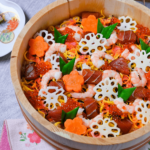
Every spoonful of rice in this chirashizushi carries the mushroom and vegetables, even where the toppings run thin. That is because I simmer dried shiitake, carrot and aburaage in the mushroom soaking water until the pan is dry, then fold them into the sushi rice.
For the tuna, I boil sake and mirin for 30 seconds, stir in soy sauce, and let it cool. The cubed tuna then marinates in the fridge until serving and joins the other red toppings. Most of the other elements can be made the day before, so putting the bowl together is mostly arranging.
12. Ehomaki
Featured Comment
The detailed instructions for making the roll were very helpful.
– Christine
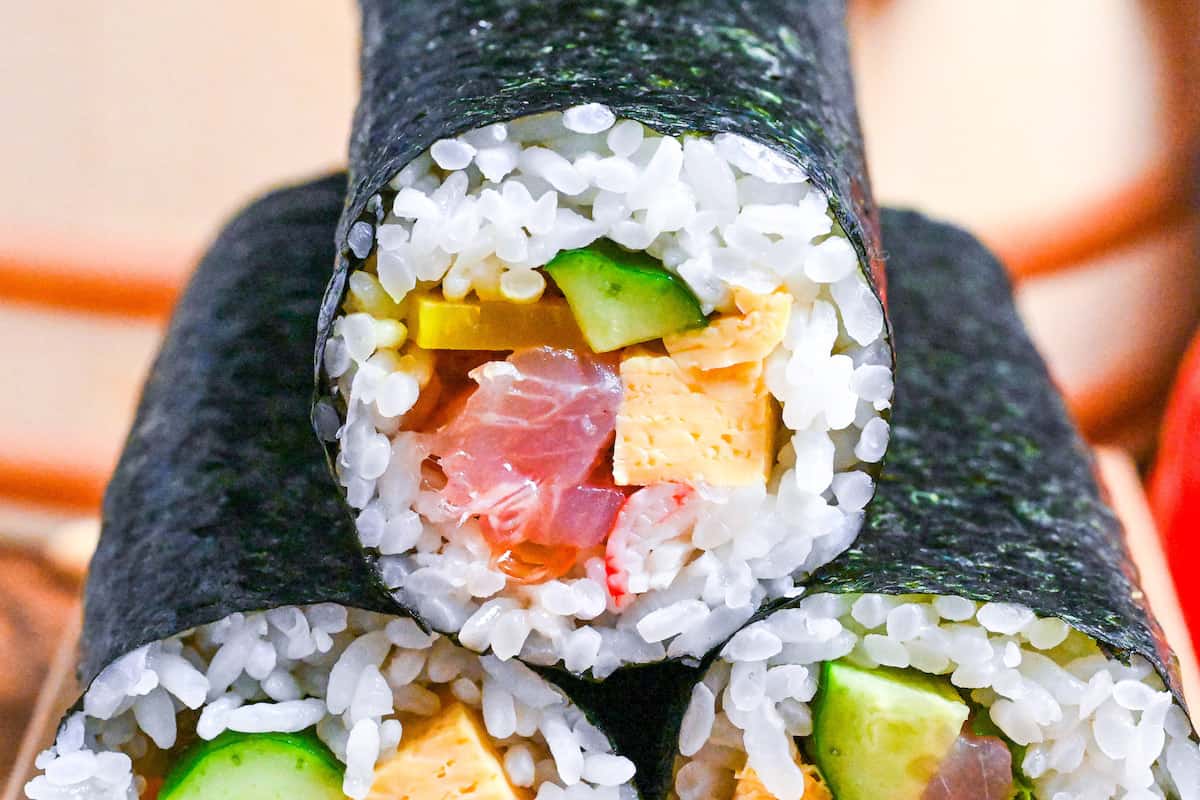
What I care about most in this roll is where the fillings sit. I cut each one to about 5 cm and stack them thin in the middle third of the rice. A shiso leaf on top holds the pile still while I roll, and the end of the roll shows a tight, colorful center.
Ehomaki is the thick sushi roll eaten for good luck on Setsubun, February 3. The fillings are yours to pick, and I would rather you roll what your family likes. Sashimi-grade tuna needs no cooking, so I just slice it into a thin stick and lay it on.

13. Temari Sushi

Temari sushi is sushi rice rolled into small balls, each one capped with a thin slice of fish or vegetable. I shape every ball in a square of plastic wrap. The topping goes in face down, the rice sits on top, and a twist of the wrap presses them together into a neat round.
My tray uses only 2 slices of tuna, next to salmon, yellowtail and shrimp, so a sashimi-grade block sliced thin goes a long way. The shaping needs far less skill than nigiri, which makes it a fun tray to put together with family or friends.


Leave a rating and a comment