

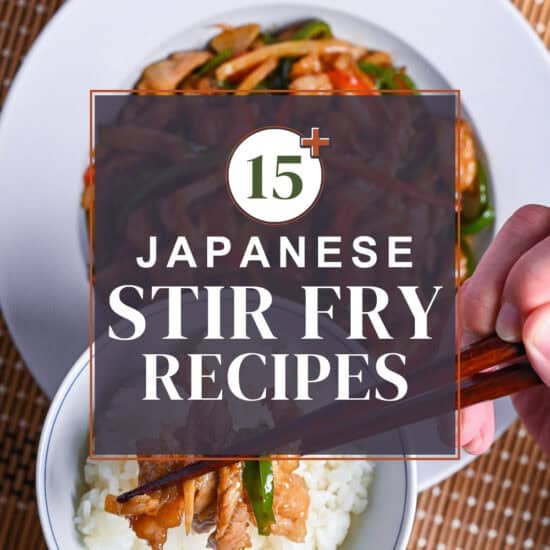

A lot of the stir-fries Japanese families cook every week were borrowed, from Chinese restaurants, from Korea and from the festival griddle, and each one was reworked in an ordinary home frying pan until it tasted Japanese. With soy sauce, a little sugar, a hot burner and whatever the fridge is holding that night, dinner is ready long before anyone has finished setting the table, and the same few habits carry from one plate to the next.
1. Authentic Yakisoba

Featured Comment
I made this for Christmas eve dinner and the kids and my wife loved it! My wife usually uses the mix that comes in the yakisoba package so this was the first time we made it from scratch.
– Charles
This yakisoba sauce tastes deeper than the classic style, with a little warmth at the back. It uses less Worcestershire and leans on soy sauce, oyster sauce and ketchup instead. Just 1/4 teaspoon of Japanese curry powder brings that warmth.
If your yakisoba usually comes with a seasoning packet, this is the version to make from scratch first. Every part of the sauce sits in a normal pantry. I also count the benishoga, aonori and katsuobushi as part of the recipe, because those toppings are what make the plate taste like Japan.

2. Goya Champuru (Okinawan Bitter Melon Stir Fry)

Featured Comment
Not only is this the best way I can possibly imagine eating bitter melon but it is a gourmet dish that will tantalize your taste buds. The other flavors do make you appreciate the bitterness just like you said.
– Jen
Goya champuru is Okinawa’s home stir-fry of bitter melon, pork belly, tofu and egg, and I will admit goya is about the most bitter vegetable I know. My answer starts at the store. I pick one with large, coarse bumps, the milder kind, and keep the rest of its bite on purpose.
In a home frying pan, the pork belly does the work of a sauce. Its fat melts into the pan and clings to the goya with a sweetness that answers the bitterness, so my seasoning stops at a little soy sauce. A handful of katsuobushi on top gives the rest of the depth.
3. Yasai Itame (Japanese Vegetable Stir Fry with Pork)

Featured Comment
Loved it, fridge destash was a hit,very versatile tasty recipe
– Sally Conrad
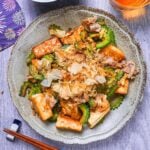
I cut every vegetable by how long it needs in the pan. Carrot and onion go small and thin, cabbage stays in big pieces, and bean sprouts and shimeji go in whole. A random mix from the fridge then turns crisp-tender at the same moment in my wok.
Yasai itame has no set vegetable list, so this cutting rule is the part worth taking home. Once it makes sense, the leftover carrots and sprouts in your crisper are dinner. I finish mine with chicken bouillon powder and oyster sauce, with the sauce thickened for rice.
4. Stir-Fried Edamame

Featured Comment
I made this today and it was sooo good omg! I will be making this a bunch of times 🙂
– Ming
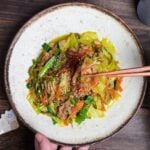
Edamame usually comes to the table plain, just salted pods next to a beer. I wanted something more indulgent, so I cook a garlic and oyster sauce glaze right onto the shells. You still pull the beans out with your teeth, and the sticky coating meets your tongue on the way.
The glaze cooks in the pan for about 3 minutes, until it turns glossy and sticks to the pods. A bag of frozen edamame works, and precooked pods go straight into the pan. Serve it the minute it is done, there won’t be any leftovers.

5. Keichan Yaki (Miso Chicken Stir Fry)

Featured Comment
It’s perfect. I have made it several times and look forward to it each time.
– g
I grew up in Aichi, the prefecture beside Gifu, so keichan has always been part of my life. It is chicken thigh soaked in a sweet, garlicky miso marinade, then cooked with cabbage and onion. I wanted a version that sends you back to the rice cooker for another bowl.
Nothing from the marinade is wasted. The chicken goes into the pan still coated in it, and the miso cooks down into a sauce made for spooning over rice. In Gifu it often cooks on a hot plate, but my weeknight version needs only a frying pan.

6. Chicken Yaki Udon

Featured Comment
It finally cooled down and made this quick chicken yaki udon. Such a colorful and tasty dish especially the toppings for the finish is what makes this dish. The balsamic and aonori and sesame seeds all for the perfect flavor.
– ALICE NISHIMOTO
Frozen udon is what I reach for here, because its chew survives a hot pan. I cook only 1 to 2 portions per round, even for a crowd. Those extra few minutes are what keep each strand seared and springy instead of soft and steamed.
In Japan, yaki udon usually starts from frozen udon and any protein in the house, and mine uses chicken thighs. Seasonal vegetables work too, though I leave out watery ones like bean sprouts because they turn the pan soggy.

7. Ebi Chili (Japanese Shrimp in Chili Sauce)

Featured Comment
I made this dish following the recipe with no deviations and it came out great! Thank you for posting!
– Nicholas Kotsianas
Keep about 5 of the shrimp shells you would usually throw out. They fry in the oil for a few minutes before anything else goes in, and every bite of my ebi chili tastes of shrimp, right down to the red sauce. It costs you nothing extra.
In restaurant kitchens, the shrimp for ebi chili get a quick plunge in deep oil. I do the same job with a shallow sear in my everyday frying pan, then pull the shrimp while they still look a little underdone. They finish in the sauce and stay plump and springy.

8. Chinjao Rosu (Japanese Pepper Steak Stir Fry)

Chunky strips of pork loin, silky from a coat of egg white and potato starch, are the heart of my pepper steak. It is familiar takeout, and the usual version uses thin-sliced meat. I pound the loin flat and cut it into strips because I like more bite.
With the sauce mixed and the peppers cut before I turn on the heat, those coated strips and the peppers cook in minutes, and the pan feels calm instead of frantic. For this dish I would call that prep the real recipe.
9. Buta Kimchi (Pork and Kimchi Stir Fry)
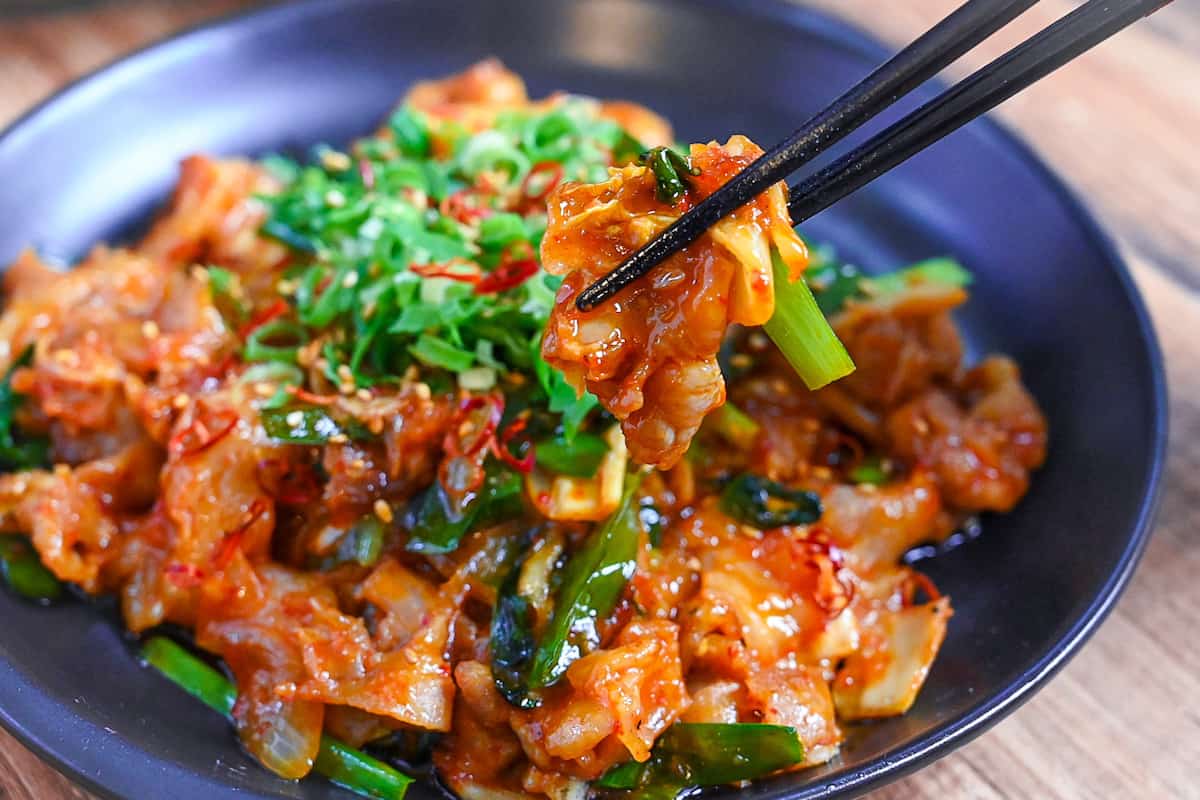
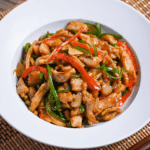
You might expect kimchi to flood the pan, since it brings so much liquid and acid. Here that juice becomes the sauce. Before the pork ever touches the wok, I dust each slice with a thin veil of flour. The coat browns first, then turns the kimchi juices into a glaze.
Every slice of pork ends up with crisp, caramel-edged spots, spicy-sour over a bowl of rice. Any large frying pan you already own will handle it.

10. Niratama (Garlic Chive and Egg Stir Fry)

Featured Comment
Made it yesterday! Easy and delicious way to use up the chives!
– Jules
With eggs and a bunch of garlic chives in my fridge, I have a side for rice in about 5 minutes. The chives get 30 seconds alone in a hot pan first. That short blast tames their garlic bite and drives off their water before it can weep into the curds, so the scrambled egg stays soft and fluffy.
Niratama is the smallest stir-fry on this list, and the easiest place to pick up the habit of giving the vegetable its own turn in the pan.
11. Spicy Seafood Yaki Udon

The heat in my spicy seafood yaki udon comes from chili bean paste and chili oil. A little Japanese curry powder goes in with them, and its spice blend gives the sauce more depth.
Every shrimp lands in the bowl ready to eat, so there is no peeling between bites of udon. I still want the flavor in those shells, so they sit in oil over the lowest heat first, then come out of the pan.

12. Shrimp Yaki Udon with Salt Lemon Sauce

Featured Comment
I made it deep into winter while it was snowing here because I needed a bit of summer today. It brightened our dark day.
– Marian Dioguardi
Before any noodle touches my pan, I fry dried baby shrimp with the white part of a leek for about a minute. I stop when it smells toasty, and the oil picks up a briny seafood umami.
Thick, chewy udon goes into that pan next, and a lemon sauce with chicken bouillon finishes it. The plate tastes of the sea and the lemon, and it is dinner in under 20 minutes.

13. Shio Yakisoba with Lemon and Seafood
Featured Comment
I made the sauce, which is as excellent. There is a lot of flavor packed into a small amount.
– Lori
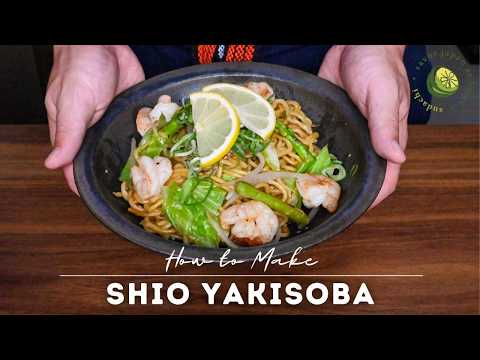
This is my summer yakisoba, and the part I like most is the stack I build in the pan. Bean sprouts and cabbage go underneath, the fried noodles dome over them like a lid, and the shrimp and asparagus sit on top. The vegetables steam in their own moisture while the noodles keep their chew.
I make it when I want shrimp and asparagus to taste like themselves. A lemon sauce with a little garlic and sesame oil coats the noodles, so they come out tangy and bright in place of dark and sweet.
14. Omusoba (Yakisoba Omelette)
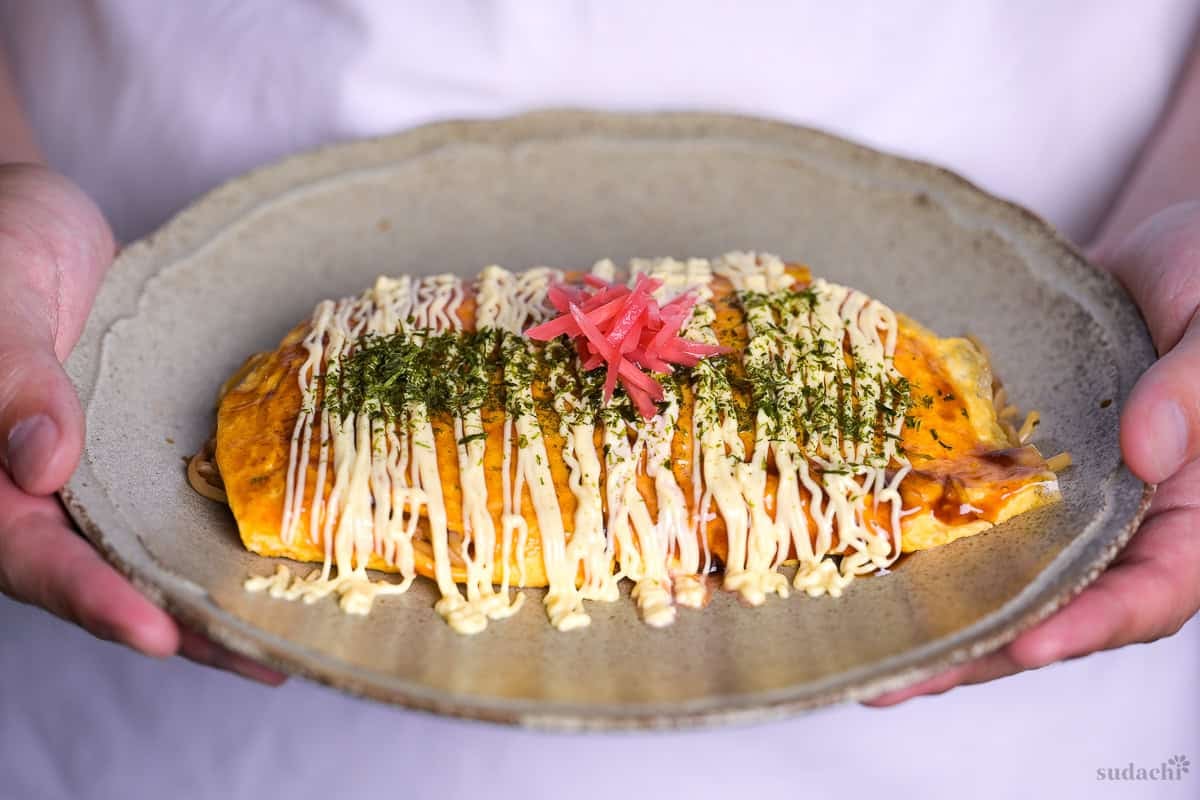
Omusoba is yakisoba folded inside a thin omelette, and that wrap changed how I build the filling. I use ground pork in place of the usual sliced pork belly. It crumbles into small bits that mix right into the noodles, so each spoonful holds together under the egg.
I stir both of its sauces from bottles, so you can skip the powdered packet Japanese cooks reach for, which is hard to find outside Japan. Any ground meat already in your fridge can stand in for the pork.

15. Sobameshi (Kobe Yakisoba Fried Rice)

Sobameshi puts yakisoba and fried rice in the same pan, and I chop the noodles into short pieces before they go in. That way every spoonful carries rice, crisp noodle bits and pork together. I let the noodles brown on both sides first, so they snap against the soft rice.
The sauce tastes like yakisoba, sweet and tangy from Worcestershire sauce, with smoked paprika and a little curry powder for a touch of smoke and heat. It is also a good home for last night’s cold rice, which fries up loose instead of clumping.

16. Sara Udon (Nagasaki Crispy Noodles)

Picture a crunchy, golden nest of noodles with a glossy pork and cabbage sauce poured over the top. I make that nest from ordinary ramen noodles. I press them flat in a non-stick pan and leave them alone until each side turns crisp.
This one shows the thick-sauce side of Japanese stir-frying. I soak dried shiitake ahead and use the soaking water as the sauce base, which gives it a deep mushroom savoriness. I thicken it until it coats a spoon and still flows, then pour it on and eat while the noodles crackle.

17. Curry Fried Rice
Featured Comment
I made this today and it was absolutely delicious! Thank you again for another great recipe =)
– Dee
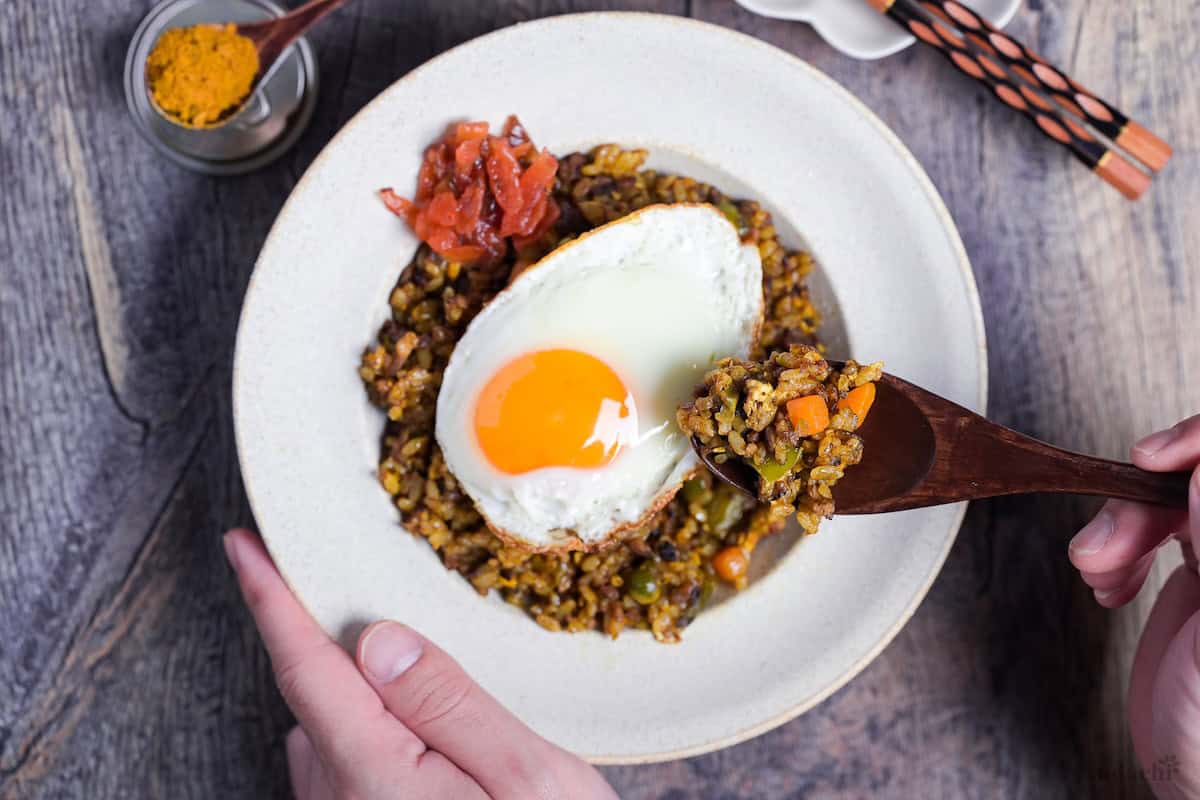
A full minute once left my curry fried rice dusty and bitter, so now I keep a timer running. The curry powder blooms with grated garlic and ginger in hot oil for 15 seconds, and the rice comes out golden and separate, finished with cold butter off the heat.
Fried rice stays dry when the pan stays hot. Rice straight from the fridge cools the pan fast, so I warm day-old rice for 20 seconds before it goes in.


Leave a rating and a comment