

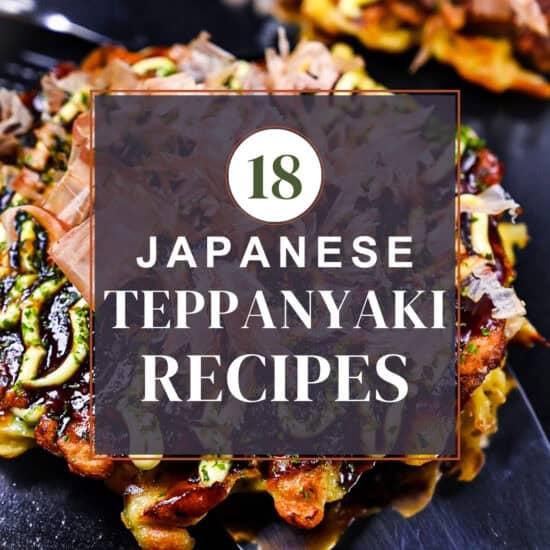

In Osaka and Kobe the hot flat griddle is a place to eat rather than a place to cook, and I have eaten my share at shops and at stalls, standing up, waiting for a spatula to scrape the plate. These 18 recipes come out of that, Kansai food that grew up on a hot surface. When I lived in England this was the food I leaned on, because the dishes are forgiving and can be adapted with local ingredients, which means these recipes are already within reach of your kitchen tonight.
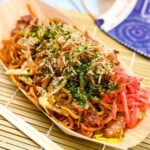
1. Yakisoba (Japanese Stir-Fried Noodles)

Featured Comment
We tried this recipe last night because it has been a hot minute since my boyfriend and I have had a good yakisoba and I have to say, everything about it was fantastic!
★★★★★
– Ashley
Good yakisoba should leave a little shine on the plate. I keep the pork fat that renders out instead of pouring it off, because that is where the sauce gets its body, and a dry yakisoba is a sad thing.
The sauce pulls back on the Worcestershire that yakisoba used to be built on, so the pork and cabbage still taste like themselves. That is the whole trade, less of what usually covers the plate and more of the pork fat you kept in the pan.
2. Osaka Style Okonomiyaki

Featured Comment
I tried this recipe today for the first time and it’s perfect, same taste I’ve found in Japan, so damn good!
★★★★★
– Roberto
Osaka style okonomiyaki is the one I cooked often during my England years. What catches people out is how much cabbage goes into it. The batter is only there to hold the cabbage together.
The sauce I mix myself, from bottles most kitchens already keep. That ratio is the entire trick, and it is the one thing I would settle before the pan goes on the heat.

3. Hiroshima Style Okonomiyaki

Featured Comment
So good! I didn’t know you can even make this in one pan!!
★★★★★
– Hugh
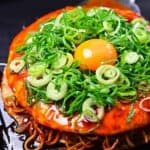
People like to argue about which okonomiyaki is the real one. I stay out of that. What I want you to see is the cabbage, a mountain of it that looks like far too much until it collapses under its own crepe lid.
The noodles are the part I fuss over. I fry them on their own before they join the stack, so the surface browns and crisps instead of going limp in the steam, and that is the stretch I want you to watch rather than read about.
4. Tonpeiyaki (Pork Belly and Cabbage Omelette)

Featured Comment
I am currently in Japan and enjoyed my first tonpeiyaki. It looks exactly like the meal I ate today in Tokyo!!
– Angie
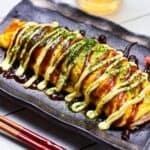
I chased this one for a while before it tasted like the okonomiyaki-shop version I was after, and it is not a well-known dish. Take the pork and cabbage that go into an okonomiyaki, lose the flour batter, wrap it all in an omelette instead, and you have this, 10 minutes in a single pan.
The egg leaves the pan before it is finished cooking, which sounds like a mistake until you know what the residual heat does on the plate. It took me some practice to land, and it is not the timing you would guess.
5. Monjayaki
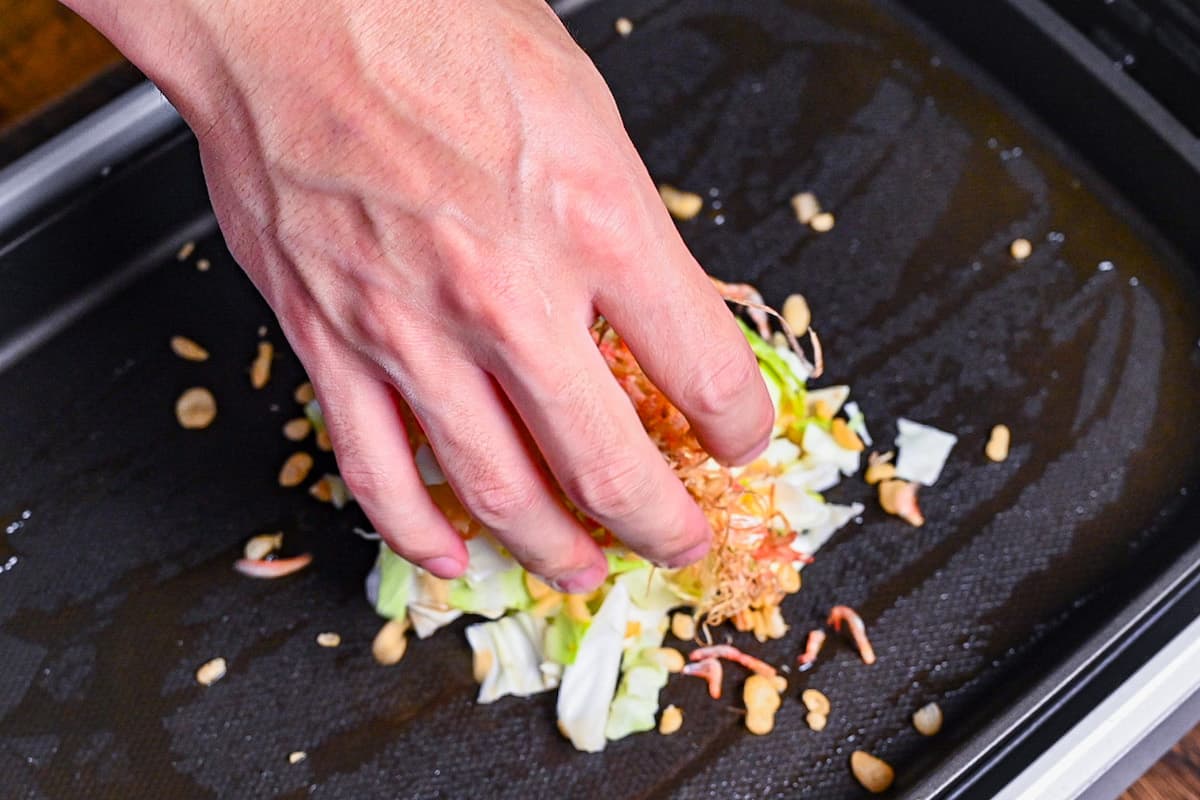
I remember eating monjayaki at a shop in Tsukishima. I will say plainly that it is not a good looking dish.
The crisp underside is the whole point, and it only happens if you stop fussing with the batter at the right moment, which is where most people lose it. On a home griddle it stays put only because the cabbage is packed with no gaps.
6. Takoyaki (Japanese Octopus Balls)

Featured Comment
Sooo delicious! I’ve been wanting to try this recipe for a long time and finally I got an electric pan.
★★★★★
– Andrea Florio
The molten middle of good takoyaki is never fully cooked, and it is not meant to be. My batter is looser than people expect, so the first balls look like a mess in the pan. That mess is correct, and it means you are on the right track.
So a timer cannot tell you when they are done. I go by what the ball feels like as I lift it, and by the oil, which goes in late and settles the shell. Watch me do it and the loose batter stops looking like a mistake.
7. Gindaco Style Takoyaki
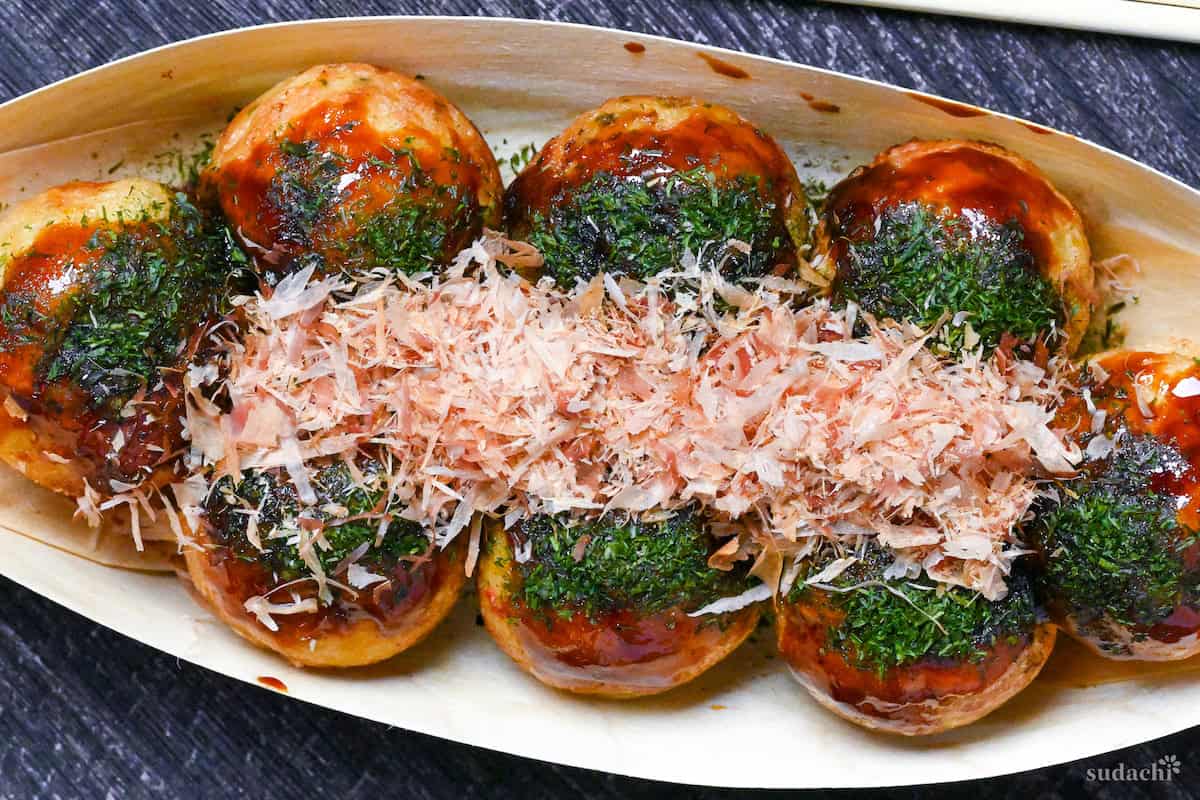
My own takoyaki recipe goes after a clean dashi flavor. This one deliberately goes the other way. I wanted the loud, slightly over-seasoned taste you get standing at a shop counter, so the batter carries far more savory weight than I would ever put in the homemade version.
The savoriness is built into the batter. It is never spooned on at the end, and a topping people assume is standard is optional at the real counter. The crisp shell is a separate argument, and it is not settled until after the balls are round.

8. Omusoba (Yakisoba Omelette)
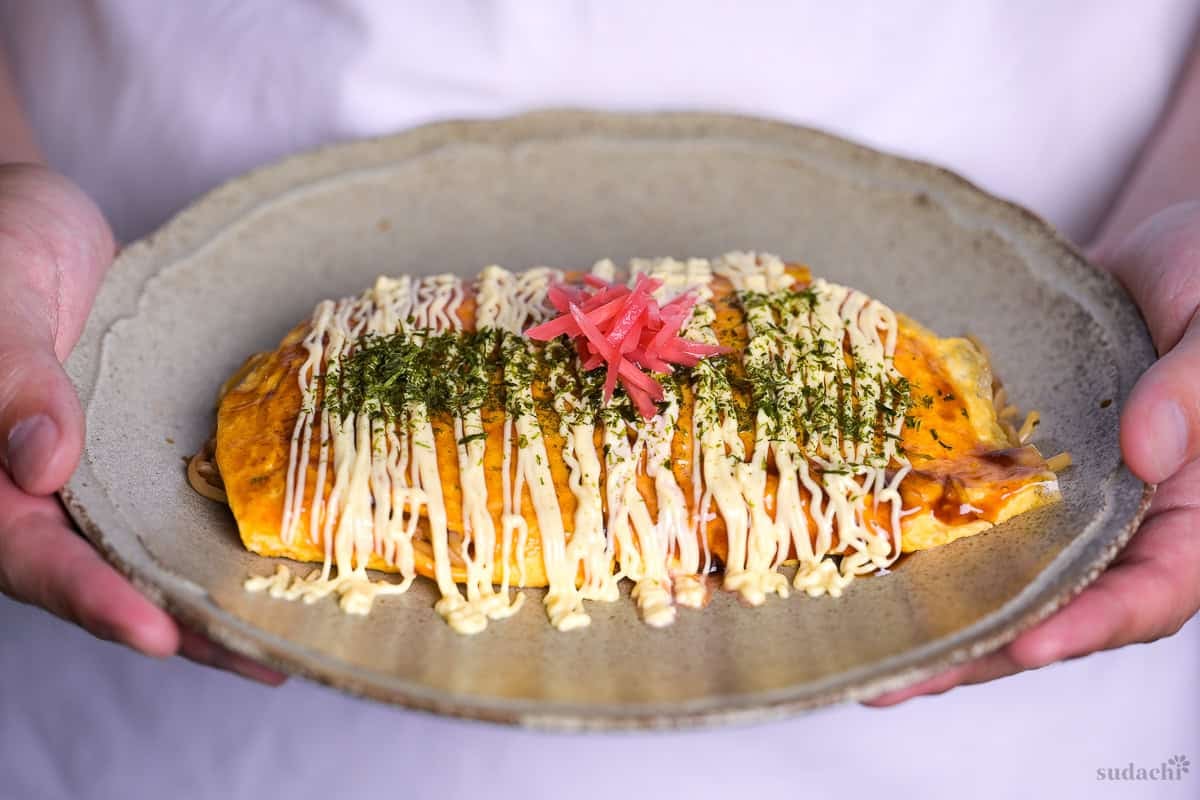
Cut into it and there are noodles under the soft omelette, where you would expect rice. The failure mode is obvious once you picture it, a single loud sauce and a fold of brown noodles that all taste the same. Most of my work here went into refusing that.
The sauce goes on the noodles only. Meat and vegetables stay out of it, so each still tastes of itself inside the fold. Scissors come out before anything gets wrapped, and that is what lets a fork lift a clean bite instead of the whole tangle.
9. Sobameshi (Kobe Yakisoba Fried Rice)
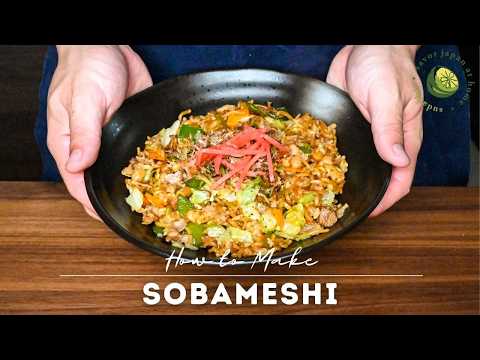
Nothing to twirl. You eat this one with a spoon, noodles and all, and it is gone in 10 minutes. That was ordinary home food when I was a kid, short chewy pieces of noodle running all through the fried rice.
The sauce is where I go off script. 2 spices most people never associate with yakisoba go in, and they are the reason it tastes deeper than noodles and rice stirred together. I will not pretend it is traditional.

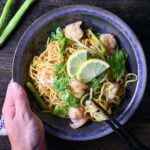
10. Shio Yakisoba with Lemon and Seafood
Featured Comment
There is a lot of flavor packed into a small amount.
★★★★
– Lori
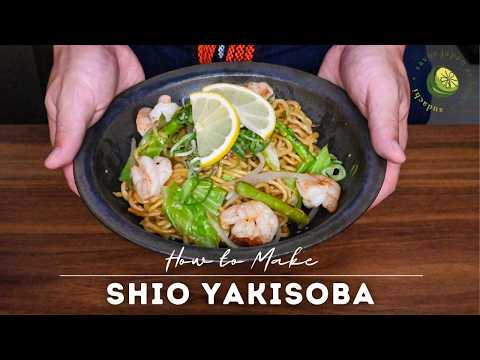
Salt and lemon do all the seasoning here, so it lands closer to a plate of bright seafood pasta than to anything off a festival griddle. The strands stay separate instead of collapsing into a single soft mass, and that texture is what I care about most.
This is the one dish here that does not taste brown. The lemon arrives twice, as zest and as juice, and the sauce never goes into the middle of the pan, which sounds fussy until you taste what happens at the edge.
11. Garlic Steak Fried Rice

Featured Comment
This dish is divine
– Amelia Stewart
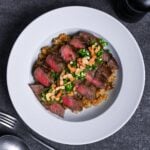
At a teppanyaki restaurant the garlic rice is the side and the steak is the point. Here I turn that around, so the rice is the dish and the steak arrives as the topping, with its resting juices stirred through the rice at the end.
Sliced garlic starts in cold oil and comes out as chips, and the rice then cooks in the oil it flavored. Minced garlic goes in later, purely to perfume. The soy sauce is never just poured in, and what happens to it first is the part I would not give up.
12. Teppanyaki Style Fried Garlic Chips
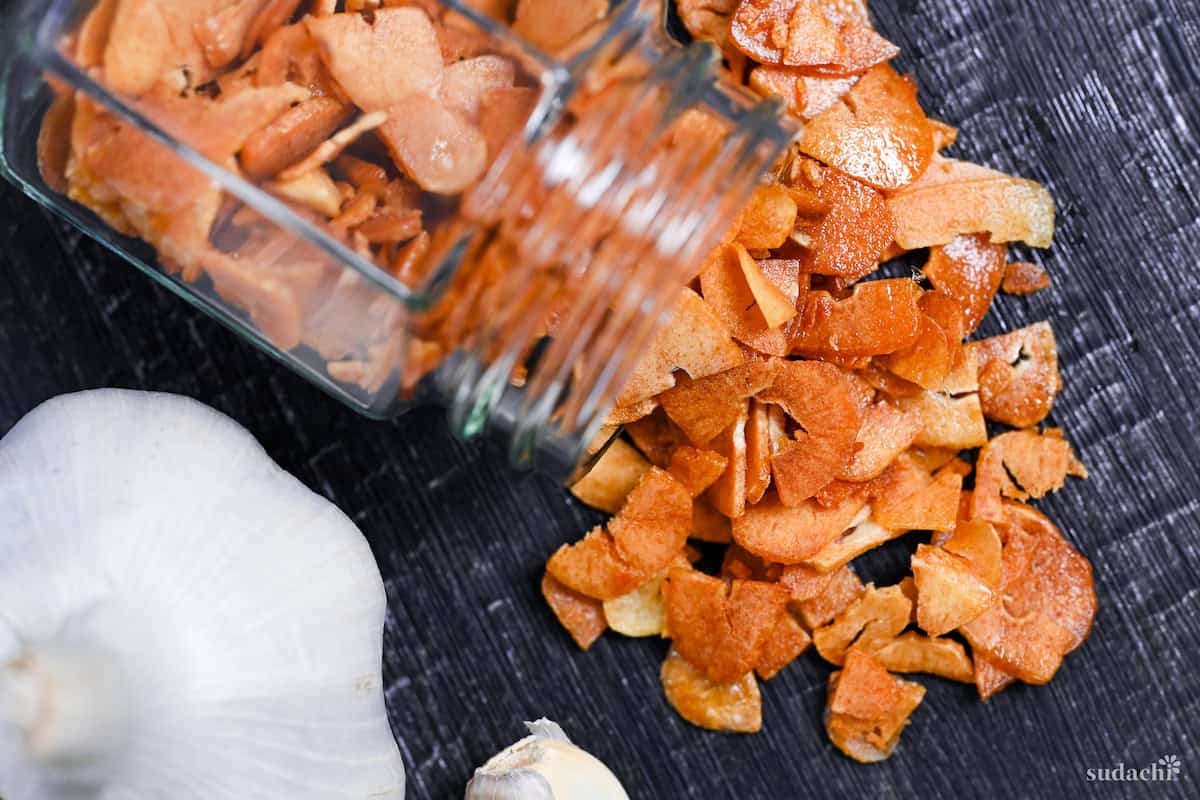
I went through a lot of failed batches before I stopped slicing the garlic thin. Paper thin slices scorch and taste of nothing much, while a slice around 3 millimetres actually snaps when you bite it. Thickness is what separates a chip from a burnt shaving, and frying skill barely enters into it.
You also finish with a jar of garlic oil I would never pour away, since it turns a plain fried rice into something else. The crunch, though, is not decided in the pan. It comes from 2 things I do to the slices before any oil is even warm.

13. Grilled Grated Yam (Yamaimo no Teppanyaki)
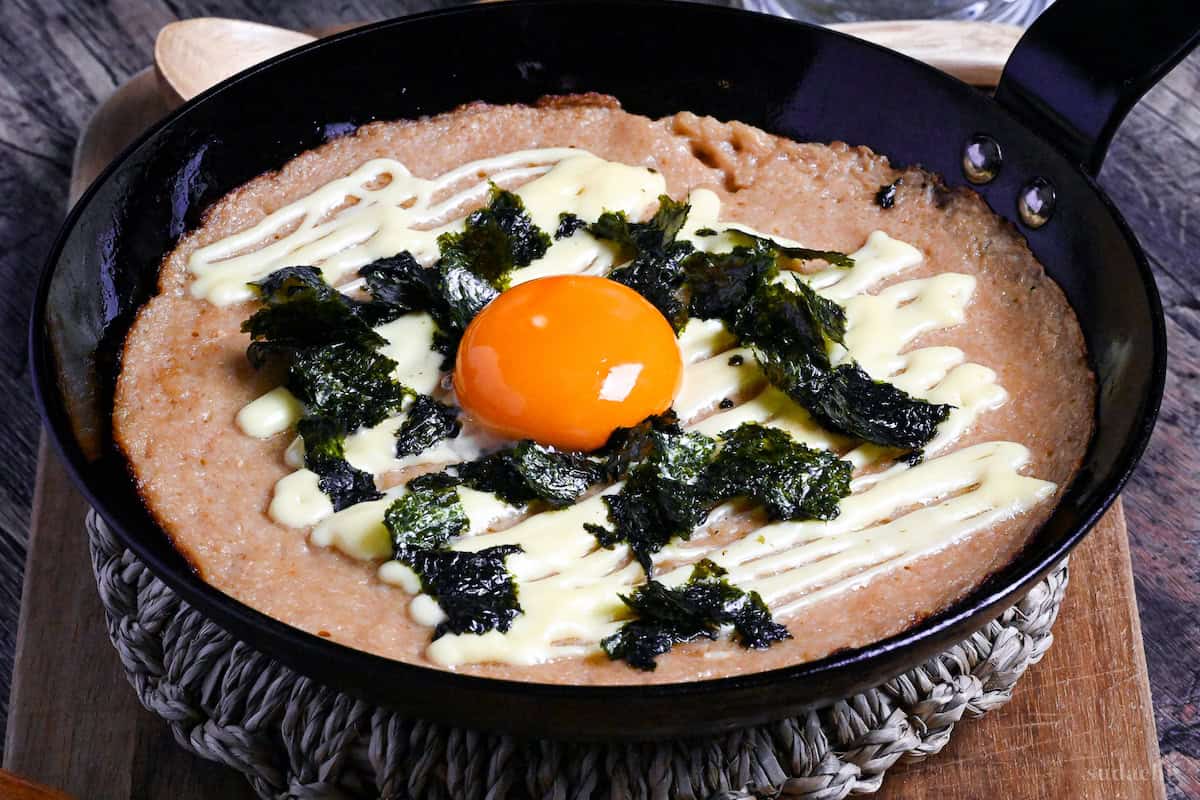
Grated raw mountain yam is a strange thing to meet, slippery, pale, closer to a thick liquid than a vegetable. Put it over heat and it climbs into something spongy and light, like a savory pancake that never had flour in it.
The izakaya version is looser than I like, so mine spends longer in the pan and holds its shape. What gives it that casual izakaya flavor is not the ingredient a Japanese cook is supposed to reach for, and I decided that was worth being honest about.

14. Hambagu (Japanese Hamburger Steak)

Featured Comment
I’ve never had hamburg steak before but this was so delicious! It was easy enough for a beginner like me to make.
★★★★★
– justina
Most hambagu recipes reach for an egg to hold the patty together. I leave it out. Nothing dilutes the beef, and the patty still holds, because the binding is built earlier, before any other ingredient goes near the bowl.
There is no single meat ratio here either. Beef and pork pull the patty in opposite directions, one toward flavor and one toward forgiveness, so I laid out the blends with how hard each is to handle and let you pick your side.
15. Beef Pepper Rice

Featured Comment
I can’t envision there being leftovers
– Ryne Muller
The shop version never marinates the beef. Mine does, because slices that thin take flavor in minutes, and the grated apple and onion in it are working on the texture too. That is my one real departure from the chain original.
What I am really after is the okoge, the crisp scorched layer at the bottom of the pan. There is a moment partway through where it looks like you have flooded the rice, and everything depends on what you do in the next minute.

16. Japanese Chicken Steak
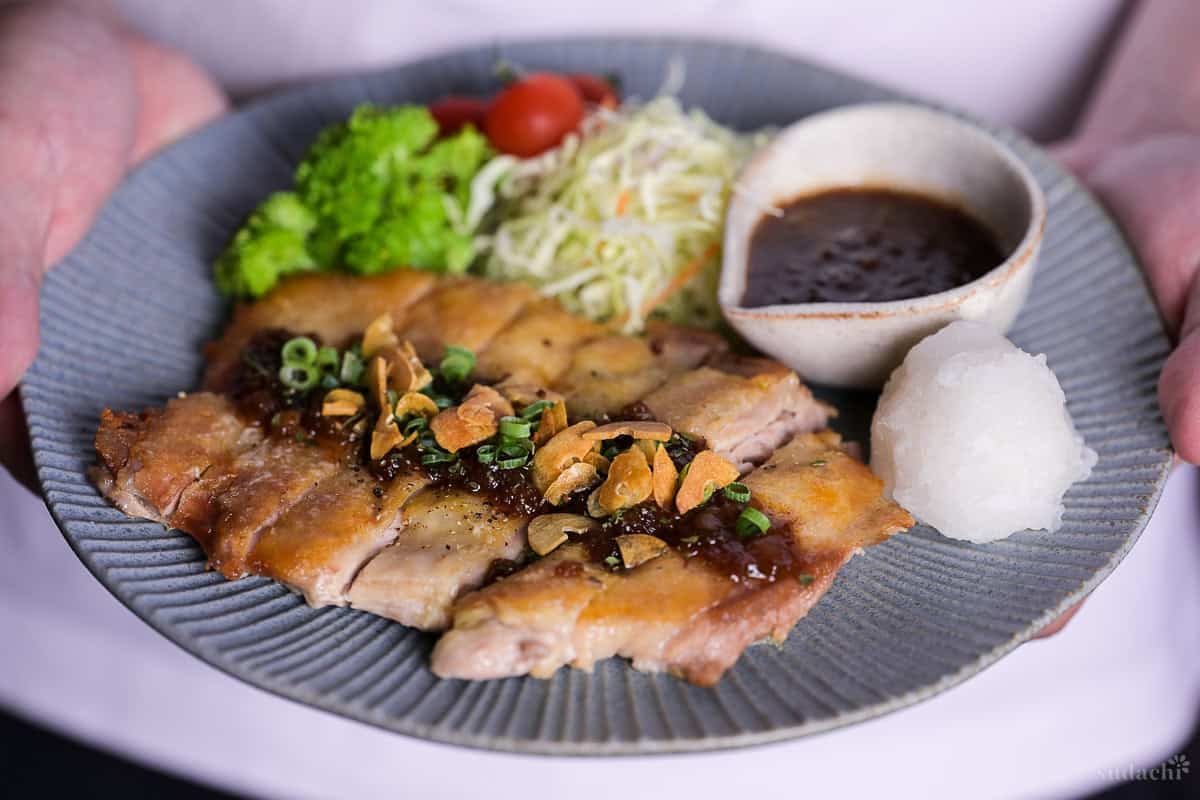
Whatever fat the skin gives up stays in the pan, and the onions soften in it, so nothing the chicken lost gets poured away. The sauce built on top leans Western, red wine and Worcestershire sauce and oyster sauce behind a skin-on chicken thigh.
Getting the whole skin to meet the pan takes a flat weight over foil. Right before it goes down, the skin side alone gets a light dusting of potato starch. Do that and the crackle runs edge to edge.
17. Bikkuri Donkey Style Hamburg Steak
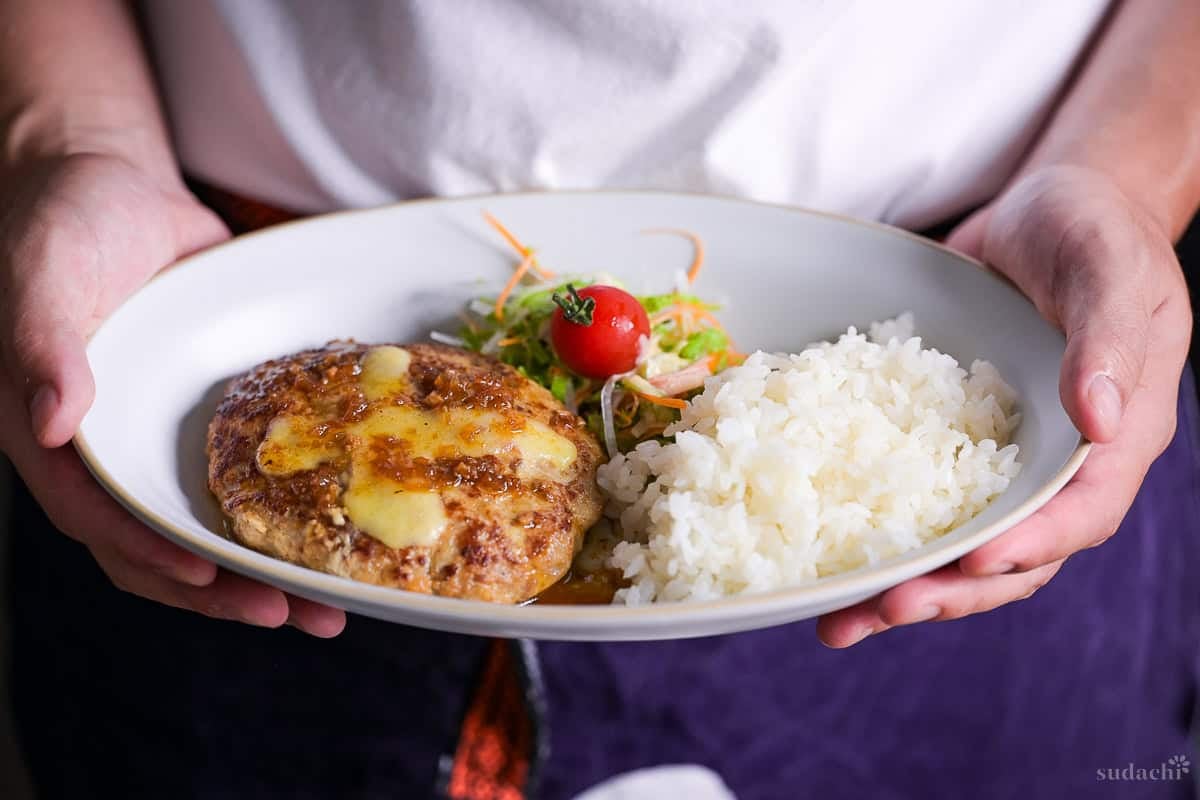
This patty is not trying to taste beefy. It goes soft enough that the onion has to disappear completely, so I grate it instead of chopping, and I mix until the meat turns sticky, which is the opposite of what I would do for any other hamburg steak.
The sauce was the part I could not place at first, thin and spooned on sparingly rather than poured. The clue did not come from my own plate that day. It came from what my son ordered, and after that the Japanese thing hiding in the sauce was obvious.
18. Yakisoba Pan (Yakisoba Noodle Sandwich)
Featured Comment
Very easy to make! Perfect for lunch!
★★★★★
– Yuri
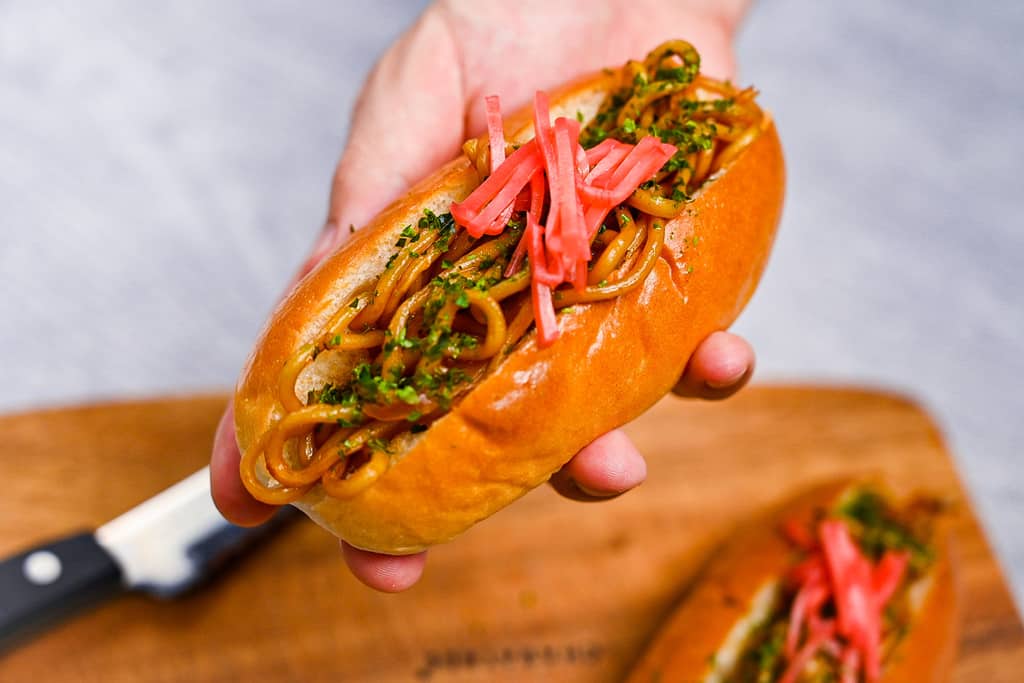
My high school had no cafeteria, only a tiny kiosk with a few packaged breads, and my friends and I sprinted for it the second the bell rang. Yakisoba pan was never one of the breads we fought over.
Most of what goes into my yakisoba never makes it into this bun. What I take out is not about taste, it is about what happens to bread that sits, and there is a single place I refuse to let the sauce go.

Leave a rating and a comment