

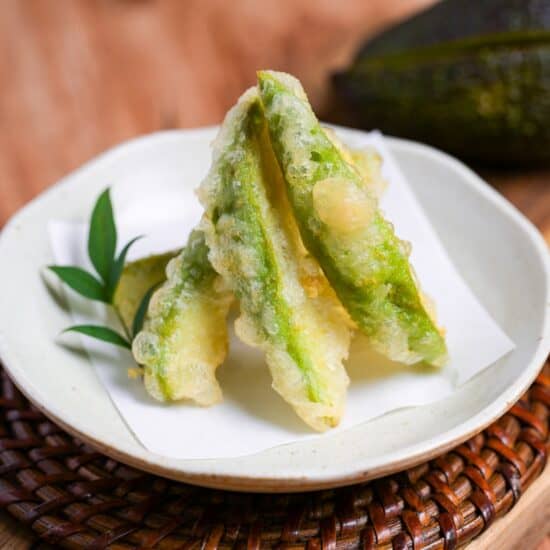


Crisp, then creamy. Avocado tempura is the only tempura that puts both of those into a single bite.
The thin batter breaks and the taste of the melting avocado spreads slowly across your tongue. Nothing I had eaten before felt like that. You will either love it or decide it is not for you. Are you curious?
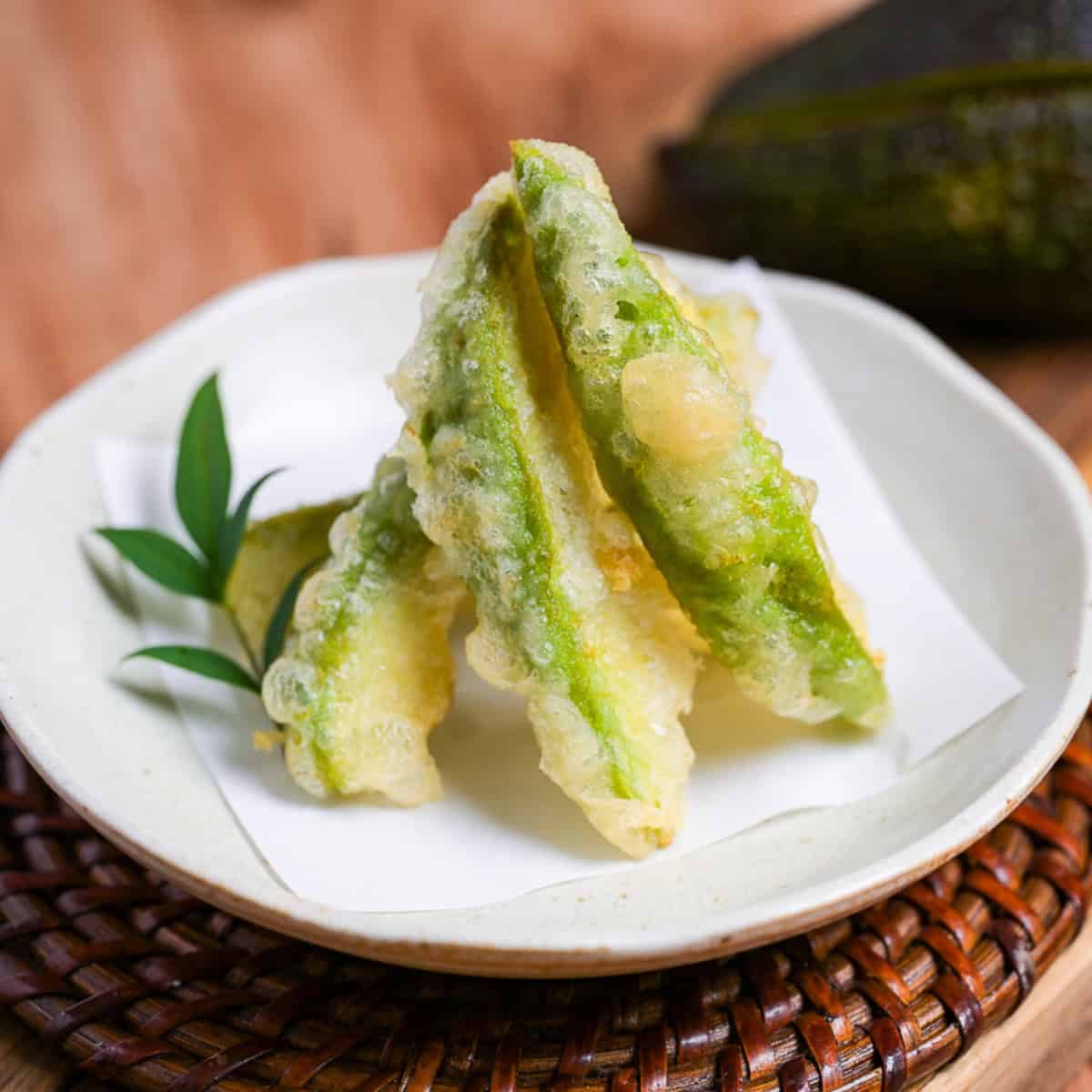
Avocado tempura
Recipe Snapshot
- What is it? Avocado tempura is peeled, pitted avocado in a cold batter, fried. It is a creative home cook’s piece rather than a shop standard, eaten with salt or tentsuyu (tempura dipping sauce).
- Flavor profile: Bite in and the thin, light crust crumbles, and the warmed flesh underneath turns soft. The avocado’s own richness stays, and salt on the hot crust brings it out.
- Why this recipe works: Wedges cut 1.5cm thick hold their shape and warm through to soft. About 2 minutes at 180°C (356°F) crisps the crust, and no second fry keeps the flesh from overcooking.
- How to make it: Cut the wedges while the water and flour chill, dust them, dip them in cold batter. Fry 4-6 at a time in a deep pot, drain on a rack, salt.
- What to expect: Prep through to eating runs roughly 50 minutes. The one catch is the color, so lift them at pale gold, before they go dark brown.
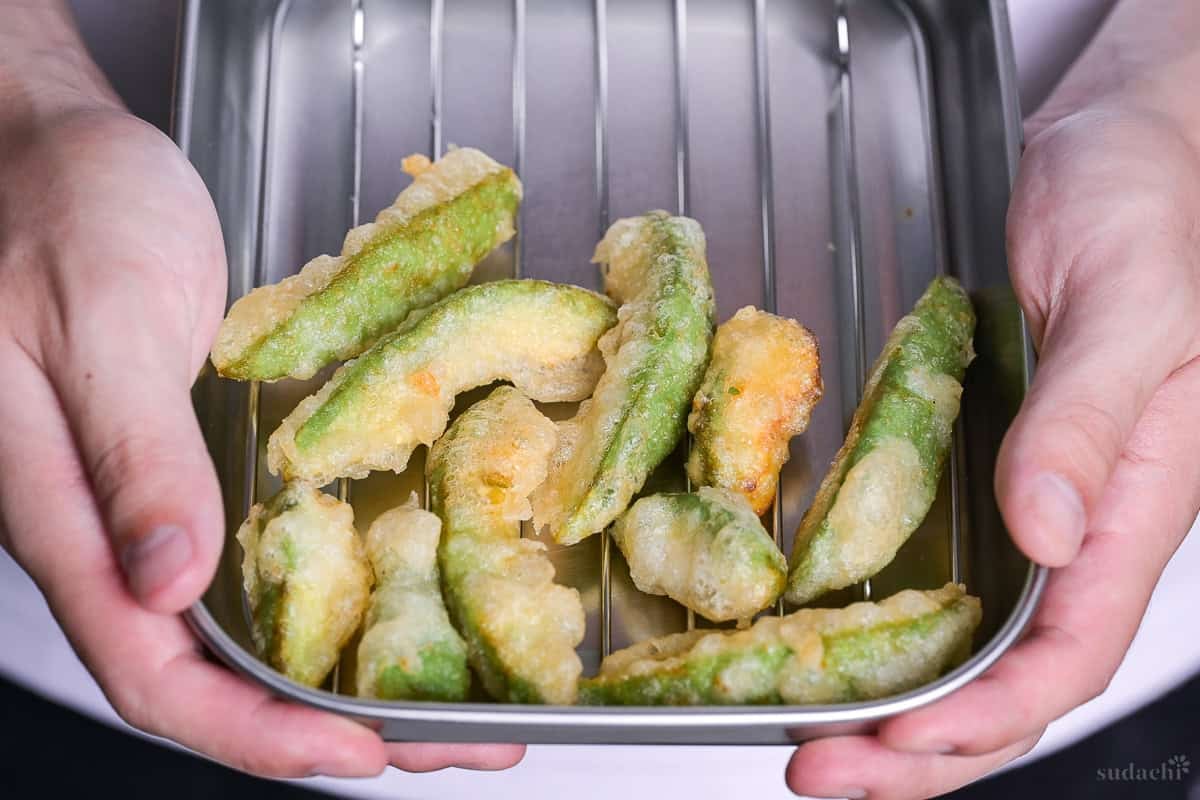
What Is Avocado Tempura?
Avocado tempura is a modern Japanese twist on tempura. Instead of a standard choice like shrimp or kabocha, the tempura method is applied to avocado. The wedges go into a thin, unseasoned batter and come out to be eaten with salt.
This is a different dish from what some call avocado fries. No panko, no beer batter, and the batter carries no flavor of its own. You stop the frying at pale gold. The thin coat breaks with a light crackle, and the flesh inside only warms through.
Avocado came to Japan in the Taisho era (1912 to 1926). The bumpy skin earned it the name waninashi (crocodile pear), but almost nobody ate it. Serious imports from Mexico only began at the end of the 1970s. Japan brought in about 479 tons in 1980, and by 2020 that had grown to about 80,000 tons. Through the 1990s and 2000s, eating it sashimi style with wasabi and soy sauce caught on, avocado settled into home kitchens, and now it sits in supermarkets all year. Frying it as tempura came later, a modern variation that still is not one of the standard things you fry.
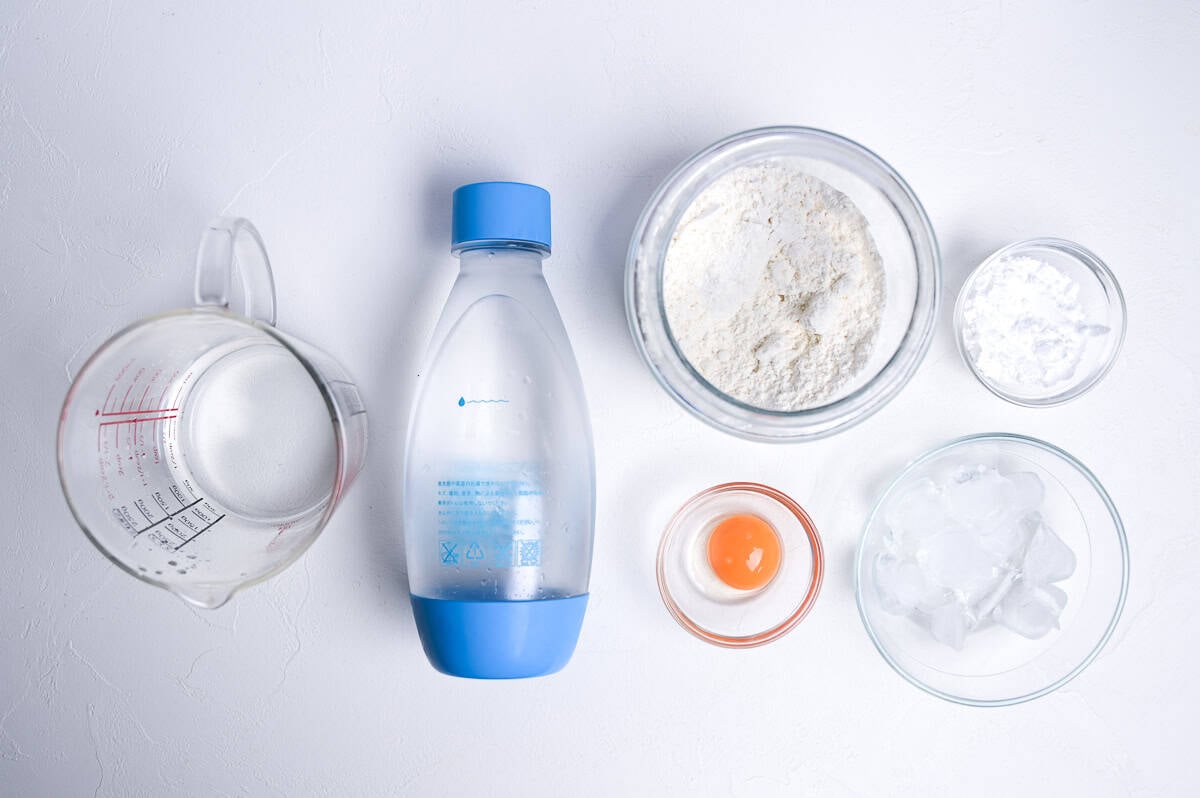
The batter is the same mix as my other tempura recipes. I swap part of the water for carbonated water, part of the cake flour for cornstarch, and I use only the yolk. The carbonated water keeps the coat light, the cornstarch gives it the crisp bite, and the yolk alone is there because a whole egg with this much flour makes too much batter.
Avocado Tempura Ingredients
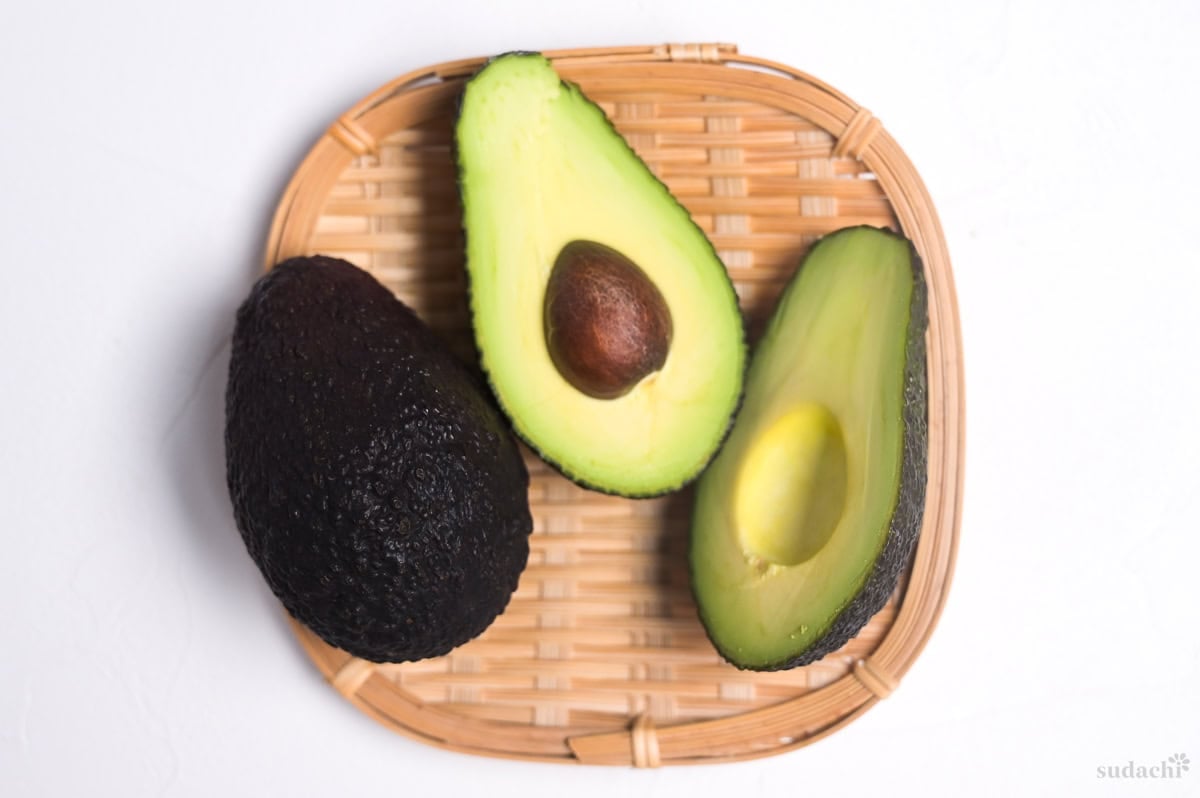
- Avocado: You want one that is not overripe. Squeeze it gently. It should give a little and still feel firm underneath, and that is the one that fries. Skip any avocado whose skin has gone fully black and whose stem end sinks in soft, because it will fall apart in the oil. Bacon and Fuerte stay green even when they are ripe, so go by the give around the stem end rather than the color. If the one you bought is rock hard, leave it on the counter and fry it once that slight give shows up. And a small brag while I am here. I am extremely good at picking avocados. Hand me 100 and I can tell you if it’s good with 99% accuracy.
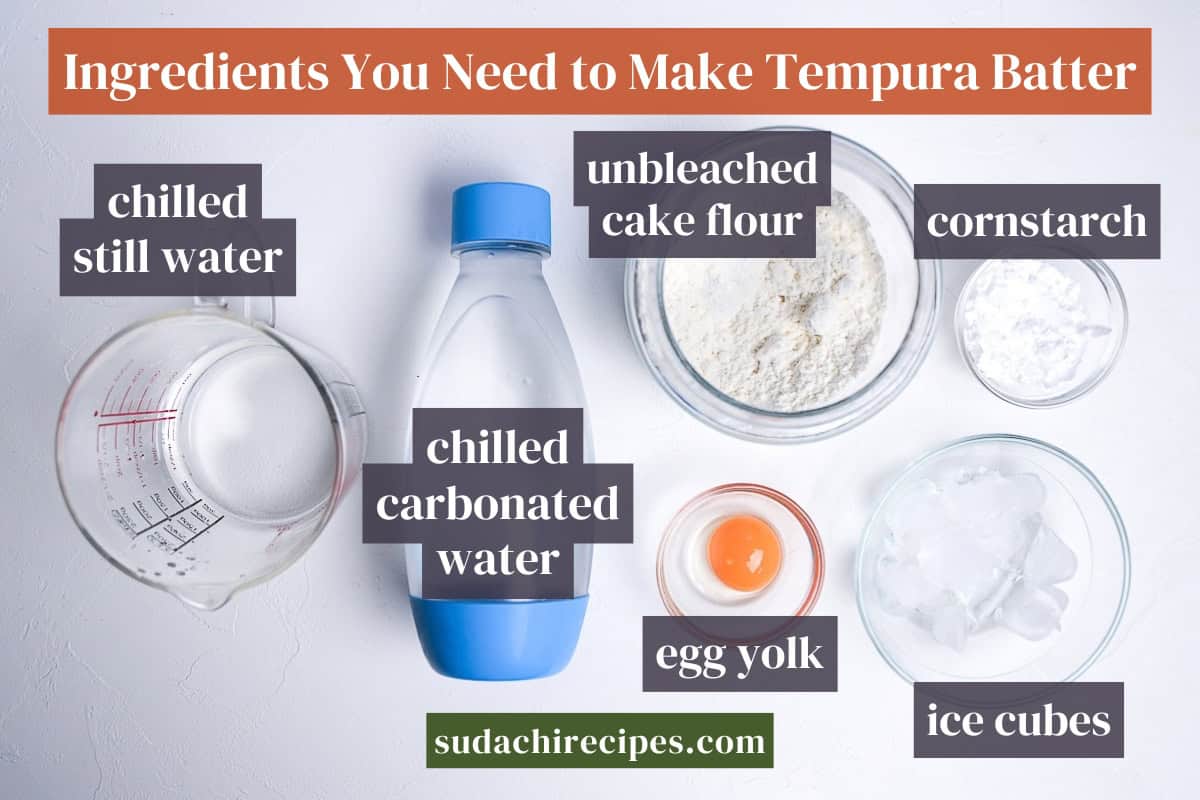
- Cake flour: Look for cake flour that has not been chlorine treated. Chlorine-treated flour gives you a heavier batter, and a heavy batter drags the soft flesh underneath down with it.
- Sparkling water: Plain sparkling water, nothing flavored. The bubbles start leaving the moment you open the bottle, so keep it sealed and chill it in the fridge until the batter goes together.
Substitution Ideas
The batter ingredients and the finishing salt are where most of these swaps land.
- Cake flour, cornstarch, and egg yolk → store-bought tempura batter mix: Whisk tempura batter mix with cold water and you have a batter. You skip combining 2 flours and loosening a yolk, though the crust tends to come out a little heavier.
- Cake flour → all-purpose flour and cornstarch: Combine about 2 parts all-purpose flour to 1 part cornstarch and you land close to the lightness of a cake flour batter. All-purpose flour on its own comes out a bit heavier.
- Egg yolk → Japanese mayonnaise: With no yolk in the house, use 1/2 tablespoon of Japanese mayonnaise. The egg and the oil in it are already emulsified, so of everything here this one lands closest to the richness a yolk gives.
- Egg yolk → egg white, or a beaten whole egg: With no mayonnaise either, use 1 egg white, or beat a small egg and use half of it.
- Egg yolk → an egg-free batter: Leave the yolk out and build the batter from cold water and the dry ingredients. I have a whole egg-free tempura batter recipe that walks through it.
- Sparkling water → cold water: The same amount of cold water makes a perfectly good batter. Without the bubbles it comes out a shade less light. Either way, keep it ice cold.
- Salt → tentsuyu (tempura dipping sauce), or mayonnaise: Add grated daikon to the tentsuyu and it cuts through the fat of the avocado. Mayonnaise on the side is good too.
Substitutions that I don’t recommend:
- Frozen avocado instead of fresh: It weeps water as it thaws and the flesh softens and breaks apart, so it will not hold a wedge in the oil.
- Bread flour instead of cake flour: There is too much protein in it, and the crust turns tough and greasy.
- Pancake mix instead of tempura batter mix: It is sweet and it browns far too much.
How to Make My Avocado Tempura
Before you start (Mise en place):
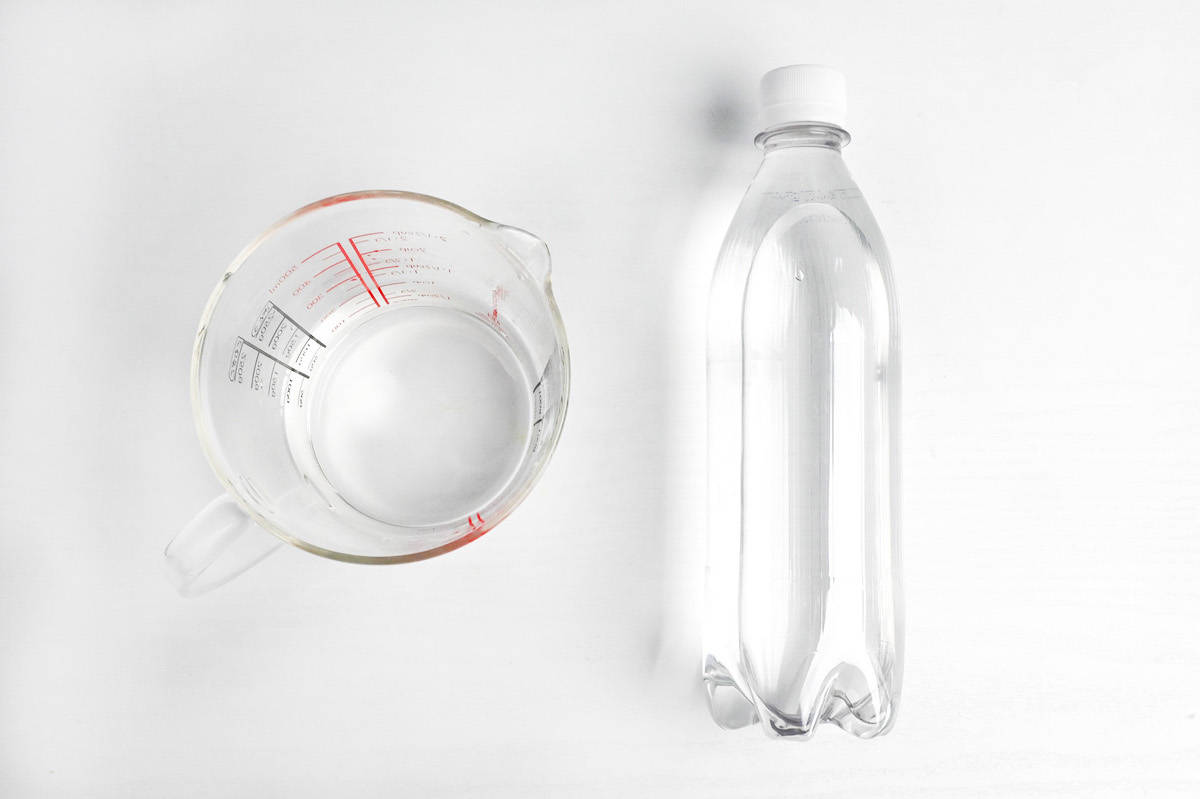
- Chill the water for the batter and the unopened bottle of sparkling water in the fridge for 30 minutes. Opening the bottle lets the bubbles go, so leave the cap on until you mix the batter.
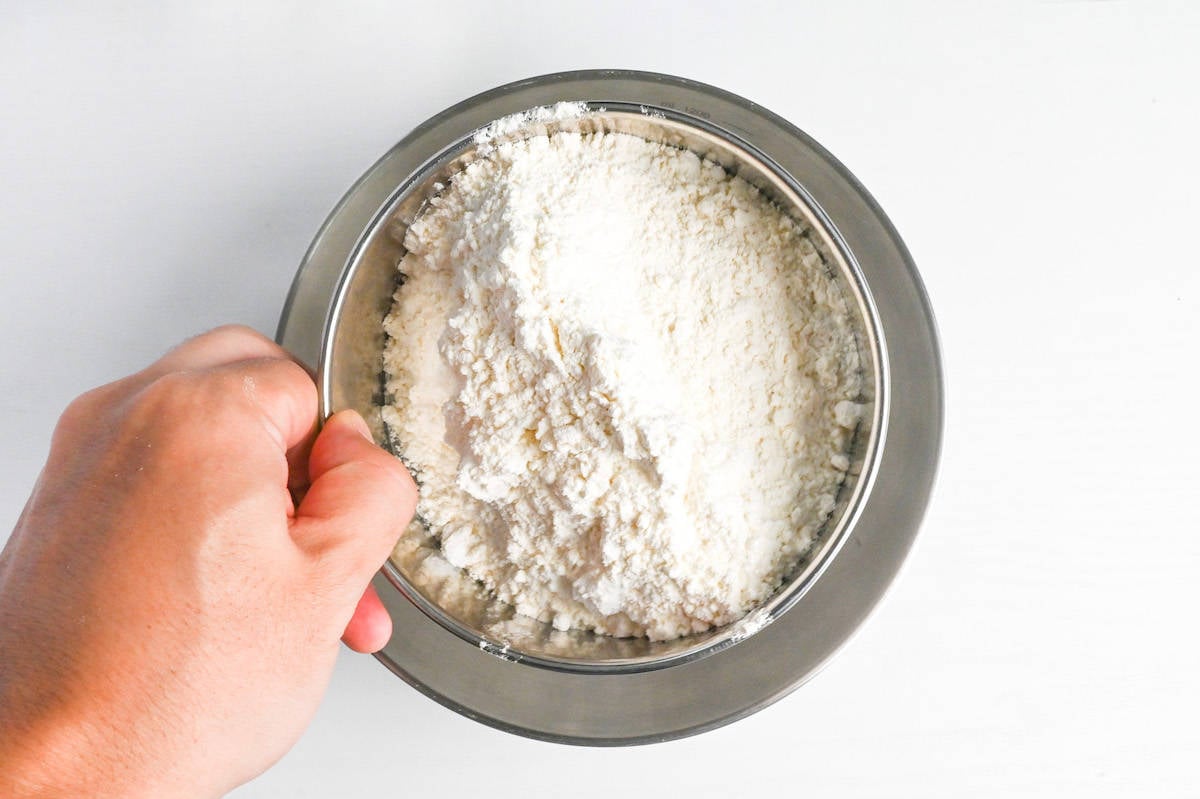
- Sift the cake flour and the cornstarch for the batter into a bowl, stir them together, and chill them in the fridge or the freezer for 30 minutes. Cold water and cold flour both hold the gluten back.
- Set aside the cake flour for dusting the avocado in a small dish, separate from the batter flour.
- Use these 30 minutes to prep the avocados.
To develop this recipe, I used a tempura pot with a built-in thermometer and oil-draining rack.
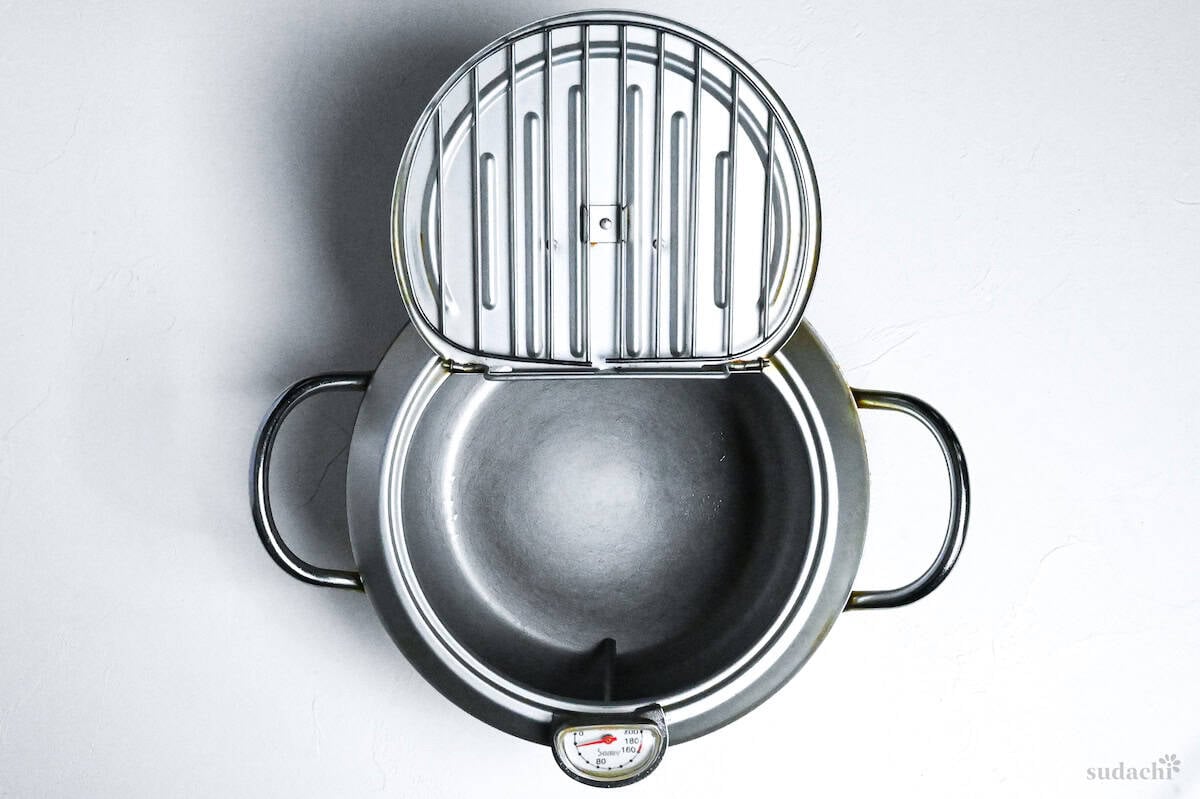
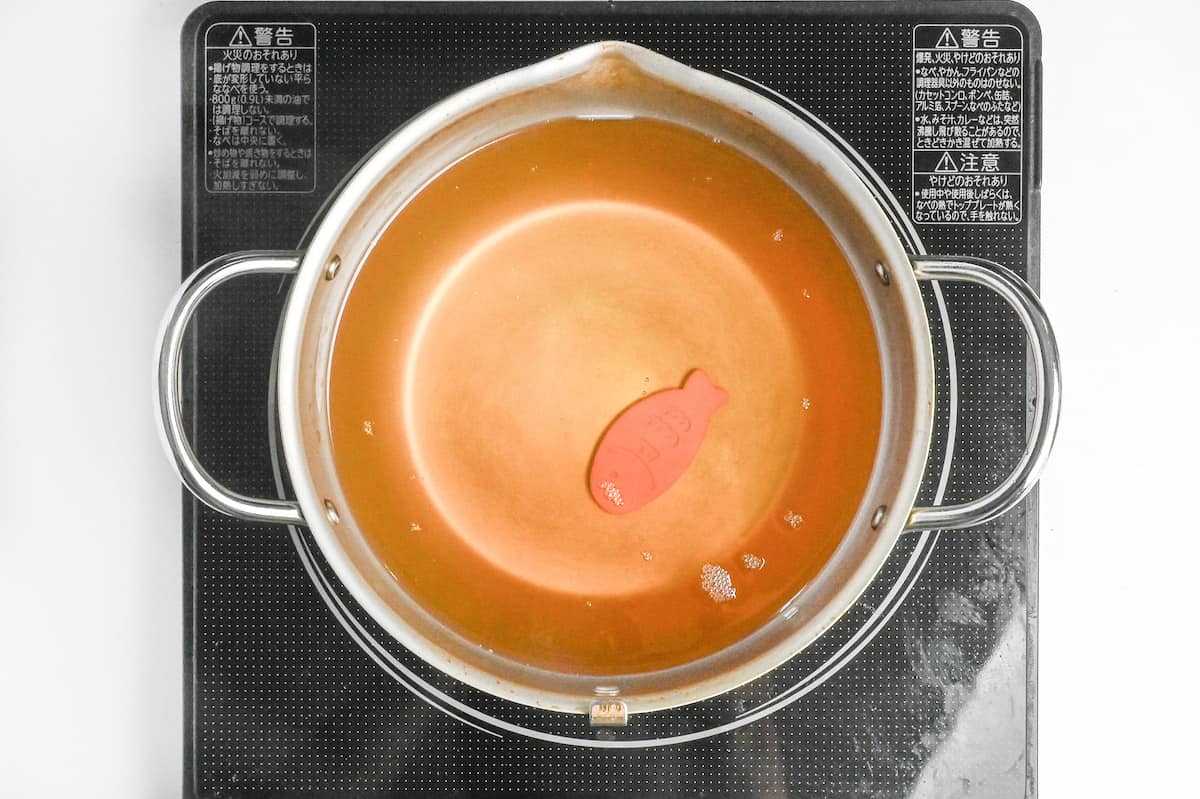
i. Pour frying oil at least 5cm deep into a heavy pot about 24cm across and bring it to 180°C (356°F).
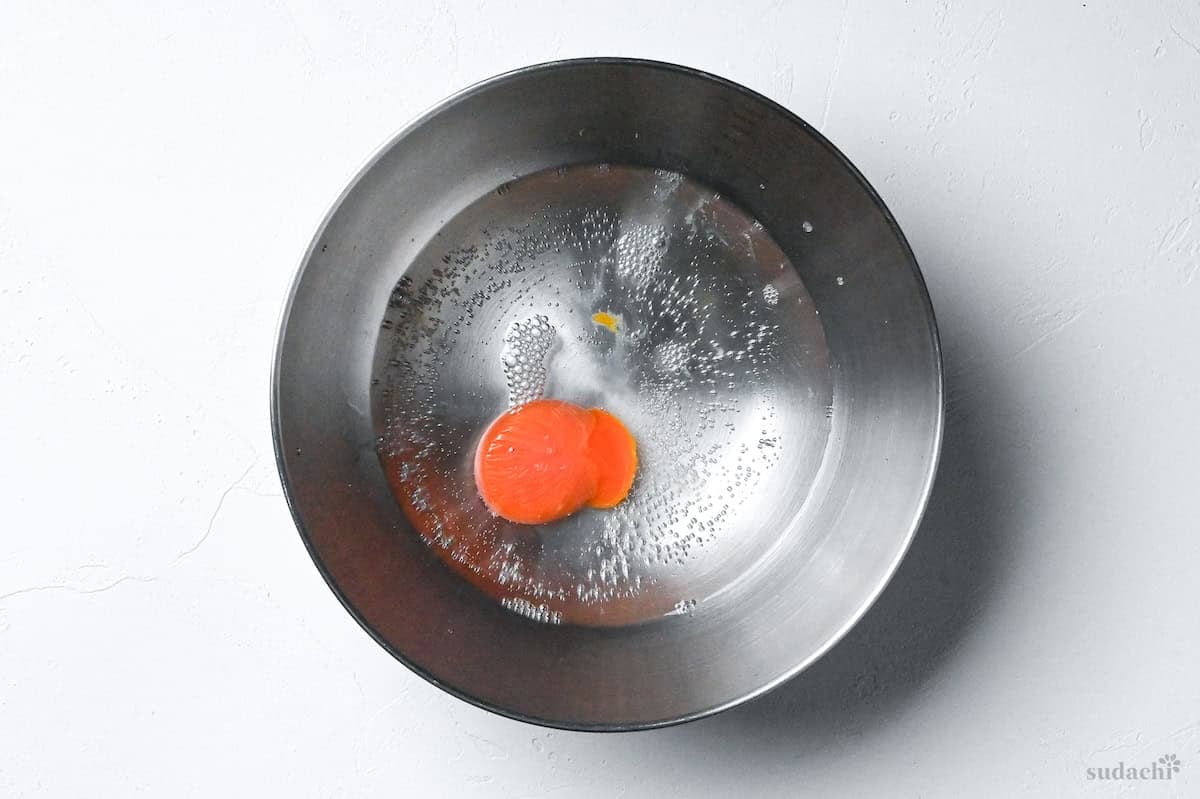
i. While the oil is heating up, pour a little of the chilled water into a bowl or a jug, add the egg yolk, and stir.
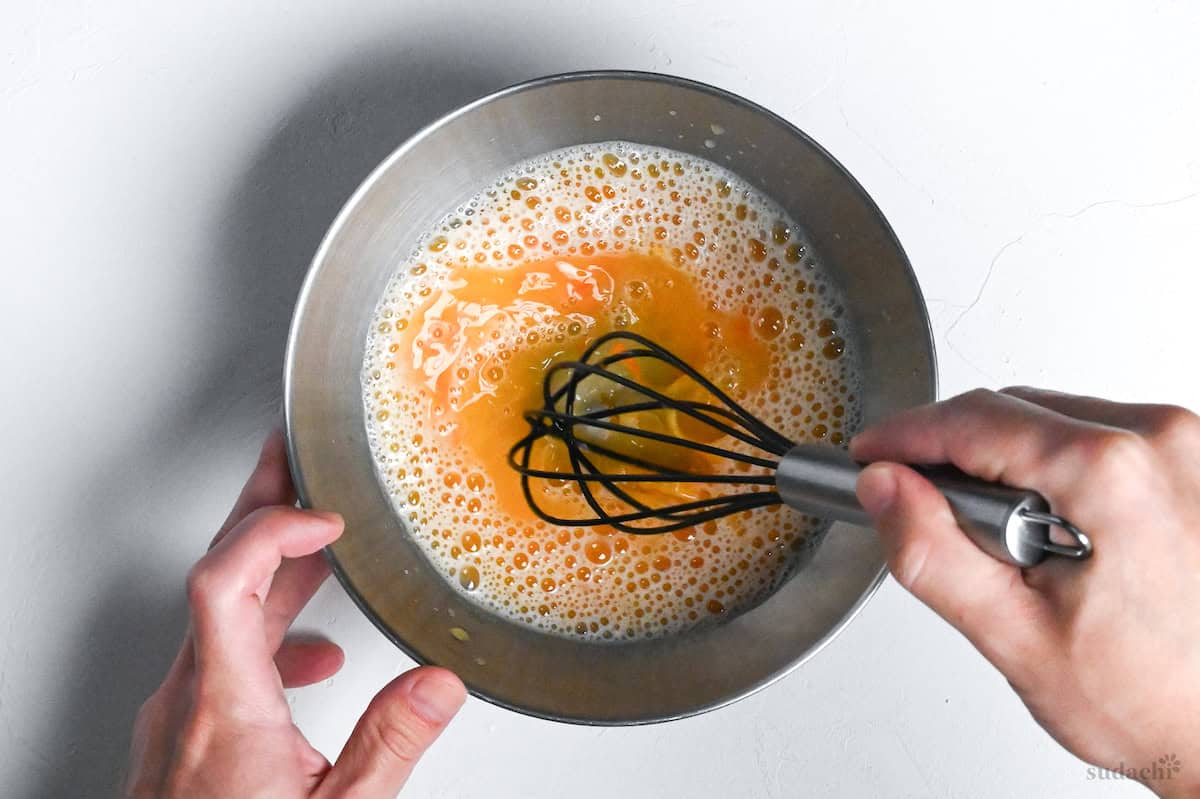
ii. Add the rest of the cold water and the chilled sparkling water and whisk until combined. Scoop out excess foam if needed.
iii. Add the chilled flour in 3 additions, folding gently with chopsticks in a crossing motion. Do not whip it. Do not overmix.
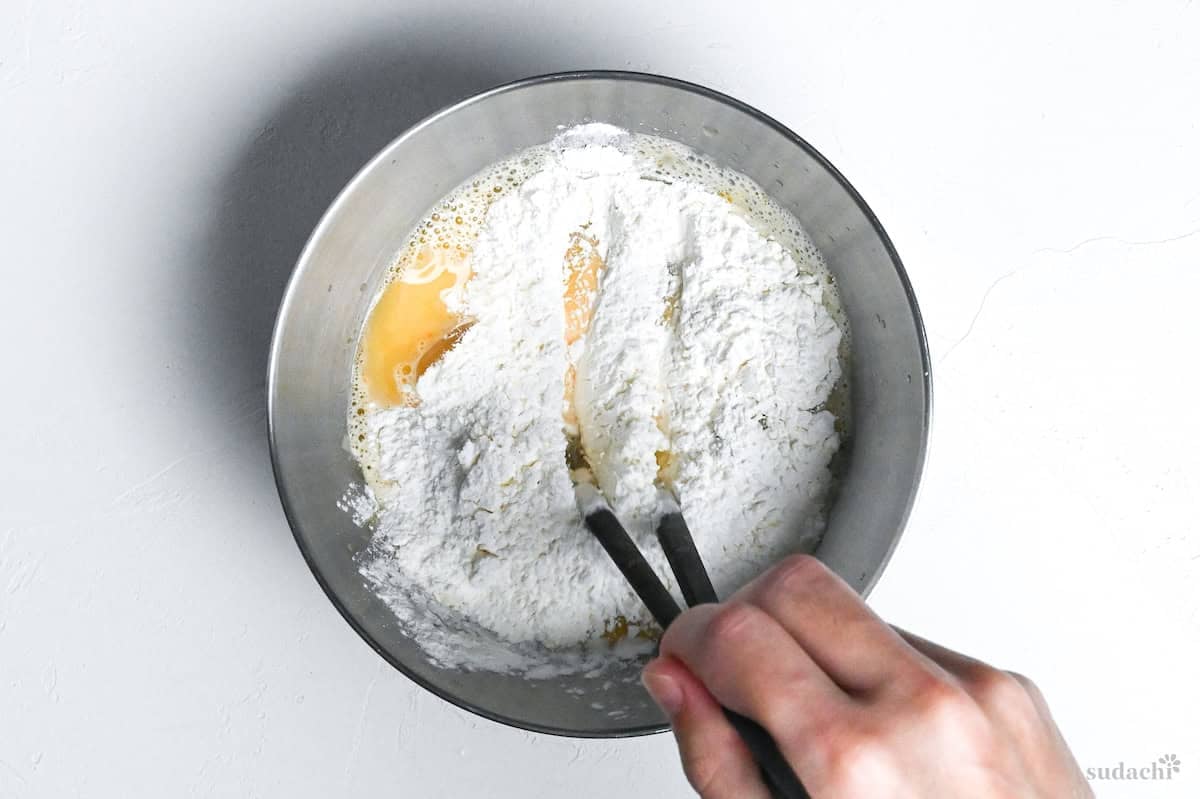
The more you work it, the more gluten links up and the heavier the batter gets. Lumps of flour are fine to leave.
iv. Drop in ice if you like, to make it colder still and keep it in the fridge if your environment is warm.

Avoid bleached or chlorinated cake flour as it changes the texture. Also avoid self-rising/self-raising flour, whole wheat pastry flour, and gluten-free cake flour blends. These are different products. For UK/AU readers, plain flour works (protein is a touch higher but the result is close). See flour guide for details.

i. Run a knife lengthwise all the way around the avocado until it meets the pit, then twist the halves apart with both hands.
ii. Leave the half holding the pit on the board, tap the heel of the knife into the pit, and twist the knife to lift it out.
Note: Keep the pit on the board and off your palm. A pit is round and a blade can slide on it.
i. Cut each half lengthwise into 4, giving wedges about 1.5cm thick. That is 8 wedges from 1 avocado, 16 from 2. Then peel off the skin.
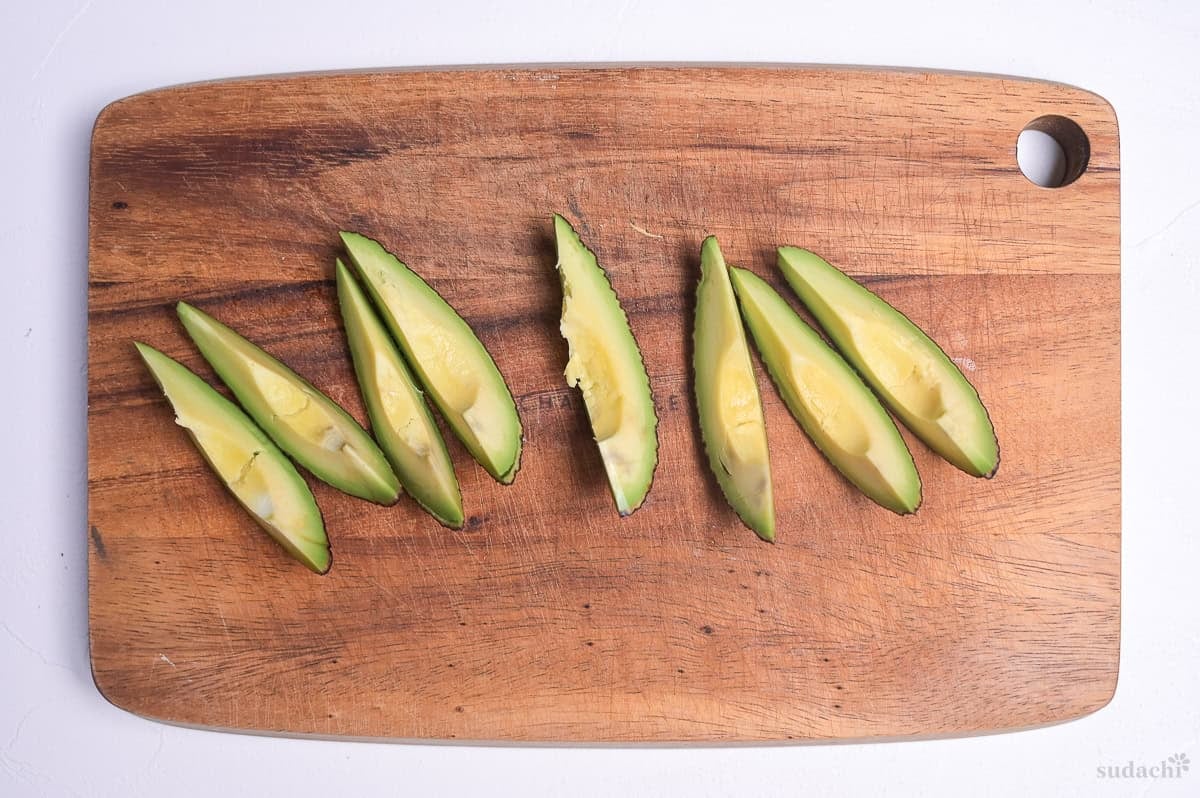
Note: Do not go thinner than that. The narrower the wedge, the more readily it breaks up in the oil.
The time heat needs to reach the center grows with the square of the thickness. At 2cm, 2 minutes at 180°C (356°F) leaves the center around 35-40°C (95-104°F), so it never goes soft all the way in. At 1.5cm the center climbs to about 50°C (122°F) and the wedge still holds its shape in the oil.
i. Take the wedges and coat them thinly in flour. We call this “uchiko”.
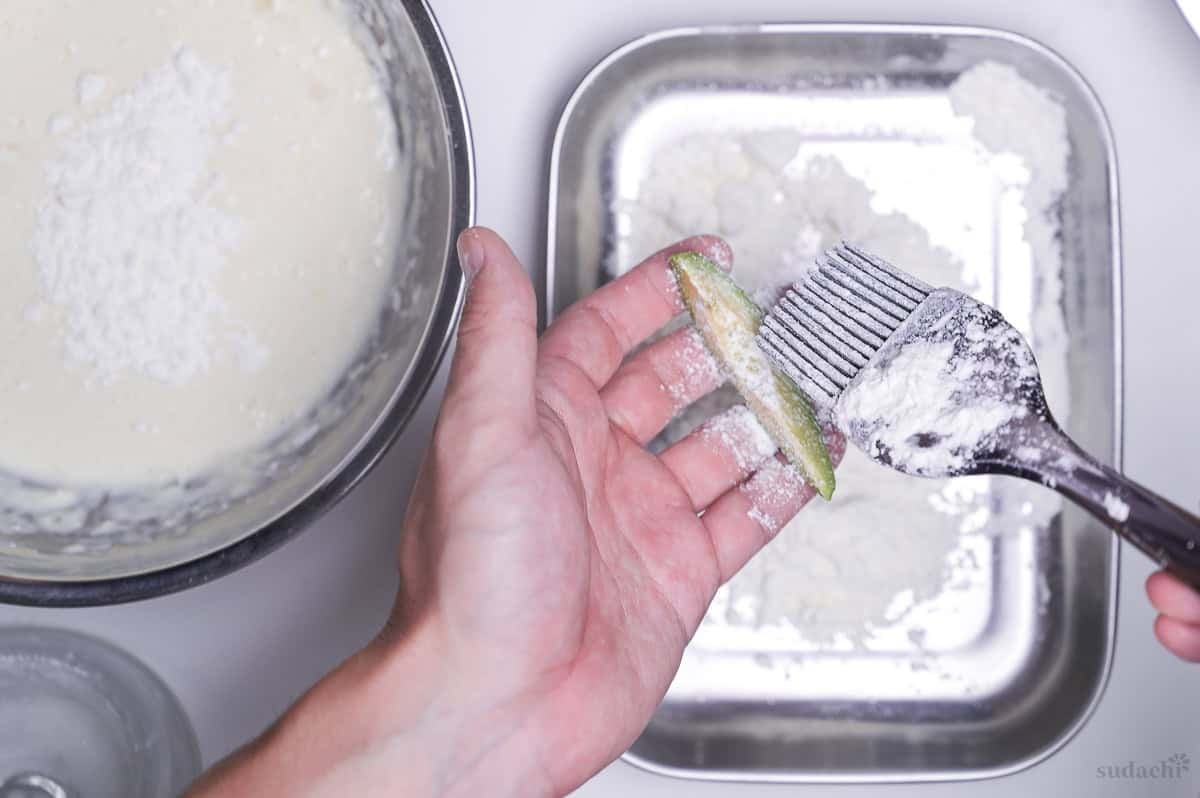
ii. Tap off the excess so what stays is thin and even. Too much flour and you taste it.
A cut avocado face is smooth and oily, so batter slides right off it. The dusting flour draws the surface moisture in and turns into a thin glue layer that sets in the oil and holds the batter to the flesh. Skip it and the batter lifts away on its own, so bare avocado meets the oil and collapses.
Uchiko is the flour you dust in a thin layer over an ingredient before the batter goes on. For tempura it is usually the same cake flour that goes into the batter, and sometimes tempura batter mix instead. The word reaches past frying. The flour a soba or udon maker scatters so the dough will not stick to the board is uchiko too.
i. Drop a single drop of batter into the oil. If it sinks partway and rises again from the middle, the oil is around 180°C (356°F). If it goes to the bottom and comes straight back up, it is closer to 160°C (320°F) and still too cool. If it scatters across the surface without sinking at all, the oil is too hot.
Place a wedge in the batter and use chopsticks or a fork to gently scoop it out of the batter and into the oil. Pinching with chopsticks can break it (speaking from experience).
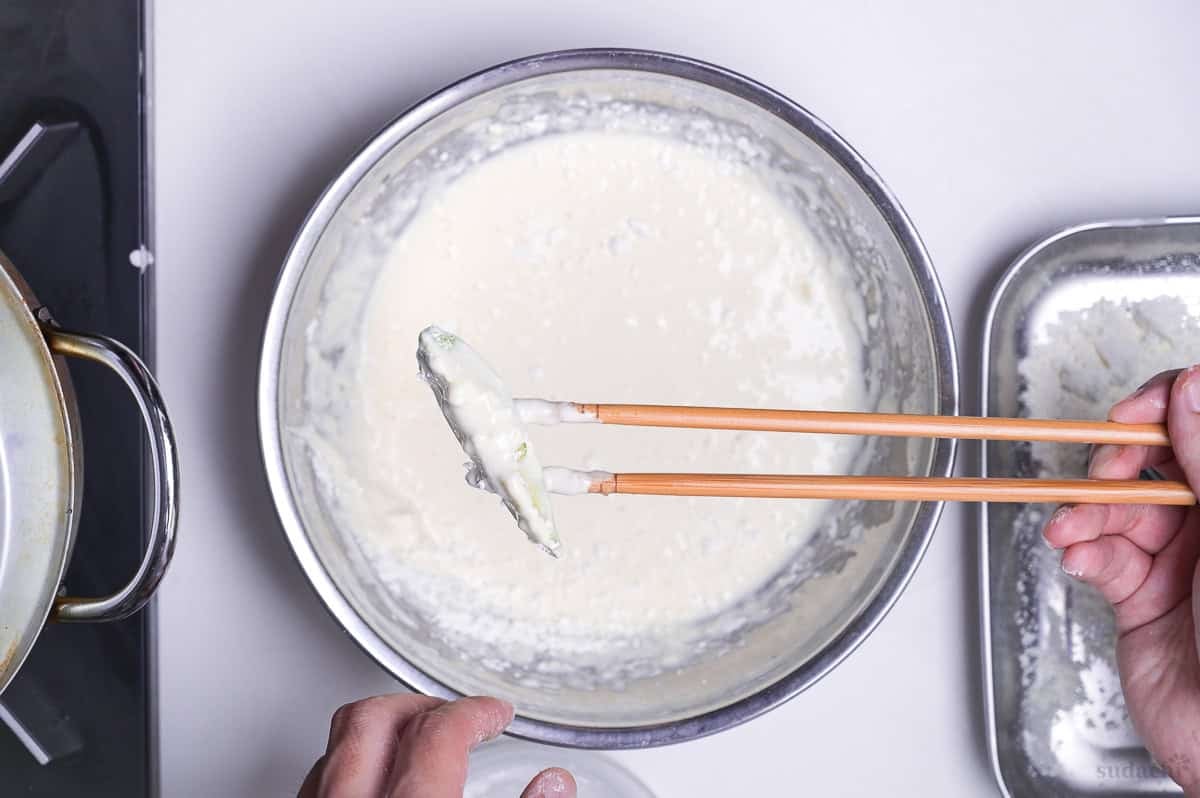
ii. Fry only enough pieces to cover a third of the oil surface at a time. In a 24cm pot that is 4-6 wedges.
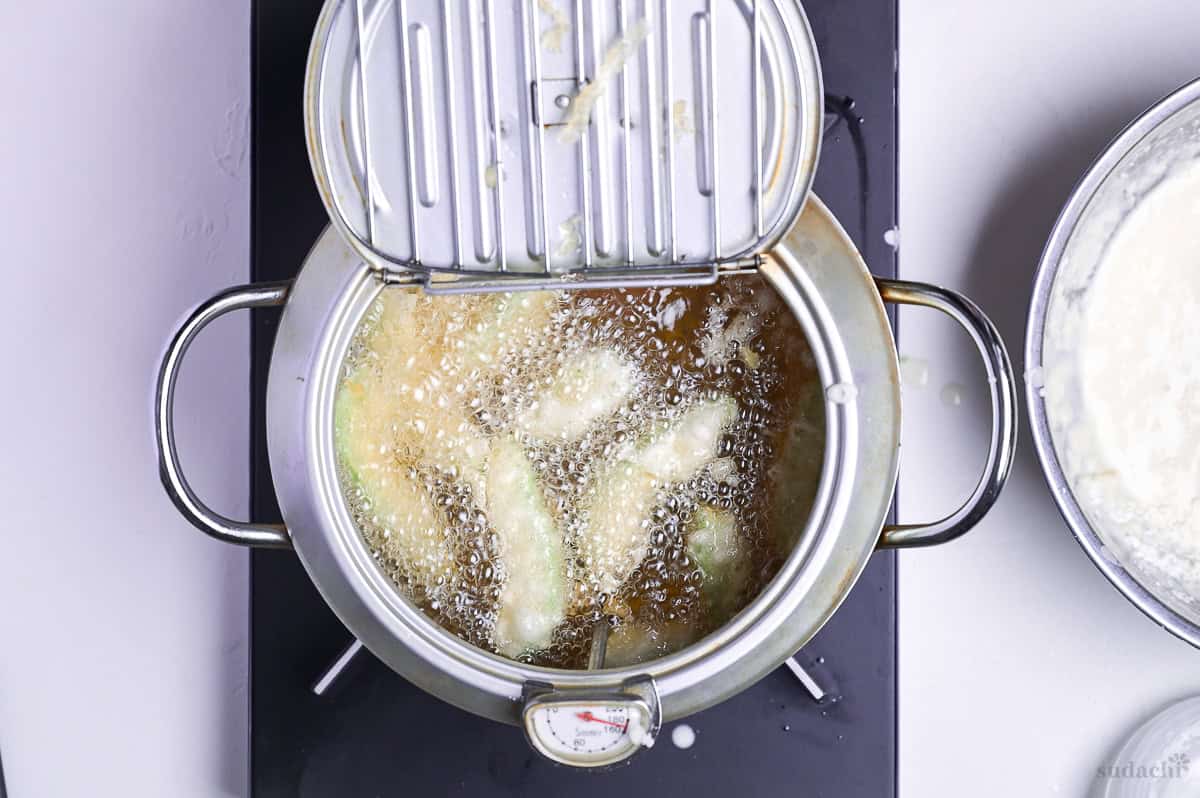
Crowd the pot and the oil temperature drops, and what comes out is a heavy crust that has soaked up oil without taking any color.
iii. Leave them alone for the first 30-45 seconds.
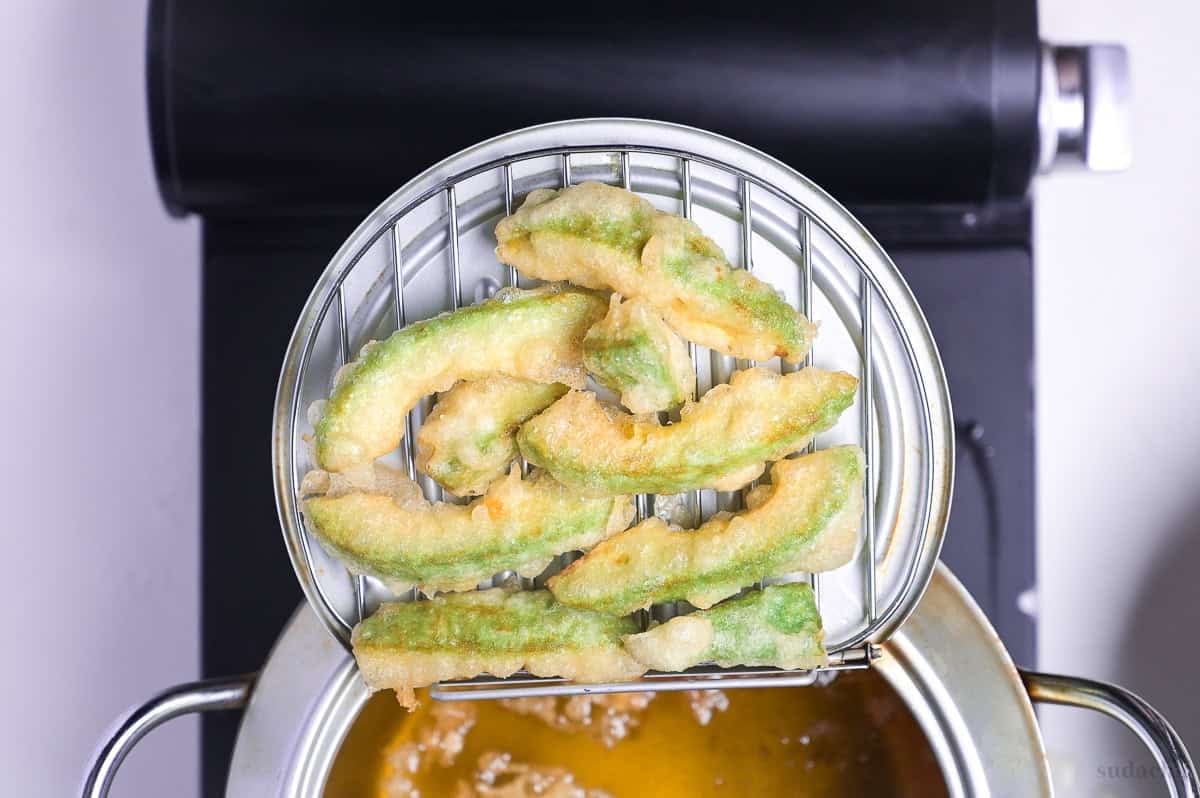
iv. Once they float, turn them over, and lift them out at pale gold, about 2 minutes total, 1 minute before the turn and 1 minute after.
i. Lift each piece onto a wire rack, again scooping rather than pinching, and stand it on its edge. Space them out so they don’t overlap. Overlapping makes the underneath pieces steam and collect more oil, making them soggy and greasy. Generous spacing will ensure your tempura stays crisp.
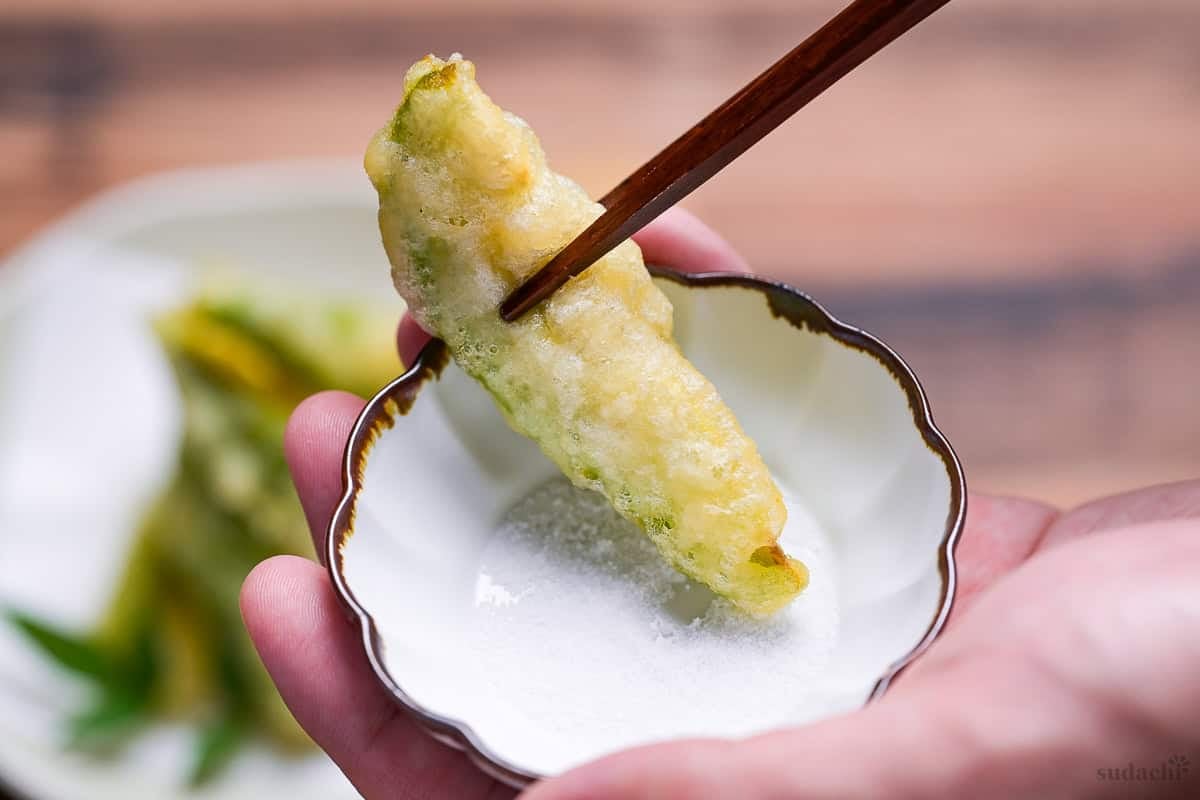
ii. Salt them all over while they are still hot.
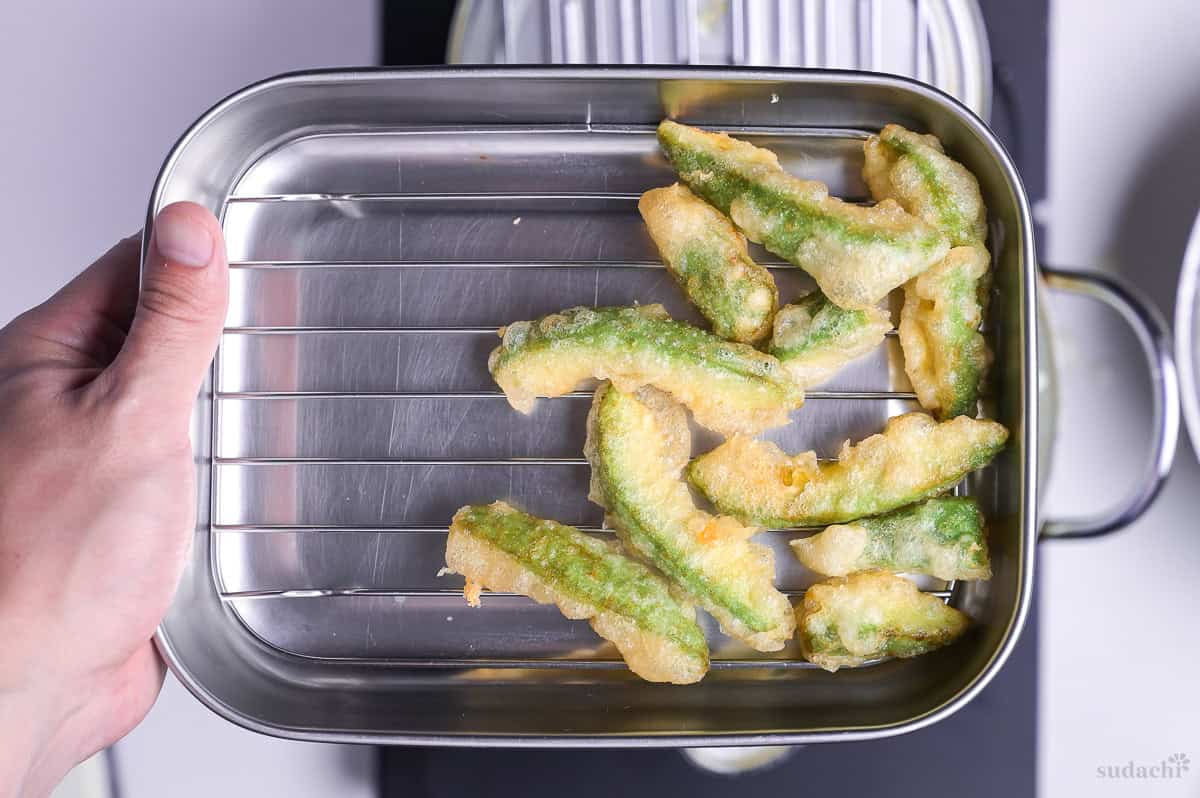
Hot crust still holds oil at its surface, and salt beds into that instead of sliding off.
iii. Plate them and serve them straight out of the oil.
Note: Do not make these ahead. They do not keep at their best. As they cool, the water and fat in the flesh move into the batter and the crust goes limp. Always serve them fresh

Tips for the Best Avocado Tempura
- Scoop, don’t pinch. The soft texture of avocado makes it more fragile than other vegetables. Scoop and balance the wedges on open chopsticks, or use a fork to lift it out of the batter and into the oil.
- Fry the avocado last. When making a variety of tempura, fry the moister ingredients later. The crust here holds its crunch for a few minutes at most, and the warm fat inside the flesh keeps pushing moisture into it. Get the rest of dinner finished, then heat the oil and send each batch out in the order it finishes.
- Skim the loose batter out of the oil after every batch. Stray crumbs blacken fast at 180°C (356°F), then cling to the next piece you lower in and carry that burnt taste into it. Lift them out with a mesh skimmer between batches.
- Cut away the brown strands when a split avocado shows them. They are fine to eat, though frying leaves them exactly as they were and you feel them in your teeth with every bite. Cut your wedges with the cleaner face outward, take the stringy edge off, and keep each piece small enough to bite through cleanly.
Both the trimming and the rest of dinner belong to the stretch before the burner goes on, because once the oil is hot there is no time left for either.
Storage & Meal Prep
Fridge: Not recommended.
Freezer: The way out for leftovers. Cool them completely on a rack, wrap each piece, and bag them. Eat within about 2 weeks.
Meal prep: Do not make these ahead. Fresh out of the oil is the whole point.
Reheating: Straight from frozen, air fryer at 180°C (356°F) for 5 minutes.
What to Serve With Avocado Tempura
- Salt-Boiled Edamame
- Cucumber Sunomono (Japanese Cucumber Salad)
- Izakaya-Style Salted Cabbage (Yamitsuki Shio Cabbage)
- Quick Napa Cabbage Pickles (Hakusai no Asazuke)
Avocado Tempura Troubleshooting
The dusting flour went on too thin, or water was still sitting on the cut faces. A cut avocado face is smooth with fat, so with no layer of flour underneath it the batter floats free and peels away while the piece fries. Press the rest of your wedges dry with paper towel and dust them evenly before they go into the batter. Once a piece is in the oil, leave it alone for 30-45 seconds while the batter sets.
The flesh was too soft, or the wedges were cut too narrow, or they got moved before the batter set. Overripe flesh and slim wedges cannot hold their shape in hot oil. Cut the rest at about 1.5cm thick and chill them for 15-20 minutes to firm the surface before they go in. Anything that did break up is still good, so pile it into a bowl, batter and all, and salt it.
There was still water on the cut faces. Water turns to steam the instant it meets 180°C (356°F) oil, and the steam expands and throws the oil back at you. Press the rest of the wedges dry all over with paper towel before you dust them, run the excess batter off against the rim of the bowl, and lower each piece gently into the oil.
More Japanese Deep-Fried Recipes
If what you like here is the thin crust giving way to something soft underneath, the rest of them are in my Japanese Deep Fried Classics.
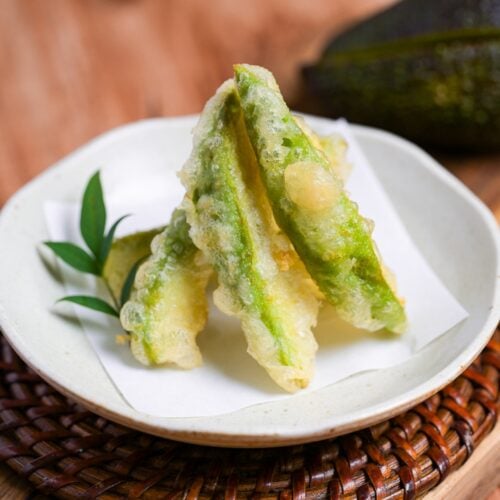
Avocado Tempura

Ingredients
Avocado
- 2 avocados firmer side of ripe
Tempura Batter
- 5 tbsp water
- 3 tbsp carbonated water unflavored
- 15 g cornstarch
- 75 g unbleached cake flour or all-purpose flour (plain flour in UK/AU)
- 1 egg yolk ½ tbsp Japanese mayonnaise also works
- 2 ice cubes optional
Dusting
Frying Oil
- cooking oil neutral oil with high-smoke point
To Finish
- salt tentsuyu or Japanese mayonnaise works too
The ingredient brands and tools I trust are in my Japanese pantry guide and my cooking tools guide.
Can’t find certain Japanese ingredients? See my substitution guide here.
Instructions
- Chill the 5 tbsp water and 3 tbsp carbonated water in the fridge. Sift 15 g cornstarch and 75 g unbleached cake flour into a bowl and place in the freezer before you start the recipe (about 30 minutes).

- Pour about 5cm (2 inches) cooking oil into a 24cm frying pot and heat to 180 °C (356 °F). Once the oil is almost ready, pour the chilled water and carbonated water into a mixing bowl, and add 1 egg yolk. Whisk until combined.

- Add the chilled flour and starch mixture in 3 additions, drawing crosses with chopsticks to combine them rather than mixing. Do not overmix, it is okay if the batter has lumps.
- Drop in 2 ice cubes to keep it cold.
- Run a knife lengthwise all the way around 2 avocados and twist the halves apart. Remove the pits and cut each half lengthwise into 4 wedges, about 1.5cm thick.
- Peel off the skin of each wedge and brush with unbleached cake flour all over.
- Once the oil is ready, dip the dusted avocado wedges in the batter and place them in the oil. Fry in batches to avoid overcrowding the pot, I aim for 4-6 wedges per batch in a 24cm pot.
- Once they float, turn them over. Fry about 1 minute on each side, 2 minutes in total, and lift them out at pale gold, when the bubbles turn fine and the sound gets lighter.
- Transfer to a wire rack in a single layer to drain the excess oil and sprinkle with salt while they're hot.
- Serve immediately and enjoy with salt or tentsuyu for dipping!


Leave a rating and a comment