


The first time I washed my hair in England, it felt like a different head. Then in just a few weeks, white crust started climbing the inside of my kettle, and I had no idea what it was. I had lived my whole life in Japan without ever once thinking of water as something that could be different from one tap to the next. It was always just water.
That crust was hardness, the dissolved calcium and magnesium your tap carries, and it turns out the same variable I was ignoring at the sink was quietly sitting inside every pot of dashi and every cup of tea I made. This is not a problem to fix. It is a variable to know, and knowing it is the difference between guessing and choosing.
Softer is not automatically better. There is a comfortable middle band for water, and Japan’s water happens to sit right inside it, which is the real thing to understand.
- Hardness is just the dissolved calcium and magnesium in your water, measured in mg/L (the same as ppm). The common bands: soft is 0 to 60, moderately hard is 61 to 120, hard is 121 to 180, very hard is above 180.
- Japan’s tap water averages roughly 49 mg/L, soft almost everywhere, with Kyoto near 30 and Tokyo near 60. A lot of the world is not. London and southeast England run above 200, and much of the US Midwest sits at 200 to 300 or higher.
- Softer is not always better. Distilled or near-zero water goes flat for tea and coffee. The comfortable band runs roughly 50 to 150 mg/L, and Japan’s tap water sits inside this band.
- Volvic is surprisingly soft. Evian and San Pellegrino are hard. How to check your own water, which dishes to prioritize, and what actually works (and what does not) all live below.
What Water Hardness Actually Is, and the One Idea to Drop
Hardness is a single number that tells you how much dissolved calcium and magnesium your water is carrying. It gets written in mg/L, which is the same value as ppm, and the common bands run like this: soft is 0 to 60, moderately hard is 61 to 120, hard is 121 to 180, and very hard is anything above 180. That is the whole vocabulary. Everything else in this article is about what those minerals do once the water hits a pot or a teapot.
The idea worth dropping is the one I carried for years myself: that water is just water, the same from every tap. It is not. The amount of mineral in your water depends entirely on the ground it traveled through, and it varies enormously from one region to the next. That is the variable hiding under every recipe.
One more thing to set down early, because it prevents the wrong conclusion later. Softer is not automatically better. Push water all the way to zero, the way distilled and reverse-osmosis water do, and tea and coffee come out flat and hollow. There is a comfortable middle band, roughly 50 to 150 mg/L, and as you will see below, Japan’s water lands right inside it. So this is not a story about chasing the softest water you can find. It is a story about knowing where your water sits.
Why Japan Is Soft, and Your Tap Might Not Be
Japan’s water is soft for reasons that have nothing to do with the kitchen and everything to do with geology. The terrain is steep, the rivers are short and fast, rain falls hard and moves through quickly, and the bedrock is largely granite and volcanic rock that is poor in calcium. Water that races over that kind of ground does not have the time or the limestone to pick up many minerals. So it arrives at the tap soft.
The numbers bear it out. Across the country the average lands near 49 mg/L. Kyoto runs around 30, on the very soft end, while Tokyo averages closer to 60, and the East generally sits a touch higher than the West. Compared with most of the world, that is remarkably low and remarkably consistent.
Now walk through a different door. Much of the world is the geological opposite, gentle terrain and long rivers running over limestone and chalk, which loads the water with calcium on the way down. London and southeast England draw from chalk and run very hard, mostly above 200 mg/L. The US Midwest and Great Plains sit at 200 to 300 and higher. Munich and Paris run hard too.
None of that makes the water bad. It makes it different, and it means the water under your own tap may be nothing like the water washoku was built on. Which dish notices first is the next section.
How Hard Water Changes Japanese Food and Drinks
Here is the honest map of what hardness touches, in order of how much it matters. The tone to keep in mind: these are small, real, and fixable. None of them means your cooking is ruined.
Best water for dashi (this is where you notice it most)
People might tell you hard water “stops the umami from coming out.” That is not quite right, and the accurate version is more interesting.
Hard water actually pulls plenty of glutamate from the kombu and inosinate from the katsuobushi. The umami is in there. The trouble is the calcium. It binds to the alginate and the proteins in the kombu, and instead of a clean broth you get a cloudy one, a film and scum that rise to the surface, and a flavor that turns harsh and astringent at the edges.

So the umami quantity is fine. It is the clarity, the look, and the smoothness that fall apart. Think of it this way: the umami dissolves out fine, but the calcium grabs onto it and the other compounds in the broth, so what should be clear comes out hazy and a little rough.
Best water for green tea and matcha
The same minerals bind to the catechins and polyphenols in the leaf, and the result is a cup that looks darker and duller, tastes more astringent and bitter, and gives up less of its sweetness and umami. For matcha specifically, hard water also knocks down the foam, so you whisk and whisk and the crema stays thin.

There is a comfortable band here too, roughly 30 to 100 mg/L for green tea and around 56 to 97 for matcha foam, which is exactly where Japan’s water sits and exactly why the tea tastes the way it does at the source.
Best water for cooking rice? (the part you can stop worrying about)
Honestly, rice is barely affected. Very hard water can firm the grain up a touch and, at the extreme, nudge the color slightly, but it is nowhere near a dealbreaker, and some research even finds rice cooked in moderately mineral water rating just as well as rice cooked in soft water.

Do not sweat the rice. This is the part of the map where the right move is to relax, and being honest about it is what makes the dashi and tea advice worth trusting.
The visible tells across all of this are the same: a murkier broth, a duller tea, a thinner head of matcha foam, and that white limescale creeping up the kettle. None of it is a verdict on your cooking. It is just the water showing its hand.
But Does It Actually Change the Dashi? I Tested It Side by Side
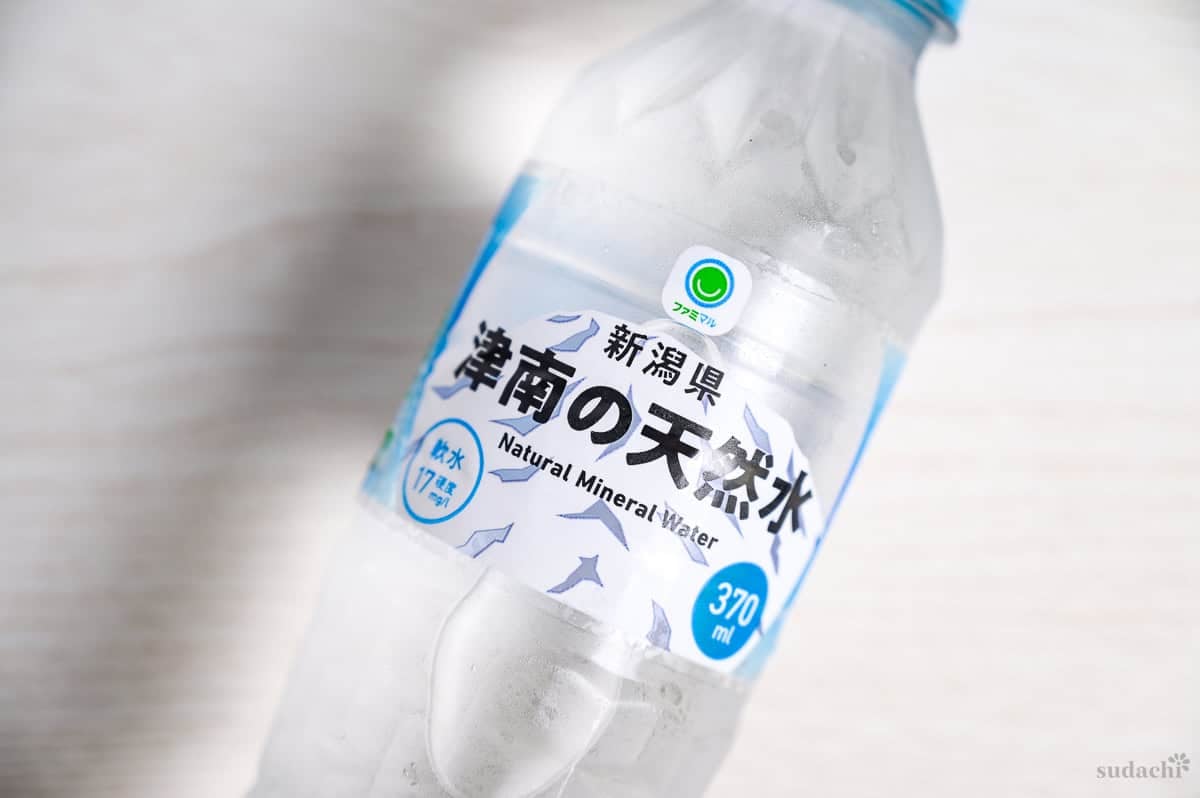
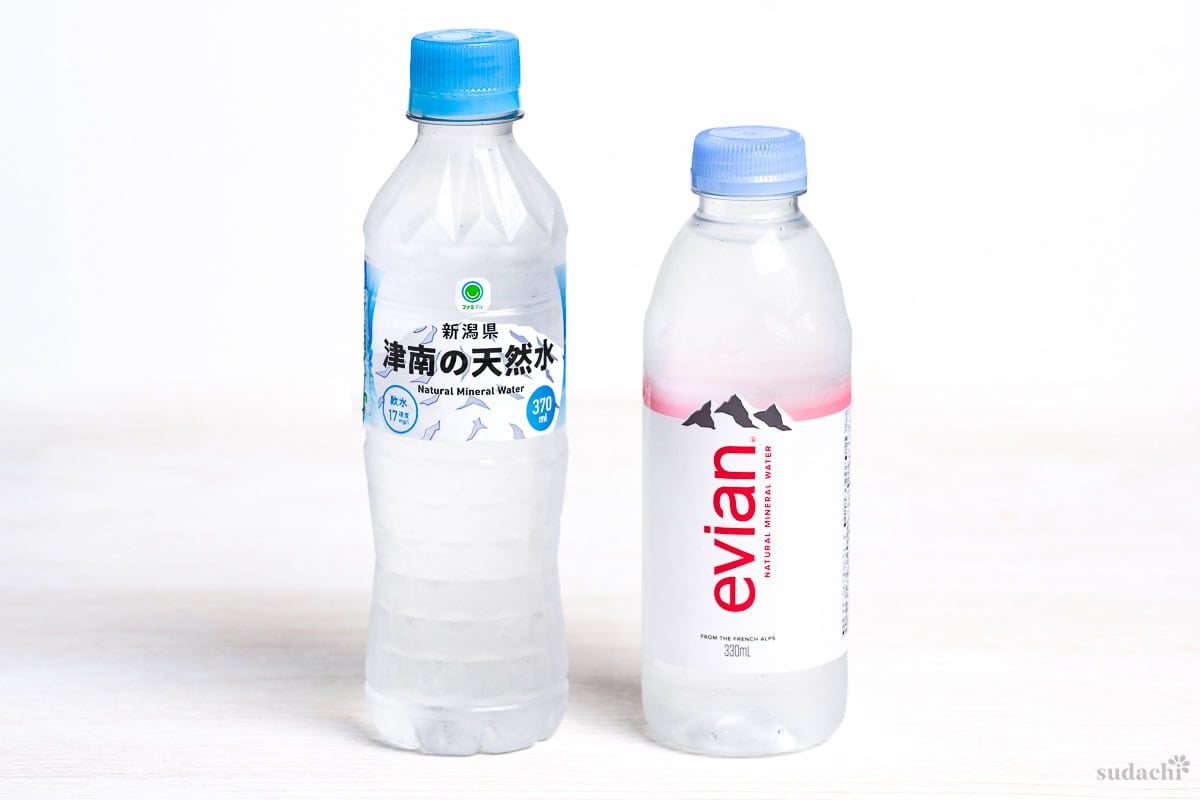
I kept writing “small, real, and fixable,” and at some point I wanted to stop describing it and actually see it. So I ran the two bottles already sitting in this article against each other: the soft Japanese water at 17 mg/L, and the Evian at 304 mg/L. The two far ends of the scale, on purpose.
I tried to make it a fair fight.
- Same aluminum pot for both.
- The same dashi packet in each (not even loose kombu and katsuobushi, just the convenient pack most of us actually reach for)
- 300 ml of water each.
- Side by side on the same low flame for 10 minutes.
- Then I let both cool to the same temperature before I tasted them, so I was comparing the dashi and not the heat.
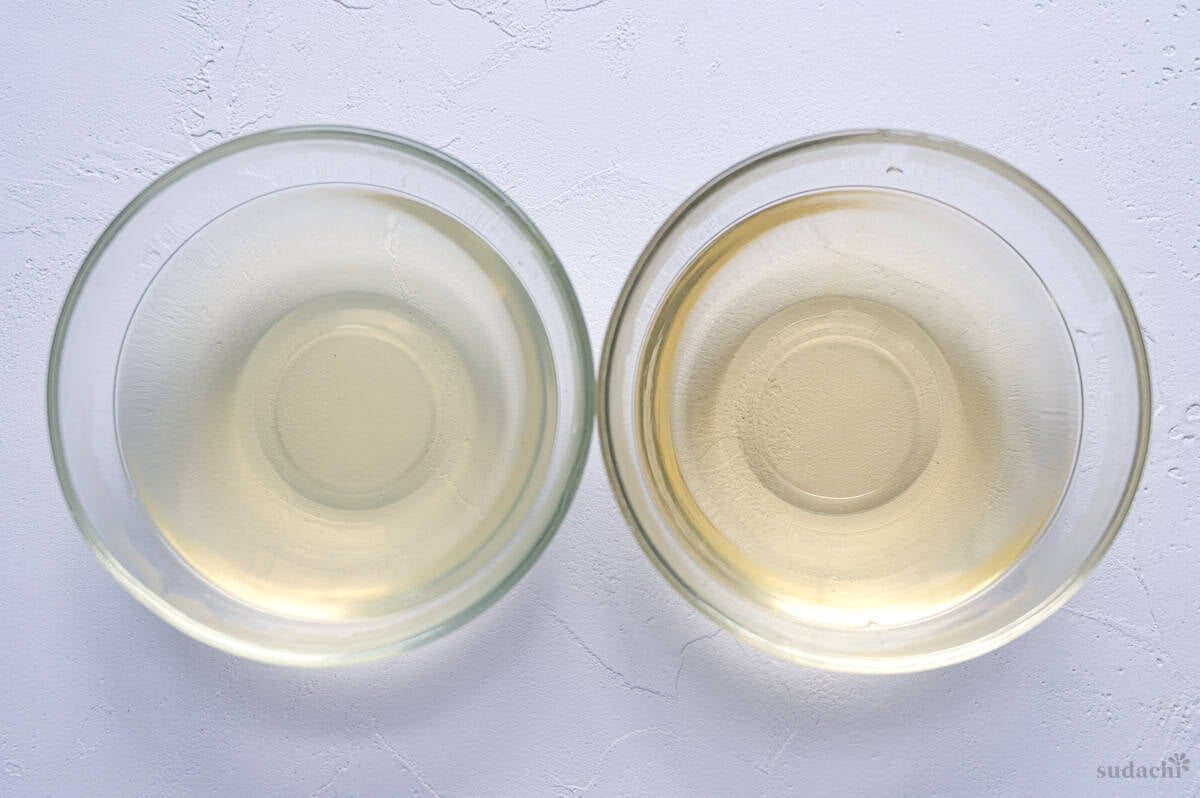
Here is what happened, sense by sense.
- Smell: almost a tie. Side by side, the two broths smelled close enough that a blind sniff would have been a coin toss. There is a reason for it. The minerals mostly go to work on what is dissolved in the water and on what falls out of it, so the smell, the part carried in the air above the bowl, is where they show up least.
- Look: not even close. The soft dashi came out clear, the color I have made a thousand times. The hard one came out cloudy, with a thin hazy film sitting on the surface and something floating in it. I was not staring at the pot the whole time, but the gap clearly widened as the minutes went on. The mechanism is the calcium reacts with the alginate and the proteins coming out of the kombu in the pack and turns them into tiny insoluble bits, which scatter light into a haze and gather into that thin film on top. The heat helps it along by dropping out a little calcium carbonate as well, the same white stuff that climbs the kettle.
- Taste: this is where it split. The soft water dashi was gentle. The katsuobushi and the kombu were faintly there, the dashi I grew up on, and it cleared off the palate cleanly, the finish just fading out. The hard one was different. Before the katsuo or the kombu could even arrive, something else was already sitting on top, a flat mineral note that is not dashi at all. And it had no finish, it just stopped. That top note is the calcium and magnesium themselves, which carry their own bitter, faintly metallic, slightly chalky taste. The umami had not vanished. It was in there. The minerals had just thrown a veil over it.
I did this with a market dashi pack, not a careful from-scratch dashi broth, and I still genuinely did not expect a convenience pack to swing this far on water alone. That is the whole article in a single pot. The umami dissolves out either way. The water decides whether you get to see it and taste it clean.
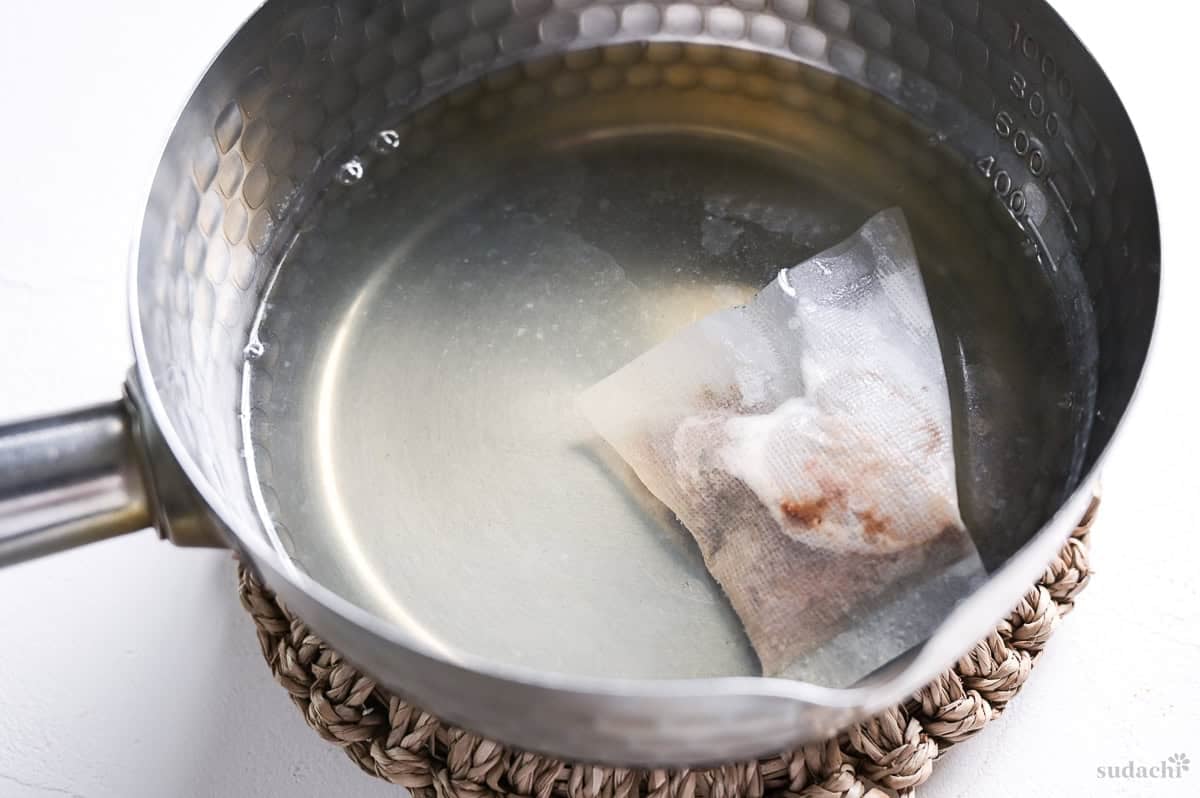
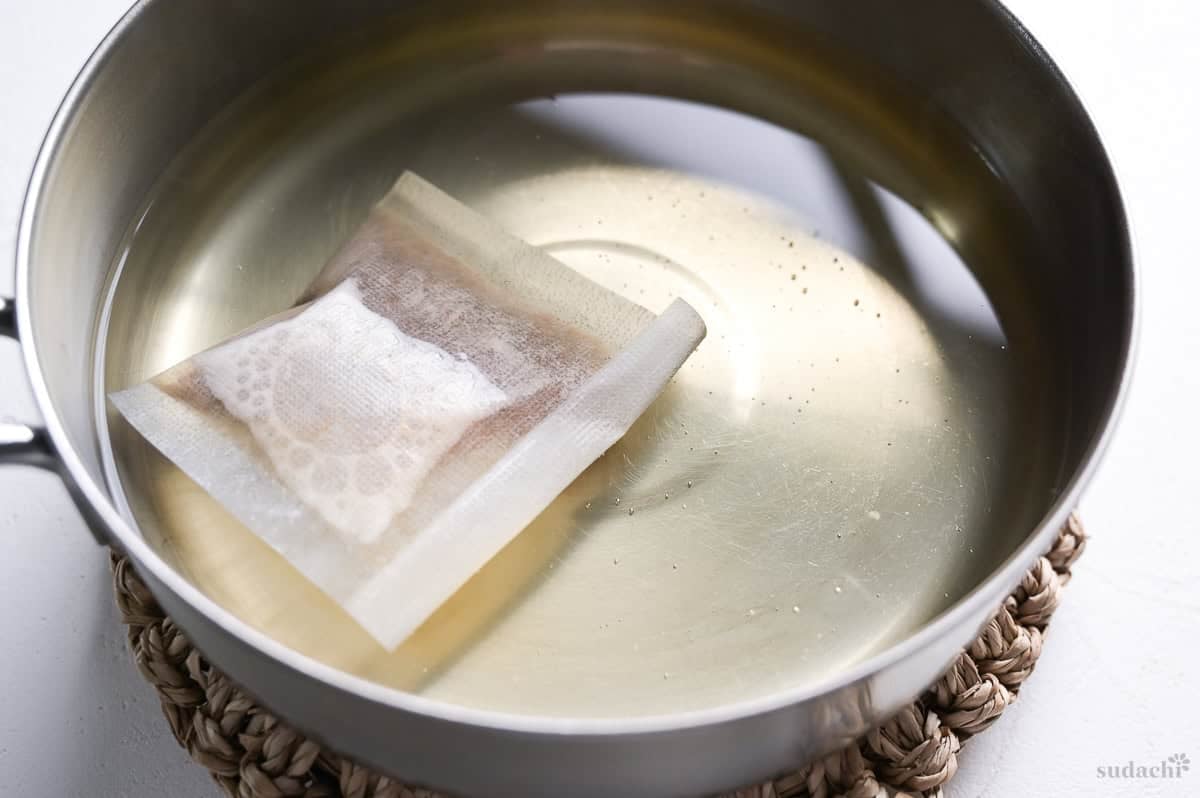
Would I still cook with the hard-water dashi? Honestly, yes. It is not ruined, and it still has a place. But it lands a little off from the ordinary dashi you can make in Japan, and that is worth understanding before you serve it, so you are choosing the result instead of being surprised by it.
And please note, the hard water I used was 304 mg/L, which is extremely hard water, so the difference would be milder if your water is moderately hard.
Where Hard Water Actually Belongs
Here is the reframe worth holding onto, and it is the heart of this whole piece. Water has always varied from country to country, and over centuries each place optimized its food and drink to the water it had. Japan happened to have soft water, so washoku tuned itself for soft water. That is the entire story. Soft water is not some universal trophy. It is simply the water Japan was working with.
Plenty of the world’s best things were built on hard water on purpose. Dublin’s alkaline water suits a dark stout. Espresso and coffee taste best with a moderate dose of minerals, which is exactly why distilled water makes such a flat, hollow cup. European bread benefits from medium-hard water, where the calcium tightens the gluten and helps the loaf hold its shape. And those firmer simmered vegetables from the last section are the same effect working in your favor, since calcium helps them keep their structure.
So the takeaway is not “soft good, hard bad.” It is that water is an ingredient with a profile, and soft water is the profile Japanese cuisine was written for.
How to Know Your Water, and What to Do About It
Start by finding out where you actually stand, which costs nothing.
- In the US, look up your annual Consumer Confidence Report (your water utility is required to publish one) or search the EWG Tap Water Database by zip code.
- In the UK, your water company publishes a hardness map you can check by postcode. FYI, Norwich, where I used to live, was 300 and 350+ mg/L. On the other hand, North West England like Manchester or Liverpool is typically around 50mg/L, so they’re basically the same hardness as Japan.
- Generally, you can get rough numbers by looking it up with your region/city/postcode.
Now the principle, and this is the part to remember instead of any single brand: aim for low-mineral water, somewhere under about 60 mg/L, but not zero. Zero-mineral water (distilled and reverse osmosis) goes flat for tea and coffee, so dead-soft is not the goal.
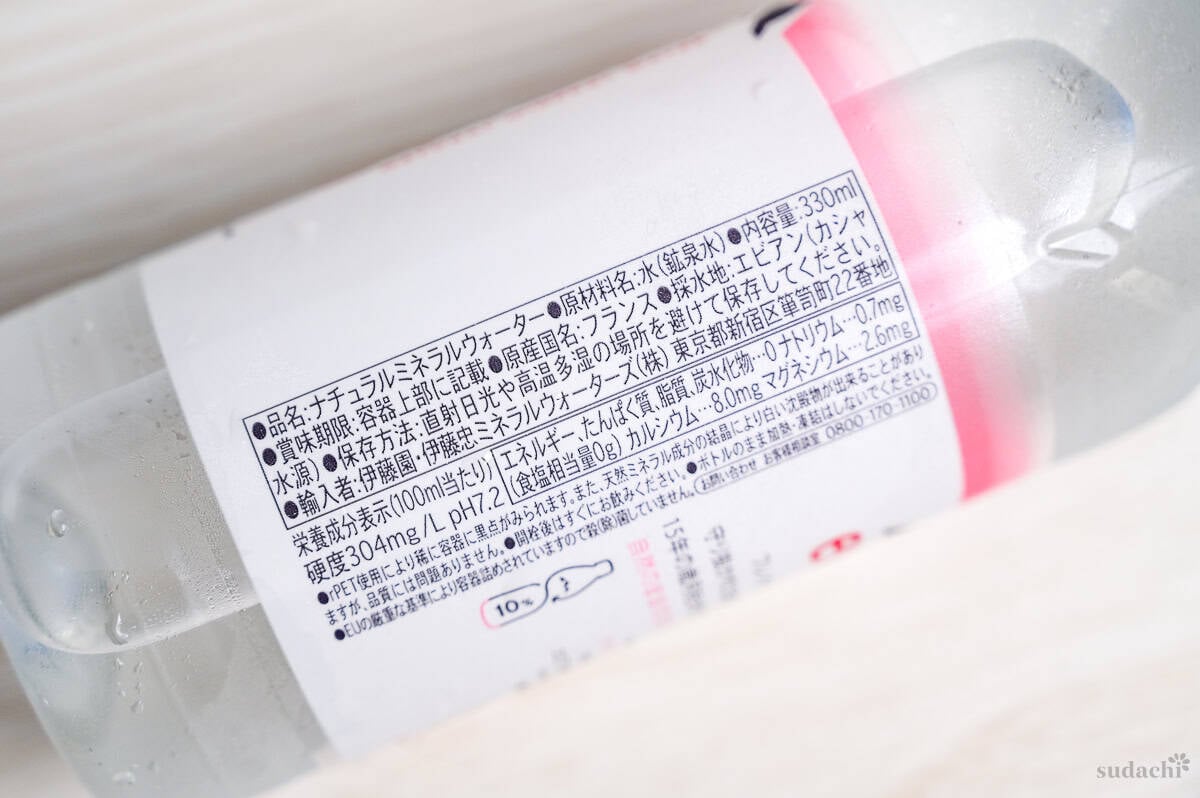
A few brand examples make the point, mostly because they are so counterintuitive. Volvic is surprisingly soft, close to Tokyo tap, and a reliable default. Evian and San Pellegrino are hard, hard enough to cloud the dashi just like we saw in my experiment, so they are the wrong reach for tea even though the label feels premium.
Prioritize by where it matters most: dashi first, then green tea and matcha, then rice and everything else. If you only ever change one thing, change the water you use for dashi and tea. That alone gets you most of the way, and you can leave the rest of your cooking on the tap without a second thought.
A few quick truths about the tools people reach for, because some of them do not do what you think. A Brita-style pitcher does not soften water in any meaningful way, it improves taste and pulls chlorine but leaves the hardness essentially intact. Boiling only removes the temporary kind of hardness, the part that precipitates as limescale, and does nothing to the rest. Distilled water is genuinely flat for green tea and coffee, so save it for dashi if you use it at all. The most reliable paths are simply a low-mineral bottled water, or, if you want to go all in, reverse osmosis with a remineralization step so you can dial dashi water very soft and tea water into that comfortable middle band.
Whatever you land on, the close is the same as the open: this is an informed choice, not a requirement. Hard water genuinely changes dashi and tea, that part is not up for debate. But it does not stop you from making good Japanese food. Learn the trade-offs, look at your own kitchen, and decide what is worth it for you.
FAQ
No, and this is the surprise. Volvic is genuinely soft and close to Tokyo tap. Evian and San Pellegrino are hard to very hard, hard enough to have problems with Japanese cooking. Read the label and add it up: hardness is roughly calcium times 2.5 plus magnesium times 4.1. Aim for under 60 mg/L for dashi and tea.
For dashi, distilled is fine, even good. For green tea, matcha, and coffee, it is too empty and the cup comes out flat and hollow, since those drinks need a little mineral to extract well. If you go the reverse-osmosis route, add a remineralization step to bring tea and coffee water back into that comfortable middle band.
Yes. This is the most important answer here. Hard water changes a few specific things, mostly dashi and tea, and it does so in ways you can see and taste. But it does not stop you from cooking well. Plenty of people make excellent Japanese food in hard-water cities. Know where your water sits, swap it for dashi and tea if you want the cleanest result, and leave the rest alone with a clear conscience.

Leave a rating and a comment