


Comfort food often means something rich and fast, a pan that sizzles and a plate that lands in 15 minutes. Japanese simmered dishes, nimono, work the other way, a small amount of seasoned broth over low heat, a lid resting right on the food, and a long stretch where flavor travels to the core. Those flavors develop further while the pot sits off the heat and cools, which is why a nimono you put on the table tonight is mostly made of waiting rather than work. They also refrigerate well, making them perfect for meal prep.
1. Sakana no Nitsuke (Japanese Simmered Fish)

Featured Comment
It is an amazing dish. I made it for the second time using sea bream and it came out perfect.
★★★★★
– Hadas Ziv
Dark with soy sauce, a little sweet, and by the time it reaches the table that flavor sits inside the fish rather than on top of it. Getting there starts before the pot, where I salt the fish and then rinse it fast in hot water, so the broth is not fighting the smell. Any white fish will take it.
Turning the heat up to hurry it along is tempting, and I recommend against it. Medium-low, a drop lid sitting right on the fish, and the soy sauce added in 3 stages instead of one.
2. Nikujaga (Japanese Meat and Potato Stew)

Featured Comment
This is truly comfort food.
★★★★★
– Alice
Nikujaga is the dish most people picture the second someone says nimono, and that is where mine starts.
The sugar goes in 15 minutes ahead of the soy sauce, and that gap is why the seasoning reaches the middle of each piece, not just the surface. Thin-sliced pork belly frays around the potatoes as it cooks, and that is when I put the spoon down and gently shake the pan instead, so those tender potatoes never break.
3. Kabocha no Nimono (Japanese Simmered Pumpkin)

Featured Comment
This is a second version that I have made for simmered kabocha. It was by far the better of the two. This is my go-to recipe now.
★★★★★
– Marian
Kabocha comes out of the pot dry and fluffy rather than wet, which is why the dashi sits so shallow under it. I add the soy sauce in two places, most of it early so the depth has time to settle in, and a last splash once the heat is off, for aroma alone.
None of that matters if the squash is wrong, and that gets settled at the shop, not at the stove. I turn each one over and look at the stem, and a dry, corky one is the piece I carry home, because that dryness means starchy flesh rather than watery. It is not the only tell.

4. Niku Dofu (Simmered Beef and Tofu)
Featured Comment
Absolutely delicious! This one totally rocked. Made exactly as written.
★★★★★
– Jeana
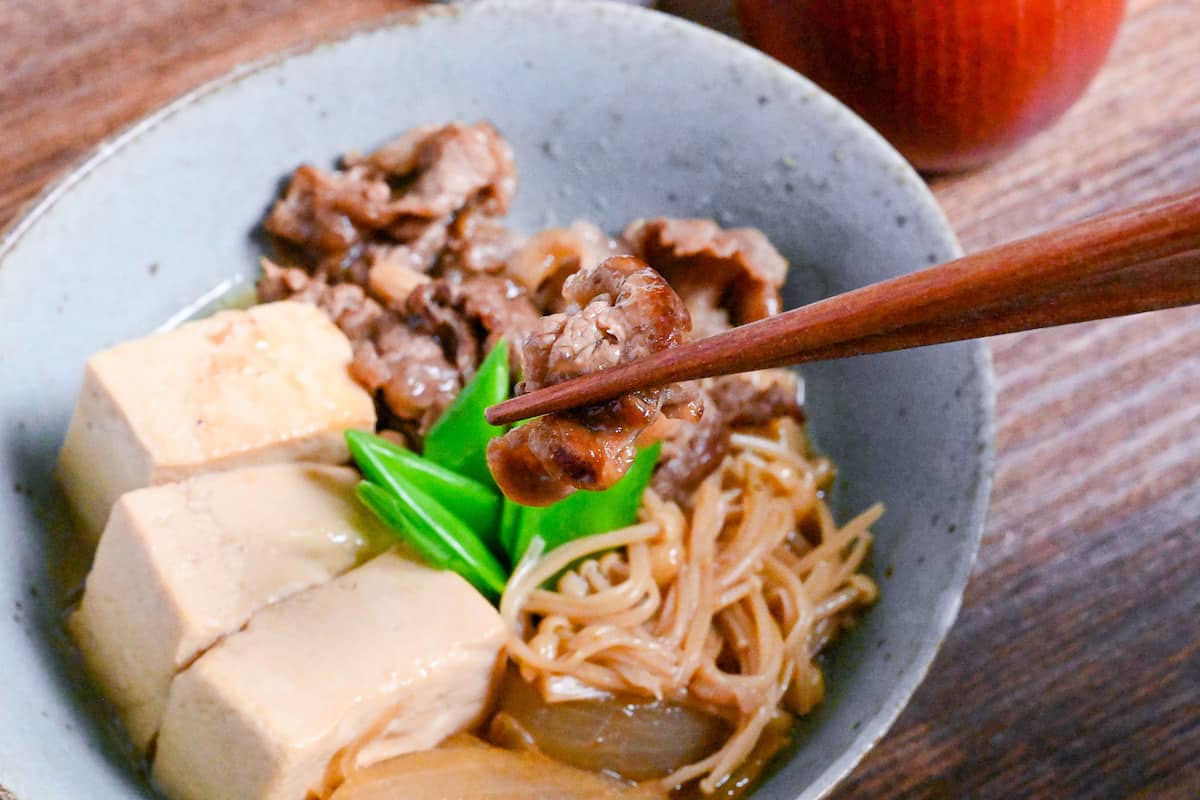
Fatty end cuts of short rib are what I want here when the shop has them. Before any of it hits the pan the beef gets a dusting of potato starch, and that thin coating holds moisture, so the meat stays soft all the way through the long sit in the pot.
Firm tofu is the other half of the dish, and firm is doing real work in that sentence. The blocks I lift out at the end still have their edges instead of collapsing into the broth.
5. Saba no Misoni (Miso Simmered Mackerel)
Featured Comment
I made this as directed and it came out awesome. One of my fave comfort foods, now I know how to cook it myself.
★★★★★
– Ma’ata
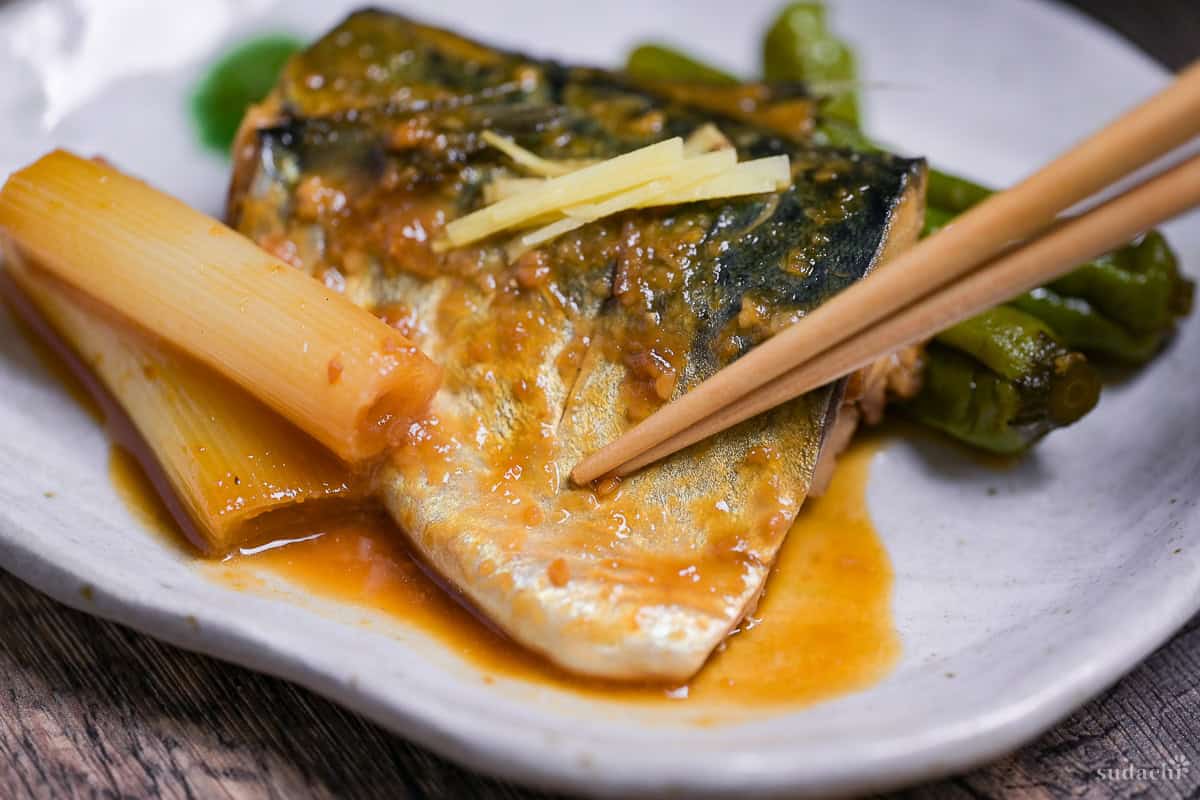
Most of the miso goes into the pot early, into water, sake, mirin and ginger, and I hold the rest back until the heat is off. The type carries as much weight as the timing, so I reach for awase, the blended kind, which keeps sweetness from taking the whole dish over.
The vinegar goes in with that liquid, before any fish goes in, so it belongs to the broth rather than to the fillets. What decides whether the finish tastes clean happens earlier, a fast blanch and an ice bath timed against an enzyme in the flesh, where seconds count for more than anything the pot does later.
6. Sappari-Ni (Vinegar Simmered Chicken Drumsticks)
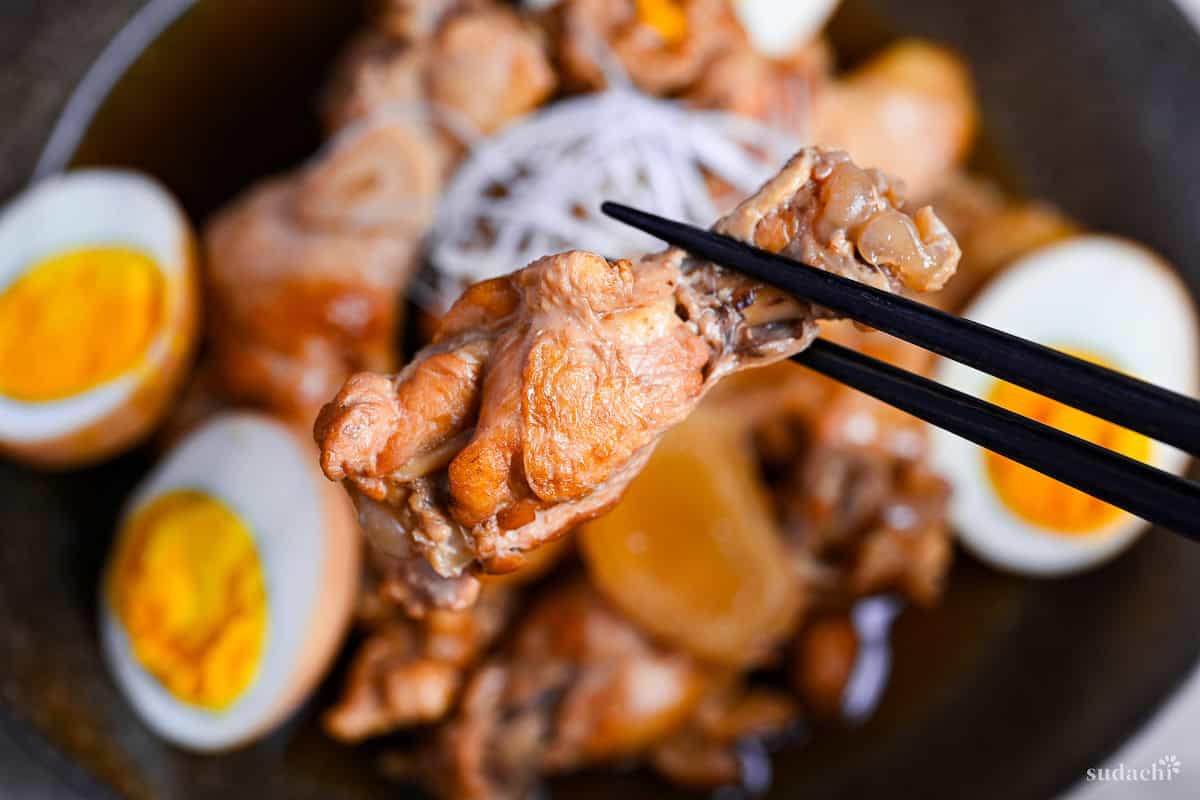
Garlic, ginger, soy sauce and sake meet the hot pan, and that smell sends me straight back to the plain, comforting food I loved as a child. Then the vinegar goes in with the drumsticks, which is the part my memory never prepared me for. Nothing about a sour pot sounds like comfort food.
What surprises me every time is how little of that sourness survives the pot. 20 minutes of simmering rounds the sharpness off into something you can eat bowl after bowl, no sting left. The boiled eggs go into that same liquid, and what comes out of it is the reason I would not skip them.

7. Hijiki no Nimono (Simmered Hijiki Seaweed)
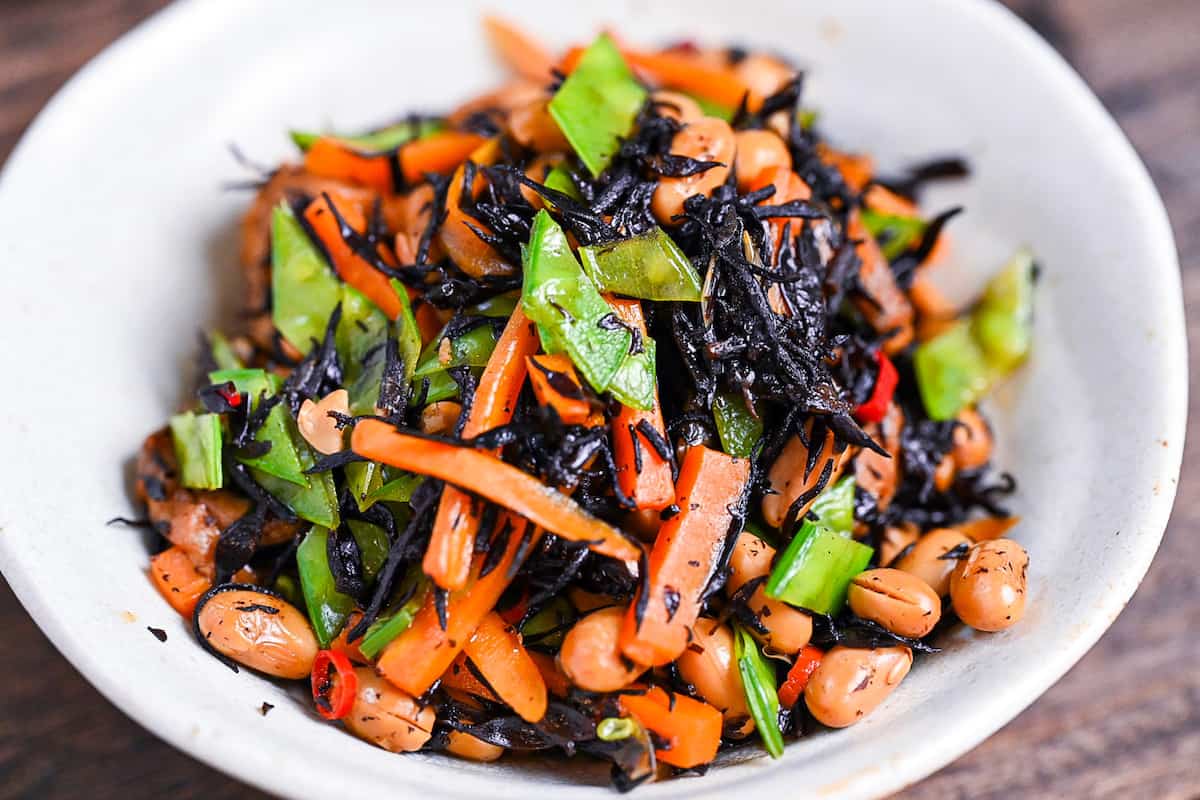
The English name says salad, and that sends the wrong signal. Nothing here is raw. Dried hijiki goes back into water, then into a pan with sesame oil before any liquid arrives, and I simmer it down until almost none of that liquid is left, because what was in the liquid has to end up in the seaweed.
It holds in my fridge for days, and I eat it cold as often as warm, so a single decision made while it cooks carries through every bowl that follows. That decision is the dried red chili. Put it in and the end of a bite arrives hot instead of quiet, and I make that call by the day.
8. Kakuni (Japanese Braised Pork Belly)

I braise this pork belly twice, and at nearly 3 hours it is the longest cook here. The first hour is plain, just ginger and leeks in the pot, and its only job is drawing fat and blood out before any seasoning goes in. The sweet, salty braise comes after, and it turns the meat spoonable rather than greasy.
Then there is the lager. A splash of it goes into the pot, and no, you will not taste any beer in the finished dish. The 2 studies I link are not about flavor at all. Open either and you will see what that splash is really doing to this pork.

9. Buri Daikon (Simmered Yellowtail and Daikon)
Featured Comment
Extremely flavourful and complex (yet easy to prepare!).
★★★★★
– Ioana
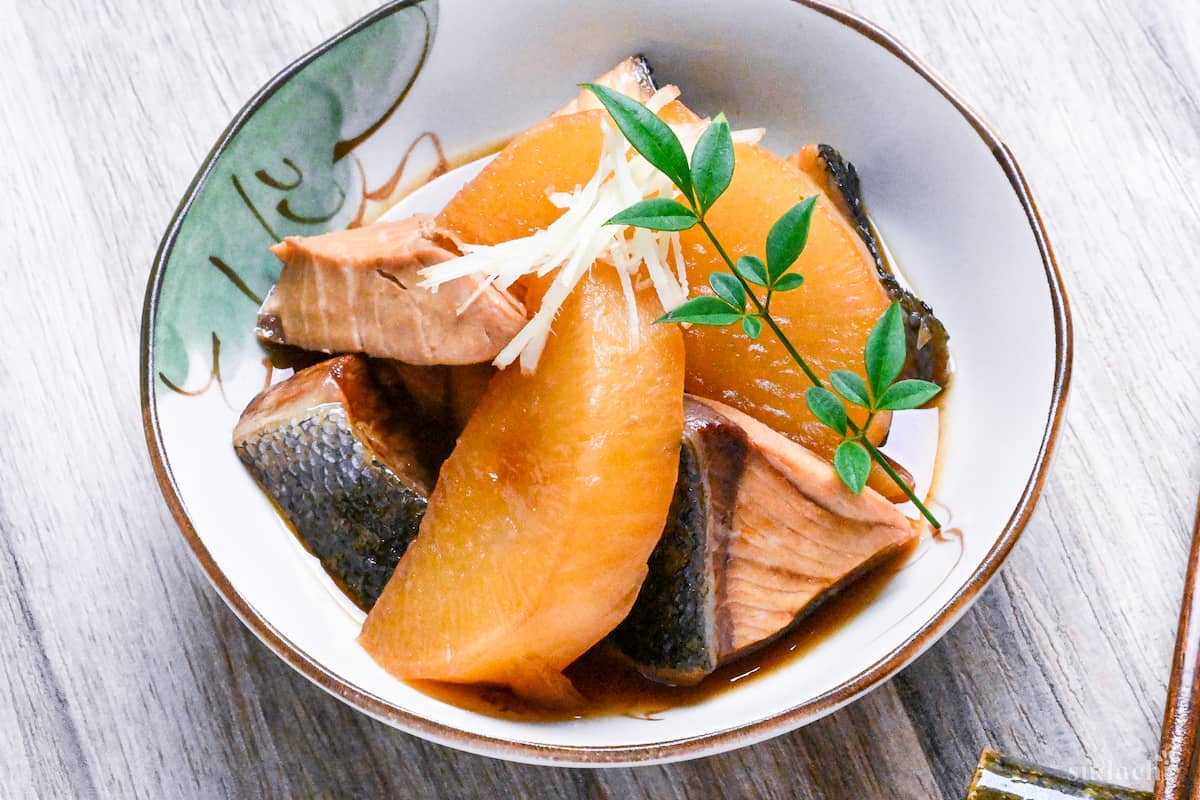
I put the daikon in the pot long before the yellowtail goes anywhere near it, and it simmers alone for 30 minutes while the fish waits its turn. The fish gets a short, separate prep of its own and only joins at the end. They share a pot, but they never share a schedule.
That head start is not just about softening. The daikon spends it in cloudy rice water rather than plain water, which is doing 3 separate jobs at once, and I take all 3 apart in the full recipe. Get that part right and the fish only needs its 15 minutes at the end.
10. Gomoku-Mame (Simmered Soybeans and Vegetables)
Featured Comment
Your Gomoku Mame was a bit hit with my family! Very satisfying and comforting.
– Thomas
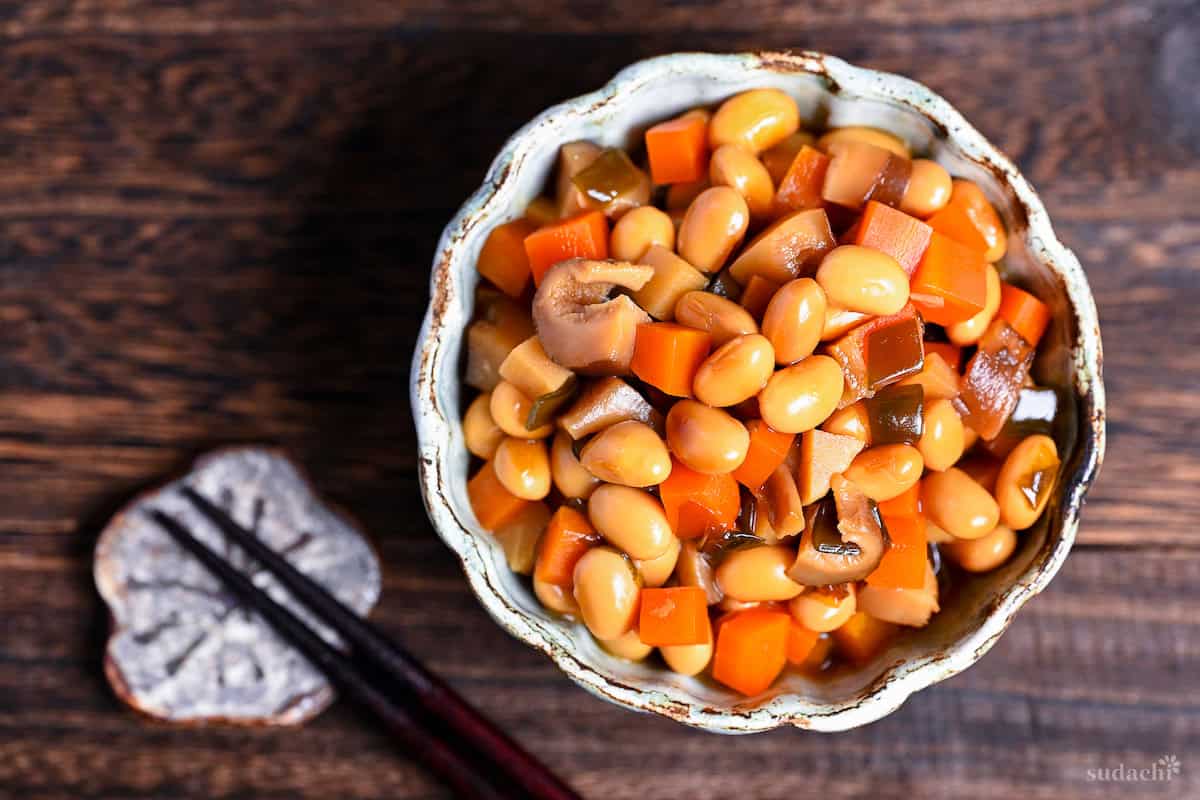
I build the broth for this one from dried shiitake and kelp, then chop both and drop them back into the pot as ingredients rather than as spent scraps. Carrot, bamboo shoot, all of it follows the same rule, cut down to the size of a soybean, so a single spoonful arrives as one thing rather than 5.
Texture is decided in the last stretch, and the lid is the lever. It comes off before the end, and what remains of the broth pulls down onto the beans rather than around them, so when you lift it matters more than how long the pot sat. Cold from the fridge the next day, it is better still.

11. Beef Shigureni (Sweet Soy Simmered Beef)
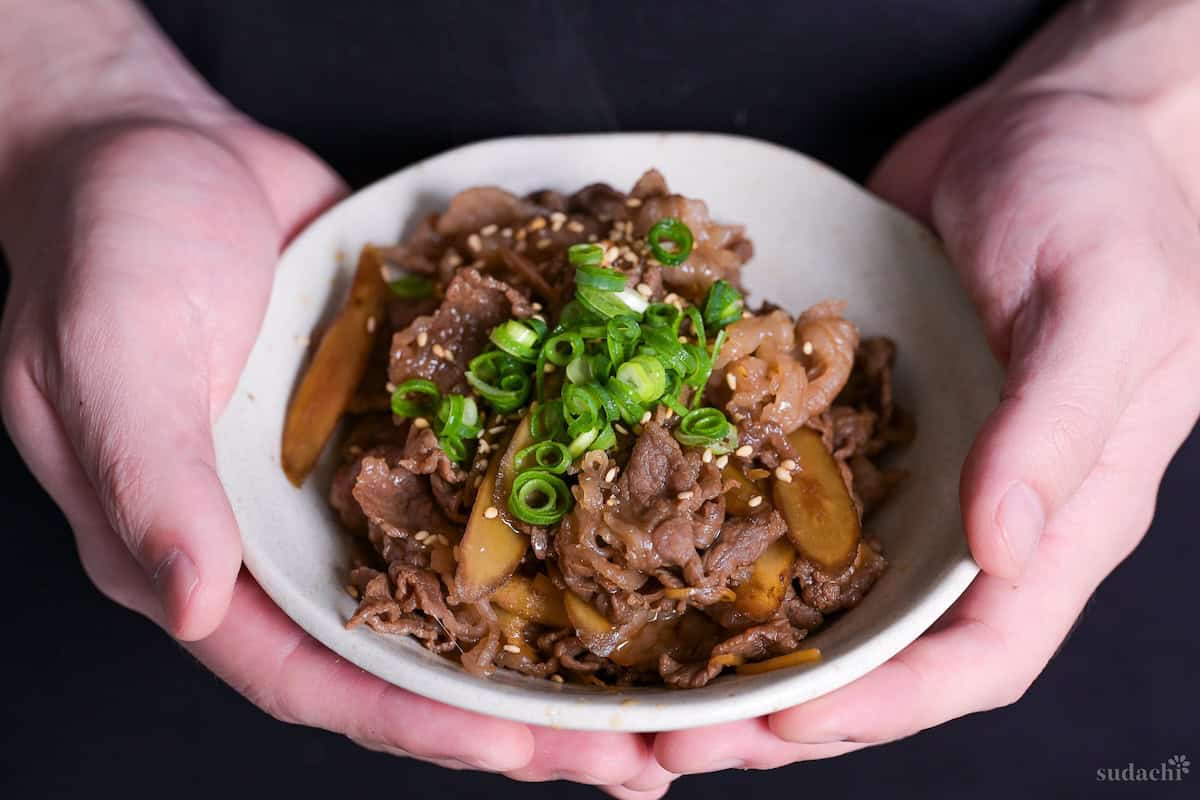
Sake is the expected pour for beef simmered in sweet soy sauce, and it works without question. I reach for a dry white wine instead, and the sharpness it leaves against the fat is not something I am willing to give up. Nothing else I have written shows my hand quite like that swap.
The liquid cooks down until it clings, so a bowl of it keeps in my fridge and turns up over rice more than once. Better still is hot green tea poured straight into the bowl. I make the case for the wine properly in the recipe itself, where there is room for it.
12. Chikuzenni (Simmered Chicken and Vegetables)
Featured Comment
Wow was this tasty! So glad i tried this recipe. So comforting.
★★★★★
– embee
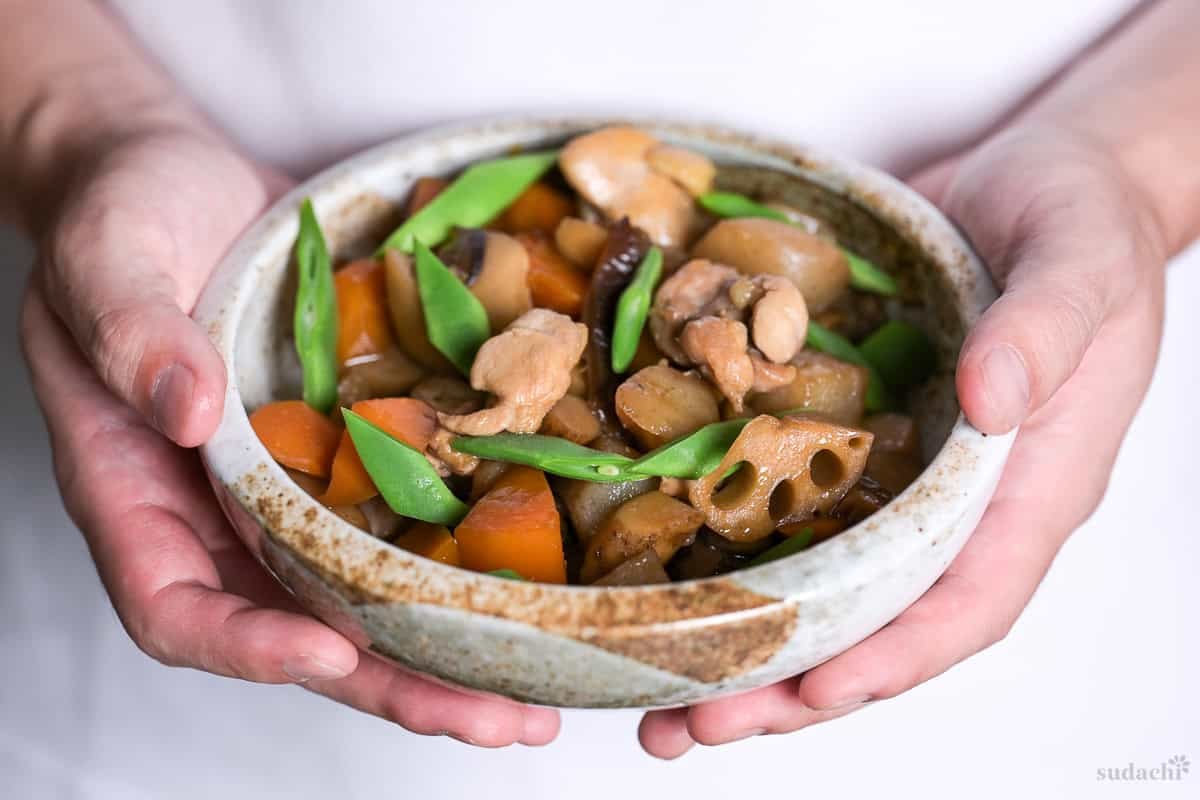
Tradition asks you to parboil every root vegetable separately, a pot at a time. I do things a little differently here.
Once the liquid is in, I stop stirring. A wooden spoon turns lotus root and carrot into rubble, so I tilt the pot and let the broth wash back over the top instead, and then I leave it alone.
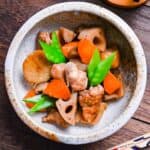
13. Kiriboshi Daikon no Nimono (Simmered Dried Daikon)
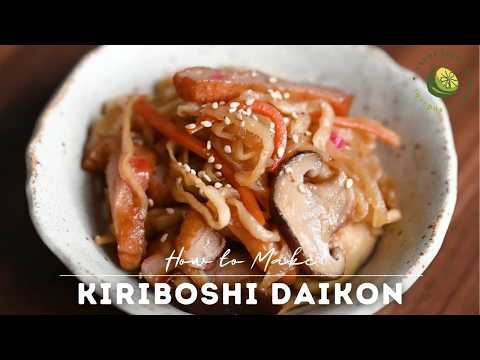
If Japan keeps a standard bearer for comfort side dishes, I would hand the title to this one. Drying turns the daikon sweeter and chewier than the fresh root, and the pan should never reach a rolling boil, which toughens the strips and drives the aroma off. Patience does more here than heat.
The soaking water looks like something to pour down the drain. Pour it away and the umami goes with it, because the savor comes from what sits soaking beside the daikon rather than from the strips themselves. Which ingredient that is, and how the pan tells you by sound that the liquid is done, waits in the recipe.
14. Oden (Japanese Winter Stew)
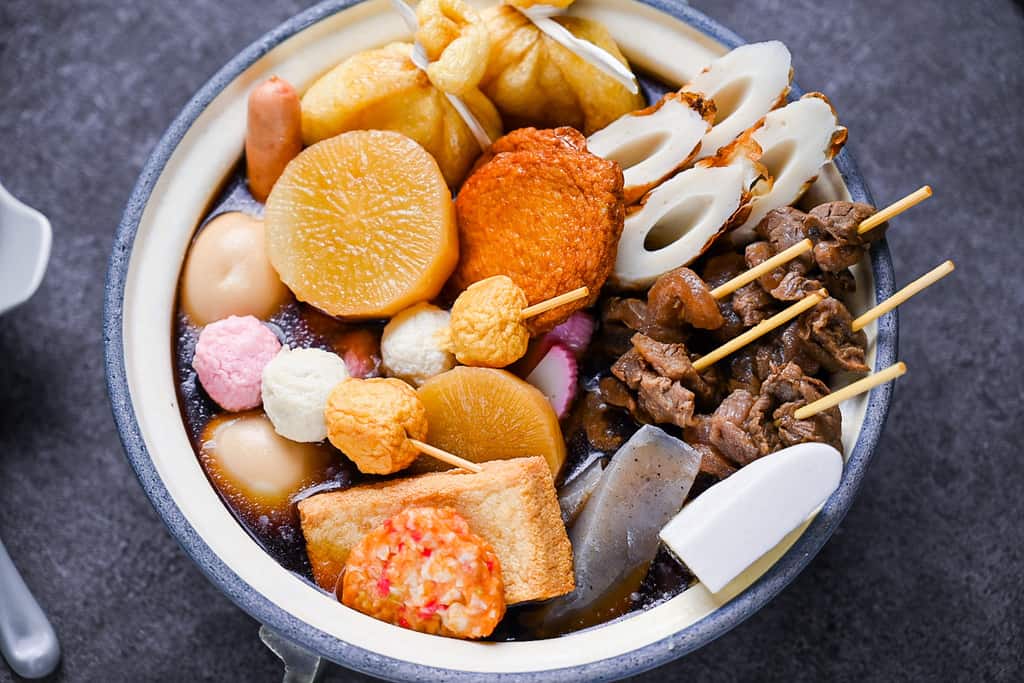
Oden is the only pot in this collection that becomes the whole table instead of a single plate, and nothing about what goes in is fixed. That is the point, and it means the lineup is personal. Mine is not finished without boiled eggs, and gyusuji, the beef tendon, is my all-time favorite.
Packaged sets are what most Japanese homes reach for, so building the broth from scratch was a deliberate choice, and the depth of it surprised me. What matters just as much is timing. Every item enters the pot on its own schedule, and that running order is laid out from the first piece to the last.


Leave a rating and a comment