


Disclaimer: This post may contain Amazon affiliate links. Sudachi earns a small percentage from qualifying purchases at no extra cost to you. See disclaimer for more info.
Salt is in every single Japanese dish you make. Every bowl of miso soup, every onigiri, every piece of grilled fish. And yet, most home cooks outside Japan never think twice about which salt they reach for.
I get it. Salt is salt, right? That’s what I assumed too, until I moved back to Japan and started paying attention to what was actually in my salt. Growing up in Japan, I always kept a bag of fine sea salt in the kitchen. When I started cooking abroad with iodized table salt and kosher salt, something was always a little different. My onigiri tasted flat. My pickles turned cloudy. It took me longer than I’d like to admit to realize the salt was the problem.
This guide is built around one idea: the best suitable salt for Japanese cooking depends on what you’re cooking. I will walk you through exactly which salt to grab for 10 common Japanese dishes and what to get wherever you are.
What to Buy: A No-Nonsense Salt Shopping Guide
Before we get into specific dishes, let’s answer the question you probably came here for: what kind of salt is suitable for Japanese cooking in general?
The 3 Salts That Cover 90% of Japanese Cooking
You don’t need a collection of 12 artisanal salts. You need 2 or even 1.
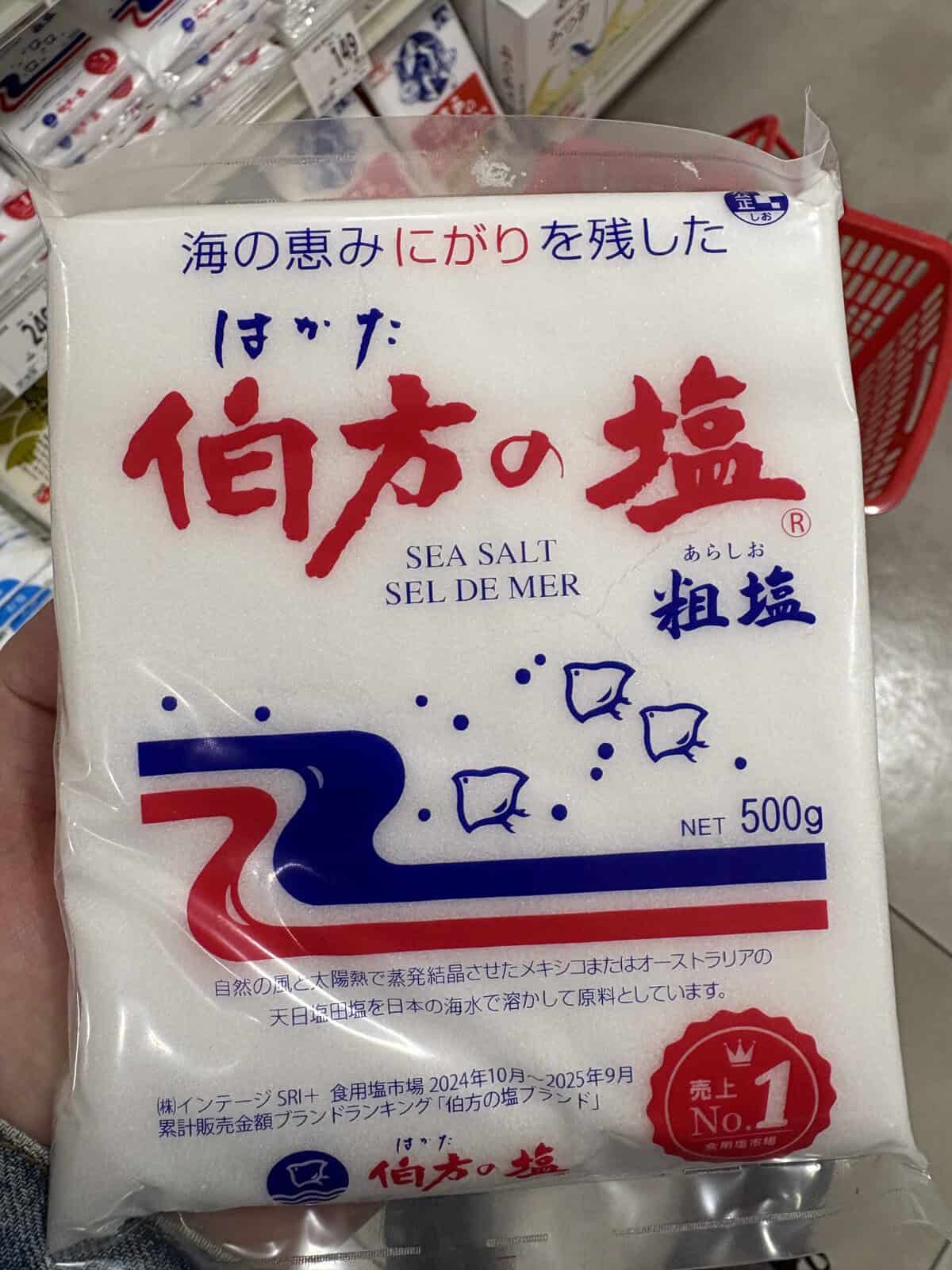
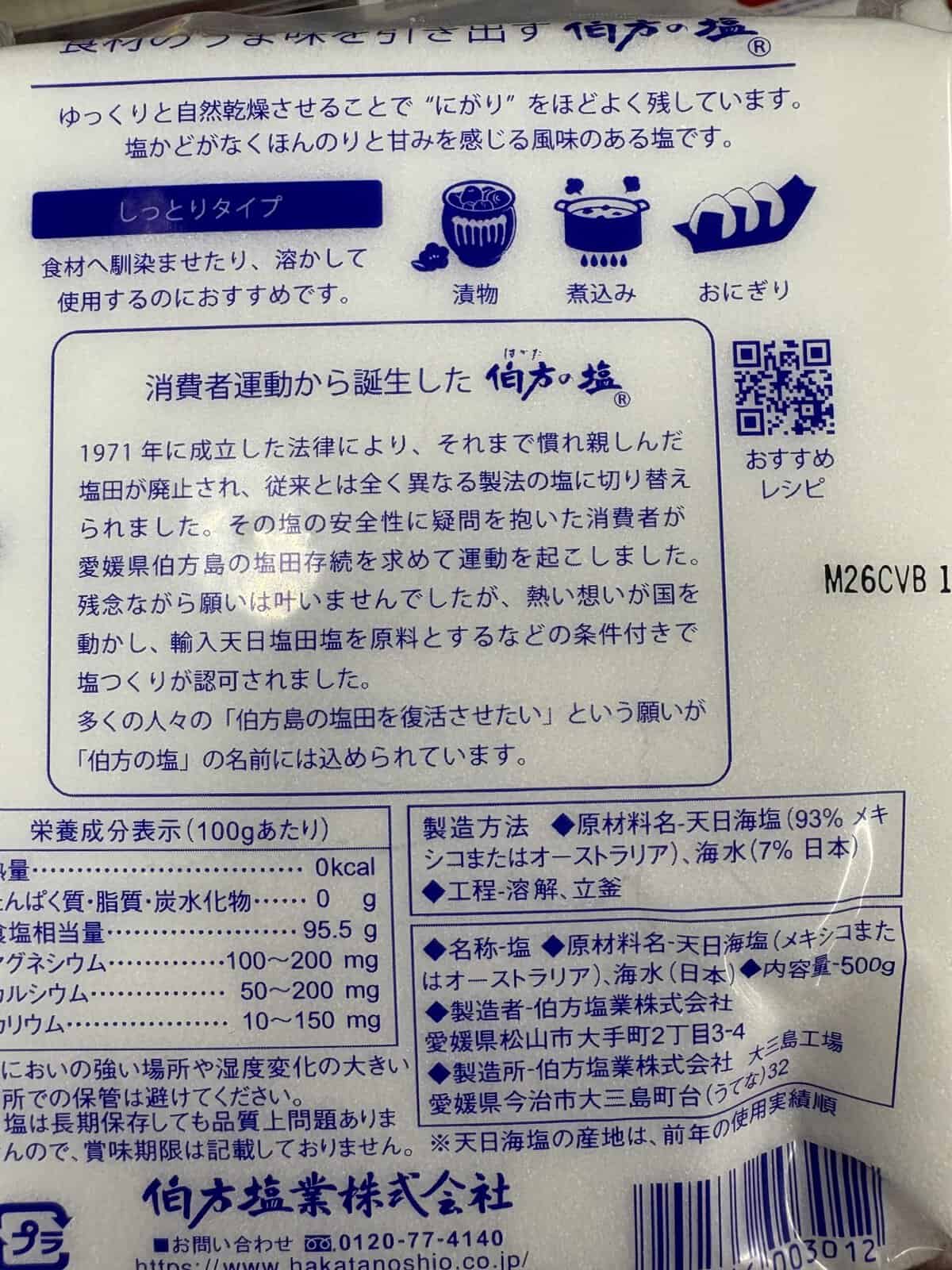
- Everyday fine sea salt (no additives): This is the Japanese kitchen workhorse. It’s what Japanese home cooks use for seasoning soups, making sushi rice, salting vegetables, and just about everything else. Hakata no Shio (伯方の塩) is a great example for everyday all-purpose salt for us.
- Coarse sea salt (optional): For grilling fish, pickling, and salt-curing. The larger grains dissolve slowly and sit on surfaces, which is exactly what you want for techniques like furishio (salt-sprinkling). But really, Hakata no Shio can take care of this too.
- Finishing or specialty salt (highly optional): Moshio (seaweed salt), matcha salt, yuzu salt. These are for when you want to go a level deeper. Nice to have, not essential at all. I don’t own any of these in my kitchen.
That said, it’s worth knowing what you’re actually buying. Take the two products pictured below as examples.
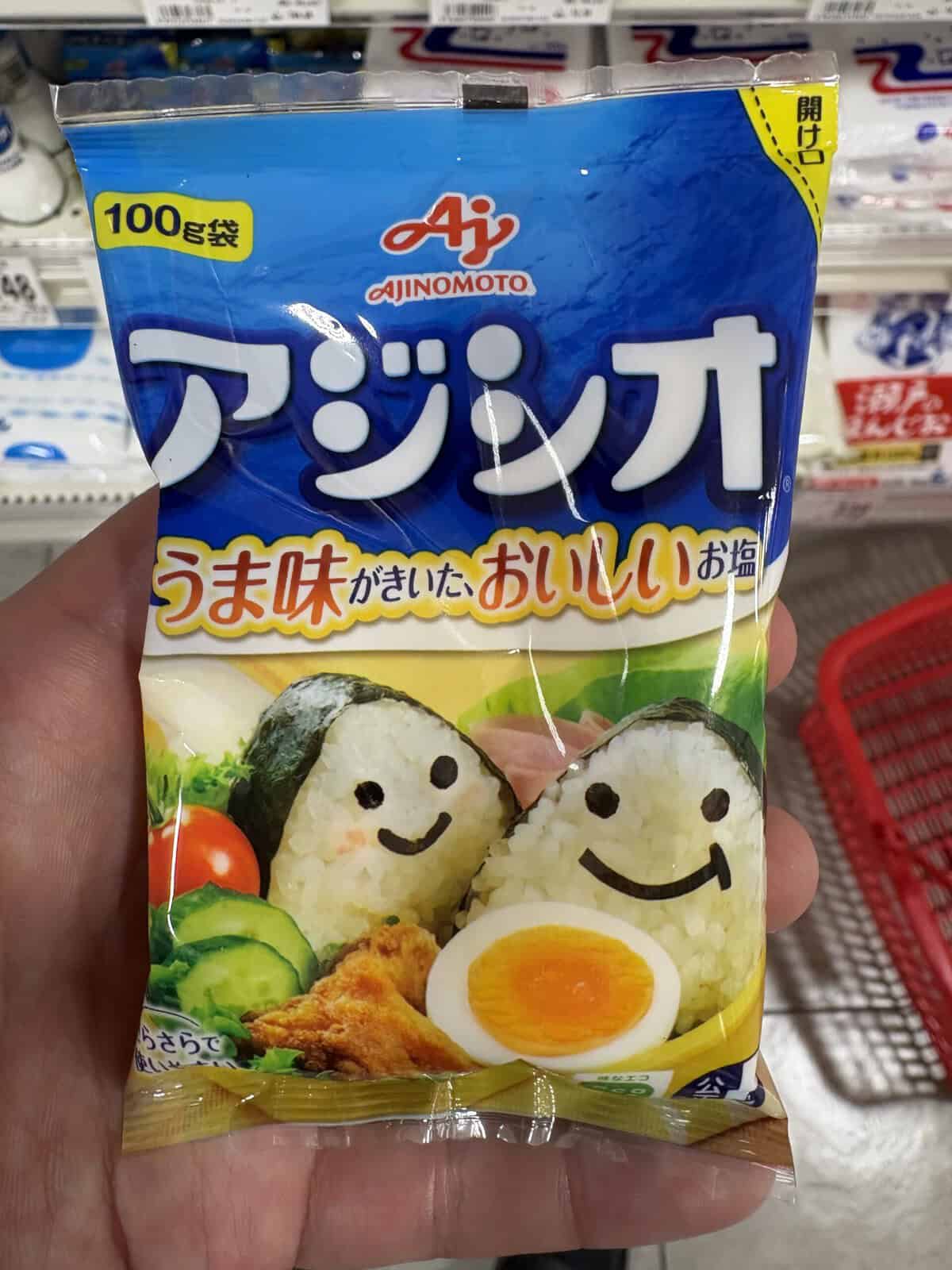
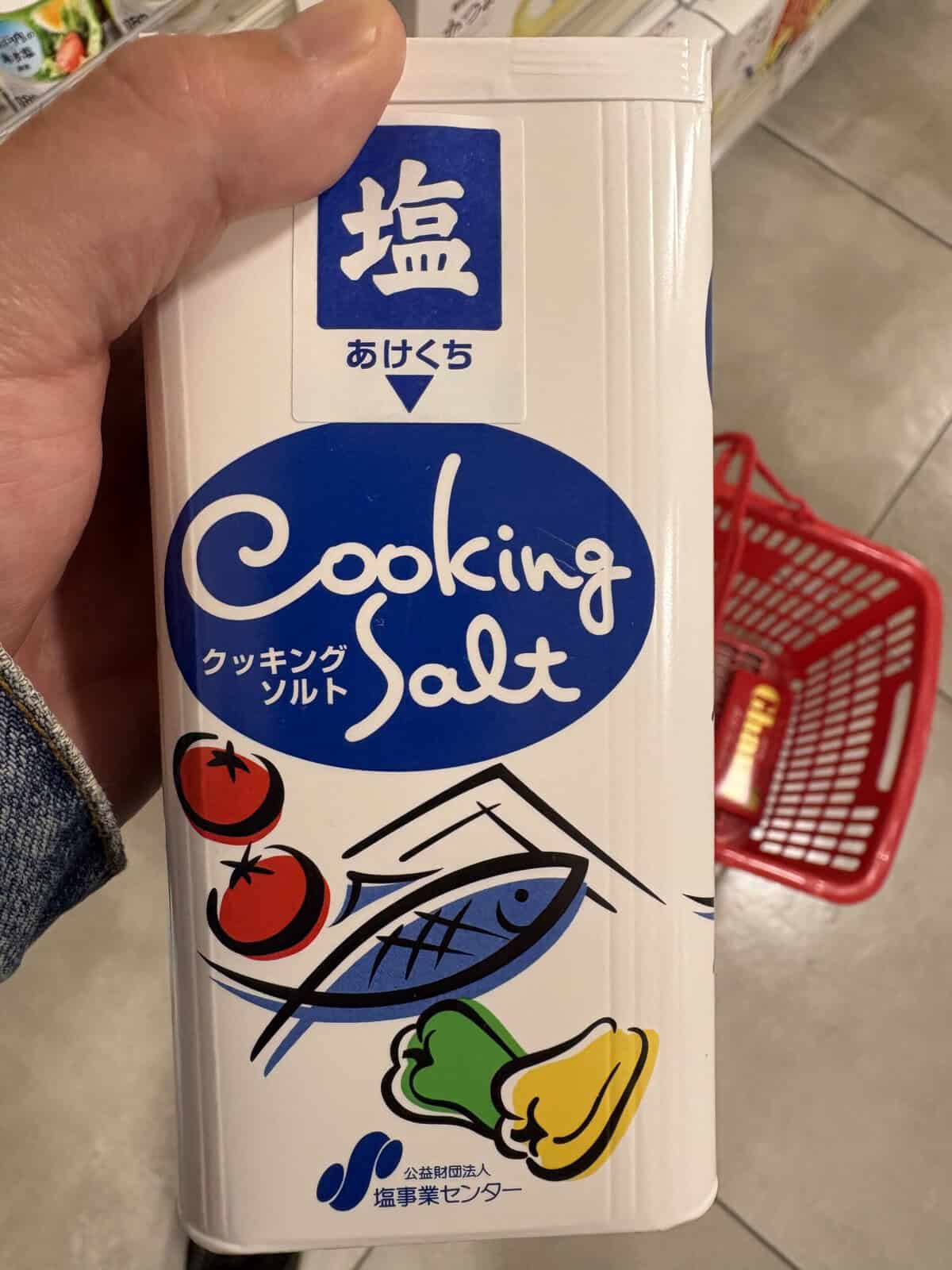
Ajishio is salt with MSG mixed in, so it brings its own umami punch to the table. Cooking Salt, on the other hand, is refined to over 99% sodium chloride with virtually none of the trace minerals you’d find in sea salt.
Neither is wrong, and which salt you reach for is entirely your call. Just keep in mind that every one of my recipe is developed and tested with sea salt, so if you swap in something else, the results may not land quite the same way.
What to Buy at a Western Grocery Store
If you don’t have access to a Japanese grocery store, here’s what works.
- Diamond Crystal Kosher Salt is the best widely available option for everyday cooking. It has no anti-caking agents, dissolves cleanly, and its hollow pyramid-shaped crystals crumble easily. One critical warning though: Diamond Crystal is roughly half the sodium per teaspoon by volume compared to Morton Kosher Salt. If a recipe says “1 tsp salt” and you swap one for the other without adjusting, you will dramatically over-salt or under-salt your food.
- Celtic Sea Salt (Sel Gris) has the closest mineral profile to Japanese sea salt, at roughly 82-85% NaCl with meaningful amounts of magnesium and calcium. If you can find it, this is your best Western substitute for the mineral complexity that Japanese sea salts bring.
- Fine sea salt from any brand works as long as you check the label: no iodine, no anti-caking agents. That’s it.
The potassium iodide gives it a metallic aftertaste, and the anti-caking agents (usually sodium silicoaluminate or calcium silicate) cause cloudy pickle brines and interfere with fermentation. If you take one thing from this whole article, let it be this: keep iodized table salt away from Japanese cooking.
Japanese Salts Worth Seeking Out
If you shop at Japanese (or well-stocked Asian) supermarkets, or order online, these are worth grabbing.
- Hakata no Shio (伯方の塩) is the best all-purpose Japanese salt for the price. It’s what lots of Japanese home cooks actually use every day.
- Nuchimasu (ぬちまーす) from Okinawa is extraordinary. At 75.5% NaCl, it contains roughly 200 times the magnesium of refined salt. The mineral complexity gives it a sweetness and roundness that refined salt simply cannot replicate. I used to use this, but the price was a bit…unsustainable.
- Ama no Moshio (海人の藻塩) is a seaweed-infused salt available on Amazon in the US. I will talk more about moshio later, but if you want to try one specialty salt, start here.
For reference, here’s how shoyu (soy sauce) and miso also vary hugely by brand and type. Salt is no different. When you have the top 20 Japanese ingredients dialed in, including the right salt, everything tastes better.
Salt by Dish: Your Japanese Cooking Cheat Sheet
This is the part most salt guides skip entirely. They might tell you about types of salt, maybe some history, and leave you to figure out the rest. Here, I’m giving you which salt is most suitable for each! Of course, this is just a guideline, you don’t have to use or get all of them right!
| Dish | Suitable Salt Type |
|---|---|
Onigiri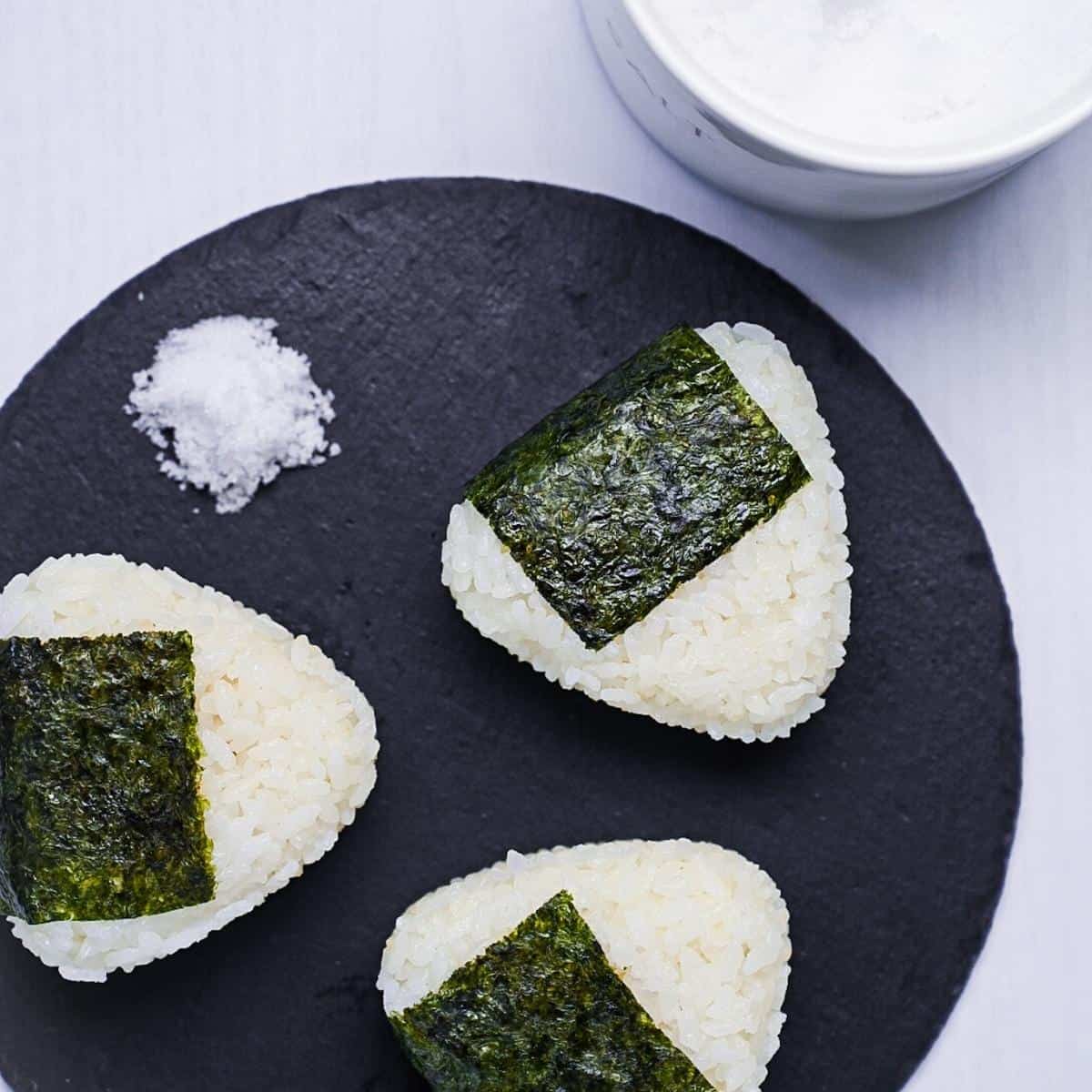 | Fine sea salt |
Miso Soup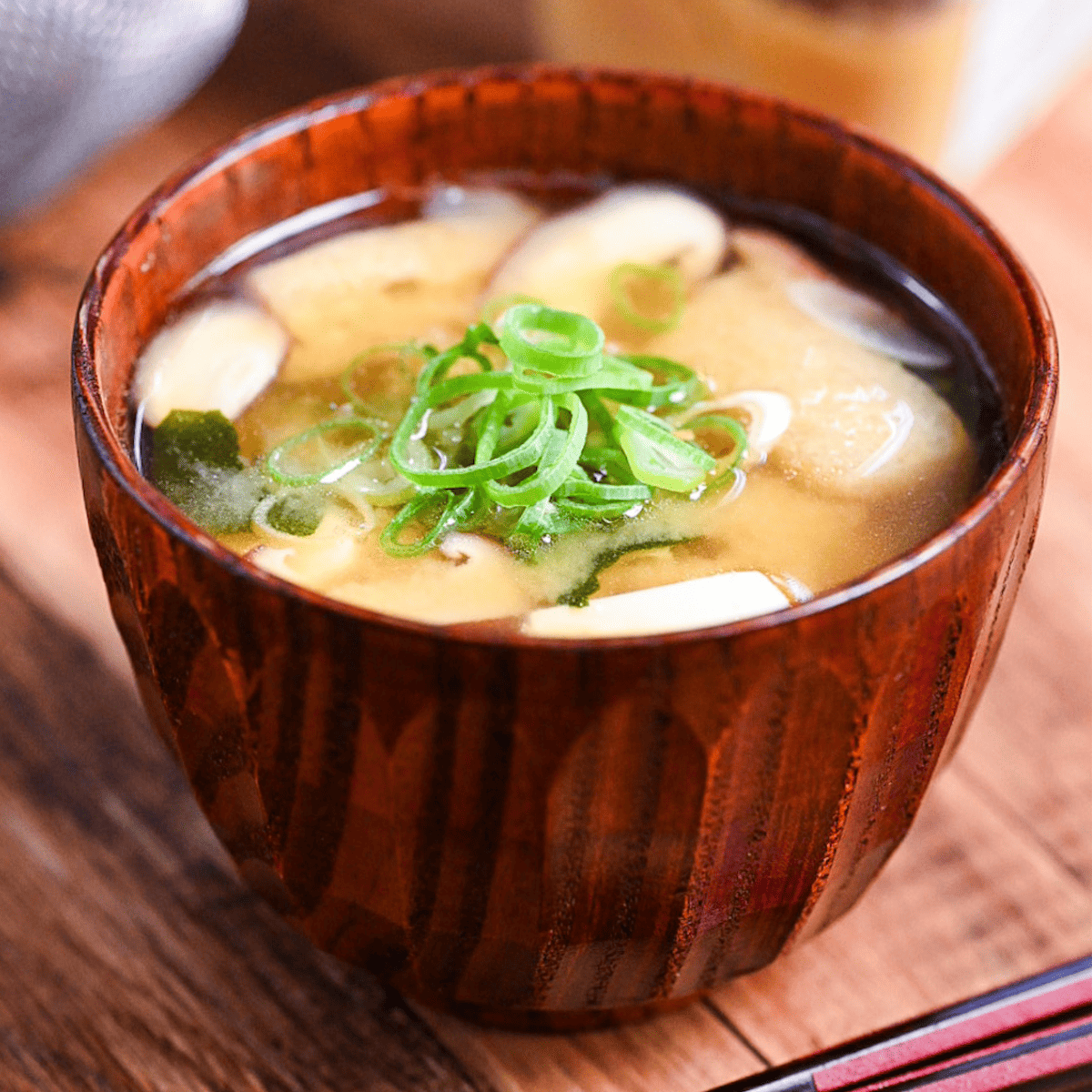 | Any (miso is the star) |
Grilled Fish | Coarse sea salt |
Tempura Salt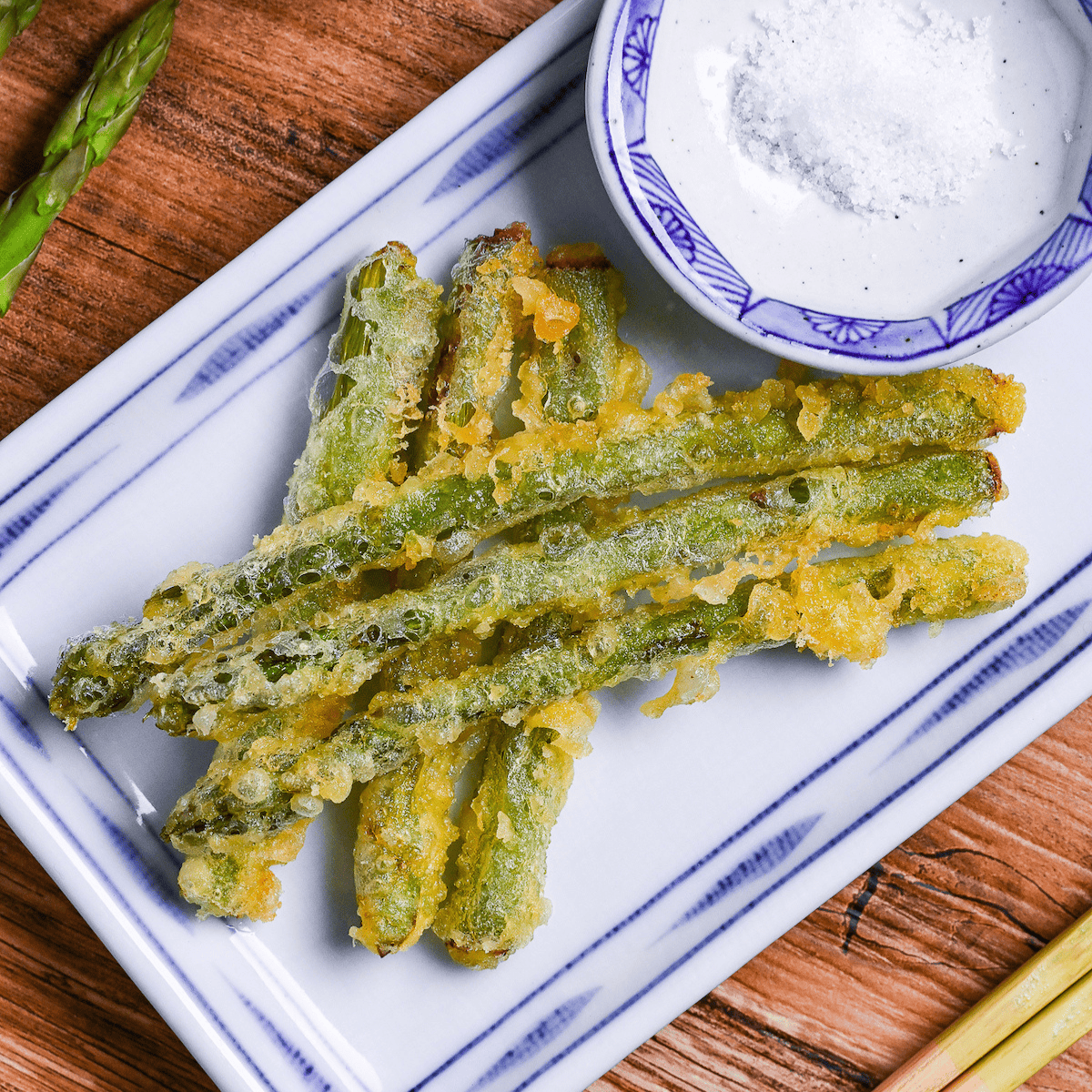 | Fine sea salt, toasted |
Sashimi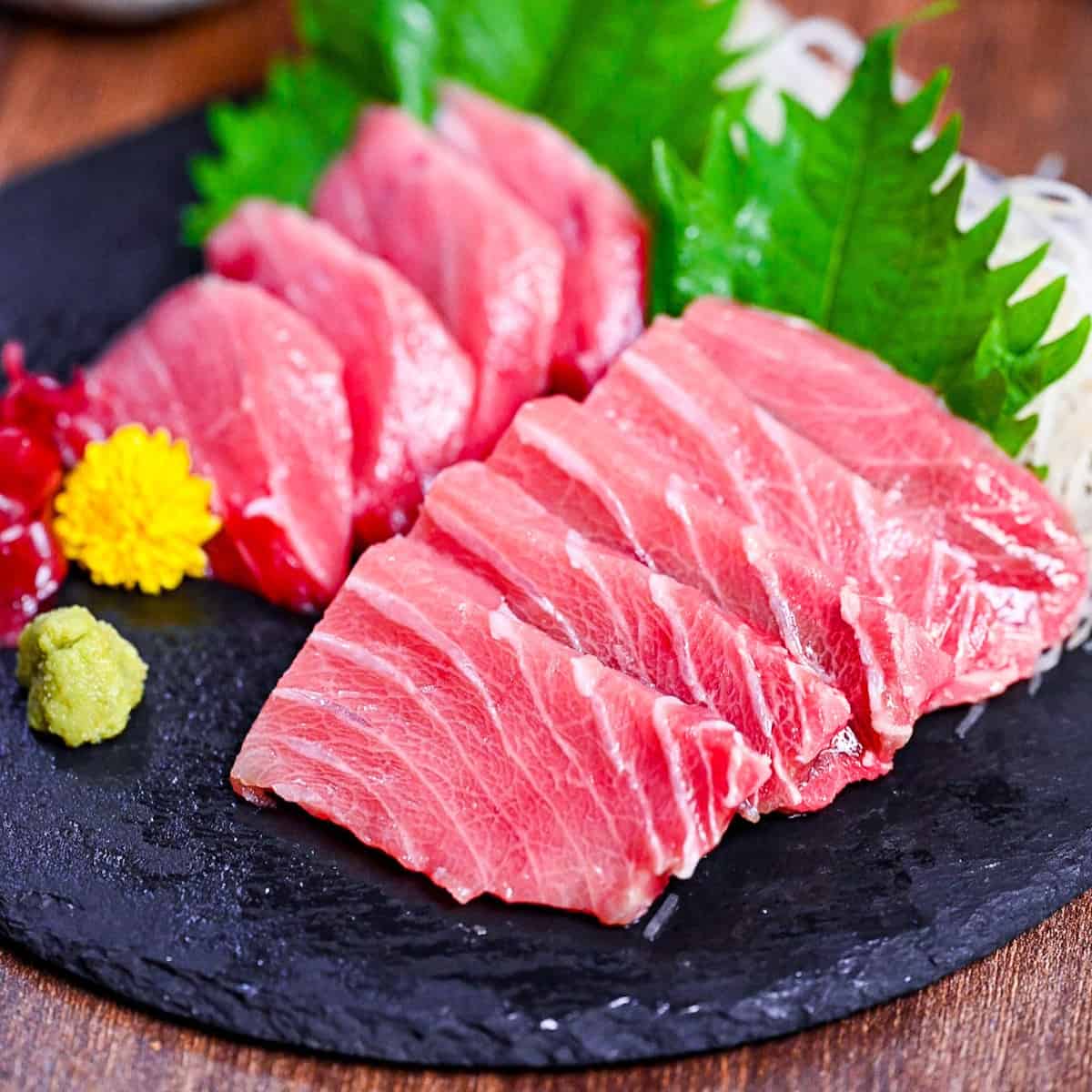 | Fine finishing salt |
Pickles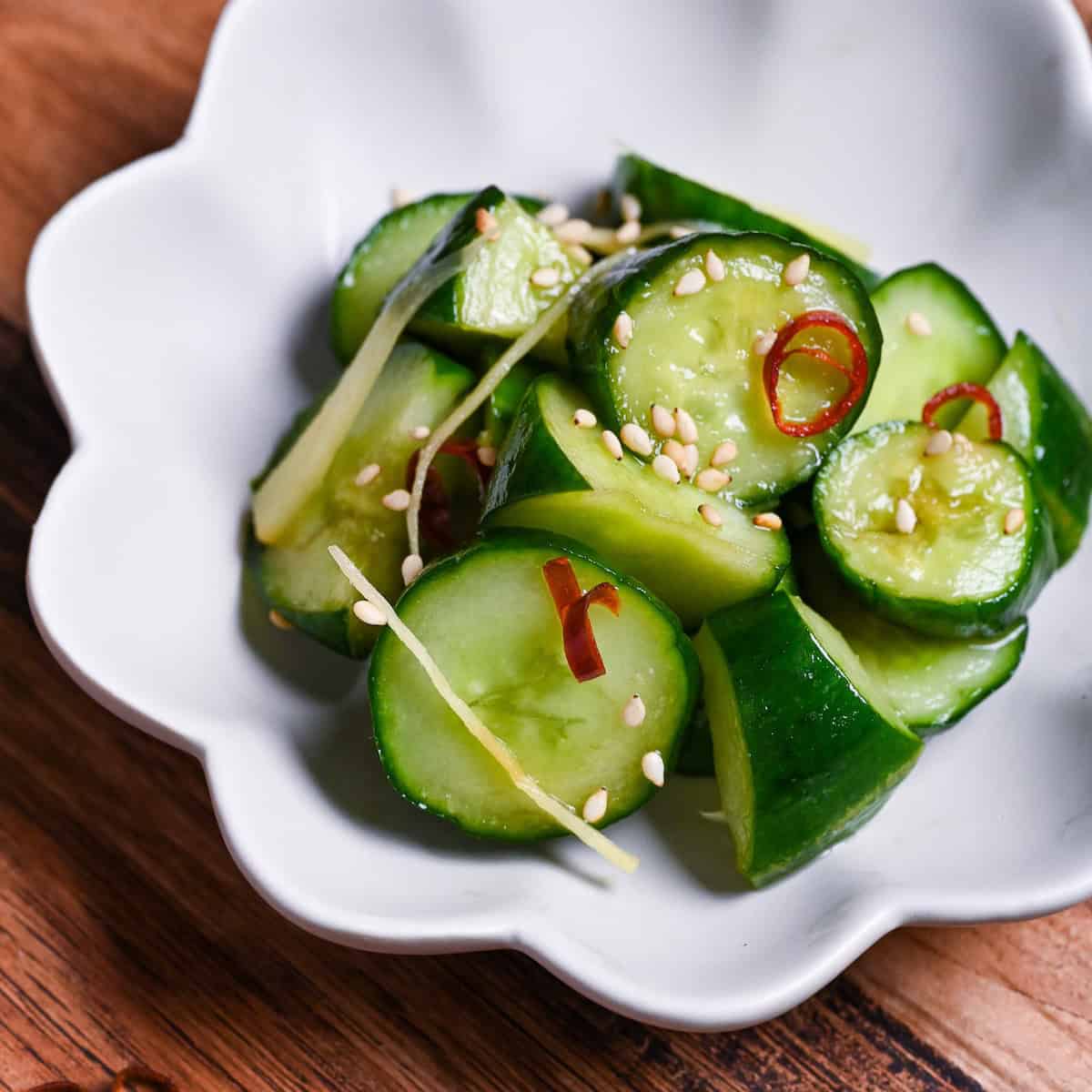 | Coarse sea salt, no additives |
Sushi Rice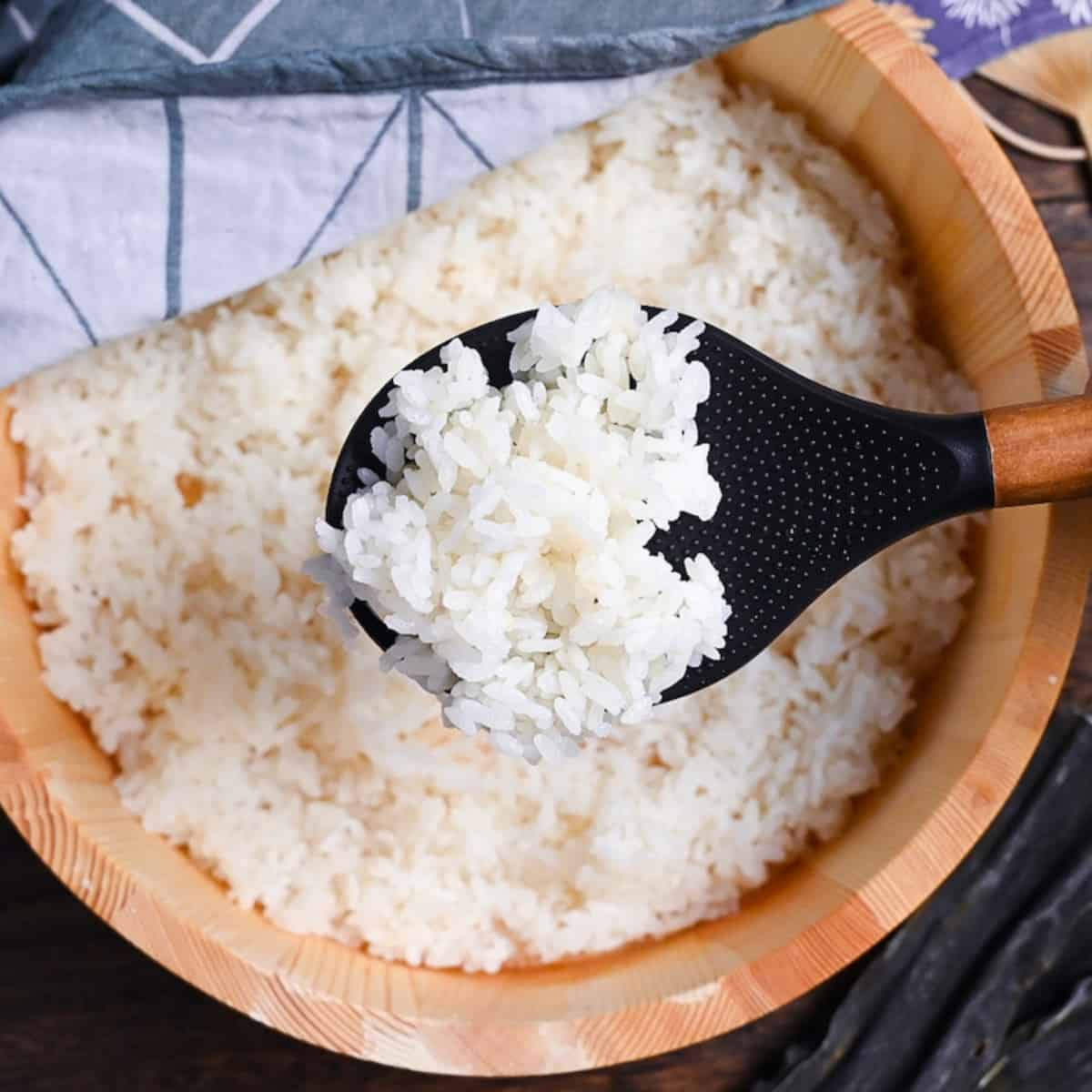 | Fine sea salt |
Simmered Dishes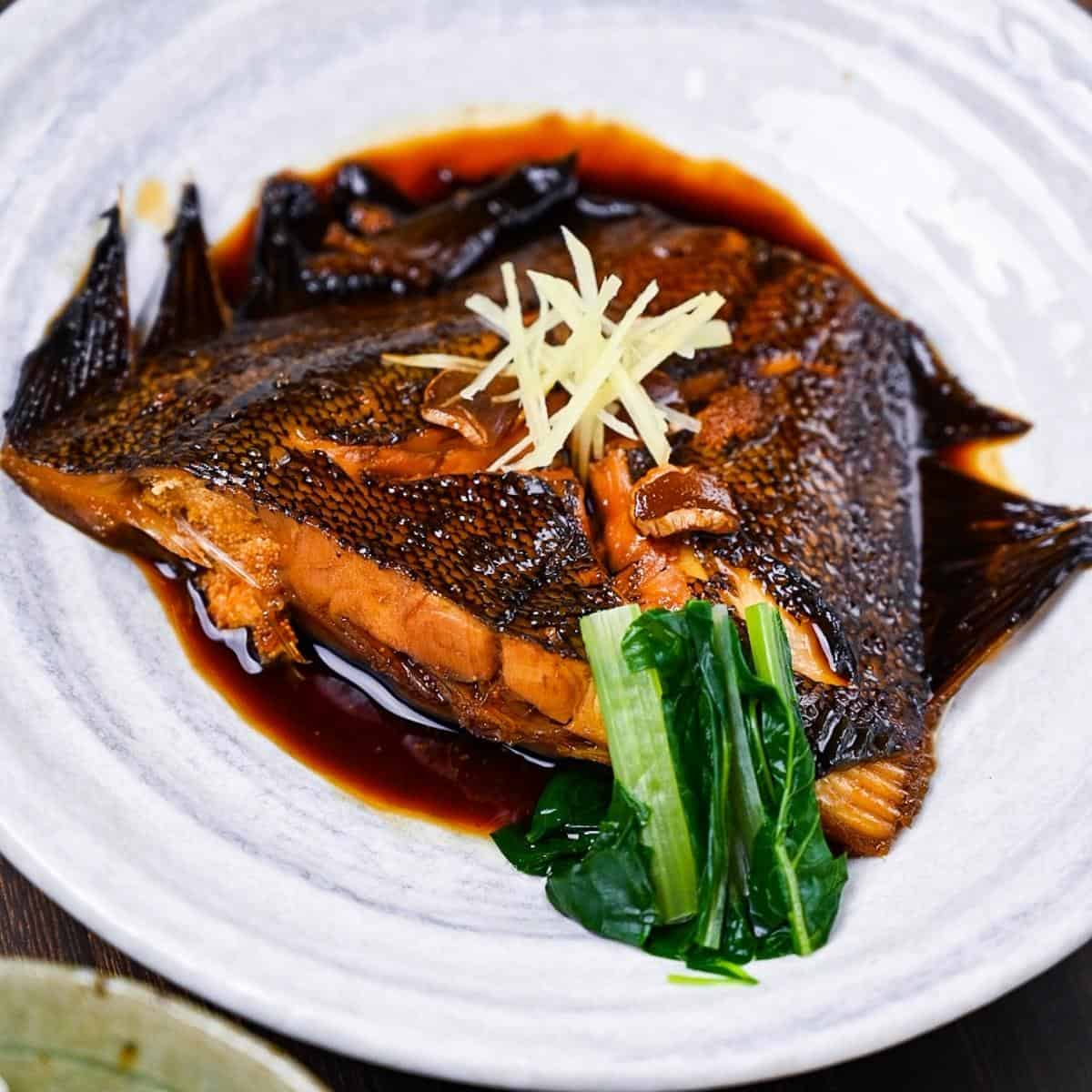 | Fine sea salt |
Boiled Vegetables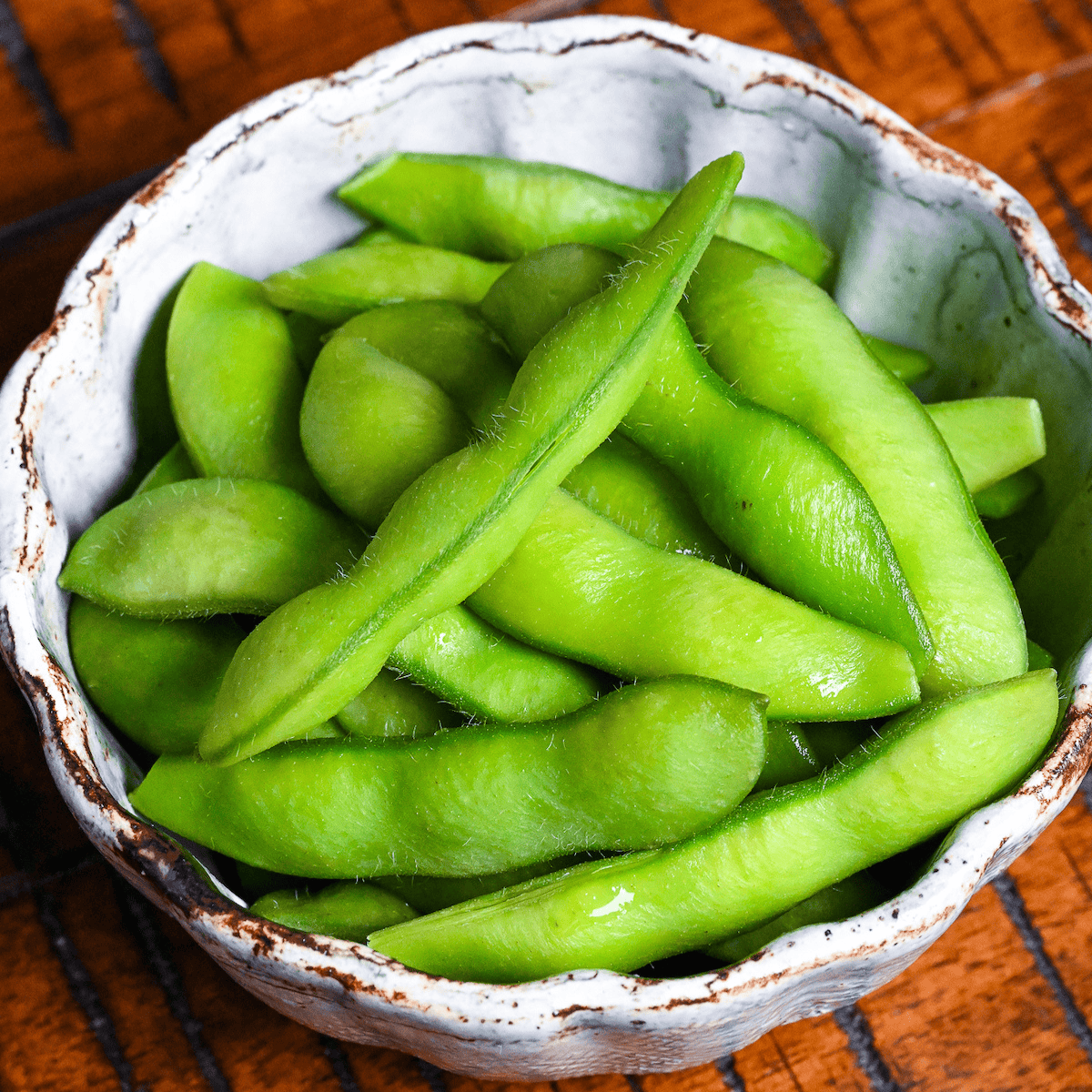 | Fine sea salt |
Rice Dishes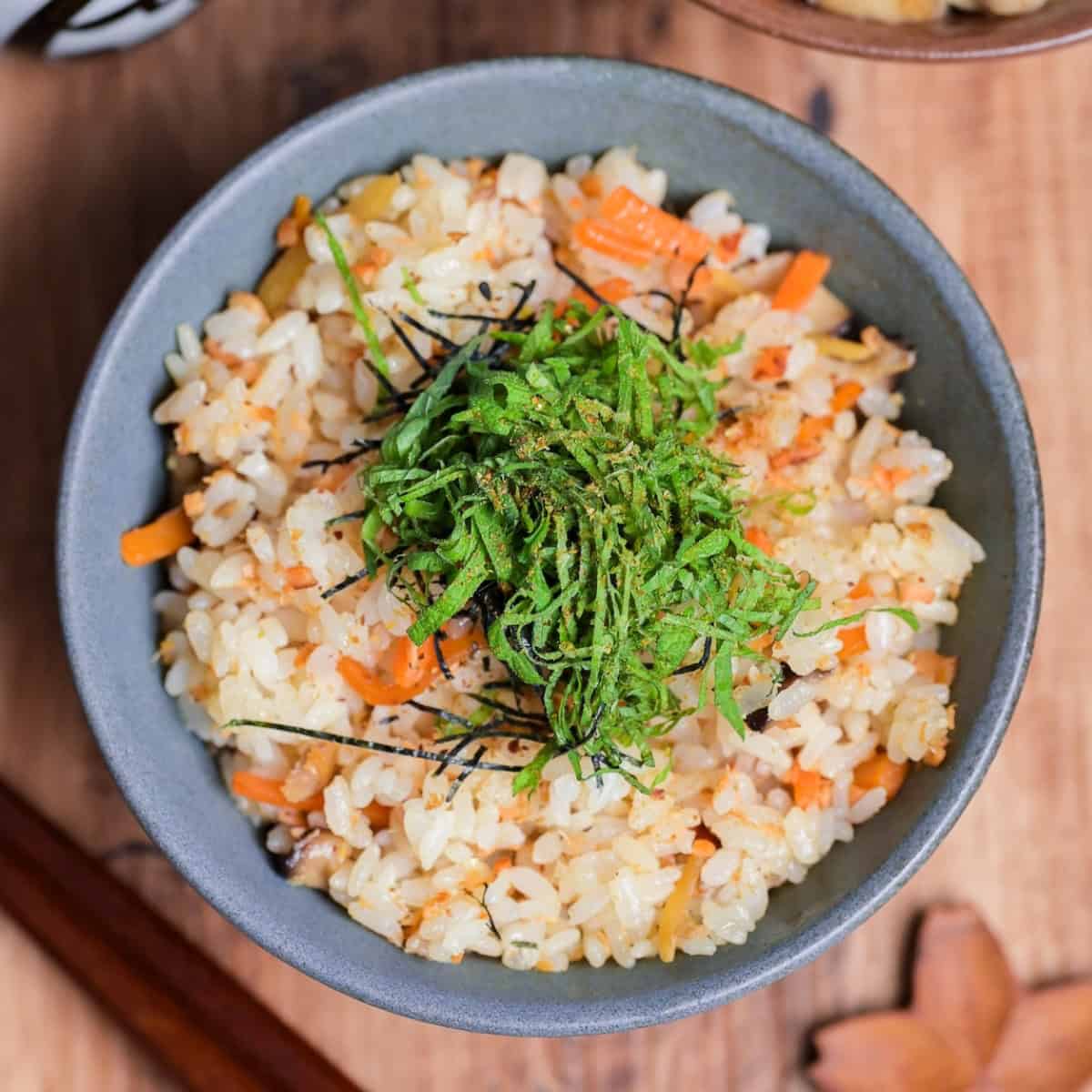 | Fine sea salt |
Why Salt Type Actually Matters: The Science in 2 Minutes
You’ve seen the practical advice. Now here’s the “why” for those who want it. If science isn’t your thing, feel free to skip ahead to the flavored salts section. Everything above already tells you what to do.
It’s Not Just NaCl
Refined table salt is about 99.5% sodium chloride. Japanese sea salts like Nuchimasu? About 75.5% NaCl, with the rest being magnesium, calcium, potassium, and dozens of other trace minerals.
This matters more than you’d think. A 2015 study by Ishikawa mapped how each mineral contributes to taste perception: sodium provides saltiness, potassium adds a sour note, magnesium brings bitterness, and calcium contributes sweetness. Salts high in calcium with low potassium were perceived as having more umami.
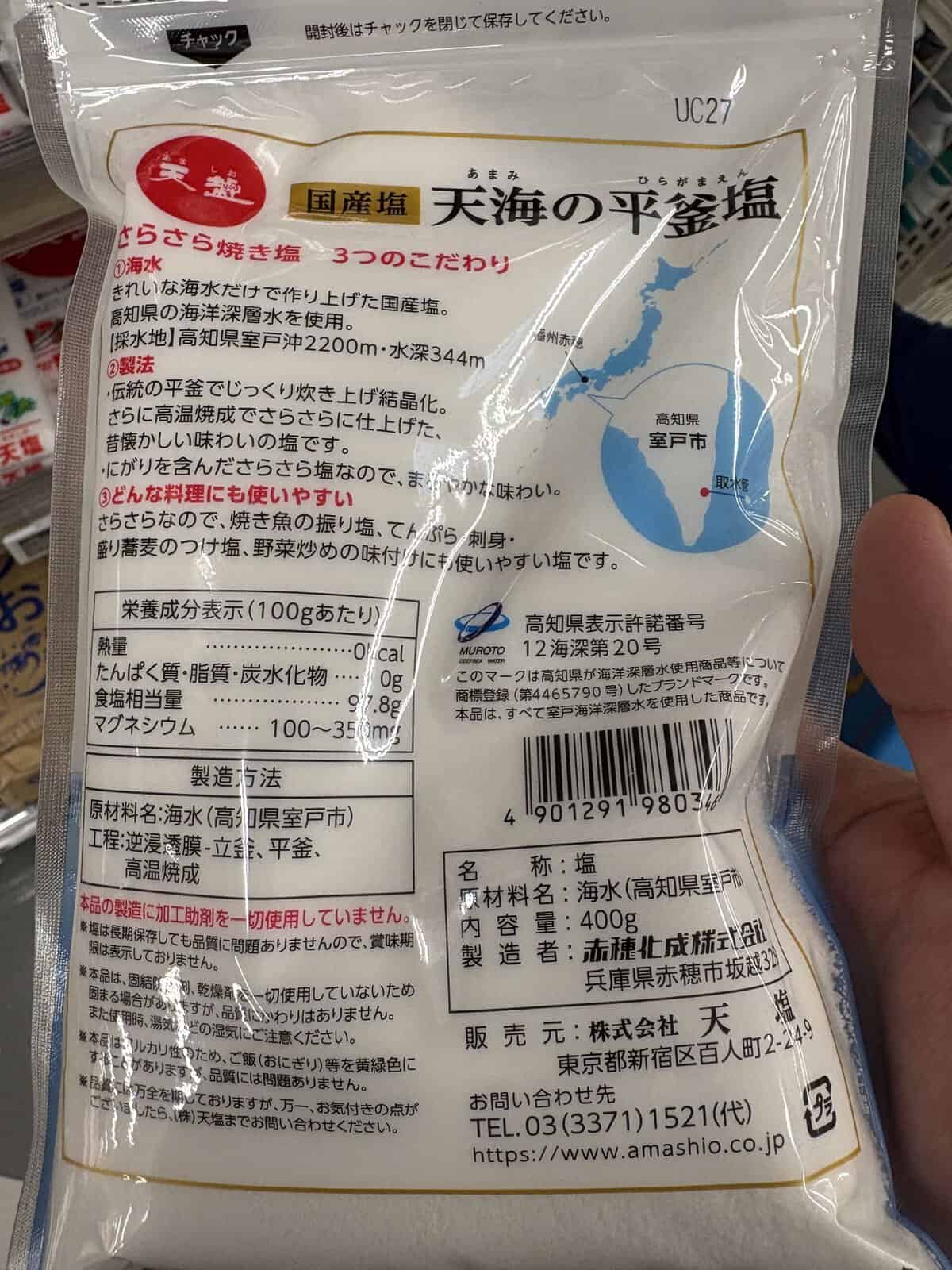
That’s why mineral-rich sea salt tastes “rounder” and less harsh than refined salt. It’s not your imagination. The mineral profile literally shapes the flavor.
To put numbers on it: refined salt contains about 18mg of magnesium per 100g. A premium sea salt like Umi no Sei contains around 700mg. Nuchimasu packs roughly 3,360mg. These are entirely different products that happen to share a name.
Salt and Umami Are Best Friends
This is the science that changed how I think about seasoning.
When glutamate (from kombu, tomatoes, or cheese) meets inosinate (from katsuobushi or meat), umami perception jumps 7-8 times. This synergistic amplification was first documented by Kuninaka in 1955, and it’s the foundation of dashi and of Japanese cooking itself.
What salt does in this equation is amplify the whole system. Research from Osaka University (Ozawa, 2023) showed that salt enhances umami perception through the brain’s dopamine reward pathway. The right amount of salt doesn’t just add saltiness. It makes umami taste more like umami.
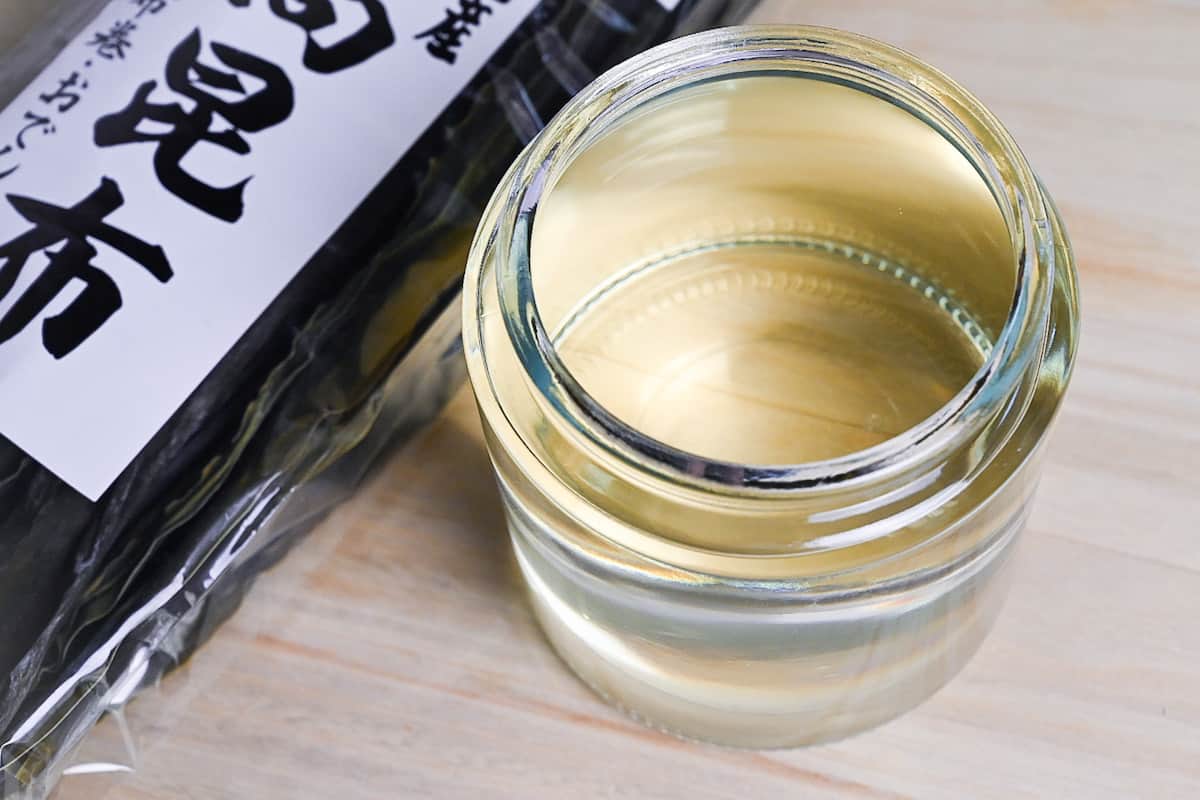
This is why a properly salted kombu dashi tastes vastly more satisfying than the same dashi without salt. It’s also why fermented salt-containing seasonings like miso and soy sauce hit differently than plain salt. They bring their own glutamate to the party.
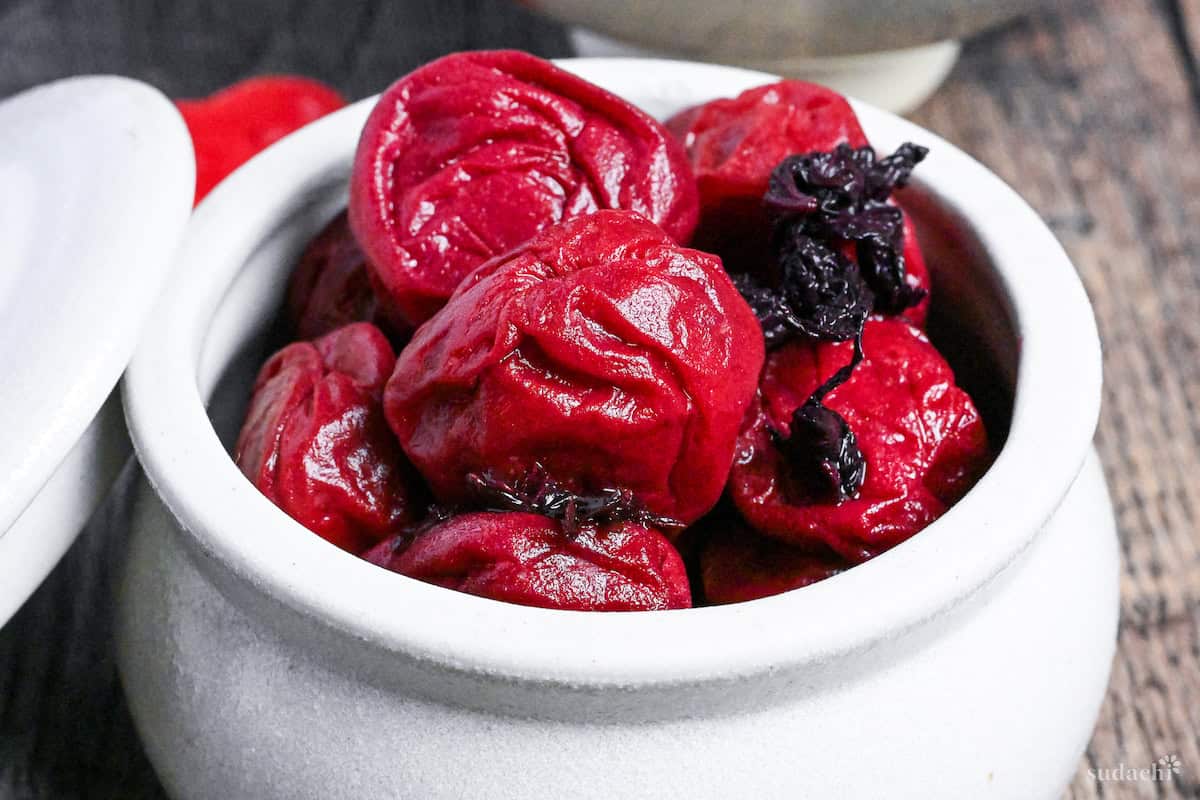
There’s even a word for this in Japanese: anbai (塩梅), which literally combines the characters for “salt” and “plum” (a reference to pickled ume). It dates back to the Man’yoshu, Japan’s oldest poetry anthology from the 8th century, and means “getting the balance just right.” The concept that salt is about balance, not just saltiness, is baked into the language itself.
How to Read a Japanese Salt Label
If you’re shopping at an Asian grocery store and staring at bags of Japanese salt with labels you can’t fully read, here’s a quick decoder.
Japan established strict salt labeling rules in 2008. Terms like “natural” (天然), “sun-dried” (天日), and “deep sea” (海洋深層水) have specific legal definitions. The most useful thing to look for on the label is the production method:
- 天日 (tenpi): Sun-dried. Slowest method, highest mineral retention.
- 平釜 (hirugama): Open-pan evaporation. The traditional artisanal method, typically producing salt with 86-90% NaCl.
- 逆浸透膜 (gyaku shinto maku): Reverse osmosis. Modern method for concentrating seawater before evaporation.
- イオン膜 (ion maku): Ion-exchange membrane. Industrial method. Produces very pure, very clean salt with minimal minerals.
If you see 天日 or 平釜 on the label, that’s a good sign. You’re getting a salt made with traditional methods that preserve mineral complexity.
Flavored and Finishing Salts in Japanese Cooking
Moshio (Seaweed Salt)
Moshio (藻塩) is Japan’s oldest salt. It’s referenced in the Man’yoshu, meaning people were making it over 1,200 years ago. Produced by boiling seawater with Sargassum seaweed, it has a brown-beige color and a subtle umami character built right into the salt itself.
Think of moshio as “salt with built-in dashi.” The seaweed contributes glutamate, so when you use moshio as a finishing salt on onigiri, on tempura, or on raw fish, it adds a layer of flavor complexity that plain sea salt can’t match.
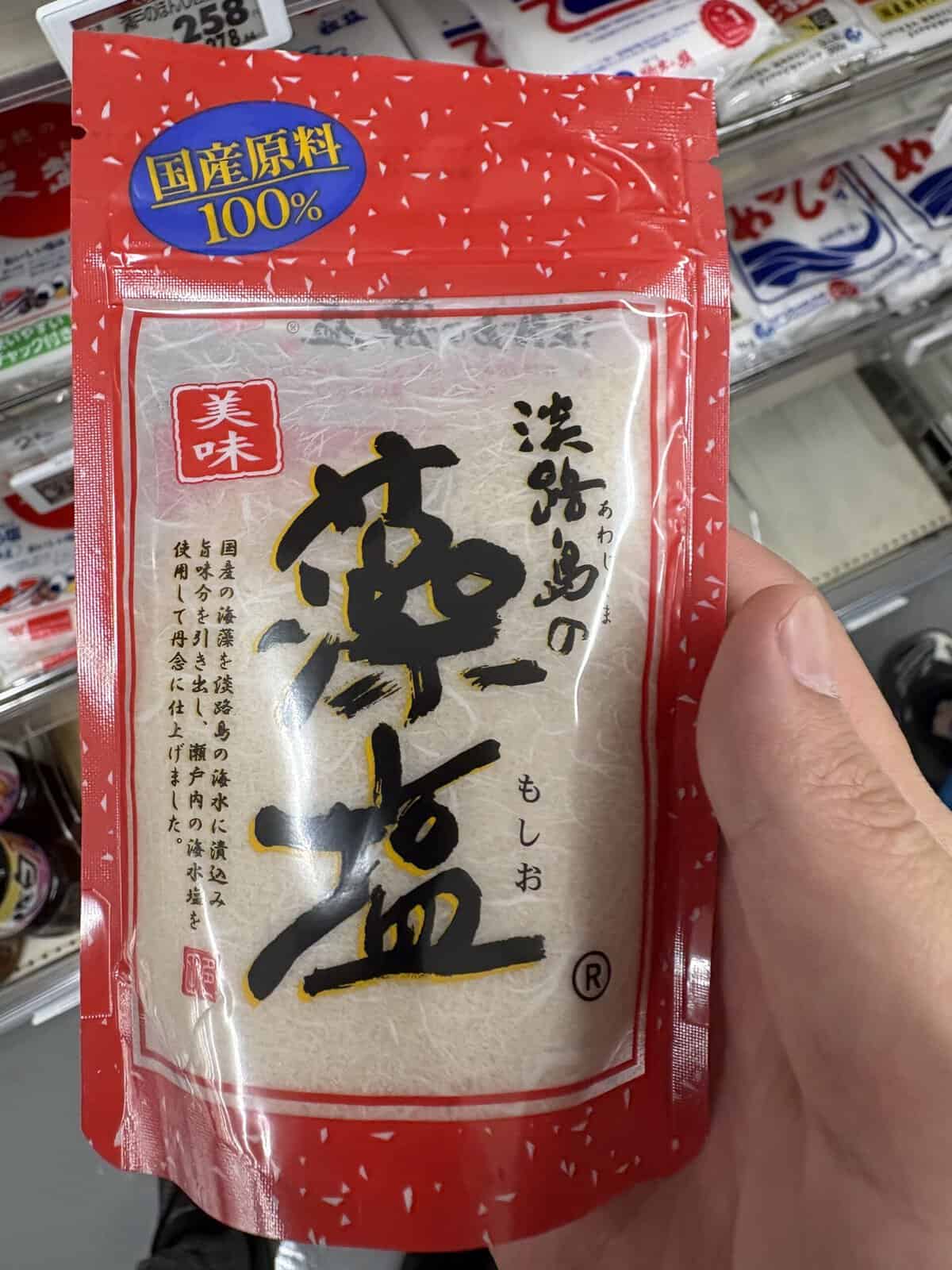
Ama no Moshio (海人の藻塩) is the most accessible brand and can be found on Amazon in the US.
6 Flavored Salts You Can Make at Home
Once you have good base salt, flavored salts are simple to make and transform everyday dishes.
- Matcha salt (10 parts toasted salt : 1 part matcha : 1 part sugar). Mix the matcha into already-cooled toasted salt. Never heat matcha directly or it turns bitter and brown. Keeps for about 2 weeks in an airtight container. Best with tempura, onigiri, and grilled chicken.
- Sansho salt (12 parts salt : 1 part ground sansho : 1 part sugar). The numbing, citrusy heat of sansho is perfect with grilled eel, fatty fish, and fried tofu.
- Curry salt (10 parts salt : 1 part curry powder : 1 part sugar). Toast the curry powder with the salt briefly over low heat to bloom the spices. Great with fried chicken and croquettes.
- Yuzu salt (fine salt mixed with freshly grated yuzu zest). Use immediately, as the volatile citrus oils fade quickly. Pairs with white fish tempura and steamed vegetables. If you enjoy yuzu flavors, try yuzu kosho too.
- Kombu salt (ground dried kombu mixed into fine salt).
- Gomashio (6 parts roasted black sesame : 1 part salt). The traditional companion for sekihan (red bean rice). Toast the sesame seeds until fragrant, then grind with salt using a suribachi (mortar) or spice grinder. The partial grinding releases sesame oils that coat the salt.

FAQ
Yes, for most cooking like soups, simmering, and boiling. Diamond Crystal is the better choice because it has no anti-caking agents. But for onigiri hand-salting, grilled fish surface application, and pickling, sea salt is noticeably better. And always watch the conversion: Diamond Crystal kosher salt is roughly half the weight of the same volume of fine sea salt or Morton kosher salt.
Not exactly. Japanese sea salt tends to be richer in minerals, especially magnesium, due to the production methods used. Mediterranean sea salt is a reasonable substitute, but Celtic Sea Salt is the closest match in terms of mineral profile.
It works in a pinch for general cooking. But its mineral profile (high in iron, different from ocean minerals) gives a slightly different flavor that can feel out of place in delicate dishes like dashi-based soups or sashimi.
Very much. Diamond Crystal is roughly half the weight per teaspoon compared to Morton due to its flaky crystal structure. If my recipe says “1 tsp salt” and you use Morton instead of Diamond Crystal (or vice versa), your dish will be significantly over-salted or under-salted.

Leave a rating and a comment