


For a long time I thought chicken breast was something you settled for, not something you got excited about. But the right marinade, the right oil temperature, the right resting moment, and breast becomes the star of dishes that thigh would actually overpower in flavor!
1. Japanese Chicken Katsu Curry
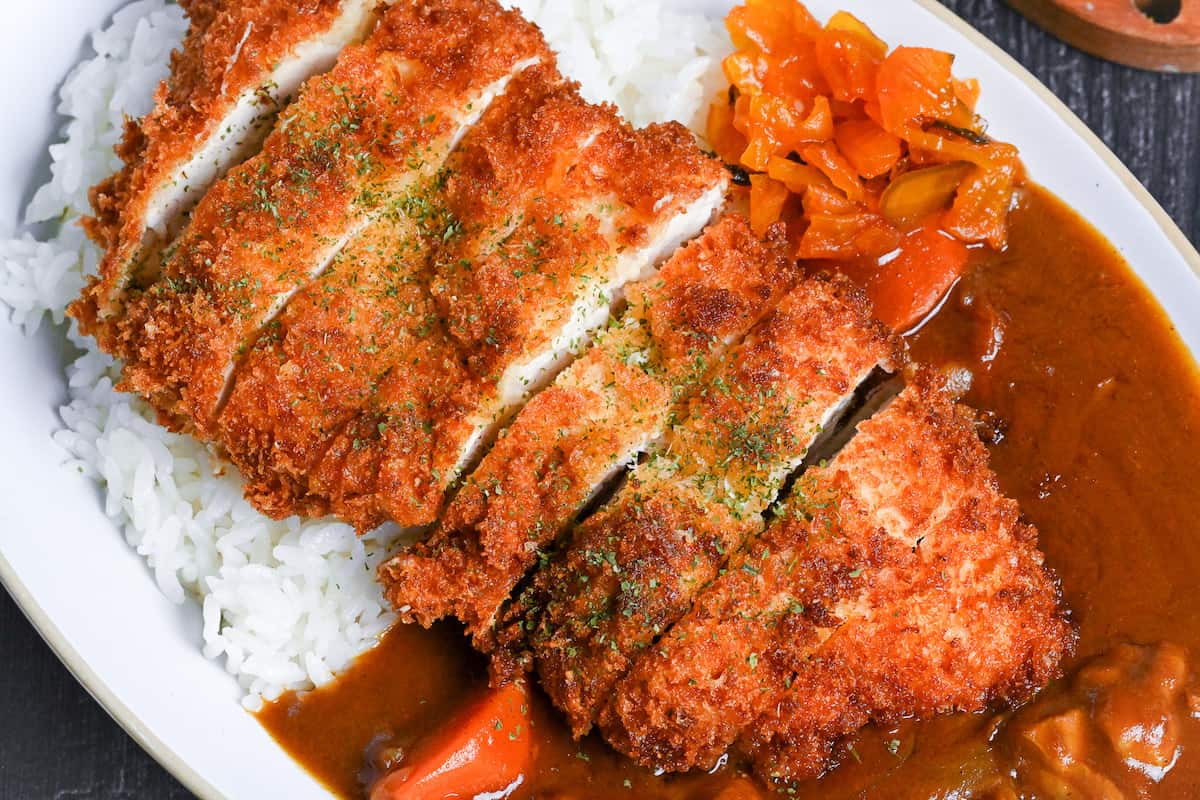
This is the version I started making after living in England, where chicken katsu curry shows up far more often than the pork tonkatsu variation that anchors curry shops in Japan. I fry the breast cutlet separately so the panko-parmesan crust stays glassy crisp instead of soaking into the gravy beneath.
The curry itself is light enough that you can build it from my homemade roux or the store-bought curry blocks I grew up with. Slice into the cutlet first so it stays crisp for the next bite.
2. Oven-Baked Chicken Katsu

Featured Comment
This worked perfectly for me! Thank you so much for this recipe, I love tonkatsu but deepfrying is such a hassle for me sometimes, I will absolutely be making this more!
★★★★★
– TK
I worked on this one until I could honestly say the oven version held up next to the deep-fried original. The trick that made the difference is mayo in the batter, which carries fat into the coating without the splatter or smell of a hot oil pot.
I also toast the panko in a dry pan before it touches the chicken, so the crust comes out the color you actually want instead of pale and dusty. Skip ahead to my homemade sesame katsu sauce here. It is the part you might not expect from a baked recipe.

3. Japanese Chicken Salad
Featured Comment
Perfect, fast & fail proof. Amazing turnout. Juicy, tender, delicious. 5-star.
★★★★★
– Isa
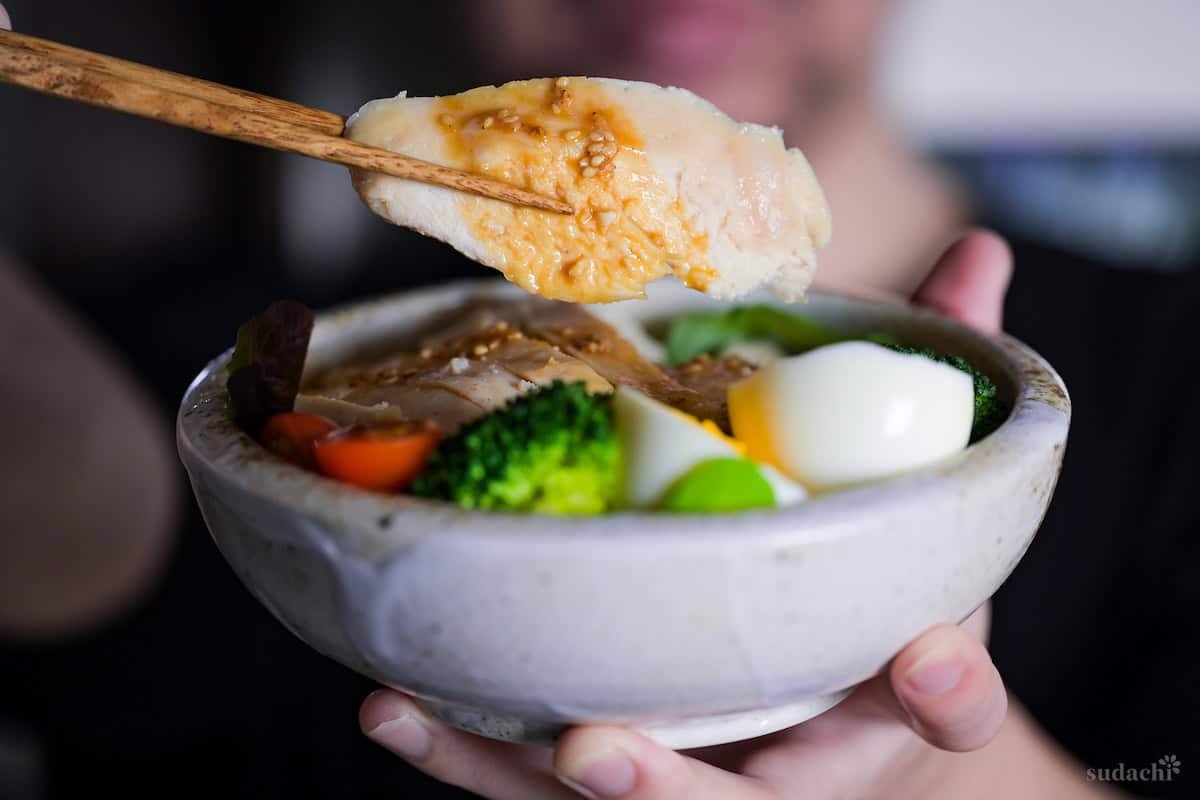
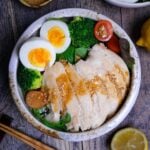
This is the recipe I make so often that I have lost count of the batches. The chicken cooks in the microwave with a thin cornstarch coat, which traps moisture during heating and means the slices stay juicy even on day three out of the fridge.
The dressing is where I push it further than the bottled stuff on the supermarket shelf. I save the poaching juice from the chicken and stir it directly into the wafu base, so the dressing tastes like the chicken instead of sitting around it. That juice swap is the part worth seeing.
4. Chicken Nanban

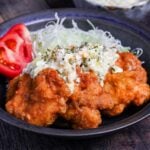
I learned of chicken nanban from Miyazaki, where the thermal shock is the actual point: hot chicken hitting the cool, vinegar-bright sauce, with steam pulling that liquid into every air pocket of the egg coating. I keep that timing strict, around 10 to 20 seconds in the bath, and I never reach for breadcrumbs here.
The breast cooks twice, once at 170°C to set the egg crust and again at 180°C to crisp it, which sounds fussy until you taste why it matters. Tartar sauce lands after the dip, not before, and the precise moment it goes on is the part I time to the second in the recipe.
5. Chilled Chicken and Citrus Somen Noodle Soup
Featured Comment
Made this tonight and was shocked at how good at was, especially your method for poaching chicken in the microwave. Great stuff!
★★★★★
– jaedoe
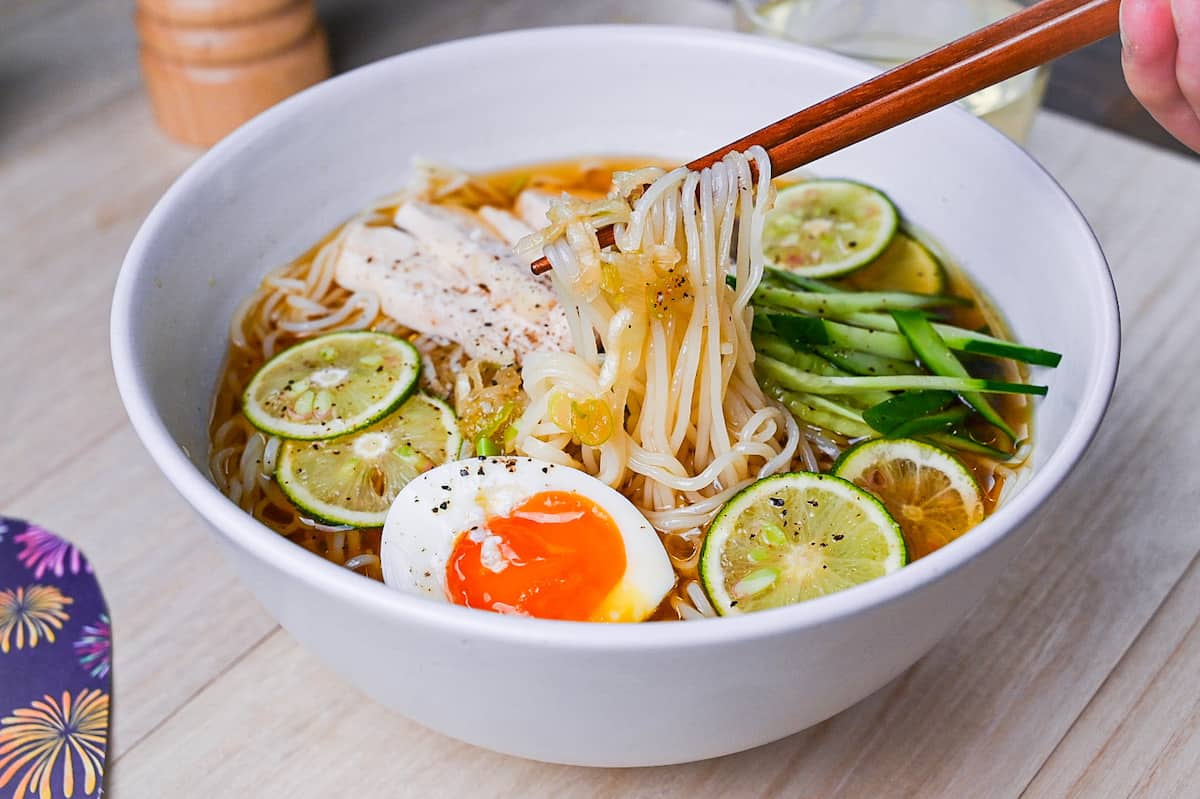
This is what I cook on hot Japanese summer afternoons when even running broth feels heavy. I poach the breast in the microwave the same way I do for salad chicken, with a thin cornstarch coat and a 10-minute steam rest after, so the meat stays cool and silky once it lands in the chilled bowl.
The broth itself takes the chicken’s poaching juice as a shortcut to depth, and I squeeze fresh citrus into each bowl right before serving for a brighter top note. The smell when the citrus oil meets the cold broth is the reason this lives on summer rotation.
6. Tori Chili

Featured Comment
Thank you for this great recipe. Tender chicken with the perfect balance of spiciness and sweetness. We love it and will definitely cook it again!
★★★★★
– Michaela
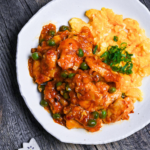
I built this version of tori chili from the ground up rather than swapping chicken into my ebi chili sauce. The seasoning that frames shrimp does not frame breast, so I shifted the heat and sweetness, and I marinate the breast in egg white first to keep the texture soft and almost velvety after the wok.
The other half of this dish that surprises people is the scrambled egg base I serve it on, which sponges the sauce into something much richer than rice alone. The egg base is only half the story. The other half is the moment I add the sauce, which I rebuilt 3 times before it landed where I wanted it.
7. Chicken Tempura (Toriten)

Toriten is Oita Prefecture’s tempura answer to karaage, and it is only authentic Japanese tempura I know that was engineered around chicken breast specifically. The batter has to stay ice cold and barely mixed, because the moment it sees too much stirring, the gluten tightens and the coating turns chewy instead of paper-crisp.
I marinate the breast in soy, ginger, garlic, and sesame for 30 minutes, no longer, so the meat picks up flavor without breaking down. Try this with the citrus-soy dipping sauce I make for it. That brightness is what makes the lean cut sing instead of fade
8. Chicken Breast Karaage with Lemon

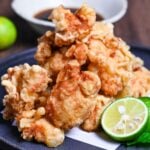
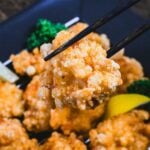
I built this recipe specifically to answer one question: can chicken breast karaage actually match the thigh version that anchors every karaage menu in Japan? The answer turned out to be yes, but only with a double fry at two different temperatures and a starch coat infused with fresh lemon juice and zest.
The lemon hailstone coating is the part I am most proud of. The lemon hits the starch and forms tiny glassy crystals that crackle apart when you bite, and the citrus oil cuts through the leanness without leaving the breast soft or wet. Try this when you have a freezer of bulk-buy breast and no thigh in the house.
9. Omurice (Japanese Omelette Rice)
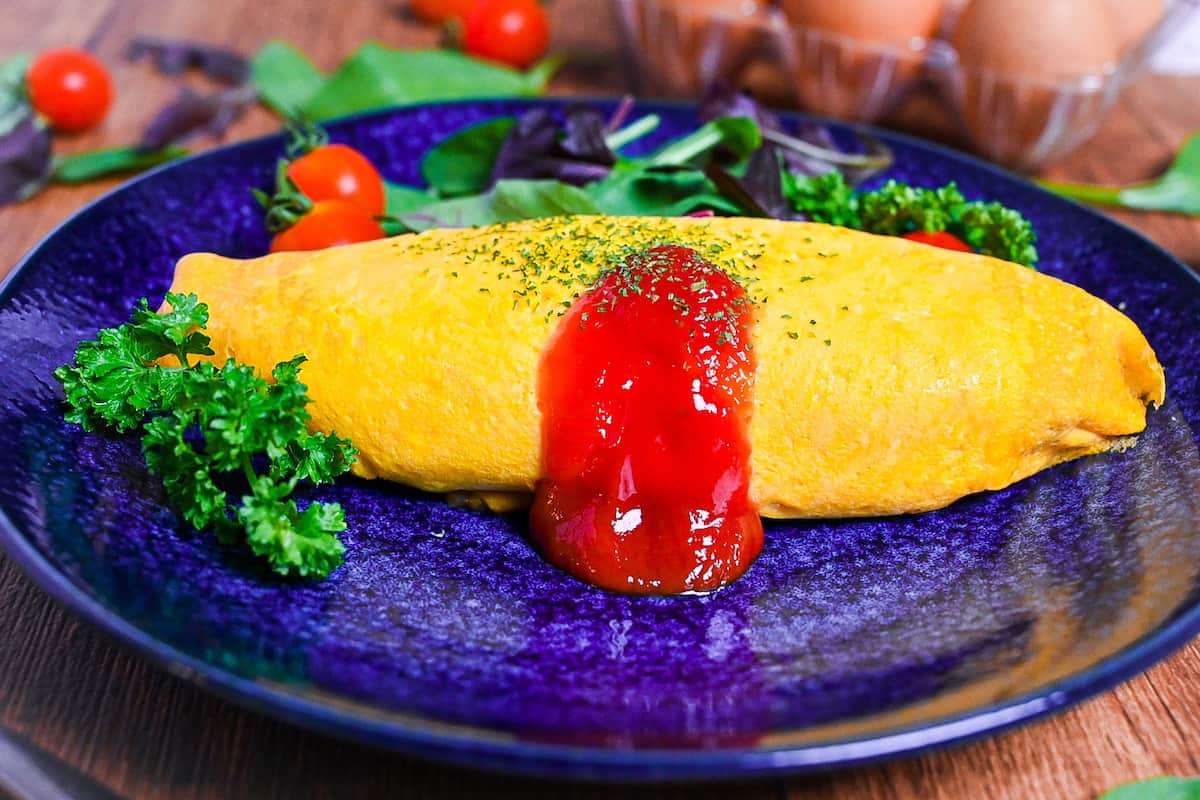
Omurice always looks impossible the first few times you try it, and I built this recipe specifically for the cooks who have given up on the fold. A 20cm cast-iron pan and an egg run through fine mesh do most of the work for you, so the omelet stays smooth and slides off cleanly without any pan-flipping flourish.
I treat the ketchup rice underneath as the star, not the egg, and the chicken breast goes in small enough to absorb every bit of the sauce. Tighten the omelet down with a tea towel after plating. The bigger trick is the pan temperature I land on before the egg ever touches the surface.
10. Osaka-Style Kushiage
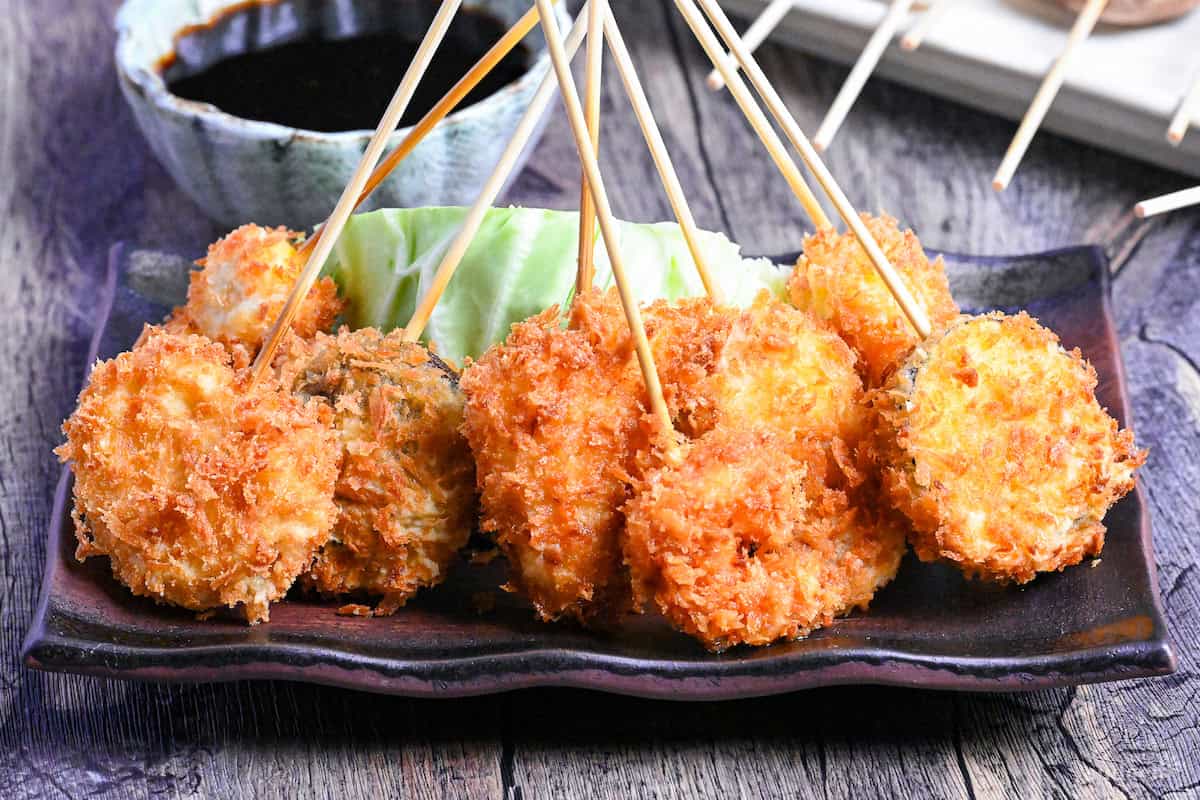
A handful of people, a fryer in the middle of the table, everyone reaching past each other for the next skewer. That is what kushiage looks like in my house, and the rule is simple: each guest batters, breads, and fries at their own pace.
Chicken breast skewers slot into the lineup right next to lotus root, quail egg, cheese, and whatever vegetables I have on hand. The Osaka-style dipping sauce I make from Worcestershire, dashi, and wine is what holds all of those flavors together, and that sauce alone is reason enough to bookmark this one.

Leave a rating and a comment