

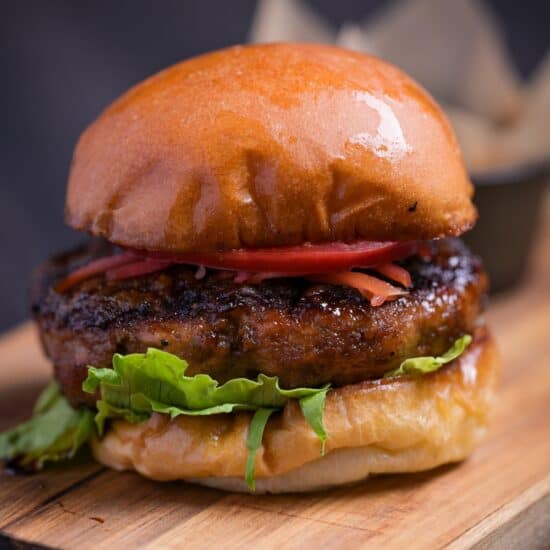


Featured Comment
I got super excited about it when you first posted it and literally made it just a couple days after I saw it. It was absolutely delicious! We had more than we intended, because it was too addicting, and even after learning about the calories (which was to be expected), we didn’t have any regrets whatsoever. It was a real treat. Thank you!
★★★★★
– Marina
This is the #1 recipe I built this year. A teriyaki burger, but I tore it down and rebuilt it from the patty up. Pork, not beef. Miso in the bind. Benishōga instead of regular pickles. A glaze I rewrote from scratch, because the standard one does not work on a bun.
This started from one line my wife dropped on me: “Can you turn that teriyaki meatball thing into a burger?” A one-on-one stack of Japanese elements that have no business working together, and yet do. You will not see this burger anywhere else.
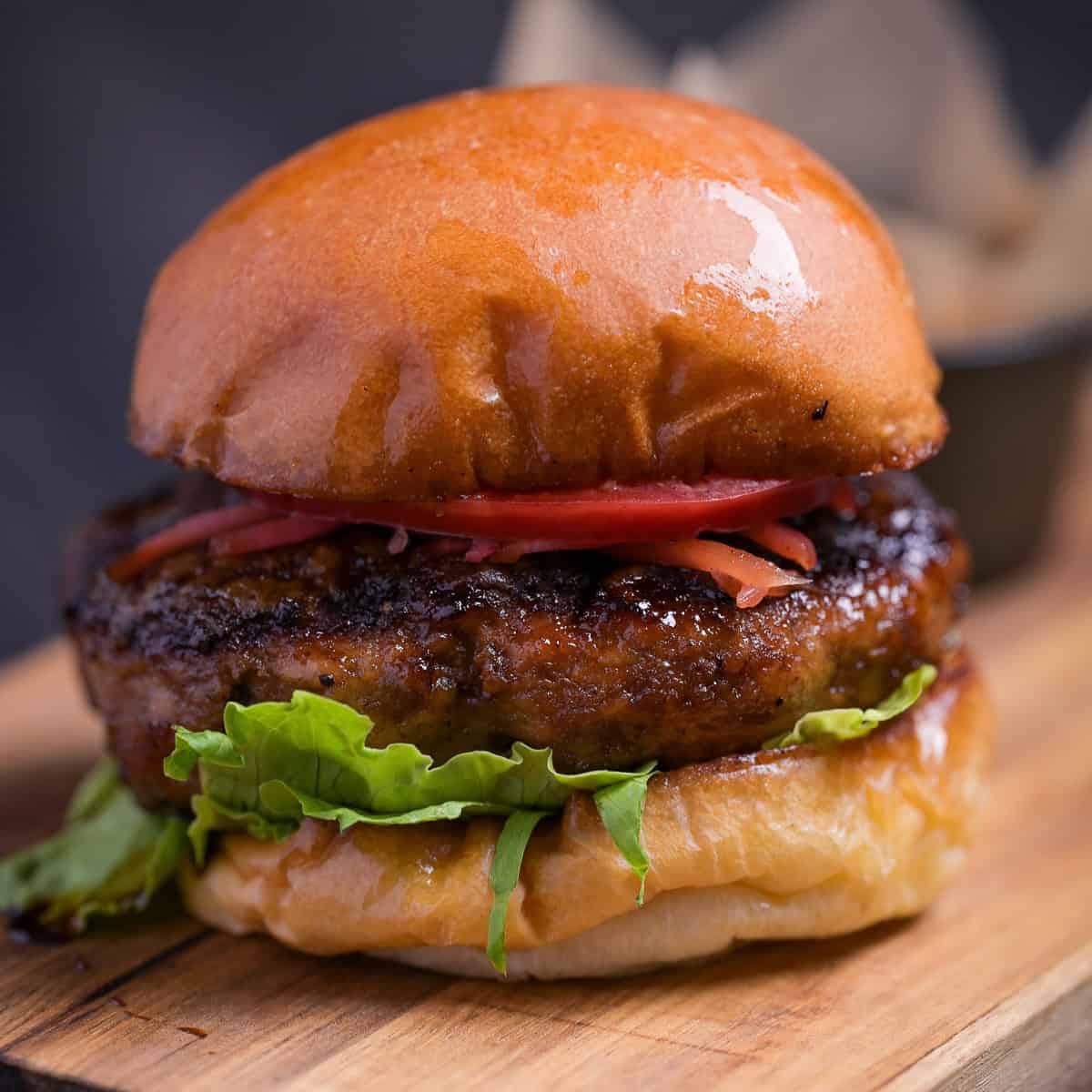
Teriyaki Burgers
Recipe Snapshot
- What is it? A Japanese-style teriyaki burger built on a ground pork patty, bound with miso and finished with a teriyaki glaze rebuilt for burger duty.
- Flavor profile: Sweet and glossy up top, with salt, ginger warmth, and a pickled pink bite from beni shōga cutting through the pork fat underneath.
- Why you will love this recipe: It is the Japanese version. Miso works hidden in the bind, the glaze is rewritten for the bun, and the fat-toasted bun is the kind of indulgence you do not quite want to admit to.
- Must-haves: Ground pork with real fat running through it, starch for the bind and the glaze grip, and a bun sturdy enough to survive a minute of toasting in pork fat.
- Skill level: Medium. Straightforward stovetop work, but the patty bind, the starch dust, and the glaze reduction each reward a home cook willing to slow down for three small moves.
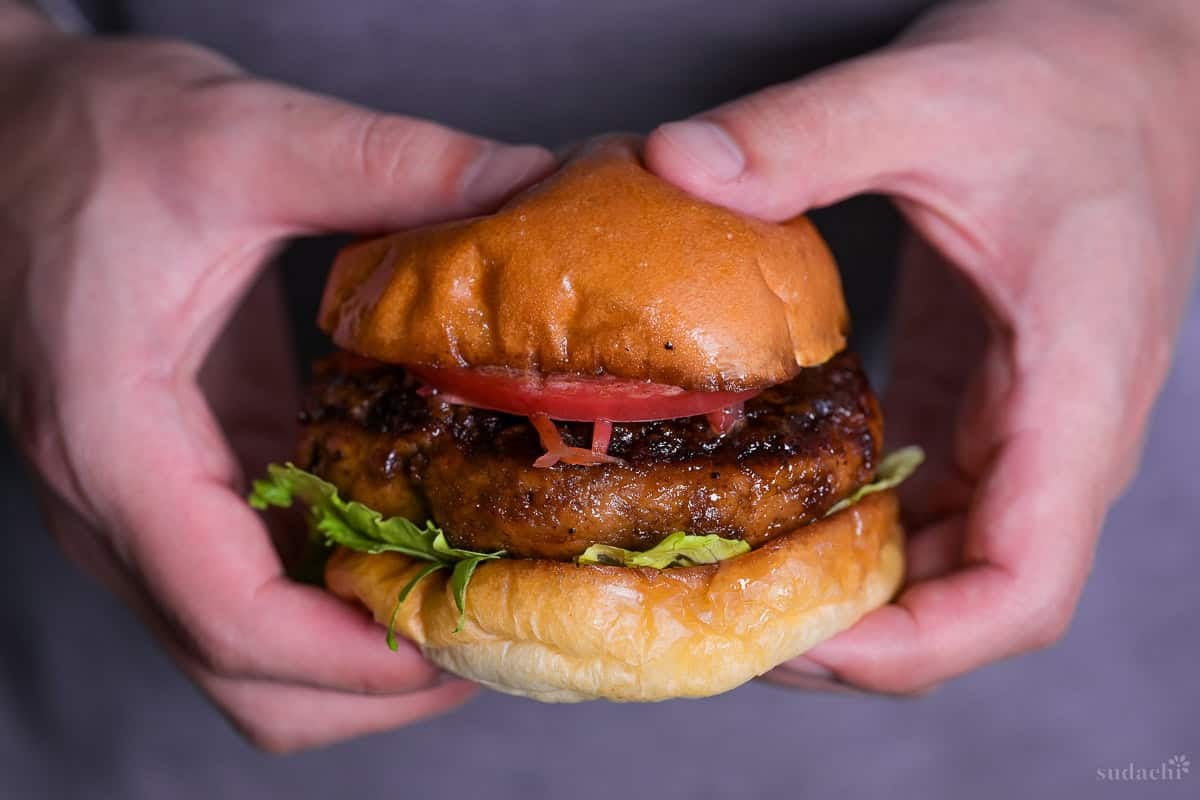
What Is a Teriyaki Burger?
A teriyaki burger (照り焼きバーガー), in Japan, is a patty served on a soft bun with a sweet soy-based teriyaki sauce, lettuce, and mayonnaise. Mos Burger launched the first one in 1973, and the other big chains followed. The meat is not fixed. Mos and Lotteria use beef, and McDonald’s Japan uses pork.
Say the word in Japan and a specific picture lands: patty, glossy glaze, lettuce, mayo. No pineapple, no garlic-ginger punch, no bottled drizzle. That sweet pineapple version that Americans might be familiar with came out of Japanese immigrants in Hawaii, and it took a separate road. In my version, pork fits the glaze better than beef. I build the glaze from soy, mirin, sake, and honey and reduce it against the patty in the pan so it clings.
Teriyaki Burgers Ingredients
What You’ll Need for Teriyaki Burgers
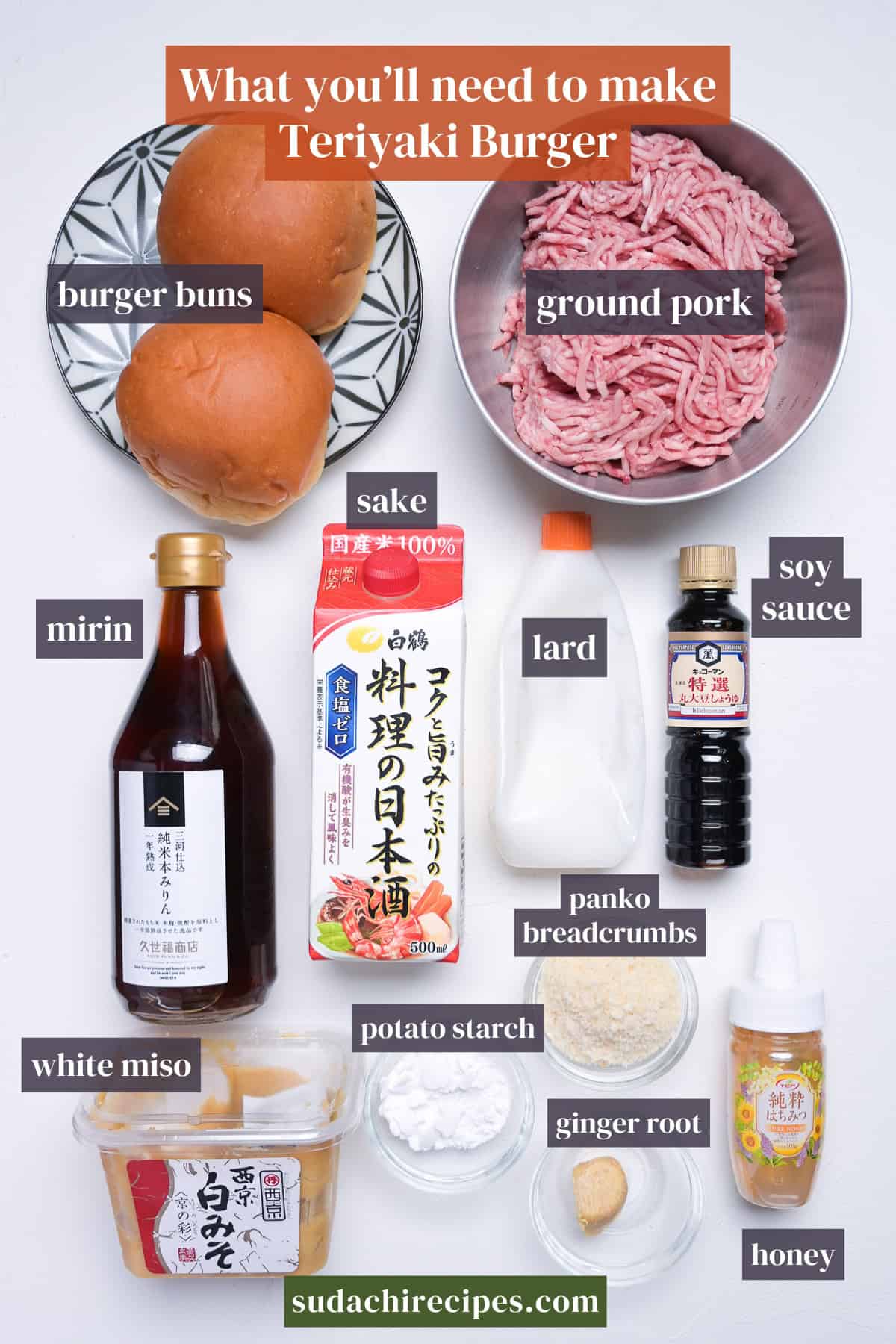
- Ground pork: What you want is ground pork with real fat running through it, the kind that leaves a smear on your fingers when you pinch the meat. If your pork comes back lean, that is fine, we fix it with lard later. You can source it at any butcher counter, and if your grocer only has ground pork labeled “lean,” ask if they have the 80/20 or 70/30 cut in the back.
- Burger buns: I live in Japan, so my bun options are limited, but you probably have way better choices than I do. Whatever bun you already love is the right answer. Soft potato, brioche, sesame-topped, whatever. The one thing I will ask is that it can take a minute in the fat of the pork patty without falling apart.
- Shiro miso (white miso): Call it the hidden umami engine. It pushes the flavor one more notch toward Japan from the background, quietly, while the teriyaki glaze does the loud work on top. One teaspoon, kneaded into the patty. You will not taste miso when you bite in, which is the whole point.
Burger Fillings I Used
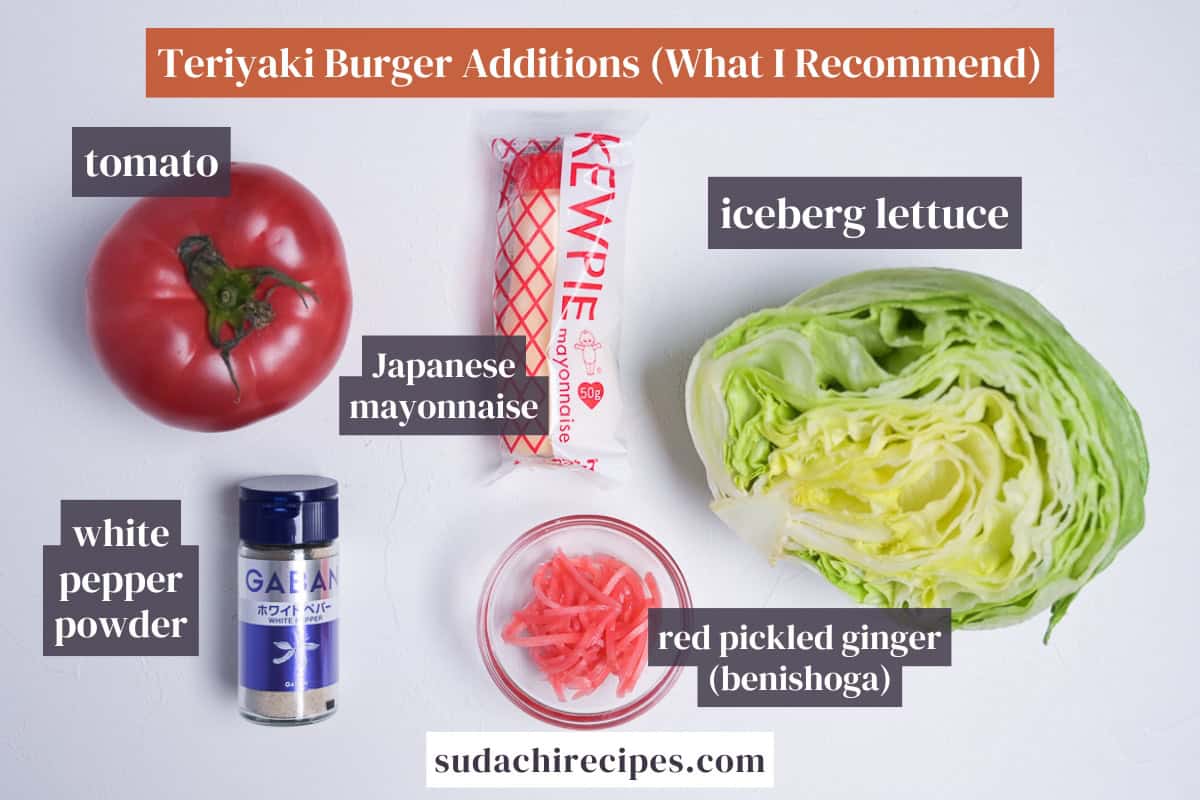
- Benishōga (red pickled ginger): This is the heart of how I top my burger. It slices through the richness with a sharp, clean acidity, and the color is gorgeous on top of the glaze. You can find it in the Japanese section of any Asian grocer. It keeps in the fridge for weeks, and once it is in your rotation you will find yourself reaching for it on gyudon, yakisoba, chahan, and a dozen other things.
- Other vegetables: Everything else is easy to source, so no drama there. Iceberg lettuce, a slice of tomato, the usual crew. If I had to add one move: slip in a single layer of sliced avocado. It is delicious, and the creaminess against the crackly glaze is one of those combinations you do not see coming until your second bite.
Substitutions and Variations
As you know, a burger is a personal thing, and most pantries bend in some places and break in others. Here is what you can swap without losing the recipe, and what I would rather you kept as-is.
Substitutions:
- Ground pork → Ground chicken thigh (with skin): The one swap I will sign off on without asking questions. Ask the butcher to grind thigh with the skin in for fat. Breast alone turns out dry. A lighter burger, but it lands.
- Ground pork → Majority-pork-and-beef blend: If you really want to add beef, pork stays more than fifty-fifty. Anything less and the burger stops being this burger.
- White miso → Awase (yellow) miso: The regular mixed miso works. You lose about twenty percent of the “hidden” quality because awase is a touch saltier and earthier, but the bind and the umami engine still run. Red miso alone overpowers the glaze off the stage, so if that’s all you have I would skip it.
- Benishōga → Pickled gherkins or any other pickles you can find: Even if you can’t get benishoga, you can still make this burger. You can simply use any pickles you would usually use as a burger topping.
Have trouble finding Japanese ingredients? Check out my ultimate guide to Japanese ingredient substitutes!
Variations:
- Avocado under the patty: Slip a thin layer of sliced avocado between the lettuce and the patty. The creaminess against the teriyaki glaze is one of those combinations you do not see coming until the second bite.
- Karashi or Dijon in the mayo: Stir a tiny smear into the mayo before you swipe the top bun. It pushes the richness counterpoint one step without throwing the balance.
- Cheese on the patty: Lay a thin slice of mild melting cheese on the patty for the last thirty seconds of glazing. Sharp or aged cheeses fight the glaze.
- Cabbage for lettuce: Shredded cabbage stands in for iceberg if that is what you have. Skip butter lettuce, the leaves are too soft to hold the juice back from the bottom bun.
How to Make My Teriyaki Burgers
If you prefer to watch the process in action, check out my video of this teriyaki burger recipe!
Before you start (Mise en place):
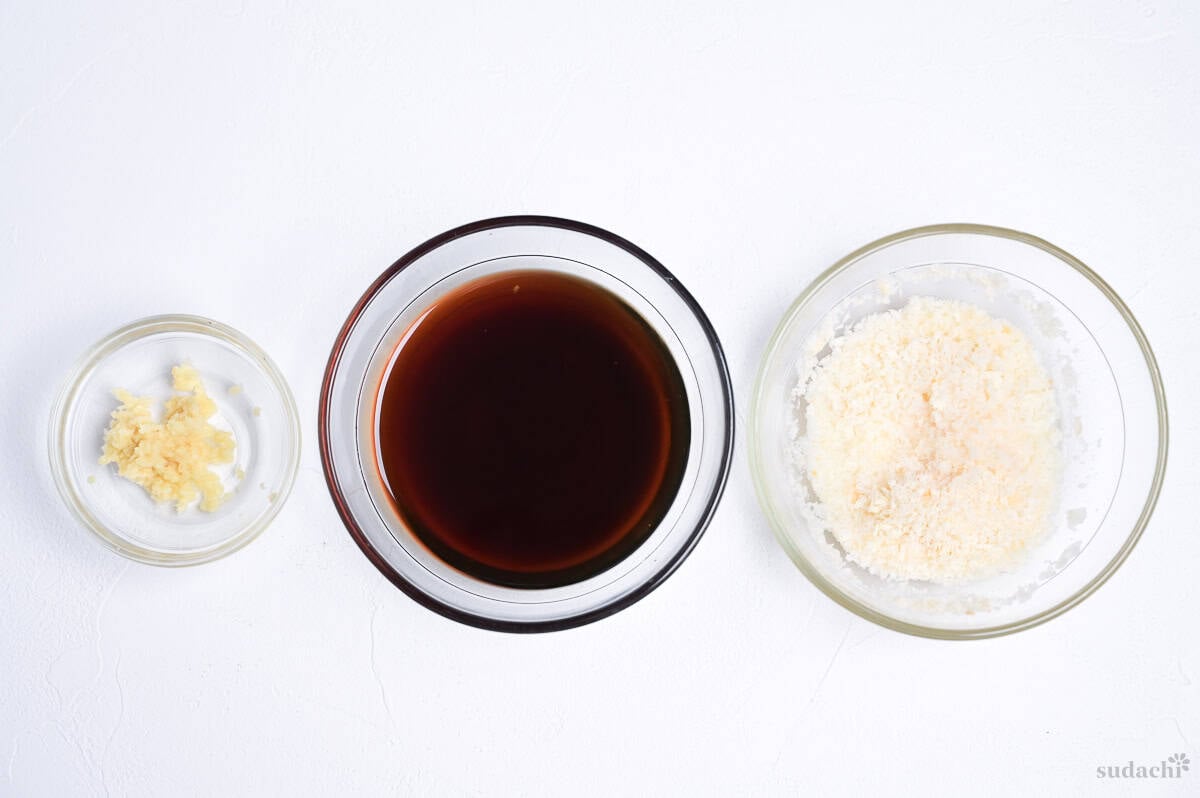
- Combine panko breadcrumbs and sake in a small bowl. Stir and let it sit for a few minutes until the panko softens. We are building the panade with sake all the way through. Not water. Not milk. Sake today.
- Grate the ginger on the finest grater you own.
- Combine all the teriyaki glaze ingredients (soy sauce, sake, mirin, honey) in a bowl and place it next to the stove.
I do not have a backyard or a flat-top griddle at home, so I cooked mine in a stainless steel skillet. Works. Totally works.
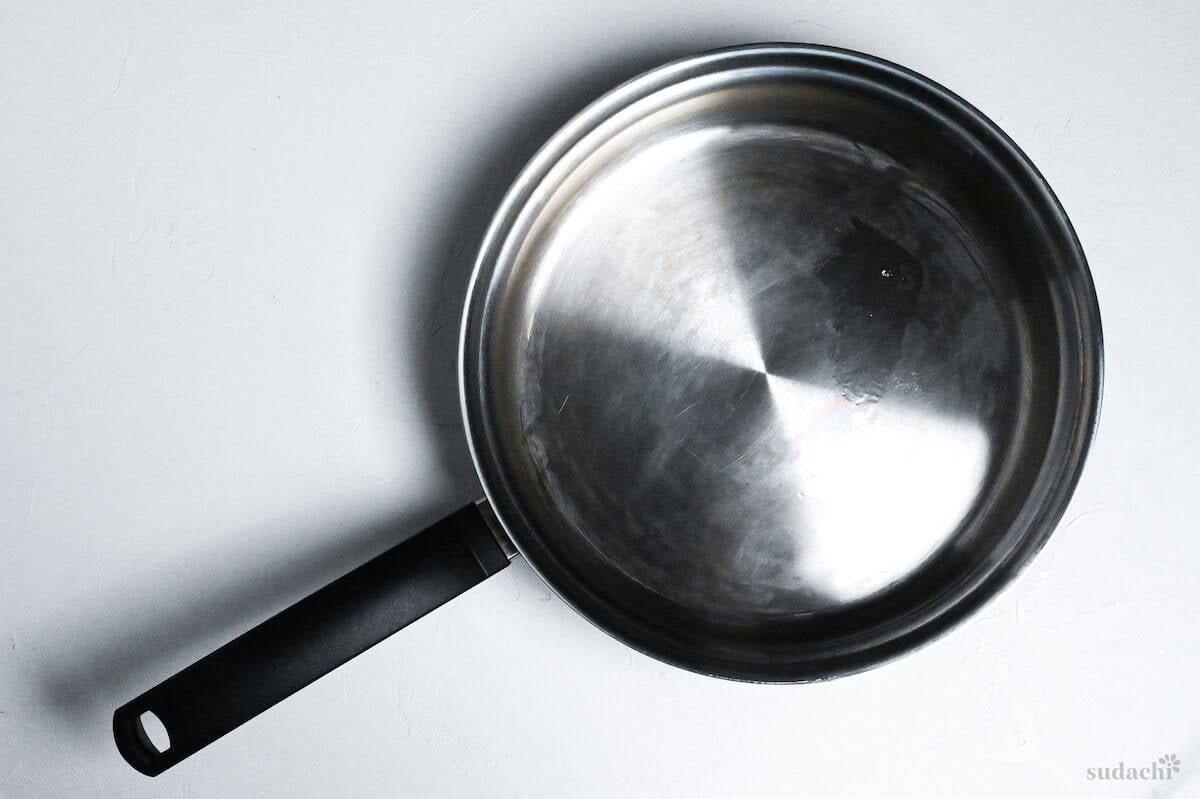
But if you are one of those lucky people with a big house, a backyard BBQ, and a griddle, please, for the sake of this recipe getting the justice it deserves, cook it on that setup. Do it for me.
i. Combine ground pork, salt, and white miso in a bowl. Knead until the meat gets a little tacky and starts grabbing onto itself. You should feel the texture shift under your hand from loose crumble to something that wants to stick.
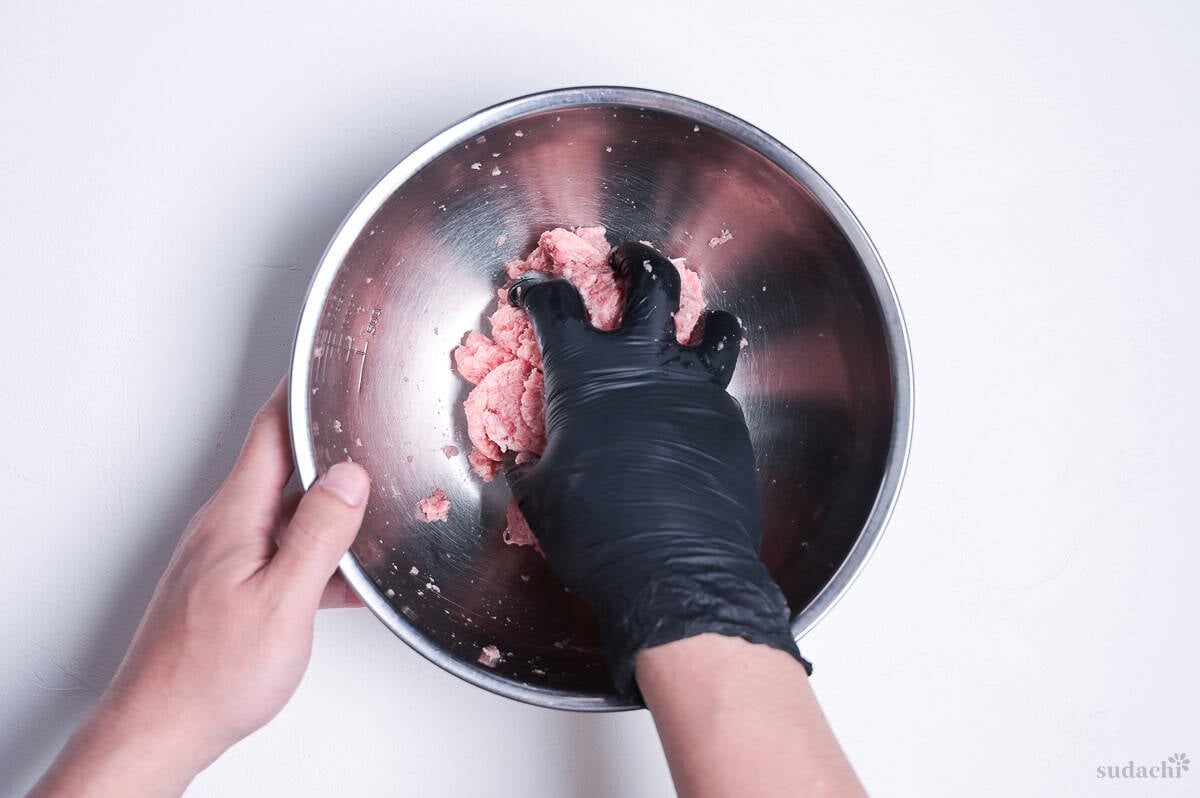
Myosin is the main protein sleeping inside the muscle fibers of your pork. Salt is the alarm clock. The moment salt hits the meat, myosin unpacks itself out of the fibers, and your kneading hand braids those strands into a sticky mesh across the whole patty. That mesh is the net that holds the water and the fat inside when the heat hits the pan. Leave this step out and you get a dry, crumbly patty. You are not binding with starch, you are binding with your own hand and a quarter teaspoon of salt. Worth the three minutes.
ii. Add the soaked panko panade to the meat and knead until the mixture is uniform.
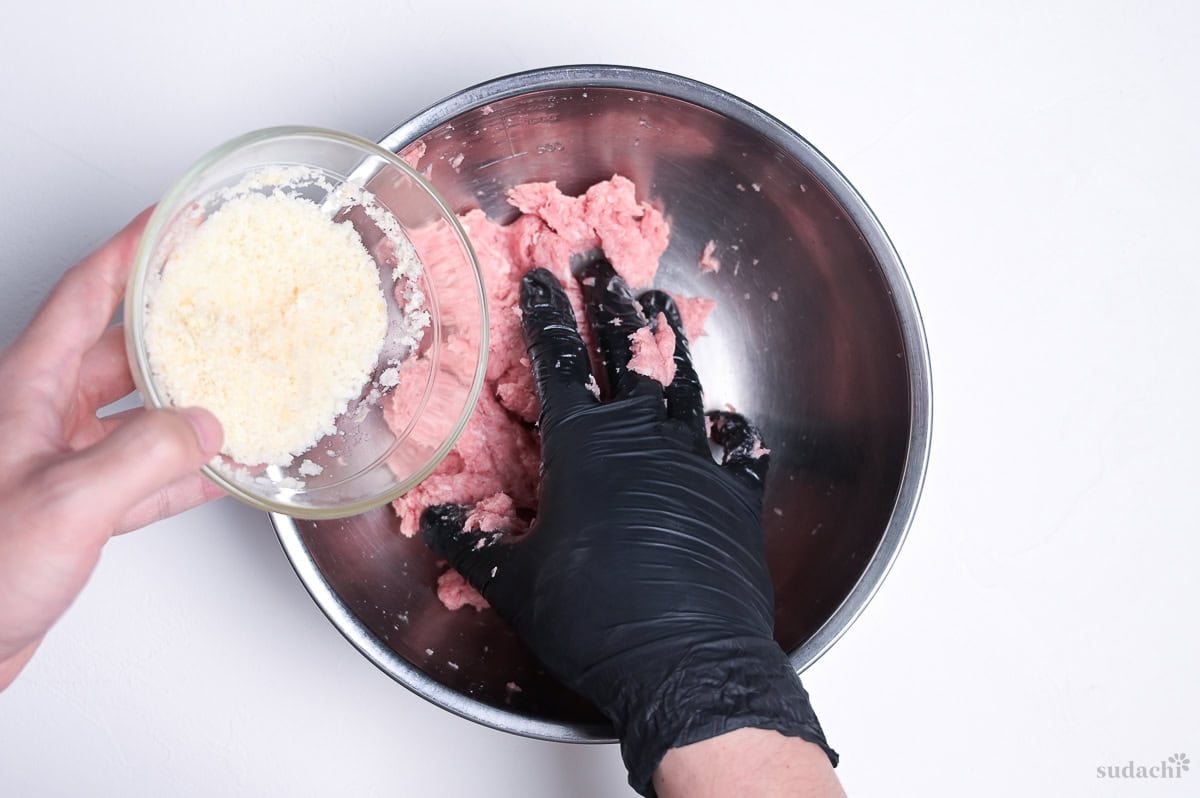
iii. Add the grated ginger and the lard. Knead again until uniform. If you reach in and the mix feels lean and dry, this is the moment to add more lard, not later.
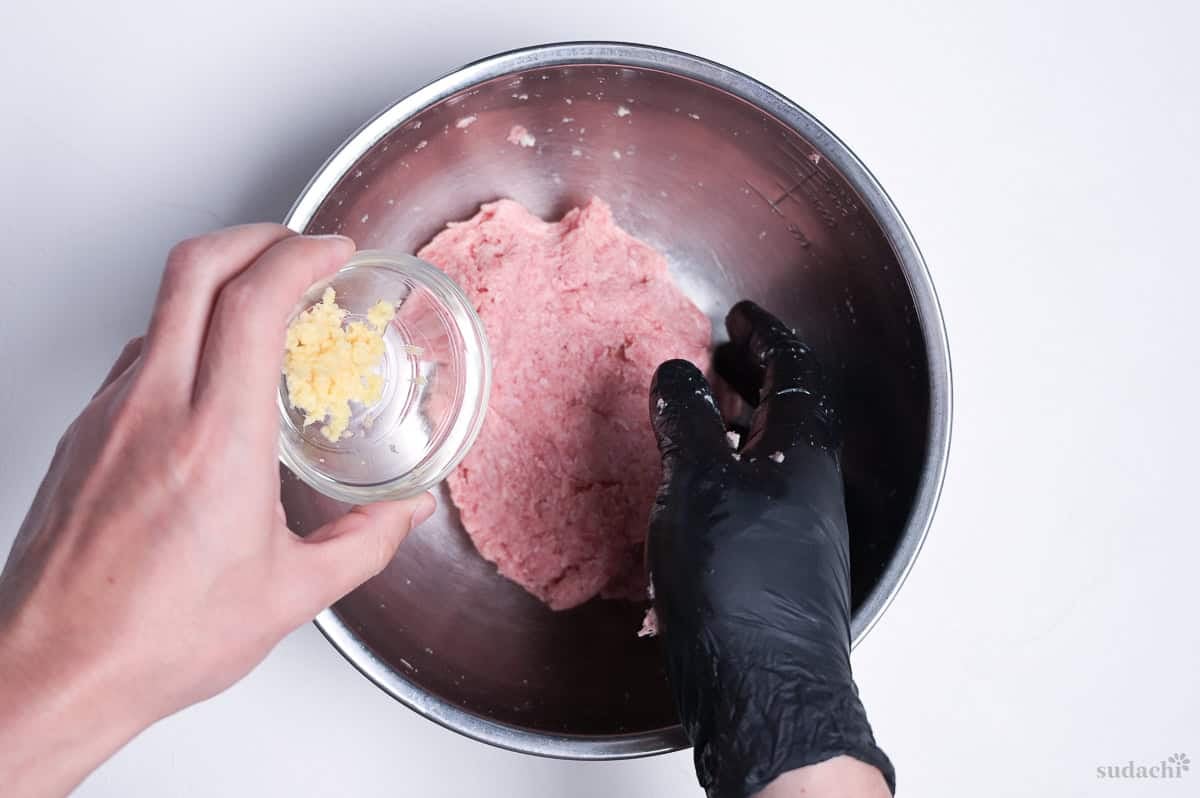
Read the fat level of your ground pork and adjust the lard from there. If your pork came back lean from the butcher, bump up the lard until the mix feels glossy in the bowl, not matte.
Separate note on the beef question: if you really want to put beef in the patty, I will let it slide, only if pork is still the majority, more than fifty-fifty. I built the glaze for pork, and beef swings the flavor a different direction.
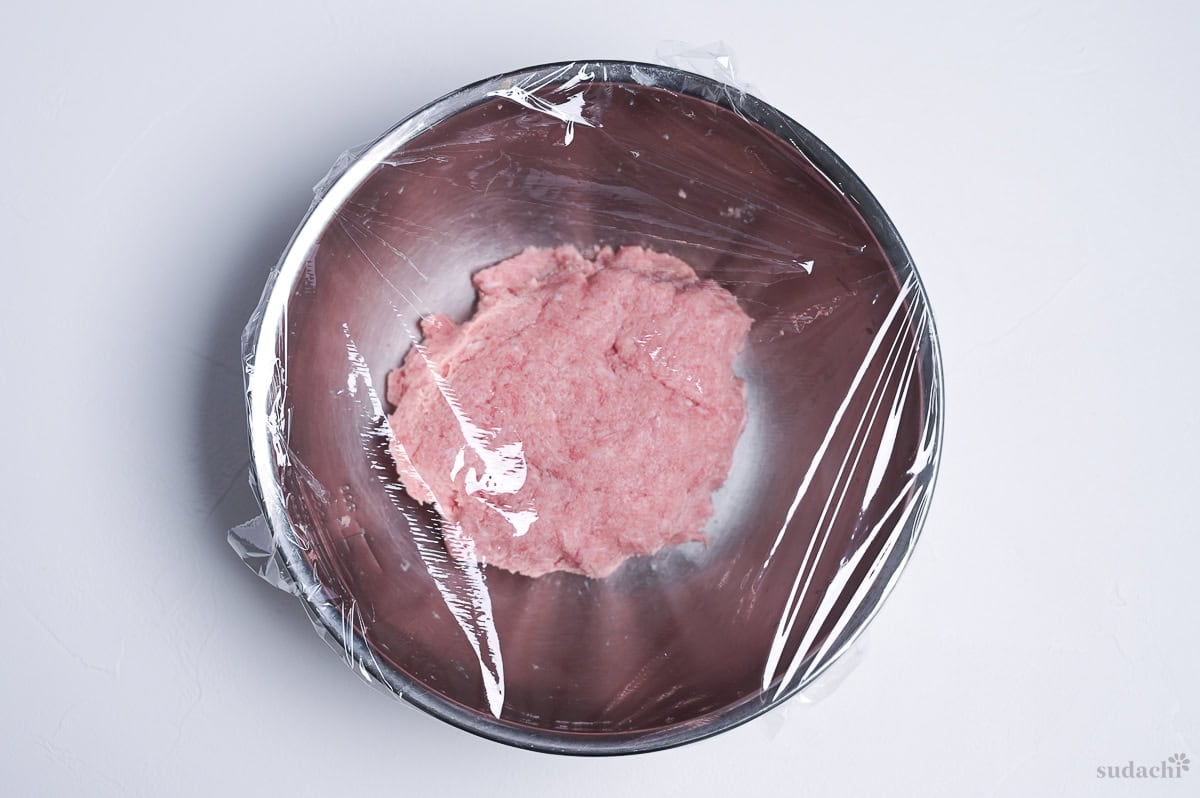
iv. Cover the bowl and rest the mixture in the fridge for 30 minutes. The mesh sets in the cold. Do not rush past the rest.
i. Pull the bowl out of the fridge. Rub a thin film of neutral oil on your palms so the mixture does not stick. Divide the mix in half. Toss each portion back and forth between your palms 5 to 6 times like you are playing catch, which knocks the air pockets out, then close the seams to form each patty.
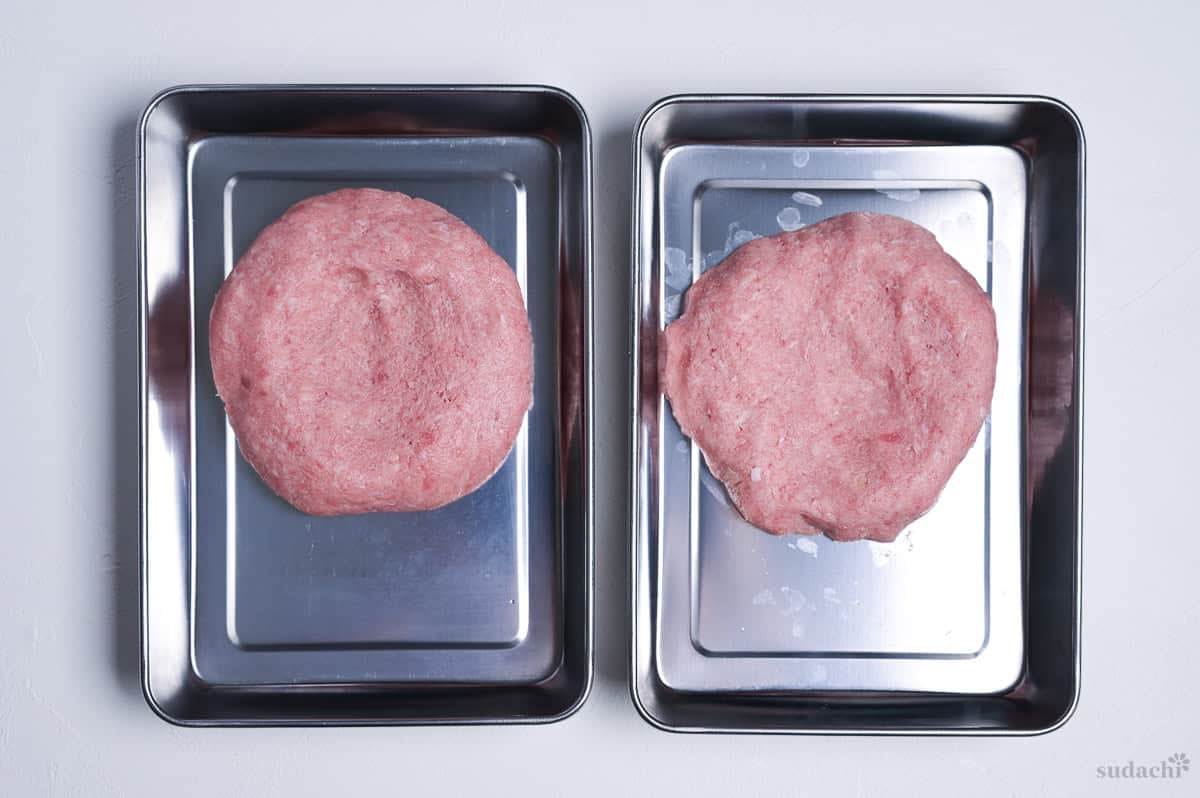
The patty shrinks 10 to 15 percent in diameter during cooking, so shape each one a size wider than your bun, and 1.5 to 2.0 cm (0.6 to 0.8 inch) thick. Press a dimple into the center with your thumb. This stops the patty from doming up in the pan.
If you are shaping these with bare hands, oiling your palms is not optional. Leave the oil off and the mixture turns into a wet mess on your skin in five seconds. You will end up scraping pork off your fingers while the pan gets too hot. Trust me on this one before you learn it the hard way.
ii. Dust both sides of each patty with a thin, even coat of potato starch (or cornstarch). Tap off the excess.
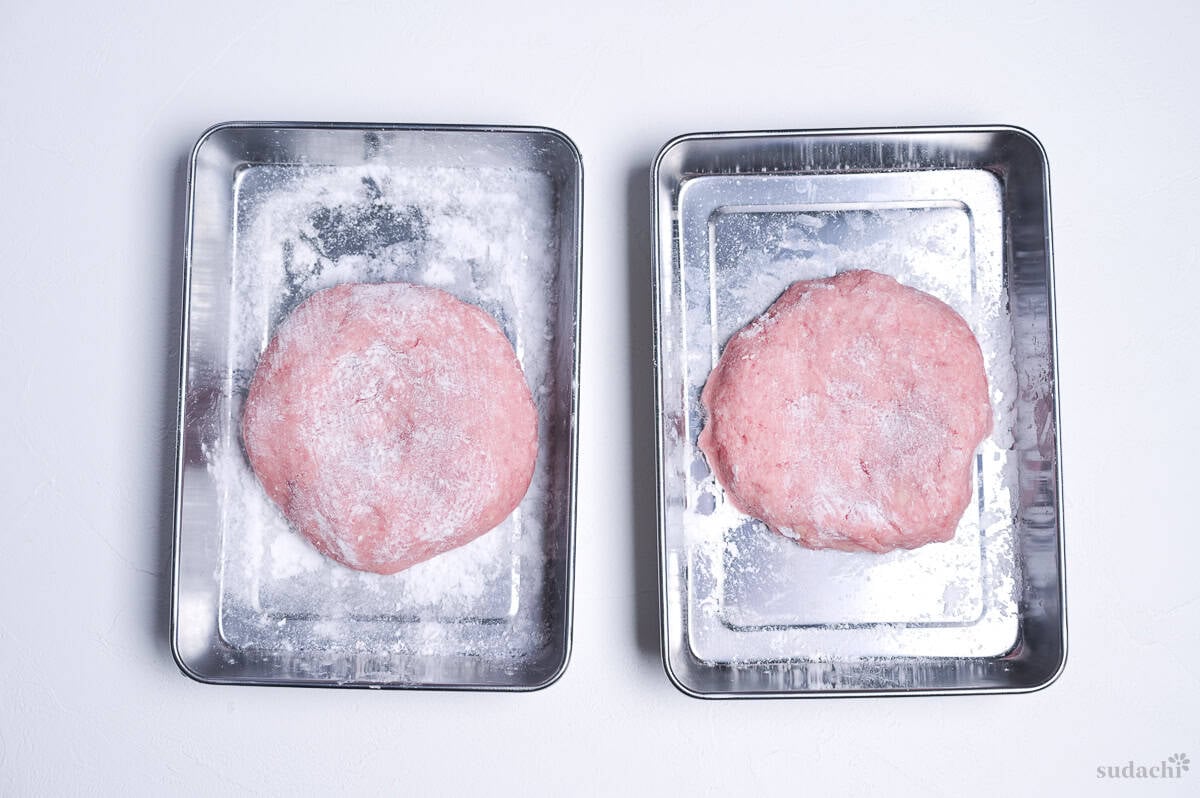
The starch does two jobs:
- It gives you a faint crisp skin when the patty hits hot oil, a thin shell that catches the first bite.
- It acts like a magnet for the glaze. The glaze clings to a dusted patty the way a magnet clings to a fridge door, and it will not slide off halfway through eating.
i. Preheat a large skillet over medium heat and add neutral oil. Once the oil shimmers, lay the patties in the pan with a finger of space between them. Do not move them.
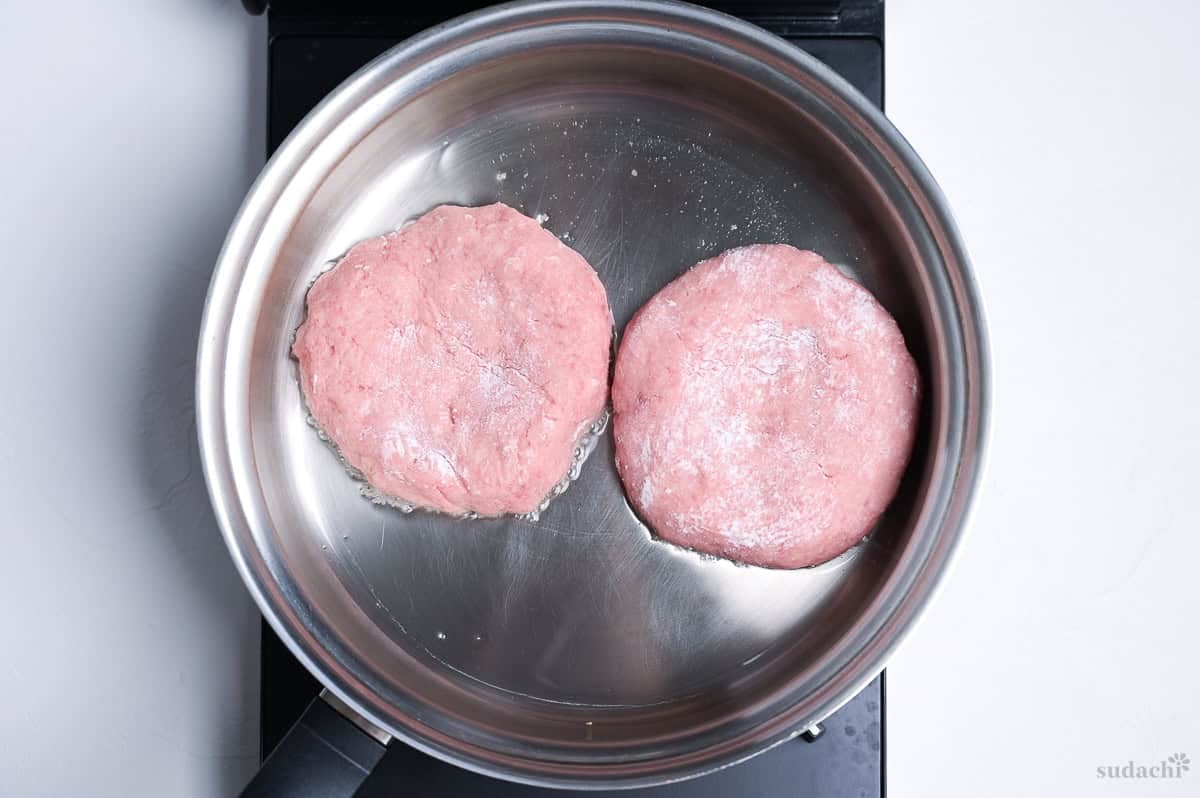
ii. Cook roughly 6 minutes per side, for a total of around 11 to 12.5 minutes. Hold the internal temperature at 75°C (167°F) for 1 minute at the thickest point.
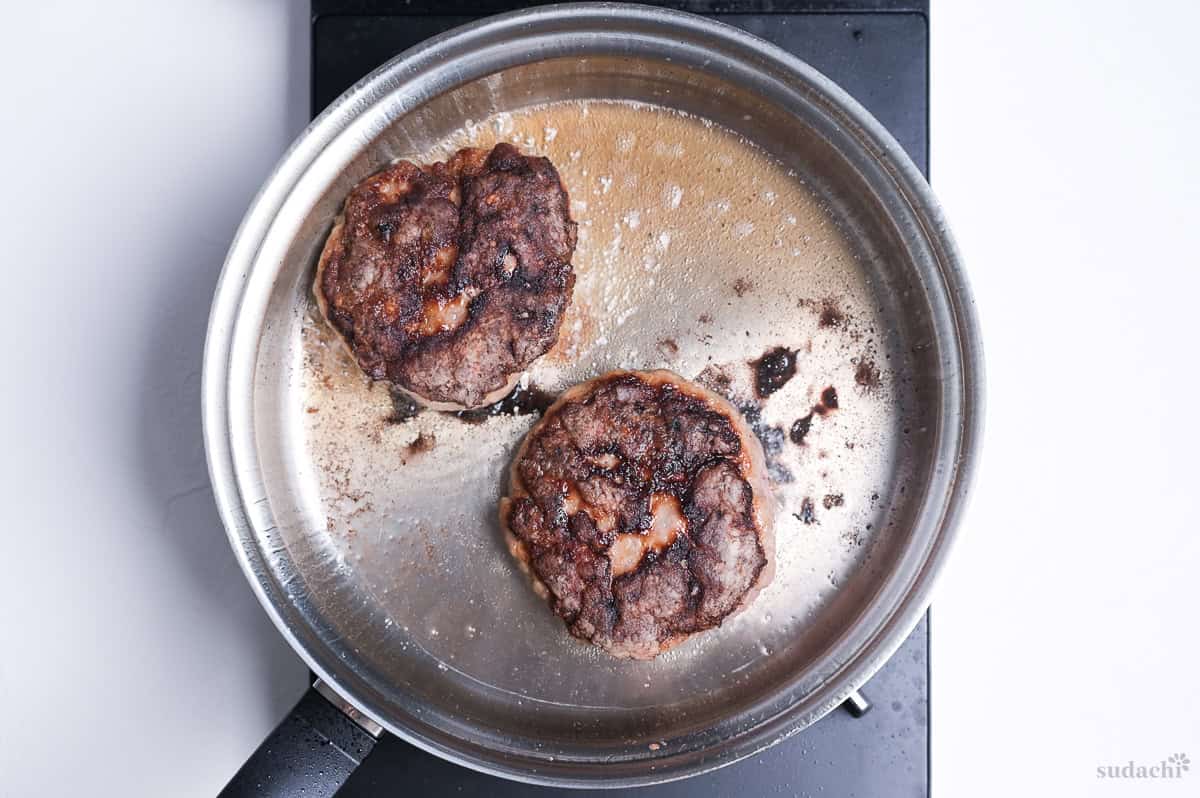
iii. Move the patties to a wire rack to rest.
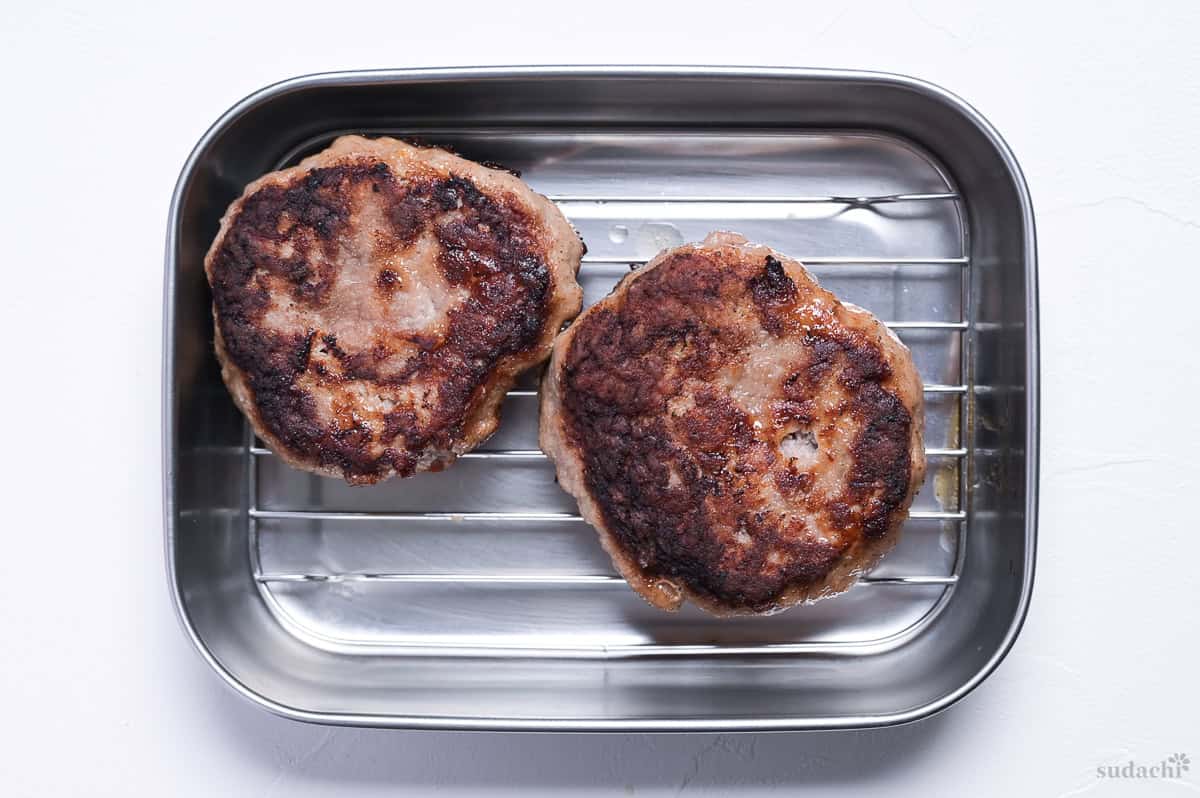
i. In the same skillet, which is now slick with the fat the pork left behind, toast the cut side of the buns just enough to get a little texture and color, then pull them out. Do not walk away from this step. The fat works fast.

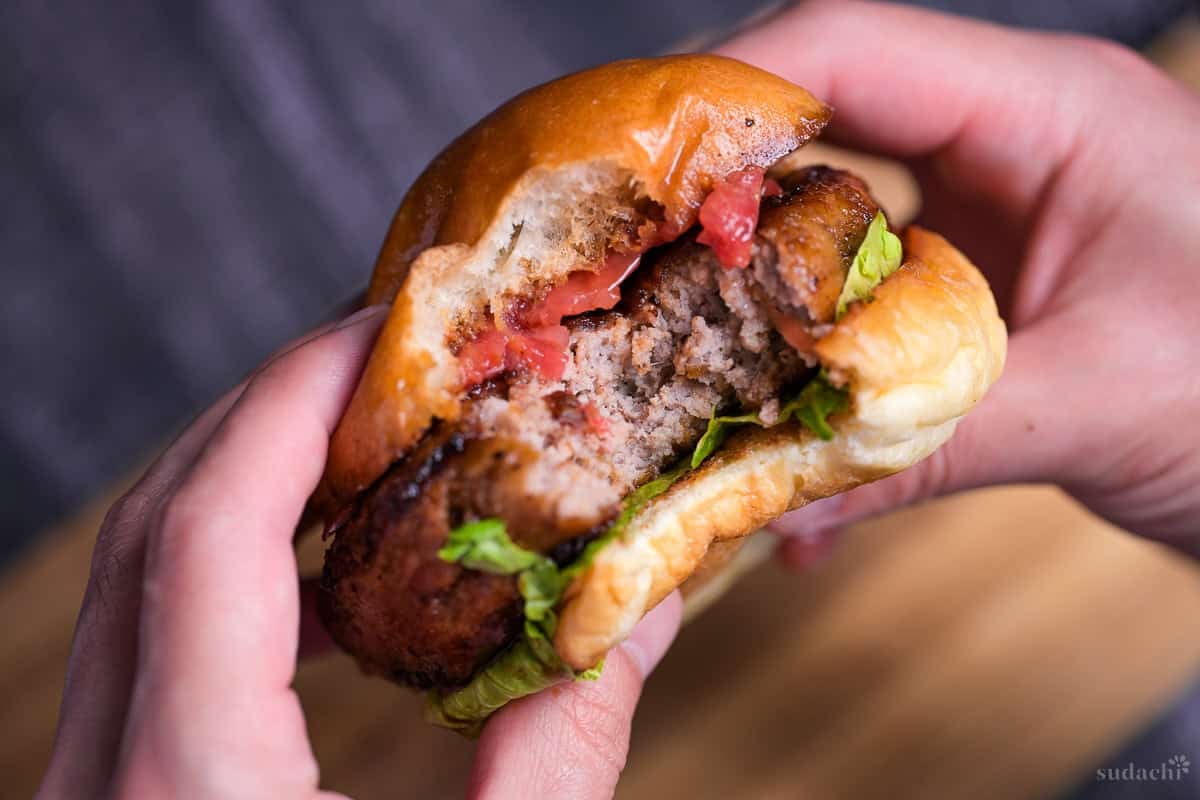
Here is the move that makes this burger the kind of indulgence you do not quite want to admit to. You toast the buns in the fat and juice the pork patties left behind. Yes, it is rich. But it is also top shelf, and one of those textures you cannot get any other way. You can leave it out if you really do not want to do it. Just know you are walking away from about 10 percent of what makes this recipe.
ii. Wipe out the leftover fat in the pan with a paper towel. (Honestly there is almost nothing left to wipe, because the buns drank it all). Turn the heat down one notch, pour in the teriyaki glaze, and scrape up the fond on the bottom of the pan so it melts into the sauce.
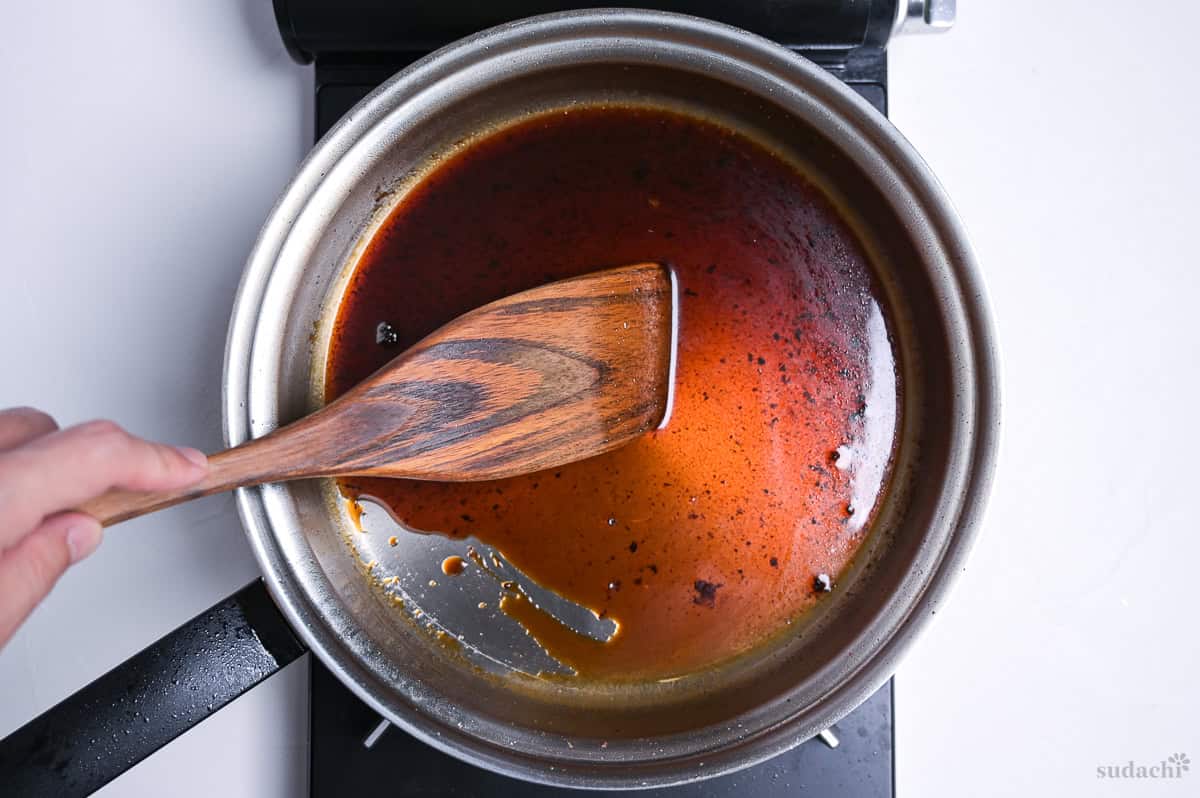
iii. Reduce the sauce until it turns glossy and coats the back of a spoon.
You thought this was the same teriyaki glaze as my other teriyaki recipes? The Japanese golden ratio for teriyaki glaze stays roughly the same across dishes. But on my first test batch here, the standard glaze came in swinging, salt first. Felt like a blade. My gut told me no, this does not land on a burger. A burger sauce needs sweetness out front, and I think you will agree with me once you taste the standard glaze side by side. So this glaze is rebuilt from the ground up for burger duty.
iv. Return the patties to the pan.
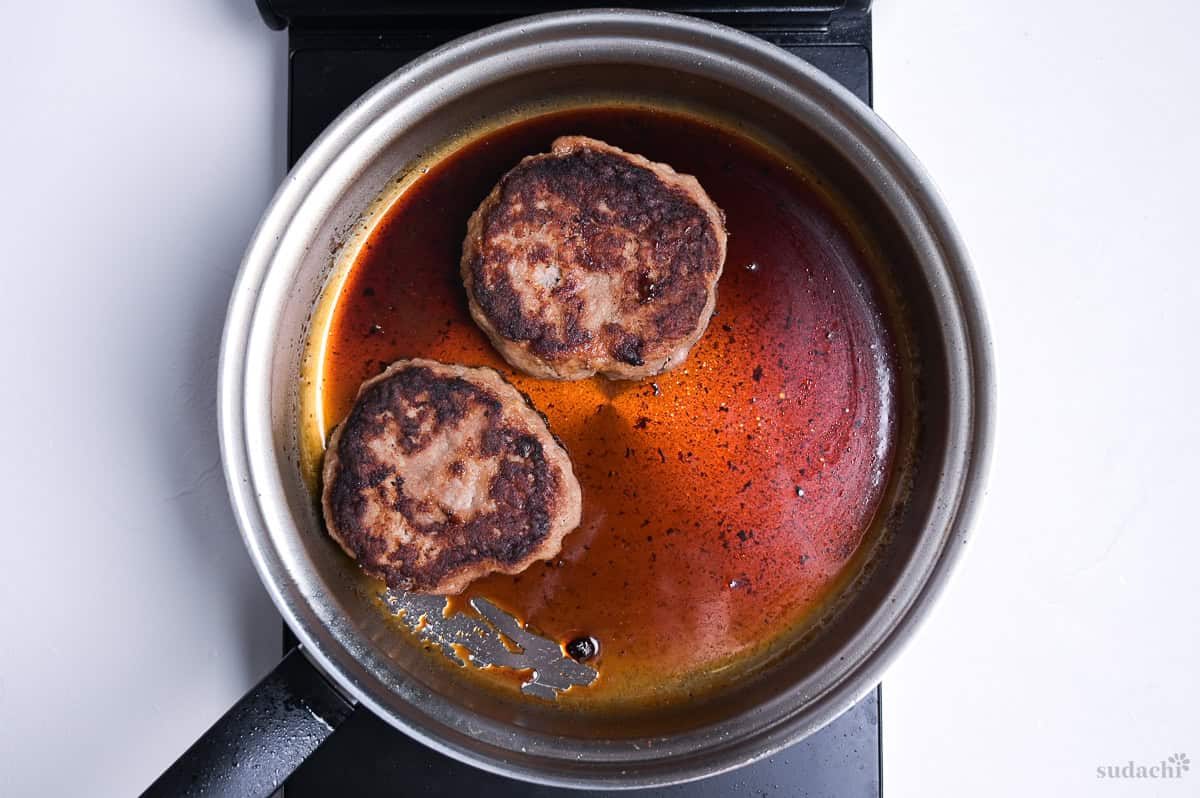
v. Coat them evenly on both sides.
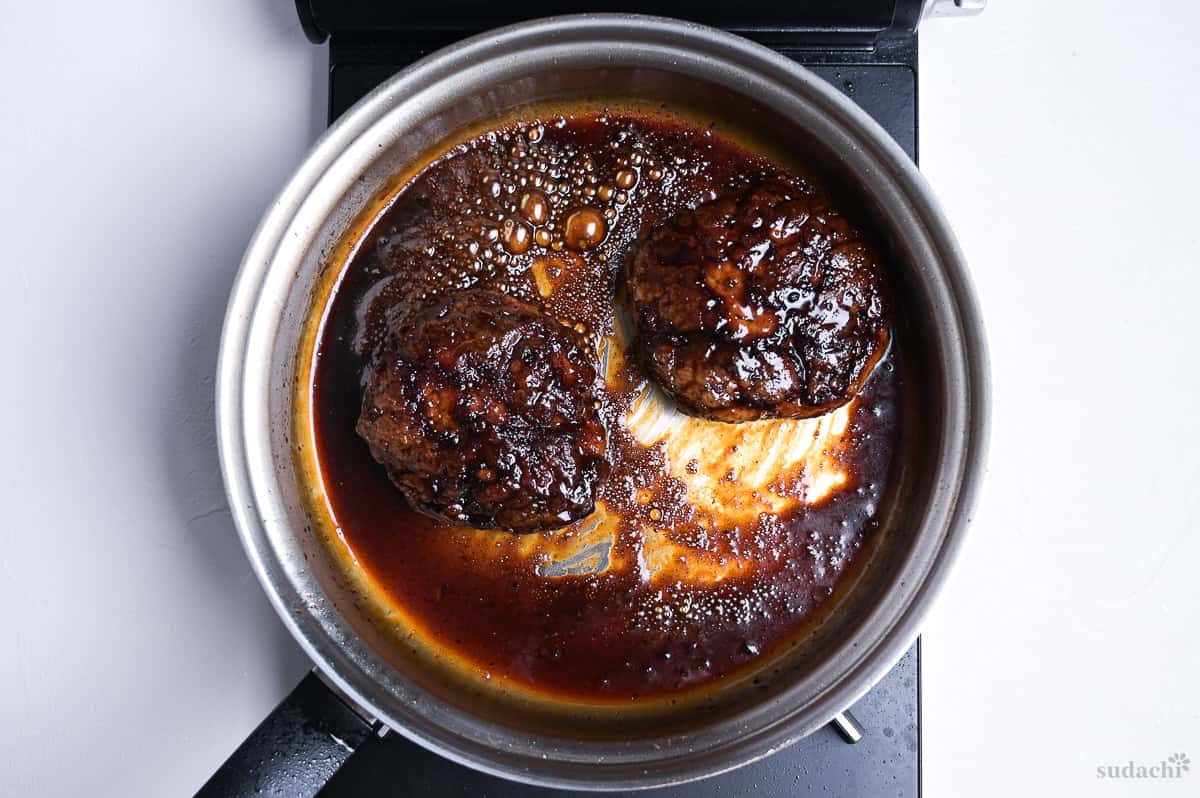
i. Bottom bun, toasted side up, then iceberg lettuce. This doubles as a moisture barrier and a grip layer that keeps everything from sliding.
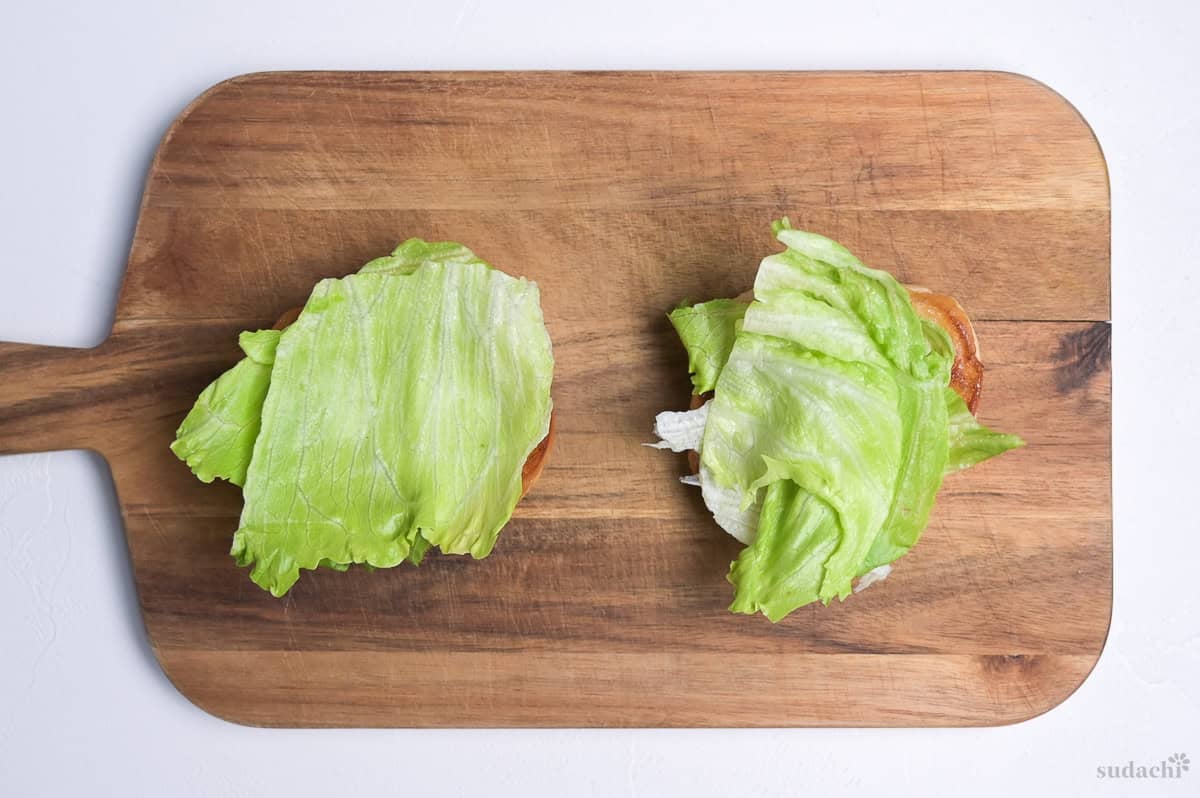
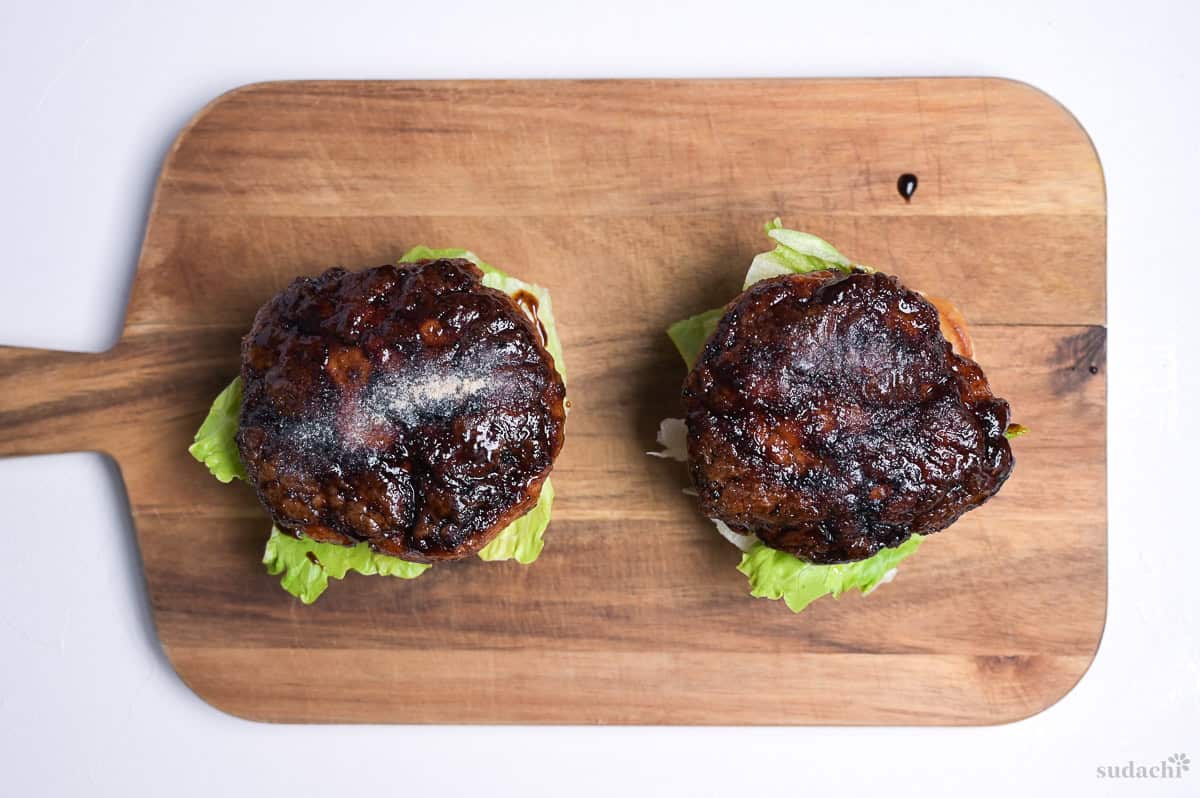
ii. Glazed teriyaki patty, the side with the heaviest glaze facing up. A light dust of ground white pepper across the patty.
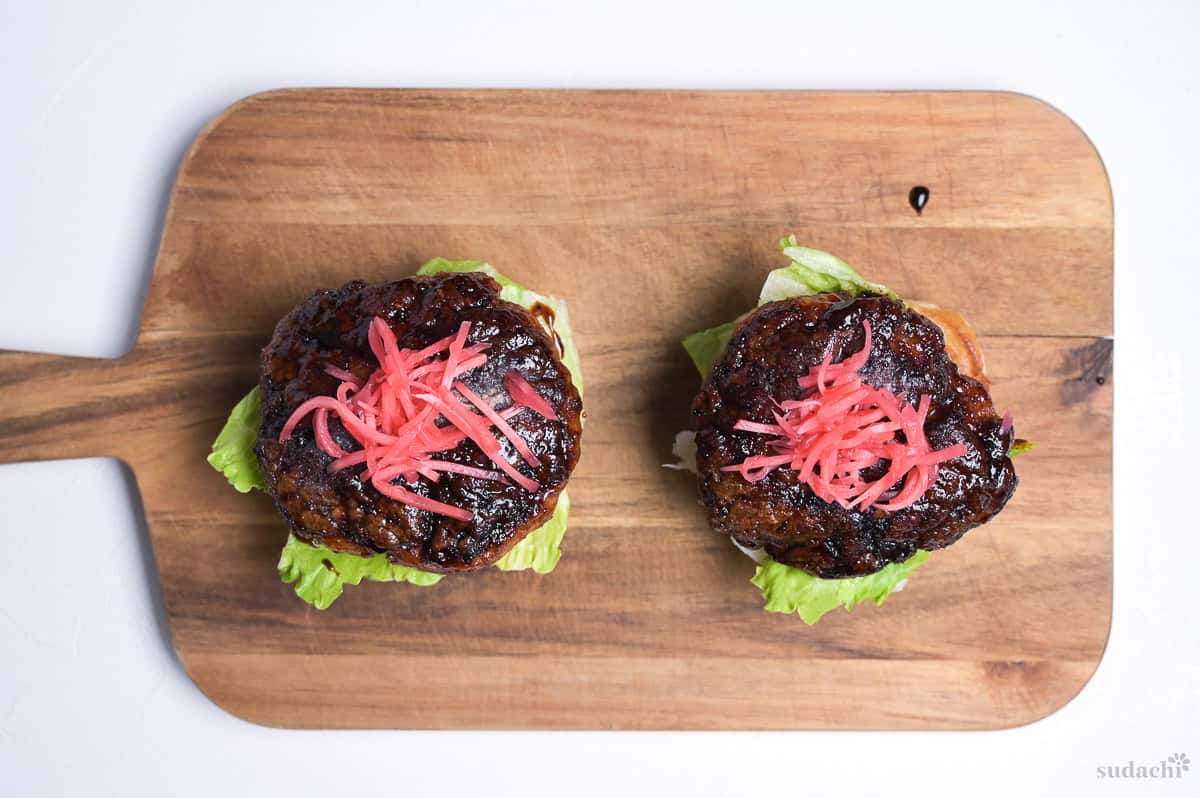
iii. Beni shōga, one tidy pinch, streaked across the middle. Pink against dark caramelized glaze.
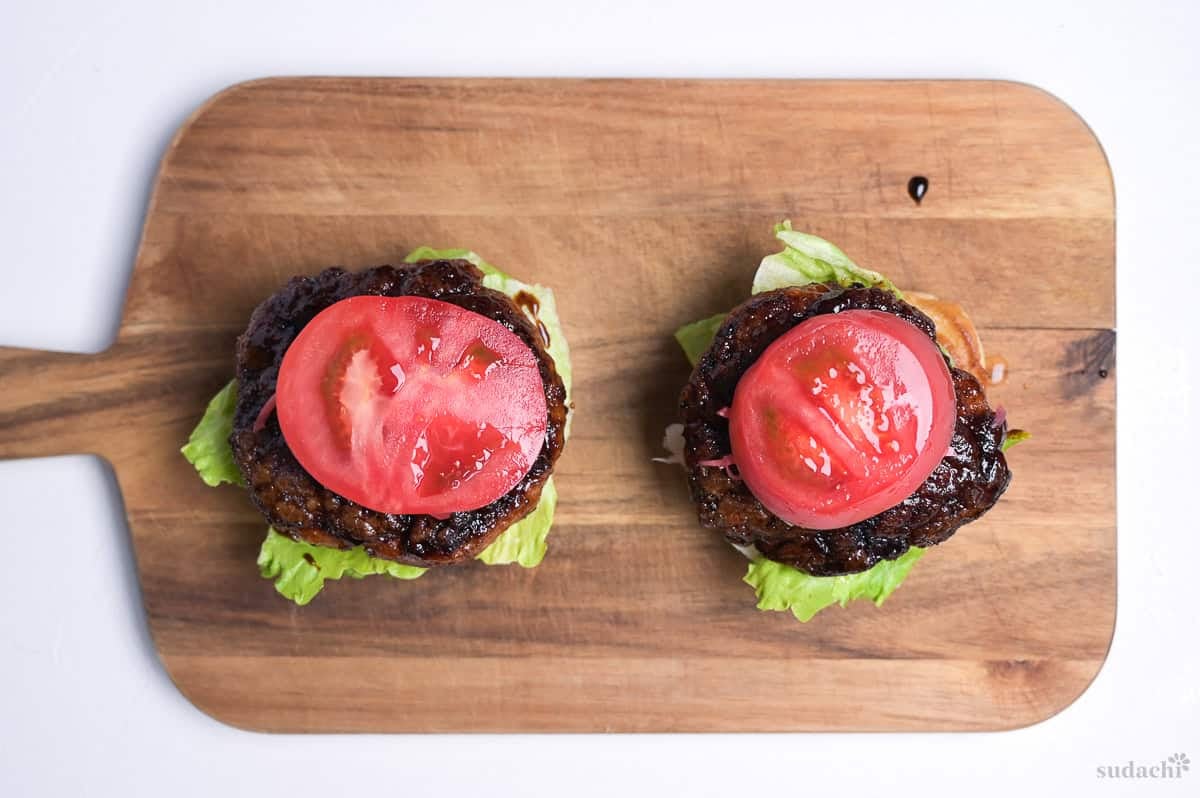
iv. One slice of tomato.
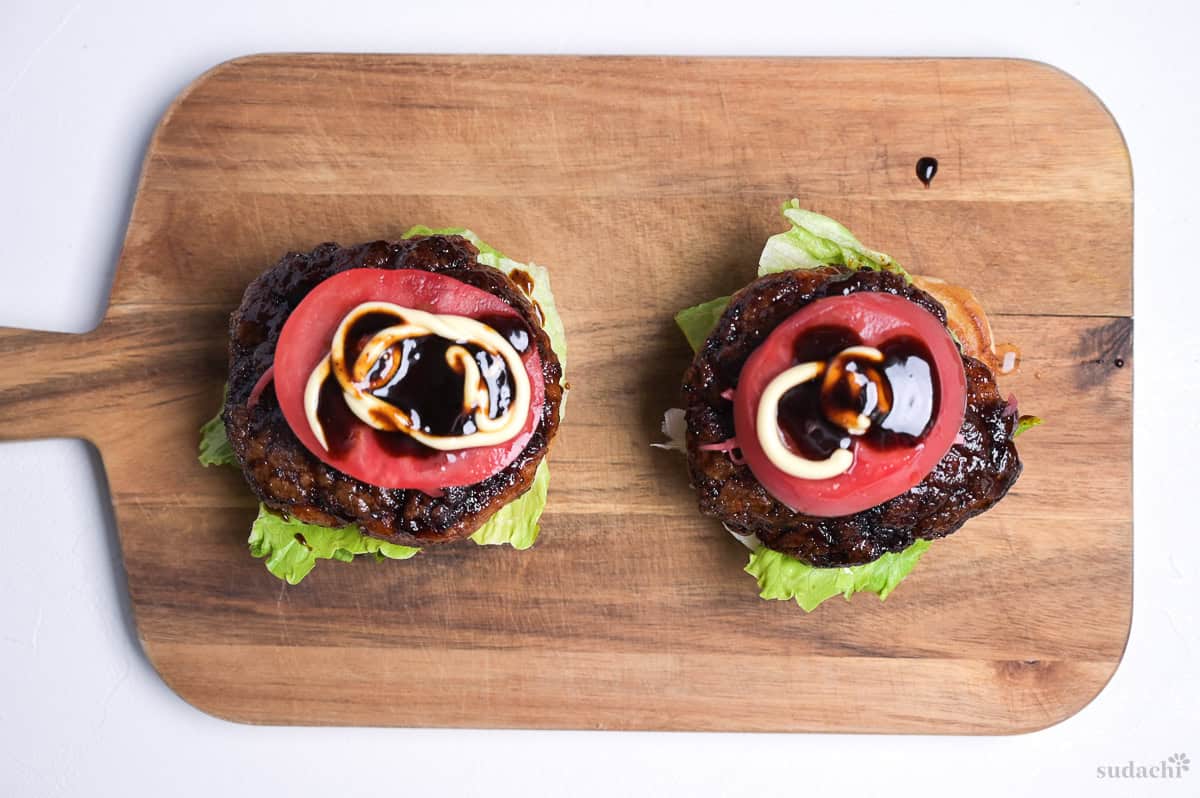
v. A thin smear of mayonnaise across the underside of the top bun. (A tiny touch of karashi or yellow mustard mixed into the mayo is welcome here too.) Any remaining teriyaki glaze goes on top of the mayo.
vi. Top bun, toasted side down.
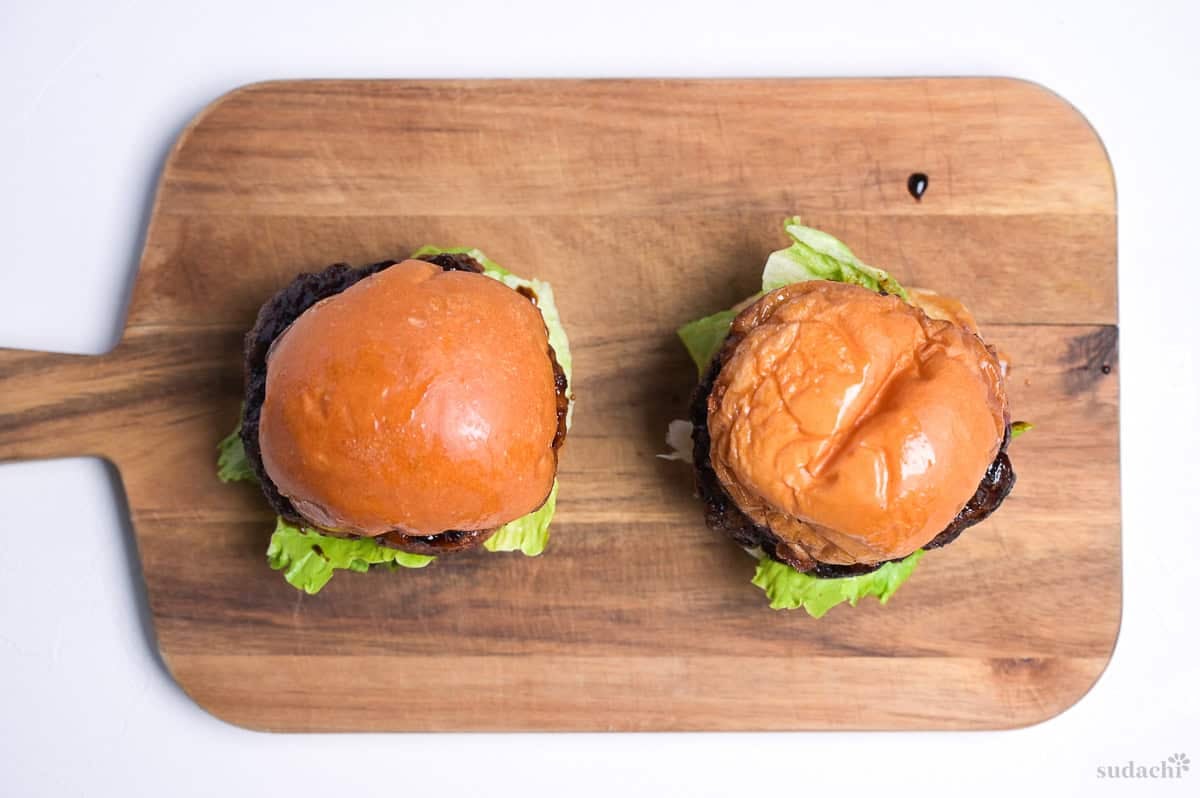
vii. Press gently with your palm. You will feel the build compact about a centimeter, which is the point. Cut it in half with a bread knife or eat it whole, your call.

Essential Tips & Tricks
- Let the fridge rest finish, 30 full minutes. The salt-protein mesh only locks in during the rest. Pull the bowl at ten minutes and the patty falls apart in the pan, the juices run out, and the glaze has nothing to cling to.
- Read the bowl before you trust the lard amount. A teaspoon of lard works for moderately fatty ground pork. The surface of the mix should look glossy, not matte. Matte and dusty means add another half teaspoon and knead it in.
- Toast the buns in the pork fat, unless the bun is too soft to survive it. The fat and juice left behind is where about ten percent of this burger comes from. Brioche and good potato buns take it. Flimsy buns can turn to glue under fat, so toast those dry instead. Better a dry bun than no bun.
With these simple tips in mind, you’re set for success every time you make teriyaki burgers.
What to Serve With This Recipe
- Japanese Potato Salad
- Easy Takuan (Japanese Pickled Daikon)
- Japanese Sesame Spinach Salad
- Homemade Miso Soup
Teriyaki Burgers FAQ
Yes, mix and rest the meat in the fridge the night before, shape the patties in the morning, and keep them covered on a tray in the fridge until your guests arrive. Dust them with starch at the last minute, right before they hit the pan. The mesh has had a full rest, the flavors have settled, and all you are doing at the stove is cooking and glazing.
You can, and a hot grill gives you smoke and edge char that a stainless pan cannot match. A couple of adjustments, though. Skip the starch dust, because grill grates will tear the coating off. Brush the patty with oil and lay it directly on a clean grate over medium-high heat. Glaze in the last ninety seconds only, by brushing and flipping continuously until coated, otherwise the sugar in the sauce burns before the pork is done. If using a griddle, you can follow the recipe as usual.
Cornstarch is the closest one-to-one swap you will find in a regular grocery store. The crust is slightly less crisp and the glaze clings about ninety percent as well.
More Recipes You Might Like
- Juicy Japanese Hamburg Steak
- Tsukimi Burger (Japanese Egg Burger)
- Japanese Teriyaki Chicken
- Lemon Teriyaki Pork
For more in this category, see my full collection of Japanese pork recipes.
Did You Try This Recipe?
I would love to hear your thoughts!
💬 Leave a review and ⭐️ rating in the comments below. 📷 I also love to see your photos – submit them here!
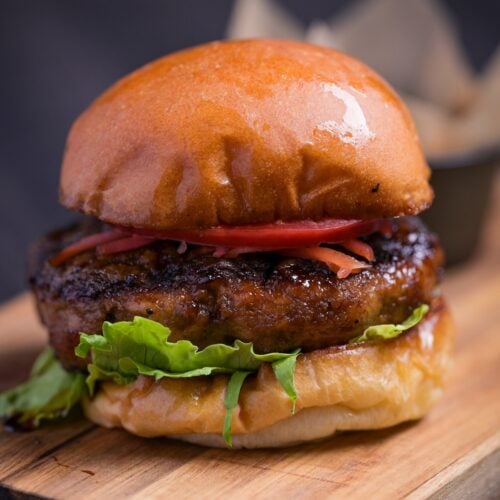
Teriyaki Burgers (Unique Japanese Style)

Ingredients
Patty
- 3 tbsp panko breadcrumbs Japanese panko preferred, regular breadcrumbs work
- 2 tbsp sake for the panade, dry sherry or dry white wine at same volume
- 1 tsp grated ginger root fresh or ginger paste
- 300 g ground pork around 20% fat
- ¼ tsp salt
- 1 tsp white miso paste do not swap for red miso
- 1 tsp lard skip if your pork is already fatty, bump up if it runs lean
- potato starch (katakuriko) about ½ tbsp per patty, or cornstarch
- 2 tbsp cooking oil for the skillet
Teriyaki Glaze
- 1½ tbsp Japanese soy sauce (koikuchi shoyu)
- 1½ tbsp sake or dry sherry/white wine
- 1½ tbsp mirin honmirin preferred, or cola at same volume
- 1 tbsp honey do not swap for white sugar
To Assemble
- 2 burger buns
- lettuce leaves a few leaves, trimmed to bun size
- ground white pepper
- red pickled ginger (benishoga) or other pickles of choice
- tomato 5 mm to 1 cm thick slices, 1 per burger
- Japanese mayonnaise a thin smear under the top bun, or regular mayonnaise
The ingredient brands and tools I trust are in my Japanese pantry guide and my cooking tools guide.
Can’t find certain Japanese ingredients? See my substitution guide here.
Instructions
- Pour 3 tbsp panko breadcrumbs into a small bowl with 2 tbsp sake. Mix and leave to soak for a few minutes. Mix the sauce ingredients in a separate bowl (1½ tbsp Japanese soy sauce (koikuchi shoyu), 1½ tbsp sake, 1½ tbsp mirin and 1 tbsp honey) and set by the stove for later. Prepare 1 tsp grated ginger root and keep in arms reach.

- Take a large bowl and add 300 g ground pork, ¼ tsp salt and 1 tsp white miso paste. Knead by hand until it turns slightly tacky, then add the soaked panko and knead again.
- Add 1 tsp lard and the grated ginger. Knead once more until evenly distributed. If the mixture feels dry, add more lard, about ½ tsp at a time.
- Cover the bowl and refrigerate the mixture for 30 minutes.
- Rub your palms with a thin layer of cooking oil. Take the patty mixture from the fridge and divide into equal portions (the base recipe makes 2). Toss each portion from one hand to the other 5-6 times to knock the air out, then shape into rounds a little larger than your buns, and about 1.5-2cm (0.6 to 0.8 inch) thick. Press a dent in the center to prevent doming.
- Preheat a large skillet over medium heat and add 2 tbsp cooking oil. While it heats, dust the patties with a thin layer of potato starch (katakuriko), about ½ tbsp each.
- Place the patties in the preheated skillet and fry for about 6 minutes on each side or until the internal temperature reaches 75°C (167°F) for 1 minute at the thickest part.
- Transfer the patties to a wire rack to rest.
- Cut 2 burger buns in half and place the cut side down in the skillet with the pork fat. Fry for about 1 minute, until perfectly crisp, then transfer to a warm plate for now.
- Reduce the heat and use kitchen paper to wipe any leftover fat from the skillet. Pour in the prepared teriyaki sauce from earlier, scrape the pan to lift any fond, and mix it into the sauce.
- Once the sauce has reduced and thickened enough to coat the back of a spoon, add the patties back in and move them around in the sauce to coat. Flip and repeat until fully covered.
- Assemble the burger. Place the bottom bun on a flat surface and top with lettuce leaves, the patties, a sprinkle of ground white pepper, red pickled ginger (benishoga), a slice of tomato, a drizzle of leftover sauce from the pan and Japanese mayonnaise to taste.
- Finish assembly with the top bun and press gently with your palm to secure. Serve immediately and enjoy!


Quite good, but I used a cast-iron skillet and the teriyaki sauce reduced in a flash. Might add some water to it next time.
Hi Greg,
Thank you so much for giving it a go and sharing your experience! The teriyaki glaze can reduce in seconds depending on the pan and heat, I think I will add notes to all of my teriyaki recipes. Thank you for sharing how it went! 🙂
Yuto
I’ve been planning on leaving a review for this recipe for a few weeks now… I got super excited about it when you first posted it and literally made it just a couple days after I saw it. It was absolutely delicious! I kept things simple: I only used raw yellow onion for the topping, and kewpie mayo for the sauce. This way it made the patty and the teriyaki sauce the main stars of the show, the flavors really popped! We had more than we intended, because it was too addicting, and even after learning about the calories (which was to be expected), we didn’t have any regrets whatsoever. It was a real treat. Thank you!
Hi Marina,
Thank you so much for trying this recipe and taking the time to write this out! Love that you kept it simple to enjoy the teriyaki itself! The “no regrets” part honestly might be the best compliment a recipe can get, so thank you for that! haha
Yuto