



Featured Comment
Perfect recipe. Loved the tendon sauce.
★★★★★
– Jonathan
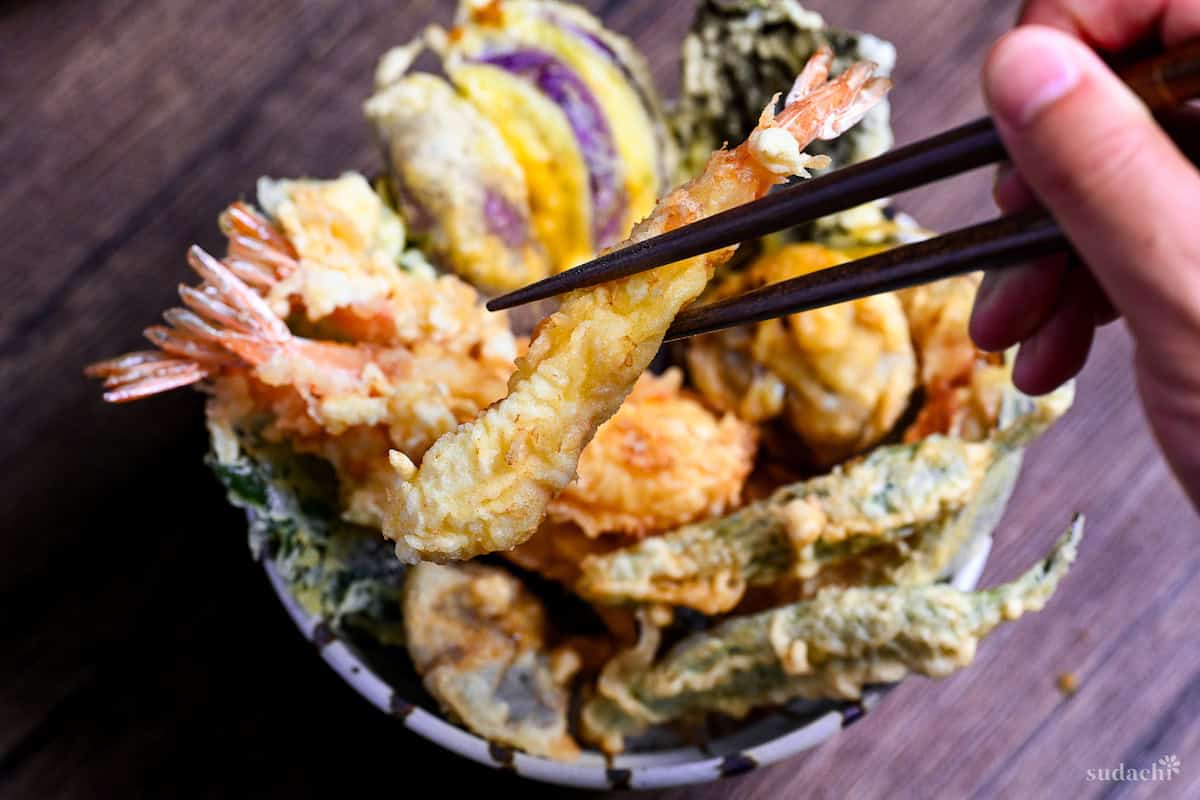
Bite into properly fried tempura and the shrimp stays sweet, the eggplant juicy. In Japan it is not junk food the way karaage or tonkatsu are. Tempura exists to taste the ingredients themselves.
Tendon takes that delicate work and wrecks it with a sweet-savory sauce. That is a compliment. Hot pieces piled on rice, a rich sauce poured over. The crisp parts stay crisp where they can, and the bites that drink the sauce are just as good. That is tendon to me.
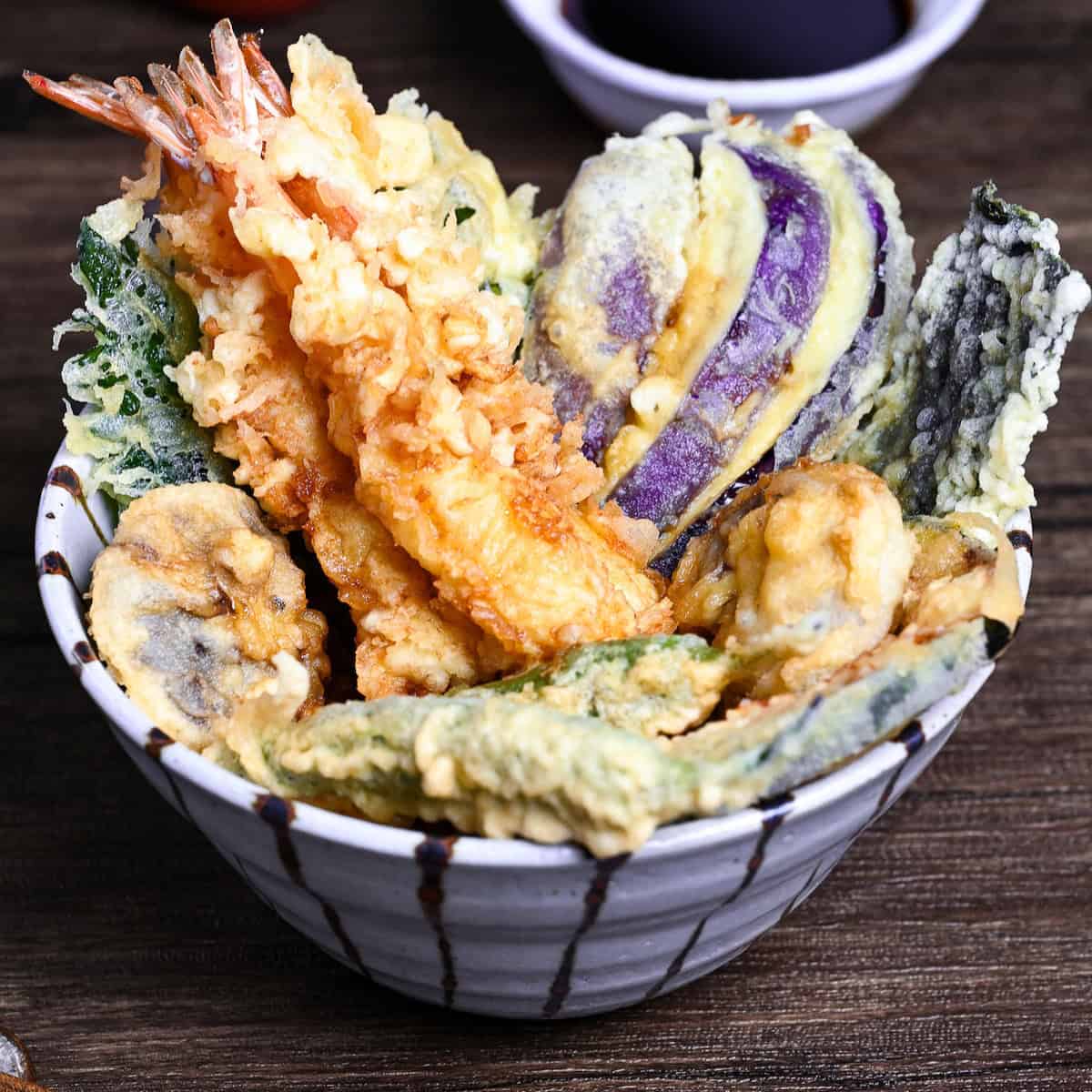
Tempura Donburi
Recipe Snapshot
- What is it? Tendon is a luxurious rice bowl born in Tokyo. Tempura gets stacked over hot rice, and a reduced sweet-savory sauce goes over all of it.
- Flavor profile: The first bite is sauce sweetness plus the sweet steam of just-cooked rice. The smell of frying oil and the crackle of batter arrive a second later.
- Why this recipe works: The sauce finishes in a small pan in 3 minutes, so the tempura hits the bowl hot. Fillings are open, so your fridge can decide and it stays tendon.
- How to make it: Simmer and cool the sauce, chill the flour and water, mix the batter, fry the fillings by type, then stack them on rice. Nothing replaces the frying.
- What to expect: Prep runs 15 minutes, frying 15, chilling 30, 1 hour total, and you end with 4 bowls. The only stall point is batter thickness, which you fix by eye.
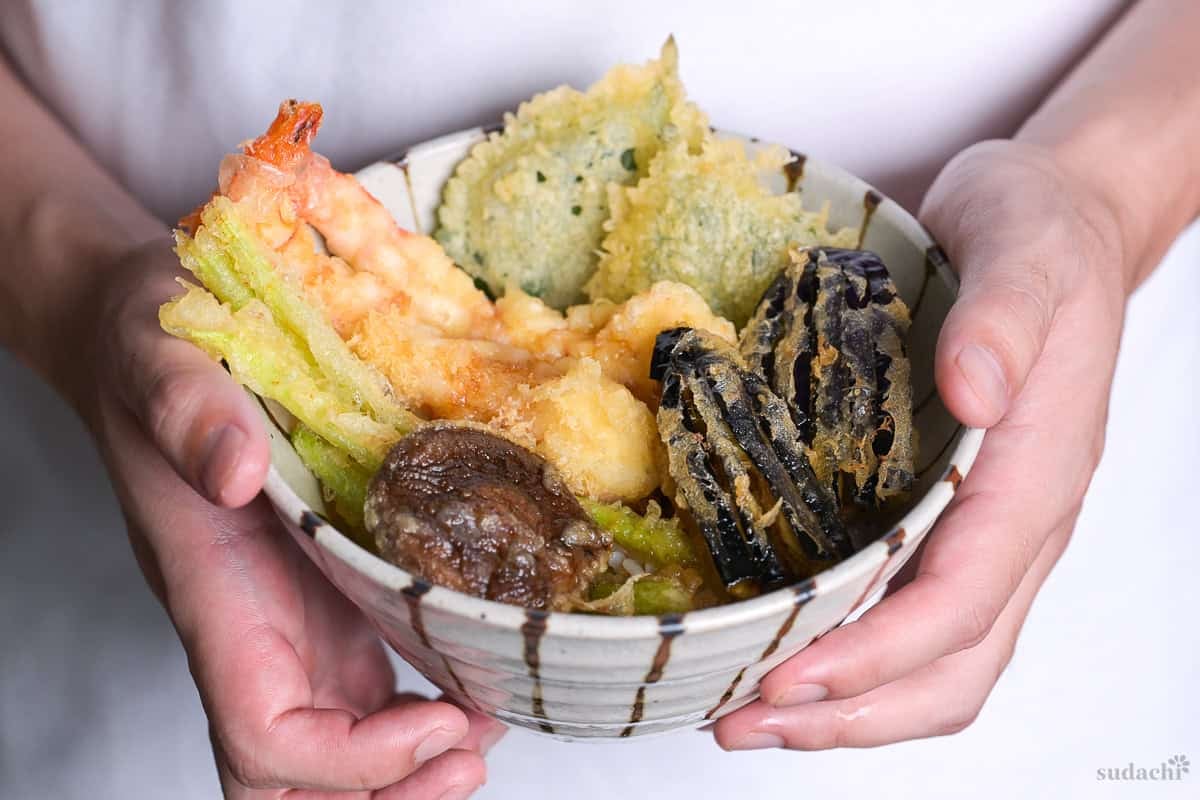
What Is Tempura Donburi?
Tempura donburi, or tendon, is a Japanese rice bowl where freshly fried tempura is laid over steaming hot rice and finished with a generous pour of sweet-savory sauce. It was born in Tokyo and is a different dish from a tempura set meal, where the tempura sits on a plate and the dipping sauce stays in its own bowl until the last bite. Tendon builds all of it in a single bowl.
Although the tempura looks like the star, the logic is the opposite. The tempura and the sweet sauce are both there to make the rice taste good.
Tendon was born in the late Edo period, sometime between the 1830s and 1870s, inside Tokyo’s street-stall culture. No one knows exactly who served the first one. There are 3 theories, the oldest 1831, then 1837, and the newest 1875. The National Diet Library’s reference database considers the 1875 account closest to primary sources, yet nothing is fully confirmed. The most accurate statement right now is that we cannot single out one as the definite origin. The dish spread beyond Tokyo after the 1923 Great Kanto Earthquake, when displaced Edo-style craftsmen returned to their hometowns and recreated the tendon they knew. This story is widely accepted even though exact shop counts were not recorded.
I do not brew a proper dashi for the sauce. I reach for granulated dashi instead. A carefully brewed dashi would give a refined result, but that is not what I want from tendon. I am after a bold, slightly junky hit of umami. The granulated kind already contains salt and seasonings, and that is exactly what works here. I treat it as a seasoning rather than a broth base. After many rounds of adjusting the balance of the sauce, this is where I landed. My target is the taste you get at those everyday Japanese diners.
There are 2 different brown sauces served with tempura. The first is tentsuyu, which is thin. It is a light dashi-based sauce that you dip the tempura into each time. The tempura on the plate and the sauce in the bowl stay separate until the last bite. The second is tendon sauce. This one is simmered down. It starts with soy sauce, mirin, sake, and sugar, then cooks until the water evaporates and it becomes thick and sweet. The goal is not dipping but pouring and coating. If it stayed thin it would soak right into the batter, so it is reduced until it can cling to the surface. The ingredients are similar, yet the jobs are completely different. English calls both tempura sauce, but in a Japanese kitchen they have separate names.
Tendon Ingredients
What You’ll Need for Tendon Sauce
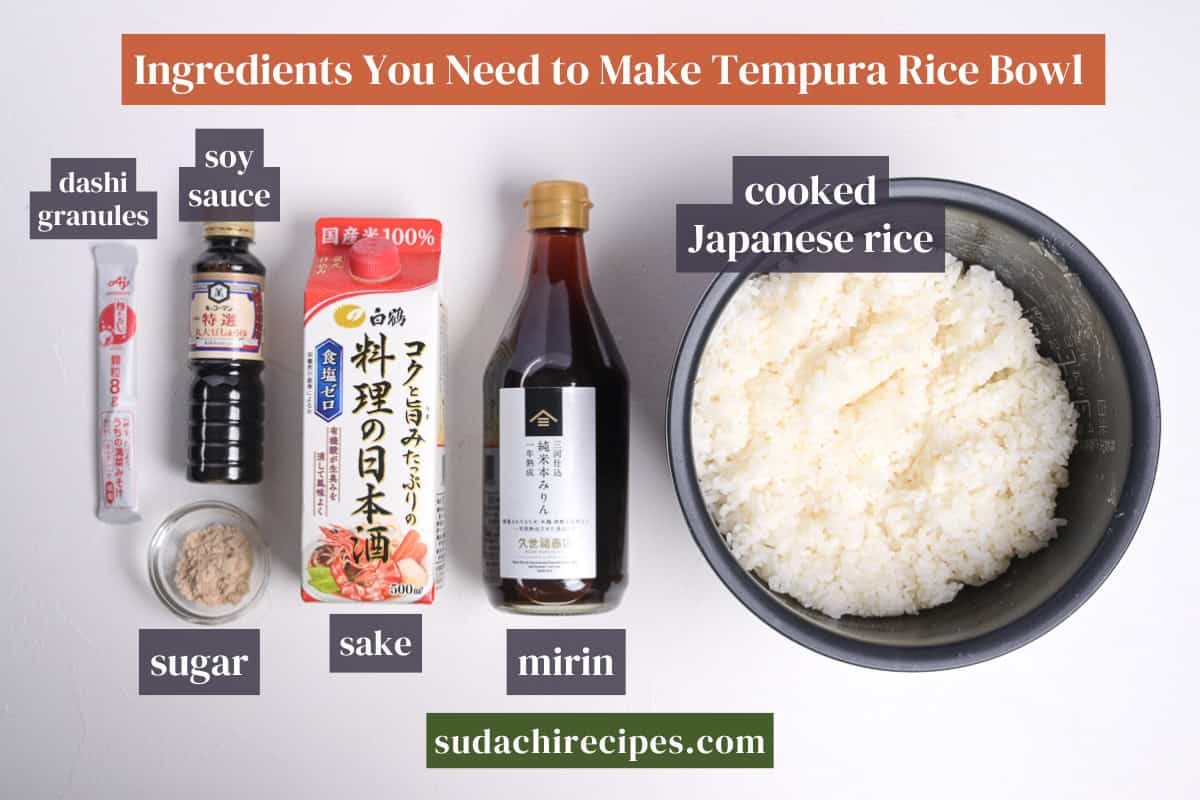
- Dashi granules: The granules are not standing in for a pot of dashi here. They are a seasoning. What is inside is granulated kombu and katsuobushi essences, but salt and flavor boosters are already mixed in with it, so a small amount pushes the flavor straight to the front.
- Mirin: Choose hon-mirin if you can. The shine on the reduced sauce is almost all mirin’s work. The mirin-style bottles and aji-mirin sold overseas are a different product, sugars plus acidity regulators, sweet without the gloss or the body.
What You’ll Need for Toppings
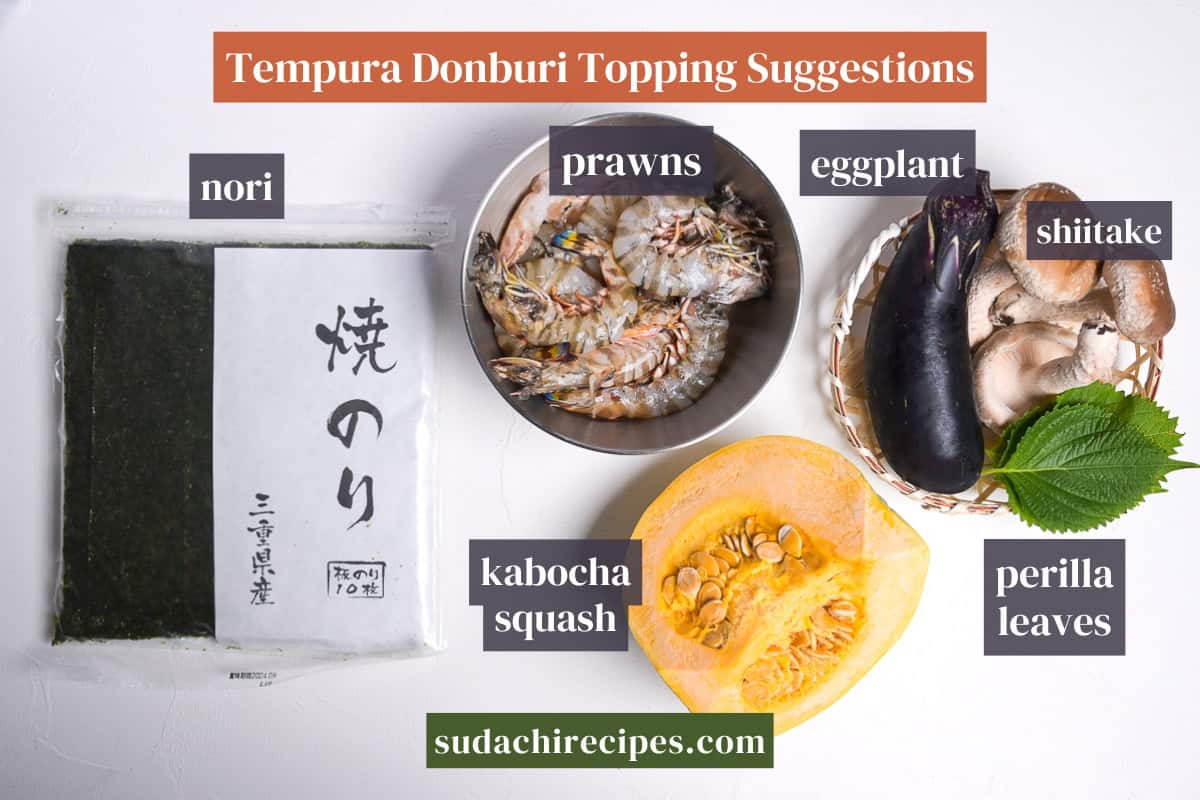
- Shrimp: Black tiger is the right landing spot at home. The meat is thick and firm, so it still holds its own under batter, oil, and a pour of sauce. White shrimp (vannamei) works too, and is often easier to find. The kuruma ebi prawns Japanese tempura counters use are in another league for sweetness and bite, but they are expensive.
What You’ll Need for Tempura Batter
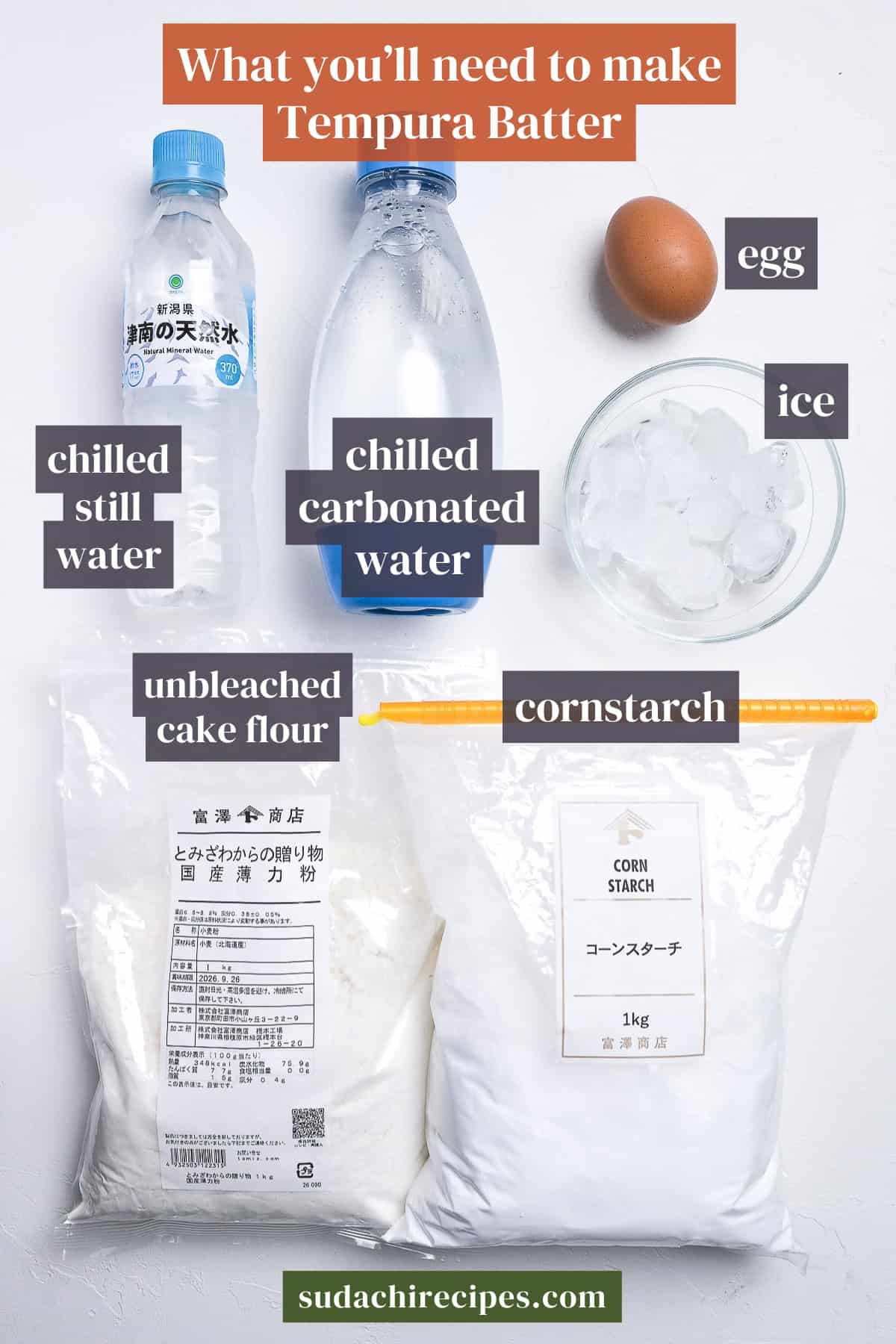
- Unbleached cake flour: The batter wants a low-protein flour. The more gluten you develop, the more water the coating hangs onto, and the heavier it fries. There is a trap here. Most cake flour sold in the United States is chlorinated, which points the opposite way from tempura. Japanese cake flour is not chlorinated. Look for a bag that says unbleached.
Substitutions, Variations, and How to Customize
Everything here runs from swapping the flour, the sugar, and the water to rebuilding the whole bowl.
Substitutions:
- Unbleached cake flour → UK or Australian plain flour: This is the closest thing to it, because those countries do not allow chlorination by law, so even with slightly more protein the flour sits on the same side as Japanese cake flour.
- Unbleached cake flour → Korean Beksul cake flour (박력분): This is the quiet right answer sitting in Asian supermarkets. Protein runs around 8 percent, which puts it on nearly the same side as Japanese cake flour. Korean grocers stock it as a matter of course, and it costs about half what the Japanese product does.
- Unbleached cake flour → All-purpose flour: It is fine as dusting flour, but in the batter it fries a bit heavier. Pull 2 tablespoons out of every cup and put 2 tablespoons of cornstarch back in, and you land close to cake flour again. It is still a little heavier than the real thing.
- Homemade tendon sauce → Bottled tendon sauce: Japanese supermarkets carry bottled tendon sauce as a normal stock item, and the tendon chains sell their own. There is a route where you do not make it, that is all, and on a day with no time you can build the bowl that way.
- Light brown sugar → White sugar: This works without trouble. The depth goes a shade shallower, and that is all. The sweet-savory balance of the reduced sauce does not move.
- Carbonated water → Still cold water: It holds up without the bubbles. You lose the help of the fizz popping and pulling water out, so the finished coating comes out a notch less light.
Have trouble finding Japanese ingredients? Check out my ultimate guide to Japanese ingredient substitutes!
Variations:
- Egg-free: If you want to make tempura without egg, take a look at my egg-free tempura recipe. It comes out well with no trouble.
- Vegetable tendon: Drop the shrimp and build the bowl with kabocha, lotus root, sweet potato, shiitake, and eggplant alone. Root vegetables take longer to cook through, so slice them on the thin side.
- Chicken tempura: Slice chicken breast thin on the bias and fry it in the same batter, a standard way to eat it in Japan under the name toriten, and it holds its shape on a rice bowl. It takes longer to cook through than shrimp, so give it a little more time in the oil. For the full method, see my toriten recipe.
How to Customize:
- Vegetables: Use whatever you like. Picking things that fry in about the same time makes the sequencing easier. Shishito peppers, green beans, asparagus, shiso leaves, and nori go fast, while root vegetables like kabocha and sweet potato need thin slices and longer in the oil.
- Shichimi togarashi: A shake of shichimi at the end draws a line of heat and aroma through the sweet-savory sauce.
- Grated daikon: A small pile of grated daikon on the side lets you change the flavor partway through. Stop around the halfway point, add some, and the second half eats lighter.
How to Make My Tempura Donburi
If you prefer to watch the process in action, check out my YouTube video of this tempura donburi recipe!

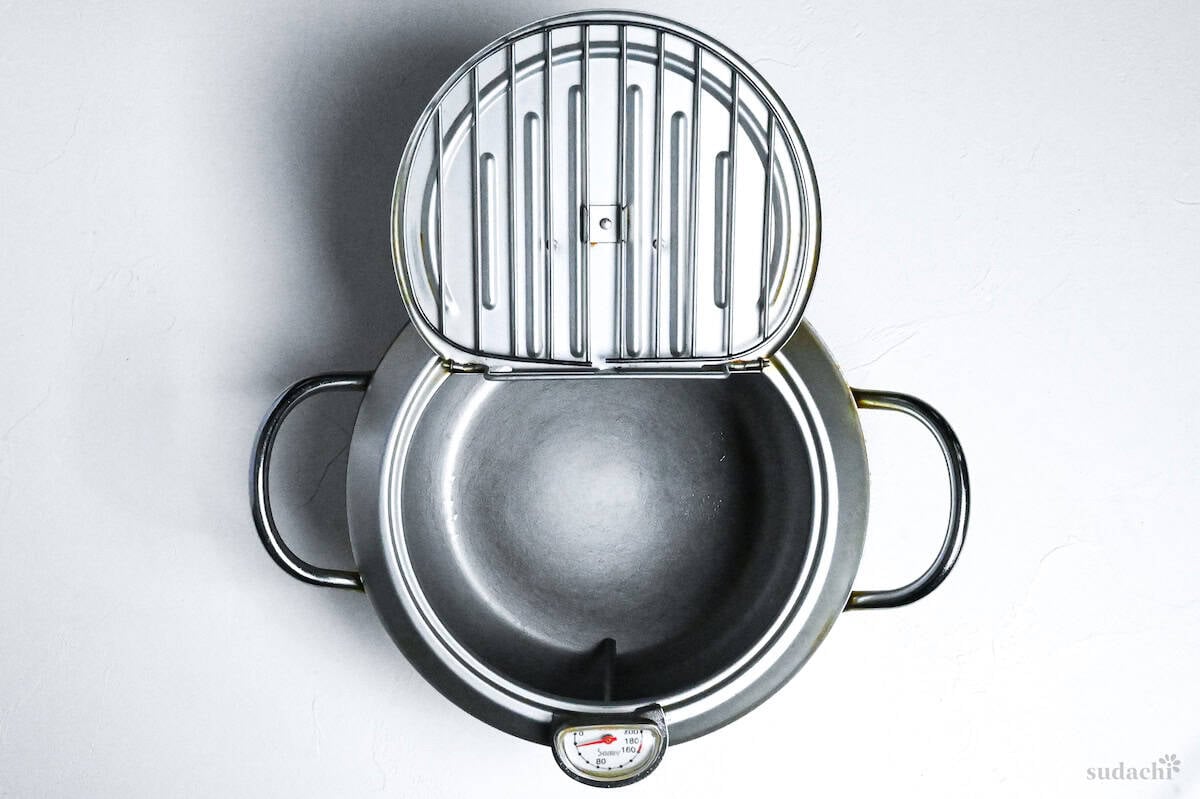
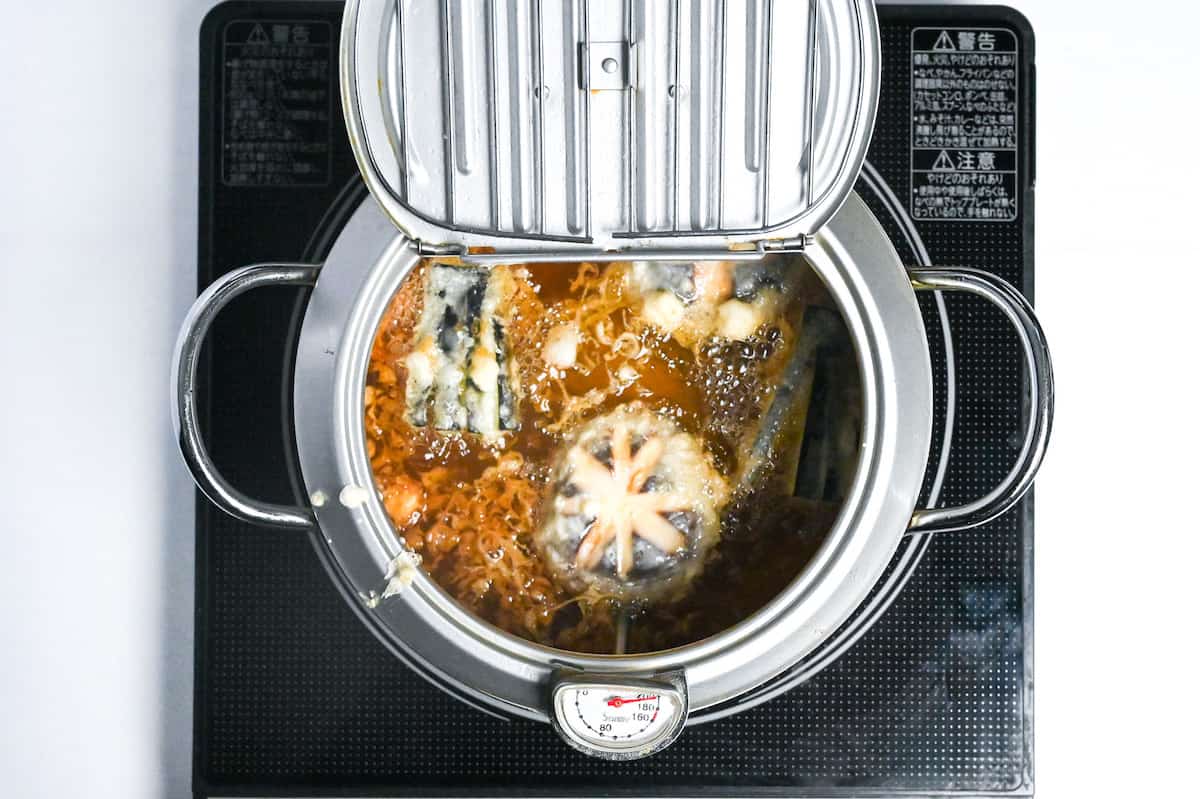
To develop this recipe, I used a tempura pot with a built-in thermometer.
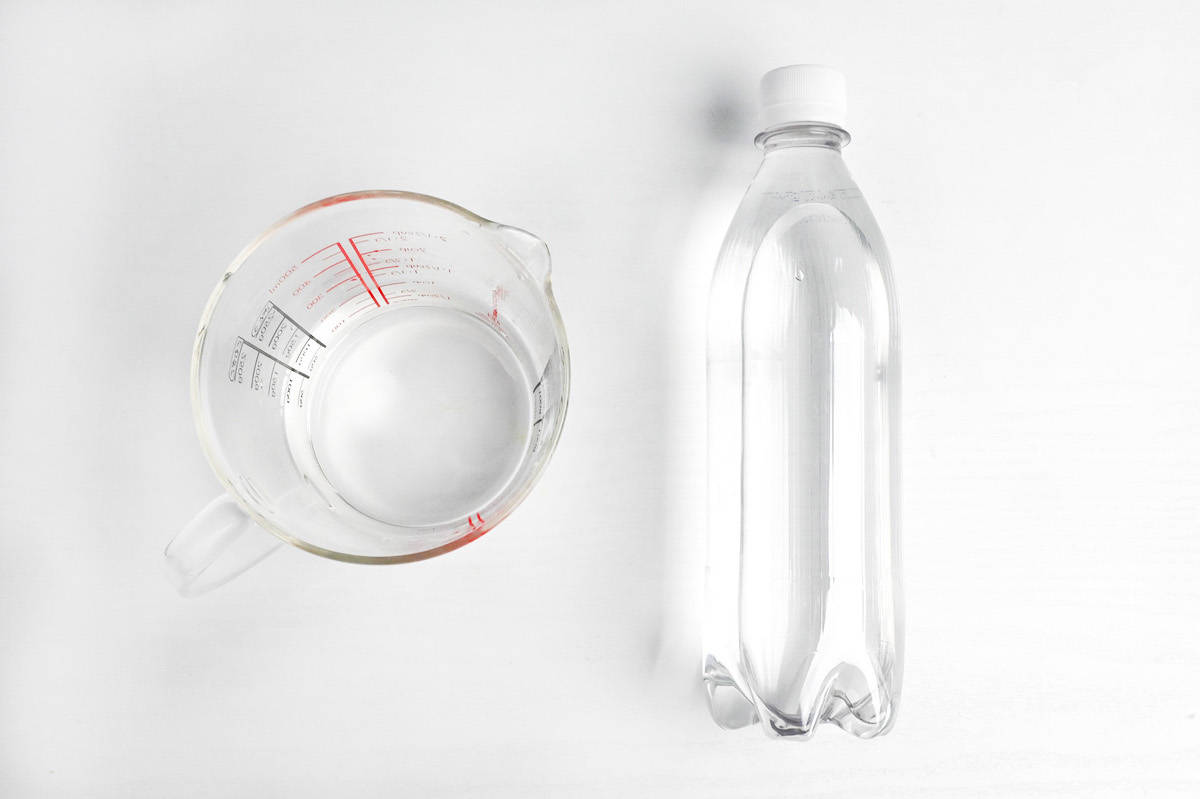
i. Chill the water and the carbonated water in the fridge for 20 to 30 minutes. It has to be ice cold. Lukewarm water does nothing here.
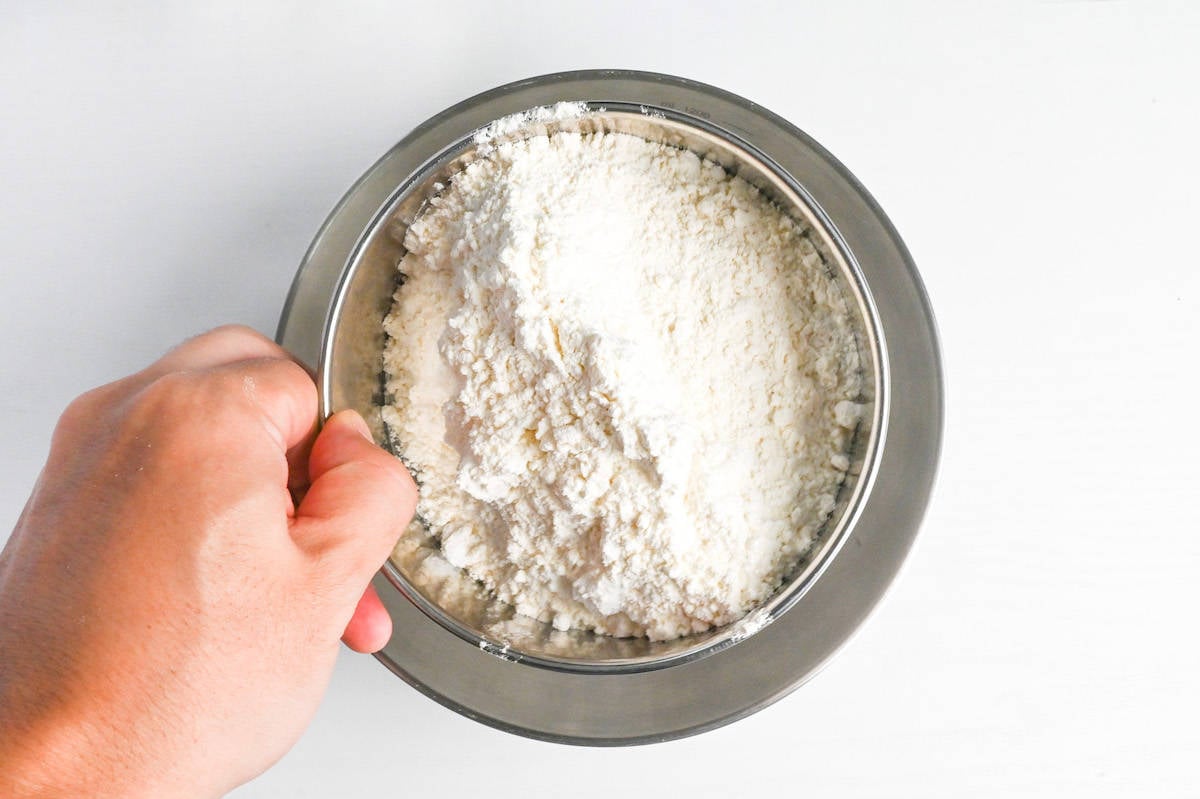
ii. Sift the cornstarch and cake flour together and chill them for 20 to 30 minutes as well.
iii. While you wait, wash and cut the fillings, then dry them thoroughly with paper towels. Cut root vegetables on the thin side so they cook through faster.
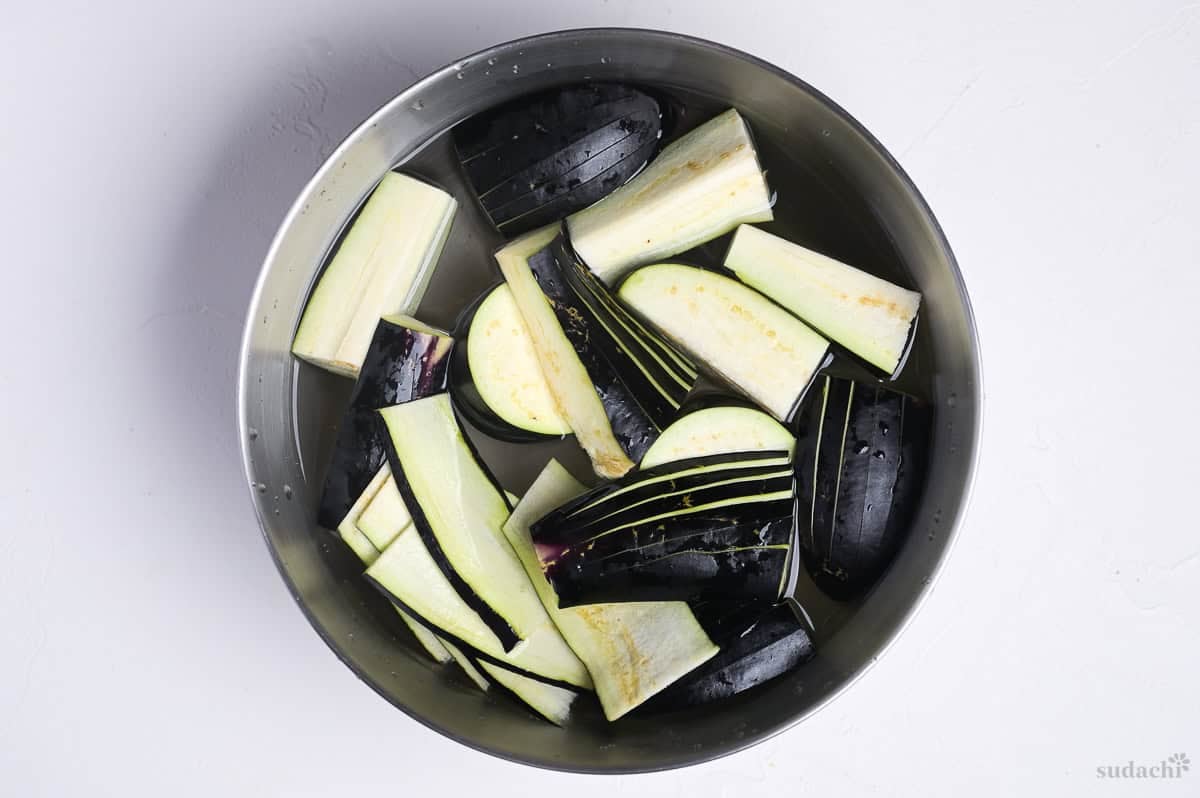
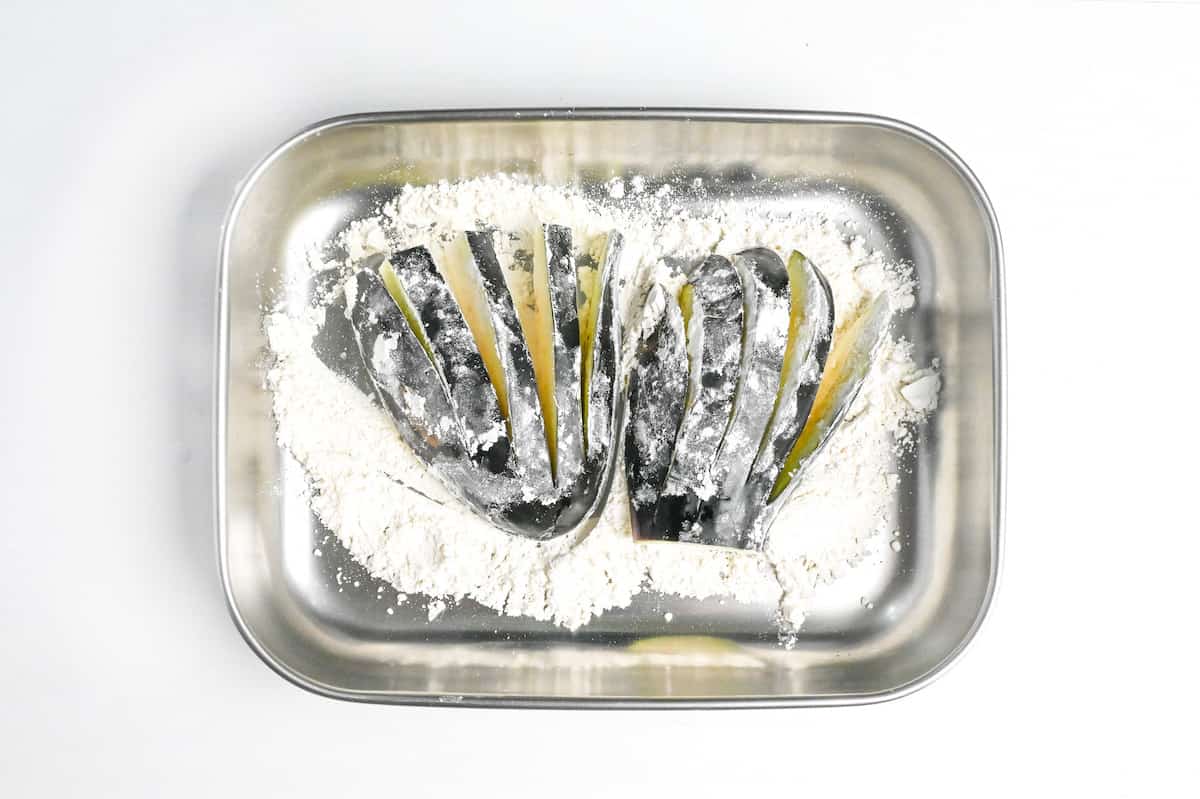
iv. Trim the eggplant, halve it lengthwise, cut a few slits into the cut face, and fan it open. It looks good, and it also cooks evenly.
v. Score shallow diagonal cuts into the belly side of each shrimp. They curl less in the oil that way.
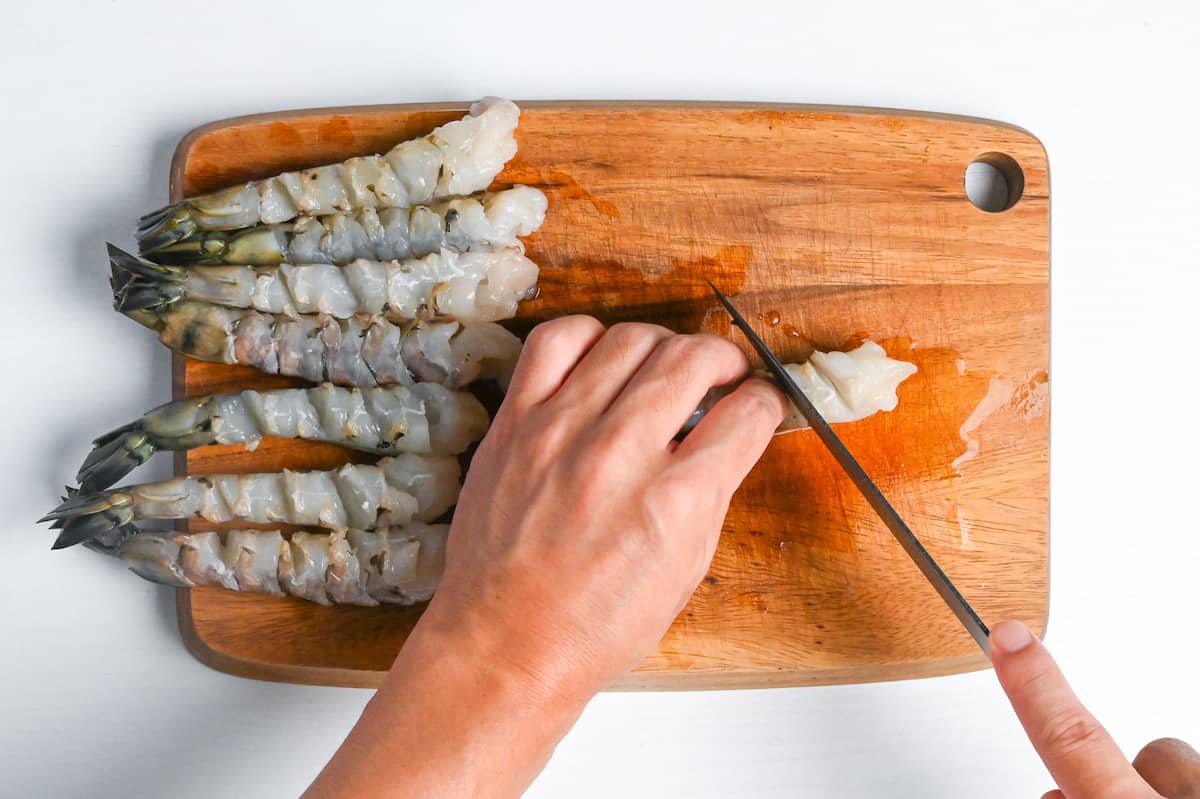
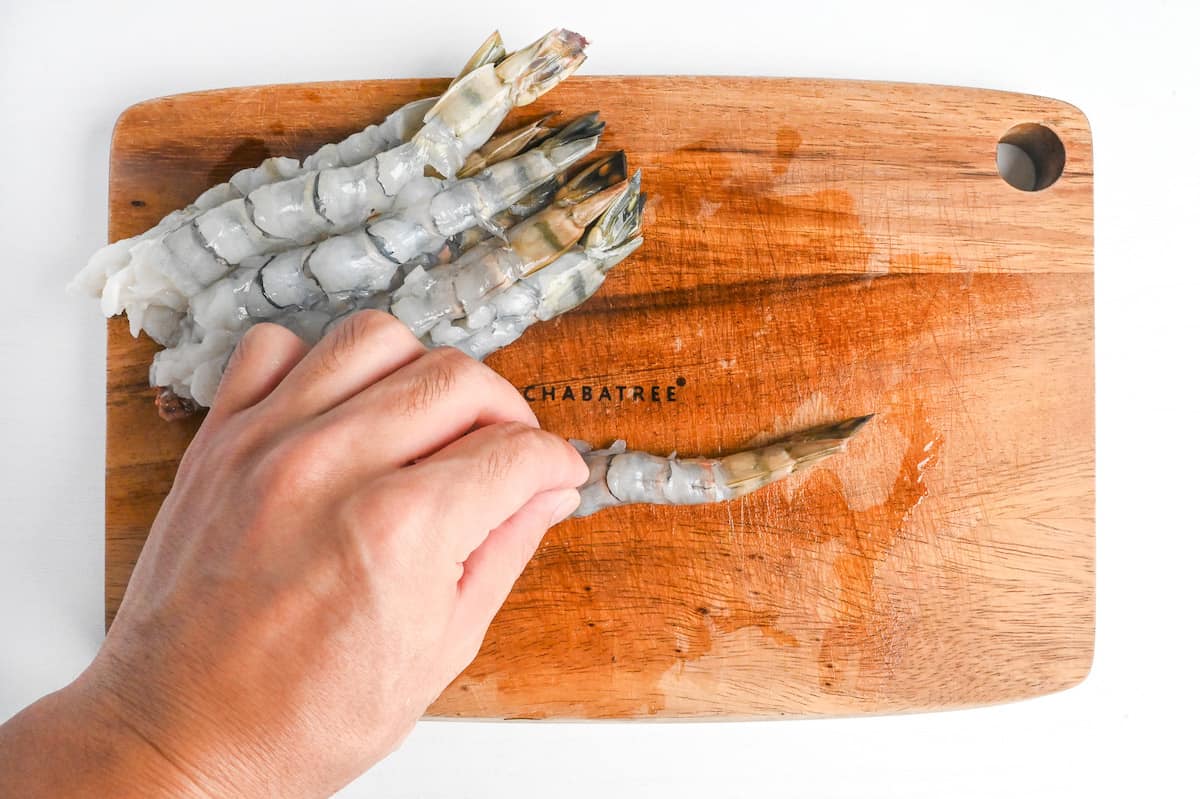
vi. Hold them all in sealed containers in the fridge until you fry.
Gluten links up less readily when things are cold. Chill the flour, the water, and the fillings first and the batter starts low and stays there until it hits the oil. A high-gluten batter grips its water and will not trade it for oil, and you get a heavy, soggy coating instead of a light one.
i. Combine the mirin, sake, soy sauce, light brown sugar, and dashi granules in a small saucepan.
ii. Set it over medium-low heat, and once it starts to bubble, let it simmer gently for about 3 minutes until the alcohol smell of the sake and mirin is gone.

iii. Take it off the heat and let it cool as it is.
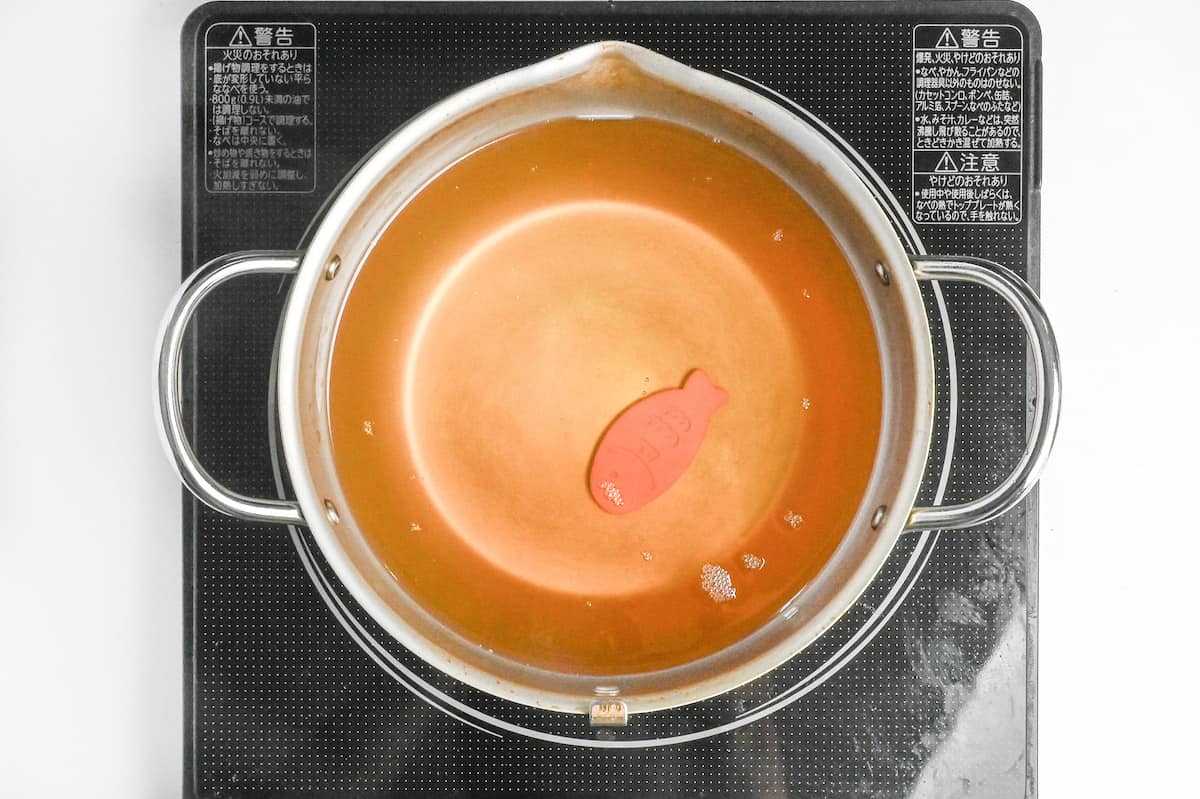
i. Before you mix the batter, heat the oil to 180°C (356°F) in a deep, heavy pot. An infrared thermometer makes that easy to read accurately and safely.
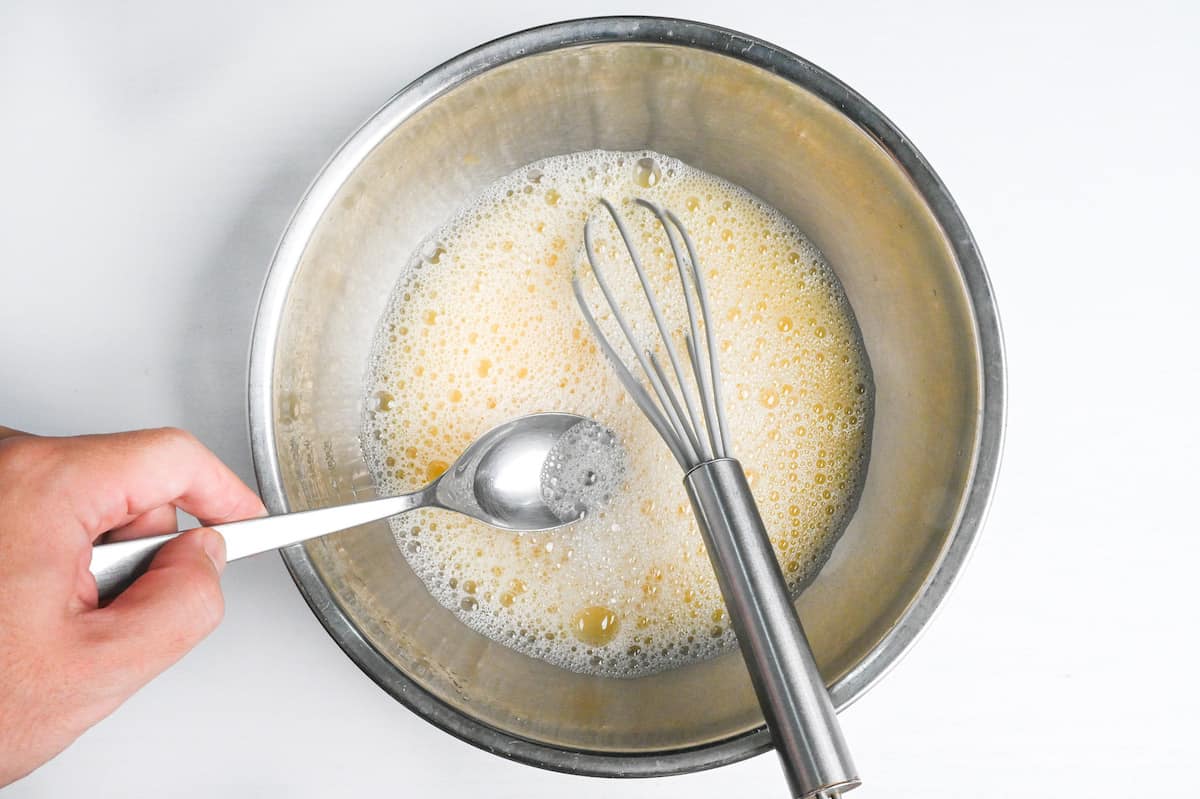
ii. In a cold bowl, mix the chilled water, the carbonated water, and the egg. Skim off the foam that rises to the surface and discard it.
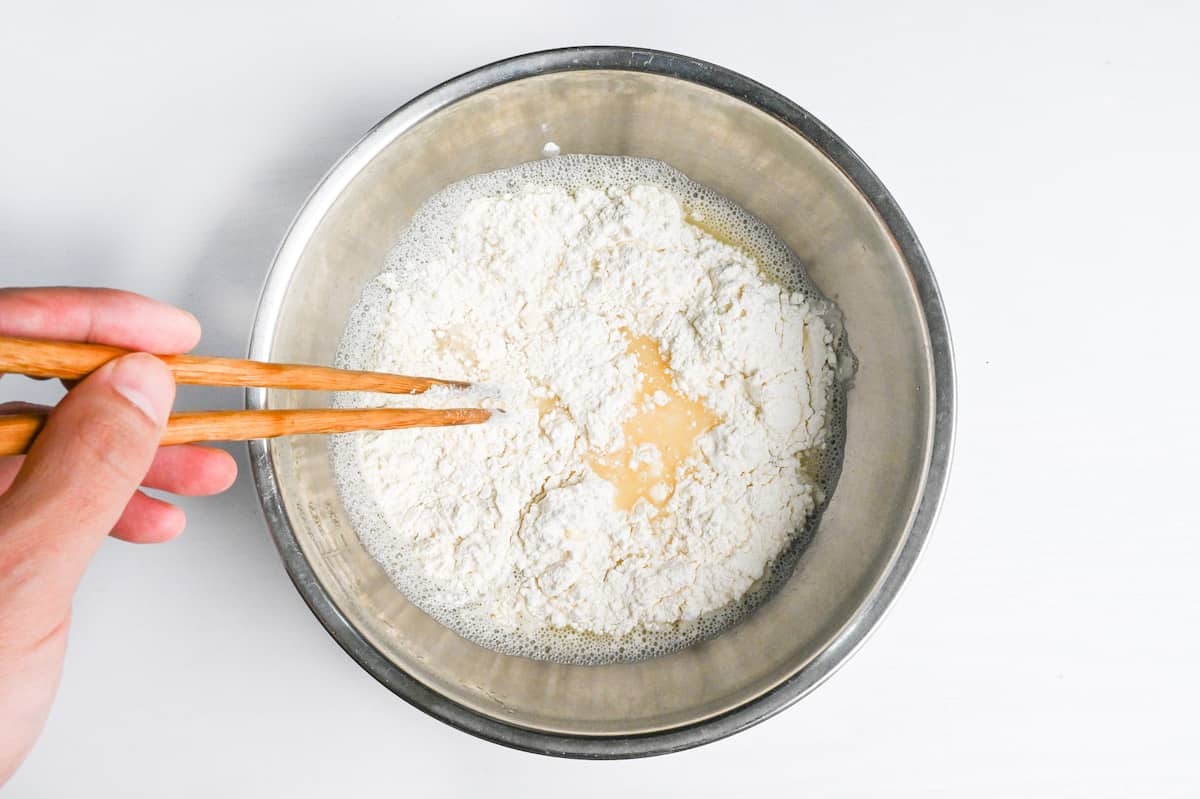
iii. Add the chilled flour in 3 additions, folding gently with chopsticks in a cross pattern. Do not overmix. Lumps are fine. Make the batter right before you fry.
iv. Drop in 3 ice cubes to keep it cold.
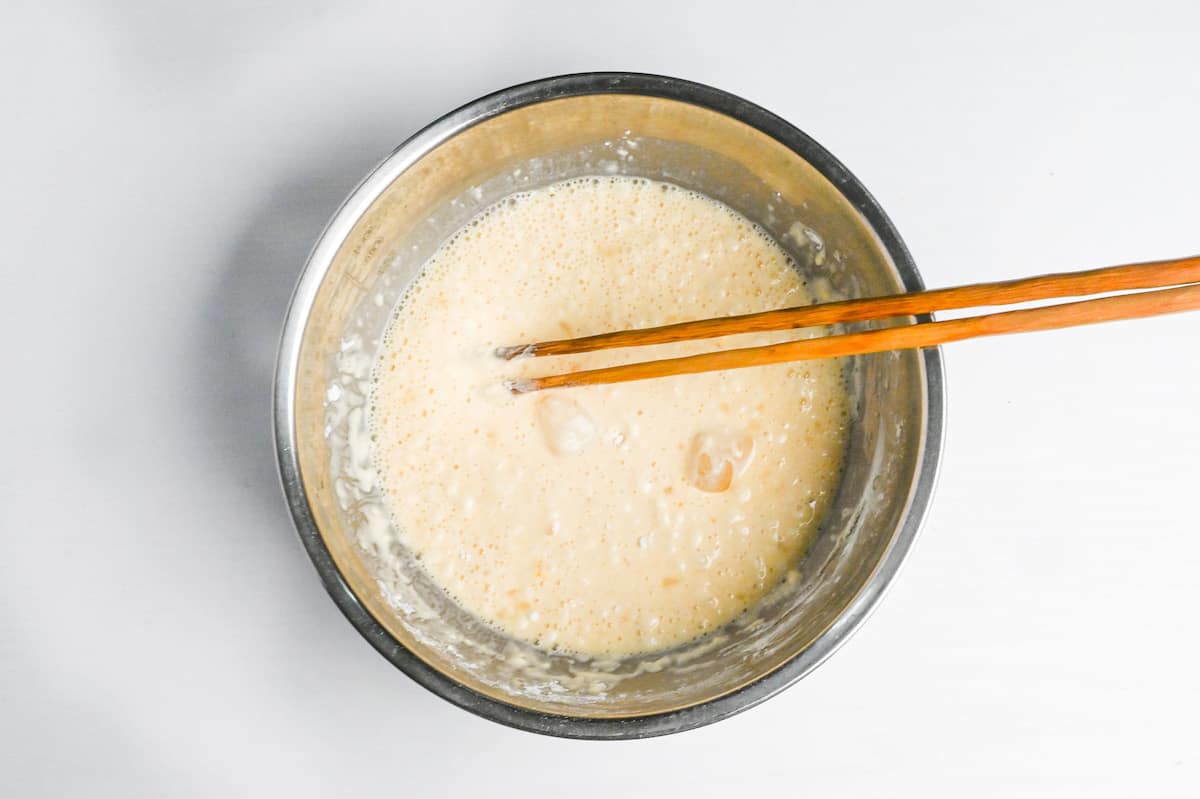
Check the batter here, and fix it here. Lift the chopsticks and it should fall in an unbroken ribbon, with the line it leaves on the surface vanishing right away. If it drops in thick clumps, add a little water. If it runs thin, add a little flour. The same amounts behave differently with different flour and humidity.
i. Test the oil by dropping in a little batter. If it comes straight back up with a sizzle, you are ready.
ii. Coat each piece in flour, run it through the batter, and lower it gently into the oil.
iii. Fry by type, keeping like with like. Shrimp, shiitake, and eggplant take 2 to 3 minutes, shiso leaves and nori about 30 seconds, and root vegetables 2 to 4 minutes depending on thickness.
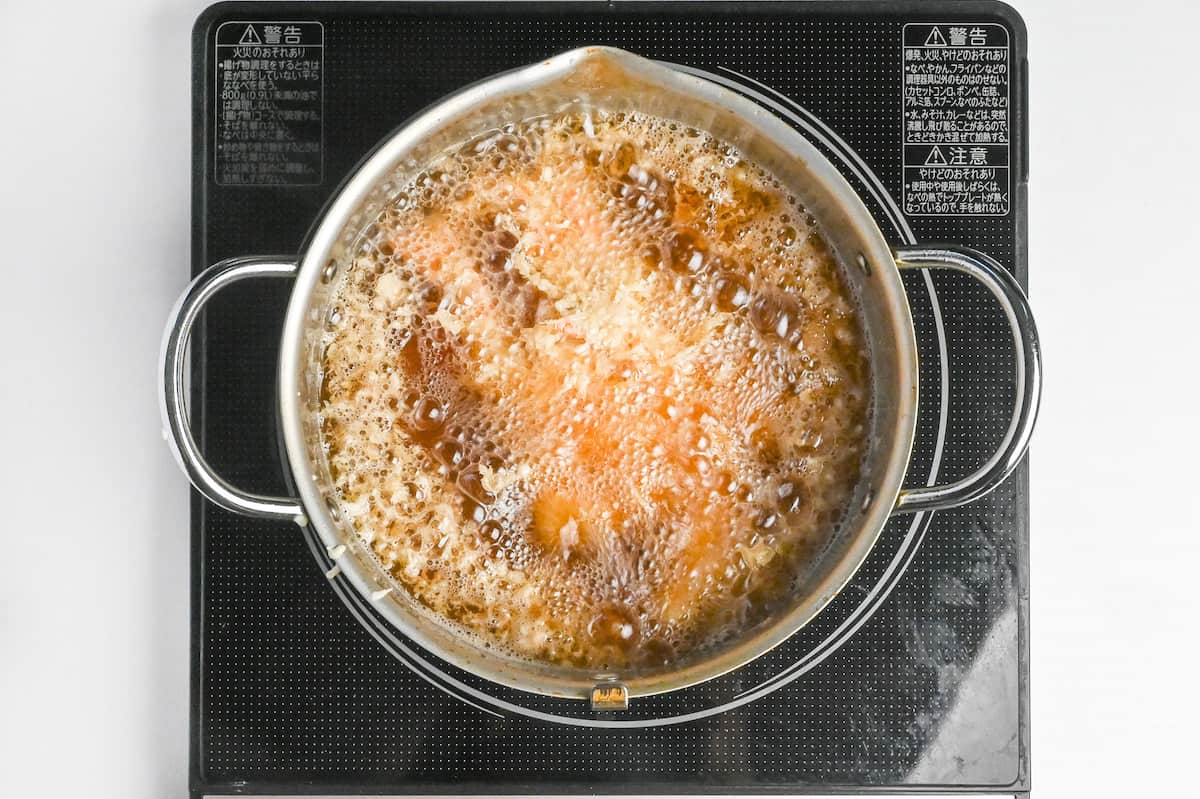
iv. Work in batches when there is a lot. Pieces stick together less, and the oil temperature holds. When the temperature drops, the coating turns soggy.
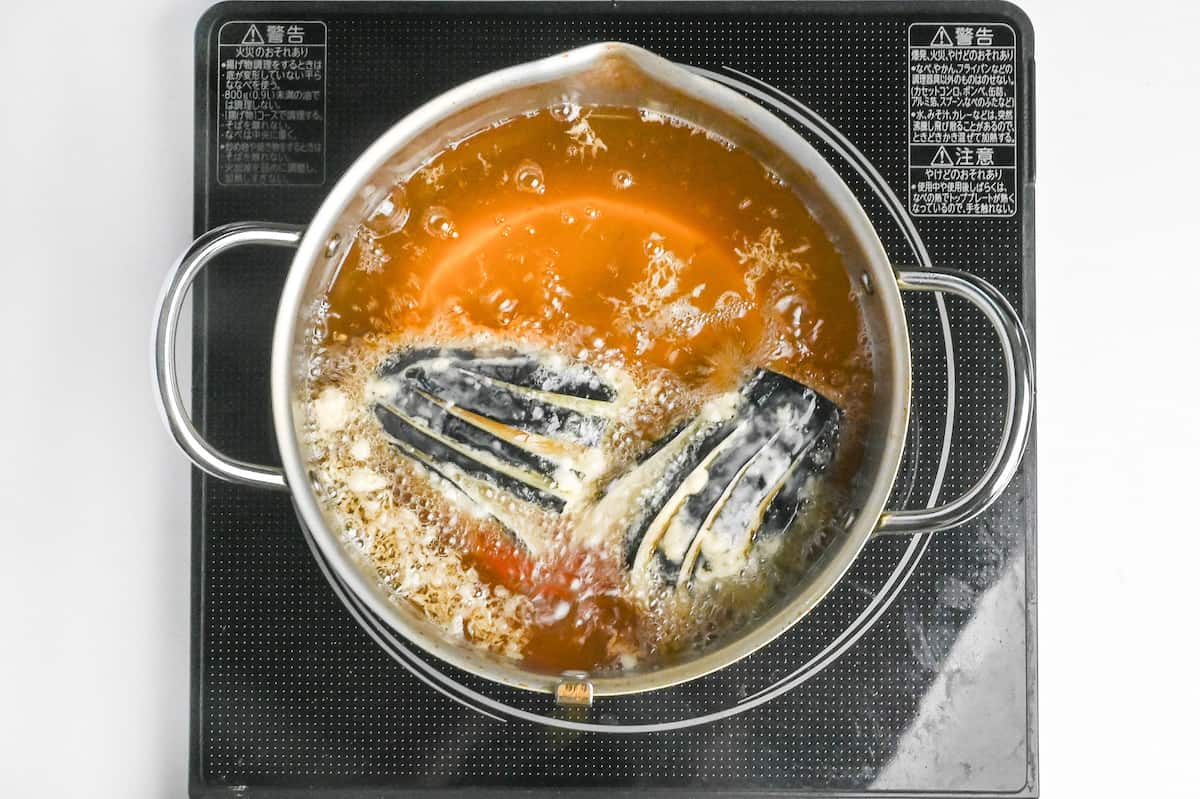
v. Pull each piece out when it is pale gold and crisp, and drain it on a rack.
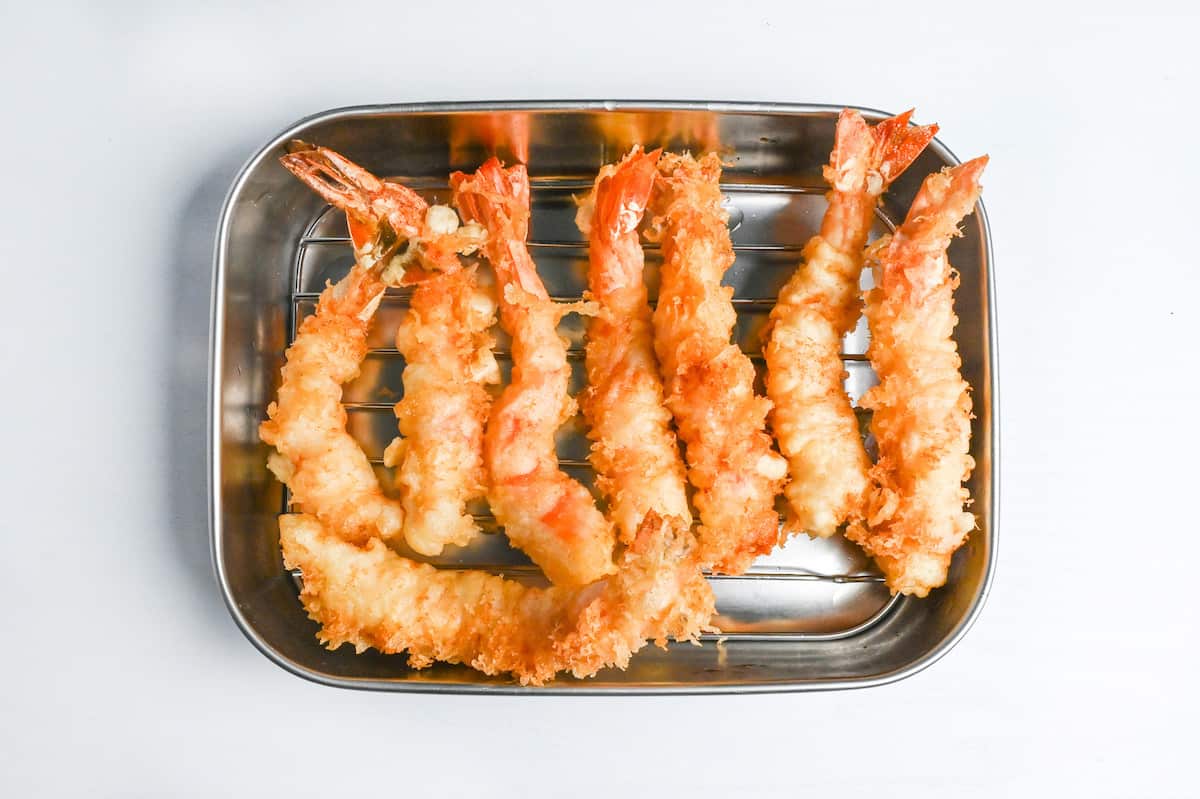
vi. Dip a whisk into the leftover batter and shake it over the oil to scatter small drops. Those become tenkasu.

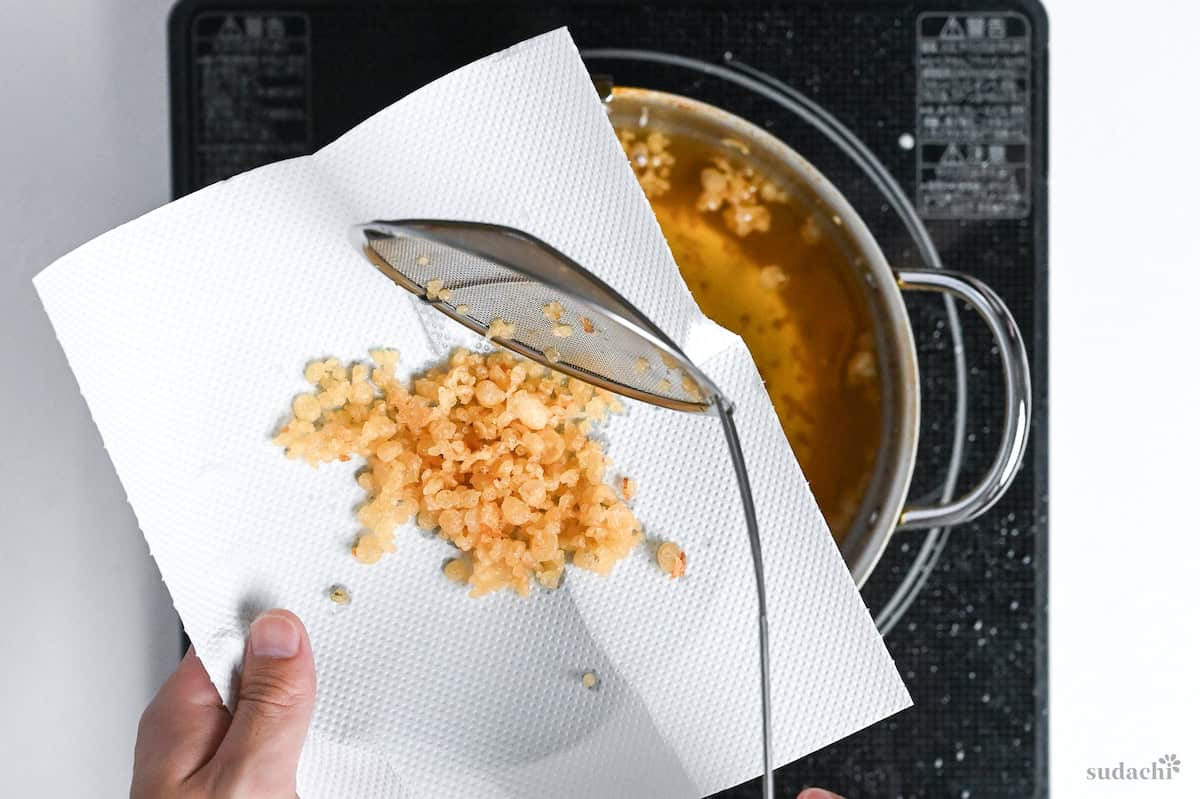
vii. Lift the tenkasu out once it colors and blot the extra oil with paper towels.
i. Divide the hot rice evenly among the bowls.
ii. Scatter a little tenkasu over the rice, then spoon a light pass of sauce over that.

iii. Stack the fresh tempura on top of the rice.
iv. Finish by pouring the rest of the sauce over the tempura.

v. If you want heat, add a shake of shichimi at the end.
Pour the sauce only over the tempura and the rice underneath stays plain, which is usually why a homemade tendon tastes like something is missing. Stain the rice lightly first and the flavor carries all the way to the last bite.

Tips for the Best Tempura Don
- Mix the batter last and keep it cold to the end. When a tendon goes wrong, the cause is rarely the oil or the flour. It is the batter, and how long it sat at room temperature. Gluten starts linking the moment flour meets water, so prep the fillings and heat the oil first, then mix. If the bowl warms up mid-fry, add ice or park it in the freezer.
- Dry the fillings, then give them a thin coat of flour. Batter cannot grab a wet surface. Wipe each piece down, dust it, and the flour acts as glue so the coating stays put all the way through the fry. Too much flour turns the bite powdery, so knock the excess off. Dusting and knocking off are 1 move, not 2.
- Get the tempura into the bowl within 5 minutes of frying. Even on a rack, tempura keeps softening in its own steam. So cook the rice ahead, line up the bowls, have the sauce ready, and build the whole run so the last piece out of the oil is the landing point.
Tendon is a dish about the sauce, but the same sauce tastes different depending on what it lands on. All of these are about what it lands on.
Storage & Meal Prep
Fridge: Store tendon sauce in the fridge for up to a week. Avoid refrigerating tempura, which will make it soggy.
Freezer: Wrap each piece of tempura, freeze for 2 to 4 weeks.
Meal prep: Sauce and cut fillings keep overnight. Measure out and chill your batter ingredients ahead of time, but only mix right before frying.
Reheating: Air fryer at 200°C (392°F), 5 minutes, or a toaster oven on crumpled foil.
What to Serve With Tempura Donburi
- Homemade Miso Soup
- Easy Takuan (Pickled Daikon)
- Japanese Cucumber Salad
- Spinach Ohitashi
Japanese Tendon Troubleshooting
First, work out whether this is the kind of soggy that needs fixing. If the whole coating is pale and thick, that is a failure. If only the sauced side has gone soft, that is what this bowl is, and there is nothing to fix. When it is the failure kind, the cause is overmixing, a batter that warmed up, or too much in the pot at once pulling the oil temperature down.
If it is too sweet, pull back the sugar and add a little more soy sauce until the flavor tightens up. If it is thin, or it runs off instead of clinging, simmer it over low-medium heat for about 3 minutes, stirring so it does not scorch. Once it leaves a thin film on the back of a spoon, it is thick enough to coat the tempura and reach the rice. And if you reduce it too far and it sets like candy, a splash of water or sake brings it back.
Either the surface of the filling was wet, or the dusting flour got skipped. Batter cannot hold onto a wet surface. Dry each piece well, dust it thinly, and let the batter grab the flour instead. If the flour goes on in clumps, the coating peels away at those clumps, so shake it through a tea strainer for an even layer. For watery fillings, mix the batter a touch thicker and it will sit better.
More Donburi Recipes
- Gyudon (Beef Bowl)
- Katsudon
- Unagi Donburi
- Chicken Teriyaki Donburi
Sauce the rice first, then pile the topping on, then sauce again. That order is the whole game in my donburi recipes.
Did You Try This Recipe?
I would love to hear your thoughts!
💬 Leave a review and ⭐️ rating in the comments below. 📷 I also love to see your photos – submit them here!
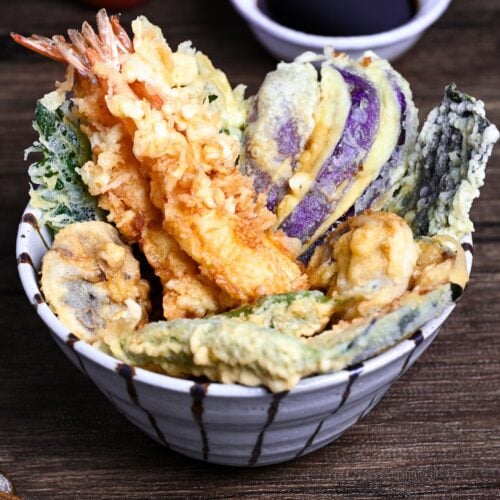
Tempura Donburi with Homemade Tendon Sauce

Ingredients
Tendon Sauce
- 3 tbsp Japanese soy sauce (koikuchi shoyu)
- 3 tbsp sake
- 4 tbsp mirin
- 1 tbsp light brown sugar
- 1 tsp dashi granules
Suggested Tendon Ingredients
- 4 large shrimp deshelled and deveined (tiger, white leg or similar)
- 4 fresh shiitake mushrooms
- 4 perilla leaves (shiso)
- 1 sheet roasted seaweed for sushi (nori) cut into quarters
- 2 eggplants Japanese or similar
- 4 slices kabocha squash (or butternut squash) skin-on
- 4 shishito peppers
Tempura Batter
- 150 ml water chilled
- 1 egg
- 100 ml carbonated water chilled
- 150 g unbleached cake flour plus extra for dusting
- 30 g cornstarch
- 3 ice cubes
- cooking oil for deep frying
To Serve
- 4 portions cooked Japanese short-grain rice
- Japanese chili powder (shichimi togarashi)
The ingredient brands and tools I trust are in my Japanese pantry guide and my cooking tools guide.
Can’t find certain Japanese ingredients? See my substitution guide here.
Instructions
- Place all of the batter ingredients in the refrigerator at least 30 minutes ahead of cooking. I recommend measuring the dry ingredients into a bowl and chilling them in the freezer too. I would also use this time to soak/cook the rice.

- To make the tendon sauce, pour 3 tbsp Japanese soy sauce (koikuchi shoyu), 3 tbsp sake, 4 tbsp mirin, 1 tbsp light brown sugar and 1 tsp dashi granules into a small saucepan. Bring to a boil over medium and let it bubble for until thickened like a syrup, about 3 minutes. Take it off the heat and set aside to cool.
- Wash, dry and cut your tempura ingredients. Make shallow diagonal incisions on the bellies of 4 large shrimp to prevent curling. Cut off the stems and cut 2 eggplants in half lengthways. Trim the stems off 4 fresh shiitake mushrooms. Prepare a plate of flour for dusting.
- Start heating a deep pot of cooking oil to 180 °C (356 °F) to 190 °C (374 °F). Once it's hot, take a mixing bowl and add 150 ml water and 1 egg. Whisk until foamy, scoop out the foam and add 100 ml carbonated water. Mix 30 g cornstarch and 150 g unbleached cake flour in a bowl, then sift it into the wet ingredients one-third at a time. Draw crosses in the mixture to combine without overmixing (lumps are okay). Add 3 ice cubes to chill it even more.
- Dust your ingredients with a thin layer of flour, then dip them into the batter and place them straight into the oil. I recommend cooking each ingredient in separate batches for accurate cooking times. Shrimp, mushrooms and eggplants take 2-3 minutes, perilla leaves and nori will take about 30 seconds. Fry until crispy and a pale golden color. (If using root vegetables, cooking time depends on thickness and can range from 2-4 minutes.) Once cooked, drain on a wire rack.
- When all of your ingredients are cooked, dip a whisk into the leftover batter and sprinkle it over the oil to make tempura flakes (tenkasu). Fry until golden and crispy, then scoop out with a mesh spoon and transfer to a sheet of kitchen paper to absorb the excess oil.
- Divide 4 portions cooked Japanese short-grain rice into deep serving bowls, leaving some space at the top. Sprinkle with tempura flakes and drizzle with tendon sauce.
- Arrange the tempura on top, then pour over the remaining sauce. Serve immediately and enjoy!

Perfect recipe. Loved the tendon sauce.
Hi Jonathan,
Thank you so much for trying my recipe! I’m happy that you enjoyed it! 🙂
Yuto