

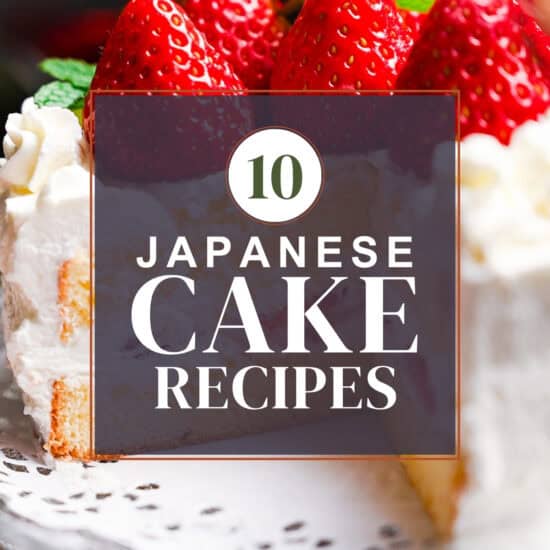

When I think of Japanese cakes, I picture a cake shop glass case lined with sponge, cream and cheesecakes that wobble when the tray moves. Almost everything in that case leans light and gently sweet, because Japanese bakers took rich European cakes and remade them to be fuwa-fuwa, soft and airy. These recipes cover the whole case at home, from a castella with 400 years of history to a “Baschee” that started as a convenience store hit, plus a few cakes that never see the oven.
1. Castella Cake (Kasutera)

Featured Comment
My japanese co workers cant stop praising it!
– Maruki katherine
My castella starts at the bottom of the pan. A layer of coarse turbinado sugar goes in before the batter, and since it barely melts in the oven, it bakes into a crunchy strip under the soft honey sponge. In Japanese, that sugar is called zarame.
Of all the cakes here, castella is the one that rewards patience after the oven. I wrap it hot and rest it upside down for at least 12 hours, ideally a full day, and by the first cut the crumb is moist all the way to the edges.
2. Japanese Rare Cheesecake (No-Bake)

Featured Comment
I was a little nervous when making it, the first time, as I had never used plain gelatin before. However, it came together beautifully. It is a recipe that everyone loves.
– Terrie
My filling is half cream cheese and half plain yogurt, by weight. The yogurt brings a gentle sourness that cuts the richness, so each slice tastes clean and light. I use a low-fat, unsweetened one, and gelatine does the setting work that whipped cream would do in a heavier version.
That lightness suits a warm day when you would rather leave the oven off, and the lemon carries it all the way through. Zest goes into the biscuit base and juice into the filling, so the citrus runs through every bite.
3. Japanese Souffle Cheesecake

Most of us blame a hot oven when a souffle cheesecake cracks, and so did I. I bought a thermometer to prove it, and my oven read true. The real culprit was the fan, drying the surface even at low temperatures.
My fix is an empty baking sheet slid onto the rack over the cake. It shields the top from moving air and keeps the steam from the water bath close around it. With that sheet in place, my fan oven turns out a tall, smooth, wobbly cake.
4. Japanese Basque Cheesecake
Featured Comment
I’ve never made a cheesecake with cheese slices so I was a bit skeptical… but it came out so good!
– Esther
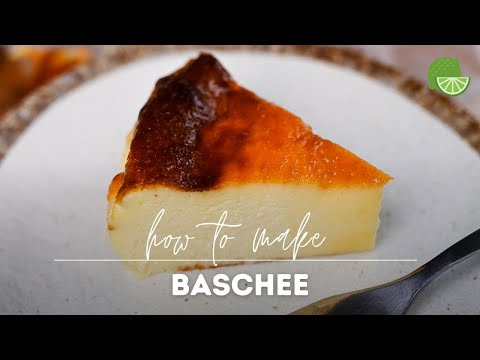
I give this basque cheesecake caramel twice. Half goes into the pan before the cheese mixture, and the rest is brushed over the top once it has browned. A second, slightly cooler bake gives the top its burnt caramel finish, and that brushed caramel sinks into the soft center.
It leaves the oven still wobbly and firms up in the fridge. If the scorched top is your favourite part of a basque cheesecake, this is the one I would bake.

5. No-Bake Matcha Cheesecake
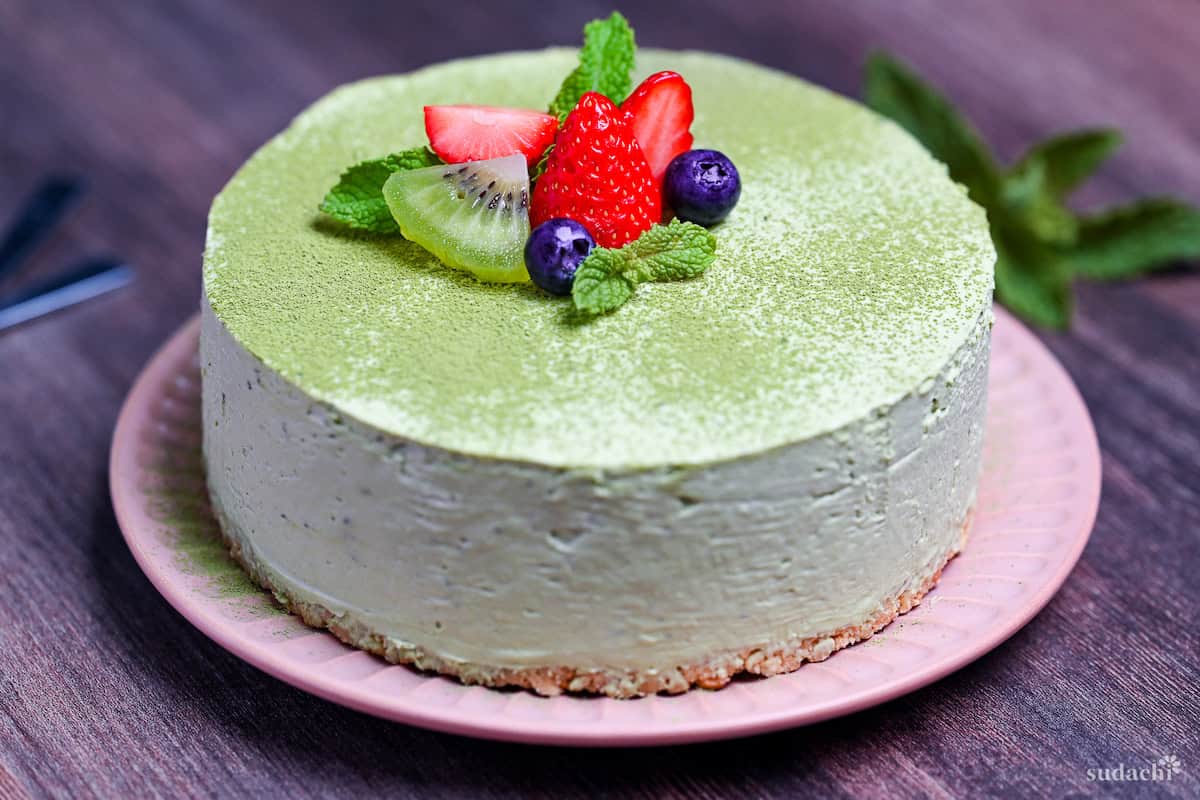
I carry the matcha in the whipped cream for this cheesecake. It gets sifted into just a third of the cream first and whipped smooth, which is where the lumps break up. The rest of the cream follows, whipped to firm peaks over a bowl of ice.
The payoff is an even green filling with no dark specks, and a slice that stays light because that firm cream does most of the holding. I add only a small spoon of gelatine for the rest, and the oven never comes on.

6. Matcha Swiss Roll

Featured Comment
Best recipe, best roll, best texture, best flavour!! This will become a family favourite!
– Karan Coombe-Smith
If you have ever watched a Swiss roll split as you rolled it, this matcha sponge is my answer. I use oil in place of butter, a little honey for stickiness, and some bread flour with the cake flour. The crumb stays light and fluffy, and it bends around the cream without breaking.
The other choice I hold to is timing. I fill and roll the sponge after about 10 minutes of cooling, while it is still a little warm. That is when it bends best.

7. Matcha Pound Cake with Adzuki Beans
Featured Comment
The cake was light, delicious and quick to make.
– Christine
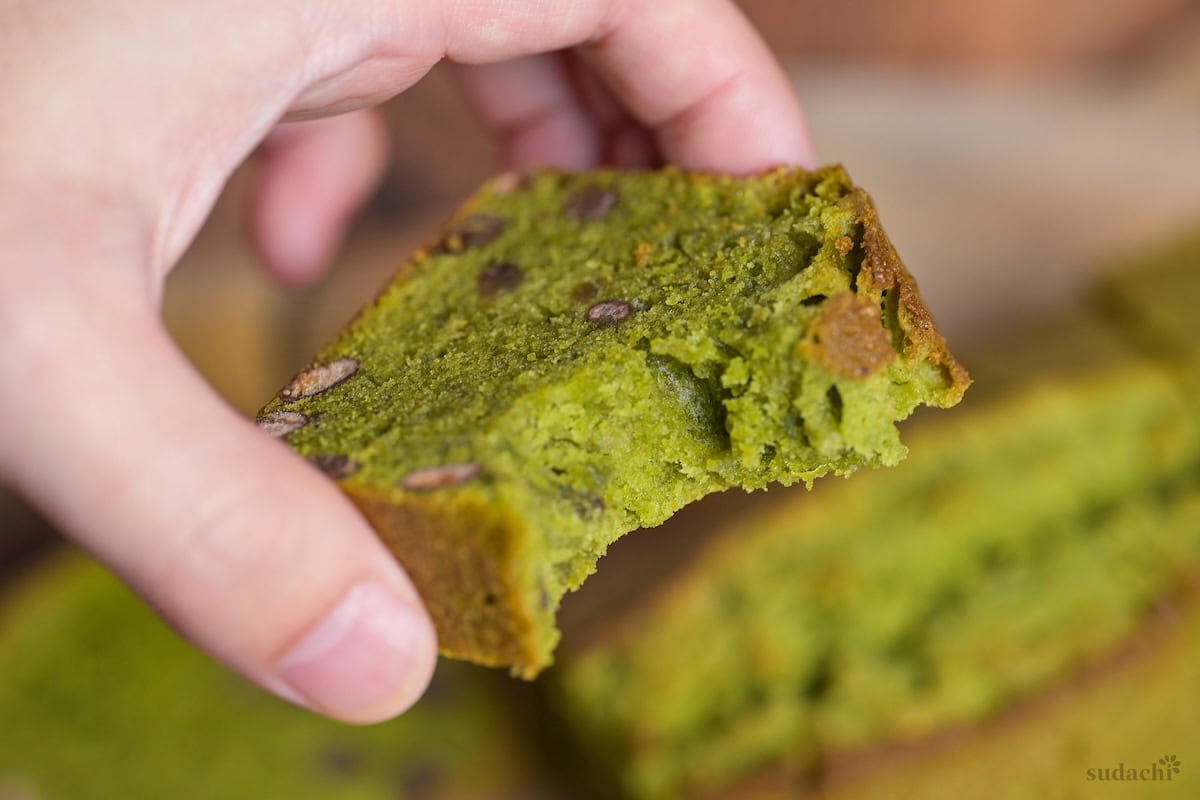
The step that matters most in this matcha loaf is a small one. I hold back 1 tablespoon of the sifted flour and matcha, then toss the rinsed adzuki beans in it. That green coat keeps the beans from sinking, so every slice gets its share of soft red sweetness.
Japanese pound cake runs a little lighter than the Western kind. Cake flour gives mine a softer crumb with a taller dome.

8. Japanese Christmas Cake (Strawberry Shortcake)

This 6-inch sponge rises on 2 eggs and a firm meringue, with no baking powder in the batter. I add the yolks to the finished meringue and sift the flour 3 times, so the air stays in. My fan oven runs hot, so I pull it at 23 minutes.
The sponge is the hard part, and it freezes for up to a month. Bake it well ahead for a birthday, and the day itself is for assembling and decorating.

9. Kabocha Bread (Spiced Kabocha Loaf Cake)

Featured Comment
I was hesitant about the amount of sugar, but the loaf turned out just sweet enough and perfectly complemented the spices!
– Dee Mal
I peel the kabocha that sweetens this loaf, for a smoother bite. It bakes up soft and moist, and green pumpkin seeds and coarse sugar scattered over the batter give it a crunchy lid.
If you have baked pumpkin bread, this will feel familiar, which is why I would pick it for a first Japanese bake. Kabocha is what makes it Japanese, its sweetness clear against cinnamon and ginger.

10. Mushi Pan (Japanese Steamed Cakes)
Featured Comment
I tried the matcha version today, amazing! Soft, slightly chewy, perfect balance between the taste of matcha and the amount of sugar, and incredibly easy to make!
– Mei
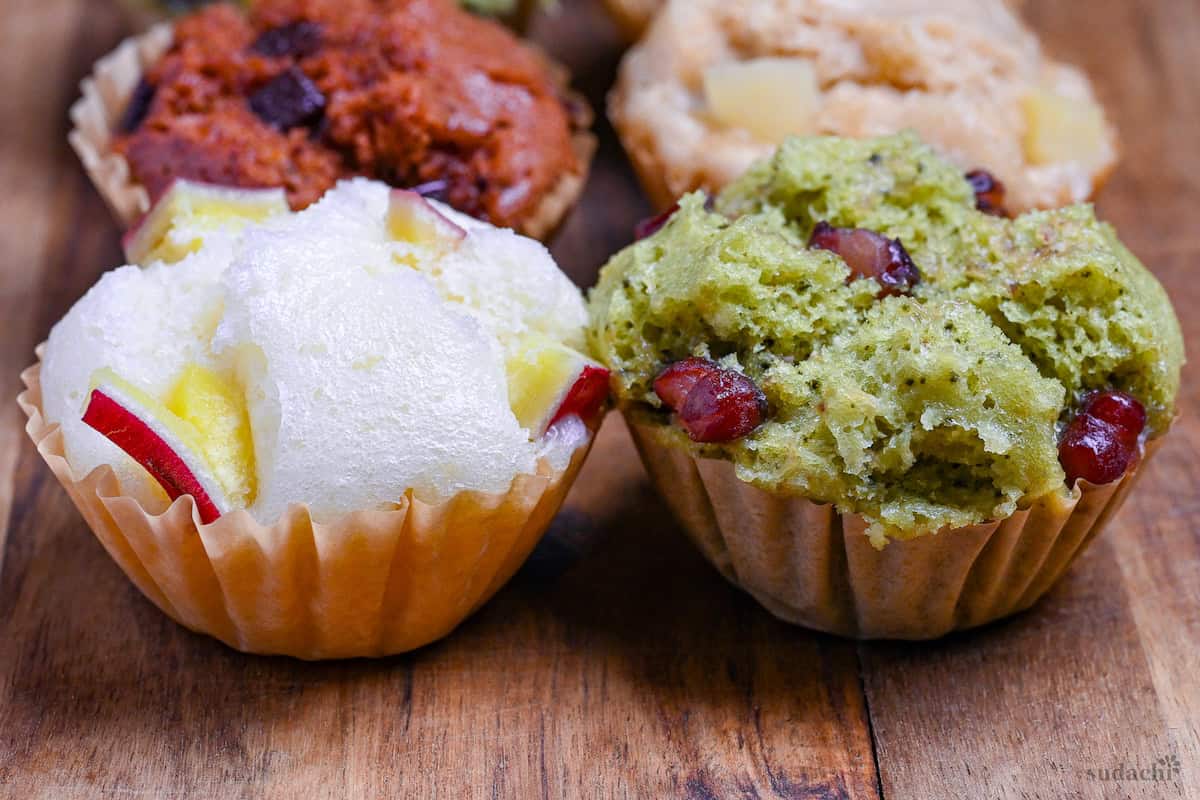
Mushi pan are Japanese steamed cakes, and the one I wanted was the kind with the split top you see on store-bought ones. That crack comes from the baking powder. I drop a little in hot water first, and if it fizzes, the tops will open up in the steam.
This is the one cake here that cooks in steam. A steamer does the work, or a deep frying pan with a lid if you have none, and each batch takes 12 minutes on high heat. My own favorite is a tea version, with the leaves steeped in warm milk.


Leave a rating and a comment