



There is more room for Japanese sweets in high summer than you might expect, and the easiest of them, warabi mochi, asks for barely any work at all. The whole idea here is that cold does the work an oven usually would, so a dessert can lean traditional or lean Western and still land on the same summer table.
1. Warabi Mochi

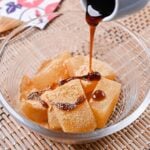
Warabi mochi is that wobbly, jelly soft wagashi made from bracken starch, dusted in nutty kinako and pooled with dark kuromitsu. I keep the texture on the softer, more delicate side, the kind that barely holds its shape on the spoon.
The magic is in how the starch is cooked, since a minute too long or too little changes everything about that signature chew. Serve it cold from the fridge on a sweltering afternoon and you understand why it has been a fixture of Japanese summers for generations.
2. Mizu Yokan
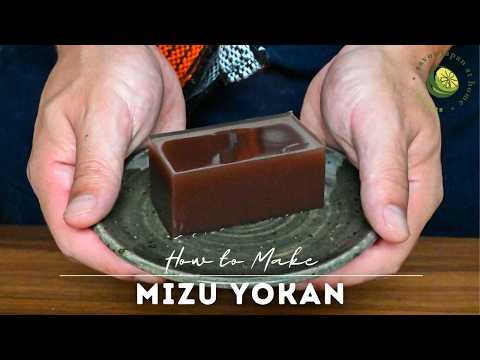
Mizu yokan is the lighter, cooler cousin of the dense yokan blocks you see year round, loosened with more water so it goes down easy in the heat. Sweet azuki and kanten set into a smooth slab I like to slice into blocks and serve straight from the cold.
There is a quiet art to getting the kanten ratio right so it holds a clean edge yet still melts the moment it touches your tongue. A slice with cold green tea is one of those small rituals that makes the hottest part of the year feel bearable.
3. Anmitsu

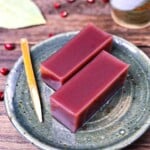
Anmitsu goes all the way back to the Meiji Era (1868 to 1912), a little bowl of firm kanten cubes crowned with sweet anko, seasonal fruit, and a slow drizzle of kuromitsu. I built my version to stay authentic while keeping every part simple and open to whatever fruit you have.
The joy of anmitsu is the assembly, the way a handful of humble parts turn into something that feels like a treat from a proper tea house. Chill each element, spoon it together, and you have a cool little celebration in a bowl that turns a sweltering afternoon into something to look forward to.

4. Coffee Jelly
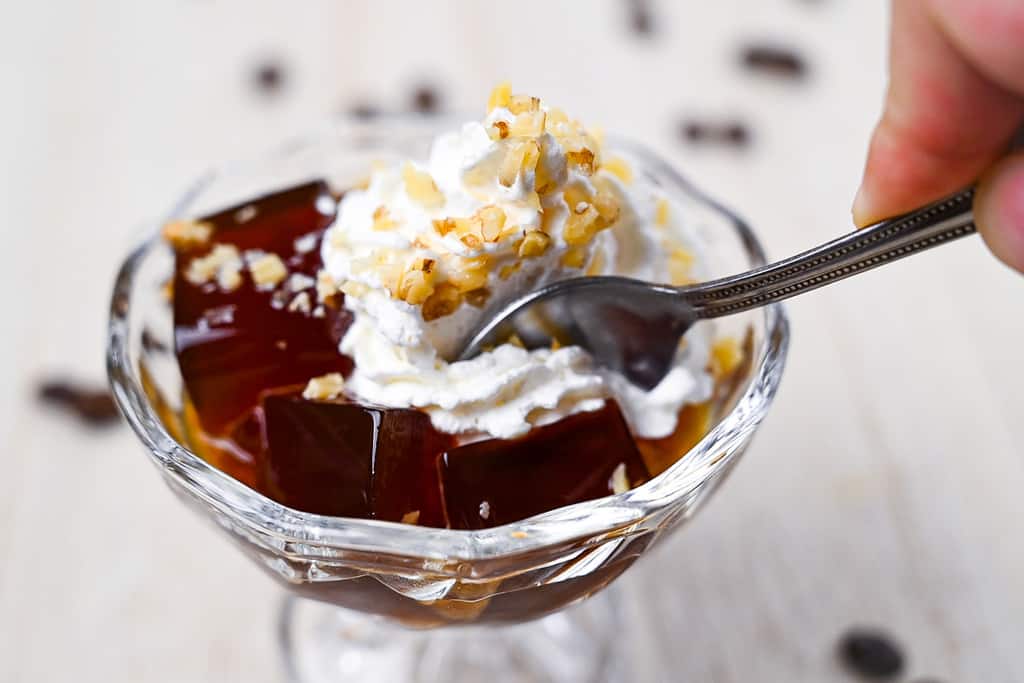
Coffee jelly is proof that a wobbly dessert can be grown up. I set strong, lightly sweetened coffee into a soft, trembling jelly with that bittersweet edge, then pour a little cream over the top so it swirls down through the cracks.
It takes about 5 minutes of actual work and then the fridge does the rest, which is exactly what you want when it is too hot to think. The moment the bitter coffee meets the cold cream is the reason I keep a batch ready all summer.

5. Nameraka Purin

This is the silky, convenience store style purin, the kind that jiggles and slides rather than the firmer baked custards. I set mine with gelatin instead of the oven, so it stays soft and creamy with a melt on the tongue and a pool of dark caramel underneath.
The whole thing comes down to a single homemade caramel that you cook right to the edge of bitter, since that faint sharpness is what keeps the sweetness from getting dull. With no oven and no water bath involved, it is my go to the moment the kitchen feels too warm to cook.

6. Lemon Rare Cheesecake
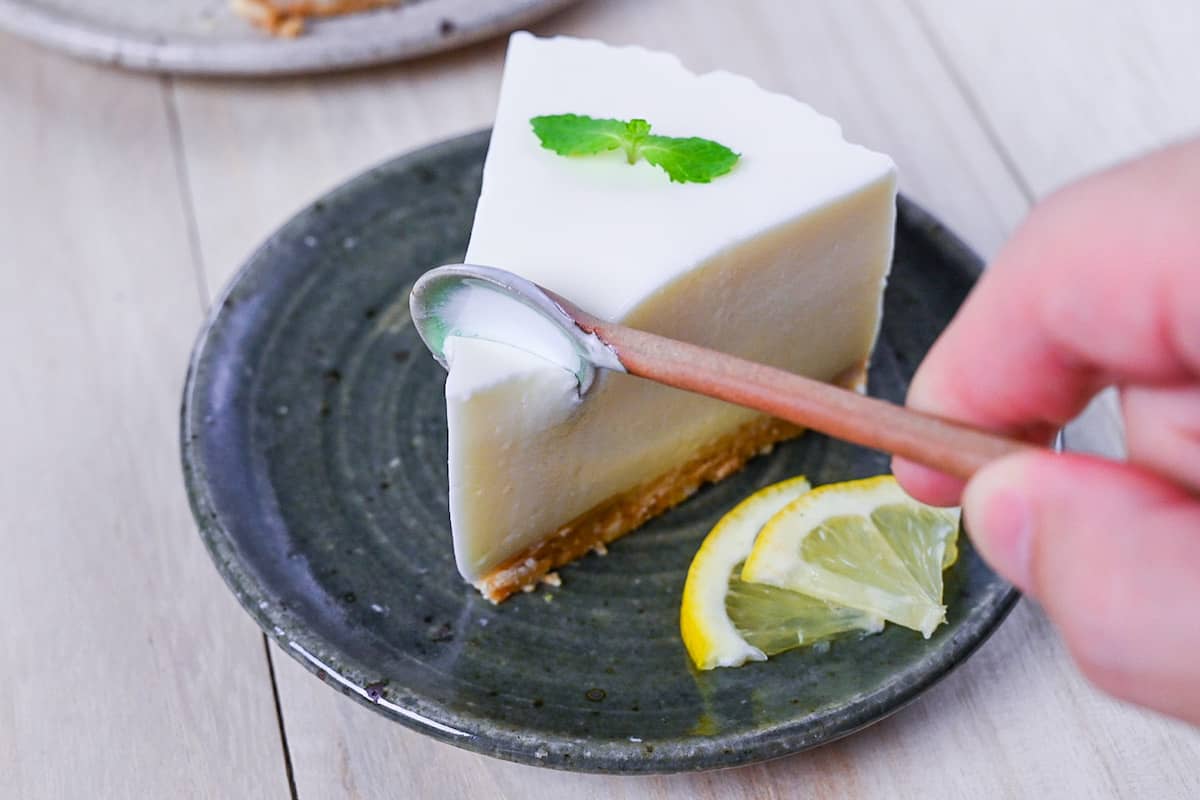
Rare cheesecake is simply the Japanese no-bake cheesecake, and mine leans bright and lemony rather than dense and rich. A crisp biscuit base holds a light, tangy cream cheese filling that sets in the fridge into something closer to a cool mousse than a heavy slice.
Plenty of Japanese homes never kept an oven at all, which is exactly why desserts like this one learned to set in the cold instead. The lemon zest worked right into the crust is the small touch that makes the whole thing taste awake instead of flat.
7. Matcha Rare Cheesecake
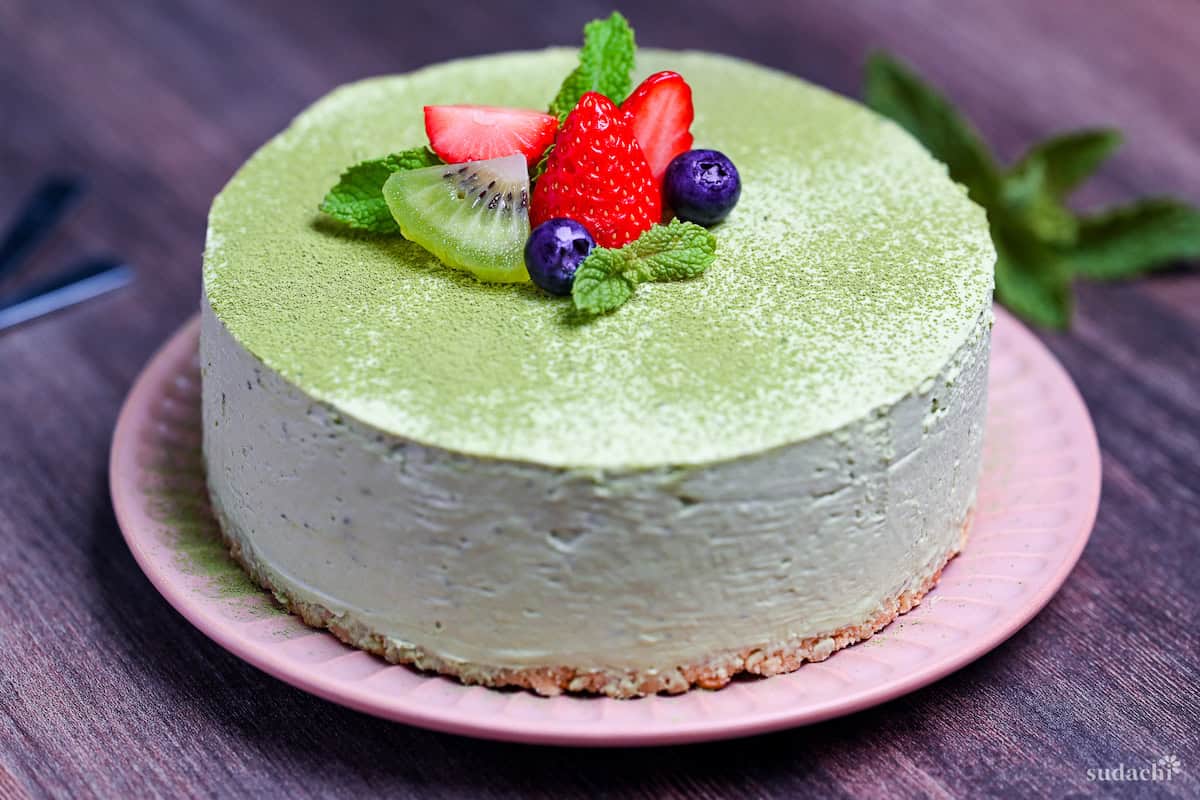
This is the matcha turn on my rare cheesecake, a mousse-like no-bake round with real matcha green tea blended into the cream. It sits somewhere between the zesty lemon version and a rich baked Basque, earthy and sweet without ever feeling heavy.
Good matcha is everything here, since a cheap tin turns dull and grassy while a proper one brings that deep, almost bitter green that plays off the tang of the cheese. Whisk, chill, and slice, and it looks like it took real skill without ever asking you to turn on the heat.

8. Black Sesame Ice Cream
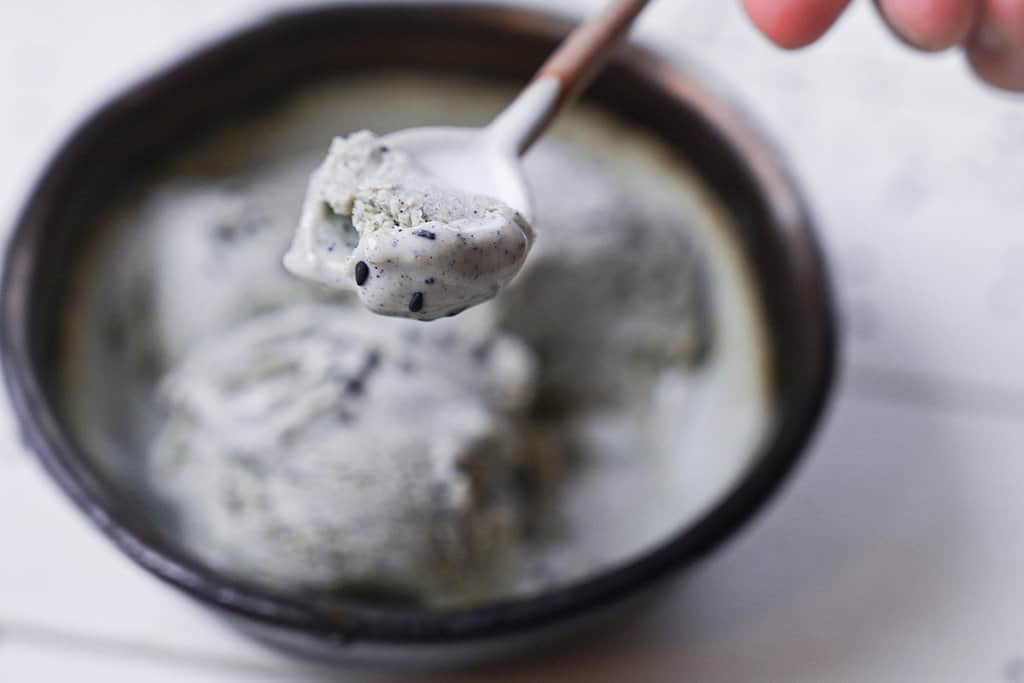
Black sesame ice cream is one of those flavors the West still sleeps on, deeply nutty and toasty with a faint bitter edge from the hulls. I toast and grind the seeds into a dark paste so the flavor runs all the way through, giving the ice cream its signature smoky grey color.
The one thing I will not let you rush is the churning, because skimping on that time is exactly what turns a smooth scoop into an icy, grainy one. Hit the full churn and the texture comes out dense and creamy, the kind you want to eat straight from the tub before it even hardens.

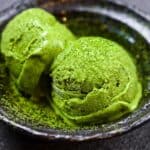
9. Matcha Ice Cream

Matcha ice cream is the one that turns green tea into pure comfort, earthy and gently bitter against cold sweet cream. I lean into a strong dose of matcha so it tastes of real tea rather than a soft green sweetness, the kind of scoop that carries the flavor of the leaf.
You can make it by hand or with a machine, and either way it pairs beautifully with the wagashi further up this list. The trick is balancing the bitterness of good matcha against just enough sugar, because too sweet and you lose the tea, too little and it turns sharp.
10. Hojicha Ice Cream
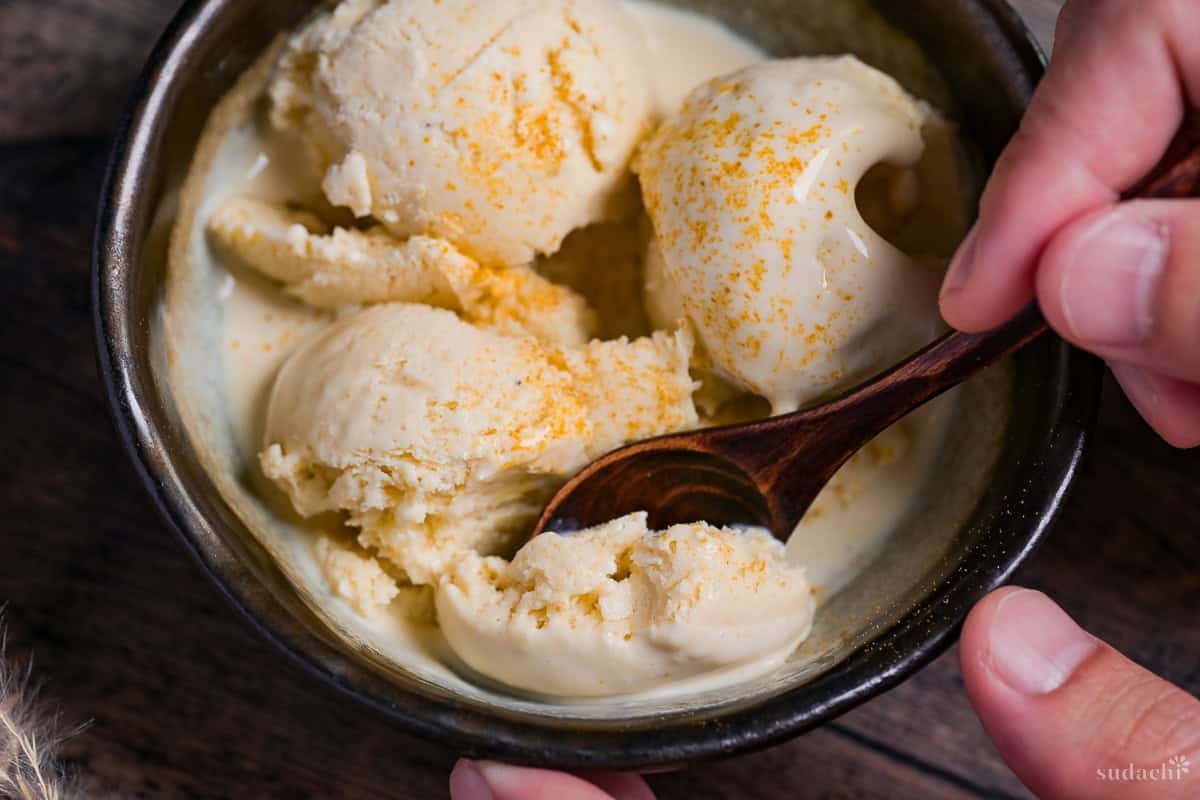
Hojicha is the roasted green tea that lives in matcha’s shadow, and it deserves a scoop of its own. Roasting turns the leaves smoky and nutty with a note of caramel, and folded into a custard base it grows into a flavor you will not find in any shop freezer.
6 ingredients, a whisk, and no ice cream machine is all it takes, and the roasted tea does nearly all the flavor work for you. If matcha has become your usual, this is the scoop that shows you the other half of the Japanese tea world, and it might just win you over.


Leave a rating and a comment