



Garlic chives, or nira as we call them in Japan, have a bold, garlicky aroma that adds a distinct flavor to every dish they touch. If you have ever bought nira for one dish and then watched the rest of the bunch go limp in the crisper drawer, this collection is for you. Letting them go soft always feels like a missed meal to me, and these easy recipes give that leftover bunch somewhere better to go than the bin.
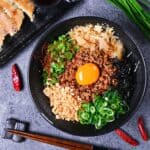
1. Taiwan Mazesoba

Featured Comment
Love noodles and this recipe is quick and easy. So putting the dish together took as long as it took to cook the noodles. Might be my go to dish for lunch too.
★★★★★
– Karen
Taiwan mazesoba is Nagoya’s brothless ramen, born from a noodle bar’s leftover Taiwan ramen. I pile spicy pork, garlic chives, and other toppings over thick noodles, then crown it with a raw egg yolk. The trick is keeping the pork moist, not wet, so it sticks to every strand.
There is no broth to hide behind here, so every topping has to earn its spot, garlic chives included. Mix everything together hard before the first bite, and the flavor changes into something you cannot get any other way.
2. Niratama (Garlic Chive and Egg)

Featured Comment
Made it yesterday! Easy and delicious way to use up the chives!
★★★★★
– Jules
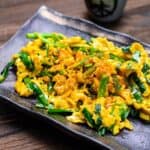
When I want to use up a whole bunch of nira at once, this is the dish I make. Garlic chives are nothing like the mild herb the English name suggests, different in flavor, smell, and job. Here they are the star, fifty grams folded into soft, barely-set egg.
I flash-fry the chives for thirty seconds before they meet the egg, which mellows them and keeps the eggs from turning soggy. Skip that step and you get a different, harsher dish, so it is worth the extra half minute.
3. Buta Yasai Itame (Pork and Vegetable Stir-Fry)
Featured Comment
Wow, this was so easy to make and absolutely delicious!
★★★★★
– kelly
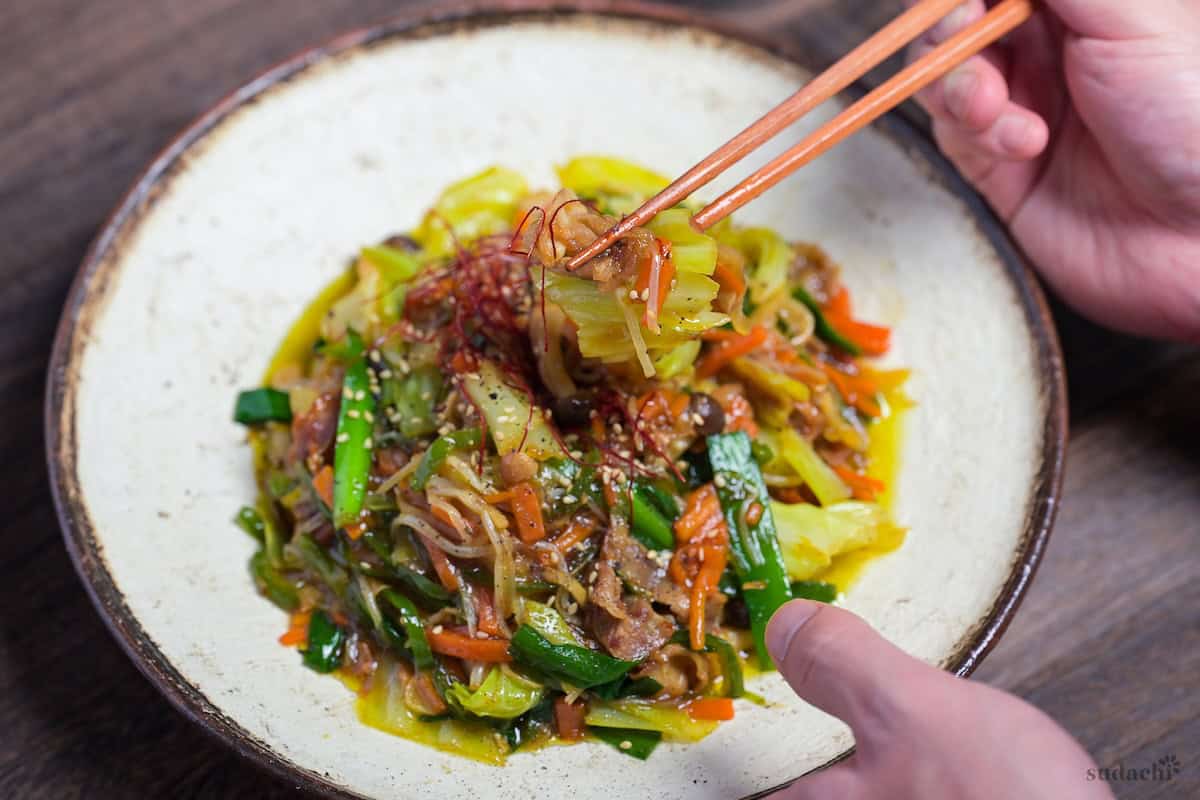
This is my weekly fridge-clearing dish, the one I make when half a cabbage and tired carrots need a home. Pork is just my default, you can swap in chicken, seafood, or even a handful of mushrooms instead. Garlic chives go in at the end with the sauce, fresh and fast.
The whole thing is eighty percent prep and just a few minutes of high heat, so cut everything first. Treat moisture as the enemy and you get crisp-tender vegetables instead of a sad, soggy pile.

4. Hakata Motsunabe (Offal Hot Pot)

Featured Comment
Thank you for your recipe. We really enjoyed it. The only thing we changed was adding more chilies.
★★★★★
– Hai
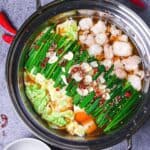
Motsunabe is Hakata’s hot pot of beef offal in a garlicky, soy-based broth. I know motsu can sound intimidating, but cleaned and blanched well, it turns silky and melts into the soup. A generous mountain of garlic chives sits on top, a hundred grams of it.
The chives are not a garnish here, the dish feels incomplete without that pile wilting into the broth. Then there is the part everyone waits for, the noodles you cook in the leftover soup at the very end.
5. Taiwan Ramen (Nagoya Style)
Featured Comment
I’ve made this 5 or 6 times now. great for the chilly weather. It tastes better every time I make it. Thank you for creating these recipes, they’re all delicious.
★★★★★
– Edward
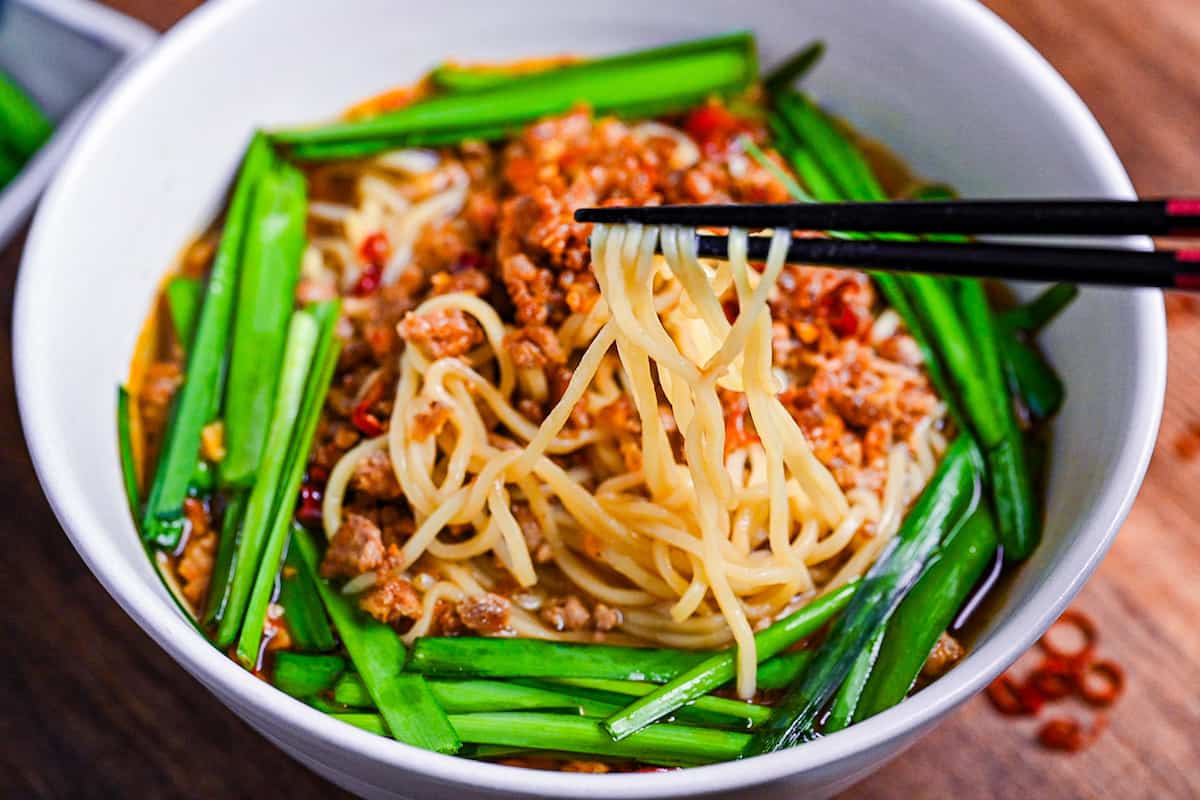
I was born and raised in Nagoya area, and I grew up eating at Misen, the home of this spicy ramen. This recipe is my tribute to it, built from shiitake-kombu broth and fiery, chili-laced ground pork. Honestly, it might edge out tantanmen as my favorite bowl.
Misen-style Taiwan ramen does not work without garlic chives, they bring the fresh, aromatic lift that ties the heat together. Get the spice level right and you will understand why I have been chasing this bowl my whole life.
6. Buta Kimuchi Itame (Pork and Kimchi Stir-Fry)
Featured Comment
Absolutely delish!
★★★★★
– Esther
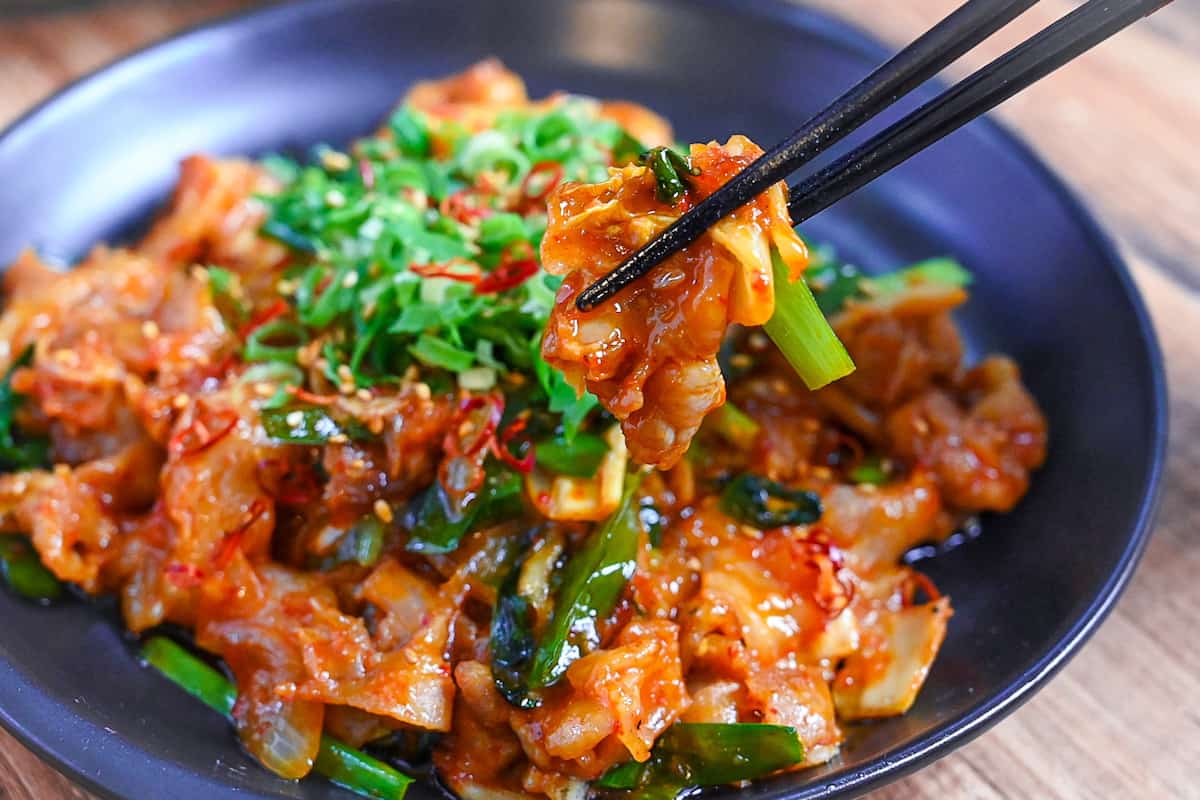
This is what happens when that half-forgotten jar of kimchi becomes the best part of dinner. The pork comes out with crisp, browned edges and a glaze that clings to every slice. The kimchi goes in late, on purpose, so it never stops that browning.
Garlic chives hit the pan off the heat at the end, fresh and sharp against the rich, spicy pork. There is one small move with the pork that makes the whole thing cling and gloss the way it should. It is the kind of trick you keep using forever.
7. Prawn Gyoza

Featured Comment
Thank you for this wonderful recipe! I used your gyoza wrapper recipe and also the shrimp filling was a beautiful treat for a small dinner party appetizer! The panfrying and then steaming turned out perfectly browned bottoms and soft tops!
★★★★★
– radhaks
Pork gyoza is great, but it is missing one thing, that clean snap when you bite through. So I chop the shrimp by hand instead of using a food processor. You get little chunks against the paste, two textures at once, and a filling that tastes brighter and cleaner.
Garlic chives give the filling a green, garlicky backbone that plays against the sweet shrimp. I serve these with ponzu instead of the usual sauce, which keeps everything light enough to eat by the dozen.
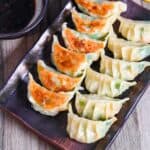
8. Classic Pork Gyoza

Featured Comment
These were so so delicious, the crispy bottom was just perfect! The homemade wrappers are a complete game changer as well, so much better than the pre-made ones! Will be making these again and again!
★★★★★
– Harri
I have never met anyone who does not like gyoza, and this is the recipe I make most. My secret is a spoon of lard in the filling, which keeps every bite juicy and rich. I also salt and squeeze the cabbage first, so the filling never turns watery.
To me, Japanese gyoza are not gyoza without garlic chives, they carry the aroma that makes the filling taste right. If you want the best way to taste what nira brings, this is it. Pan-fry them until the bottoms turn lacy and golden.

9. Chicken Gyoza with Umeboshi and Shiso

I wanted to know what the lightest gyoza would taste like, so I left the pork out entirely. Chicken thigh, hand-chopped and mixed with ground chicken, keeps the filling springy instead of pasty. Then I added a very Japanese pair, umeboshi and shiso.
Umeboshi brings bright, salty tang, shiso adds a peppery lift, and garlic chives keep it tasting like gyoza. It is the cleanest, freshest one in this whole collection.

10. Kimchi Nabe (Kimchi Hot Pot)
Featured Comment
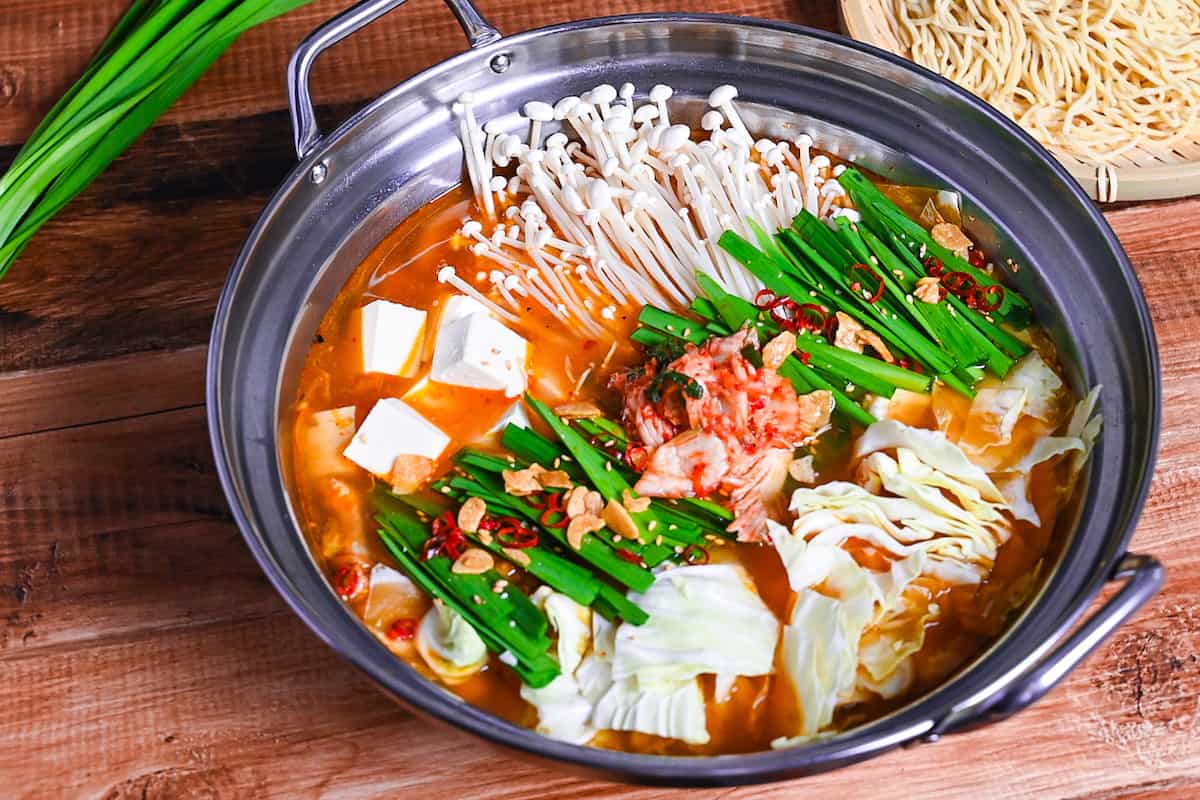
Made it today as temperatures hit minus in Amsterdam. I don’t really like Kimchi usually but the nabe was so tasty even though I forgot to buy garlic and ginger to put inside. Would make it again
★★★★★
– Sakura
Forget the store-bought soup base, it cannot touch what happens in a homemade pot. I build a real dashi, then fold in a pork and kimchi base I stir-fry separately first. The miso goes in last and never boils, so the broth stays alive.
Garlic chives go in near the end, fresh against the deep, simmered broth. Save the leftover soup, because that is where the flavor goes, and it makes the best part of the meal.


Leave a rating and a comment