



Burdock root spent decades being called a weed in much of the West, while in East Asian it has quietly anchored some of our oldest home dishes. I treat gobo the way you reach for an onion, slicing it into miso soups, simmering it with chicken, and sometimes letting it stand alone as a sweet-savory side.
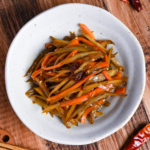
1. Kinpira Gobo (Japanese Burdock Stir-Fry)

Featured Comment
This recipe is what I’ve been seeking for years. It is exactly the same flavor I tasted in Okinawa restaurants 40 years ago. It is so good! Every bite I take has sweet memories. From the bottom of my heart I thank you for sharing this recipe.
★★★★★
– Denise
Kinpira is gobo’s loudest moment, a sweet-savory stir-fry that turns the root from intimidating into addictive in twenty minutes. I treat it as the dish that proves gobo deserves a place on the table on its own. The carrot rides along, sesame oil ties it together, and the soy-mirin glaze gives that lacquered shine.
If you have never cooked burdock before, start here. The technique is simple, and the payoff teaches you what gobo actually tastes like.
2. Chikuzenni (Simmered Chicken and Vegetables)
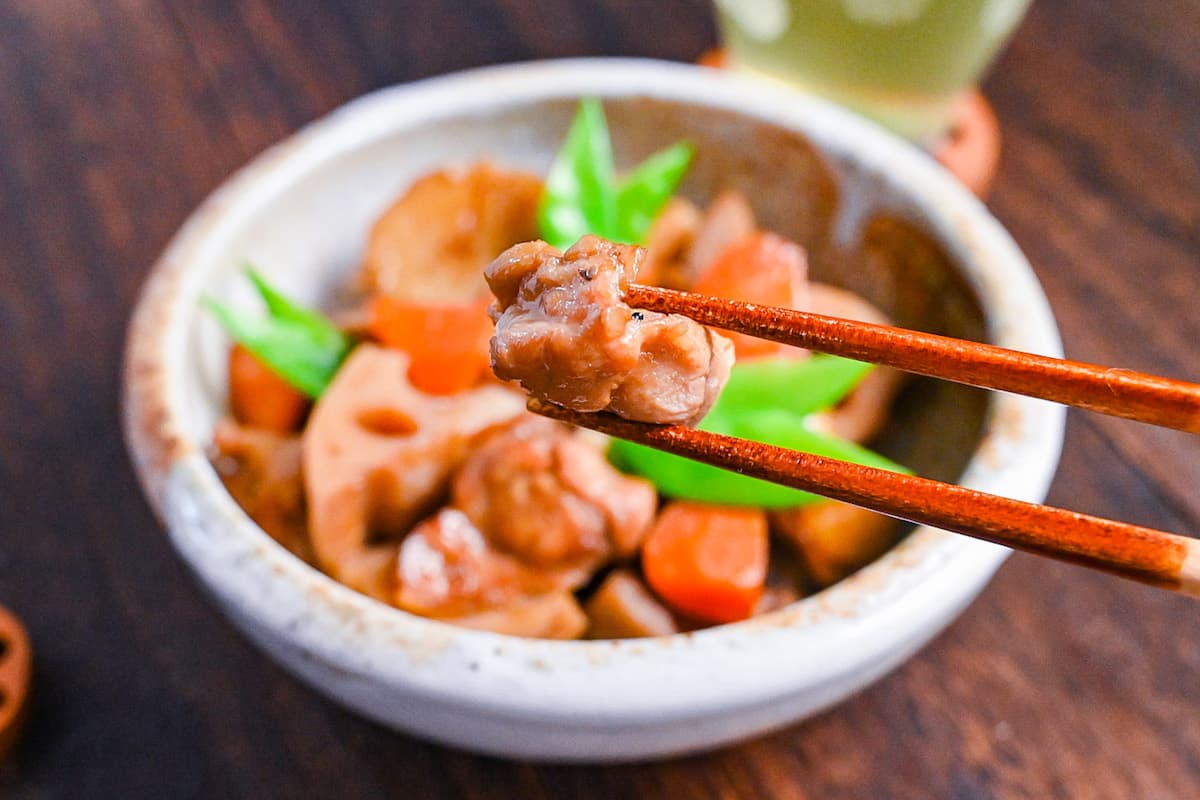
Chikuzenni is where gobo joins three other roots, carrot, lotus, and taro, in a chicken simmer from Kyushu. I sauté the vegetables in oil first, then add the dashi. This step deepens the savory base in a way pure simmering cannot.
The dish carries serious cultural weight in Japan, served at New Year’s because each ingredient was chosen for symbolism. Gobo’s long, deep-growing root is the one that promises a stable foundation in the year ahead.
3. Tonjiru (Japanese Pork Miso Soup)

Featured Comment
Wholesome and excellent. A recipe that works with great variation in the ingredients. The butter is a welcome addition that adds a thickness and depth to the pork.
★★★★★
– Jason
Tonjiru is the miso soup I make when I want a winter bowl that doubles as dinner. Pork belly renders, root vegetables soften into the fat, and miso paste goes in off-heat so its aroma stays alive. Gobo enters the pan first because its dense fibers need the most time in the hot fat.
Every household in Japan makes tonjiru differently, and each cook believes theirs is best. My version finishes with butter and ginger, which sounds wrong until you taste the warmth it adds against the miso. The pot empties before anyone reaches for seconds.

4. Kenchin Jiru (Vegetable Soup)

Featured Comment
Just made it tonight! So good and so comforting!
★★★★★
– Rodrigo
Kenchin Jiru is older than miso soup, and it carries that age in every spoonful. The base is a plant-based dashi of kombu and dried shiitake with no meat or fish, because the recipe came out of Buddhist temple kitchens. Gobo, daikon, carrot, and konjac all sauté in sesame oil in a specific order before the broth arrives.
Sesame oil is the defining aromatic, not optional, and that detail quietly separates good kenchin from forgettable. It tastes even better the next day, which is why I always make a double batch.

5. Kasu Jiru (Sake Lees Soup)
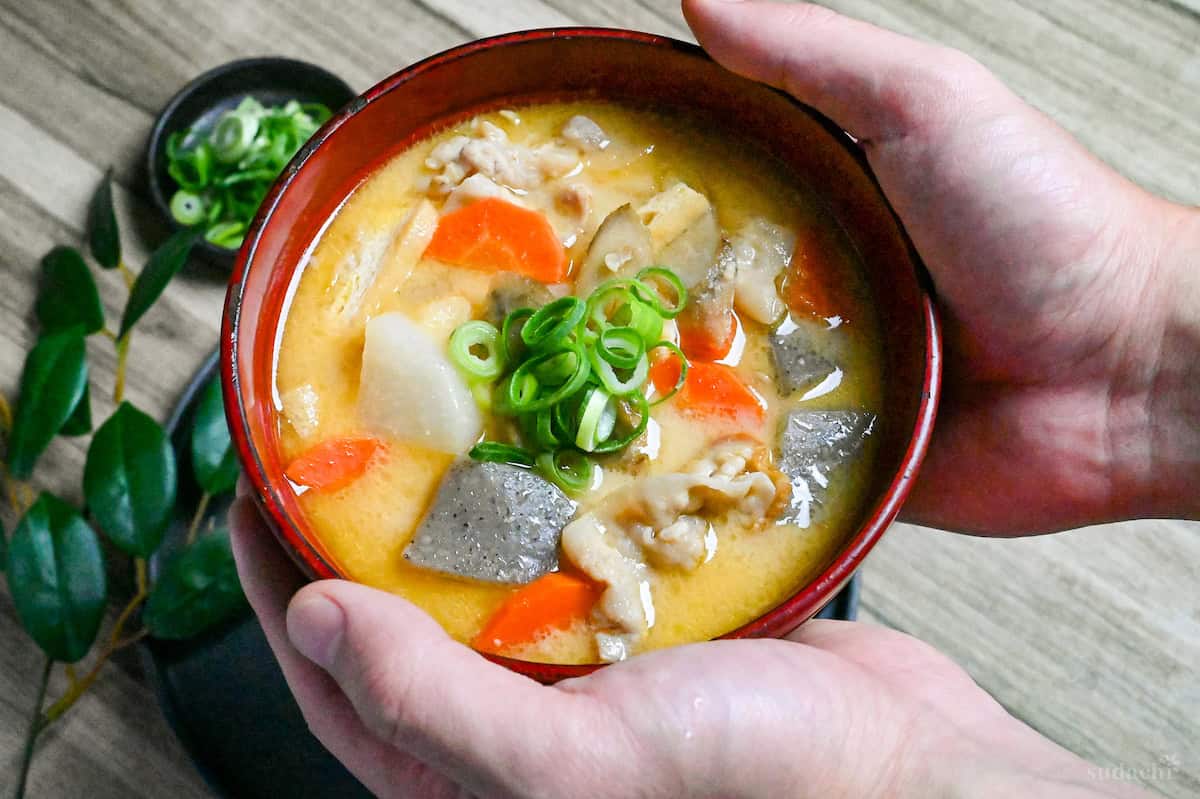
Kasu Jiru comes from Hyogo, where sake production leaves behind the rice solids called sake kasu. I cook the soup with pork belly for richness, though the original used salmon heads from the New Year’s table.
Daikon, carrot, gobo, and konnyaku each pick up the sweet pork fat before the kasu and white miso dissolve in.

6. Chicken Miso Soup (Torijiru)

Featured Comment
This is the new chicken soup for the soul. It’s like a warm hug from your grandmother. Who knew a simple protein swap from the usual tonjiru can create such flavours. It’s definitely going to be a weekly item from now on. We absolutely loved it!
★★★★★
– Yui
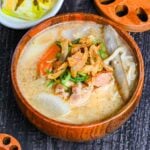
Torijiru is what happens when tonjiru’s pork swaps out for chicken thighs, leaner without losing the soul-warming richness. The secret sits in rendering the skin first, which creates the round mouthfeel you expect from a tonjiru-style bowl.
I love this version when I want something hearty but lighter than the pork original, and the flavors deepen overnight as everything soaks. The rendering step is the move I would not skip, because it separates a thin chicken miso from a creamy one.
7. Beef Shigureni (Simmered Beef with Ginger)
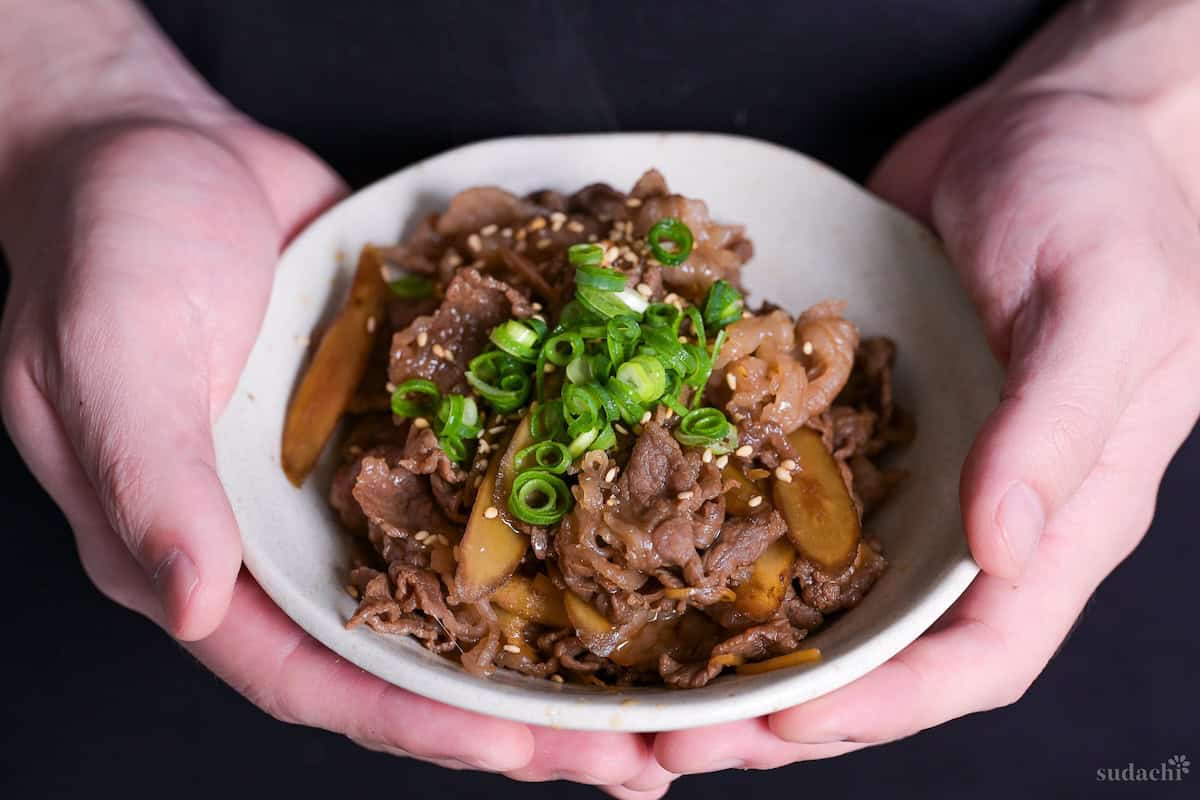
Shigureni is a short-simmered home dish of thinly sliced beef and julienned ginger, bound in a sweet-soy glaze that goes lacquered as it reduces. It is the classic gohan no otomo, built to carry a full bowl on a hot night or pack into tomorrow’s lunchbox. I add gobo because the earthy fibers absorb the glaze and give a textural anchor pure beef misses.
The instinct is to simmer the beef from the start, but reducing the glaze first and adding the meat at the end cuts the cook time in half. That single change is the difference between tender beef and leathery beef.
8. Hakata Motsunabe (Japanese Offal Hot Pot)

Featured Comment
Thank you for your recipe. We really enjoyed it. The only thing we changed was adding more chilies.
★★★★★
– Hai
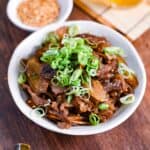
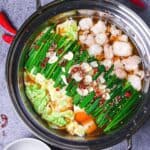
Motsunabe is Hakata’s beef offal hot pot, where small intestine melts into a soy sauce or miso broth until everything turns silky. The motsu releases fat that gives the broth its depth, and gobo joins cabbage, garlic, and chives to round it out. I keep chili rings on the side so each person dials in their own heat.
If you have never cooked offal at home, this is the friendliest entry point, because the intestine is tender enough to convince skeptics in one bite. The end-of-pot ritual matters as much as the dish, when ramen noodles go into the leftover broth to finish everything off.

Leave a rating and a comment