

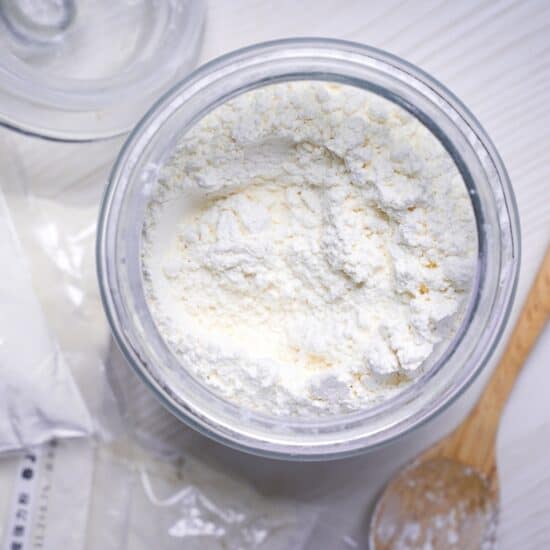

When my recipe calls for cake flour here, bread flour there, and all-purpose somewhere else, you might wonder why those particular flours, and what to actually grab at your local store. I write those English names for convenience, but in my own kitchen I reach for hakurikiko, churikiko, and kyorikiko. Once you know what each flour is, the bag in front of you stops being a guess.
Years ago in England, I lived the mirror version of this problem, holding a Japanese recipe and asking which UK bag was hakurikiko equivalent. The fix turns on one variable. The next 30 seconds at the aisle live below.
This article can also serve as a guide for those living in Japan who want to cook dishes from their home countries!
If you have 30 seconds before you reach the front of the aisle, here is the path.
- Chlorination is the hidden variable. Two flours (hakuriki vs cake) can read the same protein number on the bag and behave like different ingredients in your pan.
- Hakurikiko sits in the same protein band as US cake flour, but most US cake flour is chlorinated and hakurikiko is not. UK plain flour and Australian plain flour are not chlorinated either, which puts them on the hakurikiko side of the wall.
- Kyorikiko reads cleanly as bread flour. The substitution gap lives almost entirely on the low-protein-flour side.
- The brand picks, the country-by-country aisle map, and the ratio that closes the soft-flour gap live below.
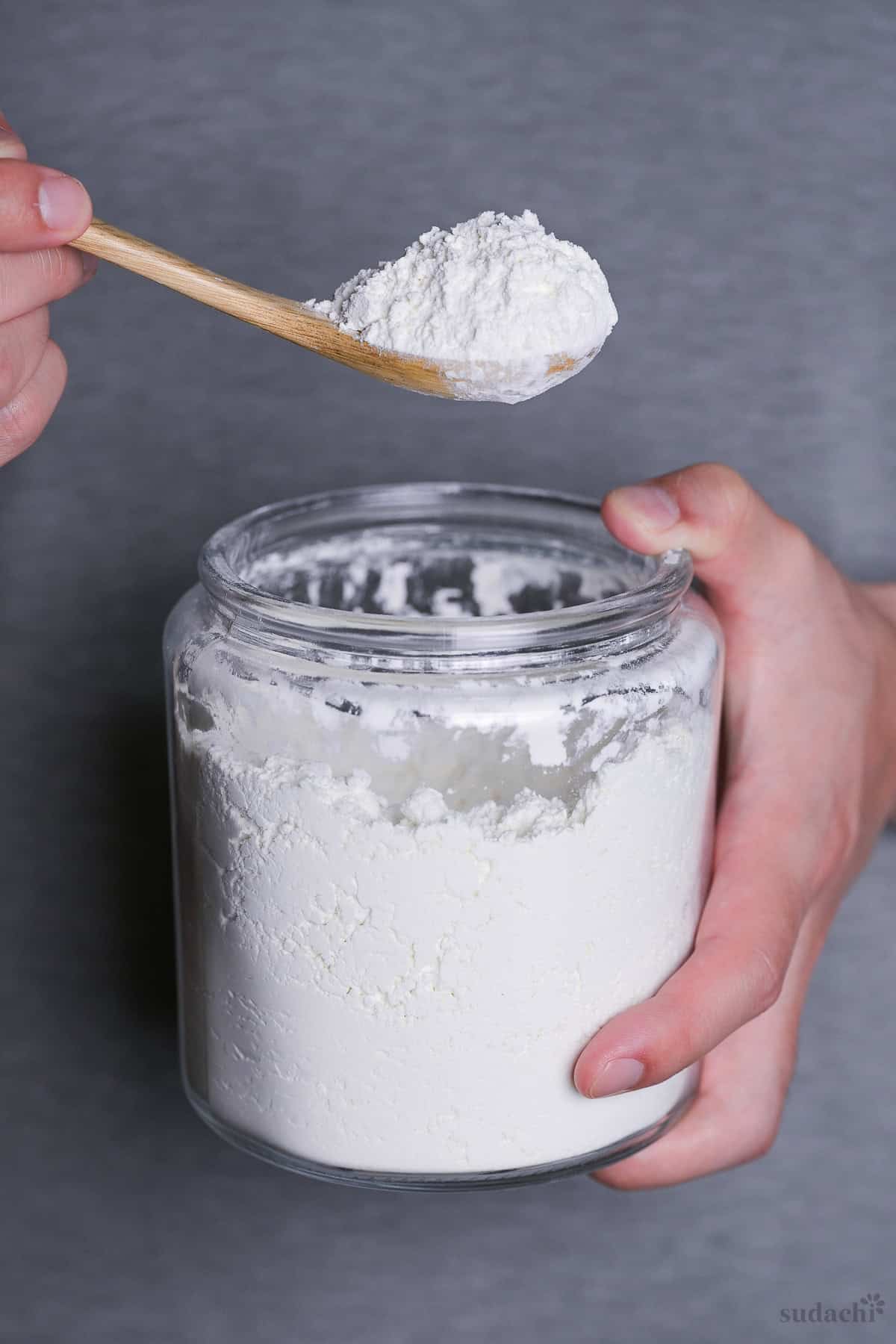
Three Wheat Flours in Japan, Three Jobs
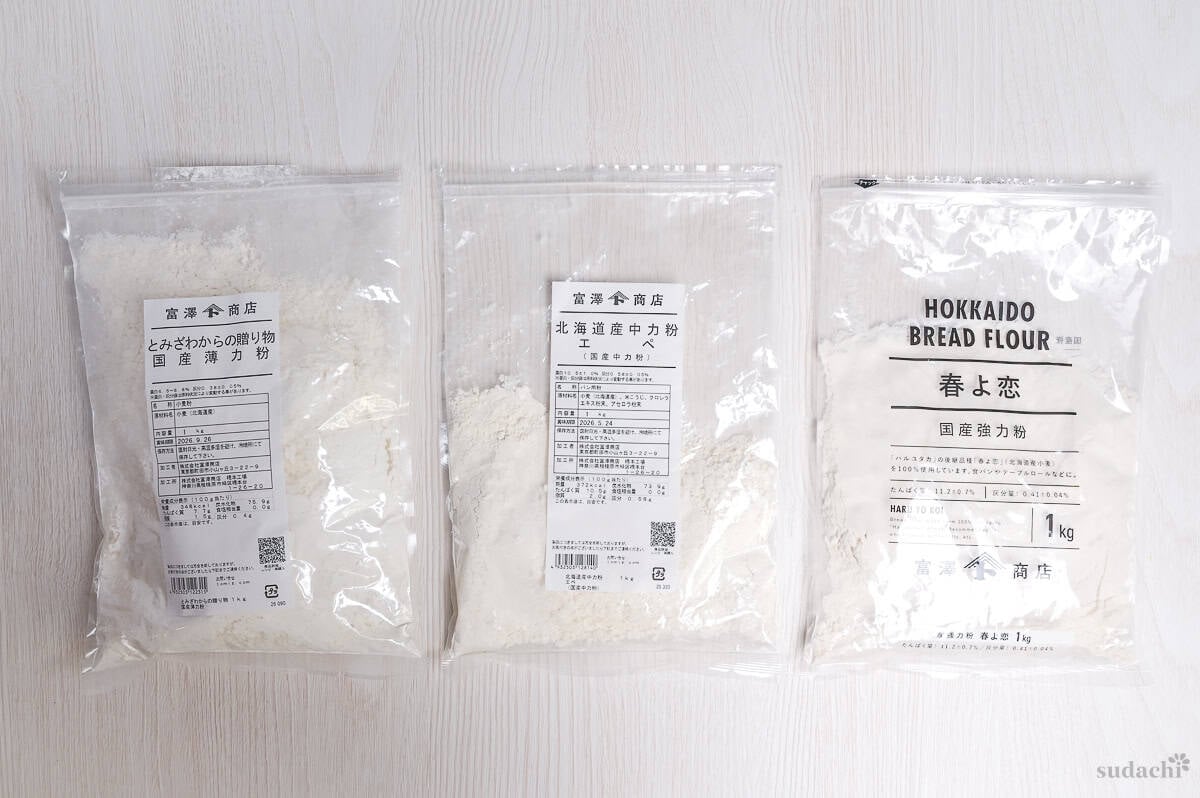
Three names, three jobs. That is the whole shape of the Japanese flour aisle.
- Hakurikiko (薄力粉) is the everyday soft flour. Tempura batter, light cookies, dusting fish before a pan-fry, sponge cake, manju. It sits at roughly 6.5 to 8.5% protein and runs through almost every Japanese kitchen the way all-purpose flour runs through almost every American kitchen.
- Churikiko (中力粉) is the medium flour, used mainly for homemade udon noodles, and it lands at about 8.5 to 10.5% protein and most Japanese homes do not actually keep it on hand. I literally only use it for making udon.
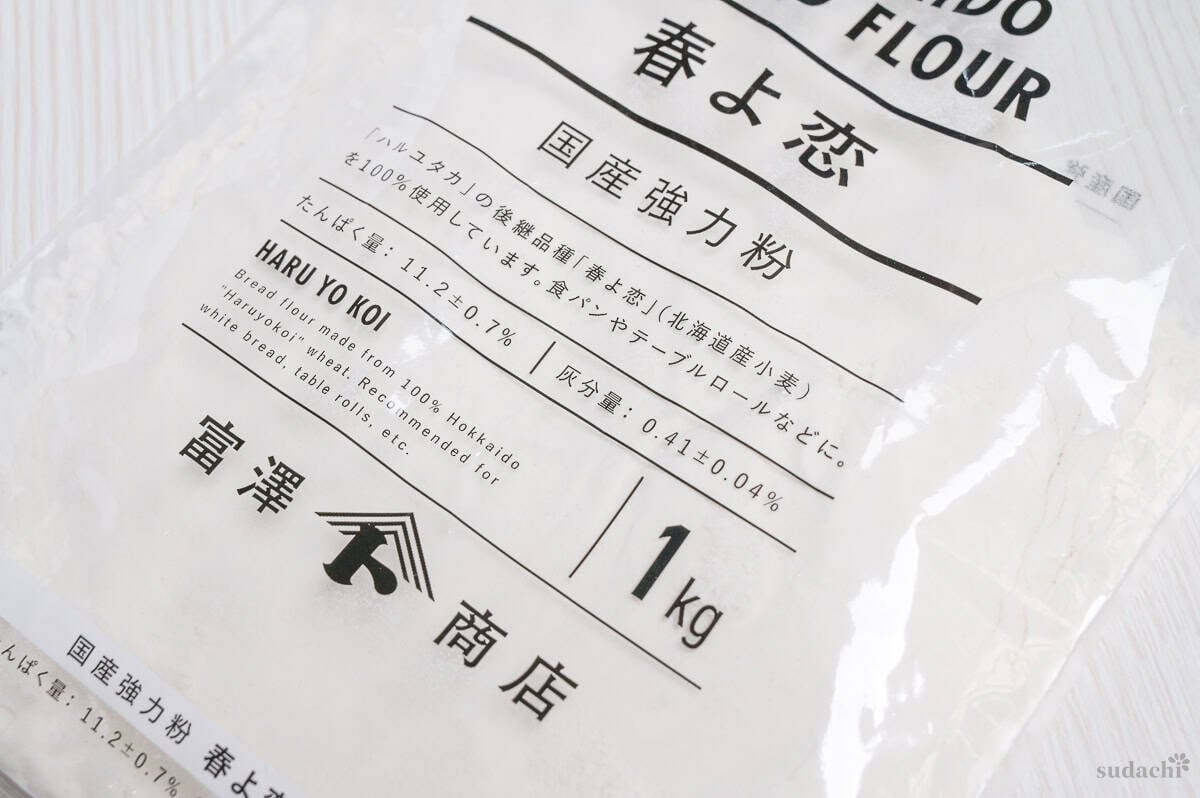
- Kyorikiko (強力粉) is the strong flour at about 11.5 to 13.5% protein. It does shokupan, homemade ramen noodles, gyoza skins, or pizza.
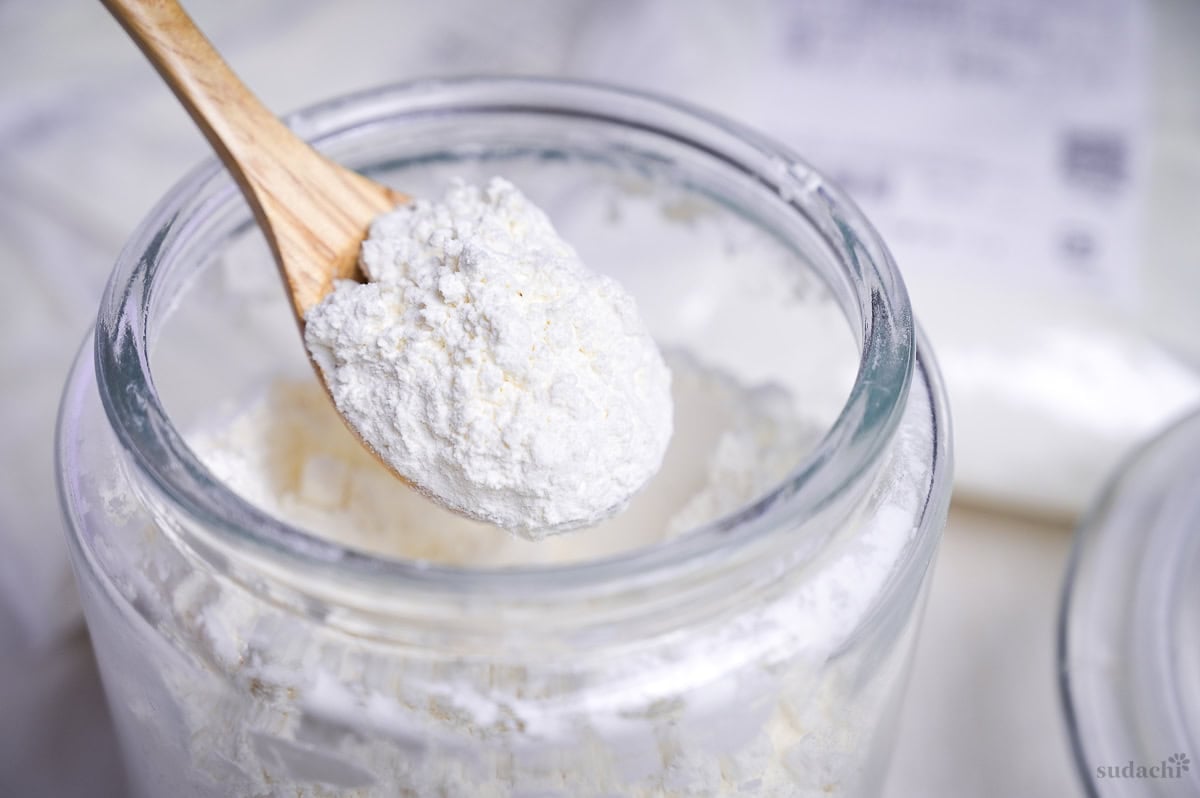
The names make sense once you sit with them for a minute. 薄 (haku) means thin or weak, 中 (chu) means middle, 強 (kyo) means strong, and 力 (riki) here is gluten strength rather than physical force. The classification is a milling-trade convention from the early 20th century that hardened into consumer shorthand and never stopped working. You can buy a Japanese flour bag and trust the category on the label without reading the protein number twice.
The protein bands line up close enough that one table covers both aisles. The places they fail are the places we will spend the next few sections on.
| Japanese name | Protein % | Closest Western counterpart |
|---|---|---|
| hakurikiko (薄力粉) | 6.5 to 8.5% | cake flour, pastry flour, or White Lily AP |
| churikiko (中力粉) | 8.5 to 10.5% | all-purpose flour |
| kyorikiko (強力粉) | 11.5 to 13.5% | bread flour |
The numbers do most of the work. Two of the pairings hide a structural difference that protein percentage cannot show, and that difference is chlorination.
The Hidden Variable Behind a Heavier Tempura
If you have ever made tempura with cake flour and felt something was off, the word for the off feeling is probably chlorination.
Most US cake flour is treated with chlorine gas during milling. The gas drops the flour pH from about 6 down to roughly 4.5, oxidizes part of the starch, weakens the gluten, and pushes the starch granules into a state where they swell faster and hold water more tightly during cooking.
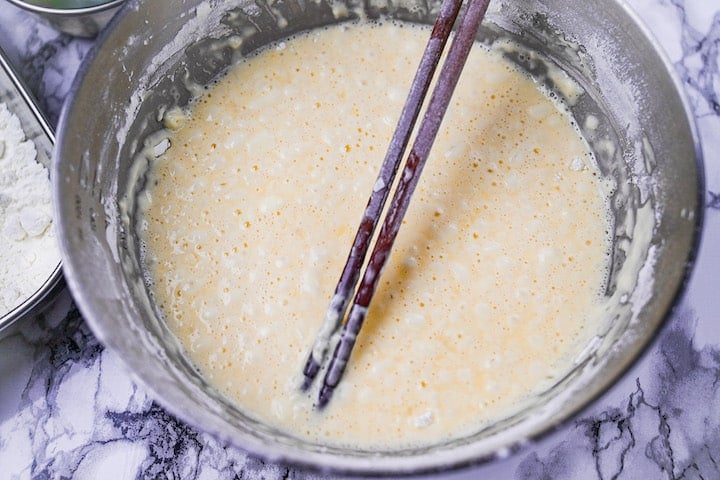
Think of chlorinated cake flour as a sponge that has been pre-soaked. American layer cakes love it, because the modified starch lets a high-sugar batter set its structure before it collapses. Tempura batter wants the opposite. Tempura wants the flour to release water fast into the hot oil so the crust crisps before the oil moves in. When chlorinated cake flour holds water back, the oil arrives first.
Hakurikiko is not chlorinated. It gets its softness from the wheat itself and from very fine milling. Japanese flour mills lean on selection and grinding rather than on bleaching. UK and Australian flour mills cannot lean on chlorination at all, because UK Bread and Flour Regulations have prohibited chlorinated flour since 1998 and FSANZ rules out chlorine bleaching in Australia. UK plain flour at around 8 to 10% protein and Australian plain flour at around 9 to 11% protein both sit on the same side of the wall as hakurikiko, even though their protein numbers run a touch higher.
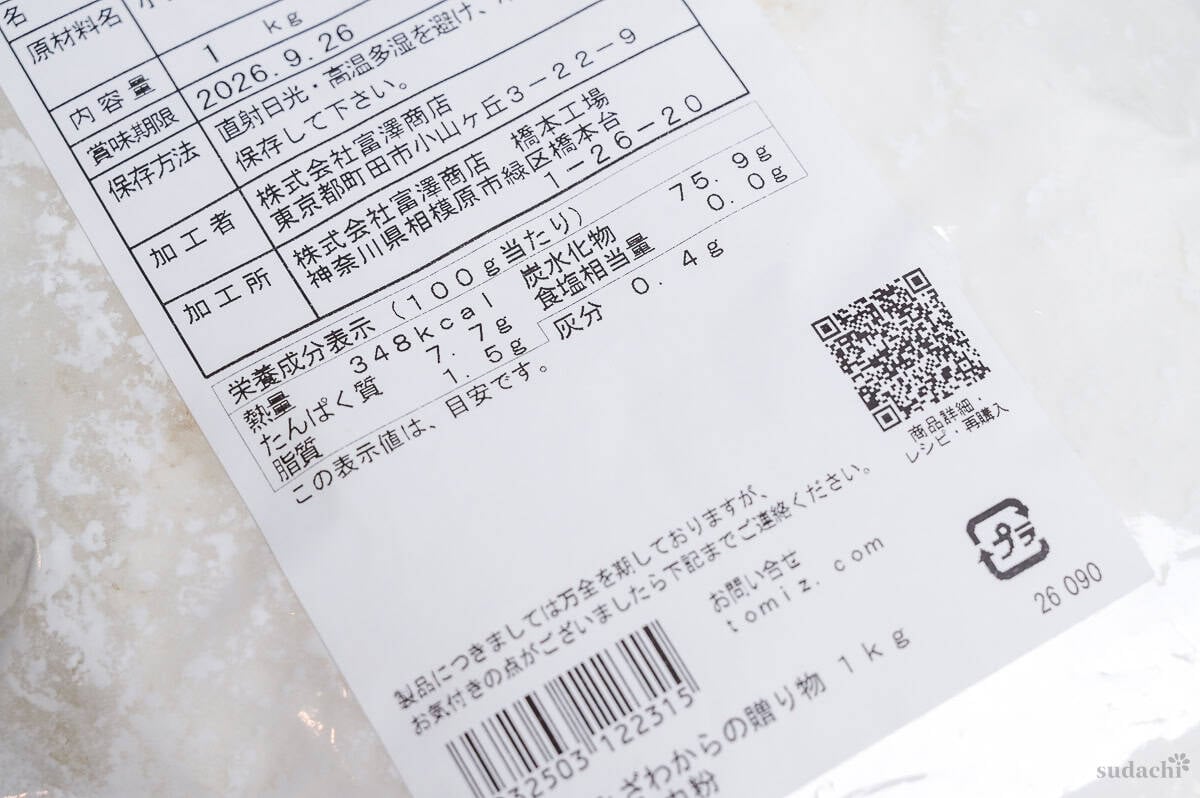
You might wonder, “What about Japan?” To answer your question, it is not prohibited by law. However, for common flour products for home use, unchlorinated and unbleached varieties are the norm. The only exception is some wholesale products for commercial bakery use.
How to Source Flours for Japanese Cooking
The flour you can buy depends on the door you walk through. Four tiers, in order from the most accessible to the most specialized.
- Mainstream Western supermarket: The cake flour, all-purpose, and bread flour on the shelf cover roughly 80% of Japanese cooking with no ratio adjustments. UK and Australian readers have an even cleaner path here, because UK plain and Australian plain flour are unchlorinated by law and sit close to hakurikiko’s structural profile.
- Asian grocer: Korean Beksul 박력분 cake flour at about 8% protein is a quiet win. It matches hakurikiko’s profile, sits at roughly half the price of the Japanese product, and is on the shelf at regular Korean grocer. Taiwanese 低筋麵粉 is another strong soft-flour option in Asian markets.
- Japanese grocer: Nisshin Flower (the household hakurikiko), Nisshin Camellia (kyorikiko), and Nisshin Violet (premium hakurikiko for cake) live here. Pricing runs 1.5 to 3 times more than US-domestic cake flour for Flower, and 3 to 5 times more for Violet. That said, there aren’t many dishes that require going to such lengths. To put it simply, it’s like asking whether I should buy Caputo’s 00 flour or use a substitute that has similar profile when I want to make pizza in Japan.
- Online: Smaller specialty bags reach you at a premium, with shipping bumping the per-kilogram price. Worth it for serious castella, weekly tempura, or recipes where the flour is the lead ingredient. Less worth it for cookies and quick breads, where the texture forgives the substitution.
FAQ
Yes for okonomiyaki, takoyaki, gyoza wrappers, and general dusting.
The premium is most visible in tempura crispness or sponge cake softness. Least visible in cookies, muffins, and dense quick breads.
Yes. For comparison, King Arthur Bread Flour at 12.7% sits just above Nisshin Camellia at 11.8%, so the crumb runs slightly denser. Just avoid organic bread flour for shokupan, because batch-to-batch protein variability tends to throw off the rise.
Close enough that the substitution works without adjustment. The places it does not work cleanly are udon (where you want a softer flour) and sometimes castella (where Japanese kyorikiko’s slightly lower protein gives a more delicate crumb than regular bread flour). For everything else, bread flour reads as kyorikiko in the kitchen.

Leave a rating and a comment