


Disclaimer: This post may contain Amazon affiliate links. Sudachi earns a small percentage from qualifying purchases at no extra cost to you. See disclaimer for more info.
Katakuriko (片栗粉) rarely gets top billing. It is the quiet supporting player of the Japanese kitchen, the white powder that thickens a sauce or crisps a piece of chicken and then steps out of the frame. Yet it sits in almost every Japanese pantry, which is exactly why the questions about it never stop. What is it, where do I buy it, and is the bag already on my own shelf the same thing.
Every one of those questions has a calm answer, and most of them turn out to be good news. Read to the end and you will not stand in front of a starch unsure again.
If you have 30 seconds before you pick a bag, here is the path.
- The potato starch sold in your country is almost the same thing as katakuriko for home cooking. Same plant, same behavior. Even many of “katakuriko” products sold in Japan are actually Danish potato starch.
- The real trap is not the country, it is grabbing potato flour instead of potato starch. Read the ingredient list and look for the word starch standing alone. In much of Europe a flour-named bag is still pure starch, while in North America potato flour is a separate product that turns a sauce gluey.
- Cornstarch covers you in a pinch. Pick by the job. Reach for katakuriko when you want clear, glossy thickening. Reach for cornstarch when a sauce has to sit, chill, or reheat. For a simple dusting, either one is fine.
- For tatsuta-age and karaage, katakuriko, cornstarch, and tapioca all work and just give different textures, so pick the crunch you like.
What Katakuriko Actually Is
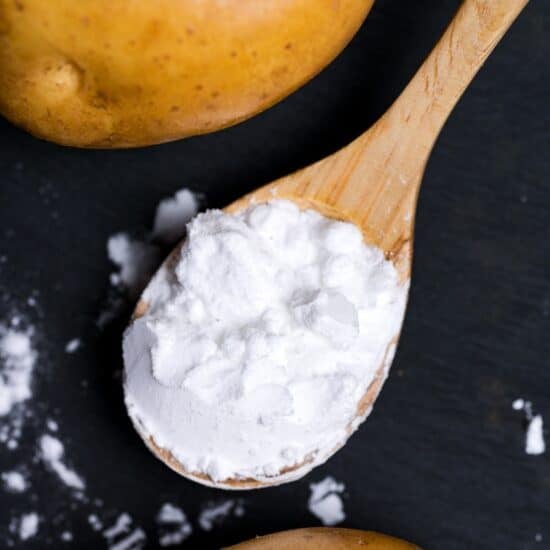
Katakuriko (片栗粉) is the everyday thickening and coating starch of the Japanese kitchen. It is a fine, bright white, almost flavorless powder, and it lives in nearly every home the way cornstarch or flour lives in a Western one. When a Japanese recipe wants a glossy sauce or a light fry coat, this is the bag it reaches for.
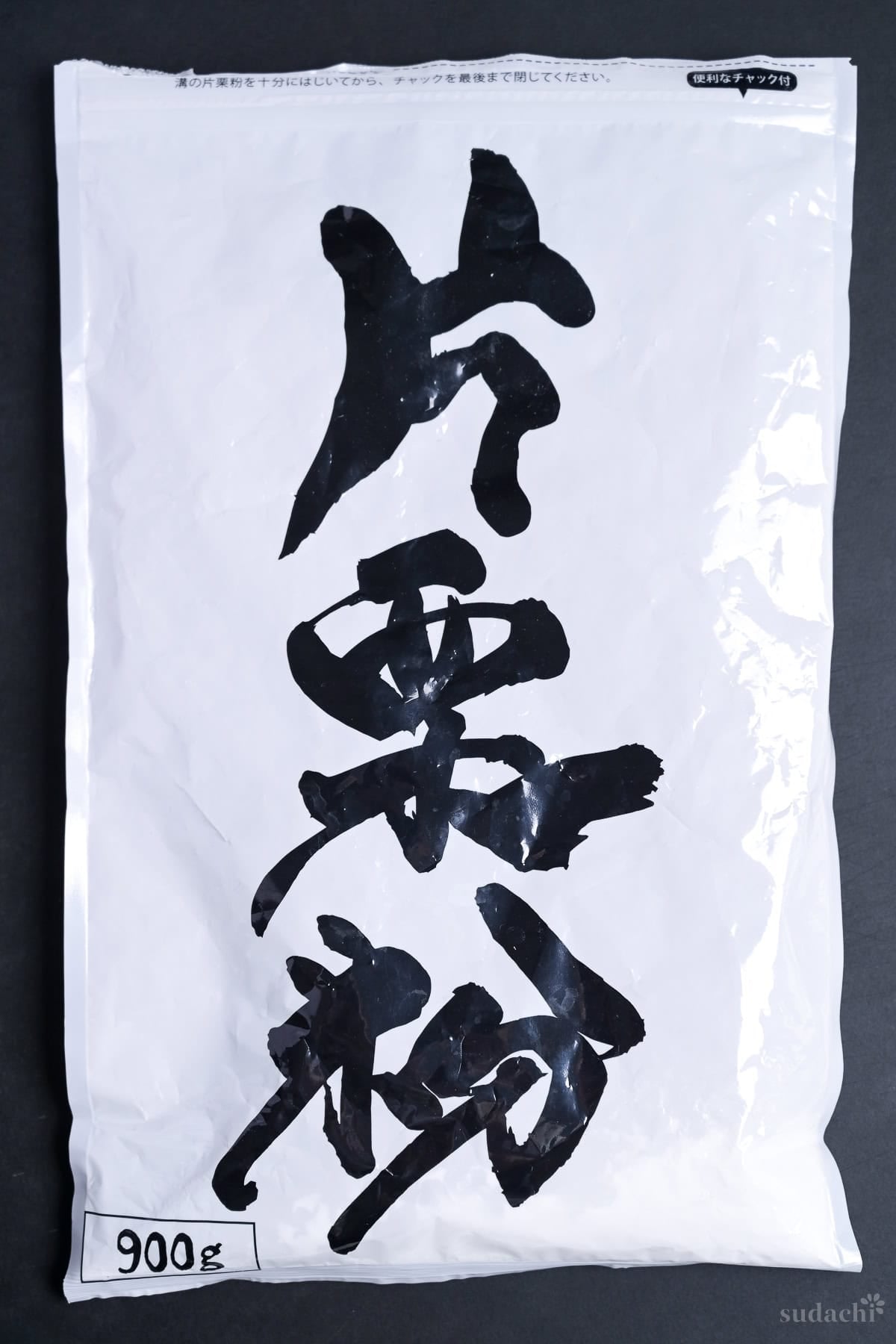
The name is where the confusion starts, so let me clear it up early. Katakuriko once meant starch ground from the root of the katakuri (片栗), a small wild dogtooth violet. Almost none of it comes from that plant anymore. What you buy today, in Japan or anywhere else, is refined potato starch (馬鈴薯でんぷん), a near flavorless powder with a faint sweetness and a clean, slippery feel on the tongue.
The name stuck even though the ingredient changed. Which raises the question almost everyone arrives with. If katakuriko is really just potato starch, is the potato starch already on your shelf the same thing?
Is Your Potato Starch the Same as Katakuriko?
Here is the short answer, and it is the reassuring one. For everyday home cooking, the potato starch sold in the Netherlands, Germany, Denmark, Poland, and North America is the same product as katakuriko. Same plant, same large granules, same low setting temperature, same behavior in the pan. You will often see katakuriko translated as simply potato starch, and for cooking, that translation holds.
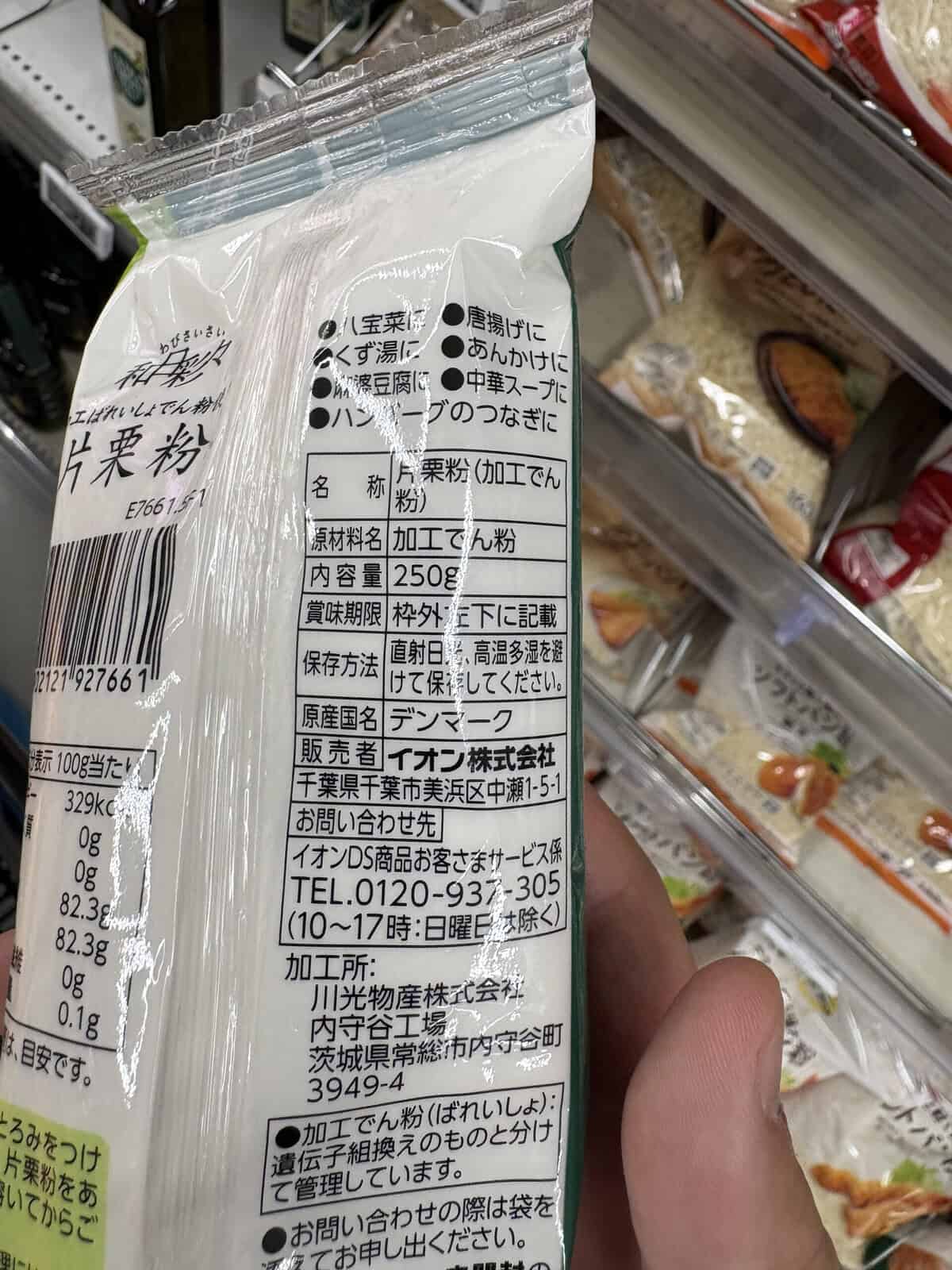
The proof is closer to home than you would think. Japan does not grow enough potato starch to meet its own demand, so it imports a great deal of it from Europe (particularly from Denmark) in bulk. That imported starch is then repackaged into kitchen-size bags and sold as katakuriko, and several brands on Japanese shelves say so plainly. In other words, some of the most ordinary katakuriko in a Japanese kitchen is the very same potato starch a cook in Germany or Norway already owns. You can use the bag on your shelf with confidence.
There is one small caveat inside the category. A handful of artisanal Hokkaido producers make a large-granule starch that thickens with a touch less powder, so if you ever upgrade to one, start with a little less. For everything you will cook this week, ordinary supermarket potato starch performs the same.
The one place this can actually go wrong is a different product hiding under a similar name. Potato flour is not potato starch. Potato flour is whole potato that has been cooked, dried, and ground, so it is heavier, off white, distinctly potato flavored, and very thirsty for water. Drop it into a sauce expecting katakuriko and you get a gluey, cloudy, potato-tasting mess instead of a clear, glossy one. The trouble is that the words for the two collide across languages, and a bag with a flour-sounding name is not always flour.
The rule that covers everywhere is simple. Ignore the translation on the front of the bag and read the ingredient list instead. If it says only potato starch, you have the right product. If it lists whole potato, or smells faintly of potato, that is flour. In North America you can trust the front of the bag, where starch and flour really do mean two different things.
Why Katakuriko Became Japan’s Default Starch
So why did a starch named after a wildflower end up being made from potatoes? The honest version is a story about scarcity. Real katakuri gives up only a tiny amount of starch per plant, and by the late Edo period (1603-1868) it had been harvested so heavily that the genuine article became a luxury few cooks could afford. Around the same time, potato farming was taking off in the cold north of Hokkaido, and the starch pressed from those potatoes was cheap, plentiful, and almost identical in the way it behaved in a pot. It slid into the old recipes without changing the results, so cooks kept the familiar name and simply changed what was inside the bag.

That near-identical behavior is the whole reason katakuriko earned its permanent shelf spot. It makes a sauce that turns glass clear and glossy, sets the moment it meets heat, and clings to every piece of food it touches. This shine is not just luck. The negatively charged phosphate groups bound to potato starch repel one another, which keeps the granules from associating and raises the clarity of the cooked paste.
It also crisps a light fry coat. The next section is where that behavior gets its explanation, and where the cornstarch in your cupboard finally gets sorted out.
How Katakuriko Behaves, and Why It Is Not Cornstarch
Potato starch behaves the way it does because of two things you can almost picture. The first is the size of its granules. Potato starch has the largest granules of the common kitchen starches, far larger than corn. Picture a bowl of beach balls next to a bowl of marbles.
The big, loosely packed potato granules drink up water fast and swell early, which is why a potato-starch slurry sets almost the moment it hits hot liquid, while cornstarch has to climb to a higher temperature before it does much of anything.
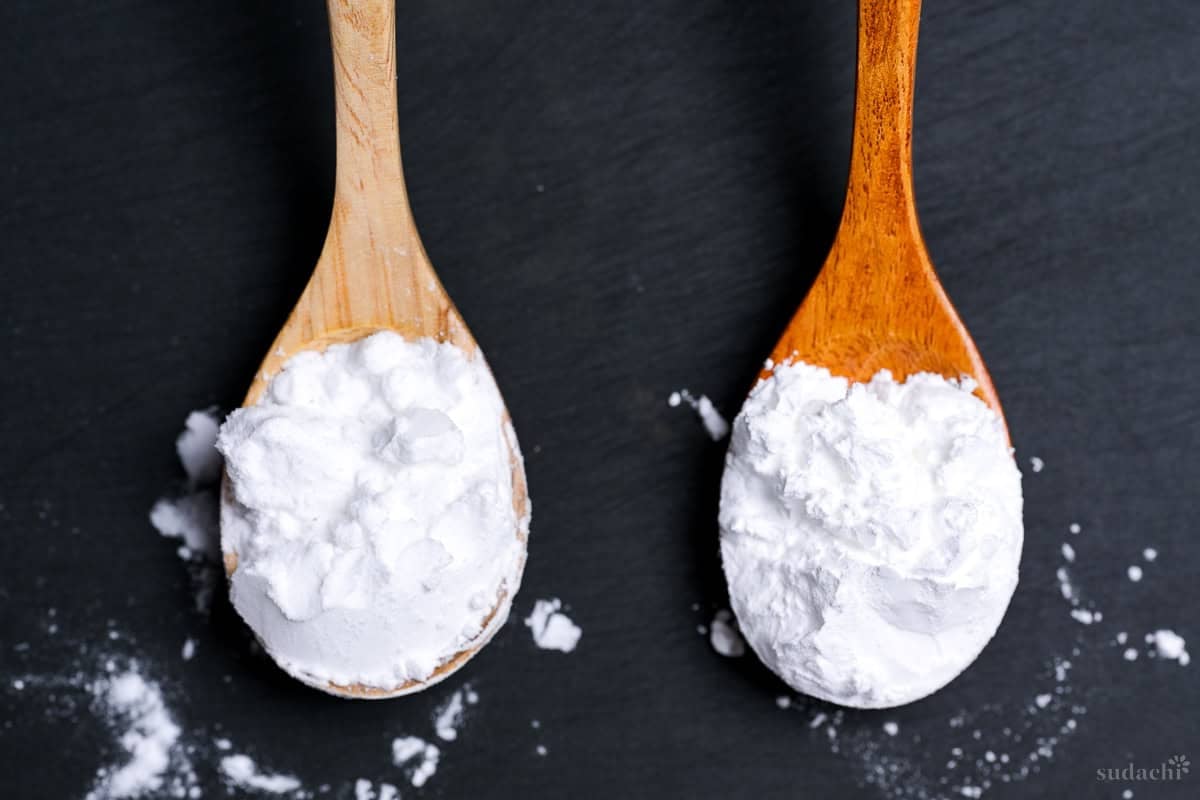
The second is a slight natural charge those granules carry, from bound phosphate. Each swollen granule pushes gently away from its neighbors instead of crowding together, and that small standoffishness is what makes the cooked paste turn glass clear and glossy rather than cloudy.
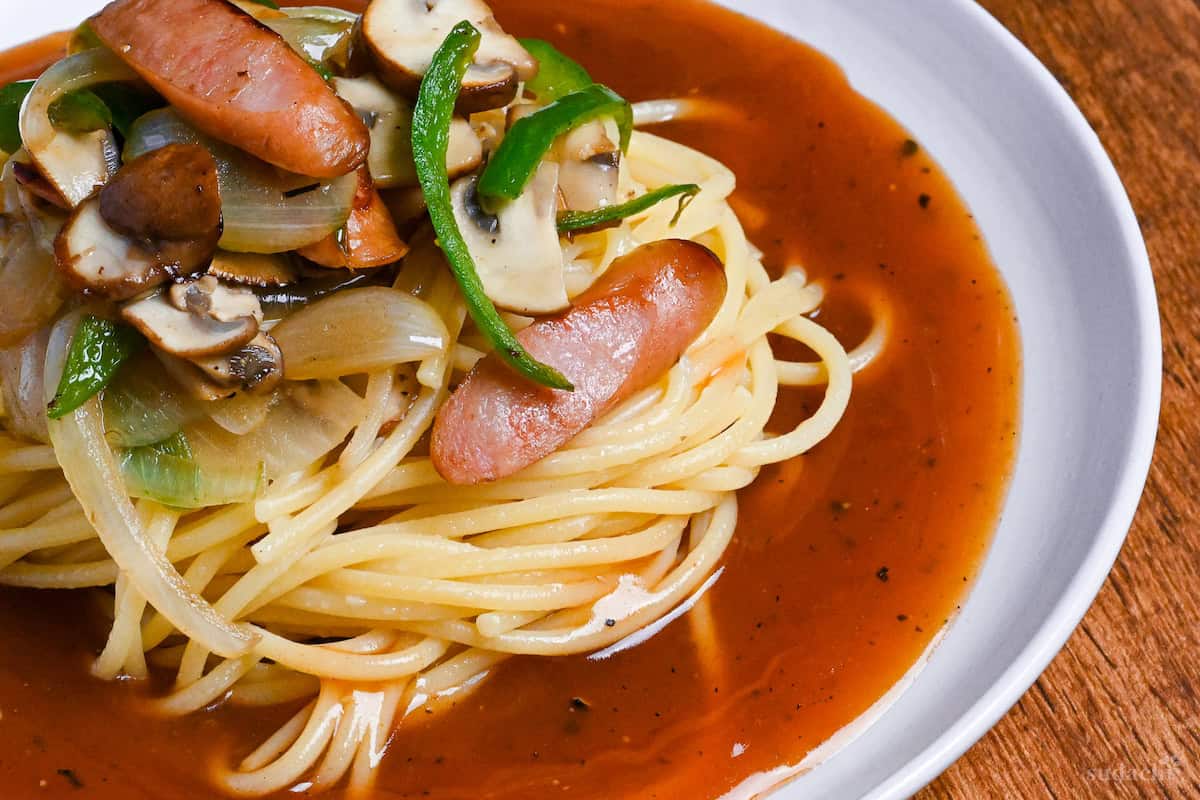
It is also what makes the paste cling to food in a smooth, even coat. This is the shine you see on a good ankake sauce, the gloss that lets the color of the vegetables underneath show straight through.
Temperature is the quiet part of the story. Potato starch sets in roughly the 56 to 66°C (133 to 151°F) range, while cornstarch holds off until closer to 62 to 72°C (144 to 162°F). Treat those as approximate. The practical upshot is simple. You can stir a katakuriko slurry into a barely simmering pot, off or near the heat, and watch it thicken in seconds without scorching the delicate things in it.
There is a flip side, and naming it now will save you worry later. A potato-starch sauce does not hold its thickness forever. As it cools and sits, the starch network slowly tightens and squeezes water back out, and any watery vegetables in the dish leak their own liquid into the sauce on top of that. The result is a sauce that loosens and weeps as it stands. This is chemistry, not a mistake, and the practical fix lives down in the questions at the end.
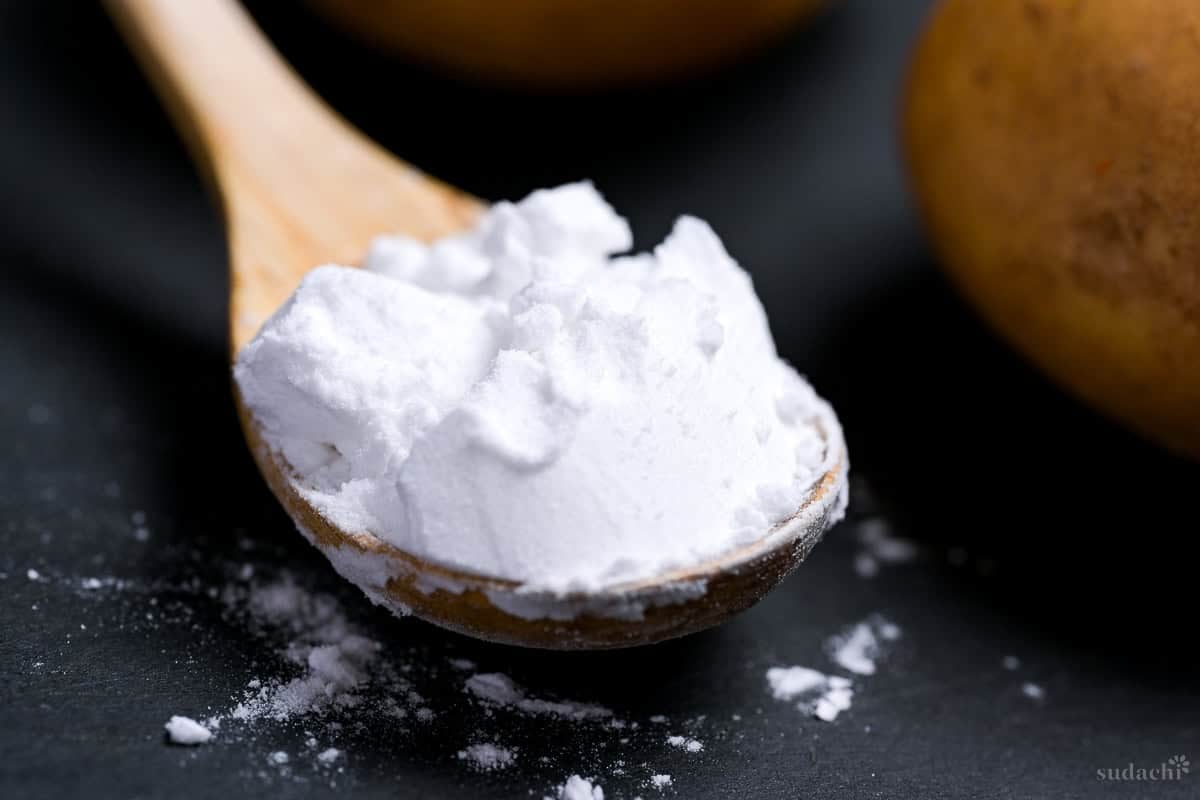
Cornstarch is built the other way around. Its granules are small and uniform, it sets at a higher temperature, and it stays soft and slightly opaque. Best of all for some jobs, it holds its thickness when the dish cools, chills, or gets reheated. That stability is exactly why it is the better tool for a custard, a pudding, or any sauce that has to wait. The Japanese kitchen settles the whole question with a tidy rule of thumb. Katakuriko for cooking, cornstarch for sweets. If sorting starch from flour is the puzzle you keep running into, the same sorting shows up across the wheat shelf, which I walk through in the Japanese flour types guide, where cornstarch turns up again.
Those properties point katakuriko at a handful of everyday jobs. It thickens sauces, coats food for the fryer, gives certain sweets their chew, and dusts ingredients before they hit the pan.
Choosing the Right Starch by Use
Here is where it all turns practical. Four jobs, and how interchangeable katakuriko really is in each one.
Thickening (toromi and ankake)
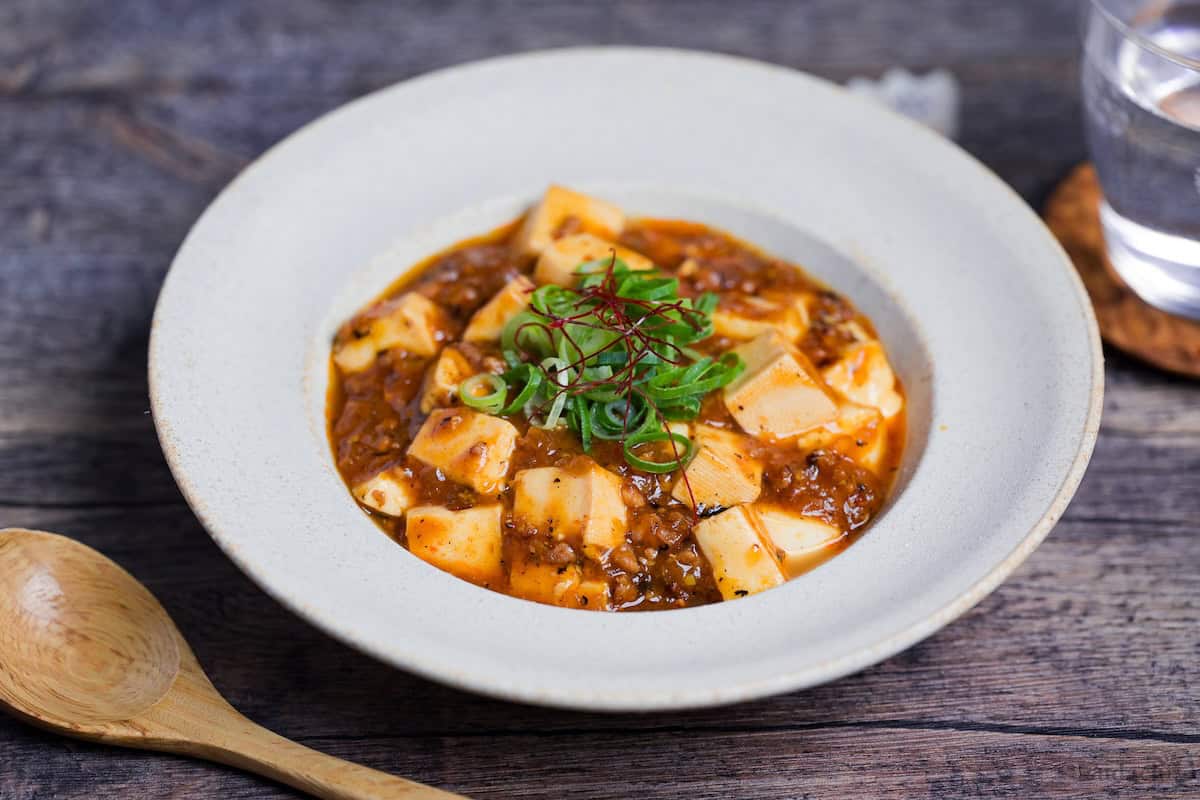
This is katakuriko at its best, and the one job where I notice the difference from cornstarch most clearly. For a clear, glossy thickening on something like a mapo tofu or any ankake sauce, the slurry I reach for is about 1 teaspoon of katakuriko stirred into 1 tablespoon of water, poured into the seasoned liquid at a low simmer and cooked just until it sets. It goes clear and shiny and clings to everything.
Cornstarch will thicken the same sauce, and it is a perfectly good backup, but it behaves a little differently. It turns the sauce cloudy rather than glossy, it wants more heat to set, you usually need a touch more of it, and it can thin back out if you overcook it. If you want the same clarity without potato starch, sweet potato starch, kuzu, and arrowroot all set clear and glossy too, while tapioca is clear but a little stringier on the spoon.
Deep-frying (karaage and tatsuta-age)
For frying, the honest truth is that this is a matter of taste, not a contest. Tatsuta-age is the purest showcase, soy and mirin marinated meat or fish dredged in nothing but katakuriko, while karaage more often uses a blend of flour and starch. In either one, the starch you pick changes the character of the crust, not its quality.
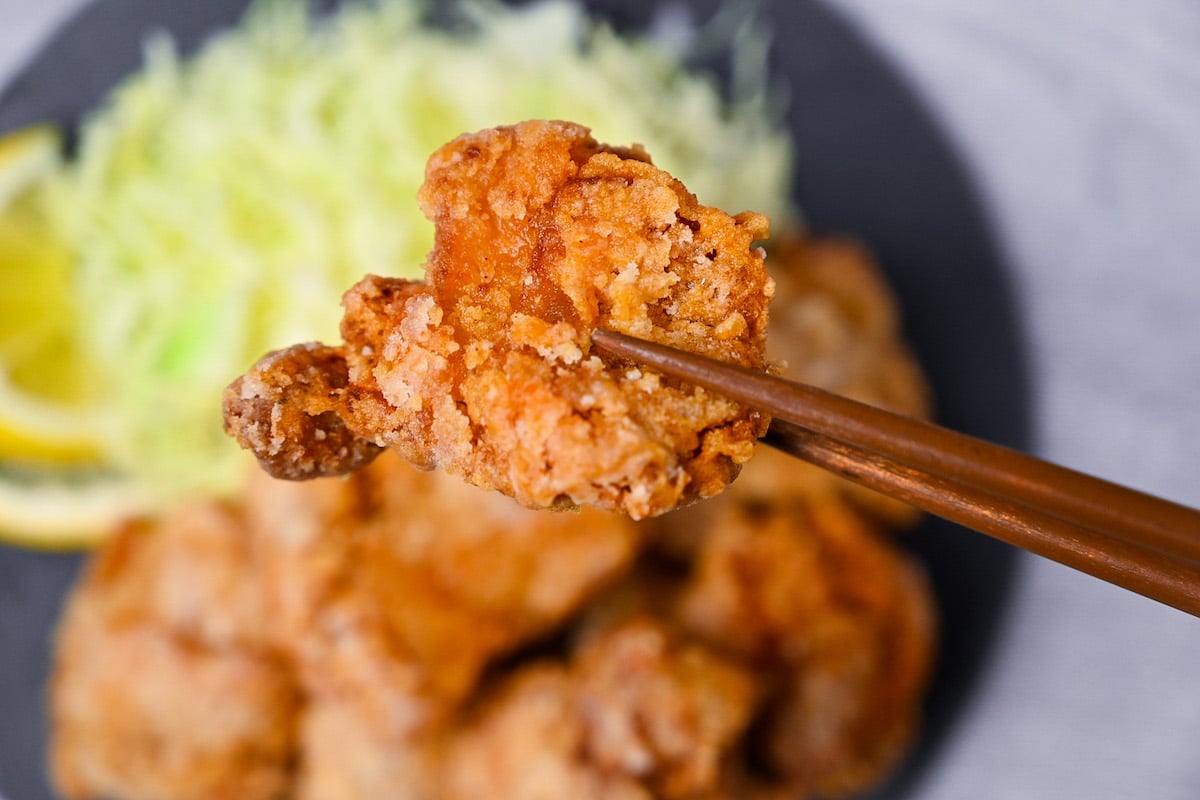
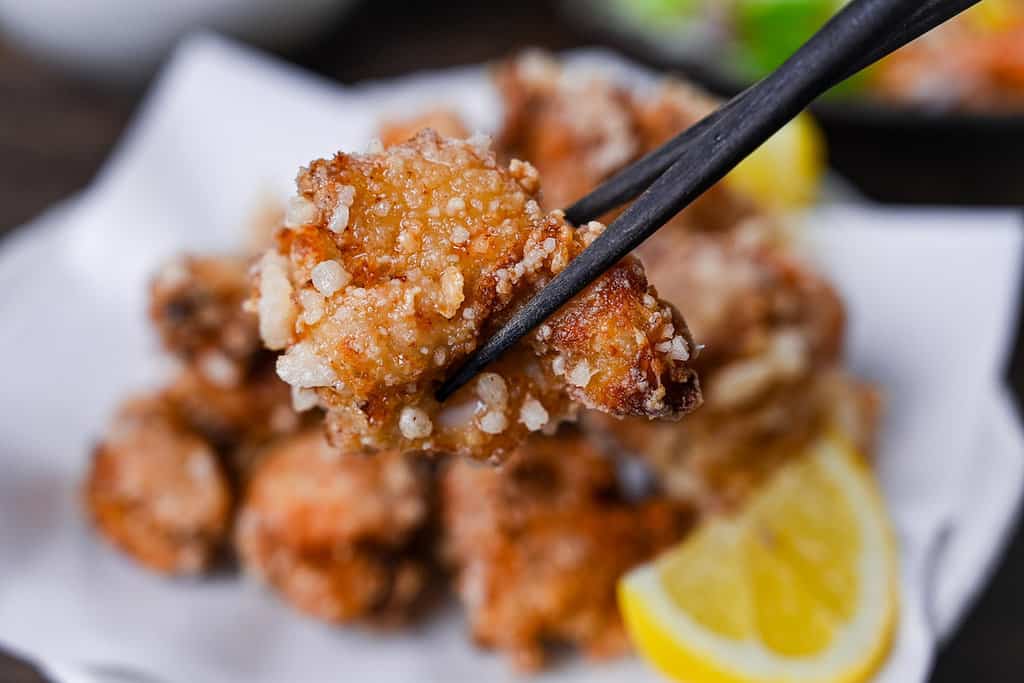
Katakuriko gives a thicker, harder crunch. Cornstarch gives a lighter, finer crisp. Tapioca gives its own glassy, crackly bite, and for what it is worth, tapioca is the one I actually reach for in my own karaage recipe. Rice flour goes thinnest and lightest of all. None of these breaks the dish, and none is the right answer, so pick the texture you like and fry it hot.
Chewy and warabimochi-style
Katakuriko also makes a fast, jiggly warabimochi style sweet, soft and bouncy the day you make it.
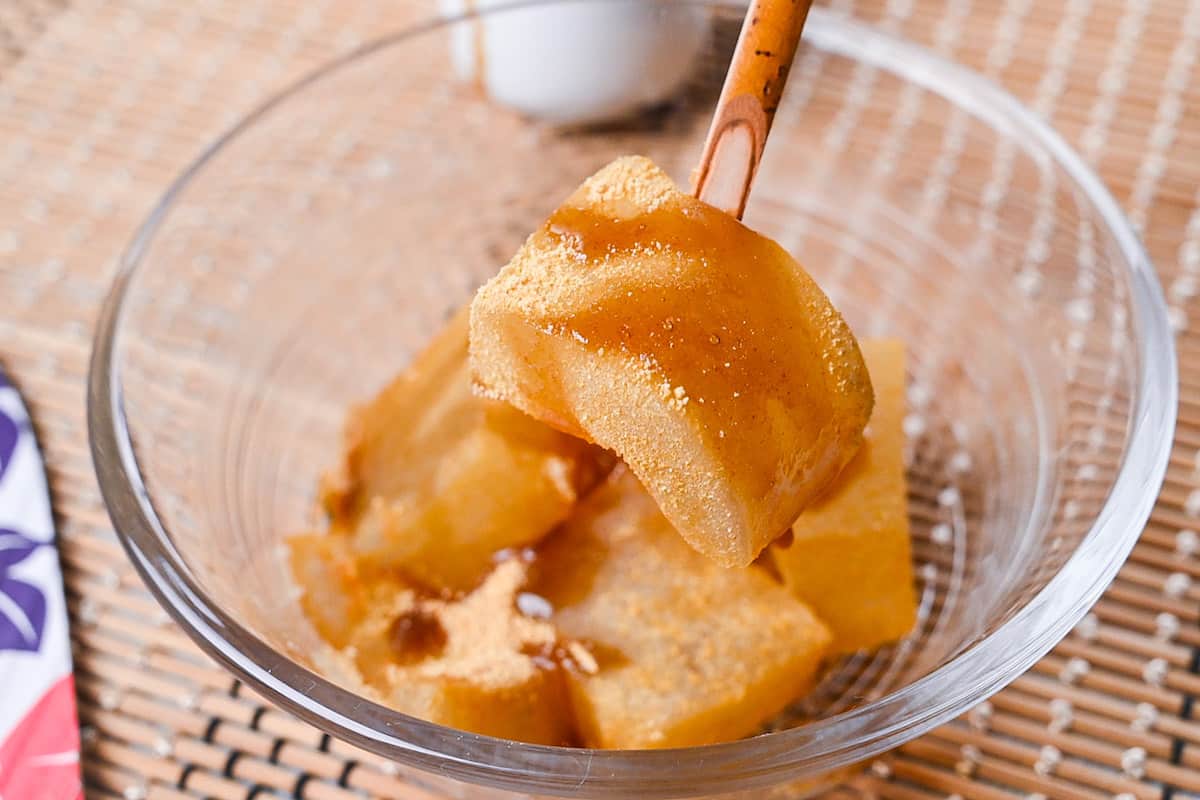
It firms up by the next day as the starch tightens, so treat it as a same-day treat. Tapioca and sweet potato starch hold the soft chew longer, and cornstarch is the one starch that does not work here at all, so skip it for this.
Dusting
A thin dusting of katakuriko before a pan-fry gives a light, crisp surface. This is the one job where cornstarch is very nearly interchangeable, so if cornstarch is what you have, the difference will barely show.
How to Source Katakuriko and Potato Starch
The reassuring part of sourcing is that you almost certainly do not need a Japanese grocer. Here is where to look, from the most everyday option to the most specialized.
- Mainstream supermarket: In North America, a bag labeled potato starch, such as Bob’s Red Mill Potato Starch, is unmodified, gluten free, and a fully valid katakuriko.
- In Europe, look for German Kartoffelstärke, Polish skrobia ziemniaczana, or Dutch aardappelzetmeel, and in Scandinavia for potatismjöl or kartoffelmel. Confirm the ingredient list reads only potato starch.
- Asian or Korean grocer: Korean potato starch (감자전분) is functionally the same as katakuriko, sits on most Korean grocery shelves, and often costs less.
- Japanese grocer: An actual bag of katakuriko is the most direct route if one is nearby. It performs the same as the supermarket options, so treat it as a convenience, not a requirement.
- Online: Specialty bags, including premium large-granule Hokkaido starch, ship at a premium. Worth it only if you fry often or want to compare side by side.
Basically, skip anything labeled modified potato starch for plain thickening, skip potato flour unless a recipe asks for it by name, and trust the ingredient list over the front of the bag.
The honest bottom line is the cheapest one. The everyday supermarket or house-brand potato starch already gives you almost the entire result. The premium Hokkaido starch is a small, pleasant upgrade in gloss and water holding, not a different league, so there is no version of this where the bag you can easily buy leaves you short.
FAQ
This is normal for potato starch, not a failure on your part. As the sauce cools and sits, the starch tightens and pushes water back out, and any watery vegetables add their own liquid to the pool. The fix is timing, not technique. Thicken the sauce just before serving and eat it fresh. Refrigerated leftovers keep about 3 days, but expect the glossy set to loosen. This is retrogradation. As the paste cools and stands, the starch chains reassociate into a more ordered structure, a change that is typically accompanied by gel formation and the exudation of water.
Yes, in a pinch, and it is fine for everyday thickening and for dusting. It falls a little short on clarity, since it turns cloudy where katakuriko stays glossy, and it wants more heat and a bit more powder. For frying it gives a lighter, finer crisp than katakuriko’s thicker crunch, which is a matter of taste rather than better or worse. For a clear ankake, katakuriko is still the better tool, but cornstarch will not ruin your dinner.
No, and this is the one swap to avoid. Potato starch is the extracted starch, light and neutral and a strong clear thickener. Potato flour is whole dried potato, heavy and absorbent and potato flavored, and it turns sauces gluey and fry coats pasty. Read the label, especially in North America, where the two are clearly separate products.

Leave a rating and a comment