
Kake Soba (Simple Hot Soba Noodle Soup)
Ingredients
- 2 tsp Japanese dark soy sauce (koikuchi shoyu) or tamari for GF
- 4 tsp Japanese light soy sauce (usukuchi shoyu) if not available, replace it with slightly more regular koikuchi shoyu, taste test as you go
- 1 tbsp mirin
- ¼ tsp sugar
- ½ tbsp sake
- 500 ml dashi stock homemade kombu-katsuobushi or quality dashi packet
- 3 g bonito flakes (katsuobushi) approximately 1 small handful for 3g
- 2 portions soba noodles dried, fresh, or frozen, 100% juwari soba for GF
- finely chopped green onions
- Japanese chili powder (shichimi togarashi) optional topping
- yuzu peel optional topping
Instructions
- Make kaeshi by pouring 2 tsp Japanese dark soy sauce (koikuchi shoyu), 4 tsp Japanese light soy sauce (usukuchi shoyu), 1 tbsp mirin, ¼ tsp sugar, and ½ tbsp sake into a small saucepan and boiling for 1 minute. This can be prepared up to 2 weeks in advance (store in a sealed container in the fridge if not using straight away).

- Pour 500 ml dashi stock into a separate pot, heat until almost boiling, then turn off the heat and add 3 g bonito flakes (katsuobushi). Sit undisturbed with a lid on for 2 minutes.
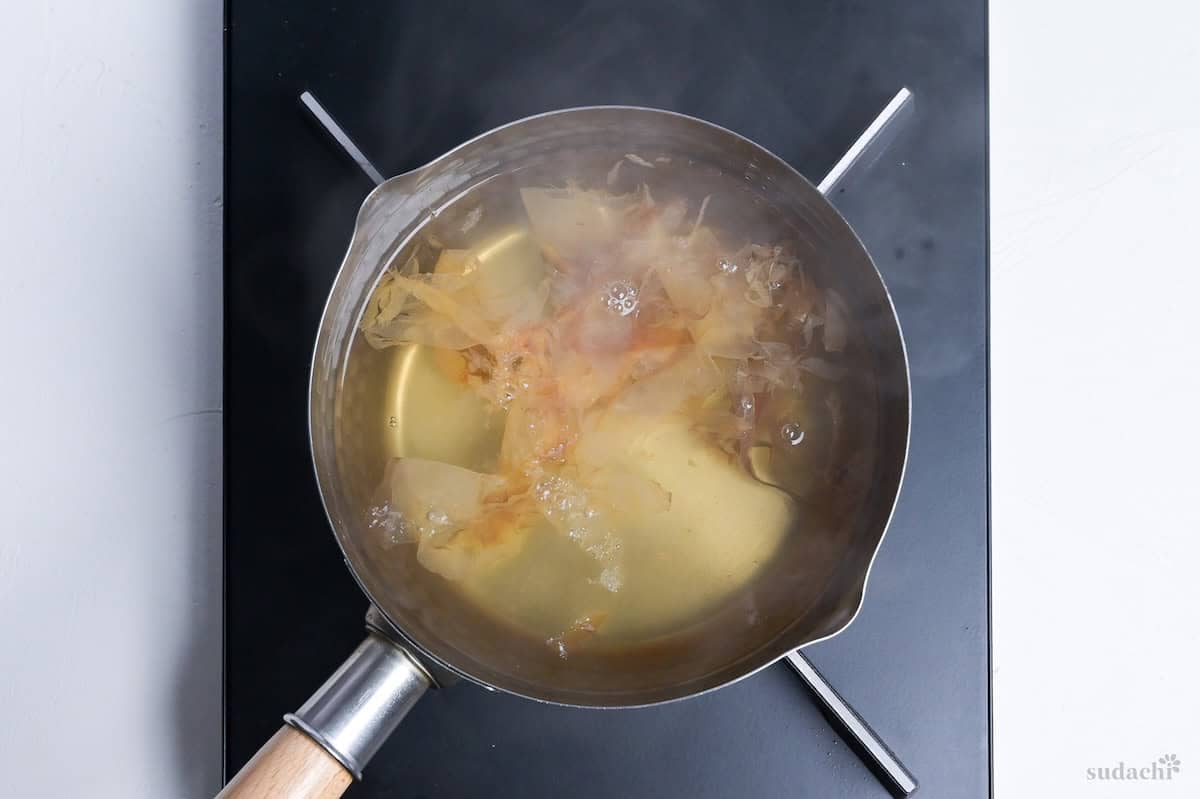
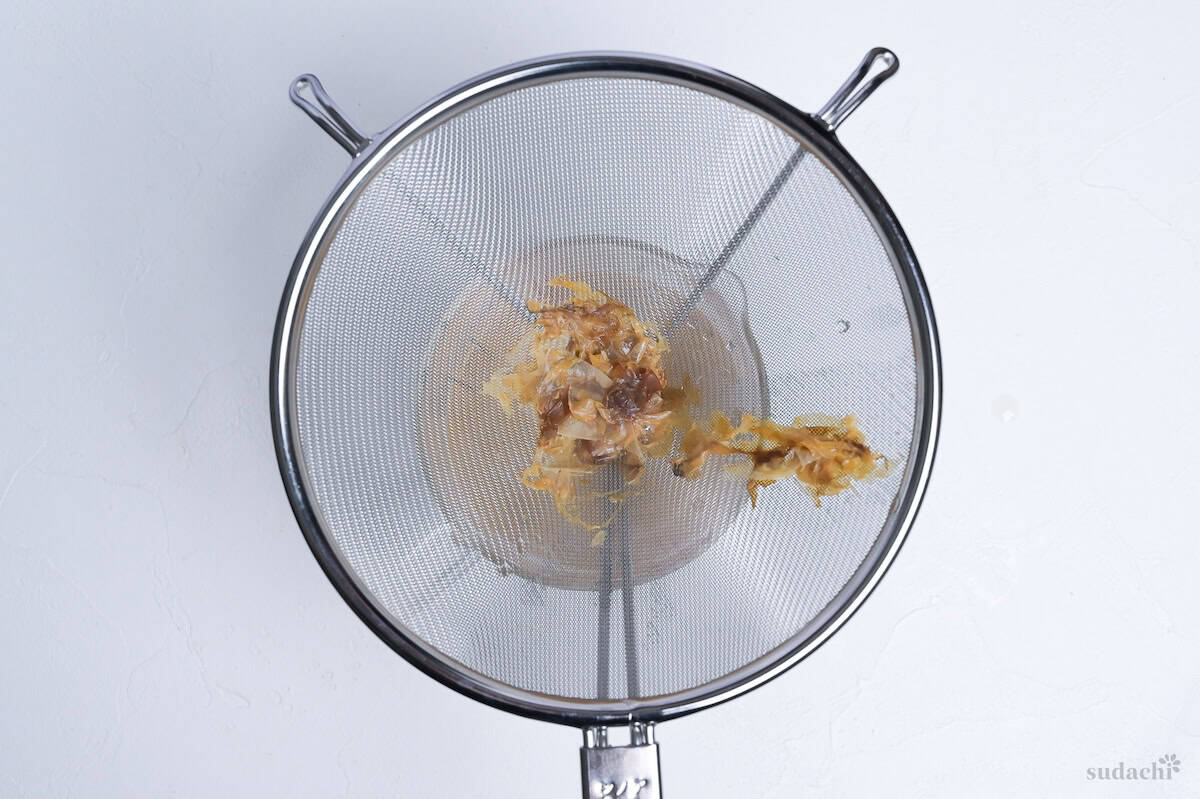
- Strain the dashi through a fine mesh sieve to remove the bonito flakes, and return it to the pot.
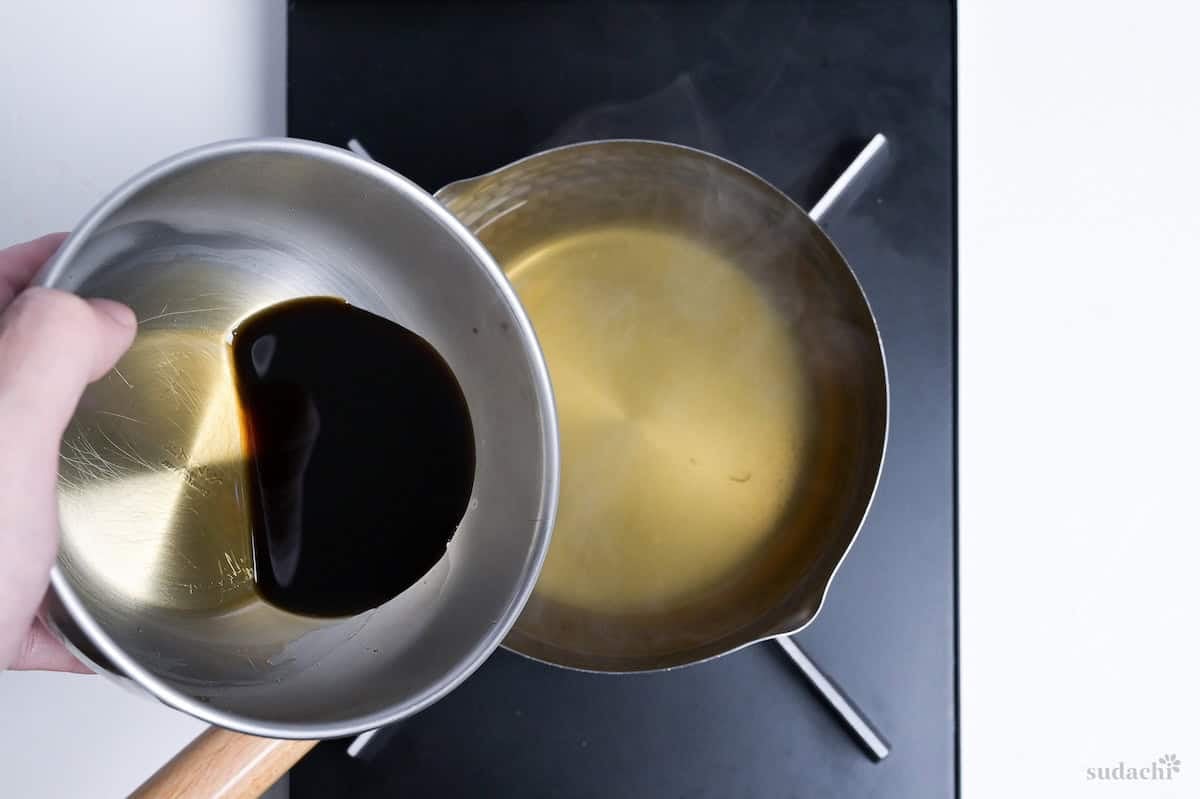
- Heat on medium low and add the kaeshi from step one.
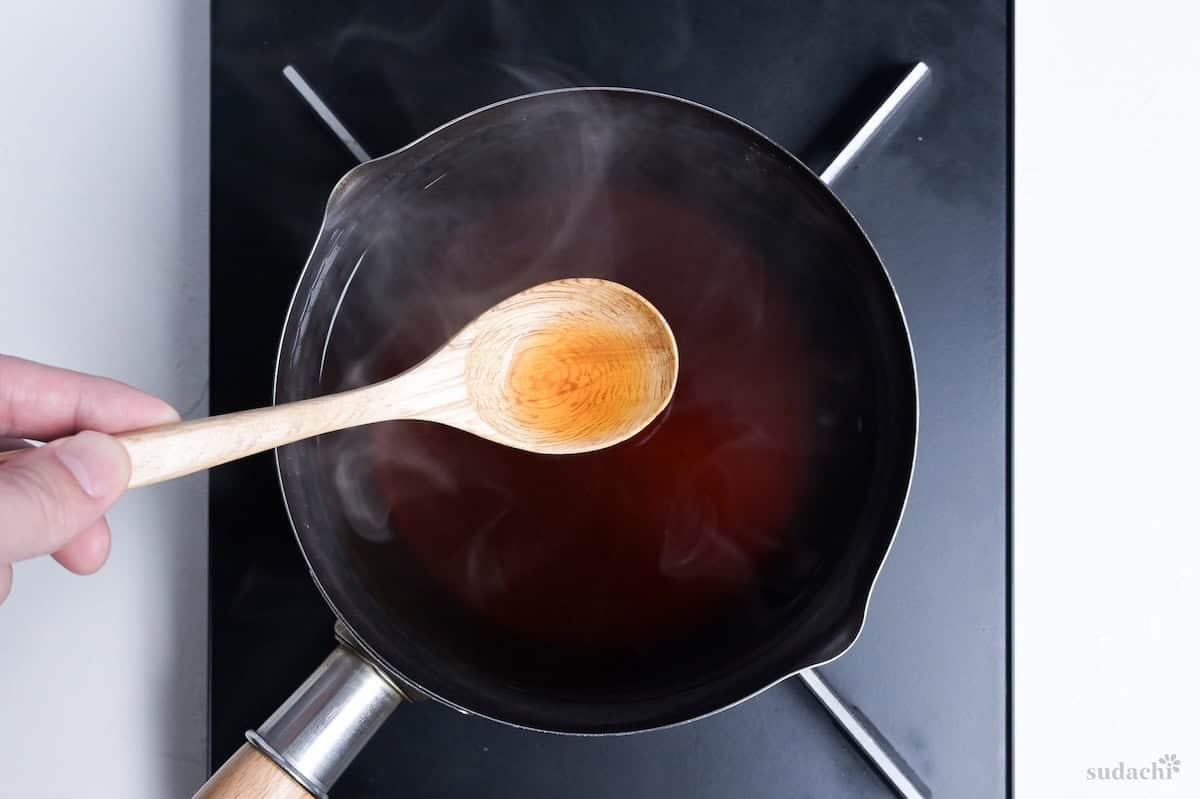
- Stir the broth and heat to near serving temperature, about 85 °C (185 °F) to 90 °C (194 °F). Taste test and add water to dilute or soy sauce/salt to intensify the flavor. Keep the broth warm on the lowest setting.
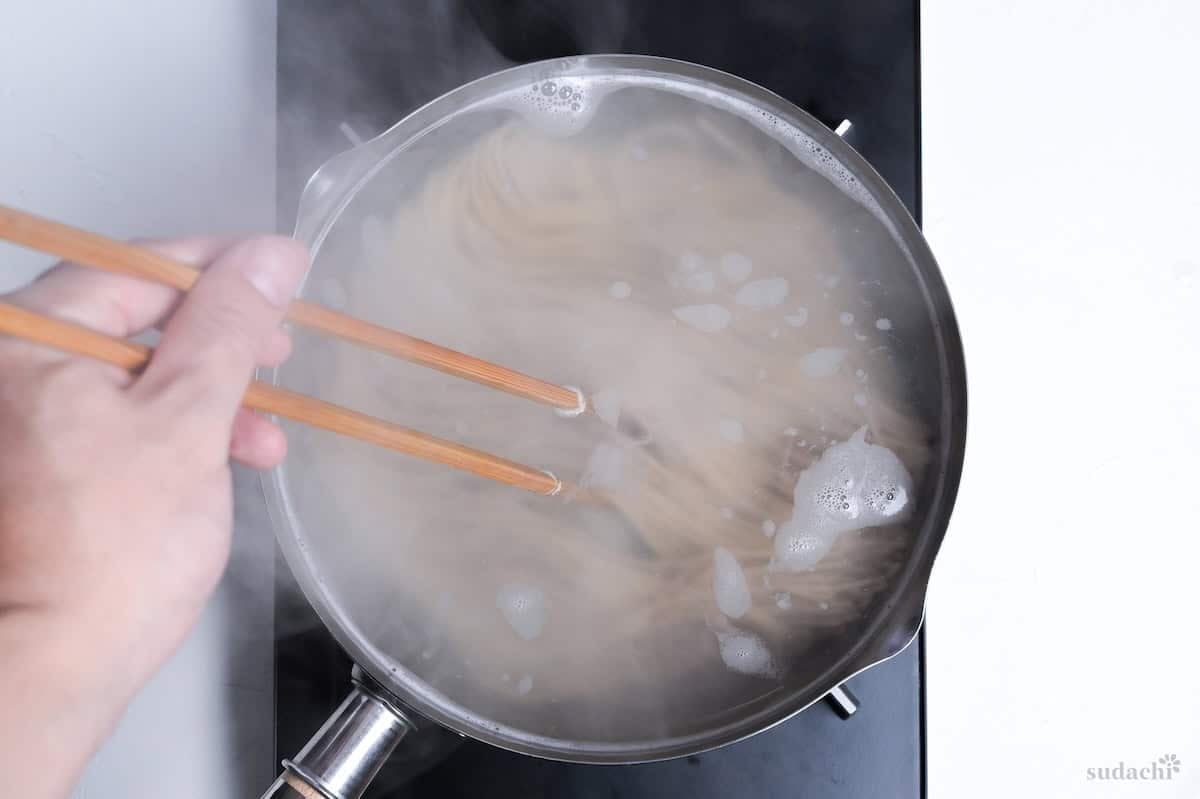
- Boil 2 portions soba noodles according to the package instructions.
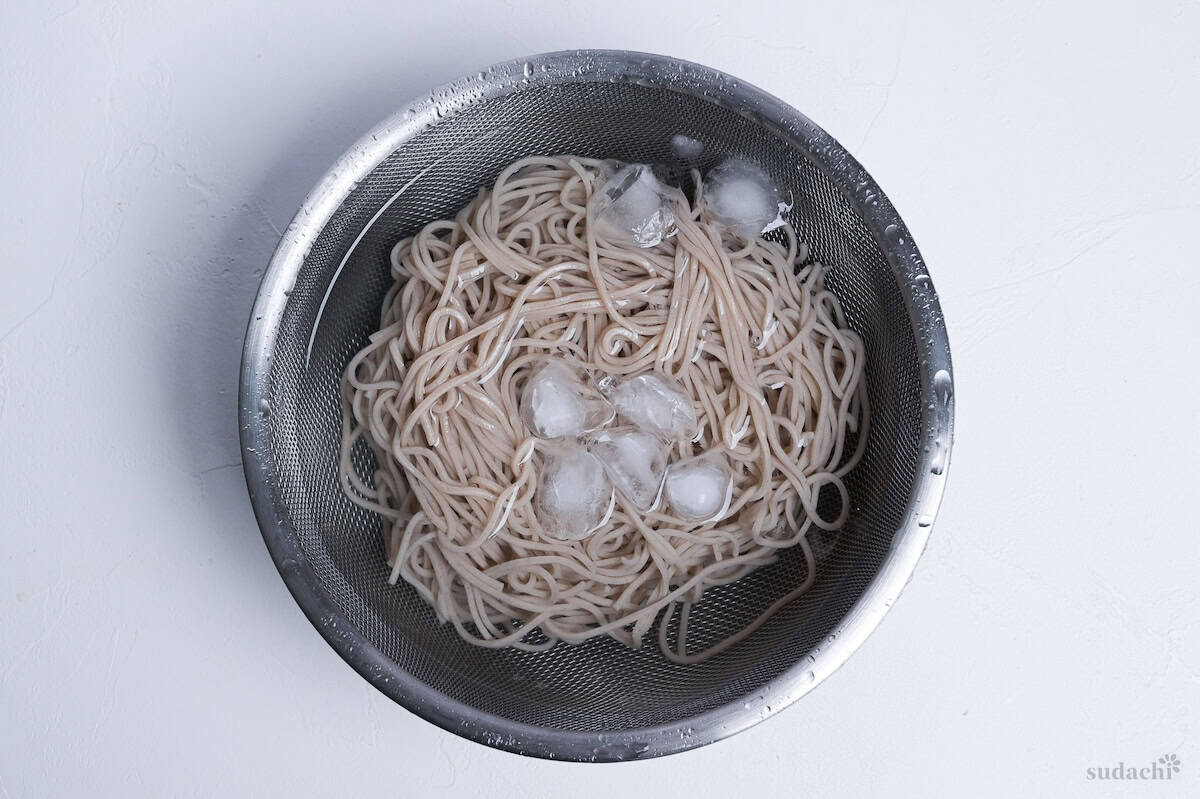
- Strain the noodles and plunge into an ice water bath.
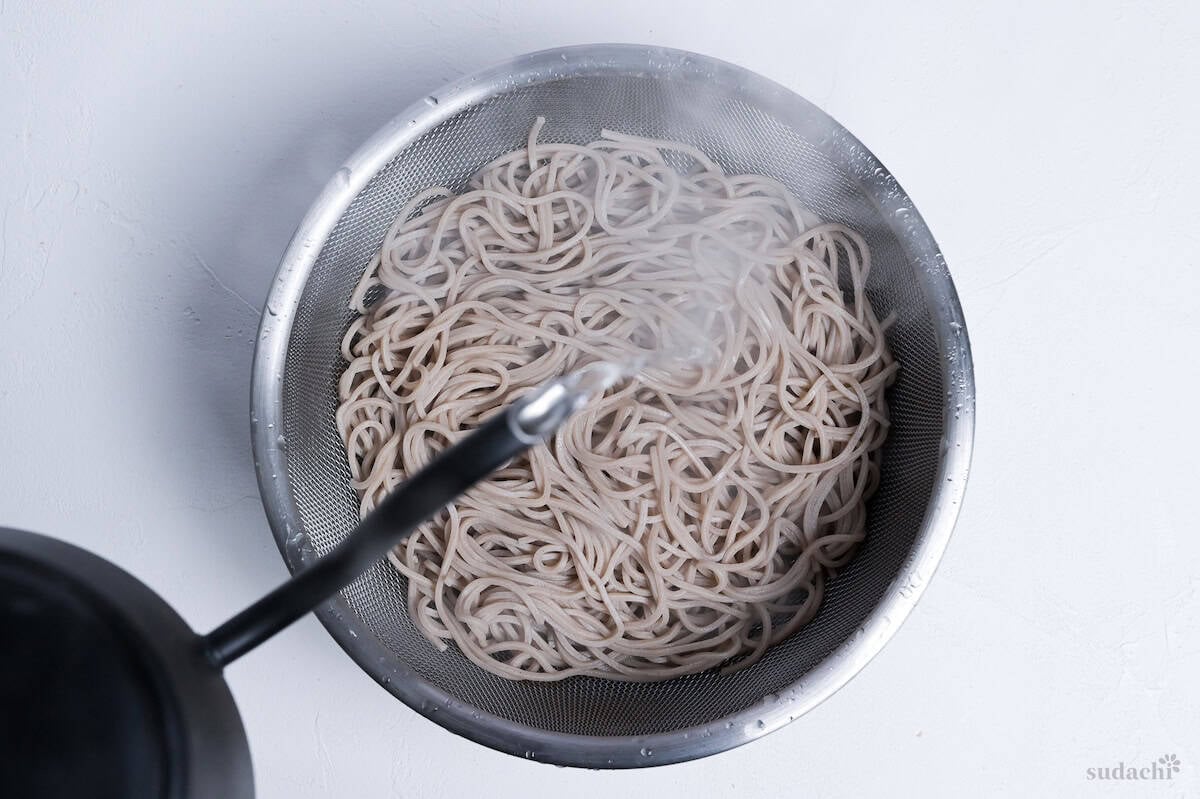
- Pour freshly boiled water over the chilled and drained soba noodles right before serving.
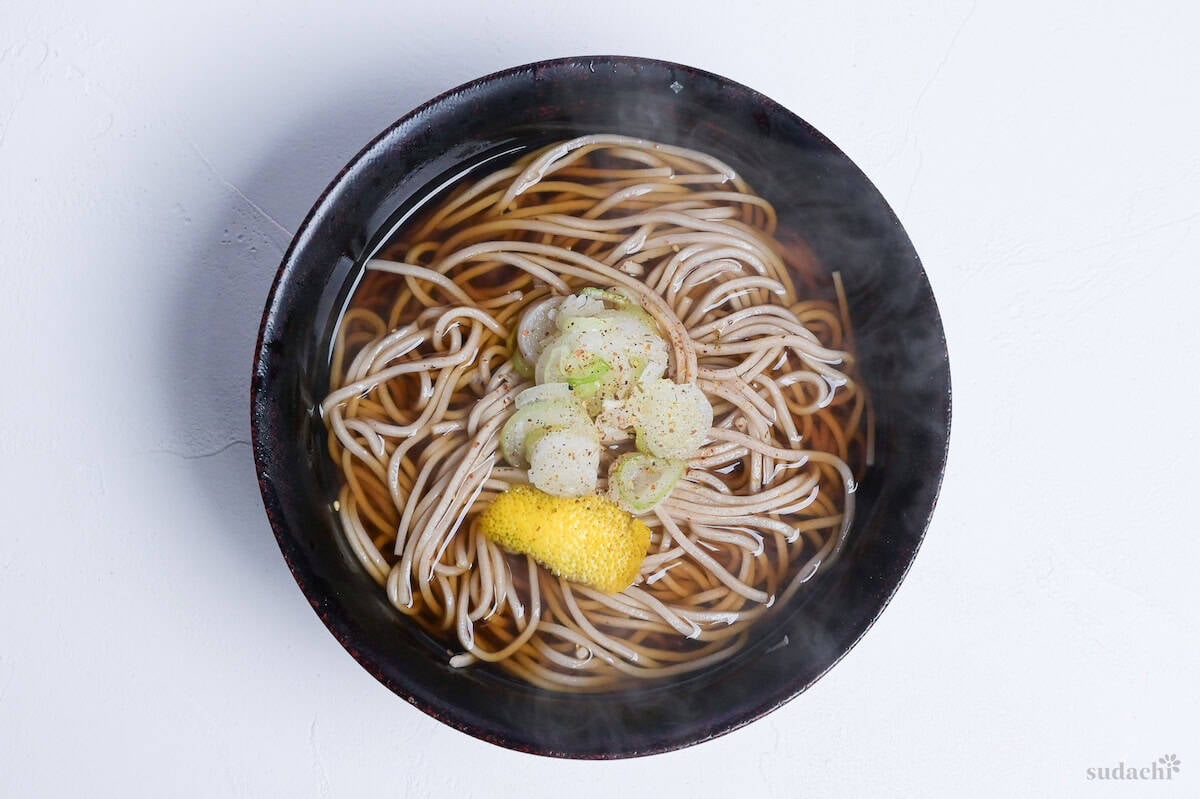
- Place the noodles in serving bowls and pour the soup over the top. Garnish with finely chopped green onions, Japanese chili powder (shichimi togarashi) and a piece of yuzu peel for a fragrant citrus finish. Enjoy!
Notes
The ice water rinse isn't optional even for hot soba. The cold shock creates "koshi" (springy bite) by firming up the starch structure and removes surface starch that would cloud your carefully made broth.
You can save the starchy cooking water (soba-yu) to drink mixed with any leftover broth at the end of your meal.
Kaeshi actually improves with refrigerated aging (up to 2 weeks), as the sharp edges mellow and the flavors integrate, so making it a day or two ahead produces better results than using it immediately.
Beyond the default toppings, kake soba welcomes variations like onsen tamago or tempura for richness, blanched spinach or wakame for color, kitsune (sweetened tofu pouches) for sweet-savory contrast, or seared duck breast to transform it into kamo nanban soba.
Serving ideas: Authentic Tempura, Oyakodon, Inarizushi, Spinach Ohitashi
This recipe yields 2-3 servings depending on portion size. For reference, one serving of dry soba noodles is approximately 100g (3.5 oz) before boiling, or 120g (4.2 oz) for fresh noodles.
Nutritional information assumes all broth is consumed. Many people leave some broth in the bowl, which significantly reduces sodium intake.
Full Recipe QR Code↑↑