
Easy Tantanmen (Tan Tan Ramen)
Ingredients
Meat
- ½ tbsp cooking oil neutral
- 1 tsp chili oil (rayu)
- 2 tsp chili bean sauce (toban djan)
- 1 tsp dried red chili pepper sliced
- 150 g ground pork or 70/30 pork-beef mix, chicken, turkey, vegetarian ground meat alternative
- 1 tsp grated ginger root or ginger paste
- 1 tsp grated garlic or garlic paste
- 30 g Japanese leek (naganegi) white part finely diced, or onion/shallot
- 1 tsp sake or Shaoxing wine, dry sherry, white wine
- 1 pinch ground white pepper or black pepper
Tare (Base Sauce)
- 3 tbsp sesame paste (nerigoma) or Chinese sesame paste, tahini
- 1 tbsp smooth peanut butter unsweetened without bits
- 2 tsp ground sesame seeds
- 2 tsp Japanese soy sauce (koikuchi shoyu)
- 2 tsp chili oil (rayu)
- ¼ tsp sugar
Broth
- 500 ml kombu dashi stock or plain water
- 1 tbsp Chinese-style chicken bouillon powder
- 100 ml unsweetened soy milk
- ½ tsp unseasoned rice vinegar (komezu) optional
Noodles and Toppings
- 3 portions ramen noodles
- 1 bunch bok choy (pak choy) or other greens
- finely chopped green onions
- roasted peanuts crushed, optional
- chili oil (rayu) to taste
Instructions
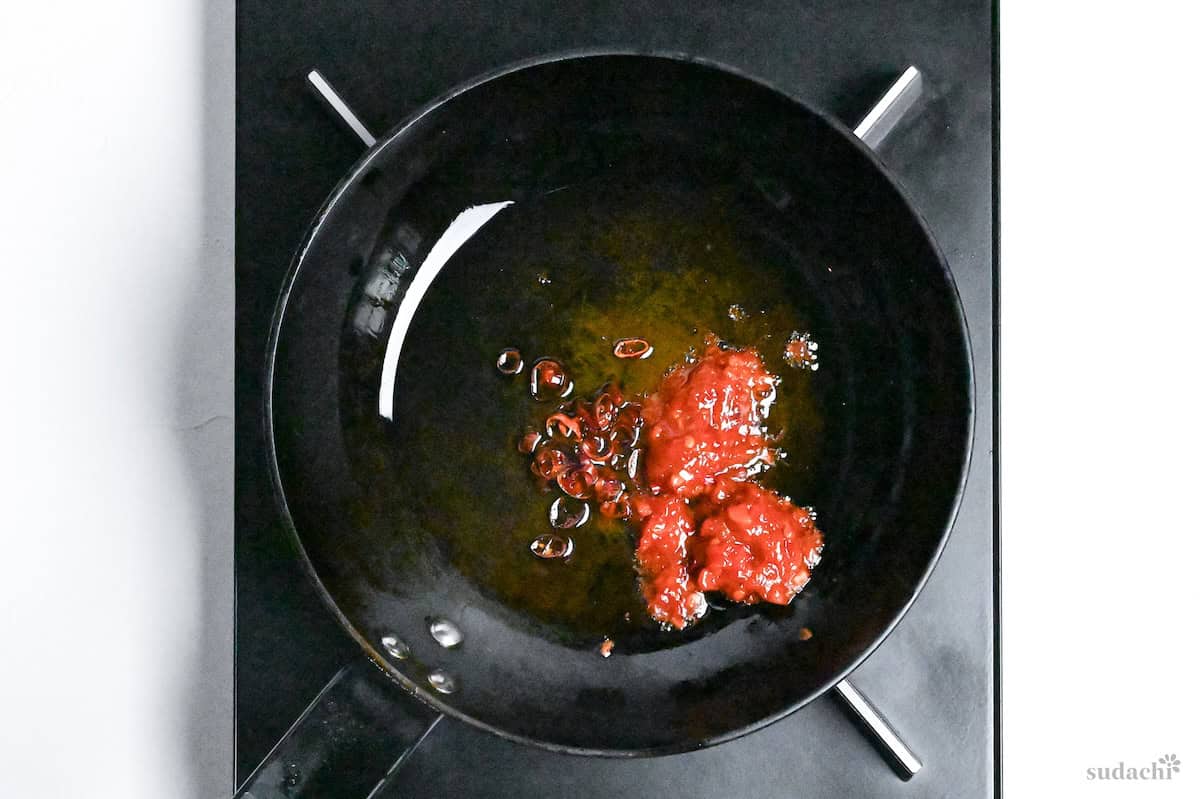
- Preheat a skillet over medium and once hot, add ½ tbsp cooking oil and 1 tsp chili oil (rayu). Swirl to distribute, then add 2 tsp chili bean sauce (toban djan) and 1 tsp dried red chili pepper (thinly sliced). Stir fry for 60 seconds to bloom.
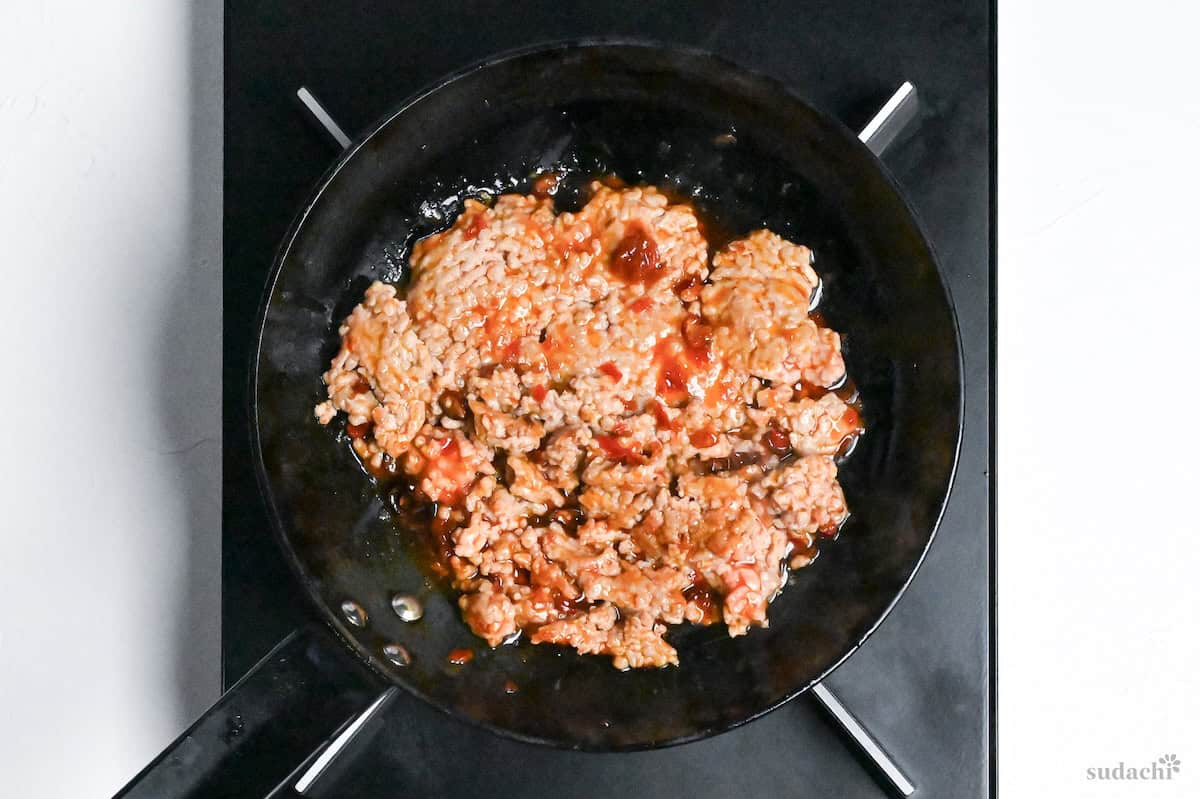
- Add 150 g ground pork to the pan and spread in a thin, even layer. Fry for 2 minutes, then flip and fry for 1 minute on the other side.
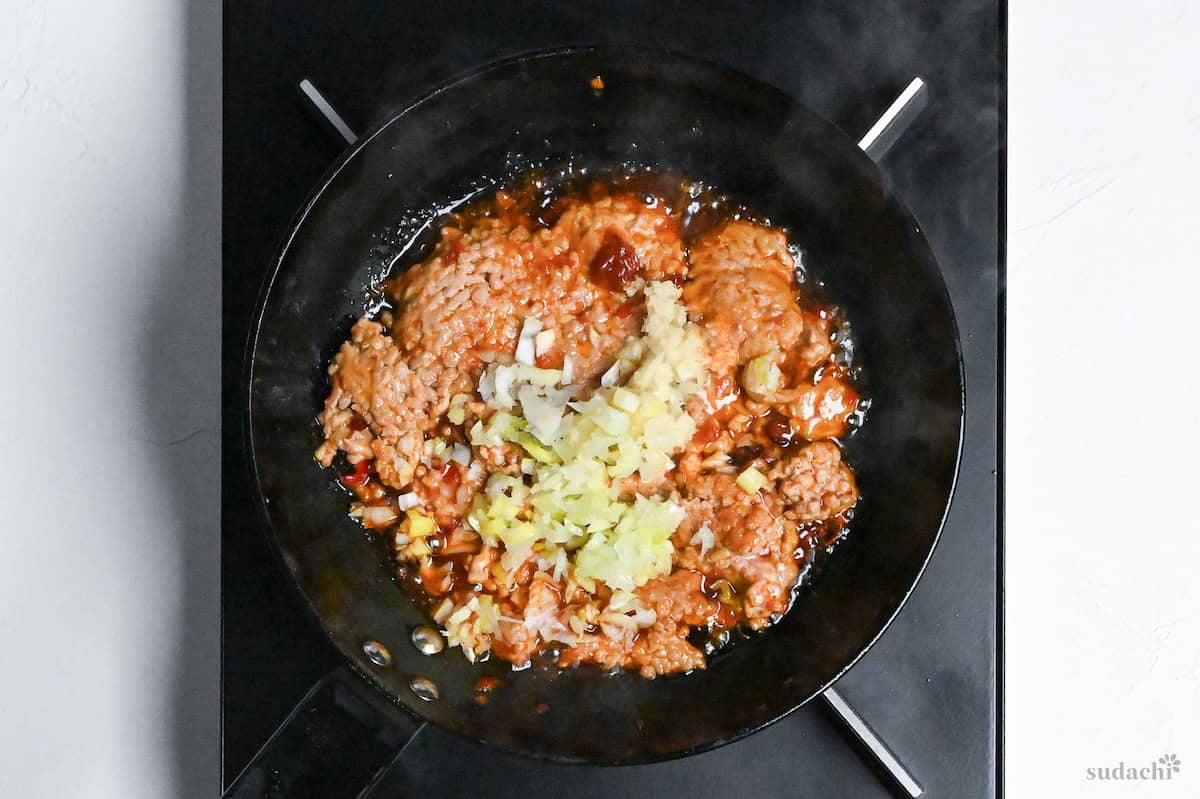
- Break the meat into coarse chunks, then add 1 tsp grated ginger root, 1 tsp grated garlic and half of 30 g Japanese leek (naganegi) (save the other half for the tare). Stir fry for 1 minute.
- Pour 1 tsp sake into the pan to deglaze and scrape up any browned bits, mixing them into the meat. Stir fry until the liquid has evaporated, then sprinkle with 1 pinch ground white pepper and turn off the heat. Cover with a lid to keep warm for later.

- Start boiling a pot of water to cook your noodles. While you wait, mix the tare ingredients together in a bowl. Pour 500 ml kombu dashi stock (or water) into a pot and heat to almost boiling.

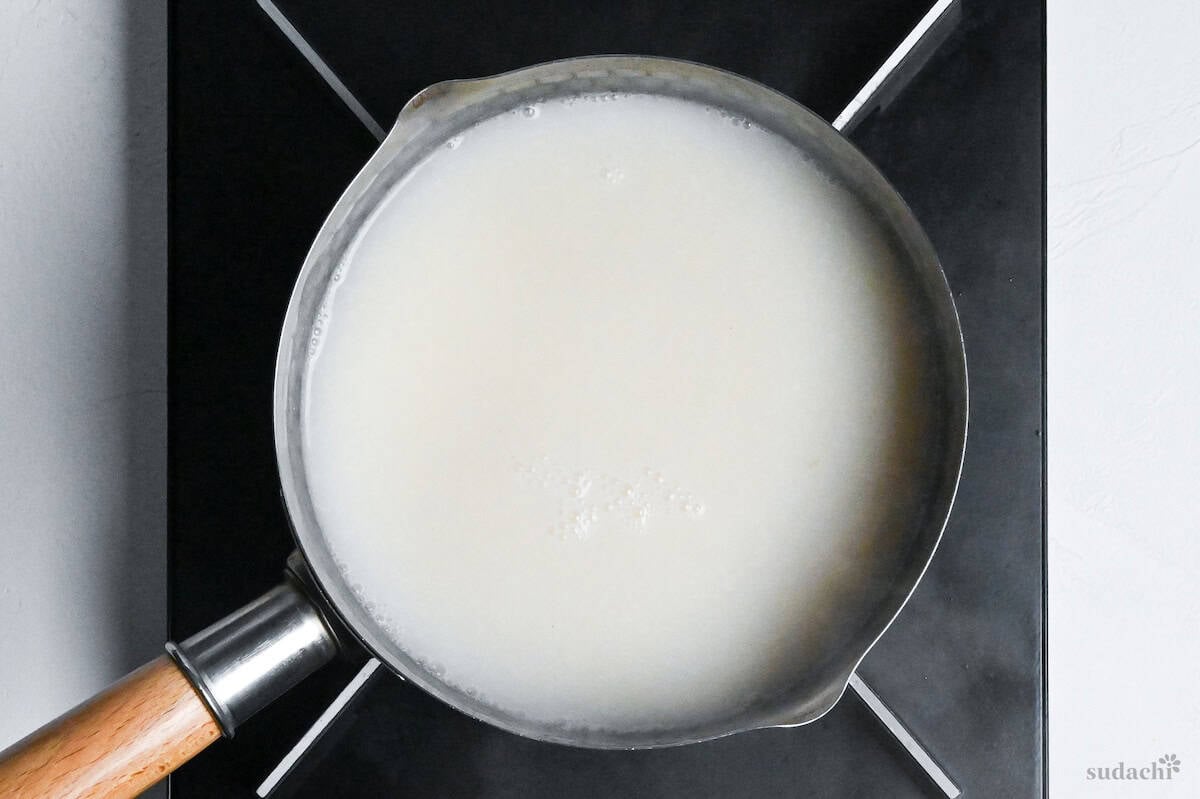
- Remove the kombu, then whisk in 1 tbsp Chinese-style chicken bouillon powder until dissolved. Turn off the heat and add 100 ml unsweetened soy milk.
- Make a tare by mixing 3 tbsp sesame paste (nerigoma), 1 tbsp smooth peanut butter, 2 tsp ground sesame seeds, 2 tsp Japanese soy sauce (koikuchi shoyu), 2 tsp chili oil (rayu) and ¼ tsp sugar. You can divide it between serving bowls, or mix it all together and divide it after.
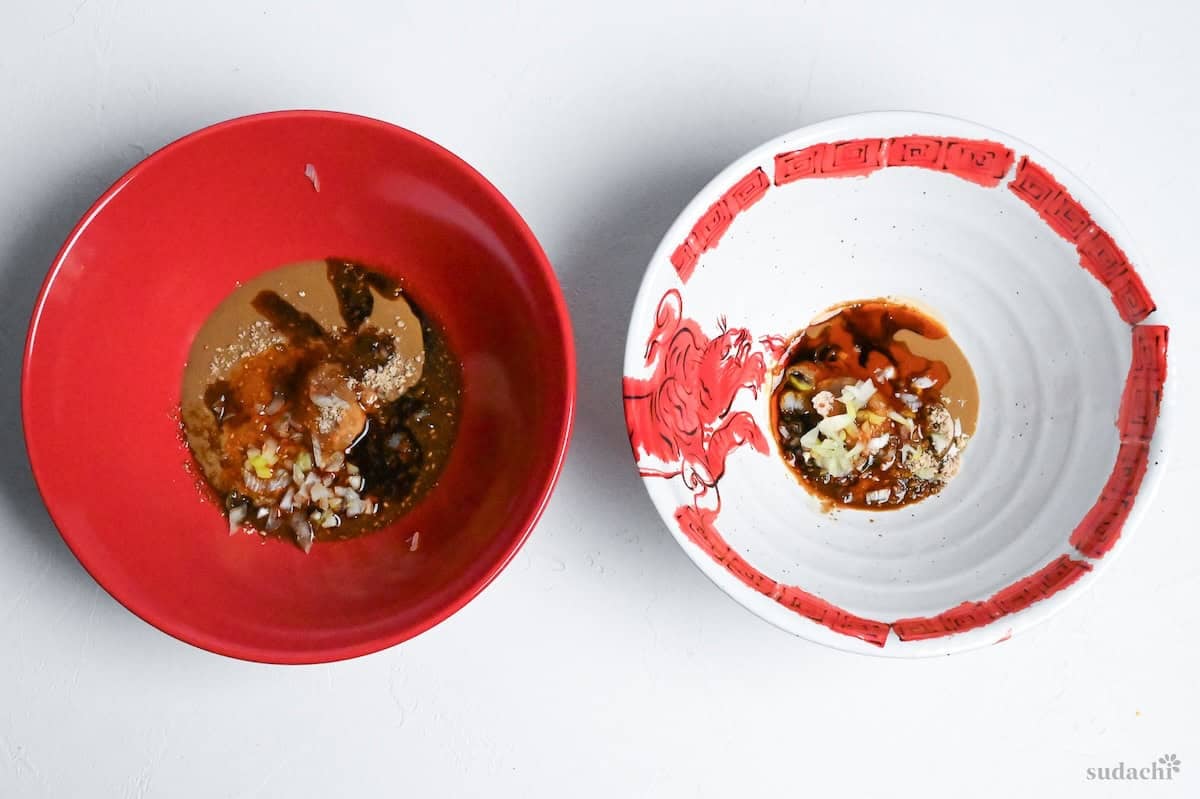
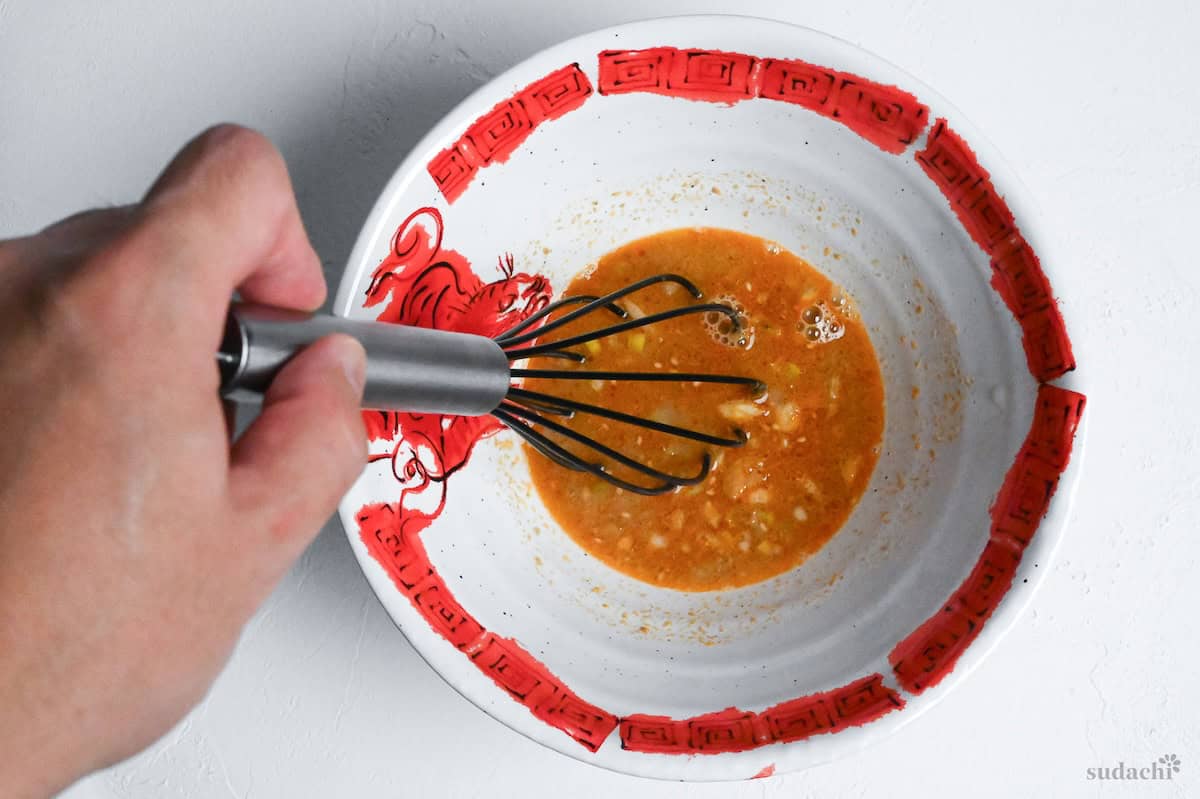
- Combine the tare and hot broth. (If your noodles take a long time to cook, do this in the last 1-2 minutes)Individual method: Divide the tare between warmed serving bowls, then gradually add an equal amount of broth to each bowl while whisking continuously. Finish with a dash of rice vinegar in each bowl.Bulk method: Gradually pour all of broth over all of the tare, whisking vigorously until combined, then add ½ tsp unseasoned rice vinegar (komezu) and divide between serving bowls.
- Wash 1 bunch bok choy (pak choy) and trim off the tough root ends. Boil 3 portions ramen noodles and set a timer for 1 minute less than the packaging states.
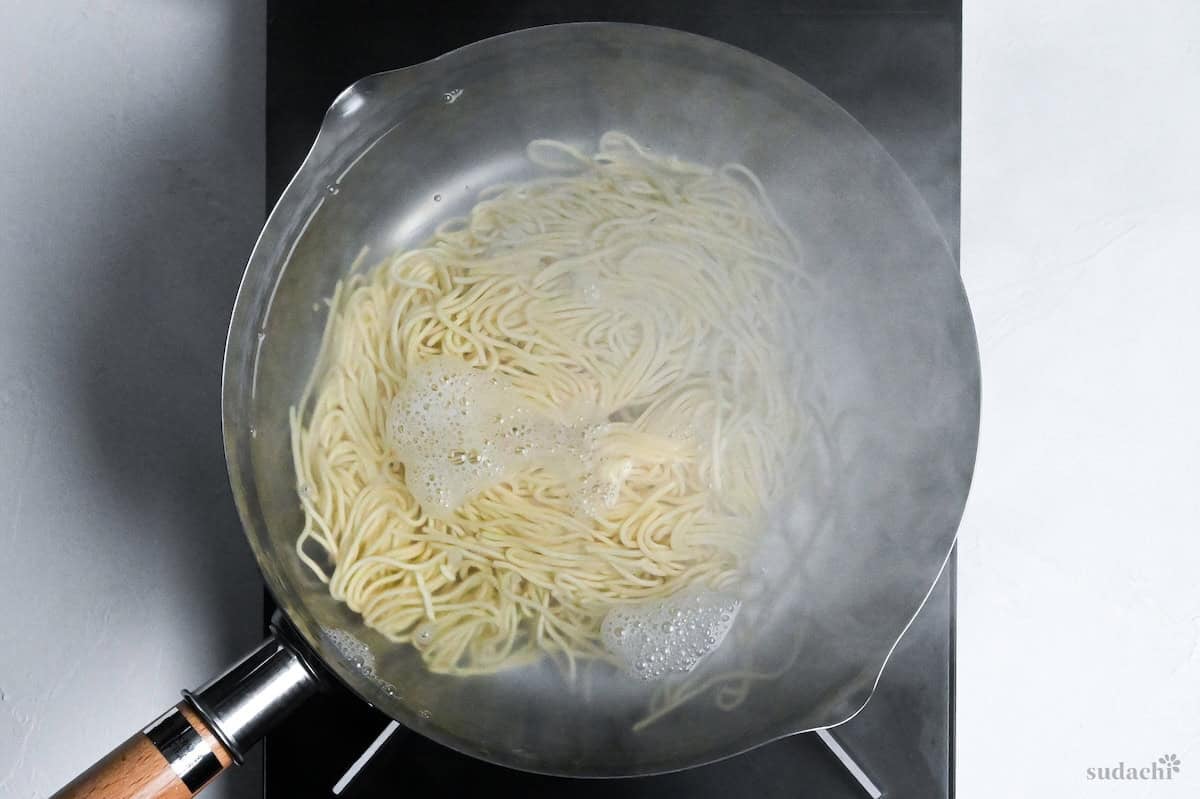
- When the 1 minute timer sounds, add the bok choy and boil them together with the noodles for 1 minute, then strain.

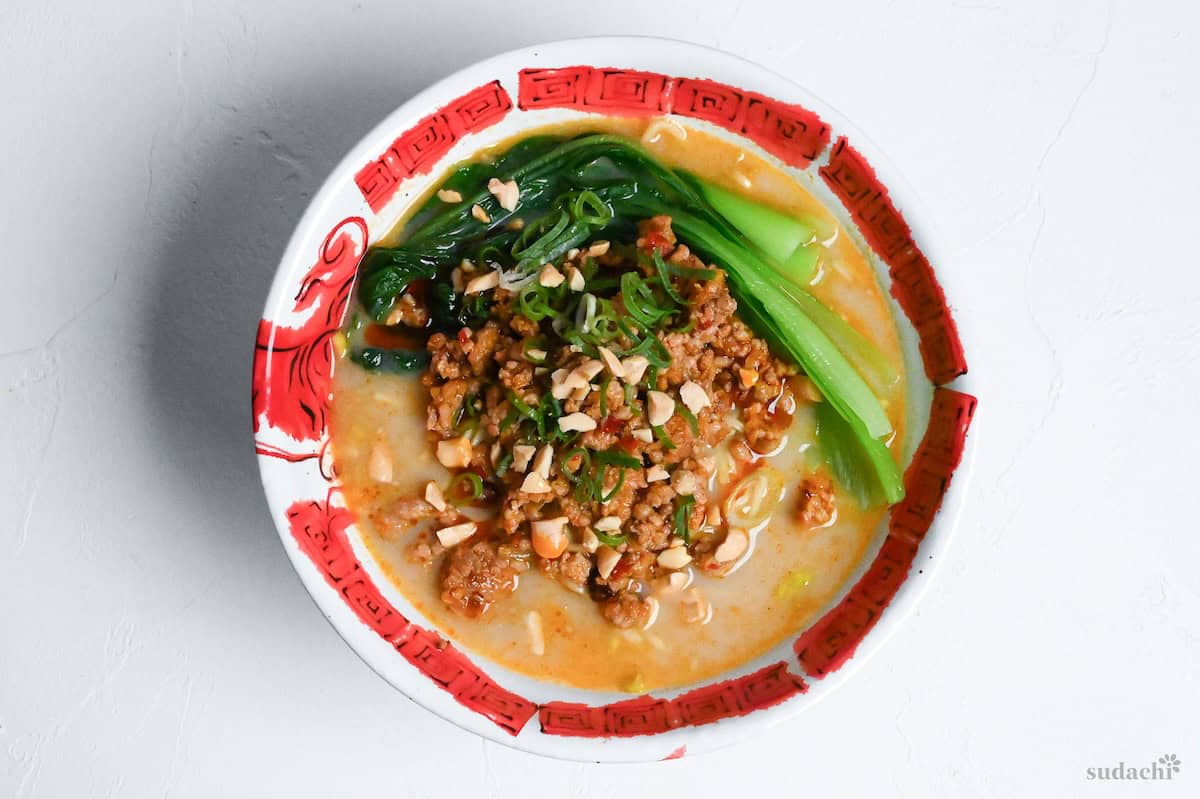
- Divide the noodles between serving bowls, placing them gently in the soup and topping with the seasoned ground pork, blanched bok choy, finely chopped green onions and crushed roasted peanuts. Finish with chili oil (rayu) to taste and enjoy!
Notes
Chicken bouillon powder varies by brand. My brand is 1 tsp per 200 ml, so check the label and if yours is more concentrated (e.g., 1 tsp per 300 ml or 1 cup), use touch less to avoid oversalting.
You can use either sesame paste or peanut butter alone if you don't have both. You can also replace soy milk with extra kombu dashi or water.
Choose thin fresh ramen noodles when possible. High-quality dried noodles or even my spaghetti ramen hack work as backups. Udon or soba noodles also pair well with this rich, sauce-forward broth.
Store only components: seasoned pork (2-3 days), tare + broth (3-4 days), and never cooked noodles. Freeze only the seasoned pork (up to 1 month). Other components don't freeze well.
For meal prep, make components ahead. Pork up to 3 days and kombu dashi steeped overnight, but assemble fresh for best texture.
Reheat the seasoned pork gently in a covered skillet over medium-low heat to keep it juicy.
Make it vegetarian by swapping ground pork for ground tofu or TVP and using vegetable bouillon powder.
Serving ideas: Edamame with Sea Salt, Authentic Gyoza, Shumai, Chahan
The nutritional values assume you drink all the broth, which is not expected for ramen. Actual values will be lower
Full Recipe QR Code↑↑