
Spicy Miso Tsukemen (15 Minute Dipping Ramen)
Ingredients
For the mince
- ½ tbsp toasted sesame oil
- 30 g Japanese leek (naganegi) white part, finely diced
- 1 chili pepper dry or fresh finely sliced (red or green)
- 1 clove garlic finely diced
- 1 tbsp ginger root finely diced
- 50 g ground pork
- 1 tbsp chili bean sauce (toban djan)
- 1 tbsp yellow miso paste (awase)
- 1 tbsp ground sesame seeds
- 1 pinch ground black pepper
For the soup
- 300 ml water
- 1 tsp Chinese-style chicken bouillon powder
- 1 tsp sugar
- 1 tsp Japanese soy sauce (koikuchi shoyu)
- 1 tbsp water for slurry
- 1 tsp potato starch (katakuriko) for slurry
- 1 tsp toasted white sesame seeds
- 1 dash chili oil (rayu)
- 1 chili pepper red or green, finely sliced to garnish
- 30 g garlic chive(s) nira, roughly chopped to garnish
Ramen noodles and optional toppings
- 2 portions ramen noodles thick
- water for boiling noodles
- 1 tsp toasted sesame oil
- 1 tbsp finely chopped green onions green part finely chopped
- kizami nori (shredded nori)
- narutomaki fish cake or kamaboko
- seasoned bamboo shoots (menma)
- 2 ramen egg
Instructions
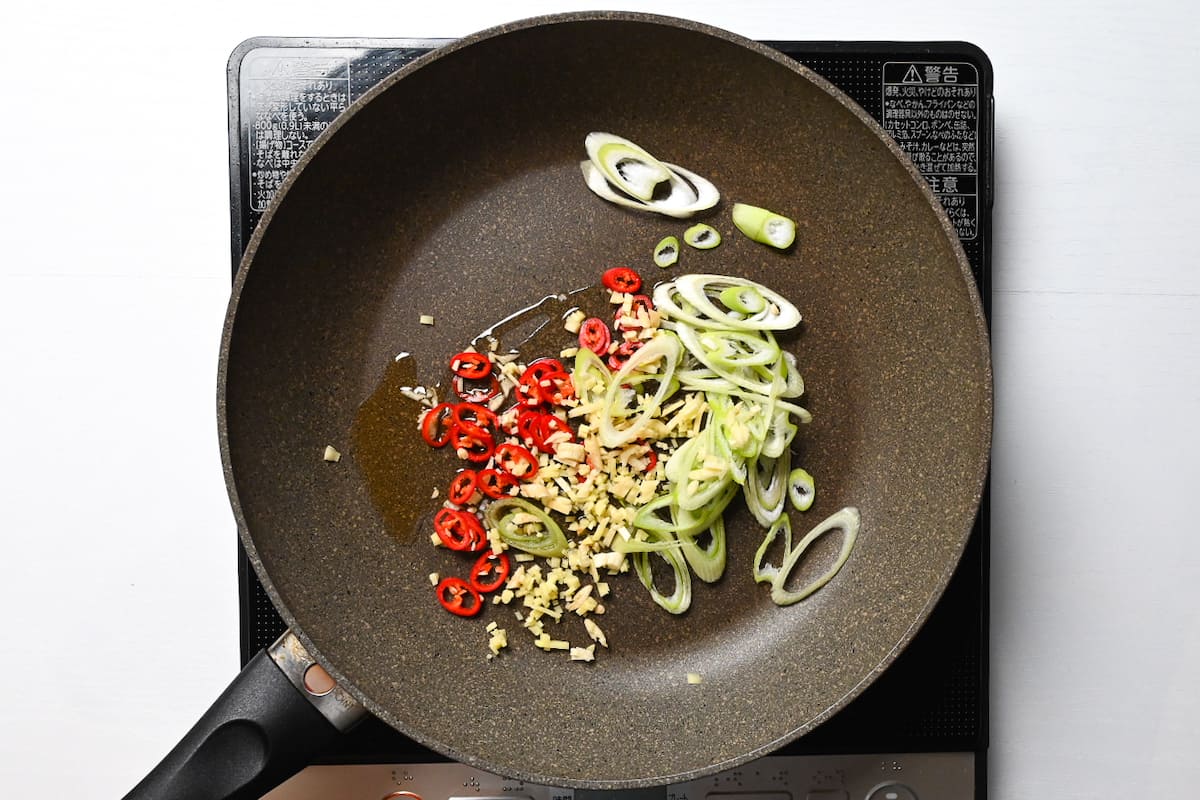
- Heat a large frying pan (it will need to fit the soup later) on medium low and add ½ tbsp toasted sesame oil. Once hot, add 30 g Japanese leek (naganegi), 1 chili pepper, 1 tbsp ginger root and 1 clove garlic and fry until fragrant.
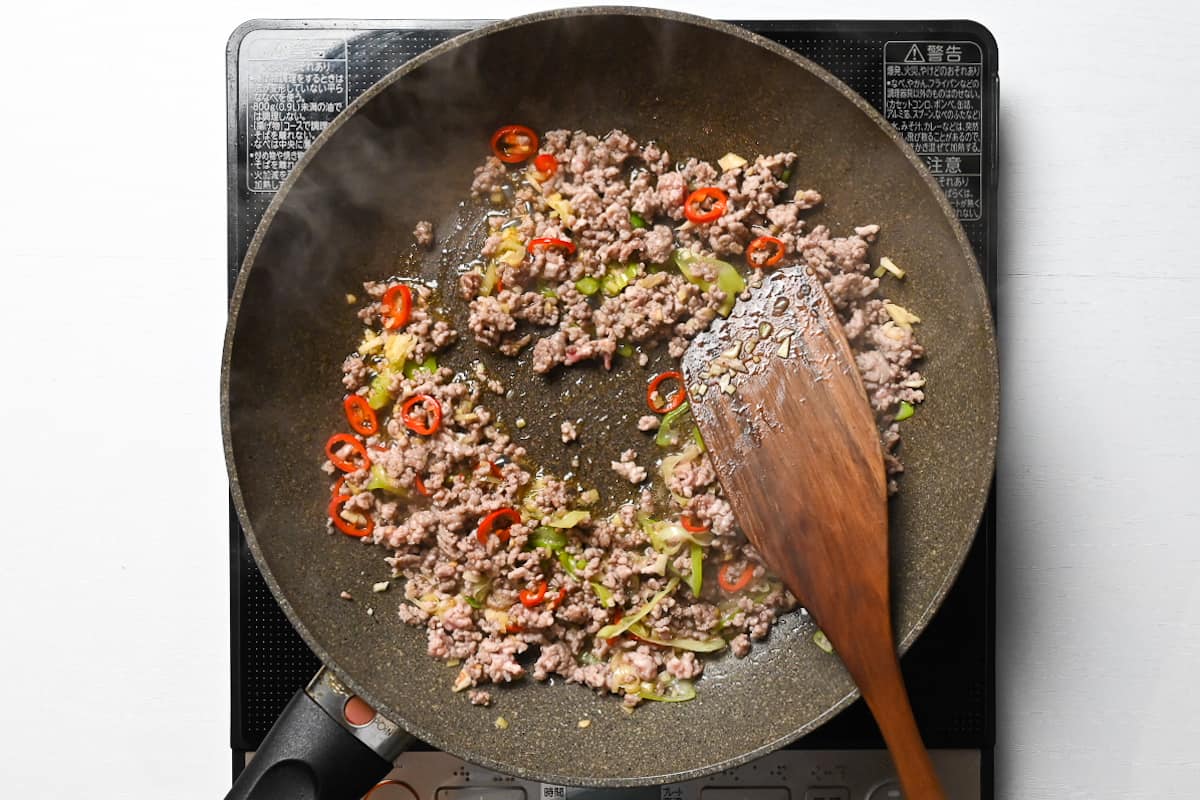
- Once fragrant, turn up the heat to medium and add 50 g ground pork. Fry until browned.
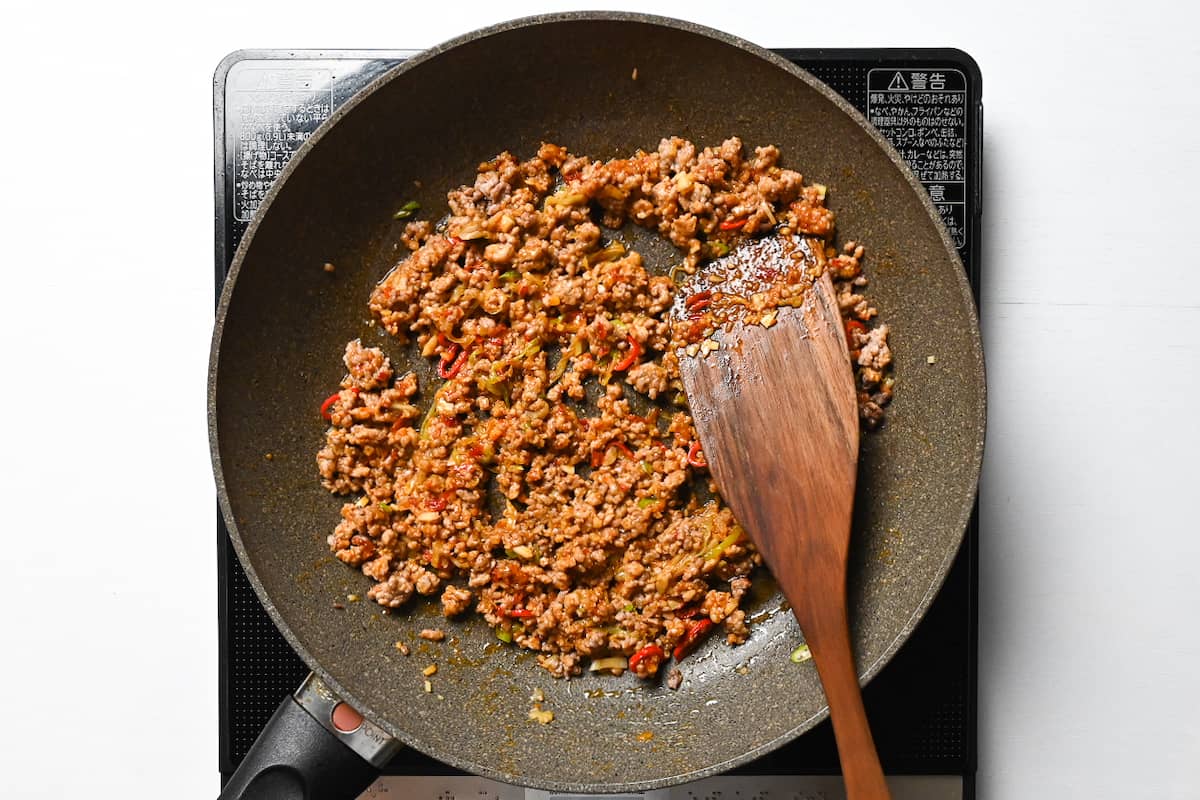
- Next, add 1 tbsp chili bean sauce (toban djan), 1 tbsp yellow miso paste (awase), 1 pinch ground black pepper and 1 tbsp ground sesame seeds. Mix well and stir fry for 1 minute.
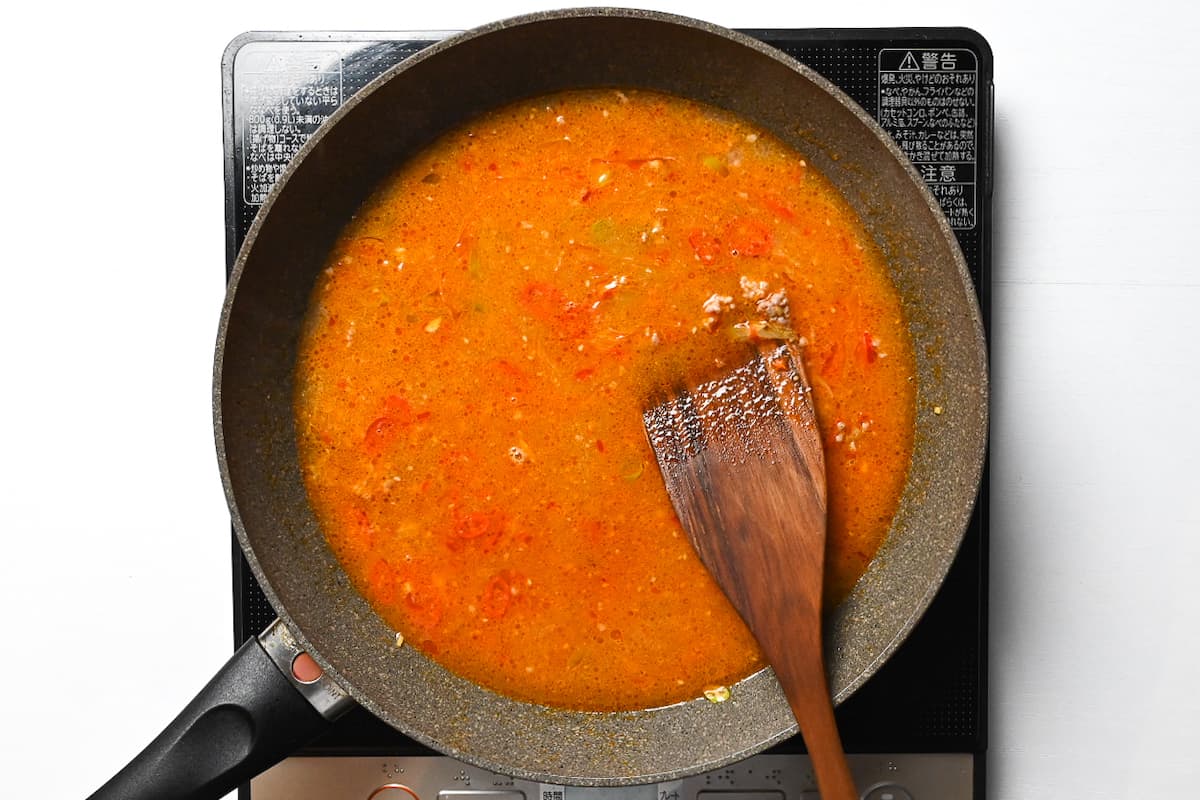
- Add 300 ml water and 1 tsp Chinese-style chicken bouillon powder, then bring it to a boil.
- Once the liquid is boiling, turn down heat to simmer and add 1 tsp Japanese soy sauce (koikuchi shoyu) and 1 tsp sugar.

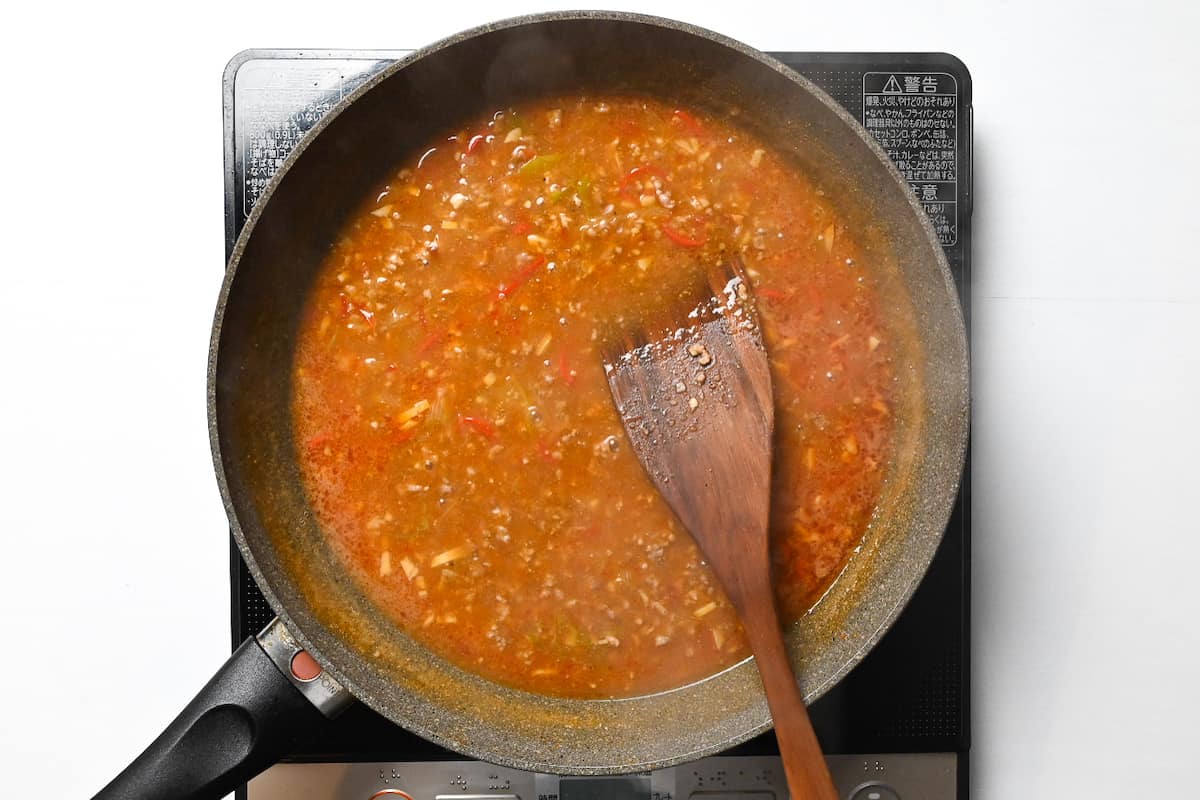
- In a small separate bowl, mix 1 tsp potato starch (katakuriko) and 1 tbsp water to make a slurry. Pour the slurry into the soup and cook until slightly thickened, stirring continuously.
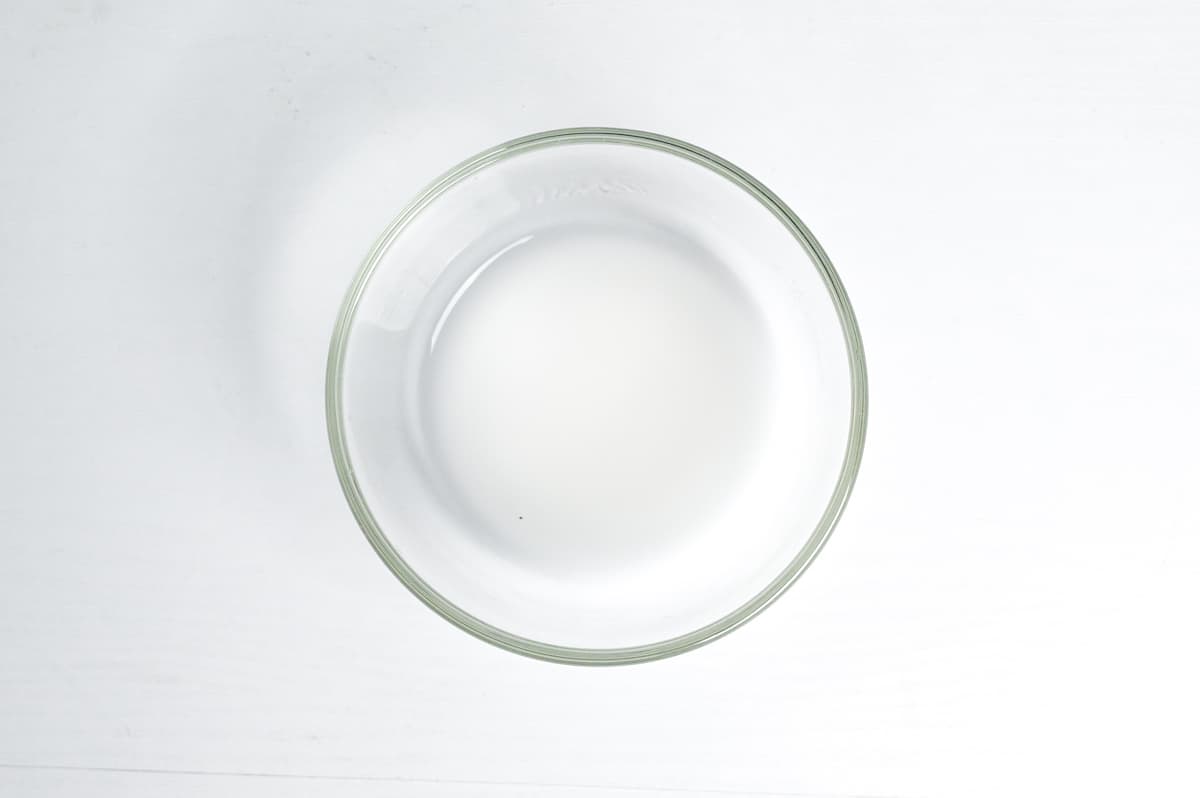
- Once thickened, remove from the heat and place a lid on top of the pan to keep it hot until serving.
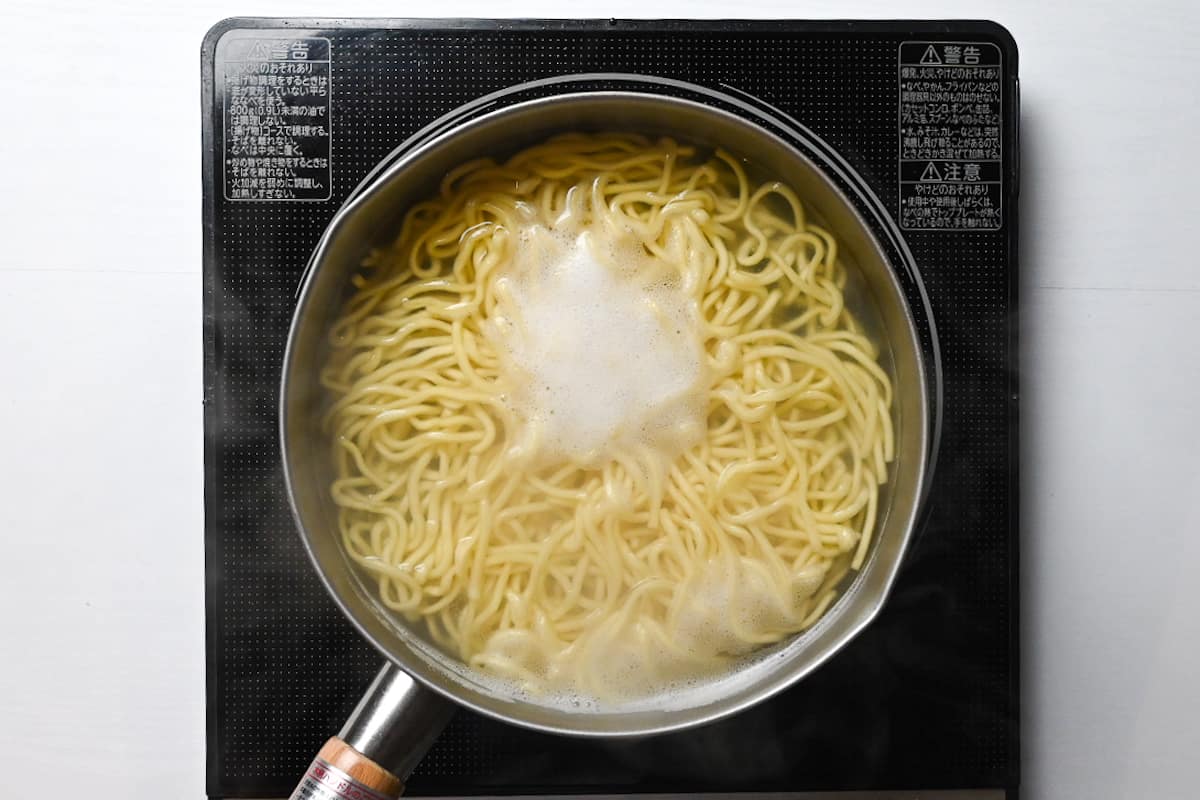
- Cook 2 portions ramen noodles according to the instructions on the packaging. Once the noodles are cooked, pour them into a colander to drain the water and rinse with warm running water to remove excess starch.
- Transfer the noodles to mixing bowl and drizzle with 1 tsp toasted sesame oil. Mix until evenly coated and then divide onto serving plates. Top each portion with 1 tbsp finely chopped green onions, kizami nori (shredded nori) and your choice of toppings.Pour the soup into individual dipping bowls and top with 30 g garlic chive(s), 1 chili pepper, 1 tsp toasted white sesame seeds and 1 dash chili oil (rayu).
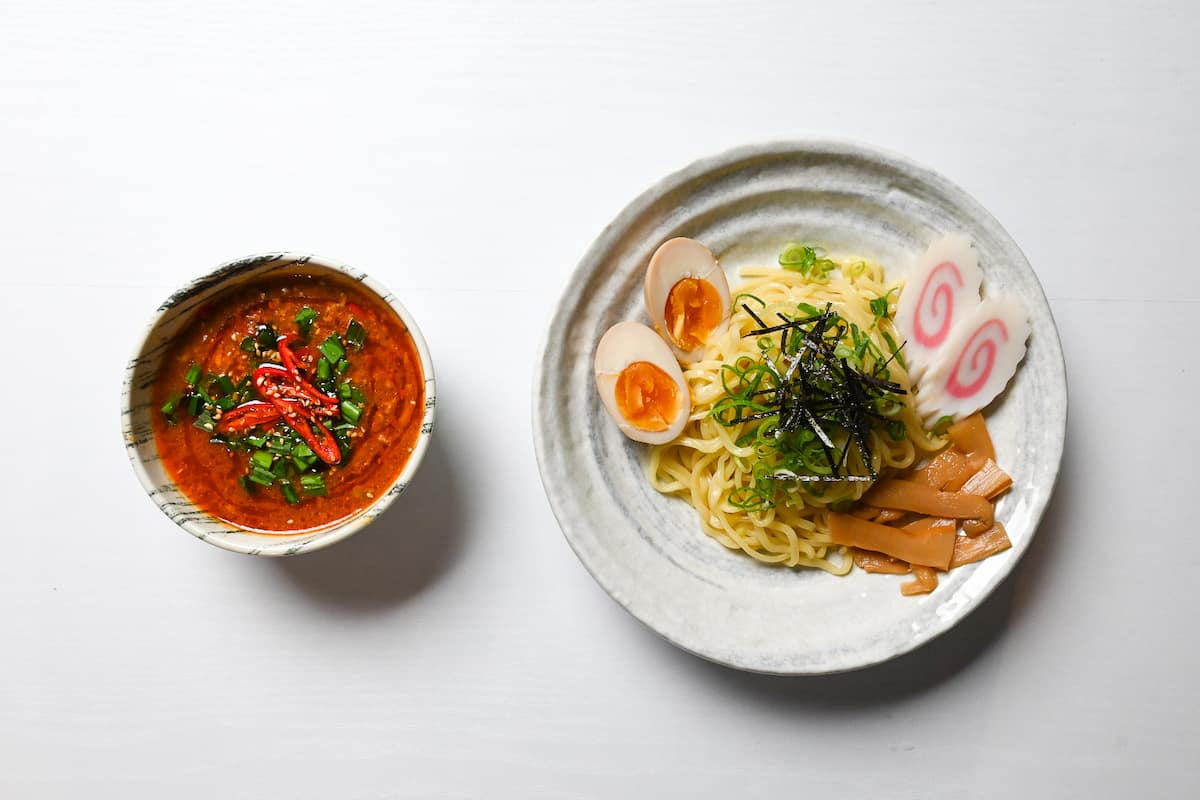
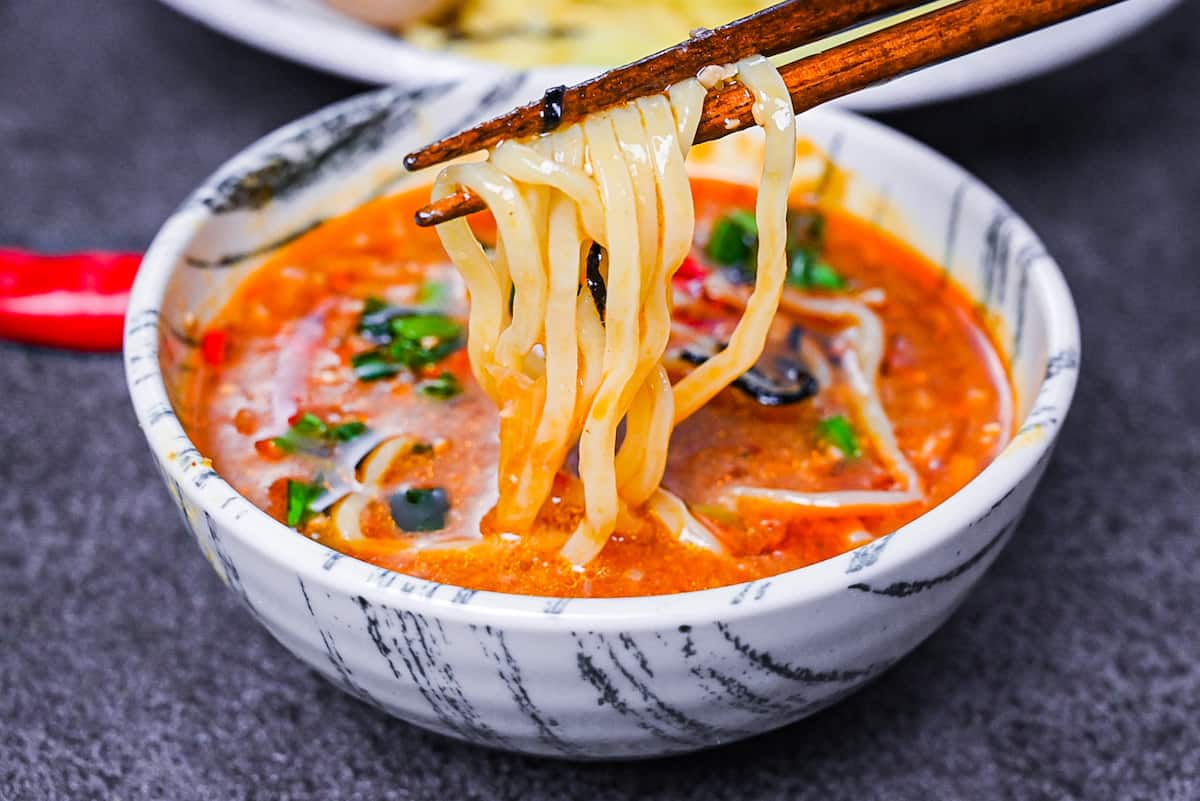
- Dip the noodles in the broth, and enjoy!
Notes
Chicken bouillon powder varies by brand: My brand is 1 tsp per 200 ml. If yours is stronger (1 tsp per 300 ml, for example), use a touch less so the soup does not turn salty. If it is weaker, use a little more.
About the nutrition figures: The soup is strong and made for dipping the noodles, and you are not meant to drink it all. The figures assume you finish every drop, so what you actually eat is less.
Make the heat your own: Adjust the chili and chili oil to your liking. To tone it down, use less chili bean sauce and more miso to match. The miso makes up the salt and bean savoriness the chili bean sauce was bringing.
Fry the pastes in the fat before any water: Cooked in the fat from the pork, they season the meat first. Heat draws out the aroma and savoriness of the chili bean sauce, and the fat spreads both through the soup.
Stir the slurry again just before pouring: Potato starch sinks to the bottom of the bowl almost at once. Pour it in settled and the dense part sets into lumps before it can spread. Adding the powder dry to the hot soup does the same.
Rinse off the slippery coating and drain well: Left on the noodles, that coating keeps the soup from clinging. Water left on them dilutes the soup.
Full Recipe QR Code↑↑