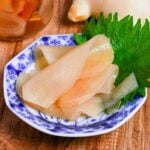
Pickled Sushi Ginger (Homemade Gari)
Ingredients
- 250 ml water
- 125 ml unseasoned rice vinegar (komezu) unseasoned, not seasoned sushi vinegar
- 80 g light brown sugar or white sugar for a clearer, brighter pink
- 1 tsp Japanese light soy sauce (usukuchi shoyu) or regular soy + pinch salt
- 1 small piece dried kelp (kombu) about 5cm (2-inch) piece
- 340 g young ginger root (shin shoga) with pink stems
- 1 tsp salt non-iodized, for salting the blanched slices
Instructions
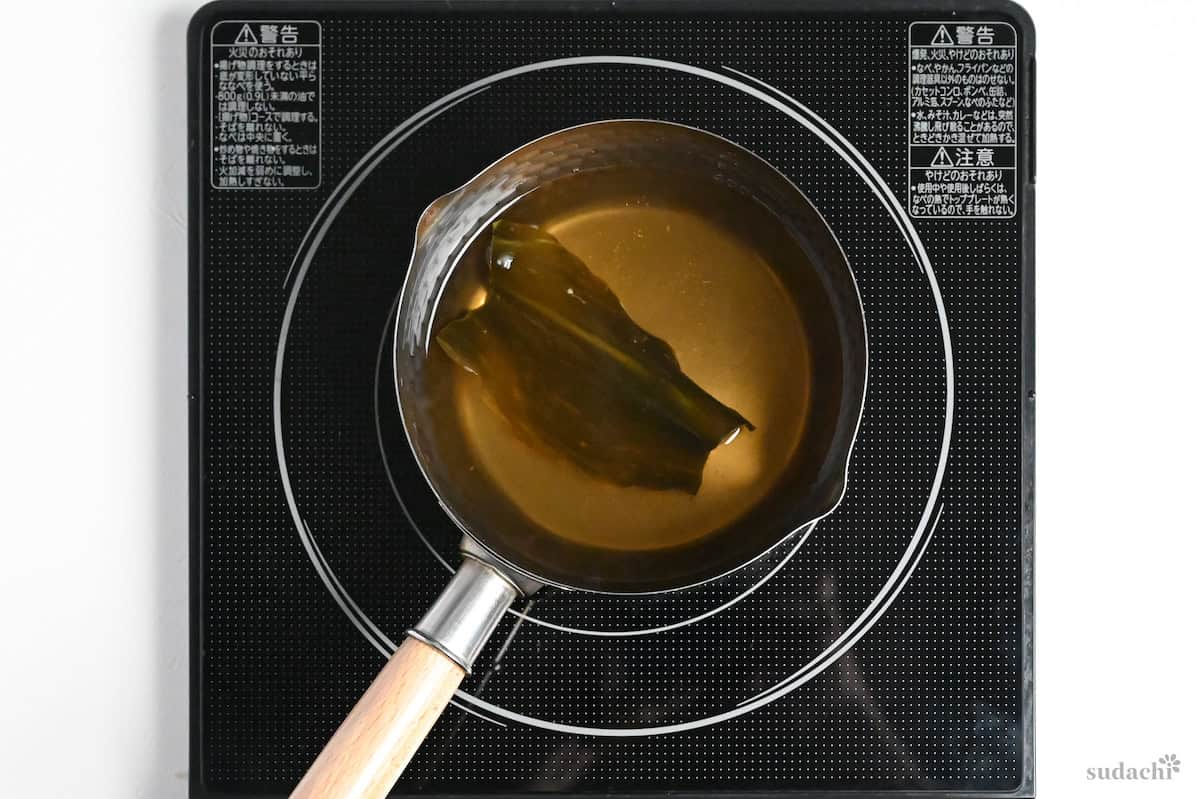
- Take a saucepan and add 250 ml water, 125 ml unseasoned rice vinegar (komezu), 80 g light brown sugar, 1 tsp Japanese light soy sauce (usukuchi shoyu) and 1 small piece dried kelp (kombu). Heat the mixture until almost boiling, then turn it off and leave to cool.
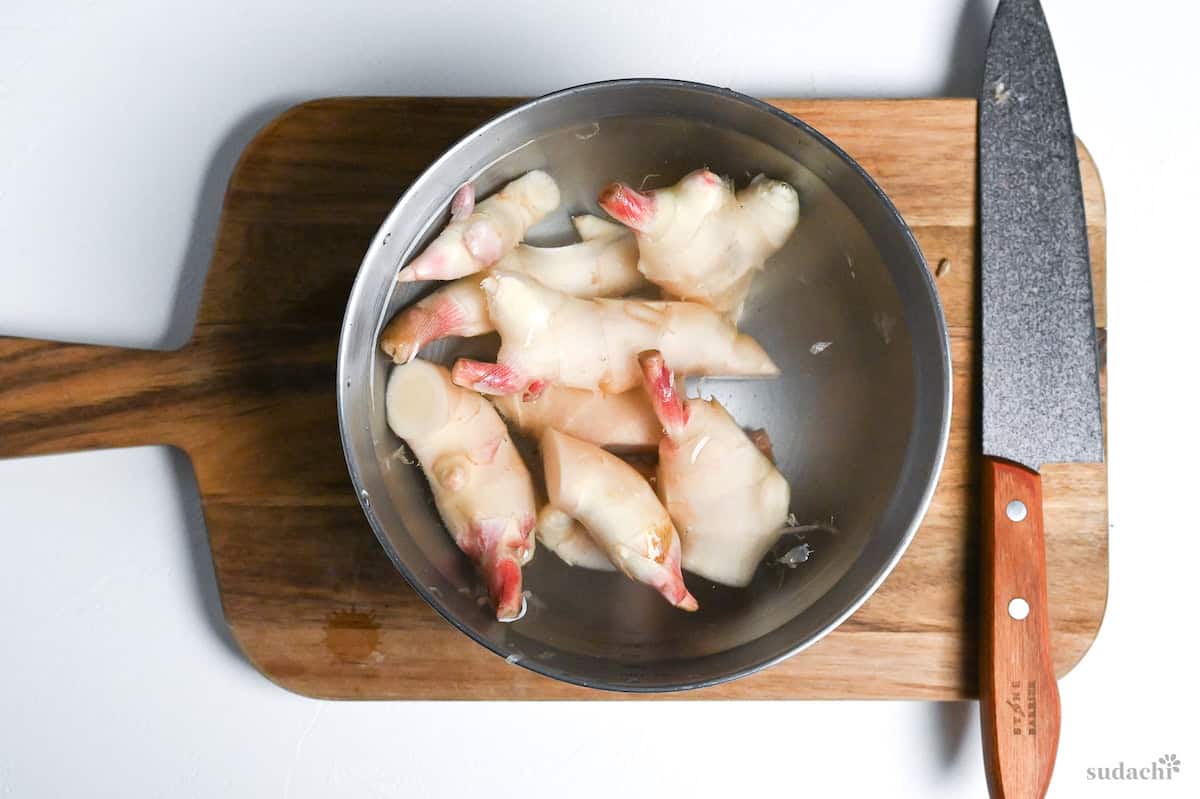
- Cut 340 g young ginger root (shin shoga) into 5cm pieces. Place them in a bowl of water and gently rub the surface clean with your fingers, getting into the crevices.
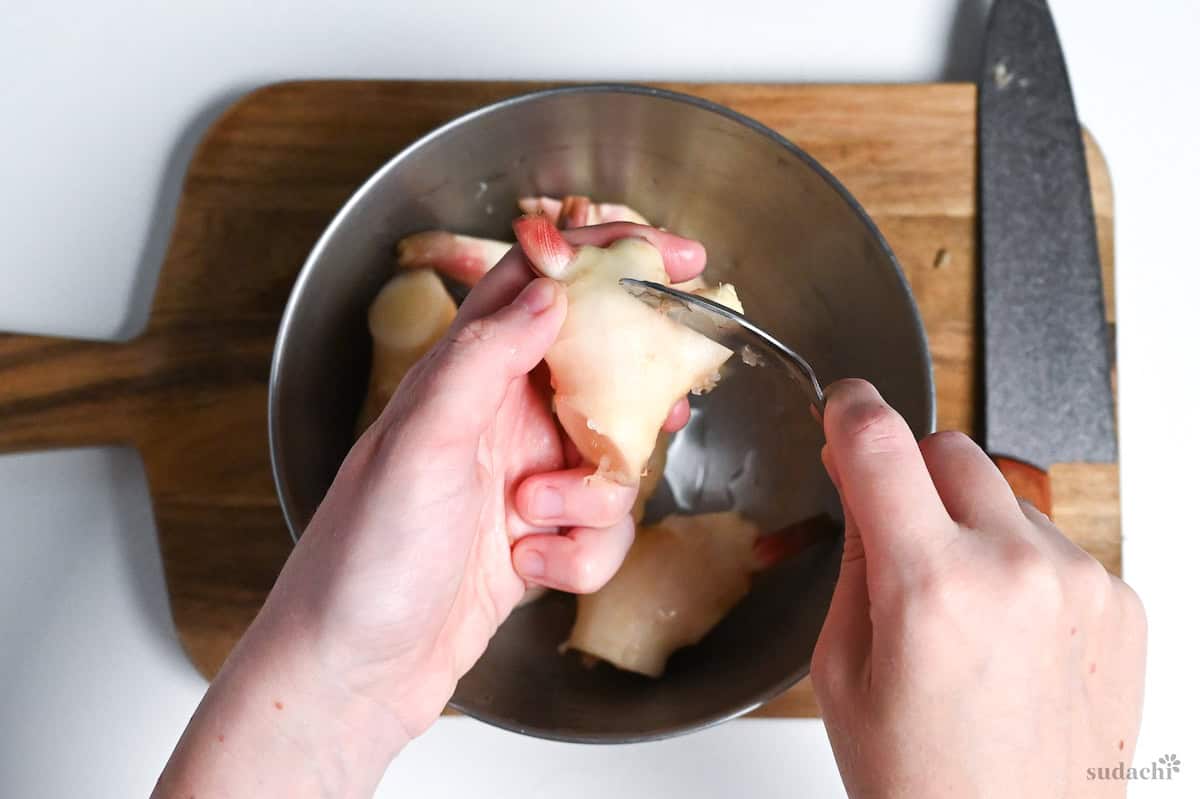
- Use the edge of a spoon to scrape off any discolored parts of the thin outer skin.
- Cut off the pink parts and set them aside for later. With a sharp knife, slice each piece in the direction of the grain about 1-2mm thick, as thinly as you can.
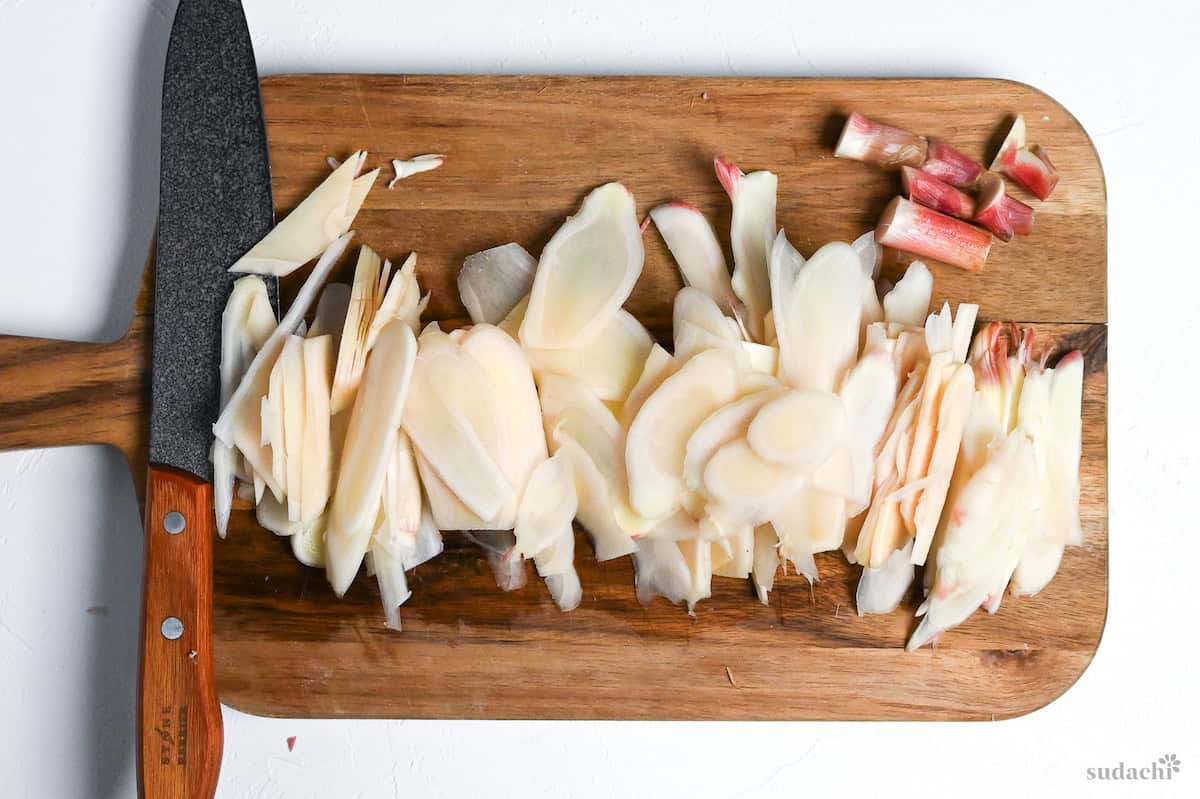
- Bring a pot of water to a rolling boil, then add the ginger slices (including the pink parts) and blanch for 1 minute.

- Drain in a colander and sprinkle with 1 tsp salt. Toss a few times and leave to rest until cool.

- Once cool enough to touch, squeeze out the excess liquid.

- Pour the cooled pickling liquid into a sealable container and remove the kombu. Add the ginger slices, including the pink parts to add color to your gari.

- Seal and refrigerate for at least 24 hours.

- Serve with sushi and enjoy!

Notes
Keep the pink stems: The blush comes from pigment packed into the reddish stem tips at about 10 times the root's level. Slice them, blanch them, and return them to the jar.
Salt while hot, then squeeze: Sprinkle the salt on the ginger straight from the blanch while it is still hot, rest, then squeeze firmly by hand once cooled.
Blanch sets the heat, not just texture: A 1 minute blanch keeps it crunchier and spicier, closer to 2 minutes mellows it.
Use unseasoned rice vinegar: Seasoned or sushi vinegar already has sugar and salt mixed in, which throws off every other amount in the brine. Reach for plain unseasoned rice vinegar so you stay in control of the balance.
Submerge and use a clean utensil: Keep the ginger fully under the brine and take it out with a clean utensil each time, never your eating chopsticks. A used utensil is the fastest way to spoil the jar.
Full Recipe QR Code↑↑