
Japanese Chashu Pork (Braised Pork Belly for Ramen)
Ingredients
Pork
- 700 g slab skinless pork belly clean fat-lean layers, you can double it without increasing other ingredients
Blanching and aromatics
- 50 g Japanese leek (naganegi) green tops only, or dark green tops of a large leek
- 25 g ginger root sliced thick
- 3 cloves garlic whole, peeled, lightly crushed
- 100 g onion rough-chopped
- 1 tsp unseasoned rice vinegar (komezu)
Marinade
- 250 ml pork broth reserved from the braise pot at the 1 hour 50 minute mark
- 4 tbsp sake
- 4 tbsp mirin
- 1½ tbsp light brown sugar or regular sugar
- 1 tbsp honey
- 1 piece star anise optional, break into quarters for a softer lift
- 125 ml Japanese soy sauce (koikuchi shoyu)
- 1 tsp oyster sauce
- 25 g ginger root
Instructions
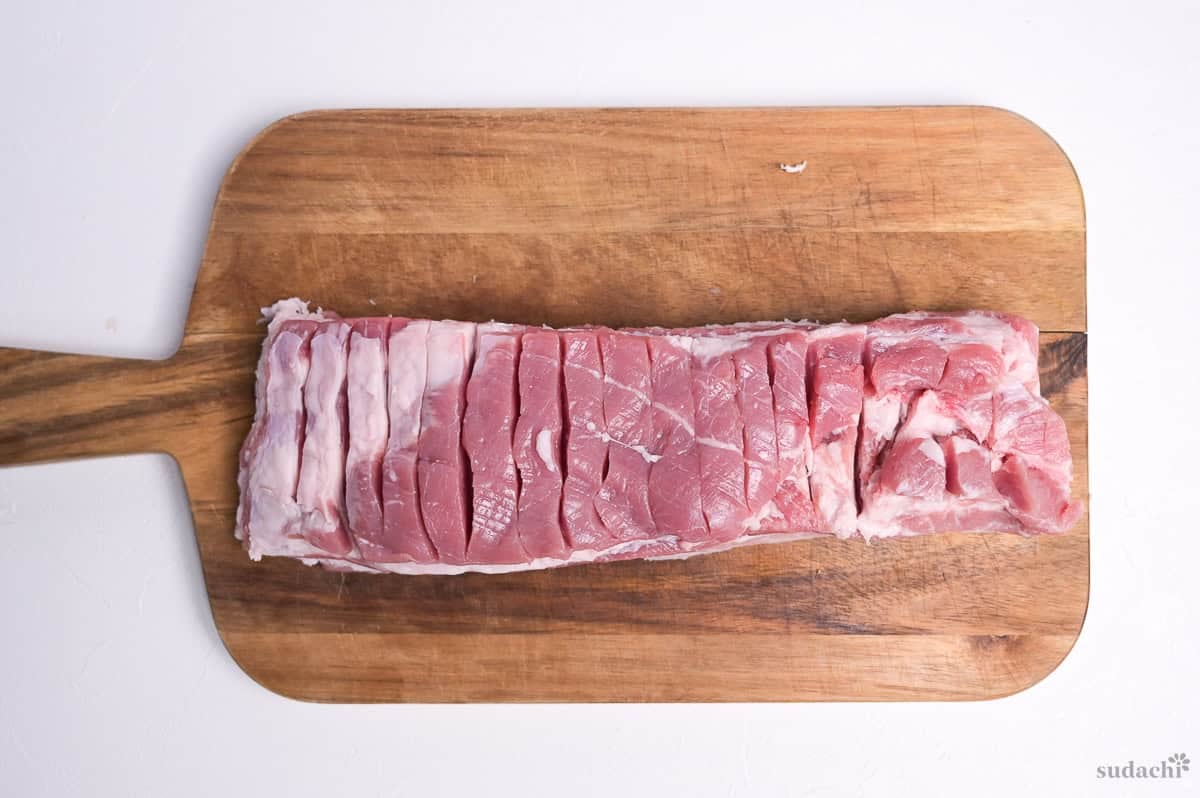
- Pat 700 g slab skinless pork belly dry with kitchen paper, then place horizontally on a cutting board with the flesh side facing up. Make shallow vertical cuts all the way across, about 1cm apart.
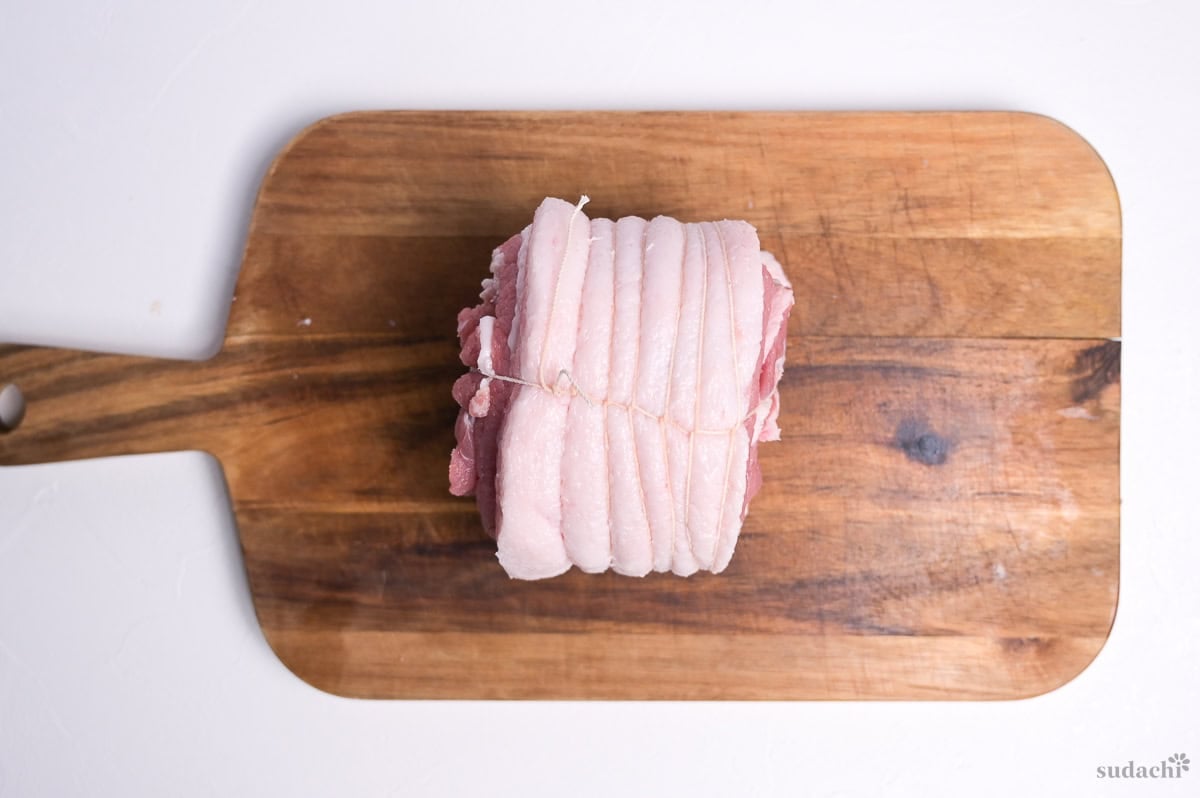
- Roll and press at each turn to push out any air pockets, then wrap and secure with butchers twine or a meat net.
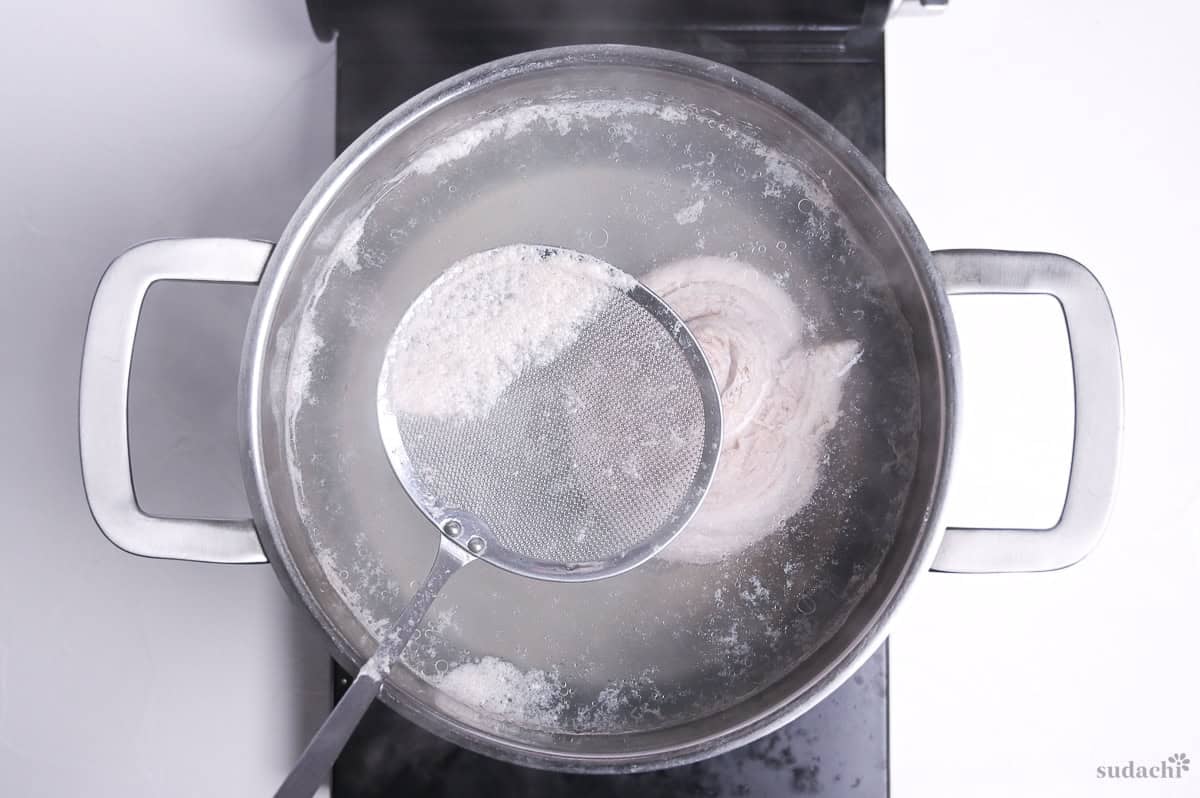
- Place the pork in a deep pot and fill with cold water. Set the pot on the stove, and bring to a simmer over medium heat. Let it gently bubble for about 5-6 minutes, scooping out any scum that floats to the surface.
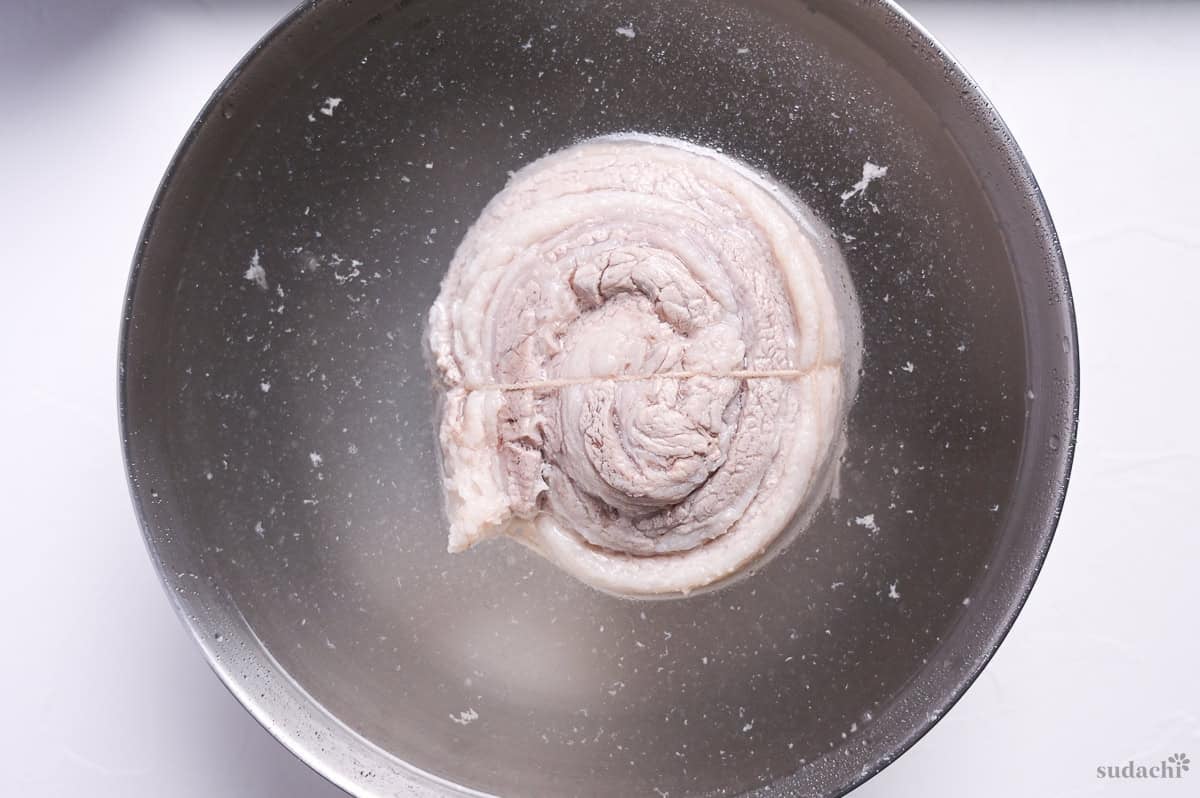
- When the scum slows down, use tongs to pull the pork out of the pot and into a bowl of cold water. Rinse the pot and refill it with fresh water. Set it on the stove and bring it to a simmer once more. While you wait, wash the pork with cold running water.
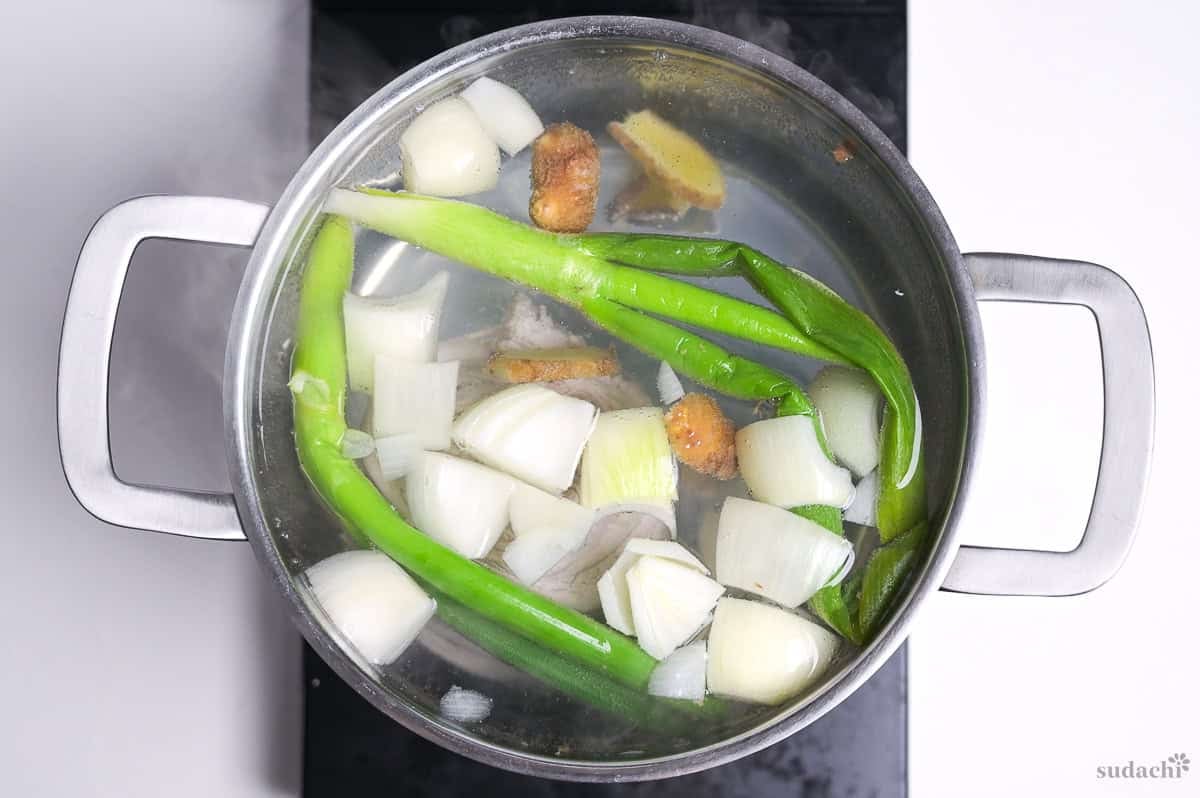
- Once the water is gently bubbling, carefully place the pork into the pot. Add 50 g Japanese leek (naganegi), 25 g ginger root, 3 cloves garlic, 100 g onion, and 1 tsp unseasoned rice vinegar (komezu). Cover with a drop lid, reduce the heat to low, and gently simmer for 1 hour.
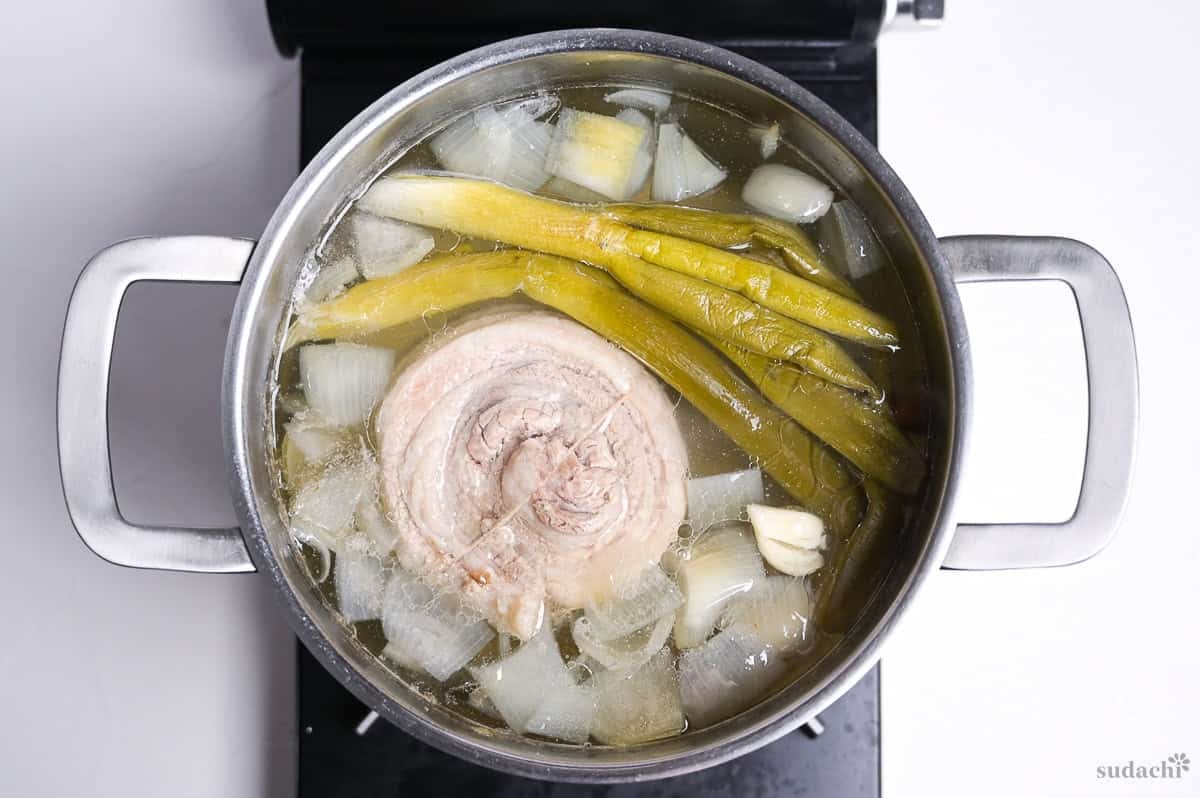
- Peel back the drop lid, turn the pork over and use a ladle to reserve 250 ml pork broth. Cover with the drop lid once more and simmer for another 1 hour. It's okay if the pork isn't completely submerged, but if more than one-third is exposed, top up with a little more water.
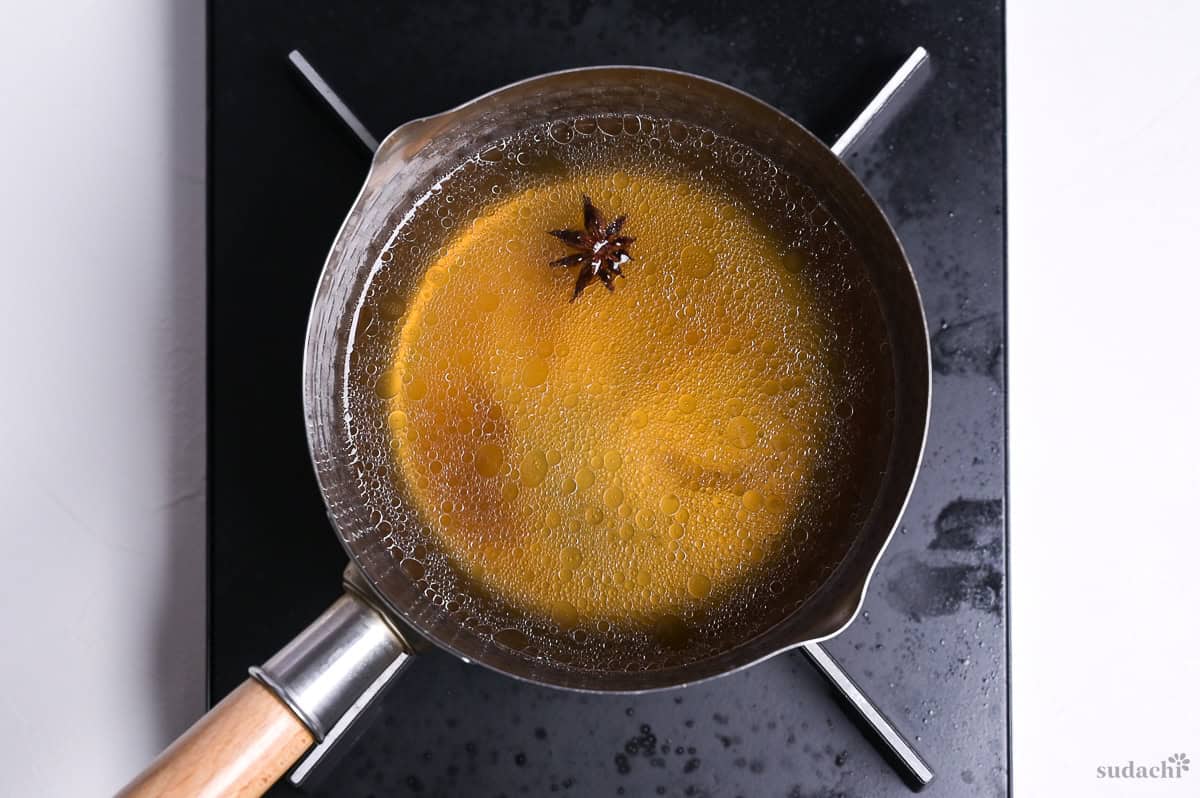
- Pour the pork broth into a small saucepan and add 4 tbsp sake, 4 tbsp mirin, 1½ tbsp light brown sugar, 1 tbsp honey, and 1 piece star anise. Let it bubble for about 1 minute to burn off some of the alcohol in the sake and mirin.
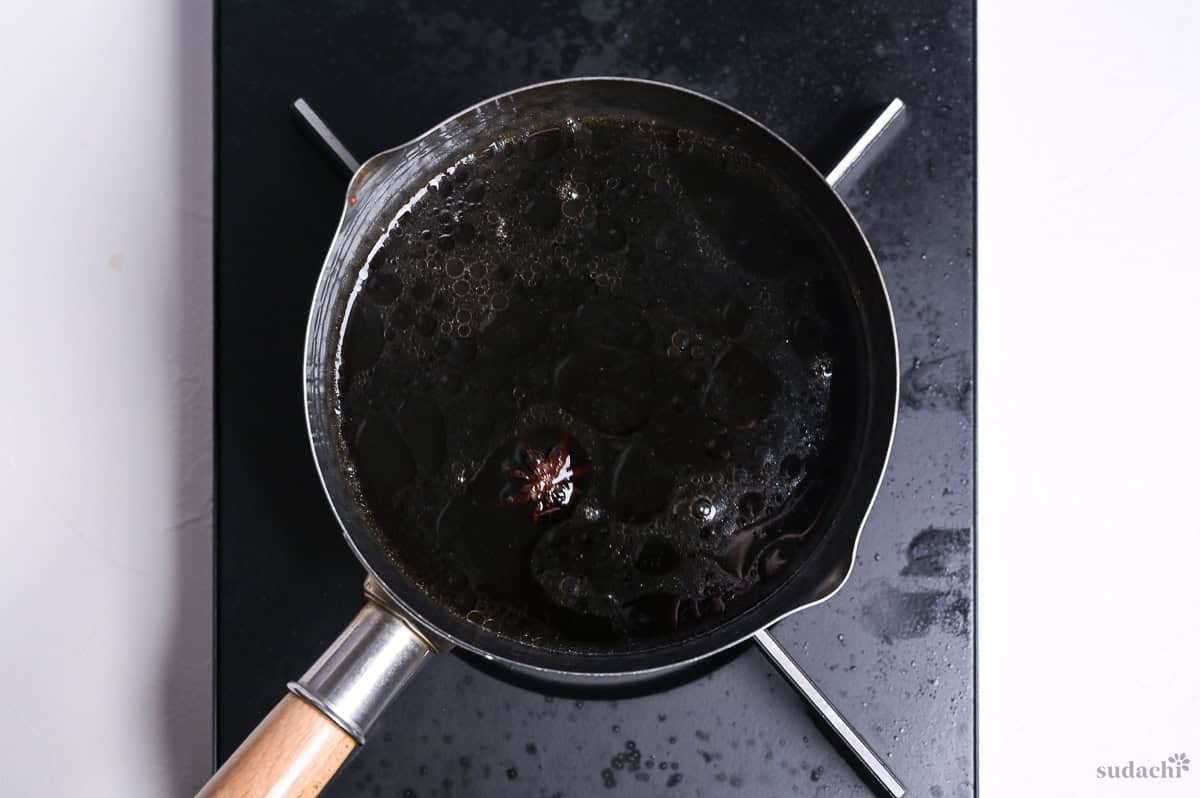
- Turn off the heat and pour in 125 ml Japanese soy sauce (koikuchi shoyu) and 1 tsp oyster sauce. Mix and set aside.
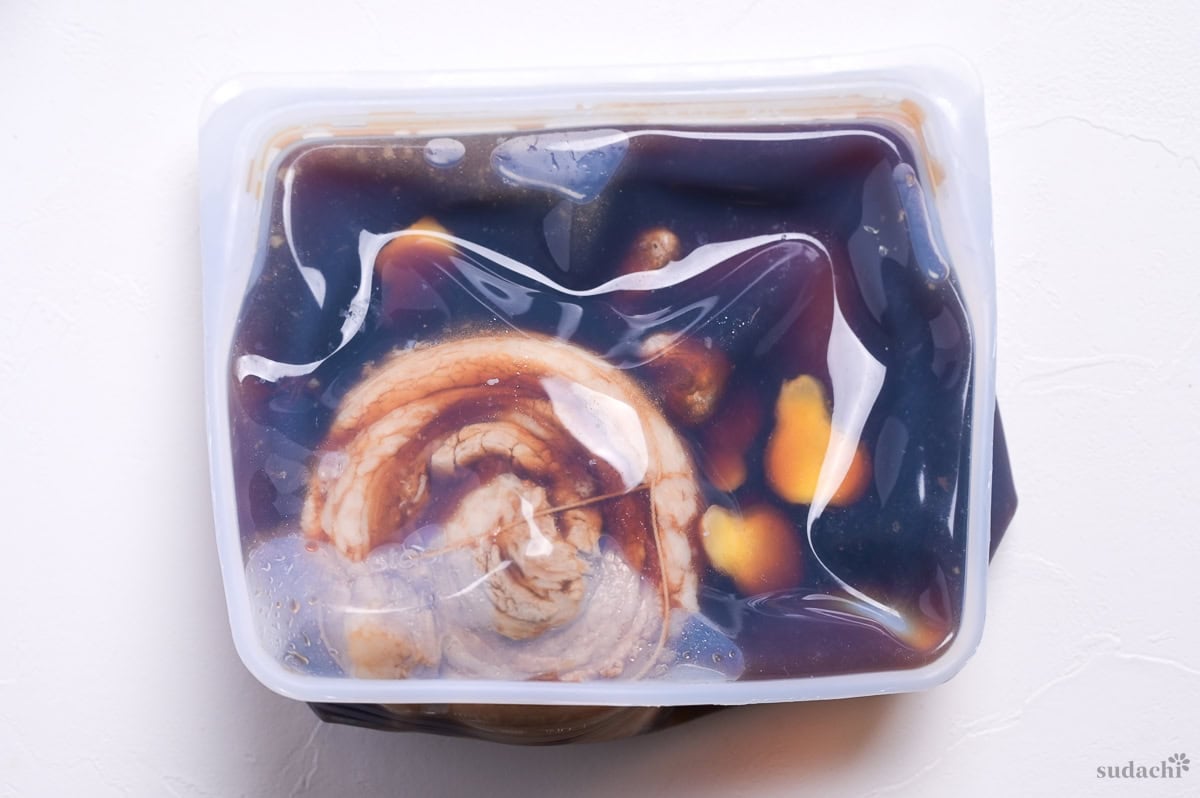
- After your pork has been simmering for 2 hours in total, transfer it to a large zip-top bag and pour in the contents of the sauce pan (strain and save the leftover pork stock). Add 25 g ginger root cut into thick slices, then push the air out and seal. Cool on the counter, and once cool enough to touch, refrigerate for 12-24 hours.
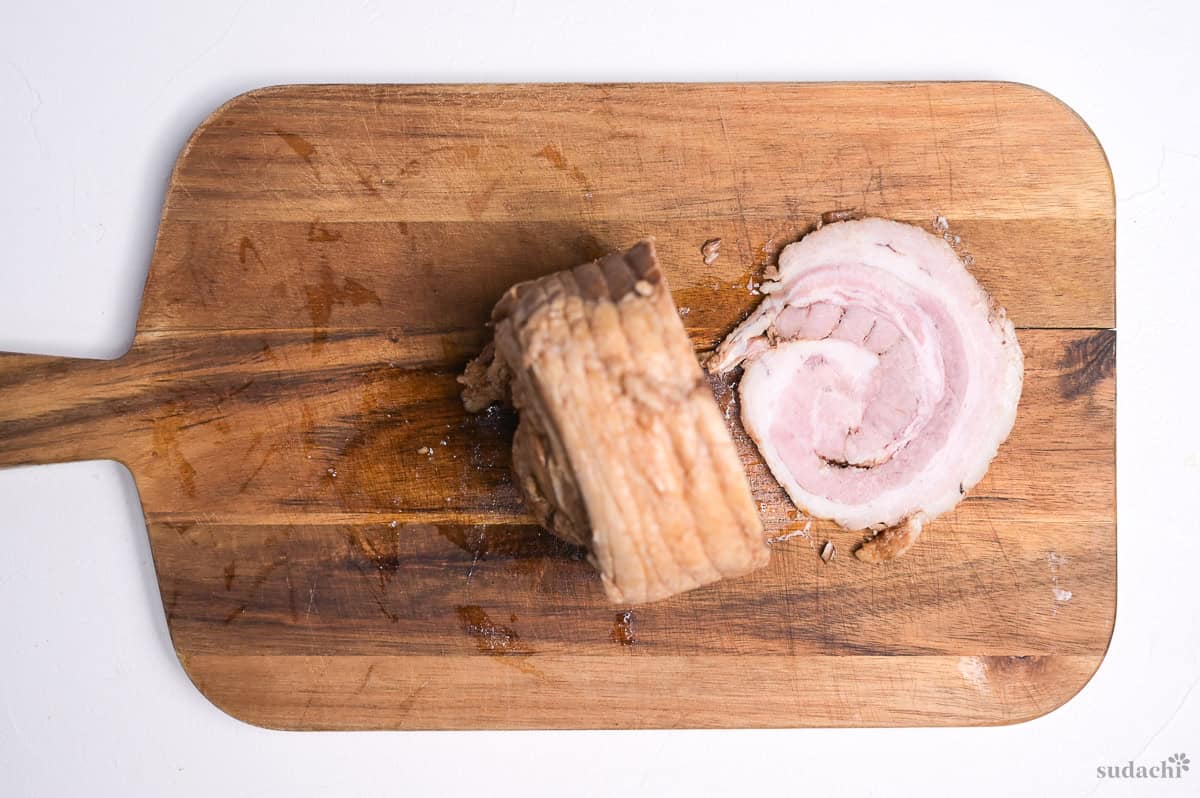
- Pull the pork out of the marinade, but don't throw it away. You can save it for ramen broth or another dish. Slice about 10-15mm thick.
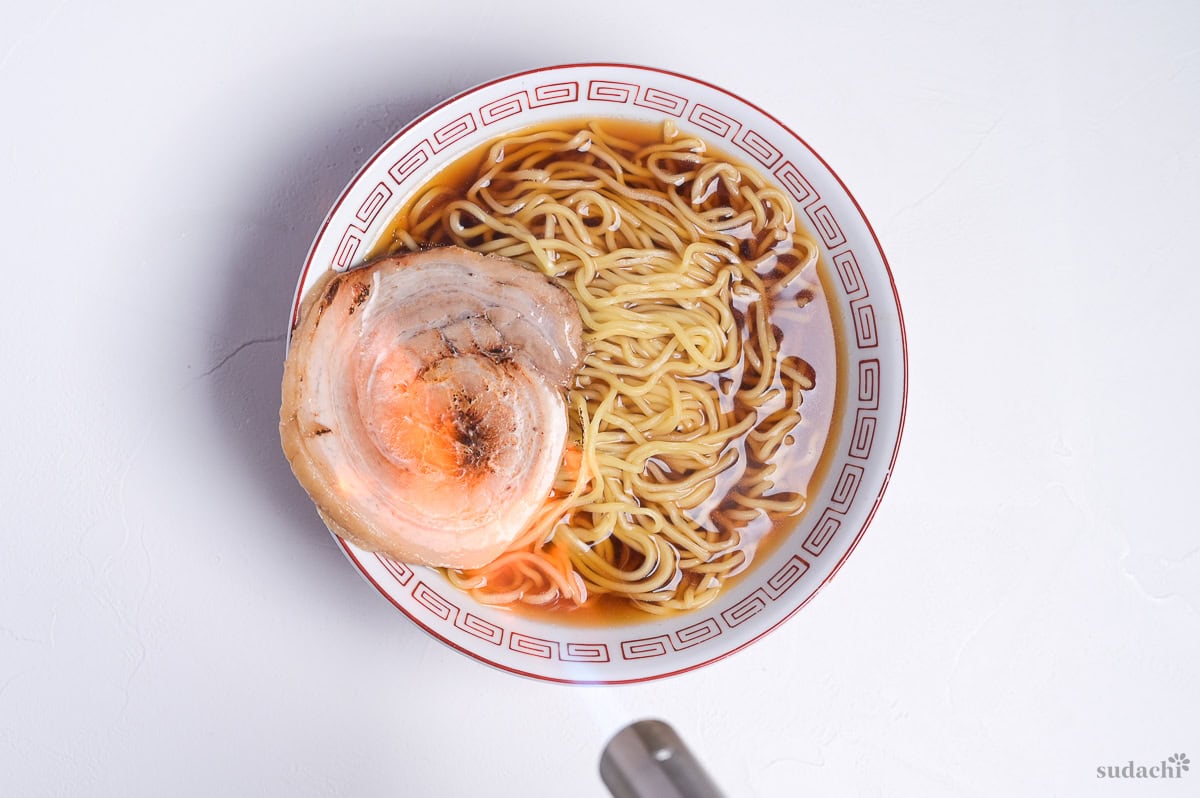
- For a finishing touch, you can char it with a kitchen blow torch. Serve on your favorite ramen, and enjoy!
Once the marinade is cool, add a few boiled eggs for easy ramen eggs!
How to Make Ramen Broth with Leftover Chashu Marinade (Kaeshi)
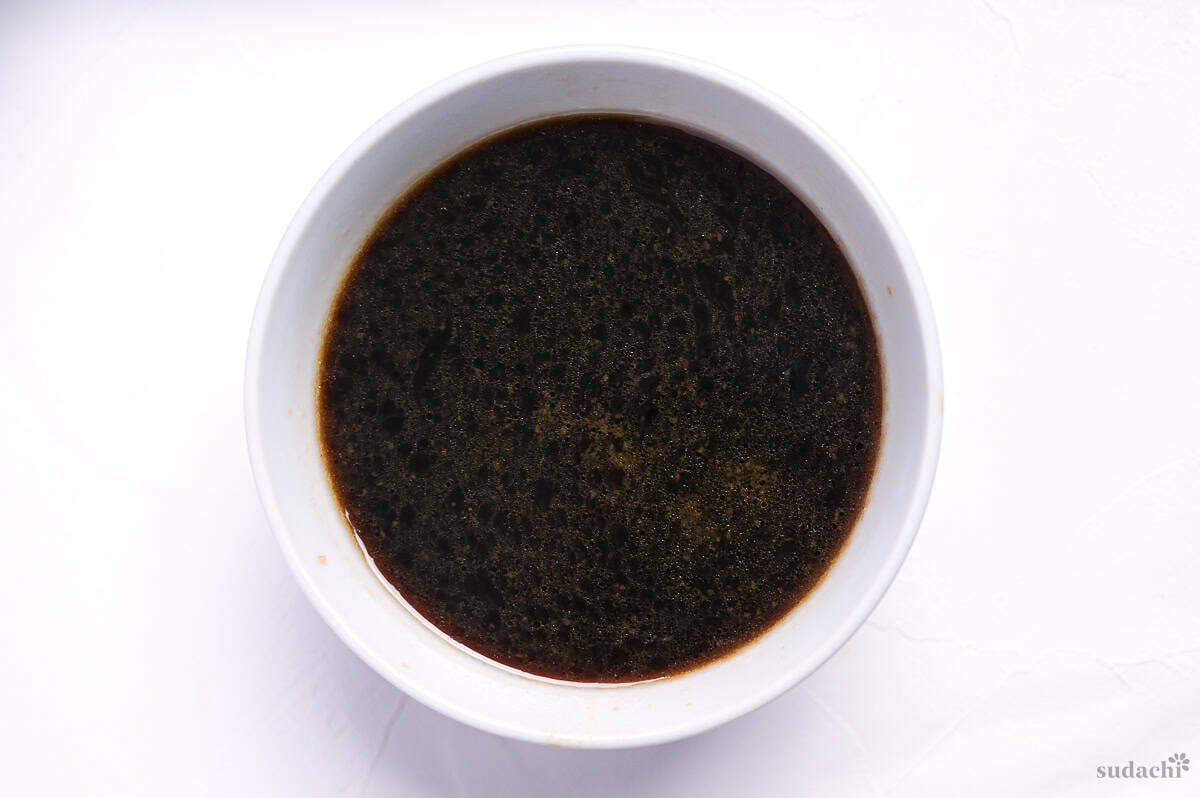
- Pour the marinade into a saucepan and bring to a simmer over medium heat. Skim any scum if needed.
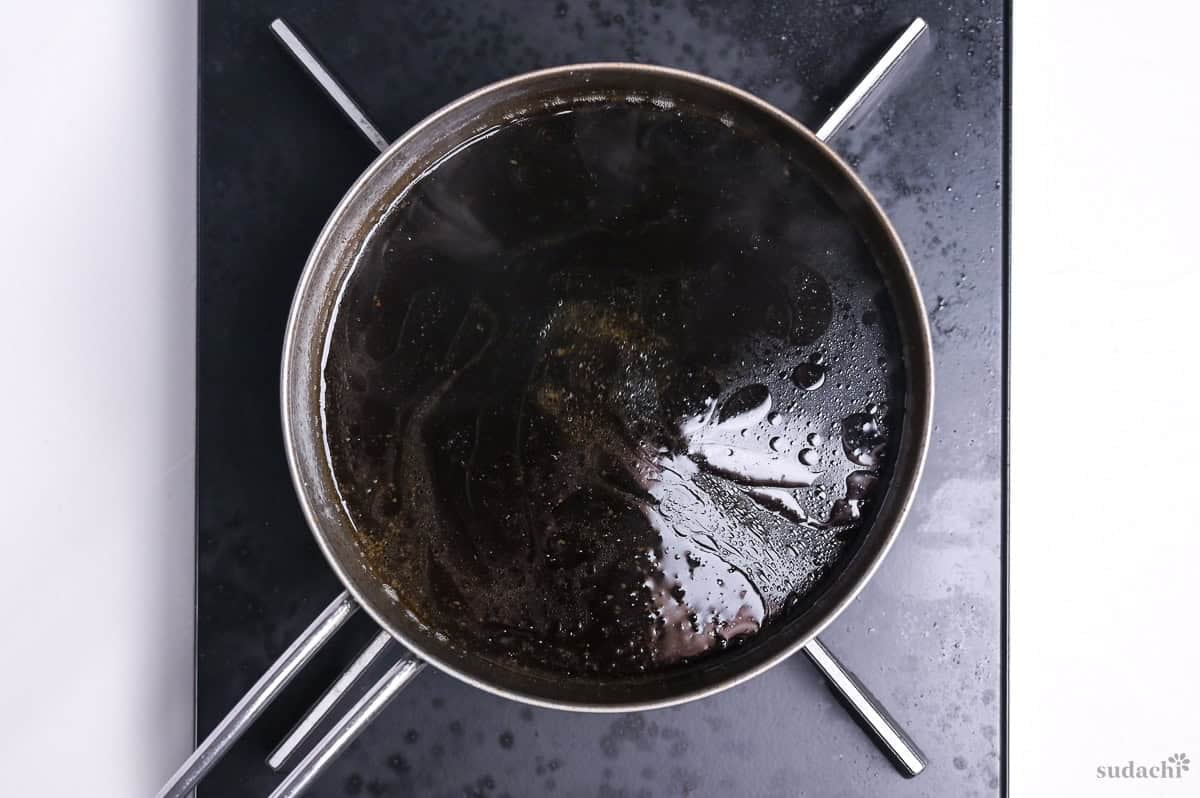
- Add 2 tbsp soy sauce and 1/4 tsp salt. Reduce the heat and simmer on low for 10 minutes, then remove from the heat. This is your kaeshi. For best results, cool and refrigerate before use.
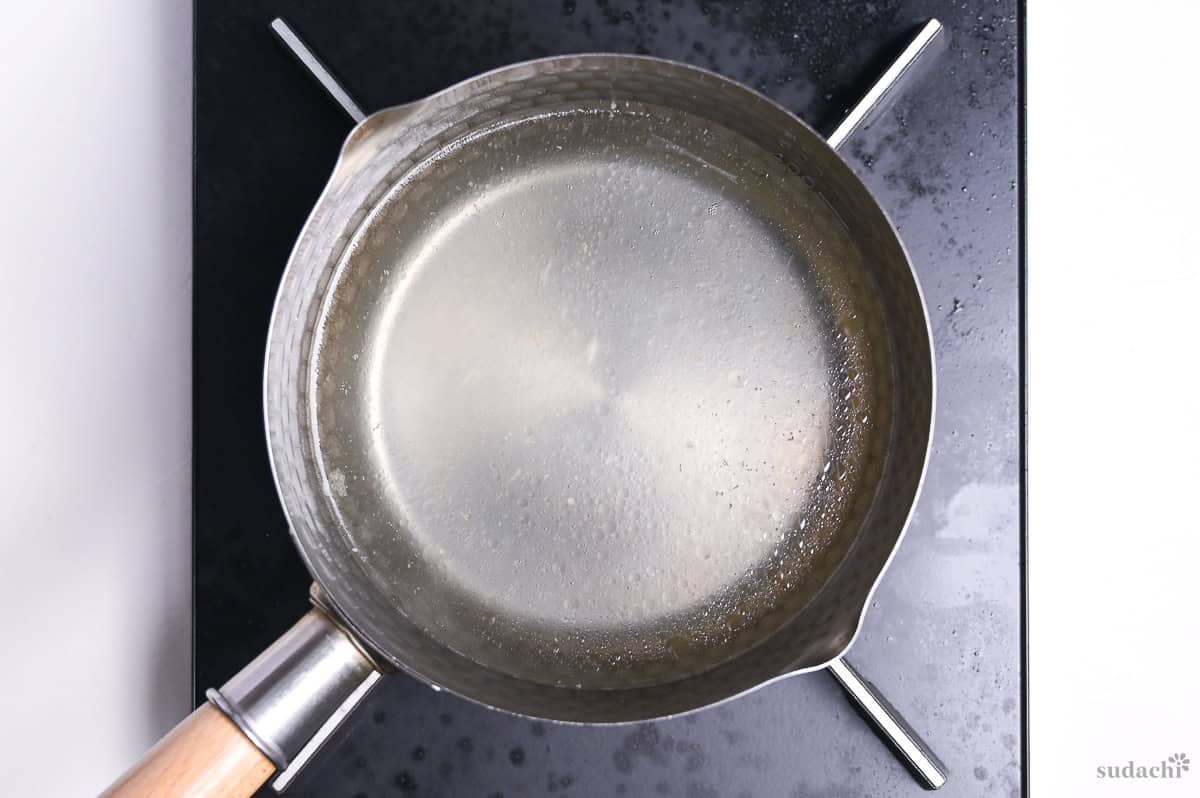
- Heat 250ml of strained pork broth over medium until it starts to gently bubble. At the same time, boil your ramen noodles.
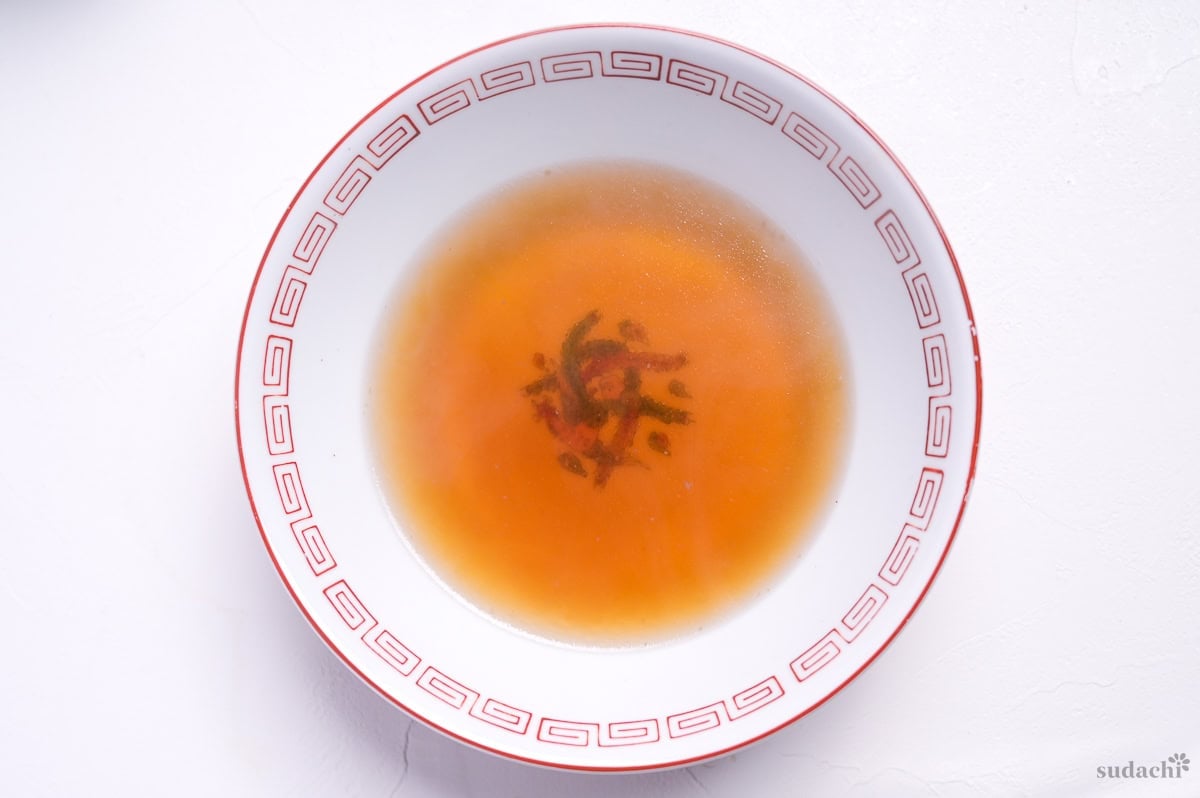
- Pour 4 tbsp of kaeshi into a warmed ramen bowl, then ladle the hot pork broth into the bowl and mix. Taste test and add a touch more soy sauce or salt if needed.
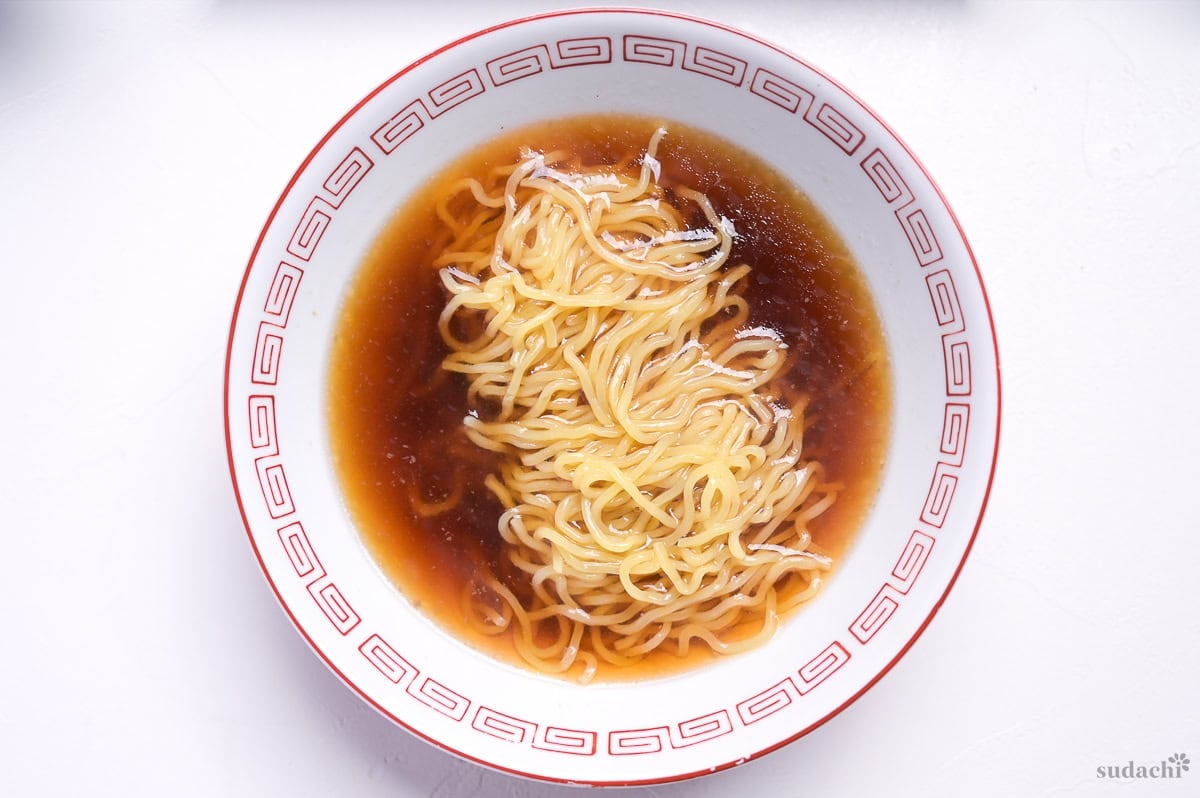
- Strain your noodles and gently lower them into the soup. Keep in mind that this method of making ramen is significantly sweeter than regular ramen broth. Add your favorite toppings and enjoy!
Notes
Never let the braise roll. The target zone is 80 to 85°C (176 to 185°F), with tiny bubbles climbing from the bottom of the pot and a barely shimmering surface under the drop lid.
Slice cold, never warm. A warm roll falls apart the instant the knife touches it, and the spiral you spent 2 hours building is lost.
Overnight marinade is mandatory. Plan for a 2 day cook: braise and bag on day 1, slice on day 2. The minimum rest in the marinade is 12 hours, with 18 to 24 hours giving a deeper penetration.
But do not marinate past 48 hours. The sweet spot is 12 to 24 hours. Past 48 hours the soy pulls too much water out of the outer layer, the surface over-salts, and the melt in the center is lost. If prepping ahead, lift the roll out at the 24 hour mark, slice, then store individual slices in the freezer.
How to freeze and use: Wrap each slice with cling film, then Put the individual slices into a zip-top bag, press the air out, good for 1 month. Do not freeze the slices submerged in marinade. For frozen chashu, the best method would be to let it thaw naturally in the refrigerator (half a day to 1 day). Once thawed, you can enjoy it by placing it directly into hot ramen broth or searing it with a blowtorch.
Full Recipe QR Code↑↑