
Abura Udon (Soupless Udon)
Ingredients
- 1 ptn udon noodles frozen recommended for beginners
Sauce
- ½ tbsp water
- ½ tbsp oyster sauce
- ½ tbsp Japanese soy sauce (koikuchi shoyu)
- ½ tbsp toasted sesame oil not recomennded to substitute with other oils
- ½ clove grated garlic or garlic paste
- ½ tsp unseasoned rice vinegar (komezu)
- ¼ tsp sugar white or brown
- ¼ tsp lard or butter
- ⅛ tsp Chinese-style chicken bouillon powder based on 1 tsp = 200ml soup ratio, scale to your brand's strength
- ⅛ tsp dashi granules
Topping Ideas
- finely chopped green onions
- bonito flakes (katsuobushi)
- pasteurized egg yolk
- kamaboko fish cake sliced
- roasted seaweed for sushi (nori) cut into strips
- chili oil (rayu)
- unseasoned rice vinegar (komezu)
Instructions
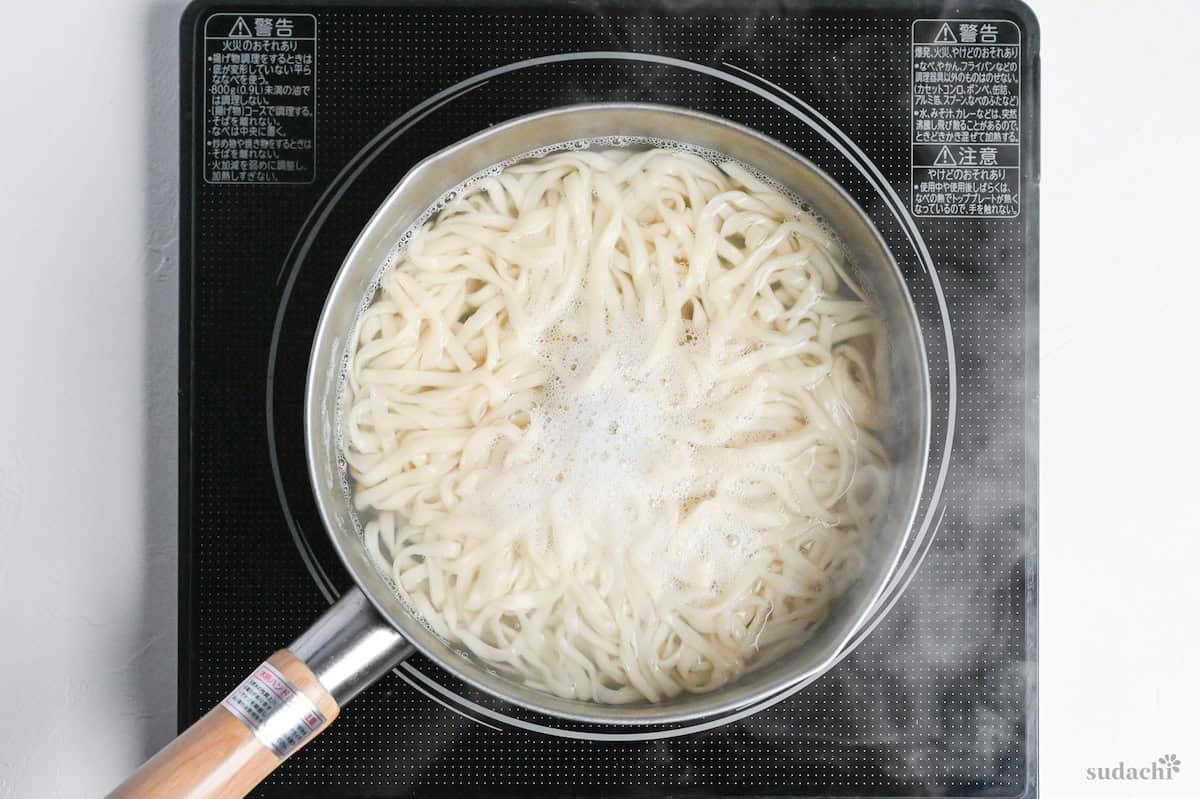
- Boil a large pot of water and boil 1 ptn udon noodles according to the instructions on the packaging.
- Take a microwavable serving bowl and add ½ tbsp water, ½ tbsp oyster sauce, ½ tbsp Japanese soy sauce (koikuchi shoyu), ½ tbsp toasted sesame oil, ½ clove grated garlic, ½ tsp unseasoned rice vinegar (komezu), ¼ tsp sugar, ¼ tsp lard, ⅛ tsp Chinese-style chicken bouillon powder and⅛ tsp dashi granules.

- Mix briefly, cover and microwave for 1 minute at 600W. See note for larger batches.

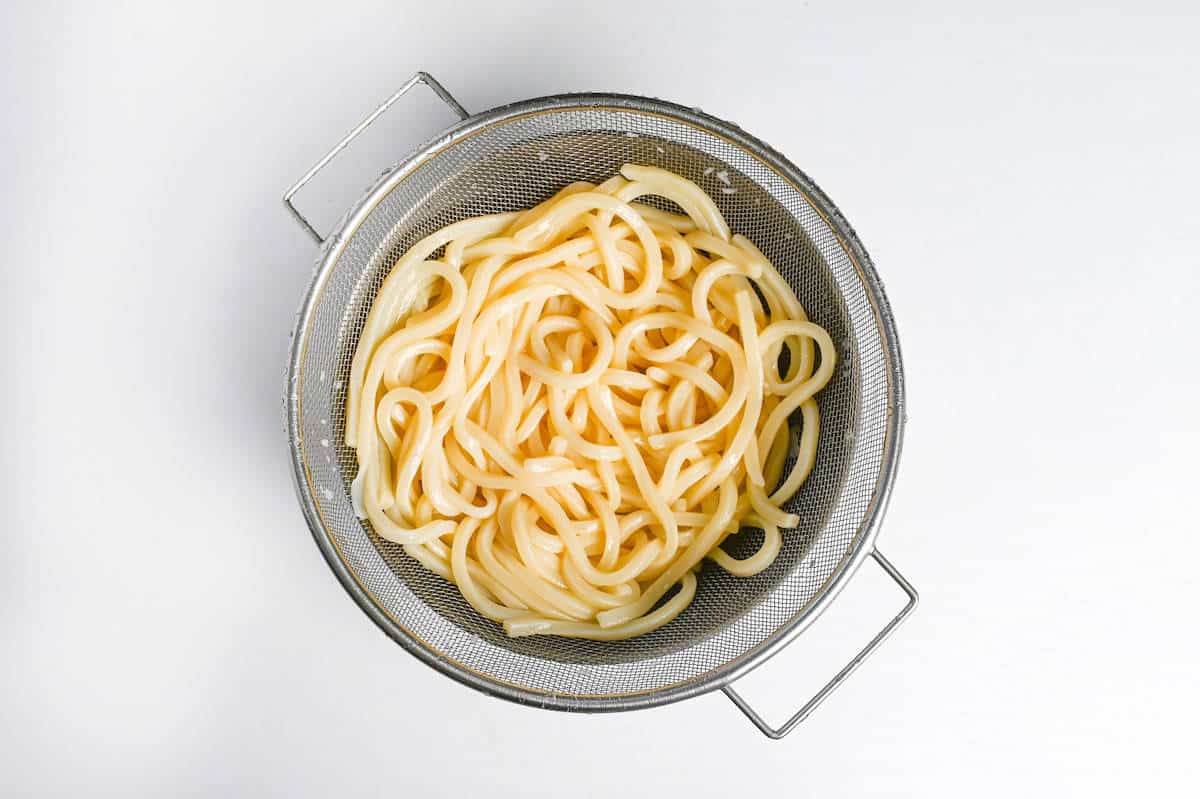
- Once the udon is cooked, drain and rinse with hot water to remove excess starch. Shake thoroughly before placing the cooked udon over the sauce.
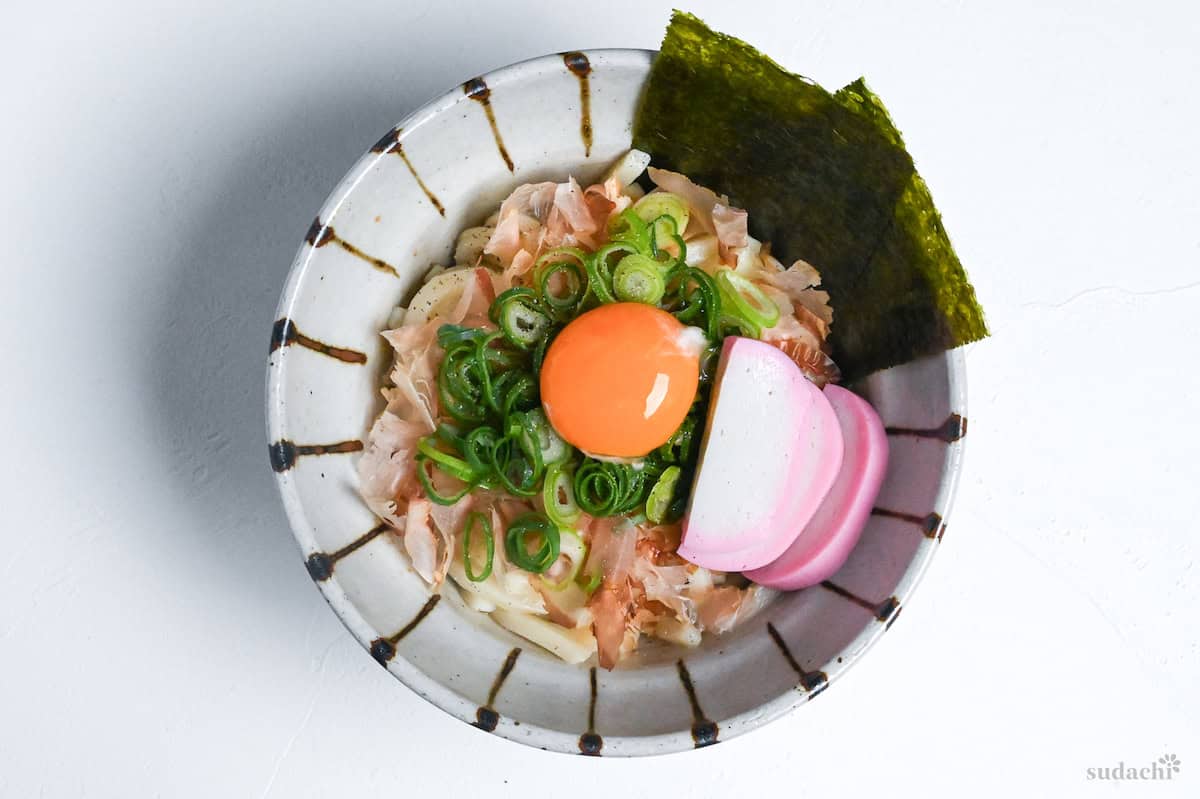
- Add your choice of toppings. I used a generous sprinkling of bonito flakes (katsuobushi), finely chopped green onions, a few slices of kamaboko fish cake, roasted seaweed for sushi (nori) and a pasteurized egg yolk. You can also alter the flavor with a drizzle of chili oil (rayu) or extra unseasoned rice vinegar (komezu). Mix thoroughly before eating and enjoy!
Notes
Chicken bouillon powder varies by brand. My brand is 1 tsp per 200 ml, so if yours is more concentrated (e.g., 1 tsp per 300 ml), use less to avoid oversalting.
Thoroughly shake excess water from noodles before adding it to the sauce to prevent dilution.
If doubling or tripling the recipe and you don't want to measure out each ingredient separately for every bowl, then you can heat everything together in the microwave or a pot on the stove and then divide it equally between each bowl. If you follow this method, I recommend warming the bowls with hot water and pouring it out right before adding the sauce.
Adjust sauce quantity if modifying toppings - reduce by 10% if omitting egg yolk to prevent oversalting. You can do this by using "scant" teaspoons and tablespoons when measuring your sauce ingredients, in other words, not filling them to the top.
For a gluten-free option, use 100% buckwheat soba noodles with tamari instead of soy sauce.
Full Recipe QR Code↑↑