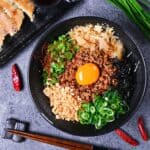
Taiwan Mazesoba (Nagoya's Spicy Brothless Ramen)
Ingredients
Pork mince
- 1 tsp toasted sesame oil
- ½ tbsp garlic paste
- 1 tsp ginger paste
- 1 red chili pepper deseeded
- 150 g ground pork
- 50 ml dashi stock or water
- 1 ½ tbsp sake
- ½ tbsp sugar
- 1 tbsp oyster sauce
- 1 pinch ground black pepper
- 1 tsp chili bean sauce (toban djan)
- ¼ tsp Japanese sansho pepper optional
Tare & Noodles
- 2 portions thick ramen noodles
- 1 tsp Japanese soy sauce (koikuchi shoyu)
- 2 tsp toasted sesame oil
- 1 tsp Chinese-style chicken bouillon powder
Toppings
- 30 g garlic chive(s) nira
- 2 tbsp finely chopped green onions
- 2 tbsp bonito flakes (katsuobushi) crushed
- 2 tbsp tempura flakes (tenkasu)
- 2 tbsp kizami nori (shredded nori)
- 2 pasteurized egg yolk
- 1 tsp chili threads optional
Instructions
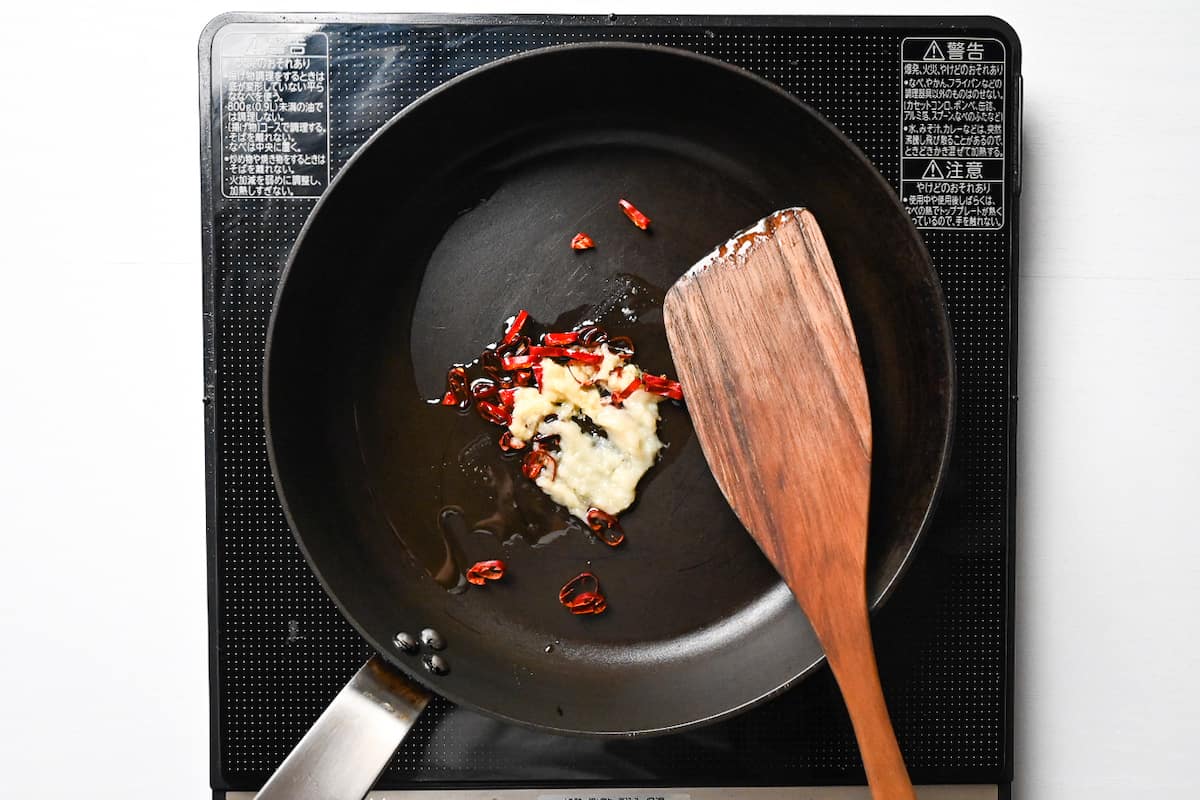
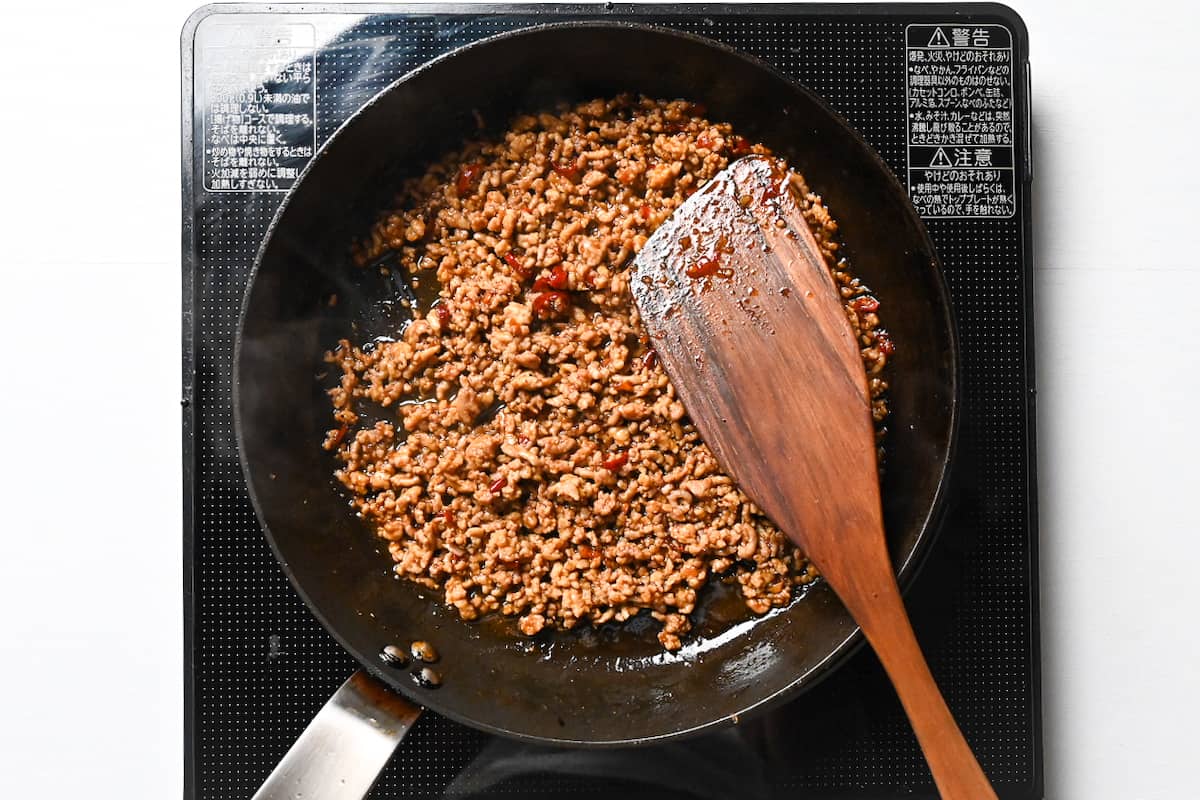
- Heat a frying pan on low and add 1 tsp toasted sesame oil, 1 red chili pepper, 1 tsp ginger paste and ½ tbsp garlic paste. Mix together and heat until fragrant.
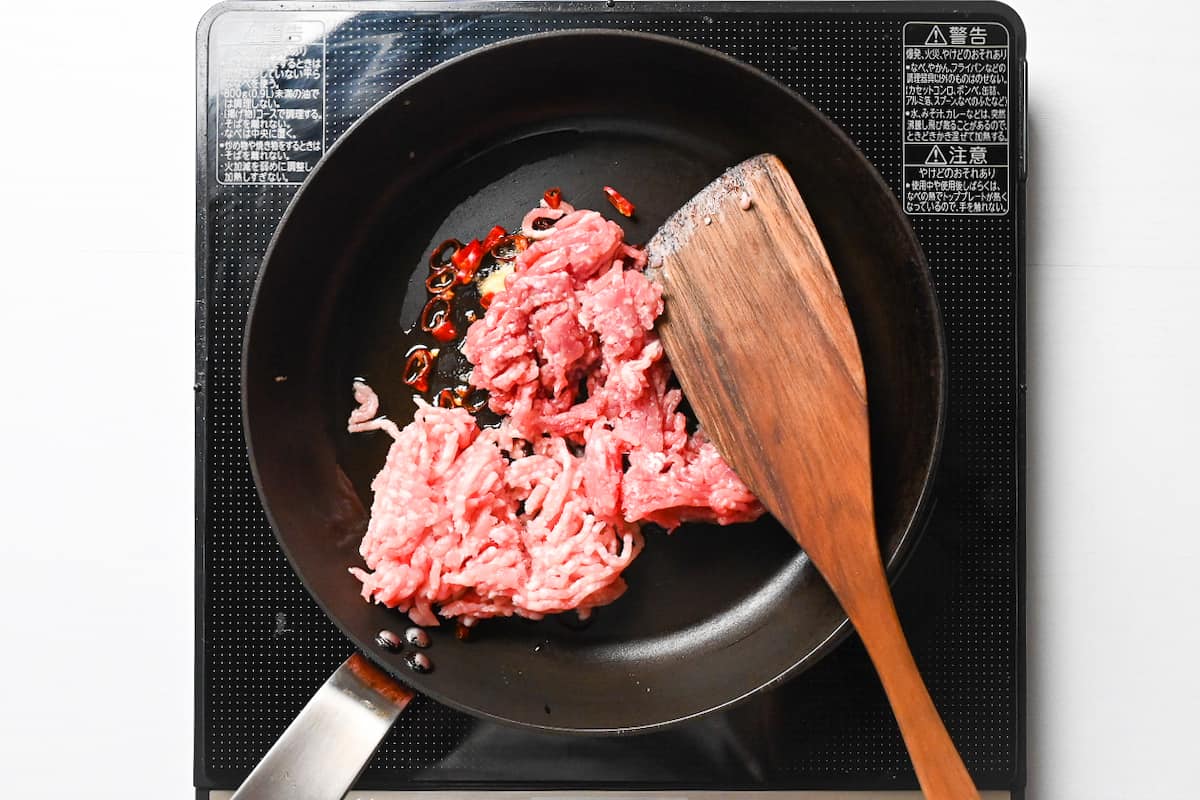
- Turn up the heat to medium and add 150 g ground pork. Mix and fry until cooked through.
- Add 50 ml dashi stock (or water), 1 ½ tbsp sake, ½ tbsp sugar, 1 tbsp oyster sauce, 1 pinch ground black pepper, 1 tsp chili bean sauce (toban djan) and ¼ tsp Japanese sansho pepper, mix until evenly distributed.
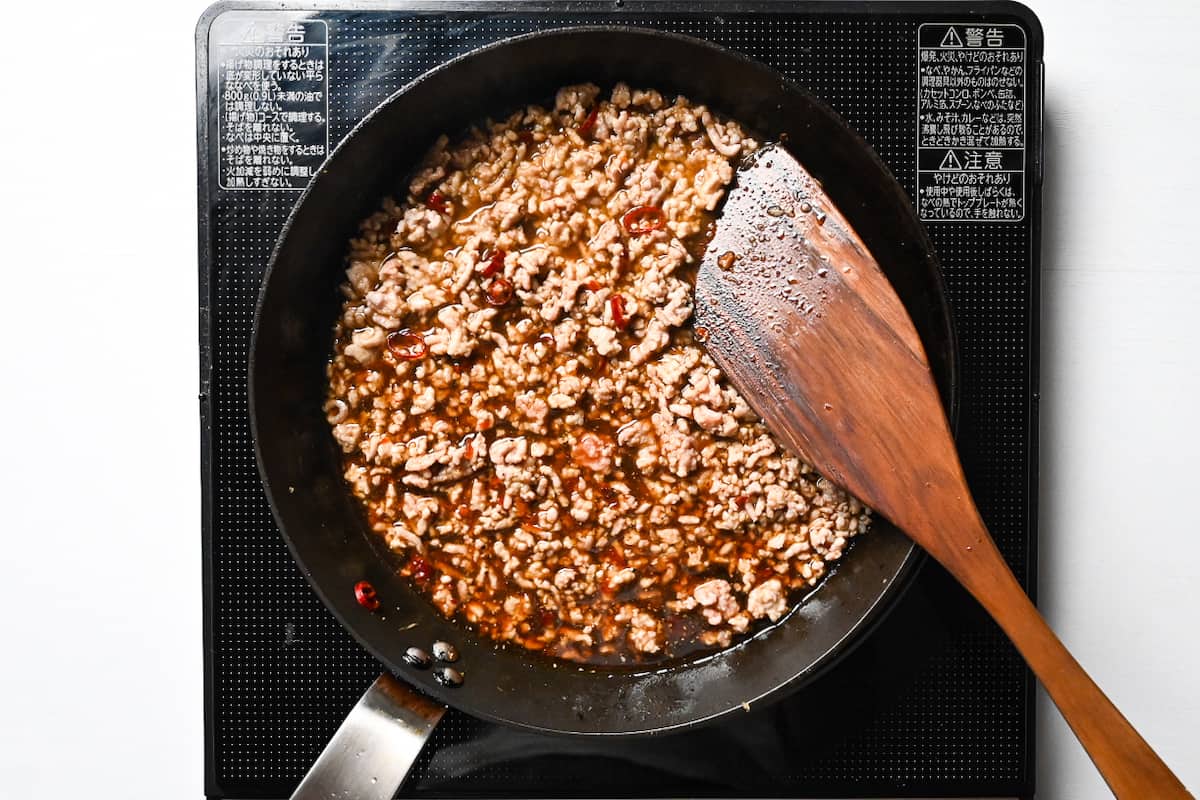
- Simmer on medium for 5 minutes or until liquid is mostly evaporated but still glossy (not completely dry). Once cooked, turn off the heat and leave it on the stove to keep it warm.
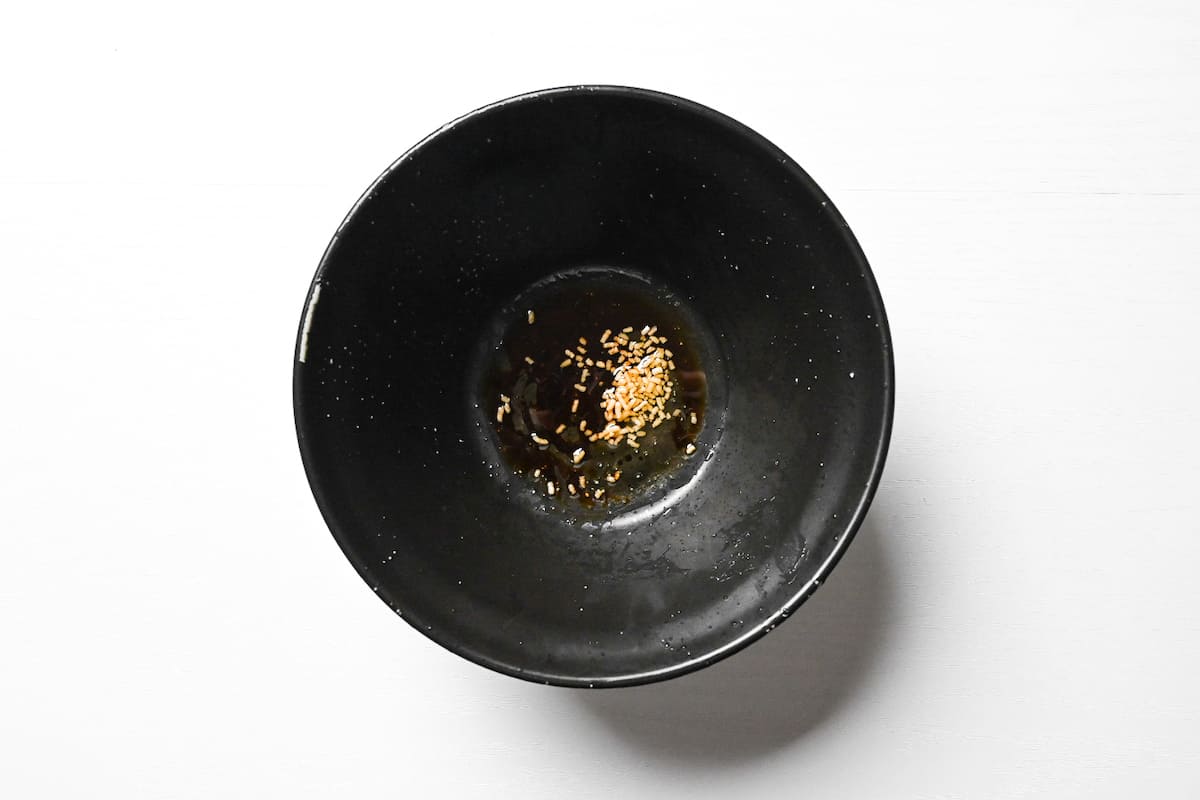
- Boil 2 portions thick ramen noodles according to the instructions on the packaging. While they're cooking, add ½ tsp soy sauce, ½ tsp Chinese chicken stock powder, and 1 tsp sesame oil into each serving bowl and mix.
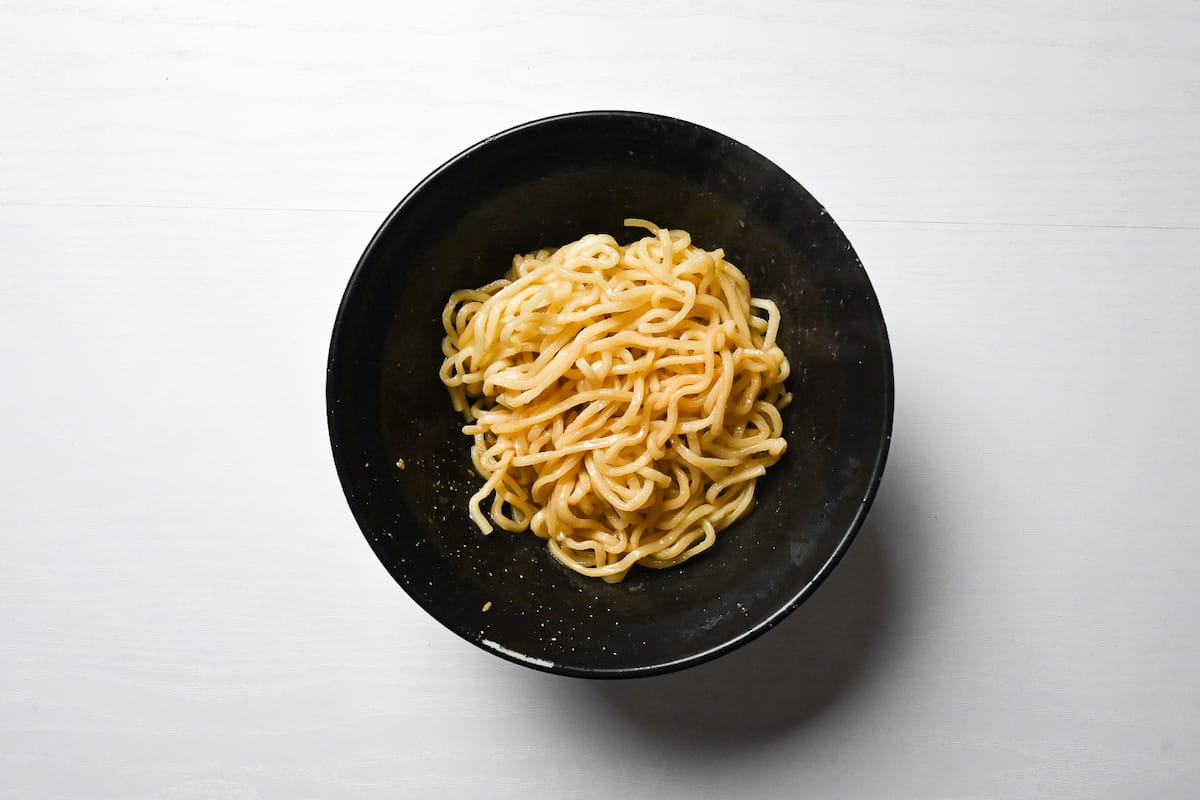
- Once the ramen noodles are cooked, drain the water and distribute in each bowl. Mix thoroughly until evenly coated in the tare.
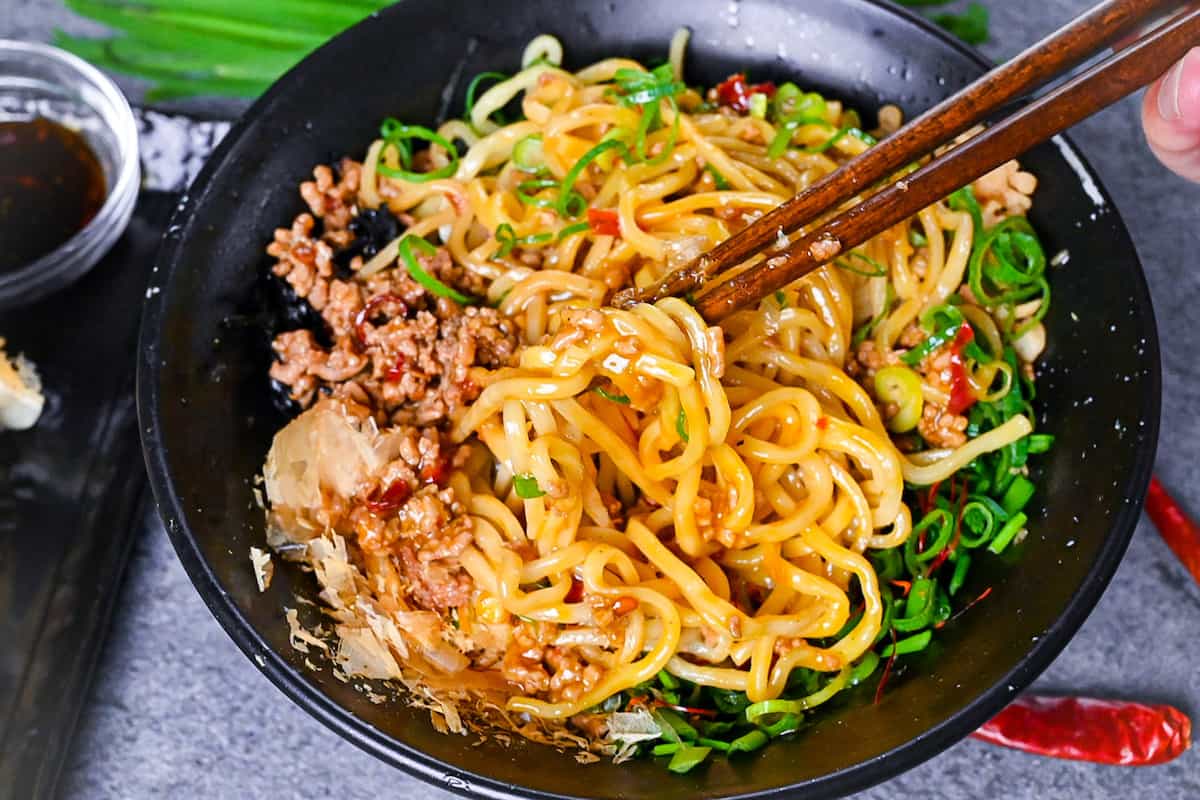
- Place the seasoned pork mince in the middle and arrange the other topping around the outer edge. Top with a raw egg yolk.
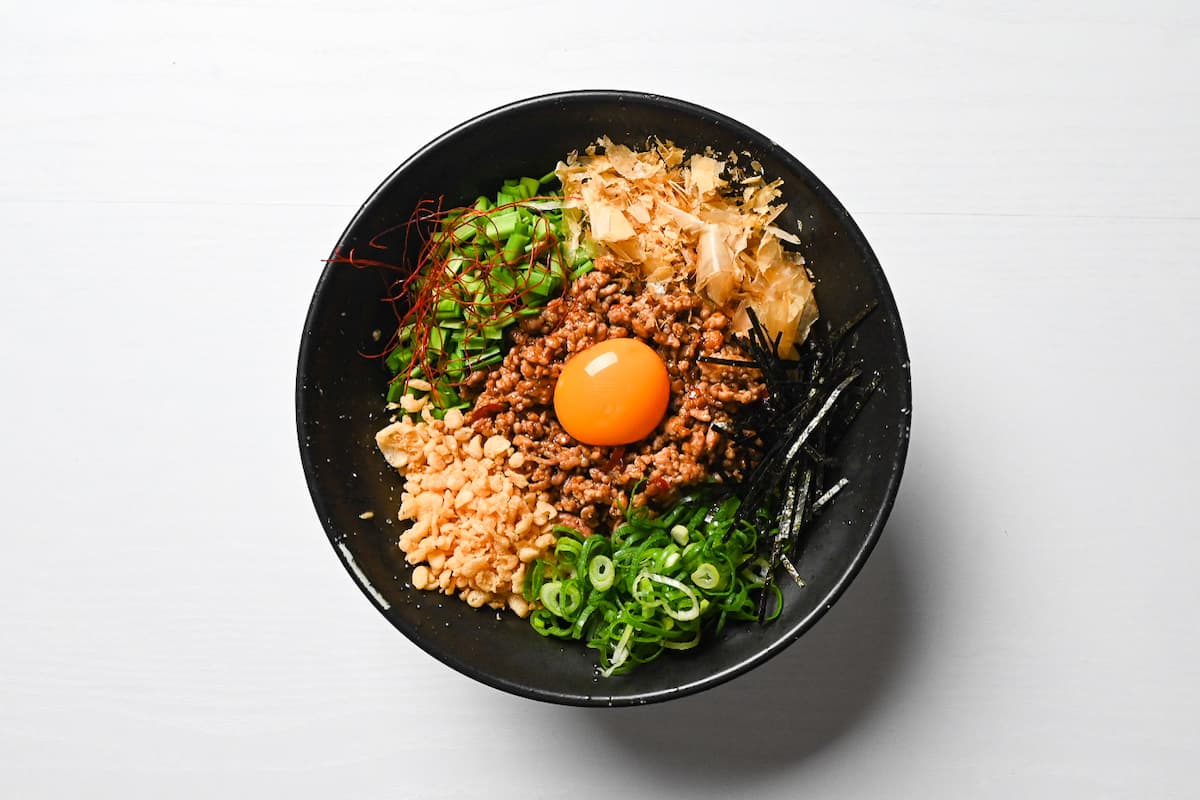
- Mix well before eating and enjoy!
Notes
Mix harder than feels natural: Plunge in and toss from the bottom up until pork, tare, aromatics, and yolk tangle into a single glossy mass. Under-mixing leaves the tare puddled at the bottom and bare noodles on top. This is the bowl's #1 failure.
Use a pasteurized egg yolk for the raw topping: Davidson's Safest Choice in the US, Lion-mark in the UK. If neither is available, a 63°C (145°F) onsen-style soft yolk keeps the same runny binding.
Start the bouillon powder light and taste: Brands vary wildly in concentration, and all the salt for the bowl lives in this tare. Begin under what you think you need, taste a drop, then nudge up. No broth here to dilute an over-salted tare.
Drain well, but do not wring them bone-dry: A faint film of moisture helps the noodles take the tare. A puddle thins it. Shake the strainer a few times until nothing drips, then straight into the hot bowl.
Full Recipe QR Code↑↑