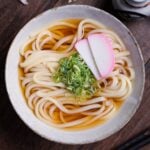
Simple Udon Noodle Soup (Kake Udon)
Ingredients
Dashi
- 30 g dried sardines (niboshi) sold as dried anchovies or iriko
- 1000 ml water preferably soft water
- 10 g dried kelp (kombu)
- 15 g bonito flakes (katsuobushi) thin shavings
Broth
- 3½ tbsp mirin
- 3½ tbsp Japanese soy sauce (koikuchi shoyu)
Noodles and Toppings
- 5 tbsp finely chopped green onions
- 5 portions udon noodles
Instructions
Make the Dashi
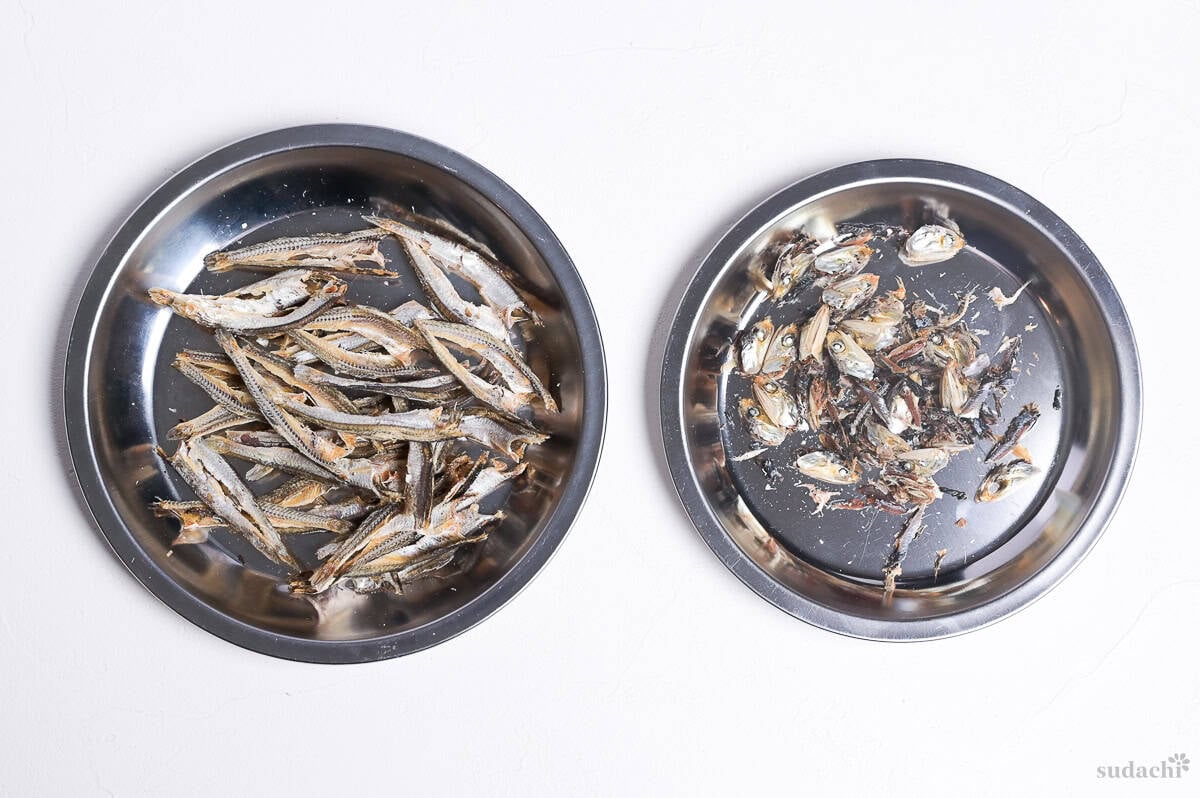
- Pull the heads off 30 g dried sardines (niboshi). Split each fish along its back and remove the black guts.
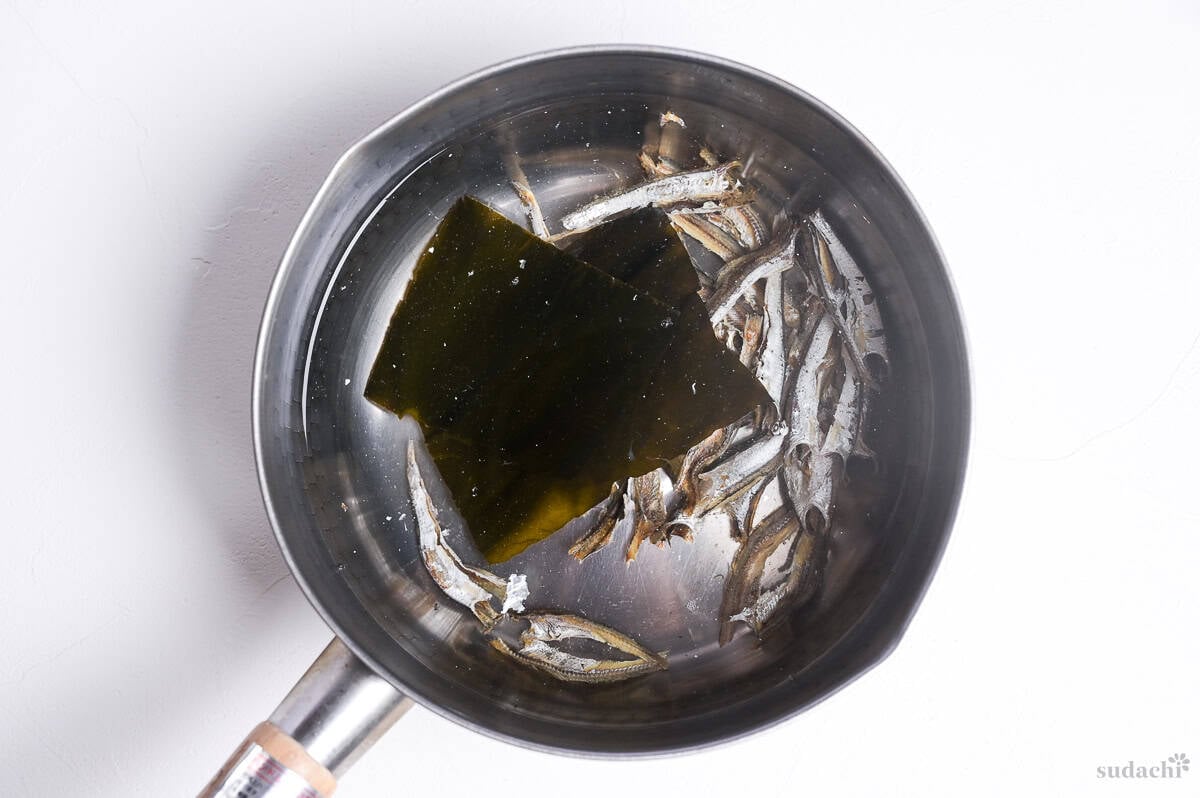
- Pour 1000 ml water into a pot, add 10 g dried kelp (kombu) and the fish, cover, and soak for 30 minutes.
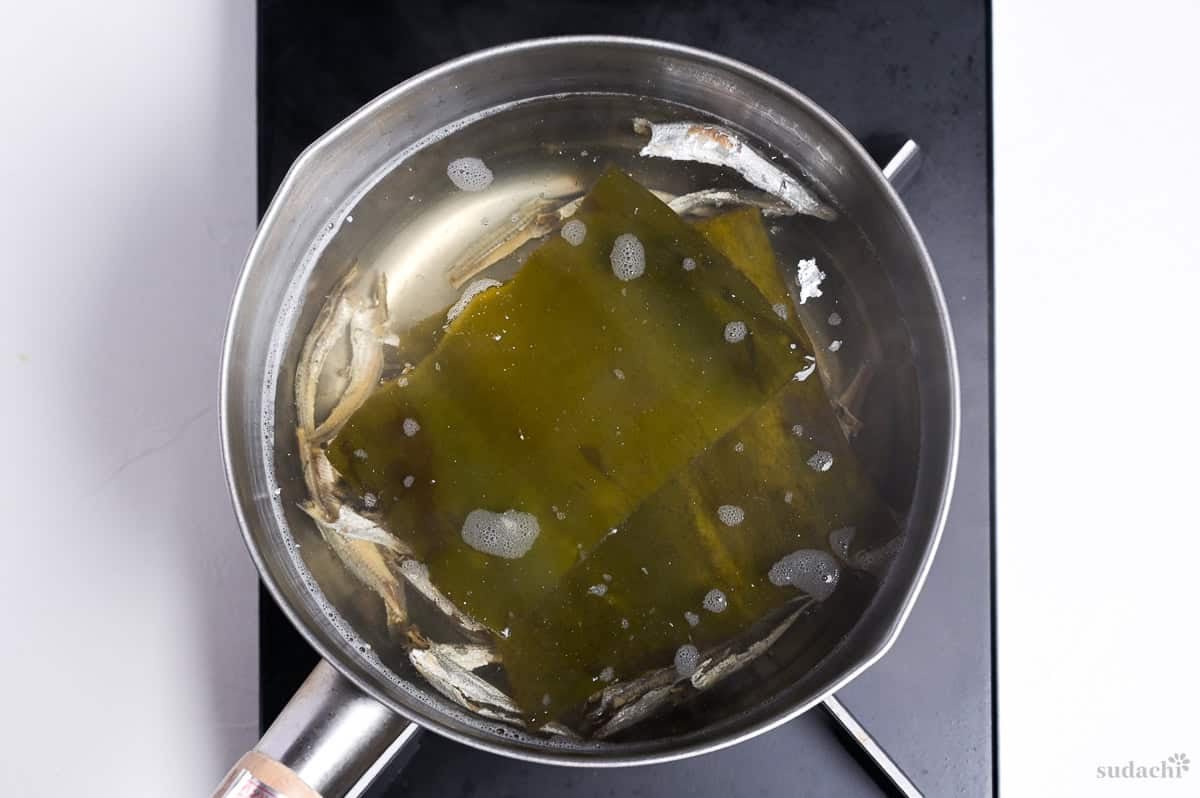
- After 30 minutes, set the pot over medium-low heat. Keep the flame low enough that tiny bubbles appear around the rim in about 10 minutes. Keep it below a boil.When tiny bubbles cling to the rim, taste the dashi. If the flavor is clear and full, lift out the kombu and fish together. If it tastes weak and watery, give it a little longer over low heat, then lift them out.
- Raise the heat to a rolling boil. Pour in about a ladleful of cold water (about 70 ml) to cool the dashi to 90 °C (194 °F)-95 °C (203 °F), and add 15 g bonito flakes (katsuobushi) at once. When small bubbles rise again, about 10 seconds later, turn off the heat. Skim off any foam with the ladle.
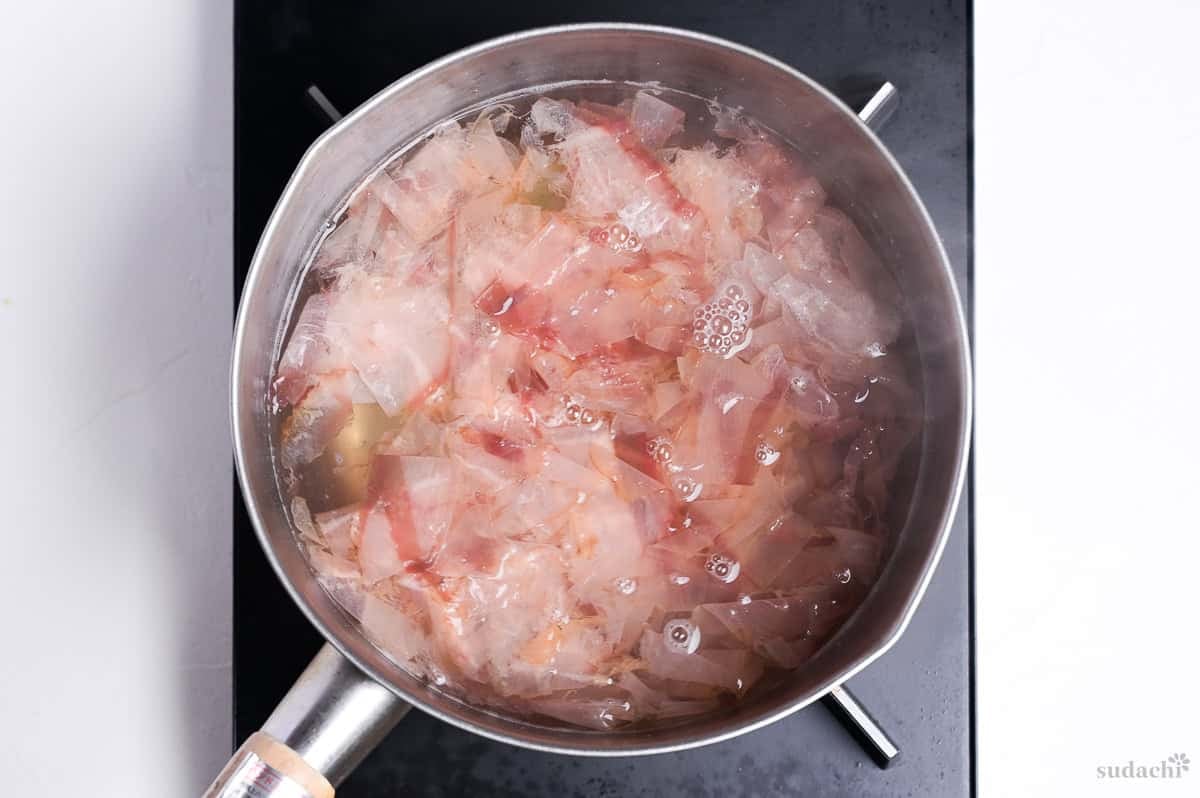
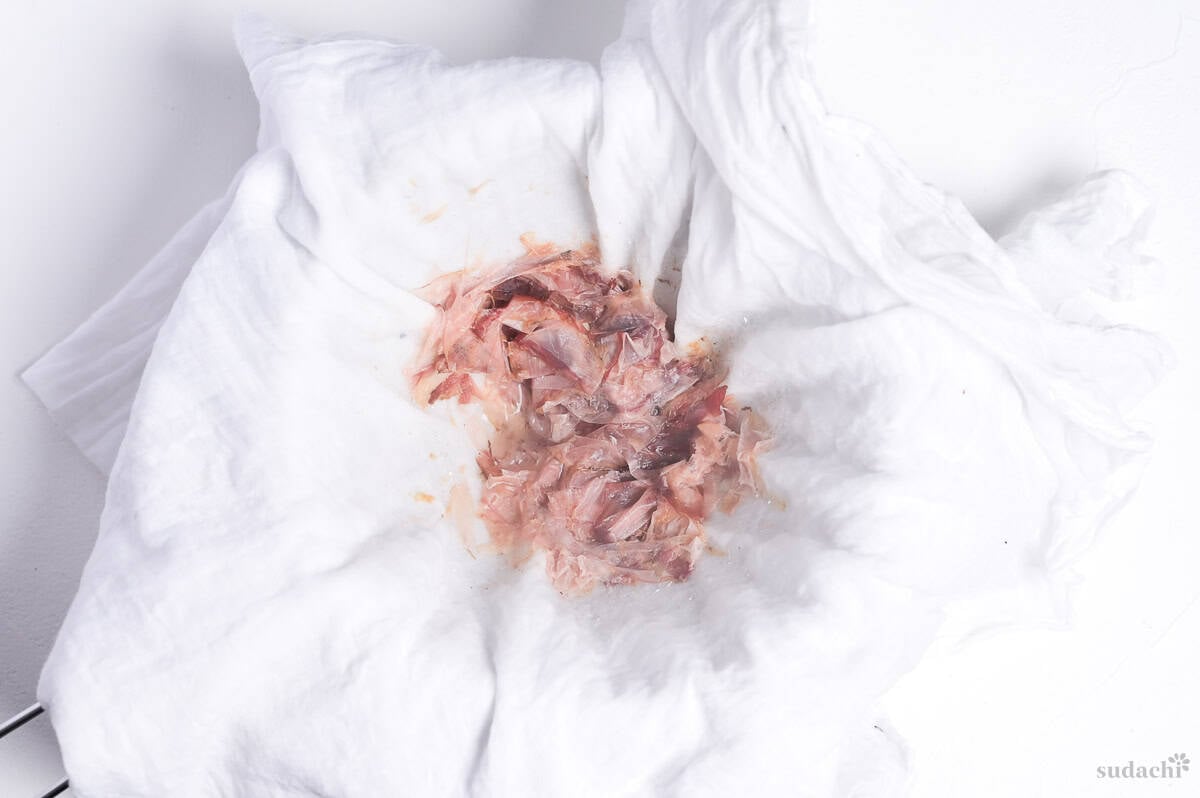
- Pour the dashi into a strainer lined with a cheese cloth or kitchen paper, and wait for the clear dashi to drip through slowly on its own. Do not press or squeeze the flakes.
Season the Broth
- Rinse out the pot and pour in 3½ tbsp mirin. Bubble it over medium heat until the alcohol cooks off, 30 seconds to 1 minute.
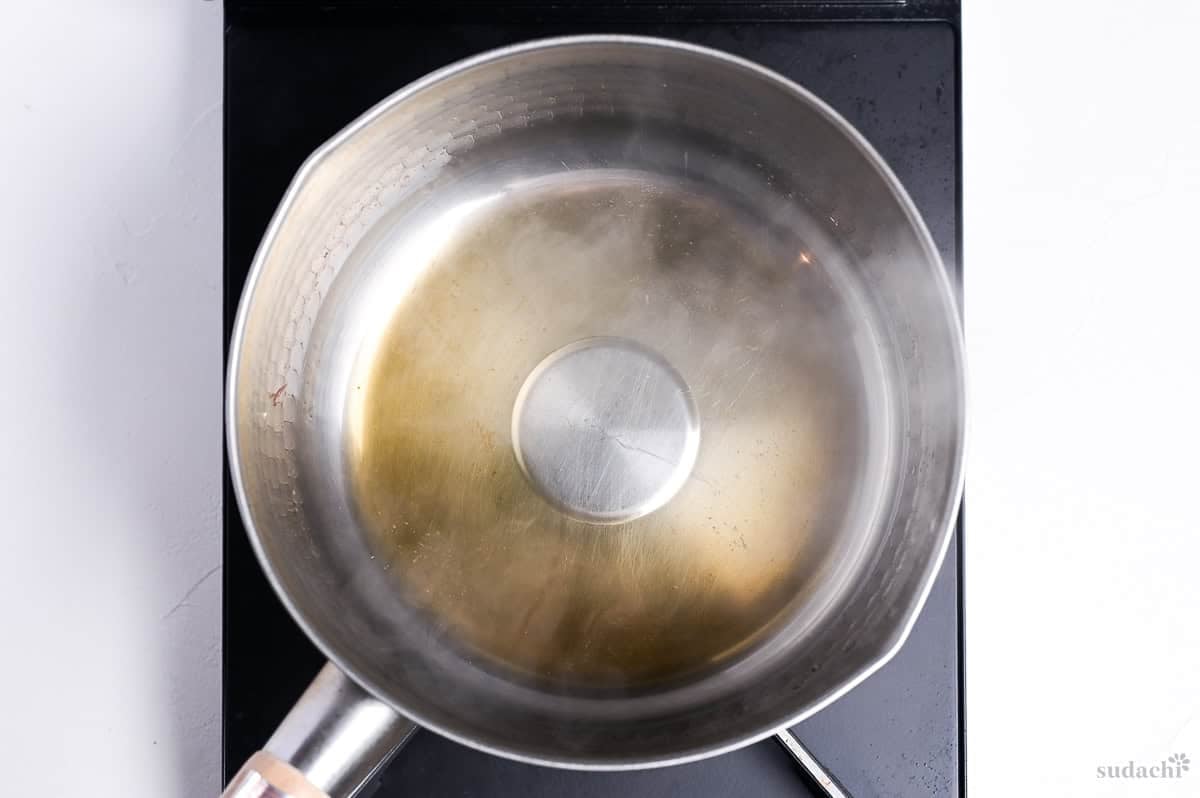
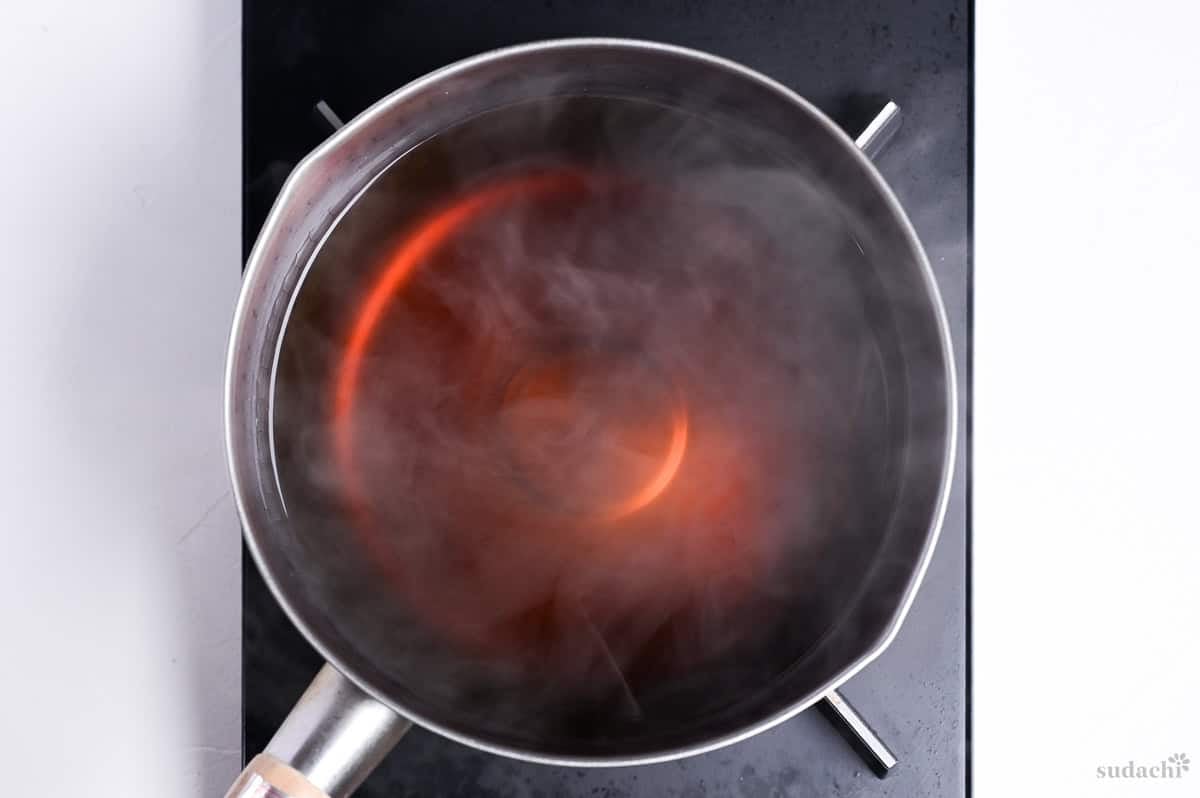
- Pour in the strained dashi. When it is lukewarm, stir in 3½ tbsp Japanese soy sauce (koikuchi shoyu) and heat the broth until it is hot enough to eat, keeping it off the boil. Cool a spoonful briefly and taste. If it needs more, add soy sauce in small splashes, then hold the broth warm over low heat.
Cook the Udon and Serve
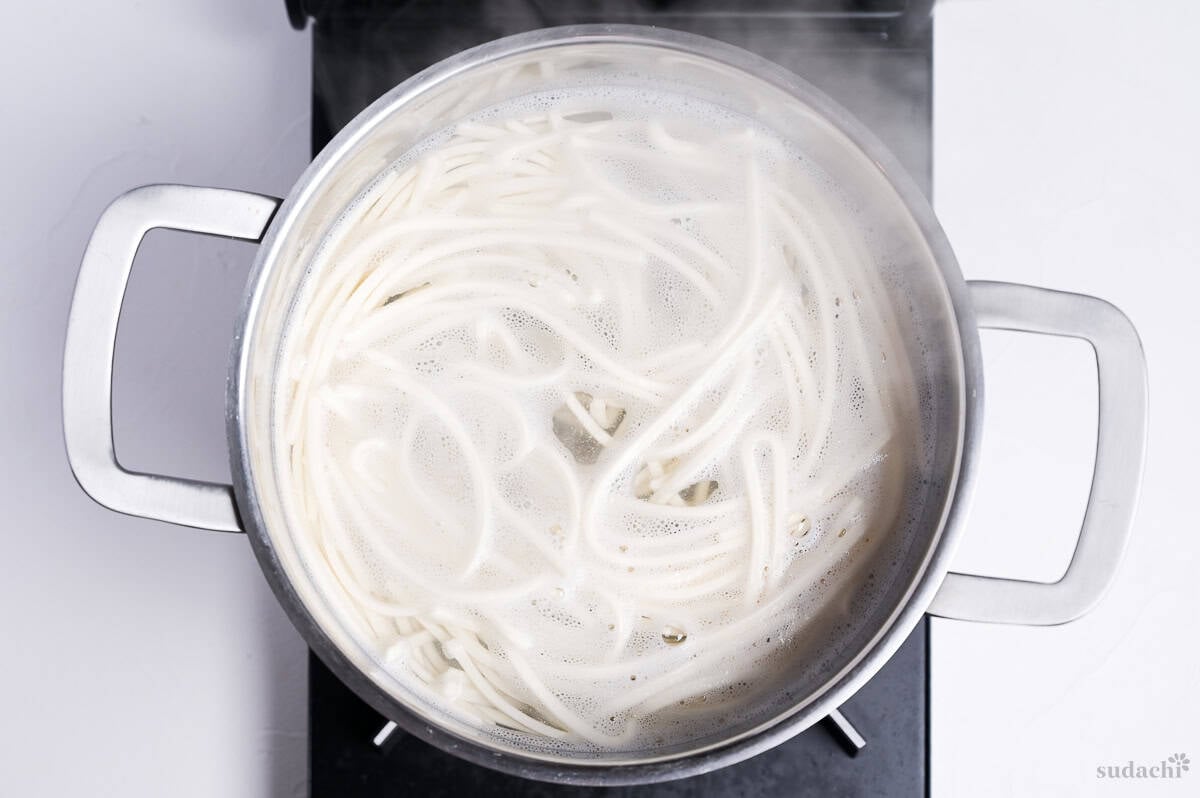
- Bring water at least 10 times the weight of the noodles to a boil. Cook 5 portions udon noodles following the package directions, keeping the water at a full boil. Do not add cold water. Fill your serving bowls with hot water to warm them.
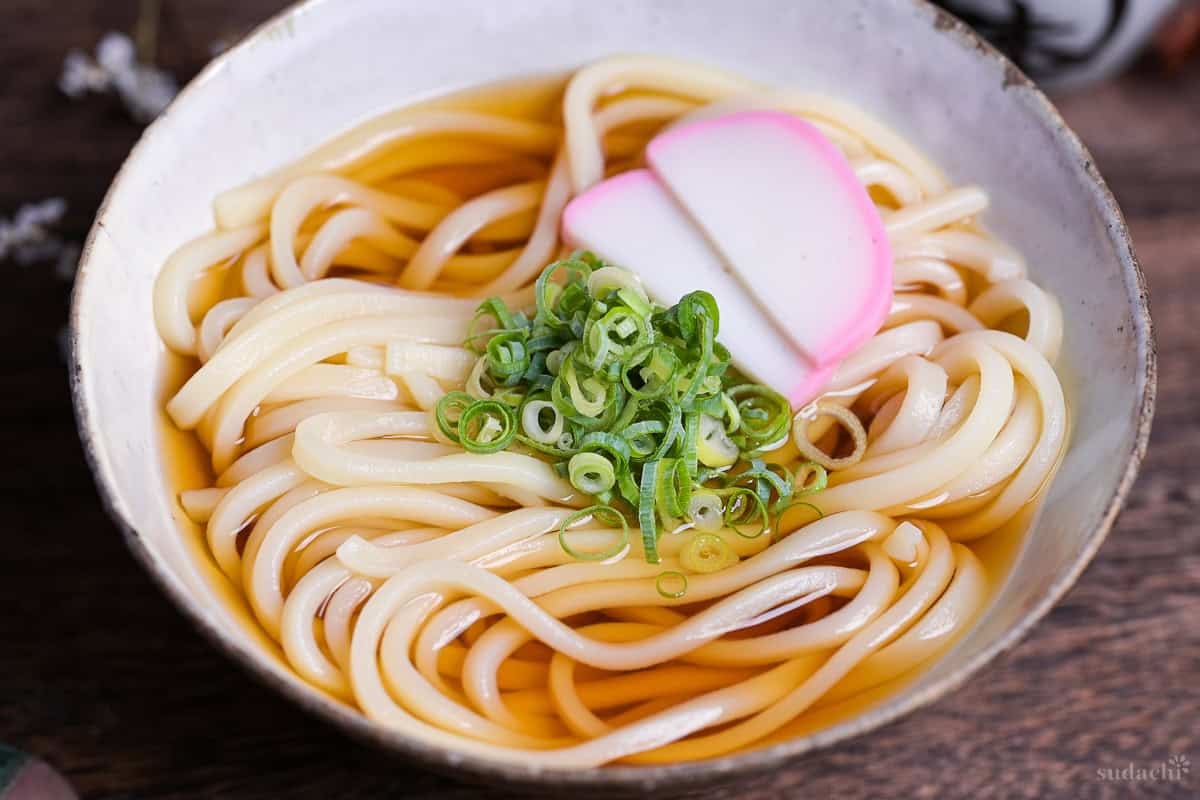
- Reheat the broth and ladle it into the bowls. Tease the noodles apart with chopsticks and lower them in. Scatter the green onion over the noodles, add toppings of your choice, and serve right away. Enjoy!
Notes
Lift the kombu and dried anchovies out before the boil: Kombu turns slimy and muddy if it boils or sits in hot water too long. The anchovies come out at the same moment, since the dashi goes to a full boil next.
Taste decides when they come out: The bubbles at the rim tell you it is close, and your palate makes the call. Checking the umami by taste every single time is what this dashi depends on.
Use less, never simmer longer: Cut the amounts if the ingredients are pricey. The aroma softens, and the dashi still tastes good. Simmering longer to make up for it only adds harshness. With time to spare, soak the kombu and anchovies overnight in the fridge.
Bonito flakes need only seconds: In water around 90°C (194°F), thin hanakatsuo shavings yield their aroma and umami within seconds, a minute at most.
Leave the dashi to drip: Pressing or wringing the bonito flakes sends their off-flavors down into the dashi too.
Taste the broth slightly cooled: Heat hides salt, so hot broth seems milder than it is. The amount lost to steam changes with each day's flame, so taste every batch, even at the same amounts.
Good dashi needs less soy sauce: A carefully made first dashi (ichiban dashi) is good enough to sip on its own, with no salt in it at all. Taste before every addition of soy sauce.
Cook the noodles last: Finish the broth first and hold it over low heat, then take the noodles straight from the pot to the bowl. That order keeps the noodles springy and the dashi fragrant.
A note on the nutrition figures: In Japan, the broth of a noodle soup like this is not finished to the last drop, so the numbers here assume you drink only about 30 percent of the soup, in line with measured Japanese consumption studies. Finish the whole bowl and the figures, sodium above all, will run considerably higher.
Full Recipe QR Code↑↑