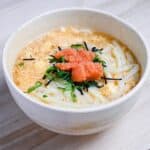
Mentaiko Udon (Cod Roe Ankake Udon)
Ingredients
Mentaiko and Egg
- 100 g spicy cod roe (mentaiko) whole sacs or tubes of loose roe, half-thawed if frozen, or tarako
- 2 eggs
Ankake Sauce
- 500 ml dashi stock
- 2 tbsp sake
- 1 tbsp mirin
- 1 tsp sugar
- 1 tbsp Japanese light soy sauce (usukuchi shoyu) or the same amount of standard Japanese soy sauce
- ½ tsp salt
Slurry
- 1 tbsp potato starch (katakuriko) or cornstarch at 1.2 times the amount
- 1 tbsp cold water
To Serve
- 3 portions udon noodles frozen udon, or fresh udon
- 2 perilla leaves (shiso) per portion, optional, or Korean perilla leaves
Instructions
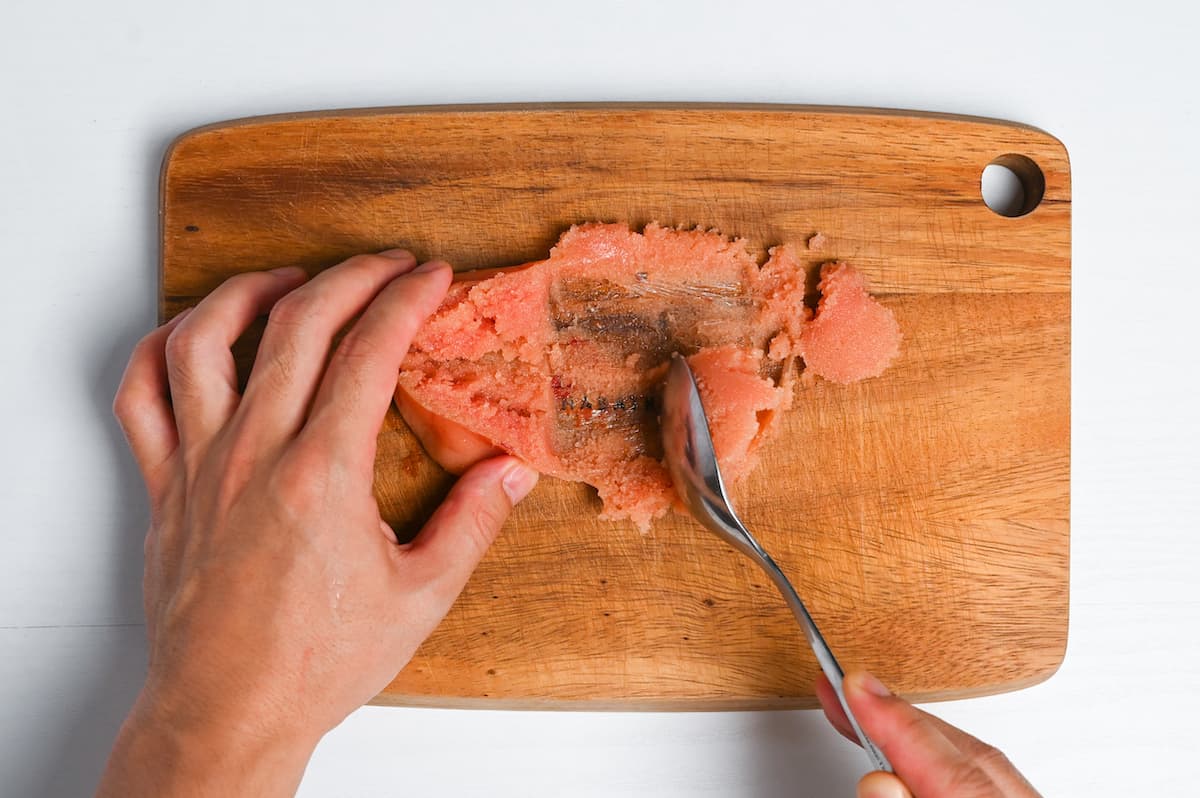
- Slit the membrane of 100 g spicy cod roe (mentaiko) lengthwise, open it and scrape the roe free with a spoon. Reserve 1 tbsp of raw roe per portion onto a small plate for topping at the end.
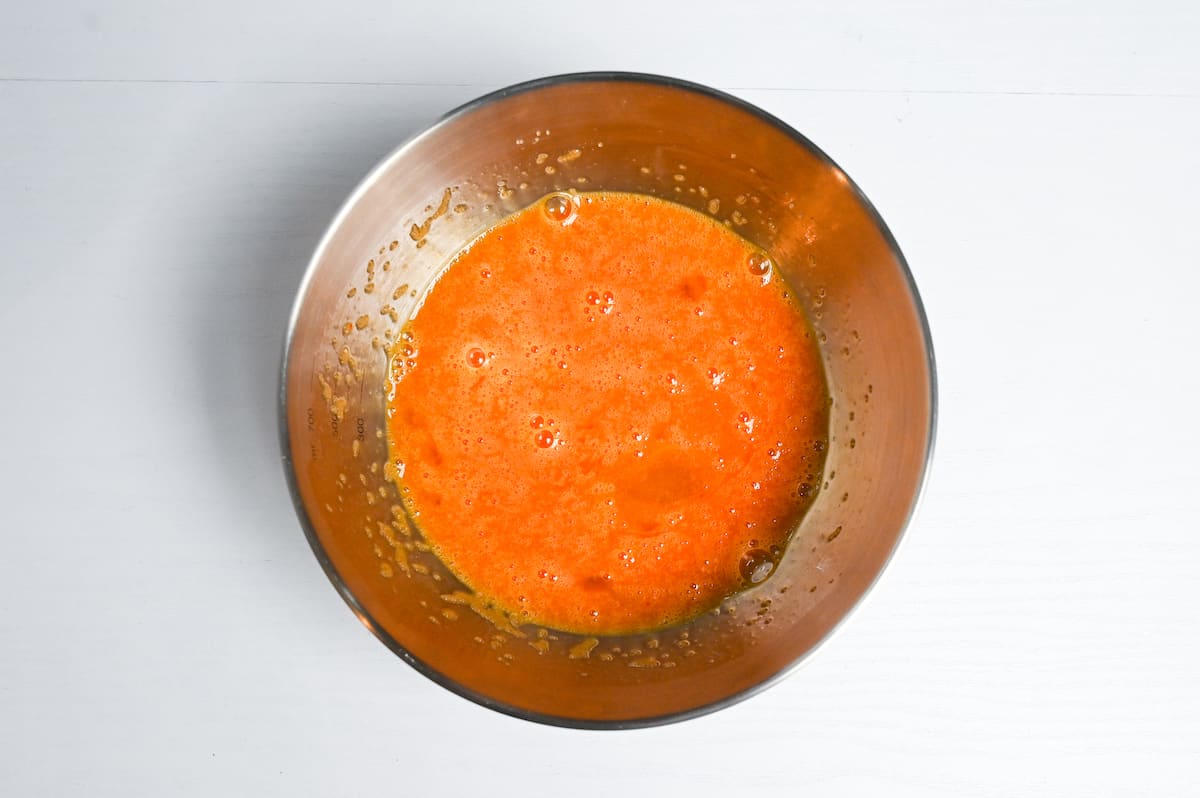
- Crack 2 eggs into a jug with a spout and beat until the whites are broken up. Add the remaining roe and stir until evenly combined. Cut 2 perilla leaves (shiso) per portion into thin strips.
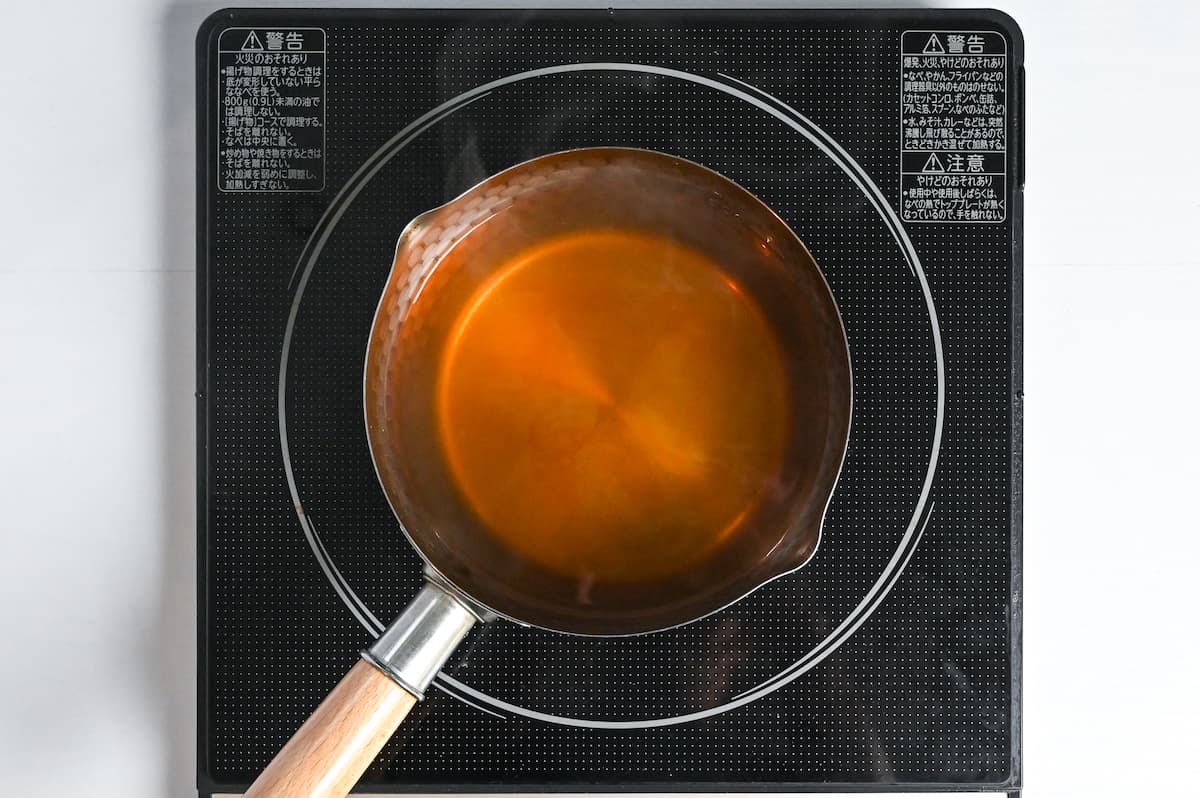
- Pour 500 ml dashi stock, 2 tbsp sake, 1 tbsp mirin, 1 tsp sugar, 1 tbsp Japanese light soy sauce (usukuchi shoyu) and ½ tsp salt into a saucepan. Heat over medium until it boils.
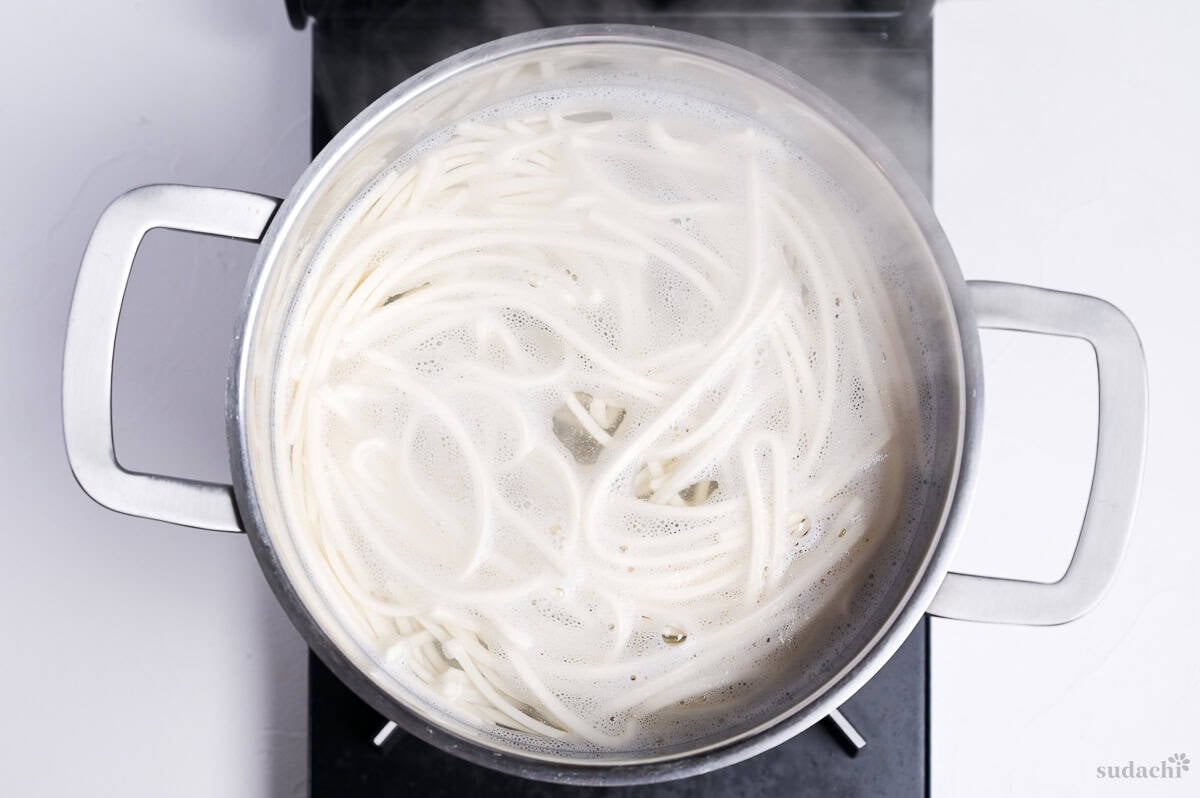
- While you wait, cook 3 portions udon noodles as the package directs. If cooking on the stove top, boil in a separate pot.
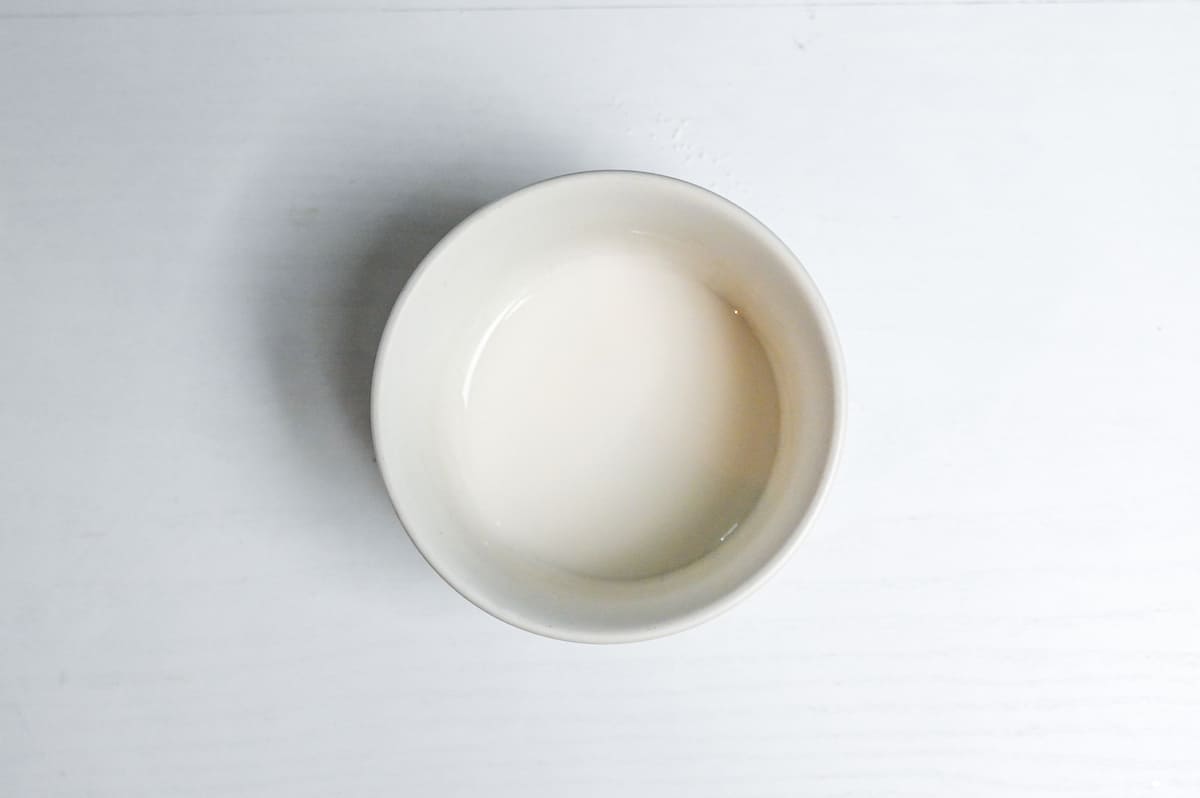
- As soon as the dashi boils, switch off the heat. Mix 1 tbsp potato starch (katakuriko) with 1 tbsp cold water in a small bowl until smooth, then pour it into the pot in a thin stream, stirring with a ladle the whole time.Set the pot back over medium heat and keep the ladle moving. The sauce is ready once the white streaks vanish and it turns clear with a glossy surface.
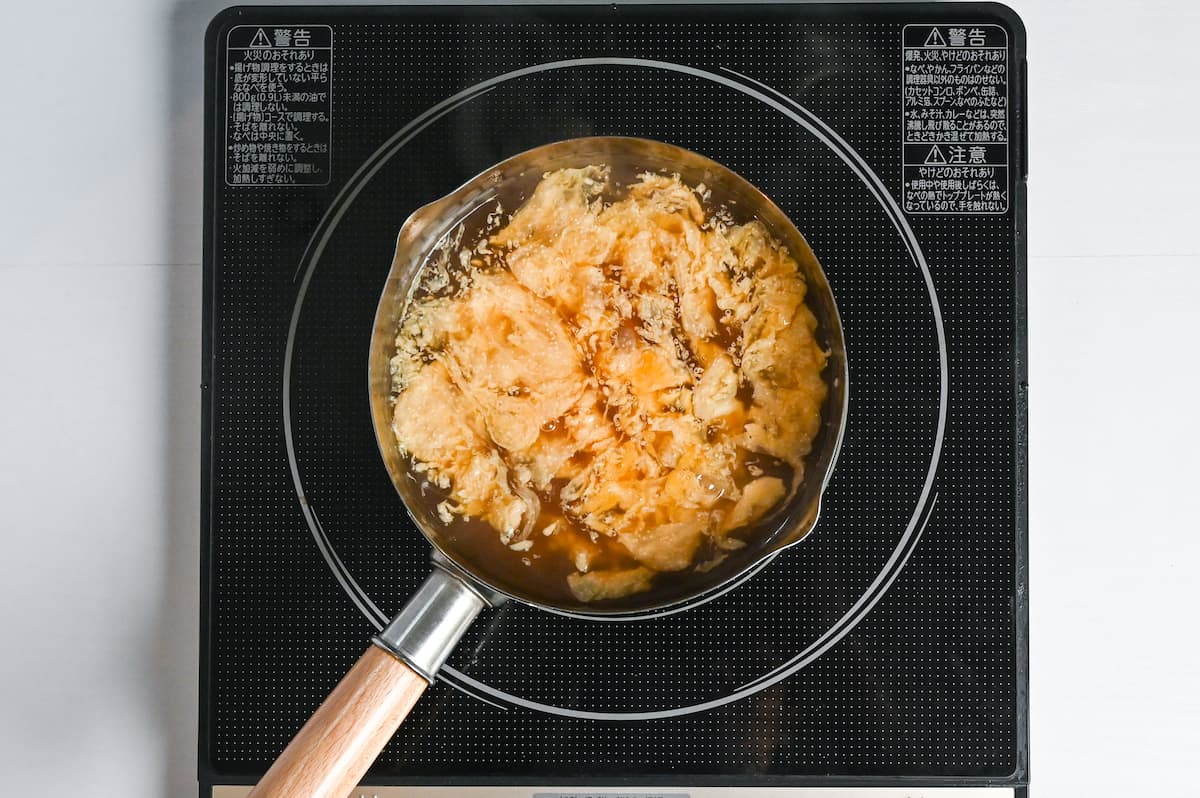
- When the sauce bubbles gently, stir it hard with the ladle in one direction to get it spinning. Pour a third of the egg and roe over the spinning sauce in a thin stream.Once the foam settles and the pot is bubbling again, add the second third the same way. Add the last third, wait a few seconds, fold once or twice from the bottom, and turn off the heat. Do not cover.
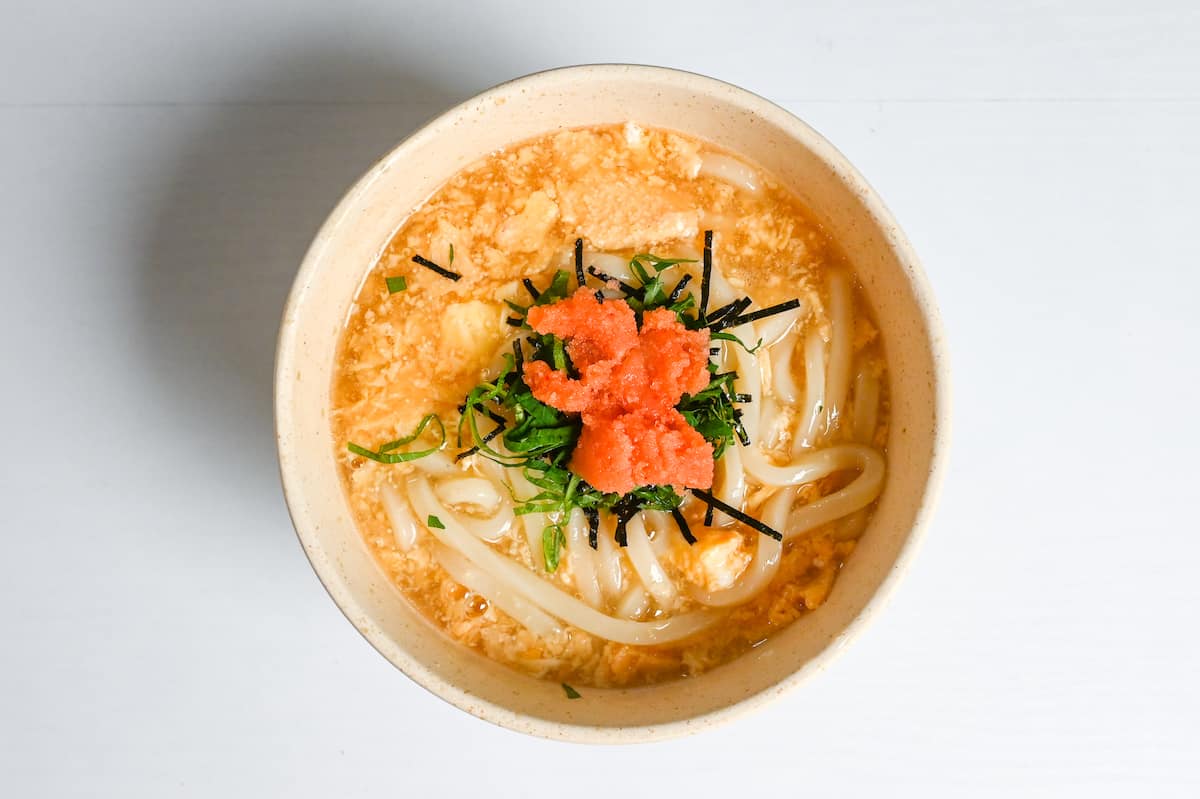
- Wash the cooked noodles with hot water. Pour hot water into serving bowls to warm them, then discard before dividing the noodles between them. Ladle the broth evenly over the noodles and scatter the shiso strips on top. Finish with the reserved mentaiko, and serve hot. Enjoy!
Notes
Stream the slurry with the heat off: Boiling dashi sets the starch on contact and leaves clumps wherever it lands. A still pot gives the slurry a few seconds to disperse before it thickens.
Mix the slurry right before it goes in: Left standing, the starch drops to the bottom within seconds. If you mixed it earlier, stir it again, or the settled starch goes into the pot as one solid clump.
Keep the boil gentle once it turns glossy: The gloss tells you the starch is cooked. Boiling it hard past that point thins the sauce back out.
Stop while the sauce is still a little loose: A ribbon that runs off the ladle without breaking is enough. The egg and the minutes in the bowl tighten it one more step. A sauce that is too stiff glues the noodles together.
3 small pours keep the egg in ribbons: All at once, the egg cools the sauce, fails to set and clouds into it. Poured a little at a time onto a sauce that is boiling again, it firms up within seconds into ribbons.
If the sauce turns lumpy: Switch off the heat at once and beat it hard with a whisk or chopsticks. Push whatever clumps remain through a sieve, then rewarm over low heat until the gloss comes back.
A note on the nutrition figures: In Japan, the broth of a noodle soup like this is not finished to the last drop, so the numbers here assume you drink only about 30 percent of the soup, in line with . Finish the whole bowl and the figures, sodium above all, will run considerably higher.
Full Recipe QR Code↑↑