
Lotus Root Tempura (Renkon no Tempura)
Ingredients
- 500 g lotus root (renkon)
- cooking oil neutral flavor for deep frying
- unbleached cake flour or starch for dusting
Tempura Batter (see note)
- 75 ml cold water chilled
- 50 ml carbonated water chilled
- 1 egg yolk
- 15 g cornstarch
- 75 g unbleached cake flour
- ice cubes
Serving suggestion (optional)
- salt
- tempura dipping sauce (tentsuyu)
Instructions
- Before starting this recipe, chill all of the tempura batter ingredients. Water and egg in the fridge, dry ingredients in the freezer for 30 minutes.
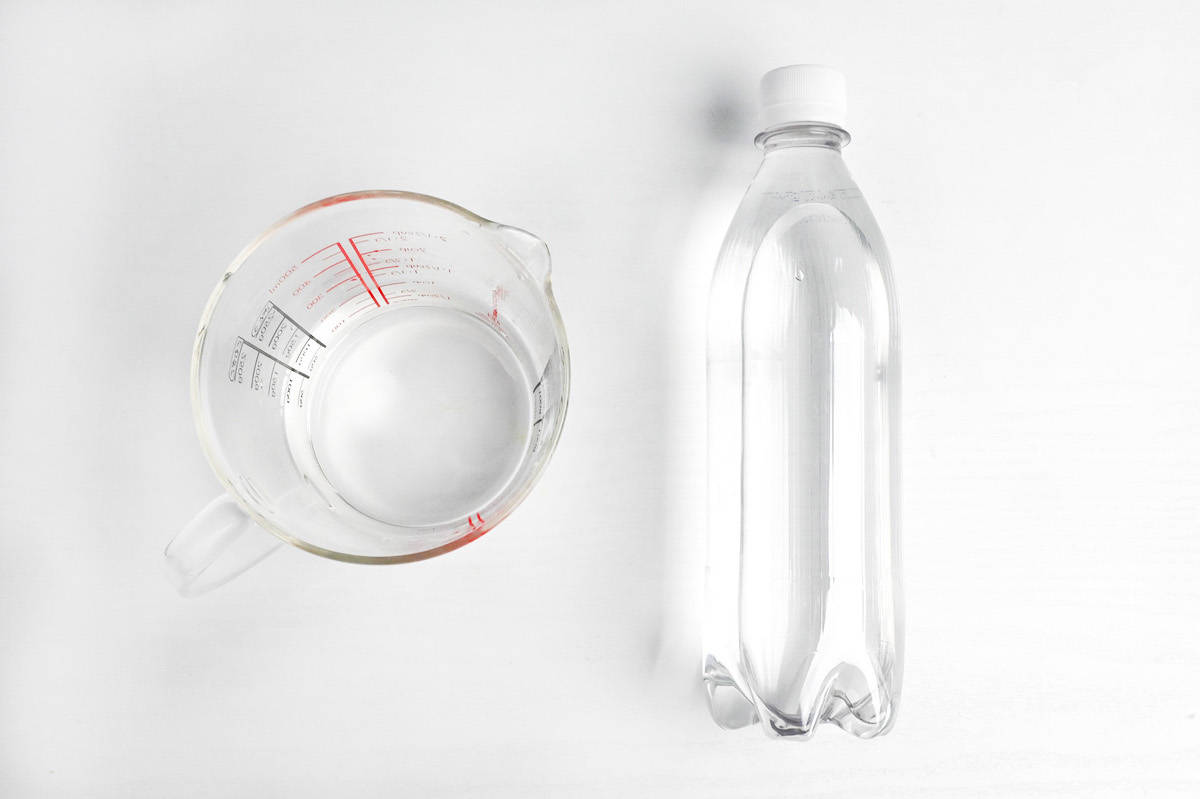
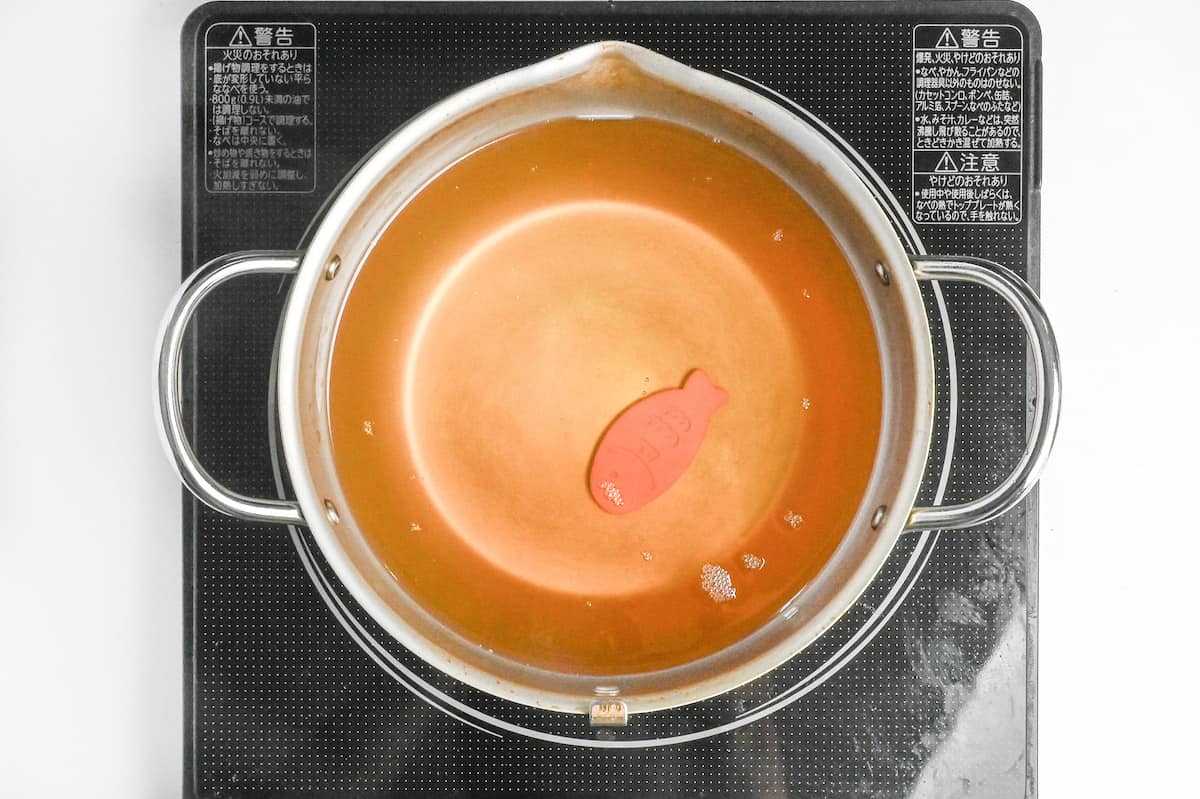
- Once all of your ingredients are thoroughly chilled, prepare a deep pot with cooking oil and heat to 175 °C (347 °F).
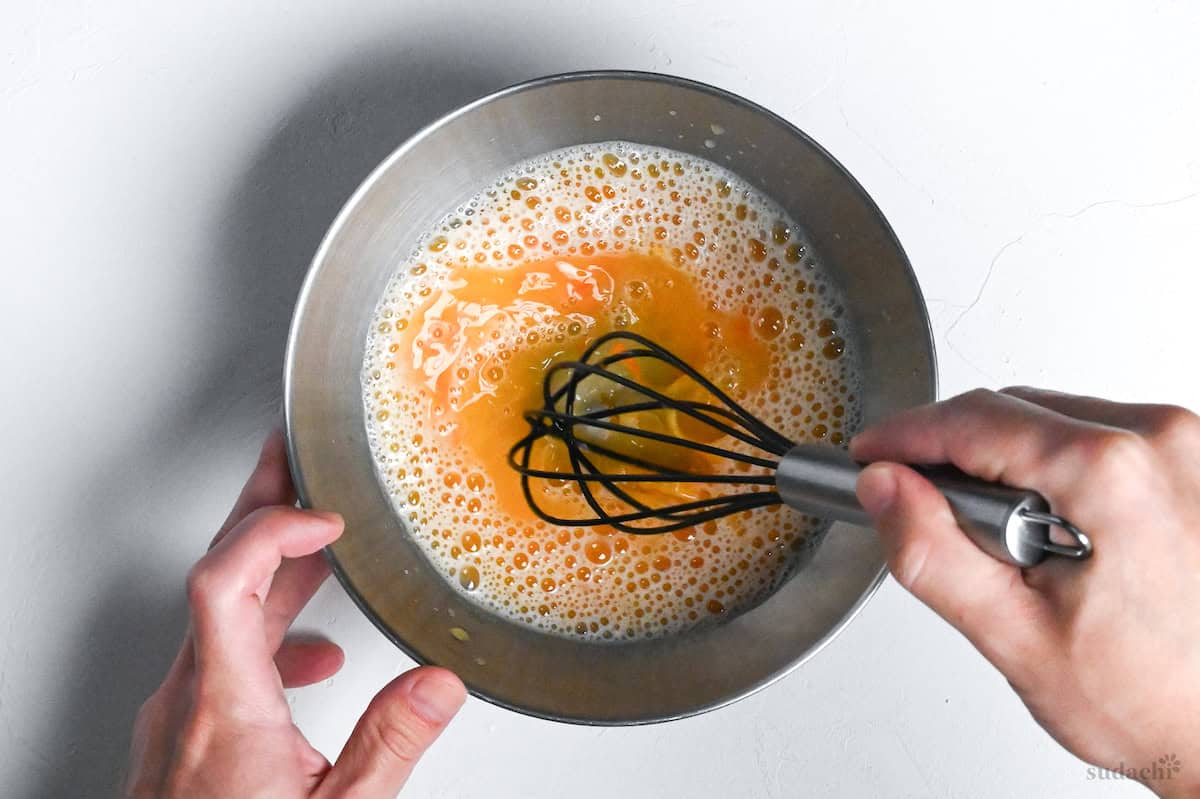
- When the oil is almost ready, take a mixing bowl and add 75 ml cold water, 50 ml carbonated water and 1 egg yolk. Whisk gently until combined, try not to let it get too foamy.
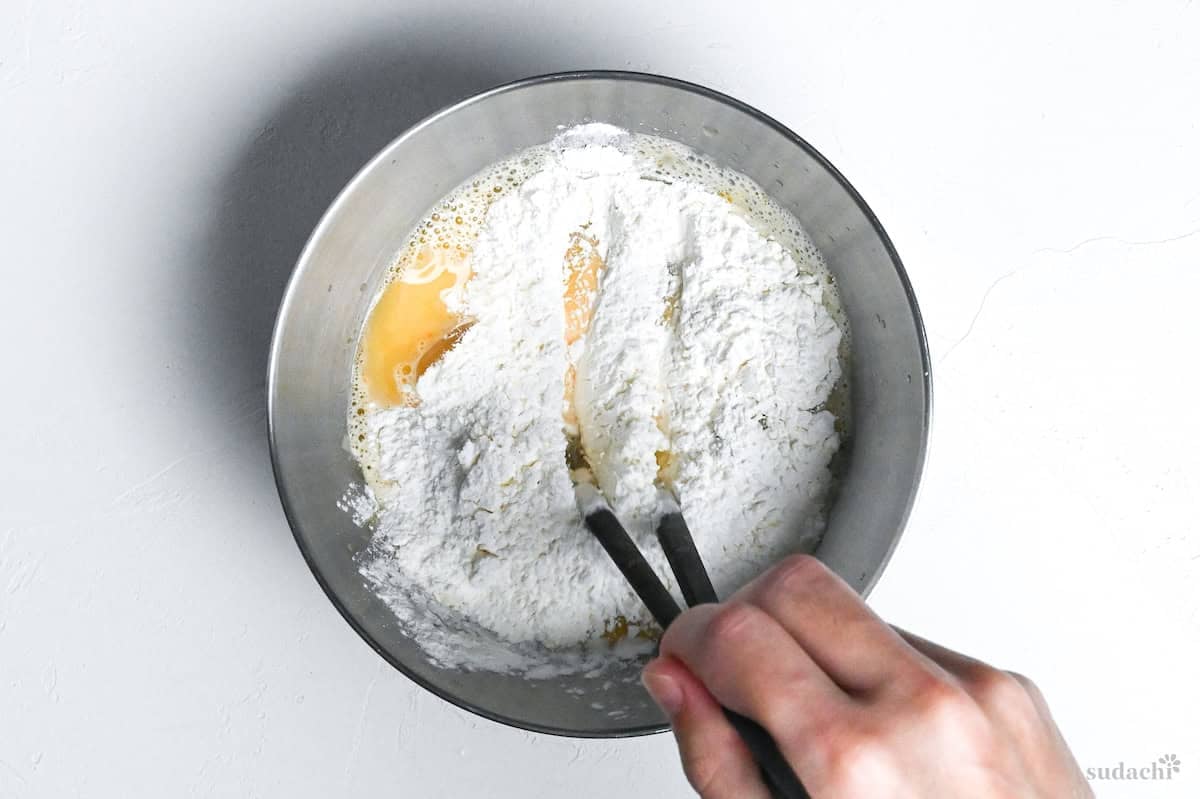
- Sift 15 g cornstarch and 75 g unbleached cake flour together into a bowl, then add it to the egg mixture in 3 batches. Rather than whisking, use chopsticks to draw crosses in the mixture until there is no more dry flour. Lumps are perfectly okay, avoid overmixing.
- If you are going to make a lot of tempura or are cooking in a warm environment, add a few ice cubes to the batter and place it in the fridge between batches.

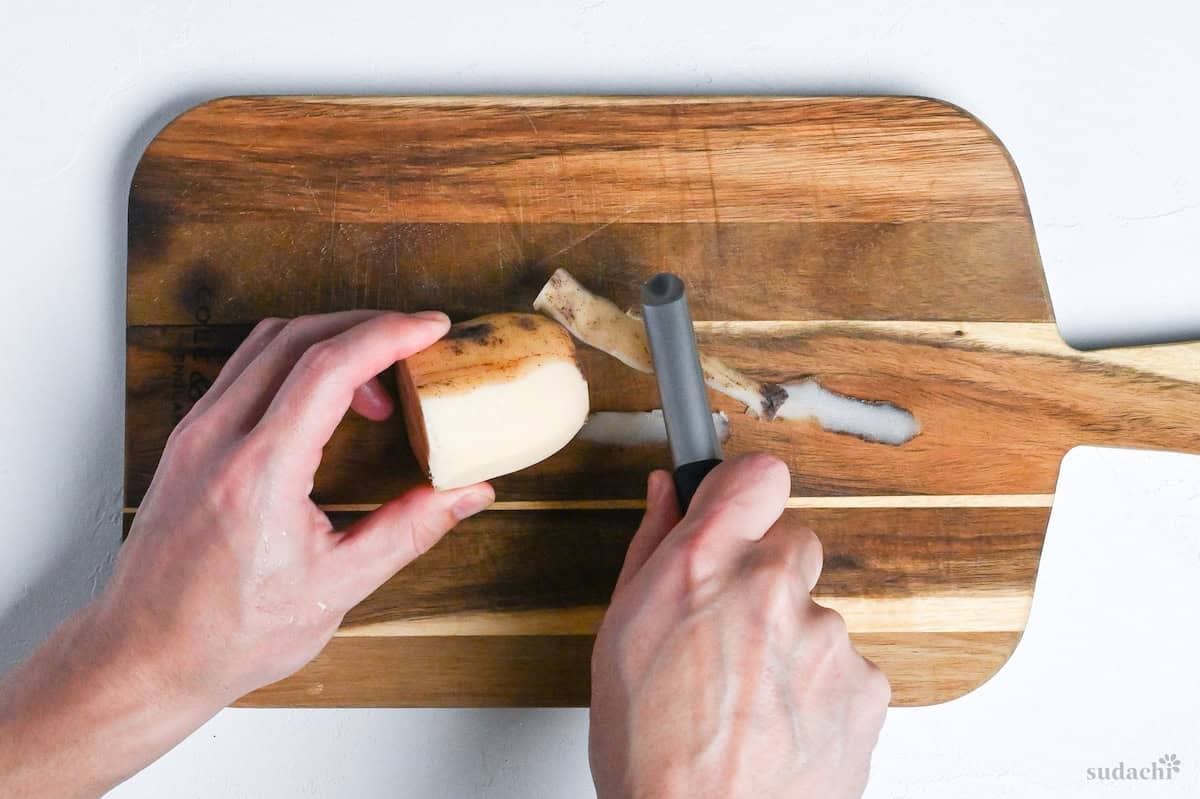
- Scrub the surface of 500 g lotus root (renkon) to remove the dirt before peeling off the skin with a vegetable peeler or knife. If you bought your renkon already peeled and stored in water, drain the water and dry the surface.
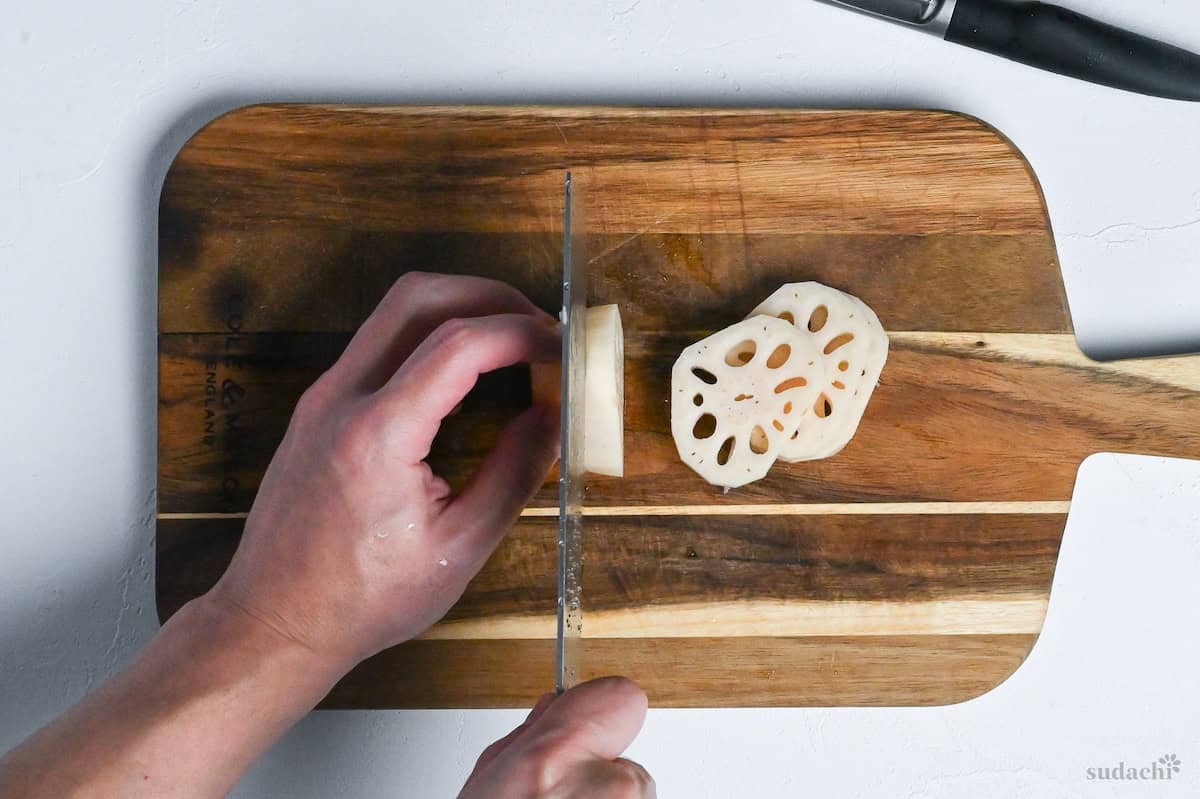
- Cut into slices about 5-10mm thick (approx ¼ inch), then pat the surface dry with kitchen paper. (If preparing in advance or your oil isn't ready, keep them in a bowl of water with a splash of vinegar to prevent discoloration, then pat dry before dusting.)
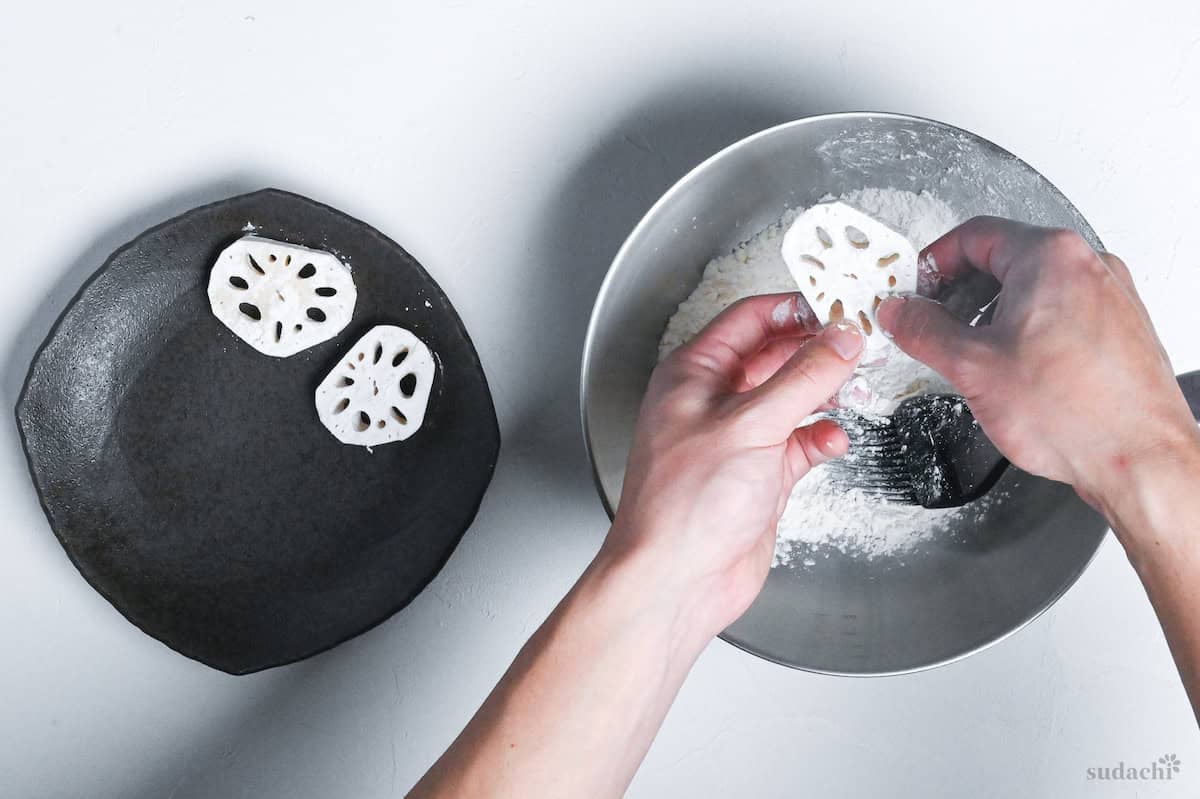
- Coat each slice with a thin layer of unbleached cake flour and tap off the excess. Poke chopsticks in the holes to remove the extra flour.
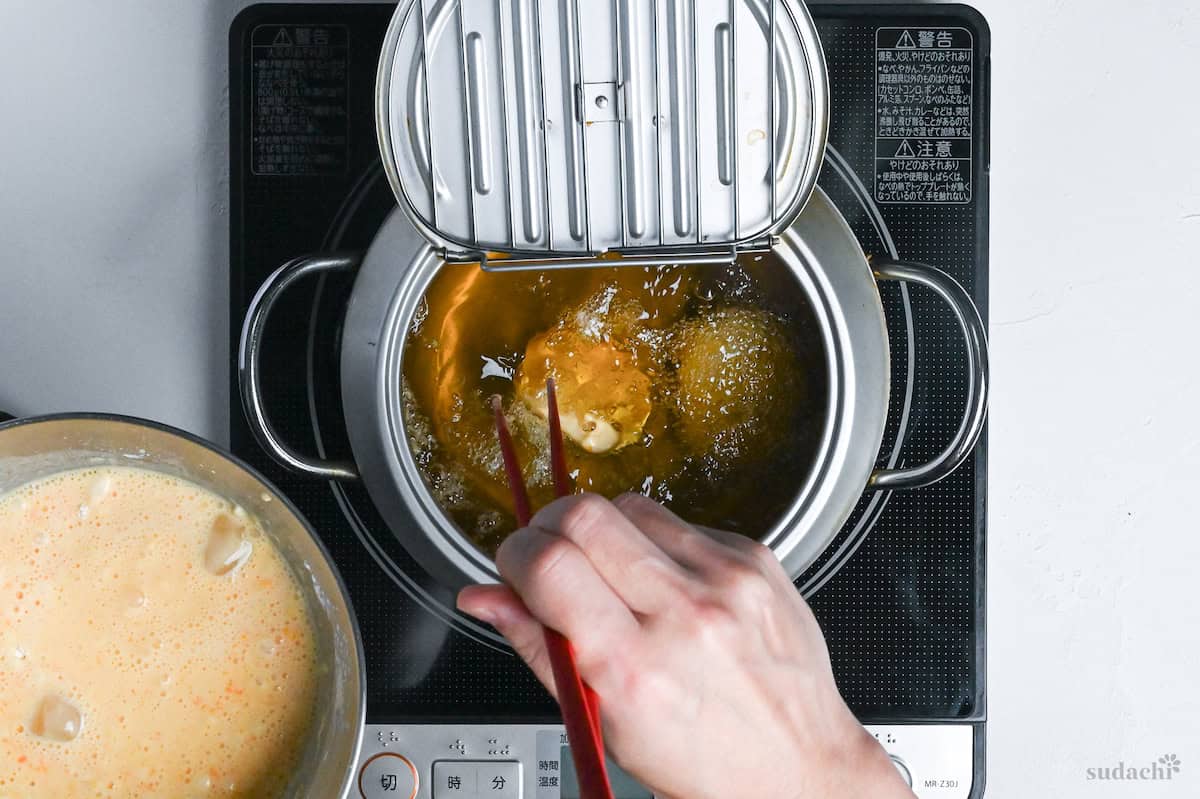
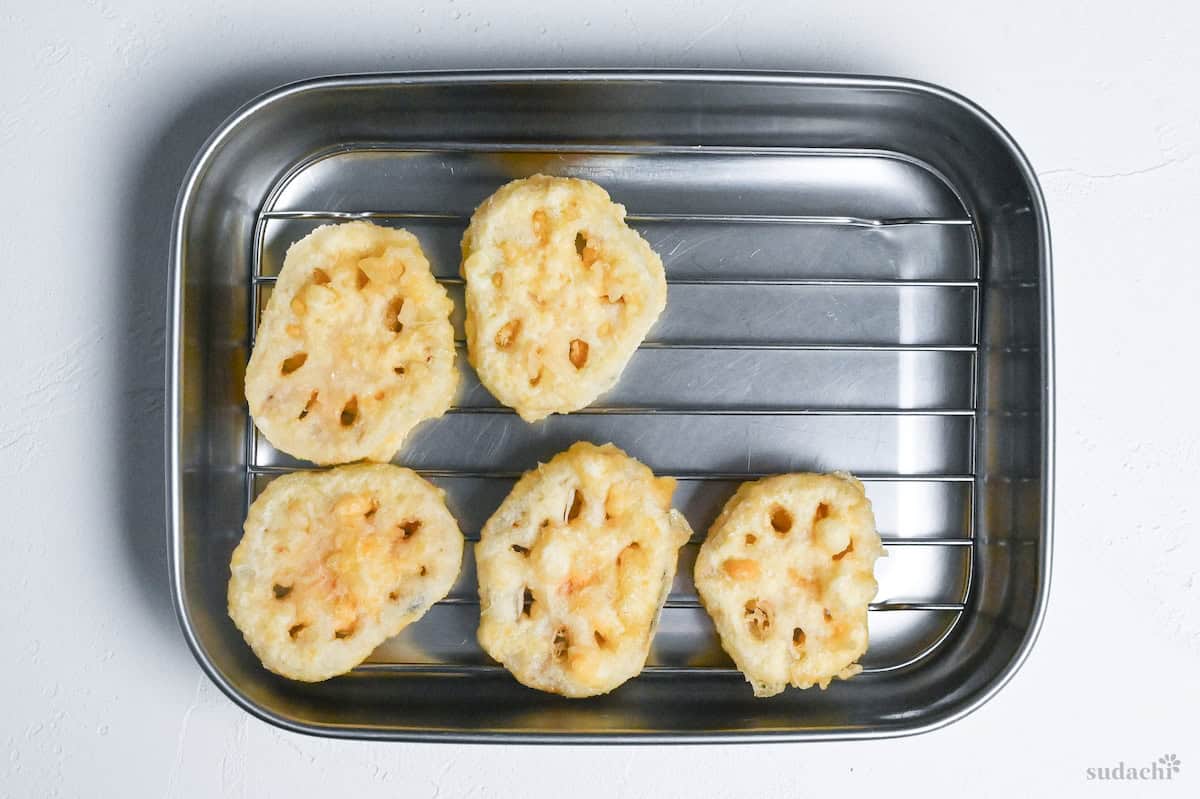
- Dip the floured renkon slices into the tempura batter and place them straight in the oil. Fry for 3-4 minutes or until lightly golden.
- Transfer to a wire rack to drain for 1-2 minutes, then serve immediately with salt or tempura dipping sauce (tentsuyu). Enjoy!
Notes
Avoid bleached cake flour: Avoid bleached or chlorinated cake flour as it changes the texture. Also avoid self-rising, whole wheat pastry, and gluten-free blends. For UK/AU readers, plain flour works. See for details.
Wipe the cut faces right up to flouring: Water on a cut face pushes the batter away and the coating slides off mid-fry. That water is also what spits at you. Wiped slices go damp again while they wait.
Stop the batter while lumps are still there: The moment the dry flour disappears is where your hands stop. Mix it smooth and you have gone too far. Frying will not undo it, and batter left standing goes the same way.
Flour goes into the holes, then comes back out: Getting flour in and leaving it in are 2 different jobs. Flour on the inside walls grips the batter. Left packed, the holes fill with batter and the cross-section pattern disappears.
Read the color, the bubbles, and the sound together: Big bubbles come up first, then turn fine as the water leaves and the popping goes high and light. Pull when the coating is pale gold and all 3 agree. Deep brown is past it.
Frozen slices need to be bone dry: Fry them straight from frozen and the melting water stops the batter sticking and stops the color. Thaw them right through and blot hard with kitchen paper. Thinner slices compensate, though they still will not reach fresh.
Black inside the holes: Roll up a piece of kitchen paper or take a cotton swab and wipe each hole out. Anything left will not show once the pieces are fried. Sliminess or a sour smell is the line where it has actually spoiled.
Full Recipe QR Code↑↑