
Kakuni (Japanese Braised Pork Belly)
Ingredients
- 600 g slab skinless pork belly with visible fat-and-lean layers
- 30 g ginger root
- 1 Japanese leek (naganegi) green part, or regular leek/onion
Marinade
- 500 ml pork broth the liquid from cooking the pork
- 100 ml lager beer or water/sake
- 1 tbsp honey
- 2 tbsp light brown sugar or white sugar
- 100 ml Japanese soy sauce (koikuchi shoyu)
- 4 soft-boiled eggs peeled
To serve (optional)
- Japanese leek (naganegi) white part, to garnish
- Japanese mustard (karashi) or hot English mustard
Instructions
Part 1
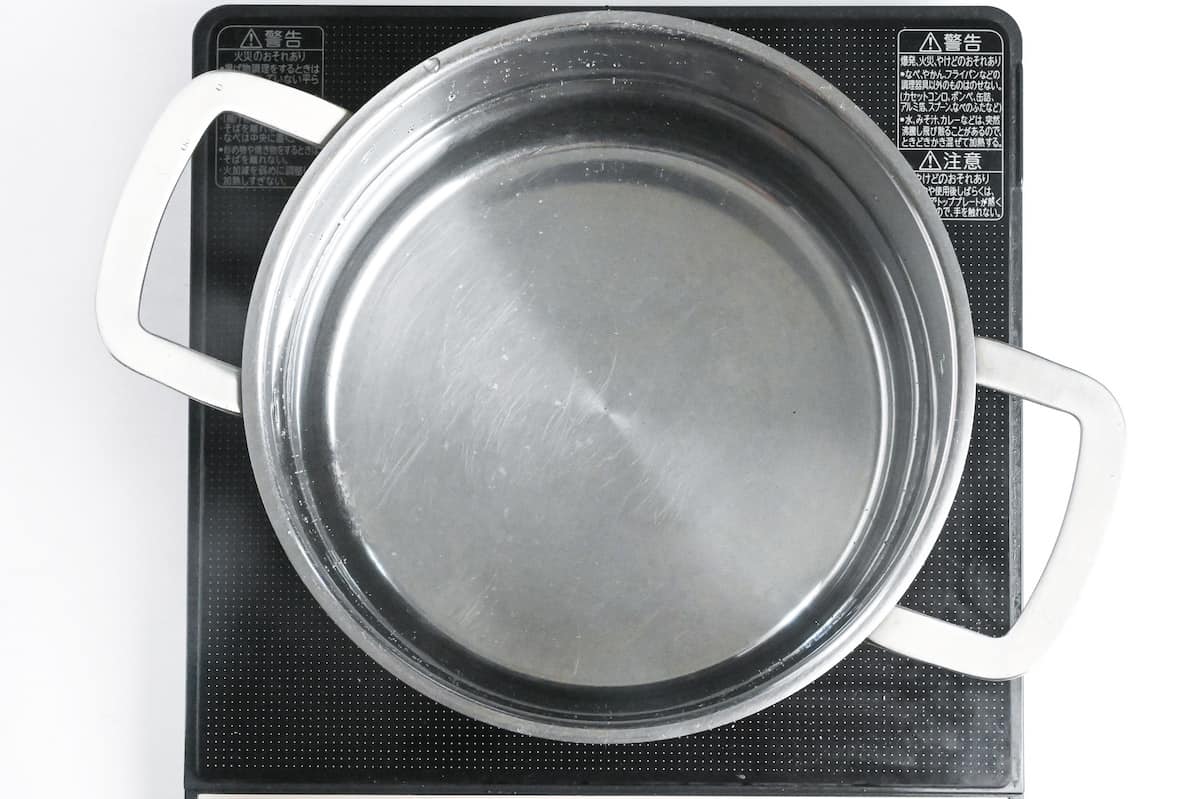
- Start heating a large pot of water (enough to submerge the pork). When it reaches boiling, reduce the heat to a simmer.
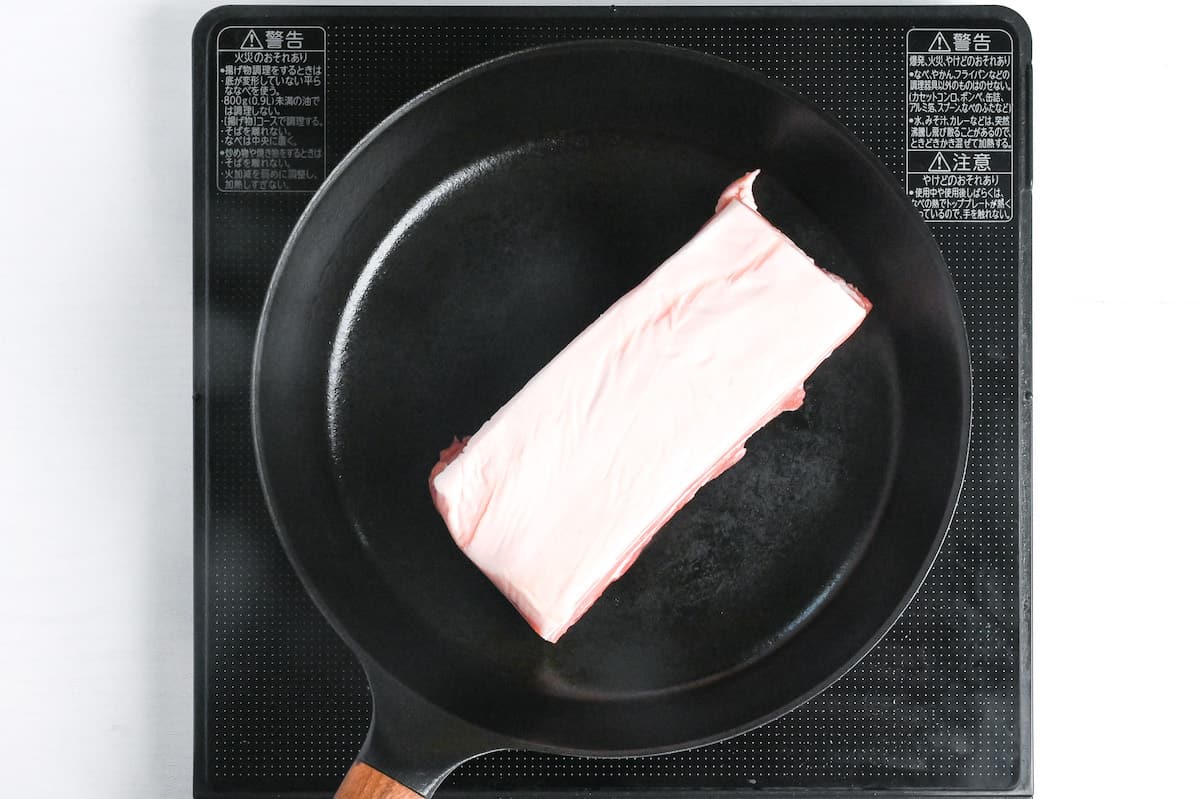
- Heat a frying pan on medium/medium-high and sear 600 g slab skinless pork belly on all sides.
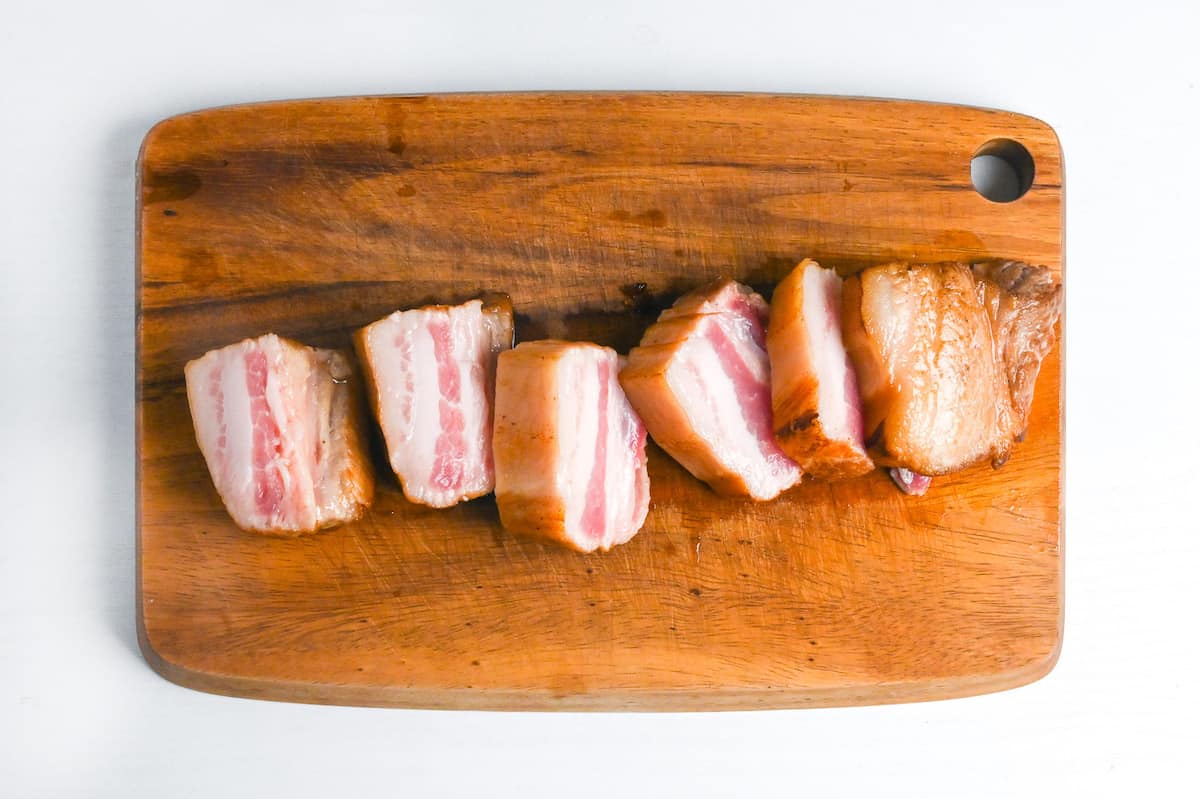
- Transfer the seared pork to a cutting board and let it cool for a few minutes. When it's cool enough to touch, cut it into chunks a little larger than bitesize.
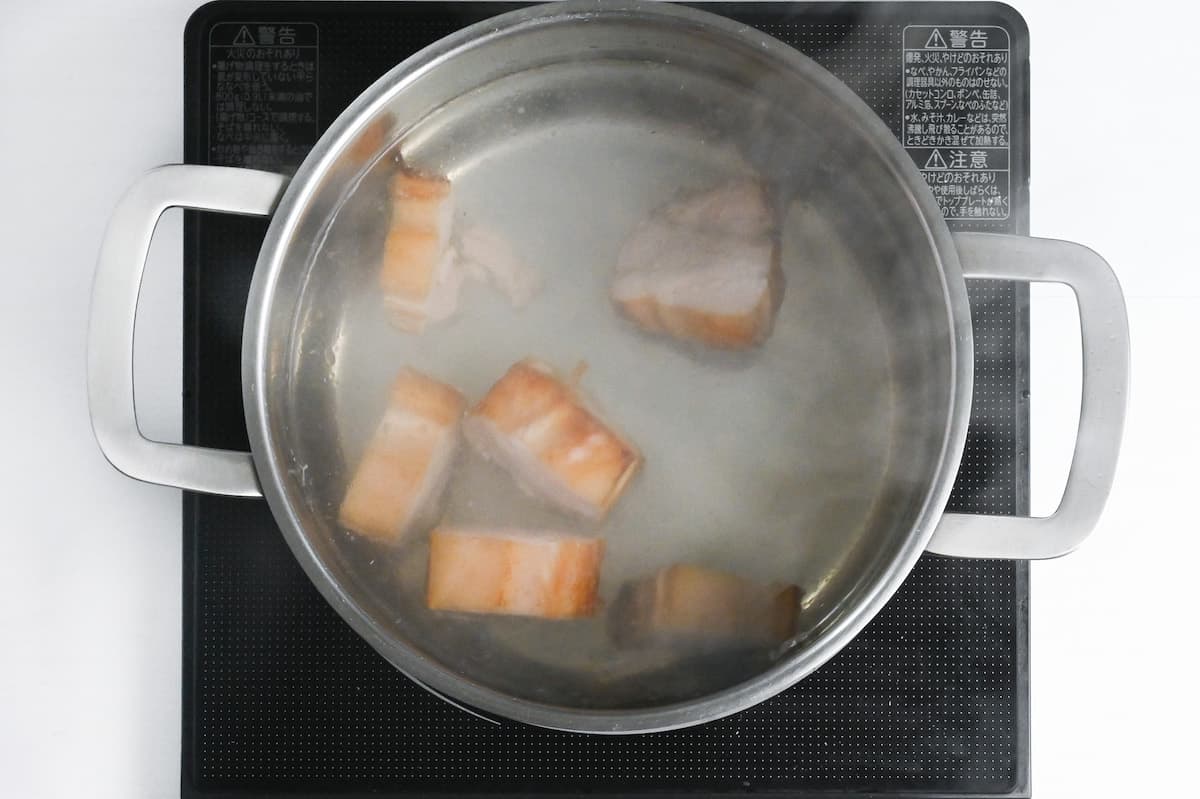
- Place the pork chunks in the pot of water and simmer for 10 minutes.
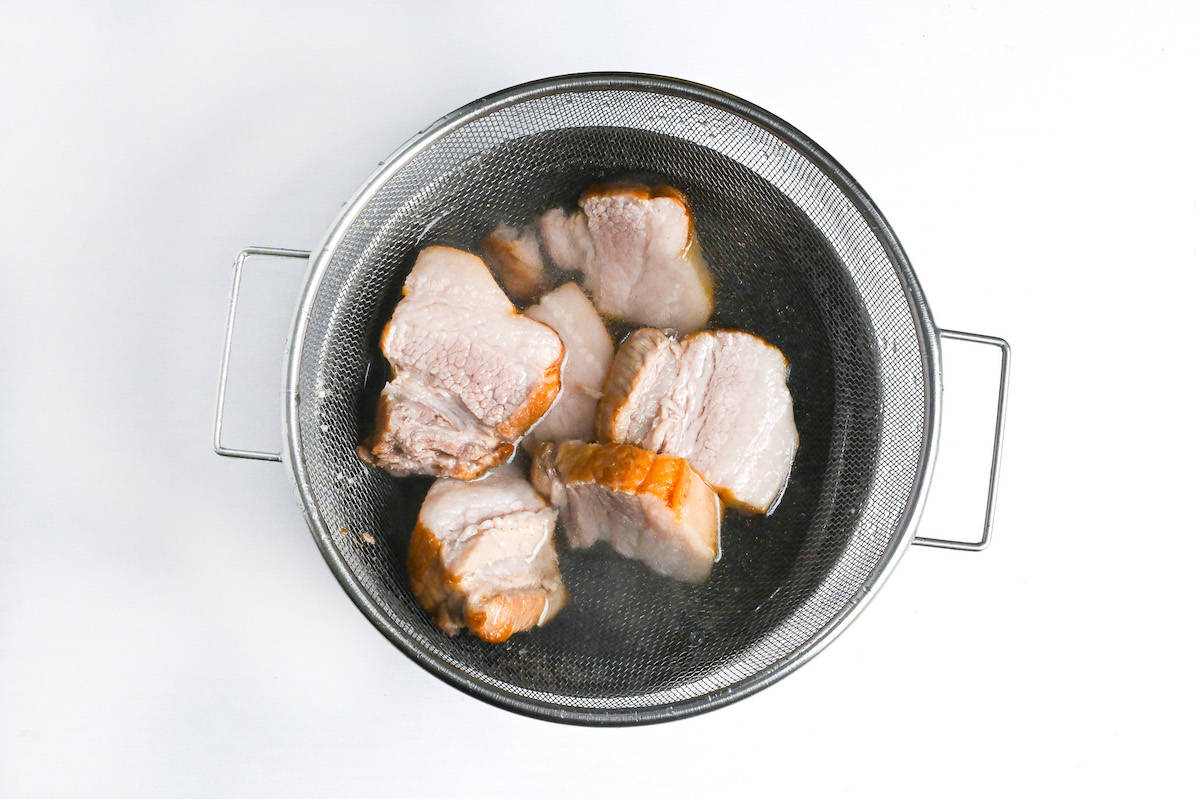
- Drain the pork in a colander and wash it with fresh cold water. Rinse out the pot, refill it with enough water to submerge the pork, and bring to boil once more.
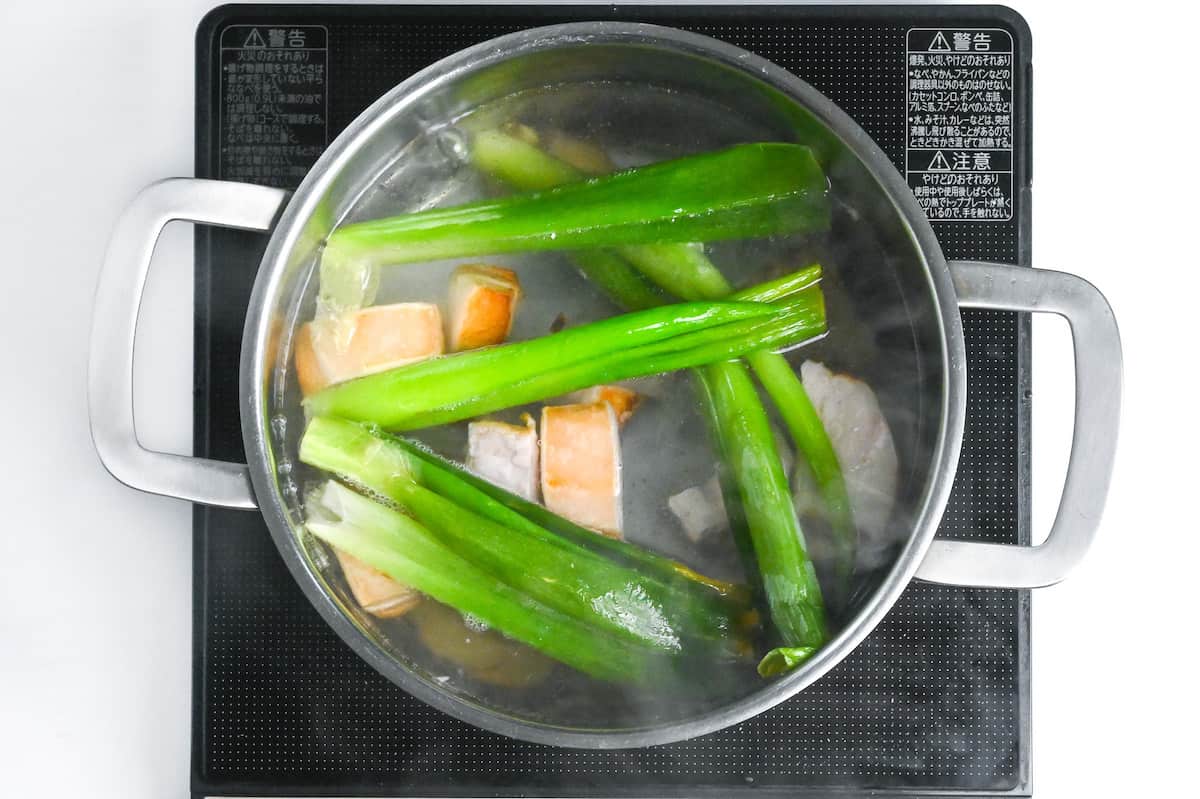
- Slice 30 g ginger root and break 1 Japanese leek (naganegi) into pieces small enough to fit in the pot. When the water starts to boil, add them to the pot along with the pork, and lower the heat. Simmer for one hour.Make sure the pork is always submerged and top up the water if necessary.
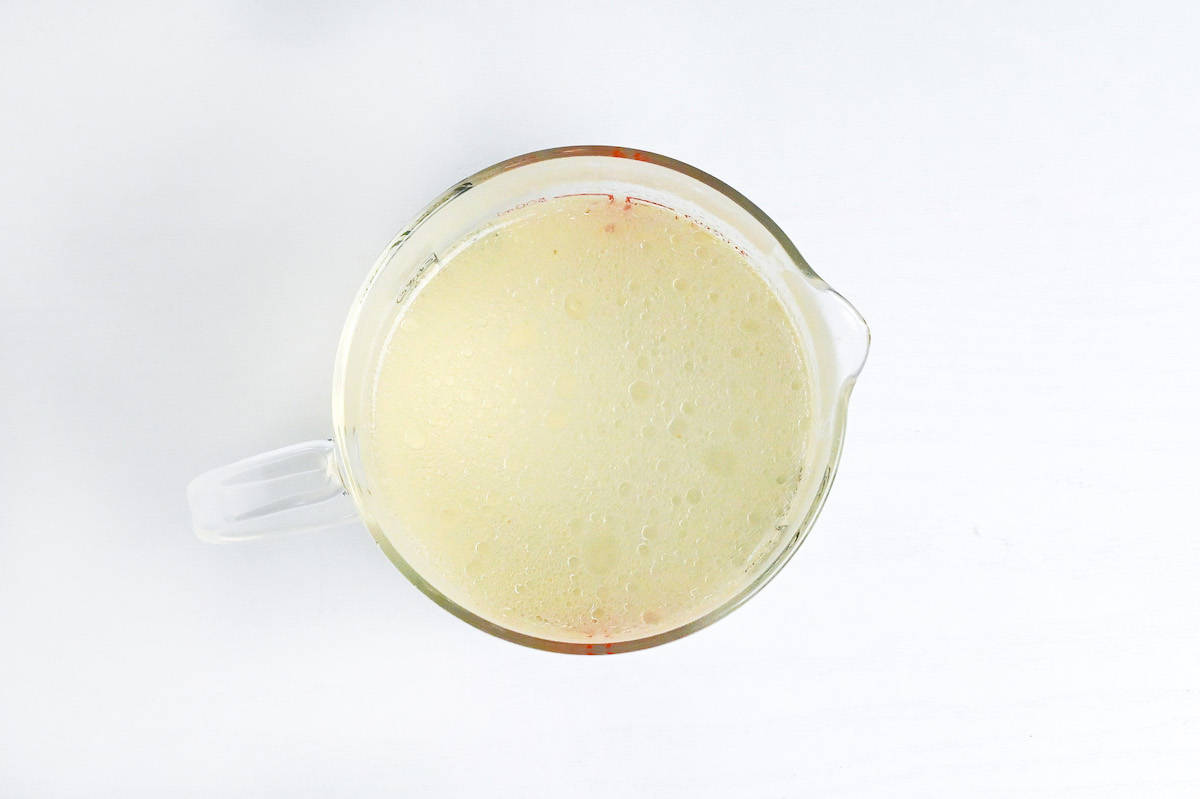
- After one hour, turn off the heat and reserve 500 ml pork broth from the pot.
Part 2
- Pour the reserved broth into a pot and add 100 ml lager beer, 1 tbsp honey, 2 tbsp light brown sugar and 100 ml Japanese soy sauce (koikuchi shoyu). Mix and bring to boil, then add the pork.
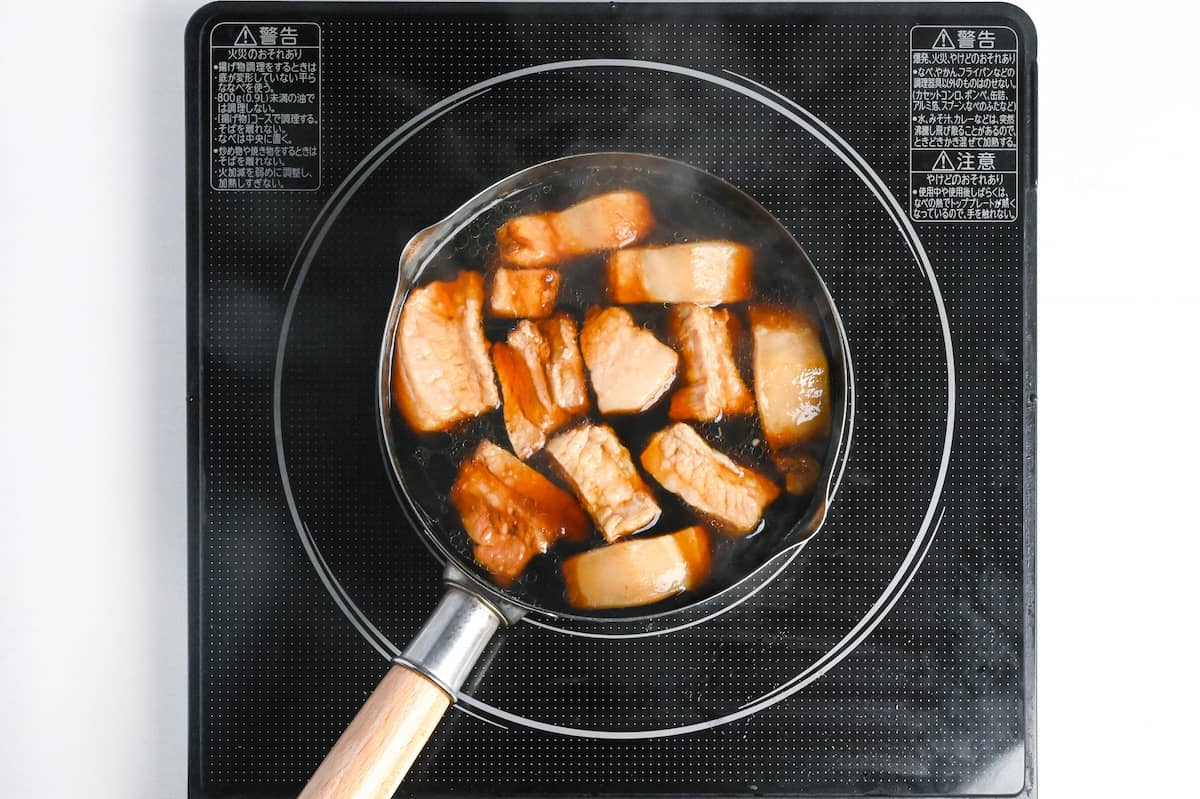
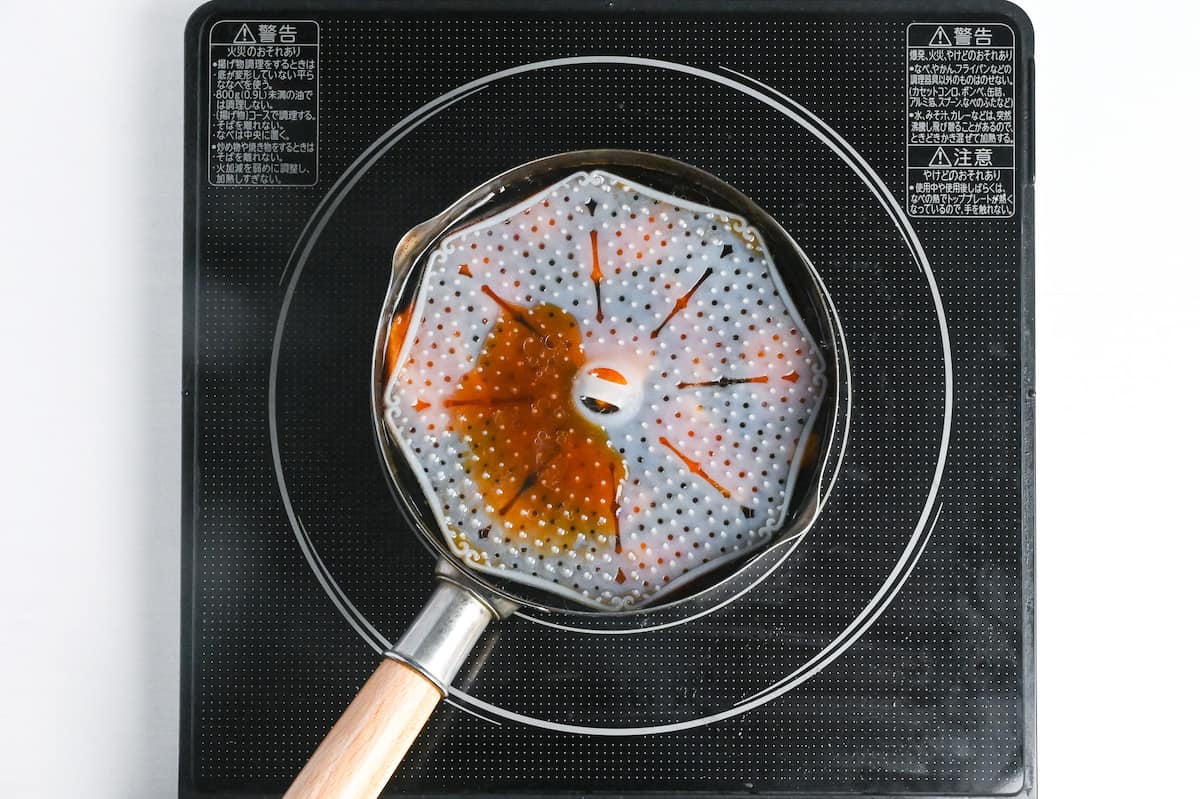
- Place a drop lid on top of the pork and simmer on low for 30 minutes.After 30 minutes, turn off the heat and leave to cool. Once cool, add 4 soft-boiled eggs (optional), cover and marinate in the fridge for 1 hour.
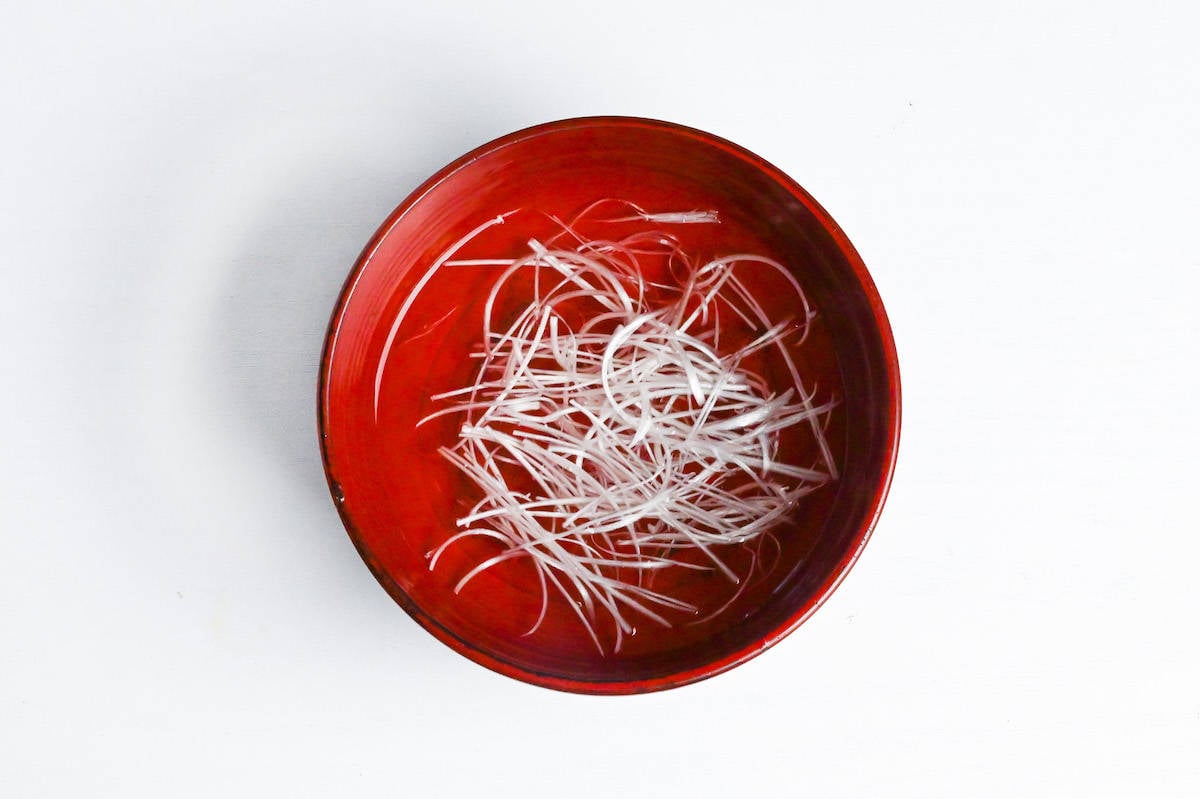
- If you want to garnish with "shiraganegi", cut the white part of a Japanese leek (naganegi) into thin strips and soak in lightly salted water for 5 minutes before serving.
- After marinating, return the pot to the stove and heat on medium until warmed through. Pull the eggs out early to prevent overcooking.
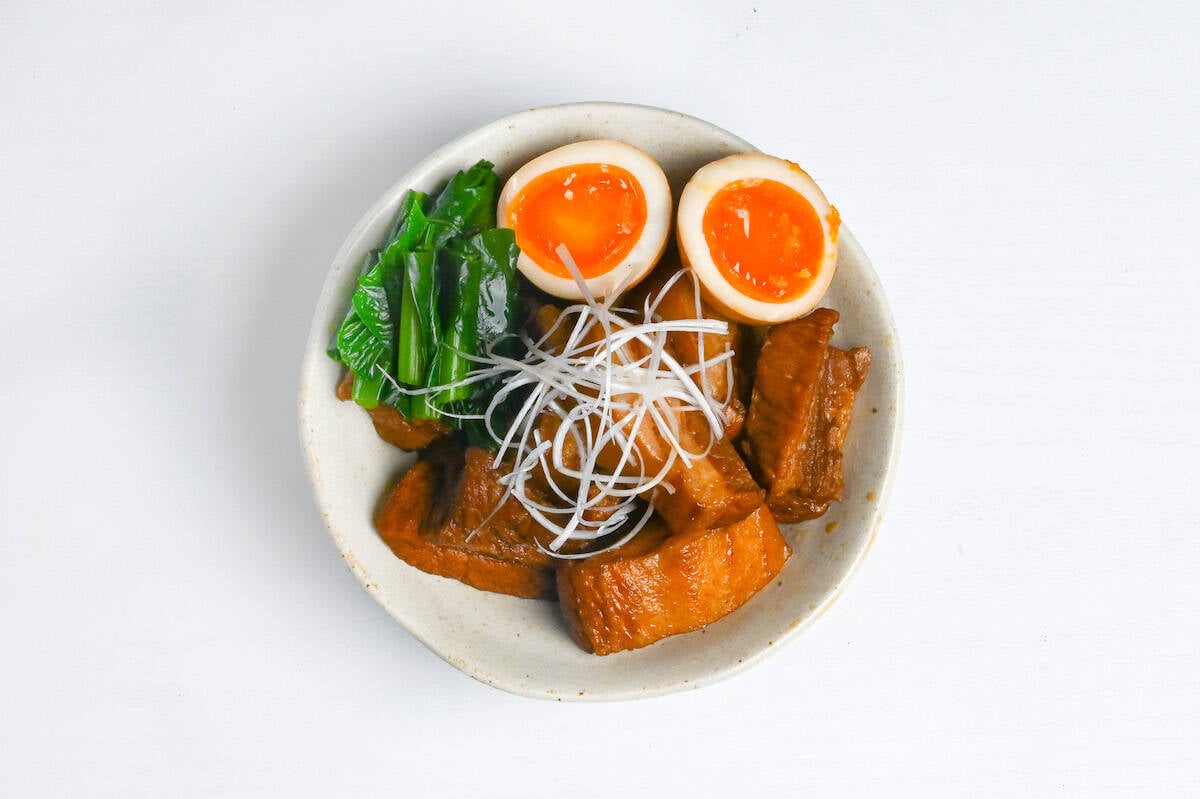
- Dish up and serve with Japanese mustard (karashi). Enjoy!
Notes
Keep the liquid at a lazy simmer (around 90°C) with only occasional bubbles "winking" at the surface, never a rolling boil. Boiling tightens muscle fibers and forces moisture out, leaving you with tough, dry pork no matter how long you cook.
Resting the braise allows flavors to equilibrate deeper into the meat as it cools, firms the gelatin so cubes hold their shape during reheating, and gives you the perfect opportunity to lift off solidified fat for a cleaner, brighter-tasting sauce.
Scaling: If you increase the pork, increase the broth in Part 2 accordingly. The meat must stay submerged throughout braising.
Nutrition note: A significant amount of braising liquid remains unconsumed. Nutritional values are calculated based on 25% consumption of the cooking liquid.
Full Recipe QR Code↑↑