Eggplant Tempura (Nasu no Tempura)
Ingredients
- 75 ml cold water thoroughly chilled
- 50 ml carbonated water thoroughly chilled
- 15 g cornstarch
- 75 g unbleached cake flour or pastry flour, low-protein, around 7-8%, plus extra for dusting
- 250 g eggplants Japanese eggplant, or Chinese or Italian eggplant
- 1 egg yolk or ½ tbsp Japanese mayonnaise for 1 egg yolk
- 2 ice cubes optional
- cooking oil neutral, for frying
Instructions
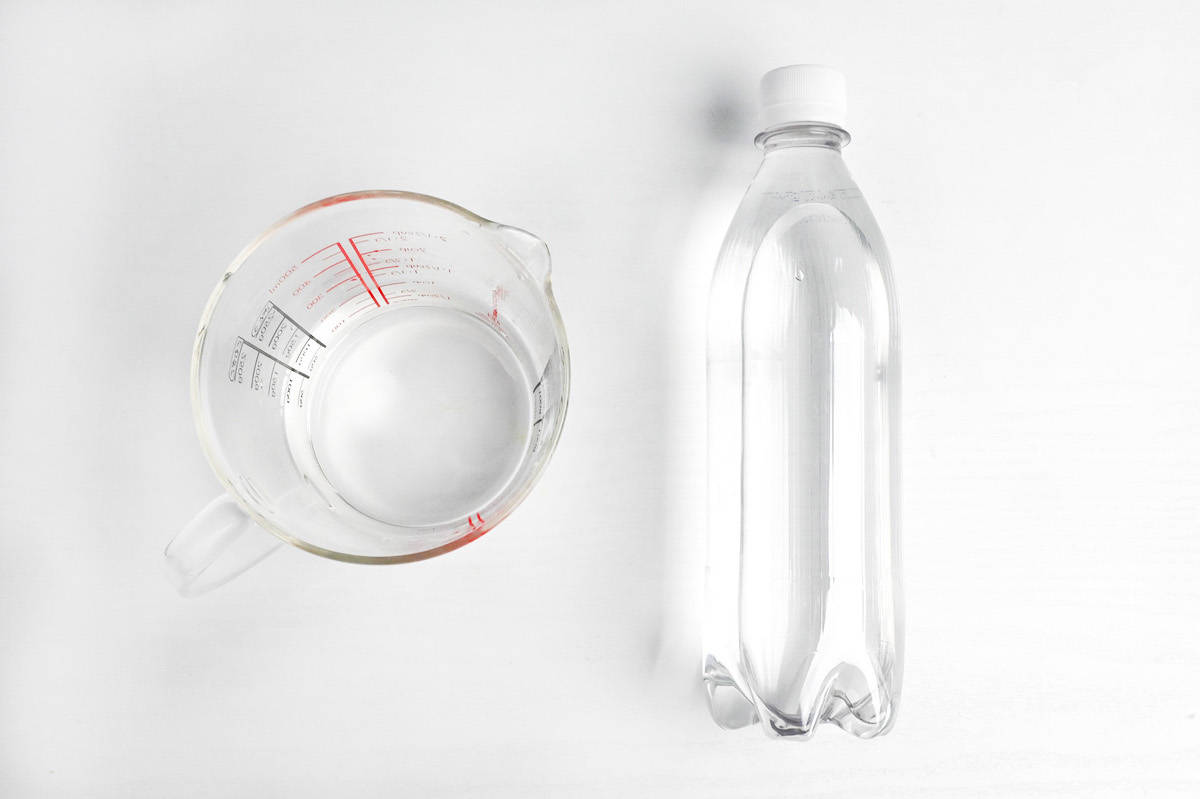
- Measure 75 ml cold water into a jug and put it in the refrigerator. Put 50 ml carbonated water in with it, still sealed, and chill both for 20 to 30 minutes.
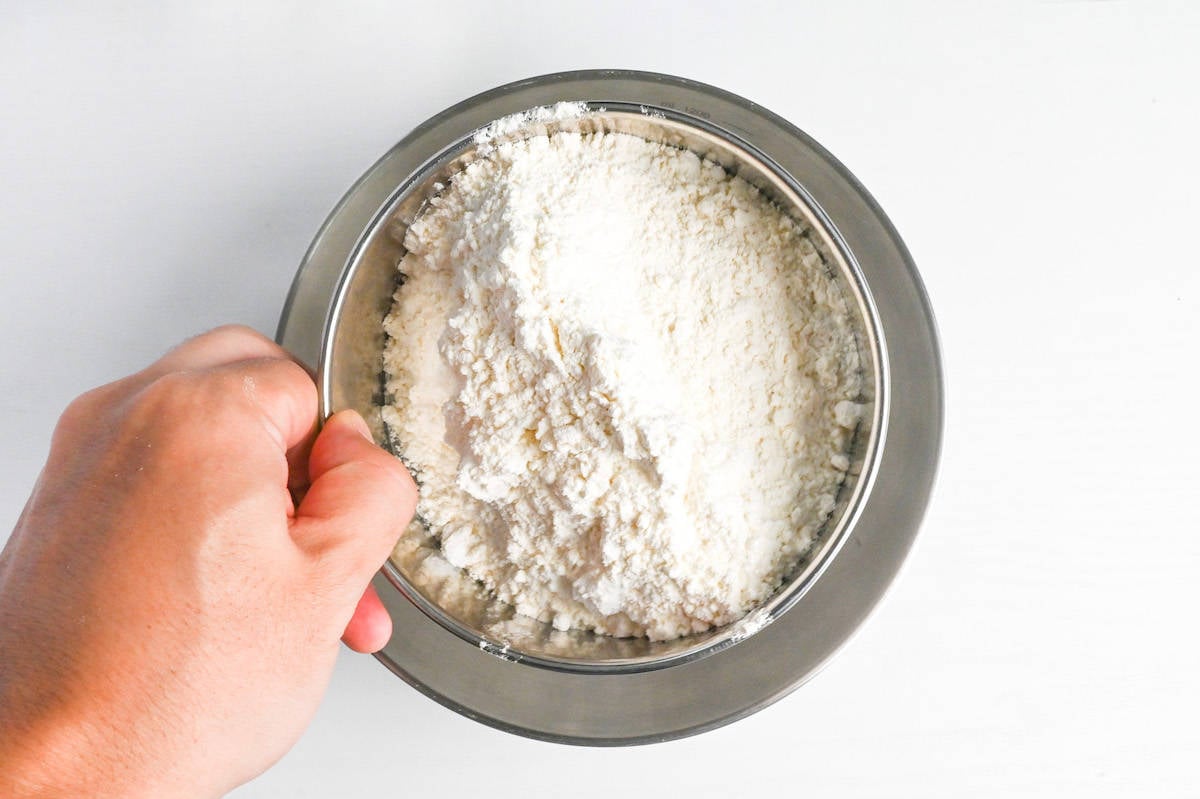
- Sift 15 g cornstarch and 75 g unbleached cake flour together into a bowl and chill the bowl for the same time. Keep 1 egg yolk cold as well.
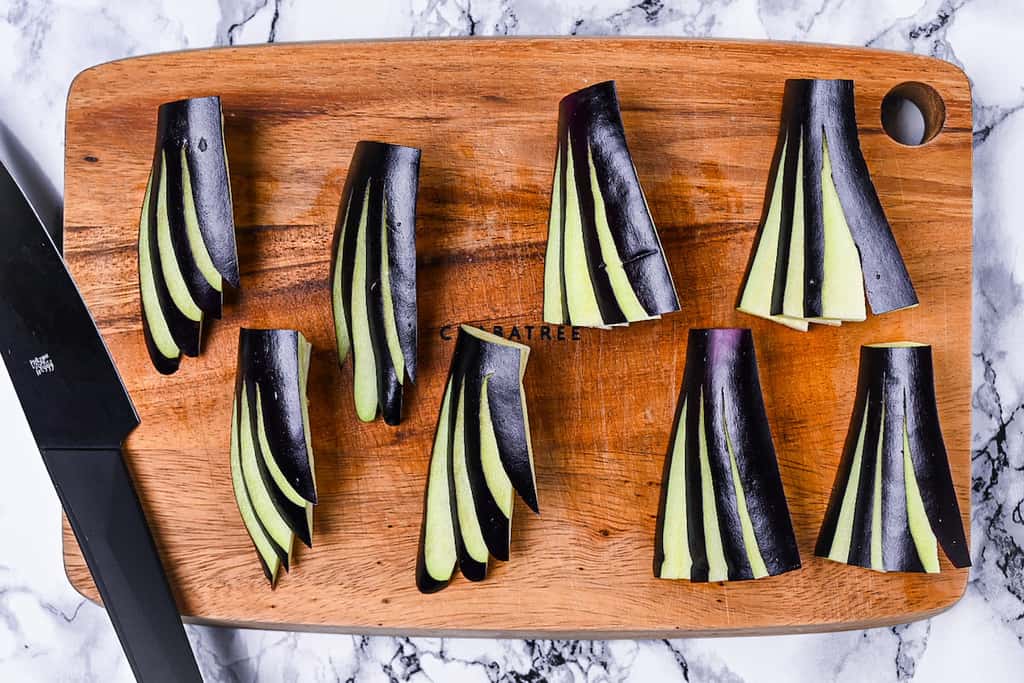
- While they chill, cut 250 g eggplants. For the fan cut, trim off the stem end and halve it lengthways. Halve it crossways if it is long and once more lengthways if it is thick. Leaving 1 cm at the top, cut slices 5 mm apart and press gently to fan them open.
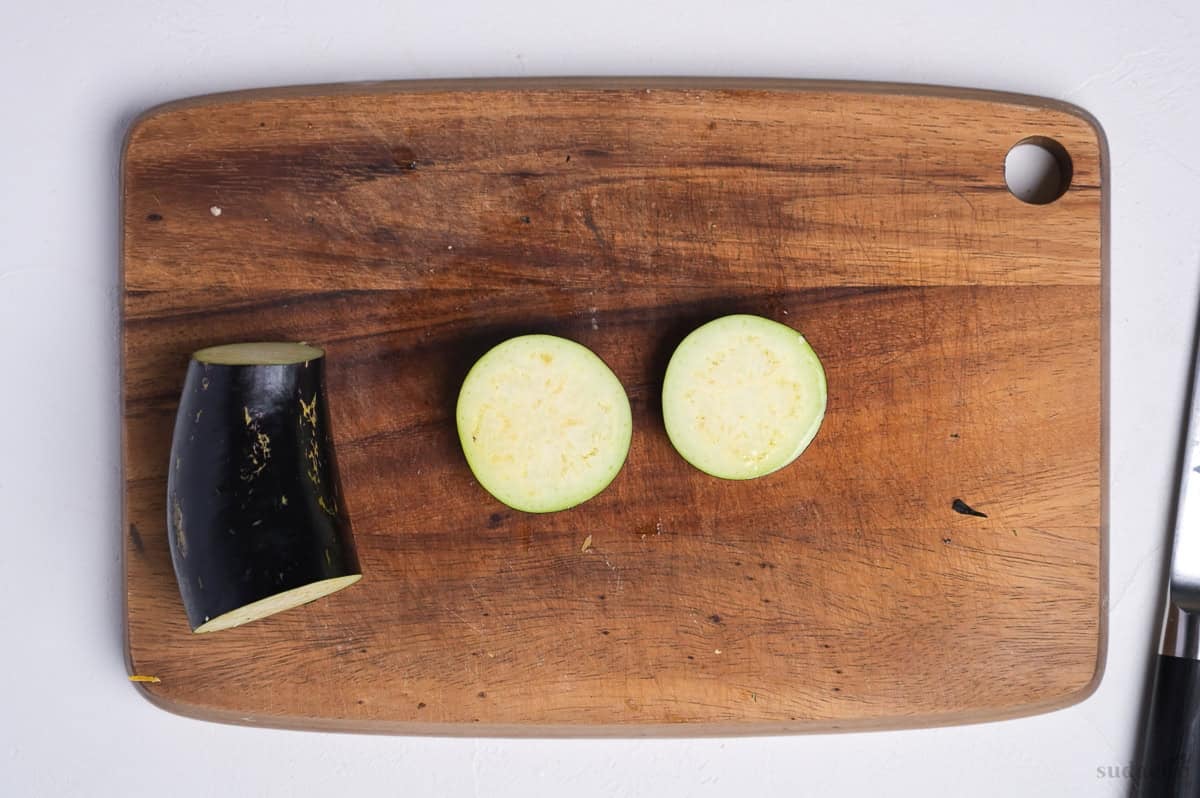
- For thick rounds, cut it into rounds 2 to 3 cm thick. For thin slices, shave it paper thin with a mandoline or a peeler.
- Soak the eggplants in cold water with a pinch of salt for 5 to 10 minutes.
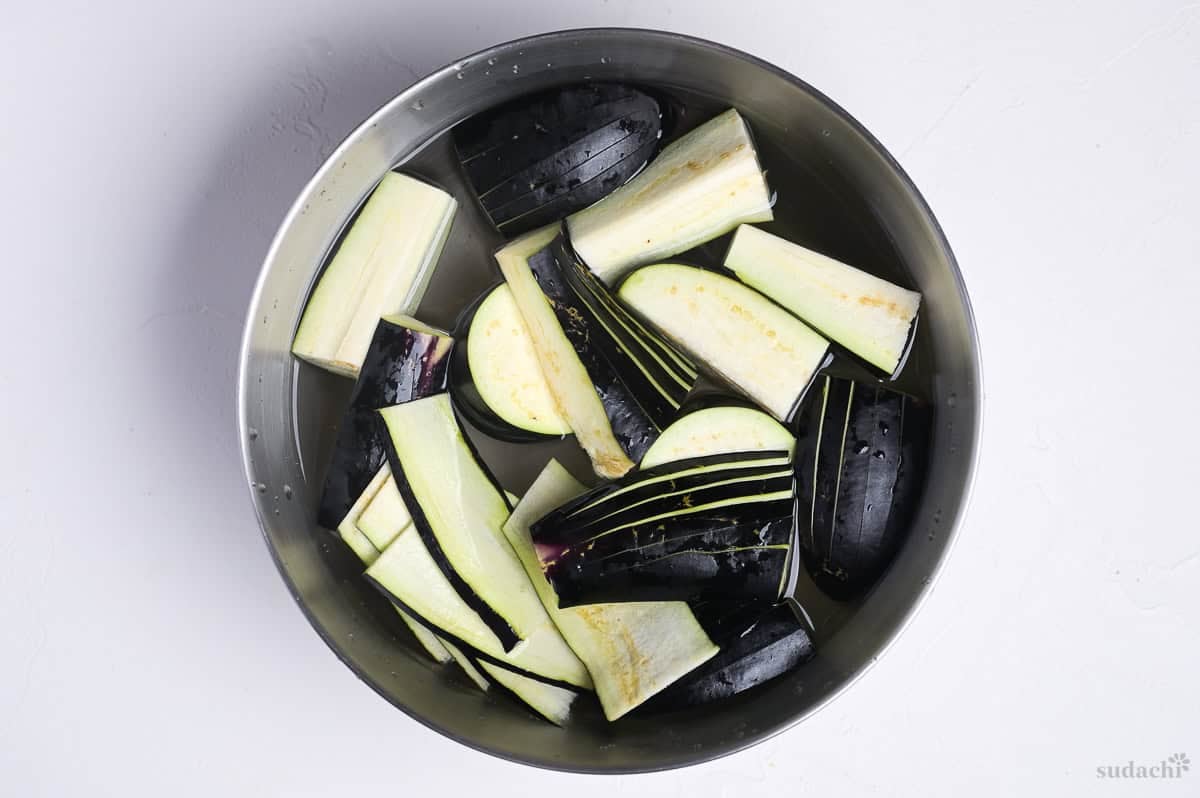
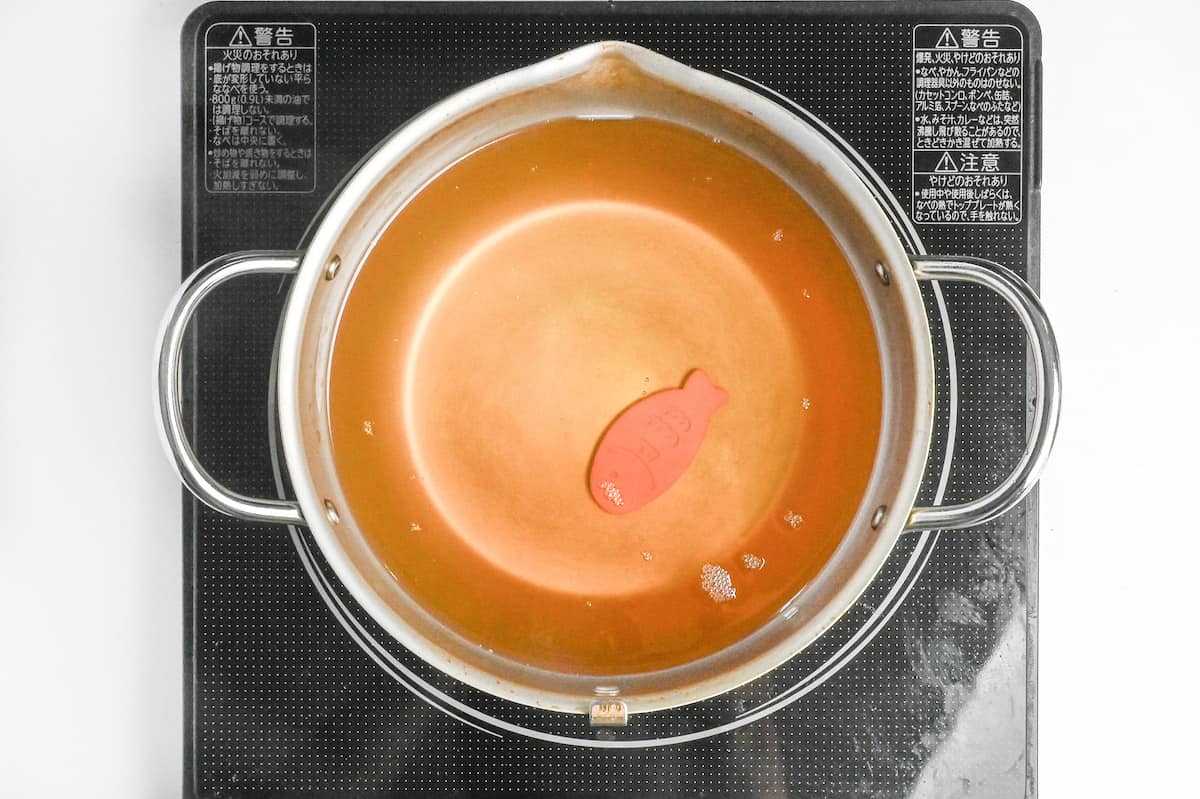
- Once the flour and the water have chilled for 30 minutes, start heating the cooking oil to 175 °C (347 °F).
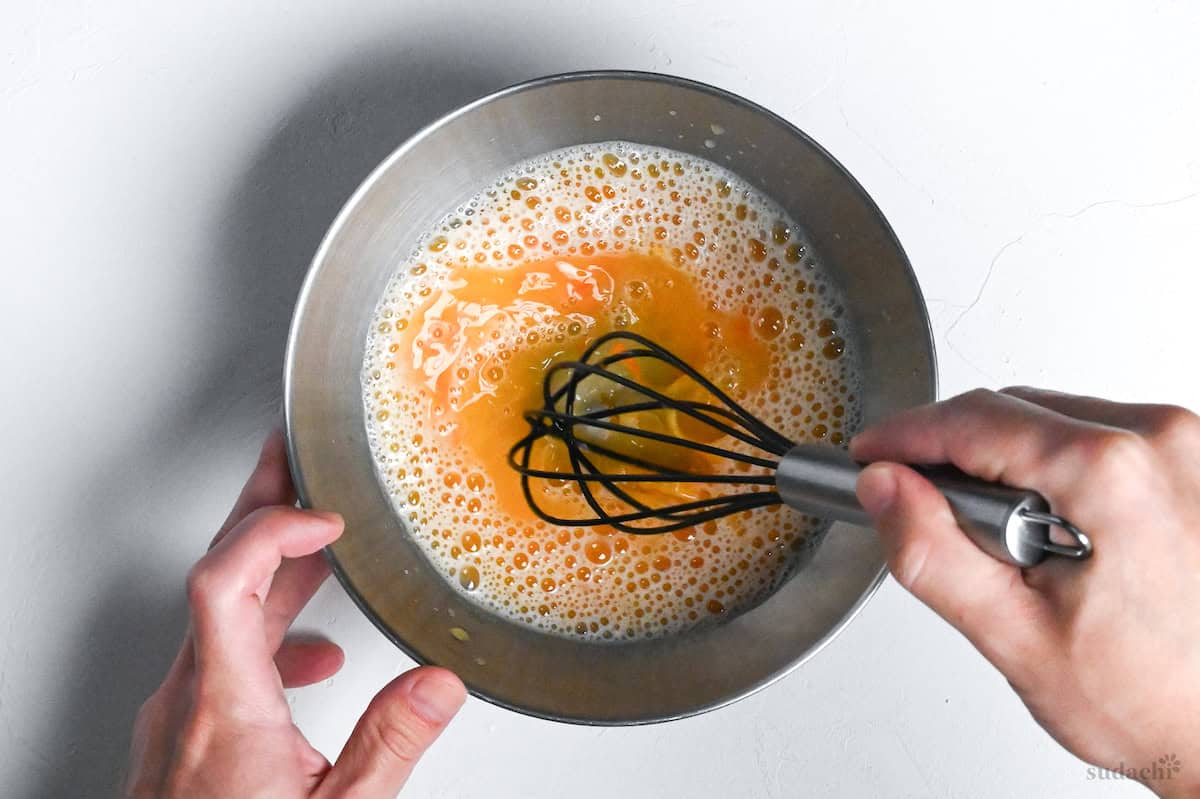
- Pour the chilled water and carbonated water into a bowl and drop in the cold egg yolk, beat it smooth.
- Add the chilled dry mix in 3 additions, drawing crosses through the bowl with chopsticks. Stop while small lumps are still dotted through it. Drop in 2 ice cubes if you want the batter colder.

- Drop a bead of batter into the oil. It is at the correct temperature when the batter sinks partway and comes straight back up. Once it's fully heated, wipe the eggplant with paper towels, dust it thinly with flour and knock off the excess.
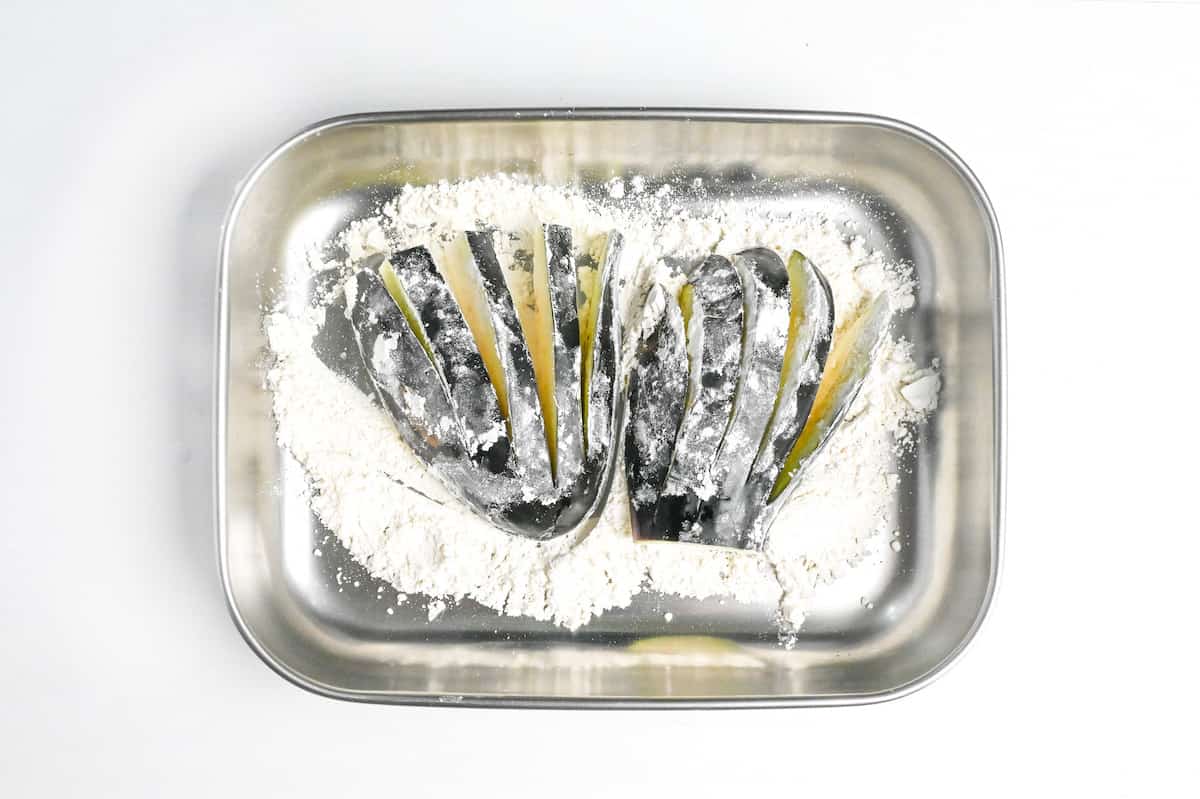
- Dip the pieces in the batter and lower the fan cut in flesh side down. Do not crowd the surface of the oil. Fry the fan cut and the thick rounds 1 minute per side, and the thin slices 30 seconds per side. Between batches, store the bowl of batter in the refrigerator.
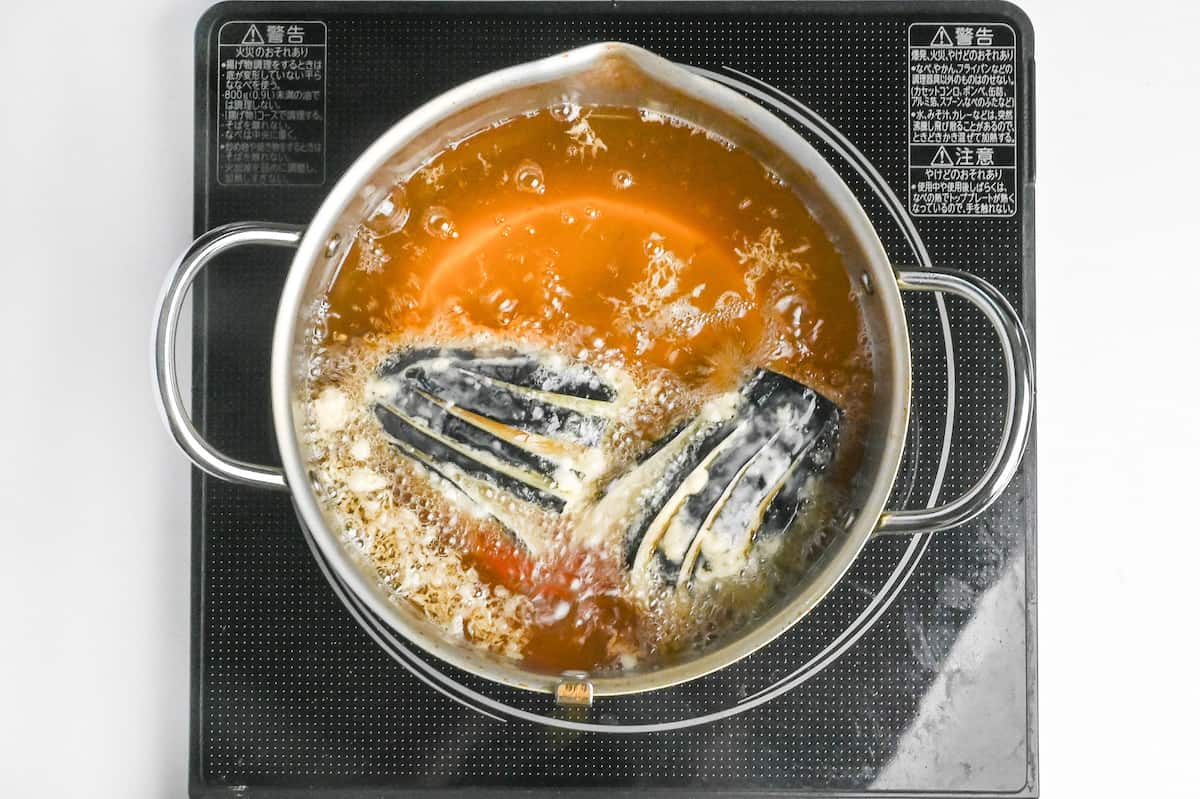
- Move each piece to a wire rack as it comes out and let the oil drip off. Serve it hot with tentsuyu dipping sauce or salt. Enjoy!
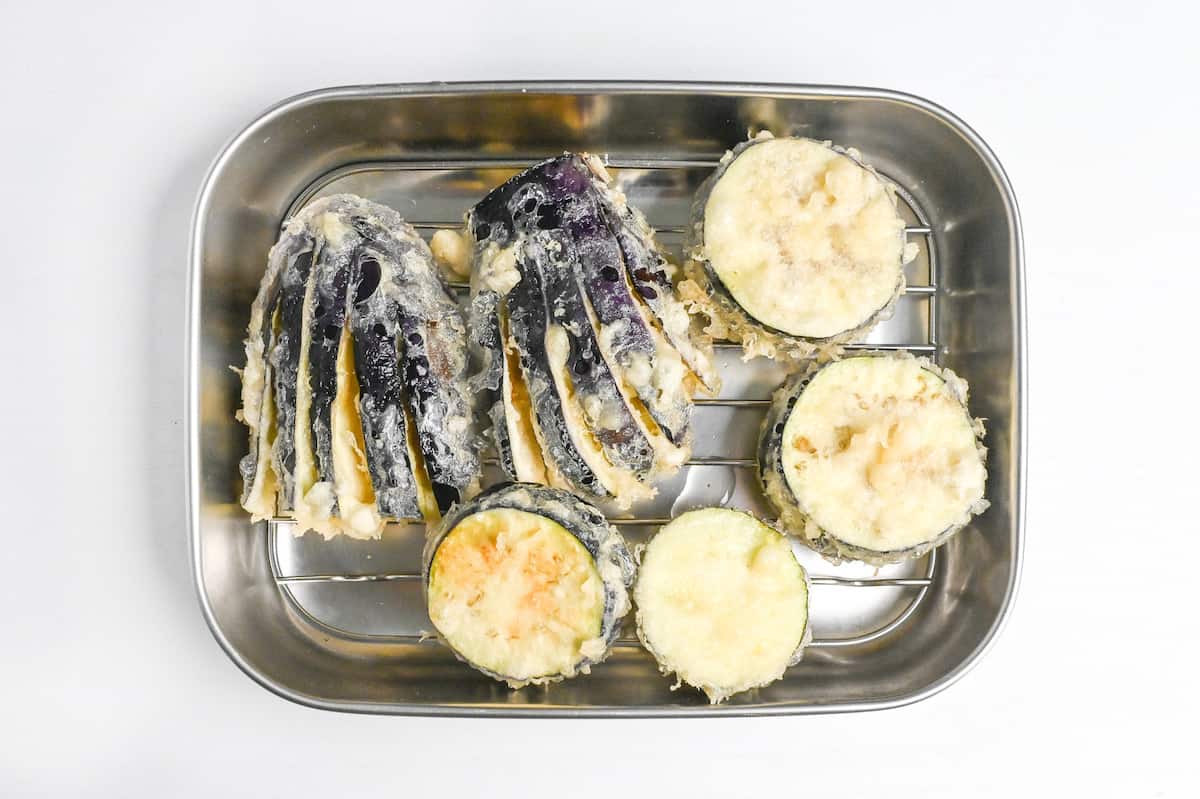
Notes
Avoid bleached cake flour: Avoid bleached or chlorinated cake flour as it changes the texture. Also avoid self-rising, whole wheat pastry, and gluten-free blends. For UK/AU readers, plain flour works. See for details.
Wipe the cut faces before you dust: Eggplant is mostly water, and a cut face goes damp as fast as you dry it. Water left on it flashes to steam in the oil, prying the batter off and throwing oil out of the pot.
Leave the lumps and mix it last: Stop while small lumps still dot the bowl. Once it turns smooth all through you have overmixed, and frying will not undo it. Batter that sits after mixing ends up in the same place.
Let the bubbles and the sound decide: Straight in, the bubbles are large and the sound is wet and heavy. As the water leaves, they turn fine and the sound goes light. Lift it there, while the batter is still pale.
When Japanese eggplant is not on the shelf: Chinese eggplant is the closest, Italian eggplant next. On a globe (American) eggplant day, cut thinner, salt the surface as the steps say, and wipe off the water that beads up before you batter it.
Full Recipe QR Code↑↑