
Duck soba noodles soup (kamo nanban soba)
Ingredients
- 300 g duck breast skin on
- salt and pepper
- 1000 ml dashi stock
- 150 g Japanese leek (naganegi) or regular leeks, white part, cut into 5cm pieces
- 6 tbsp mirin
- 3 tbsp Japanese dark soy sauce (koikuchi shoyu)
- 2 tbsp Japanese light soy sauce (usukuchi shoyu)
- 4 portions soba noodles
- finely chopped green onions green part to garnish
- Japanese chili powder (shichimi togarashi) shichimi togarashi, to garnish
Instructions
- Take 300 g duck breast from the fridge and trim any protruding fat or tendons. Make shallow incisions across the skin/fat layer, about 0.5cm apart in a crosshatch pattern, making sure not to cut too deep. Place the duck and offcuts in a sealed container and bring to room temperature (30-60 minutes depending on environment).
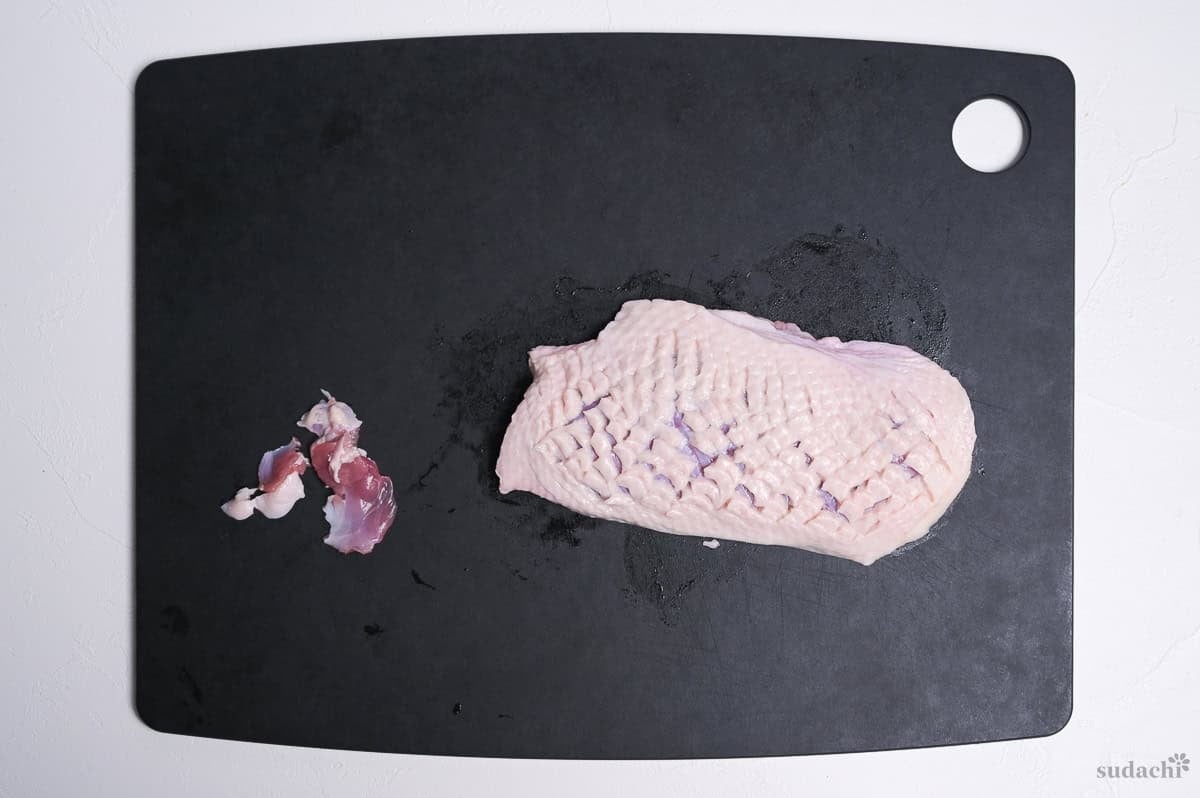
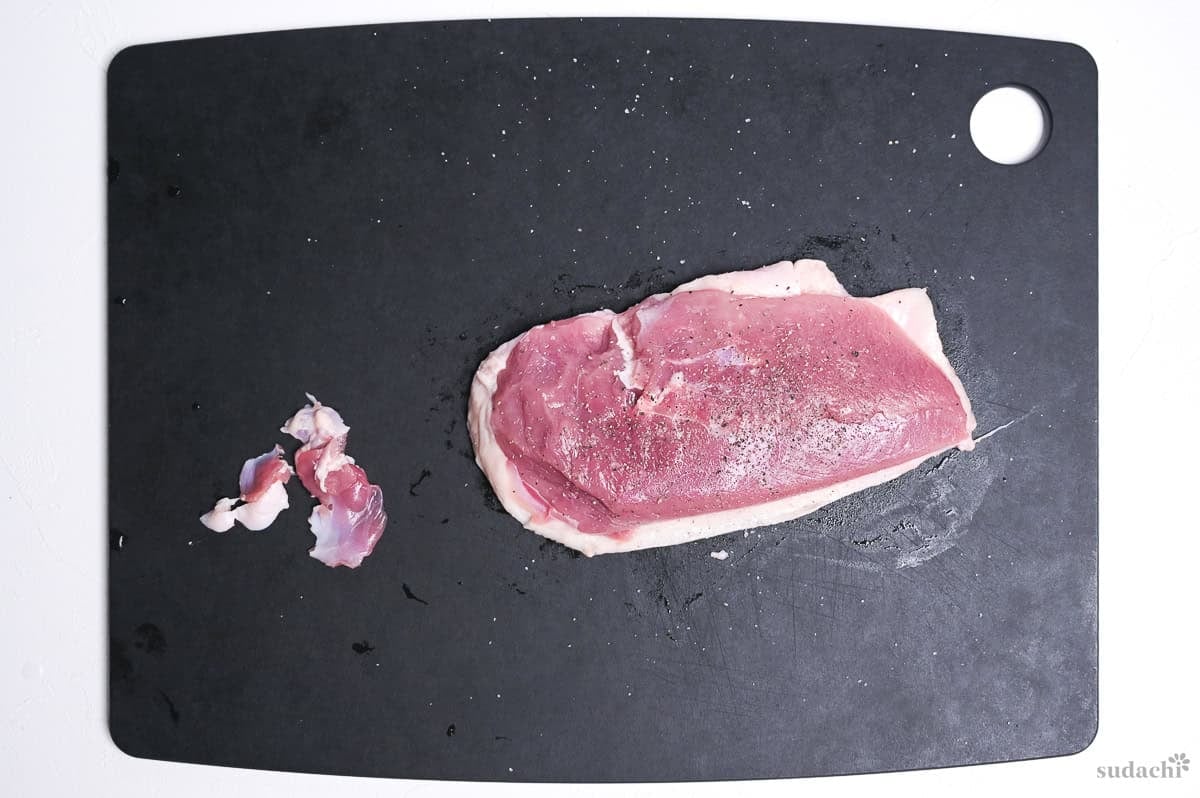
- Once at room temperature, take the duck out of the container, pat it dry all over and sprinkle with a few pinches of salt and pepper on the meat side, just salt on the fat. Save the offcuts for later.
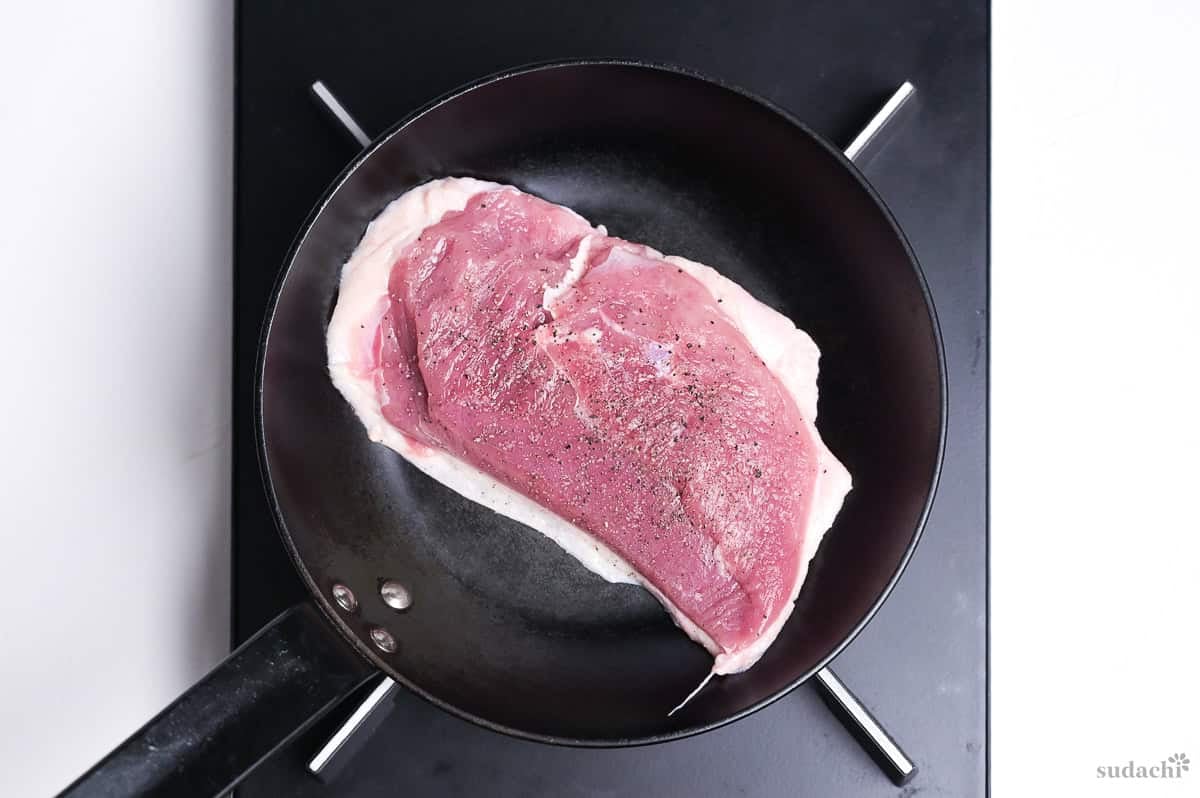
- Place the duck inside a cold skillet with the skin-side facing down. Heat on the stove over medium-low. When it starts to gently sizzle, set a timer for 10 minutes and let it cook undisturbed.
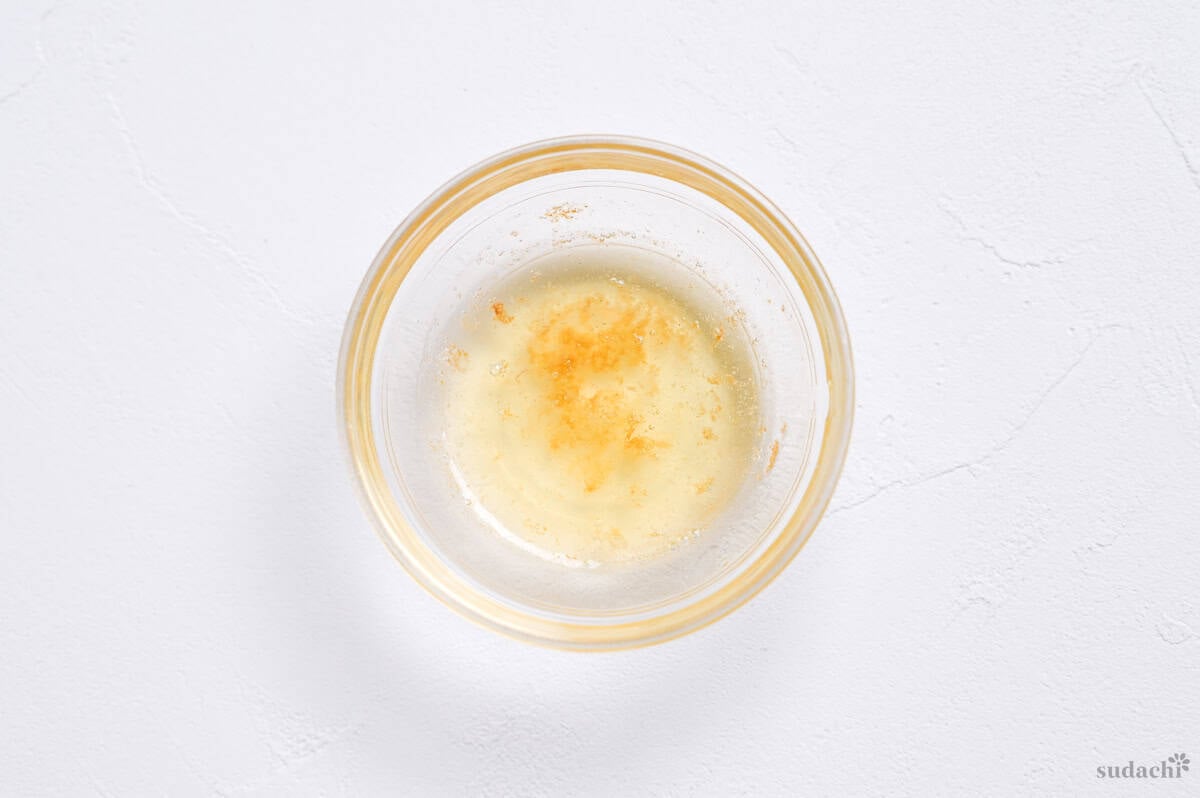
- Check the condition every 3-4 minutes and pour out excess rendered fat into a heatproof bowl, but save a little for basting later. Adjust the heat if needed, it should be sizzling quietly not aggressively.
- After 10 minutes have passed, tilt the pan to pool the rendered fat, scoop it with a spoon and baste the top of the meat for about 2 minutes to gently cook the top. Flip and cook underneath for just 1 minute to sear.
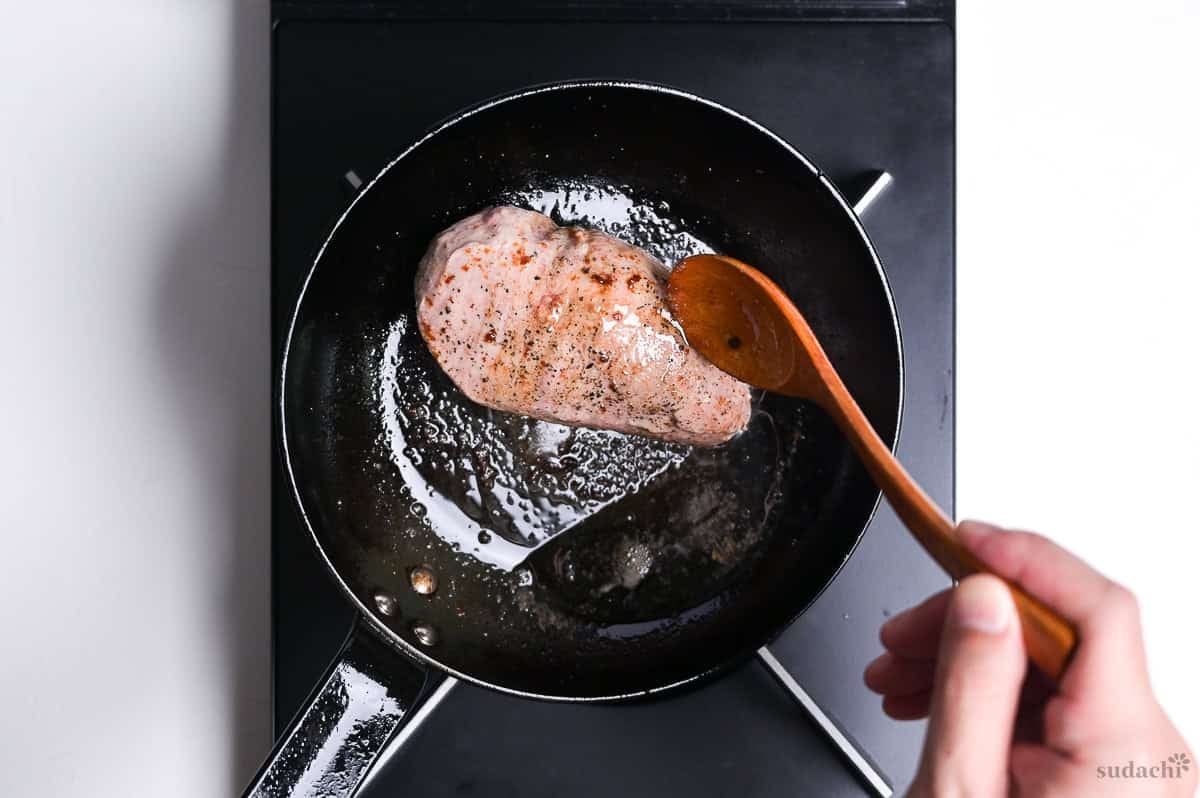
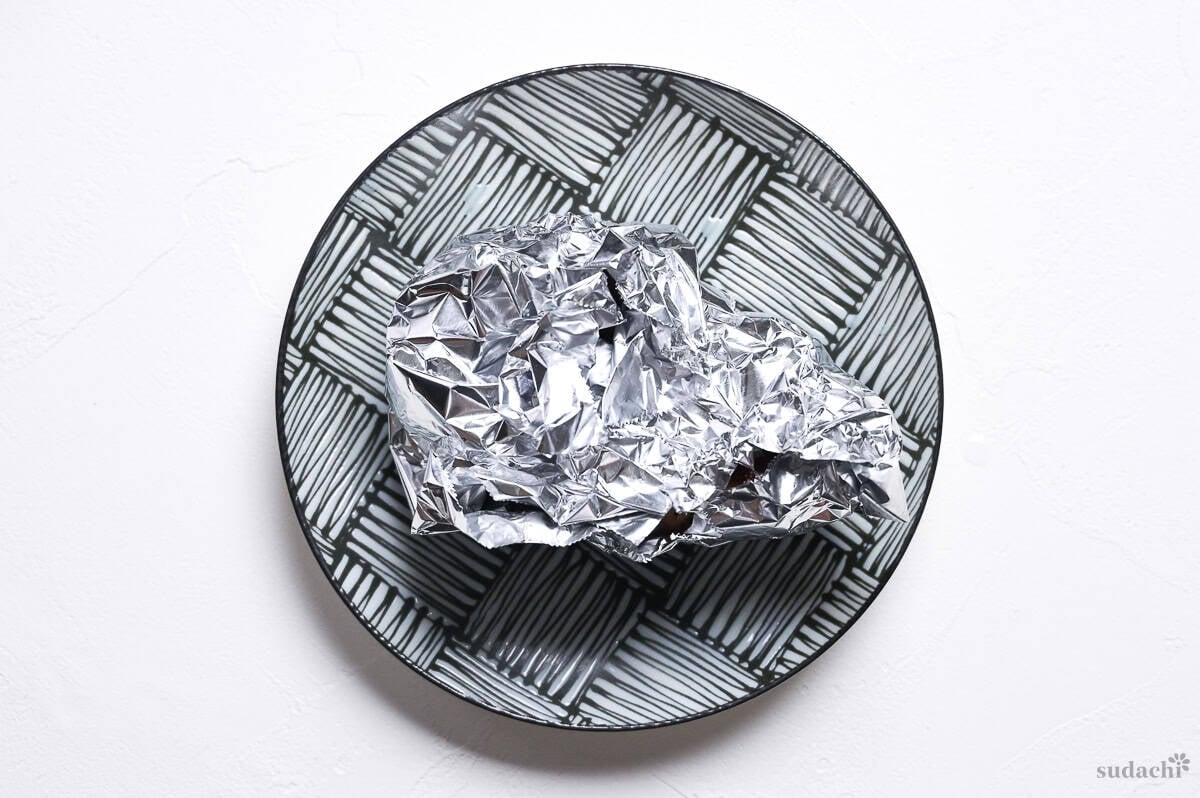
- Transfer the cooked duck to a plate with the skin side facing up and loosely wrap with foil. Rest for 10-15 minutes. Pour out excess rendered fat, but save a thin layer. We will reuse the pan later.
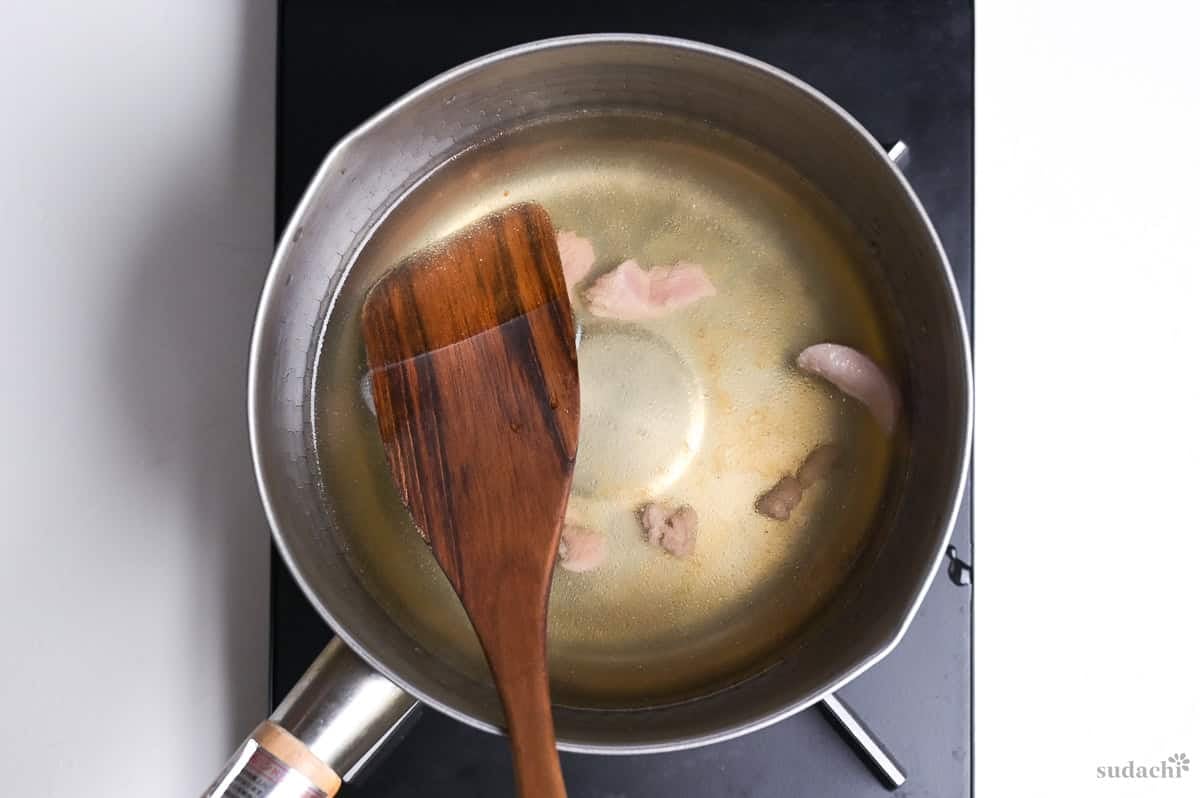
- Optional step: Heat a separate pot over medium and add the duck offcuts from earlier. Once they're lightly seared, add 1000 ml dashi stock and bring to a gentle simmer, then turn off the heat and leave to rest for 10 minutes.
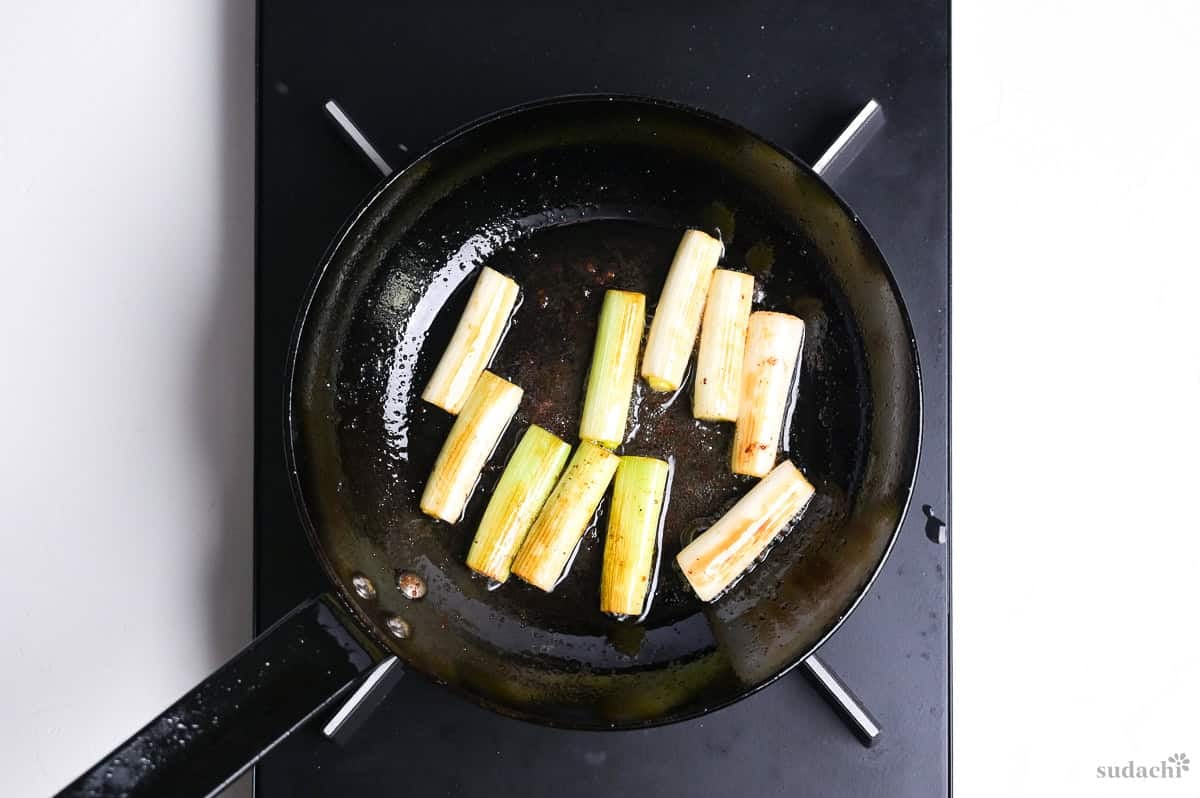
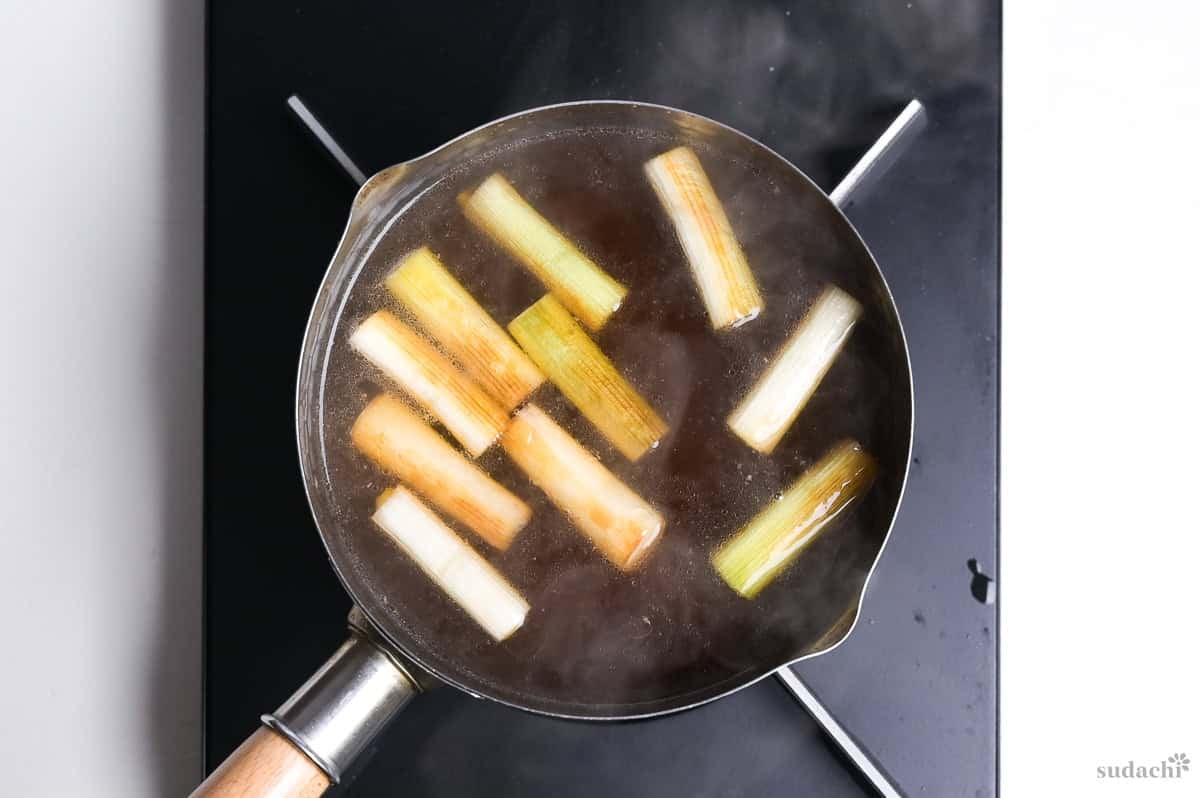
- Cut 150 g Japanese leek (naganegi) into 5cm (2 inch) pieces. Place them in the pan with rendered duck fat, and fry over medium heat. Turn occasionally until nicely charred all over.
- Boil 6 tbsp mirin in a separate pan for 2 minutes. Add 3 tbsp Japanese dark soy sauce (koikuchi shoyu) and 2 tbsp Japanese light soy sauce (usukuchi shoyu) and bring to a boil once more.
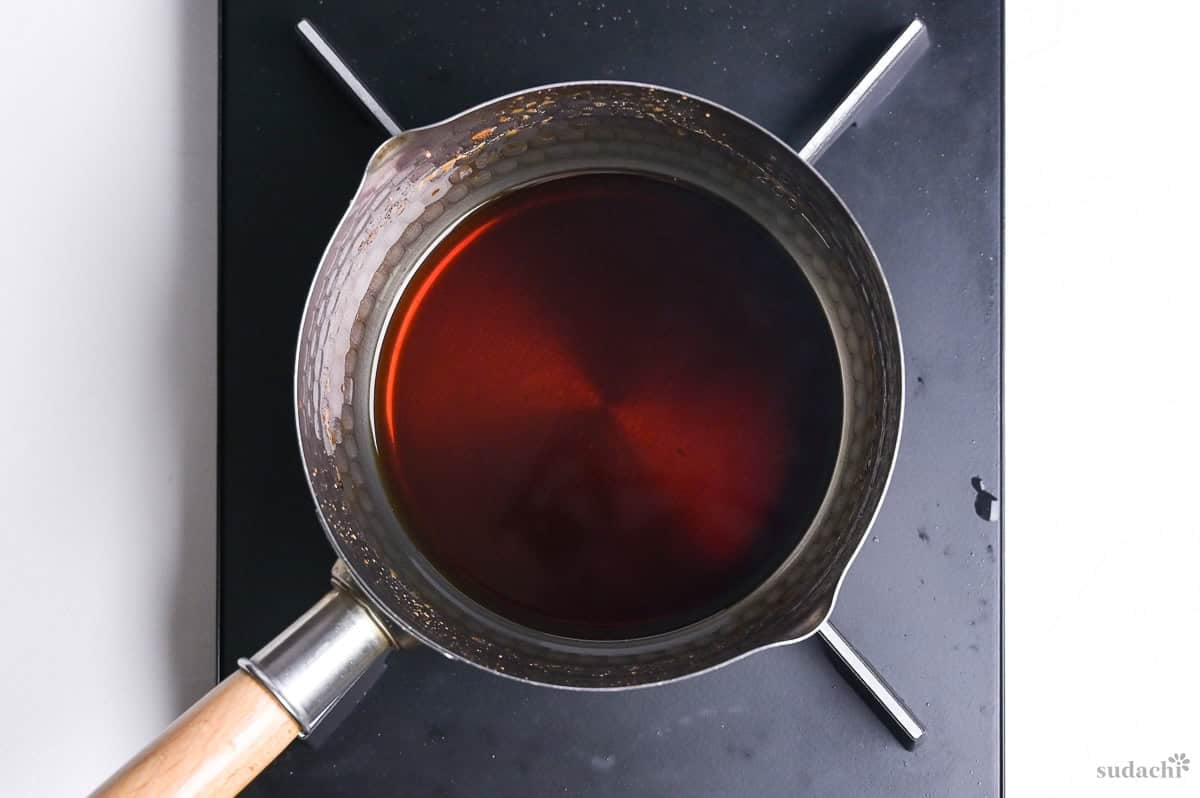
- Remove the offcuts from the dashi and pour it into the mirin and soy sauce mixture. Add the charred leek, and warm the broth to a gentle simmer. Turn off the heat and keep the pan warm on the stove while you cook the noodles.
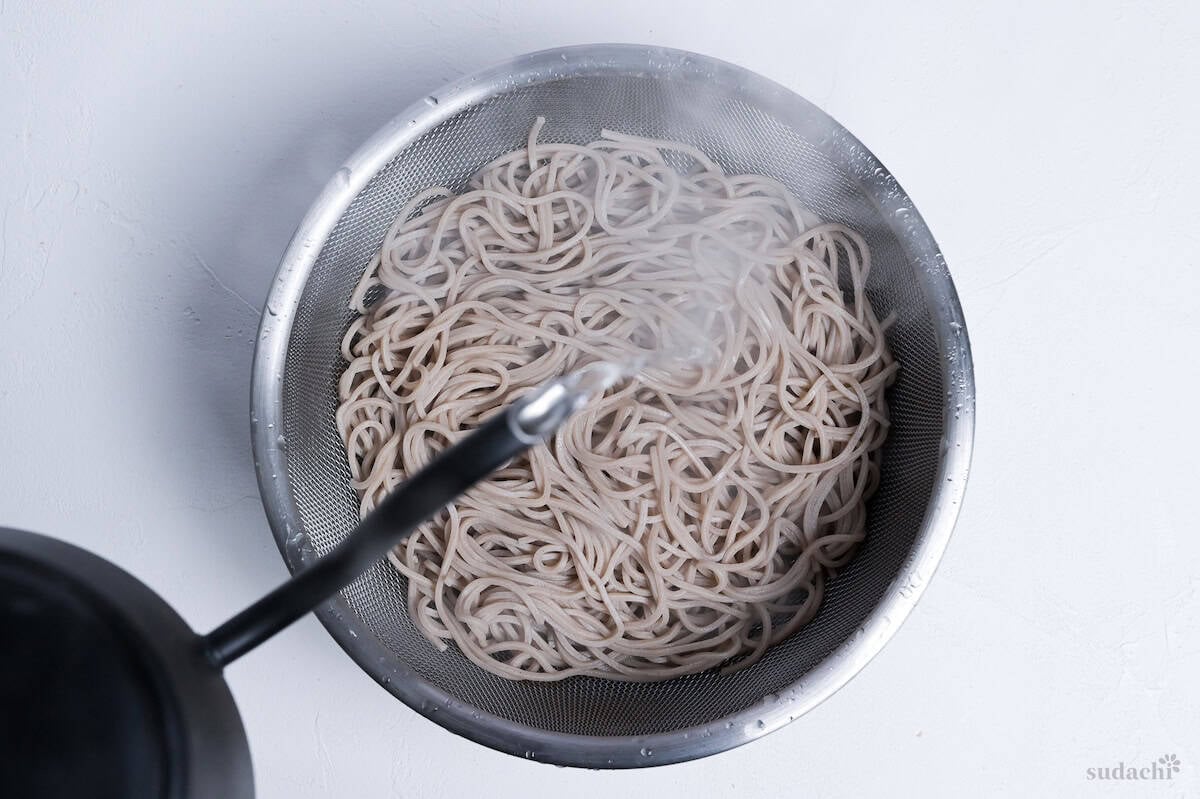
- Cook 4 portions soba noodles according to the instructions on the packaging. Once cooked, drain and wash with cold water to remove excess starch. Then pour hot water over them right before serving.
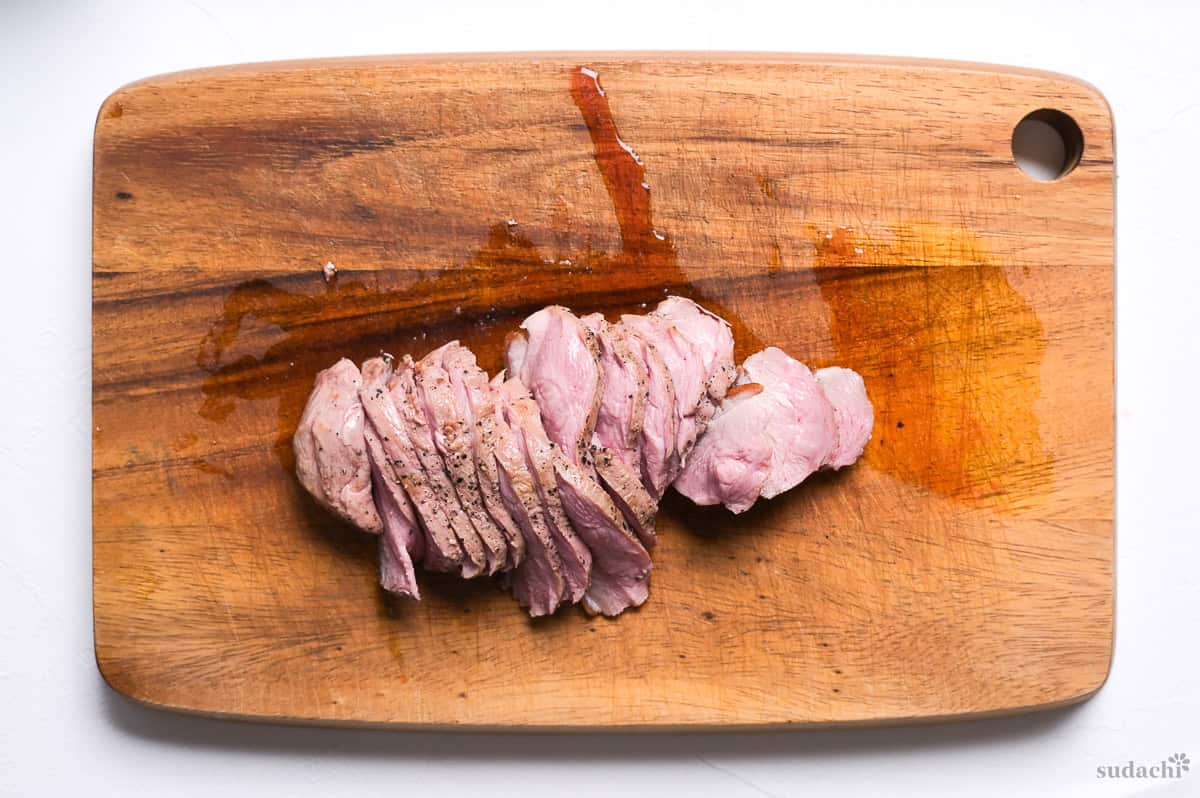
- Once the 15 minute rest is up, slice the duck against the grain about 5mm thick.
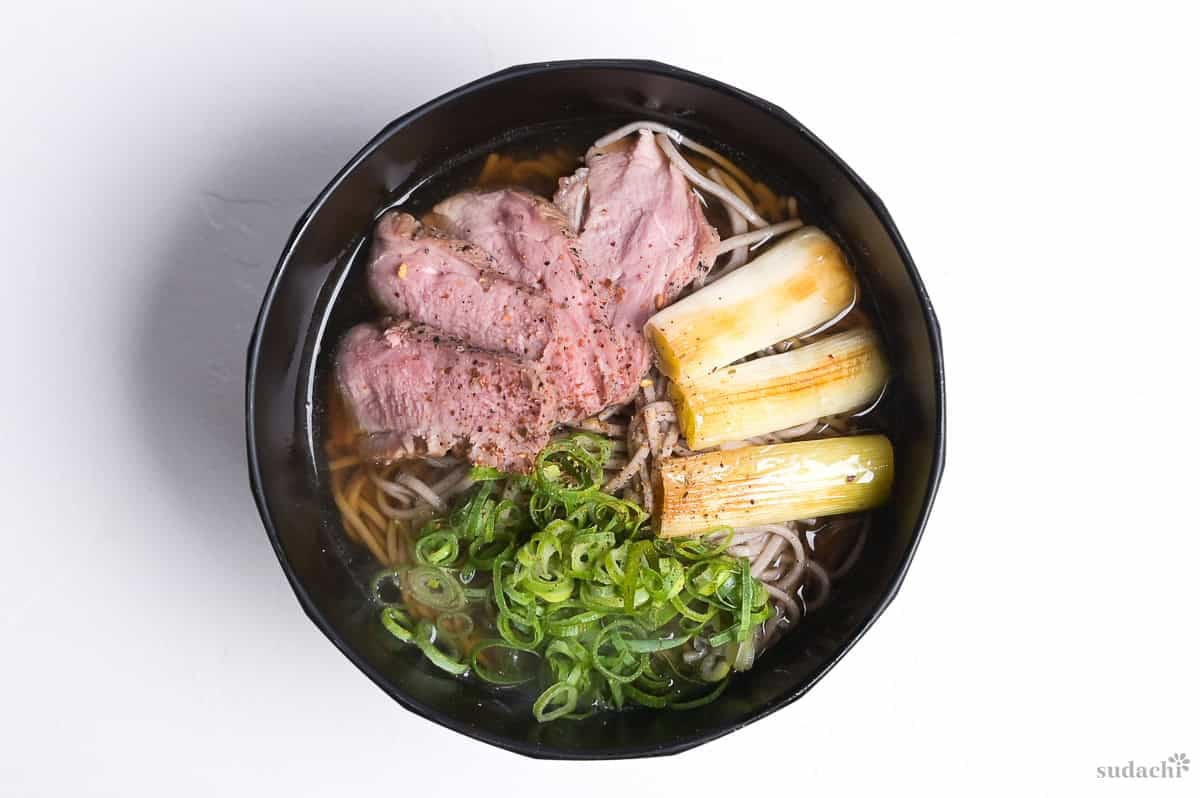
- Divide the soba noodles and broth between serving bowls. Arrange the charred leeks and slices of duck on top. Garnish with finely chopped green onions and Japanese chili powder (shichimi togarashi). Enjoy!
Notes
Count the time on an electric stove from when you hear the sound: Since it takes a while to heat up and you won't hear a sound for 2-3 minutes after turning it on, count the 10-minute cooking time for the duck from the moment the sound starts.
Wait until resting is complete before slicing: Slicing before resting allows the juices to run out. A thickness of about 5 mm is recommended. If the slices are too thin, they will continue to cook in the hot broth, ruining both the rosé effect and the satisfying texture.
Do not submerge the duck in the broth: Place it on top of the noodles. If you submerge it in the hot broth, the center-which has been rested and stabilized at 55-58°C, will cook further and become tough immediately.
If the center is undercooked: Spread the slices on a plate, cover with aluminum foil, and leave them in a warm place for a few minutes. The residual heat will slowly bring the temperature up. Do not return them to the skillet, as this will definitely overcook them.
The reserved duck fat: Store it in the refrigerator. Use the leftover fat for roasted potatoes.
A note on the nutrition figures: In Japan, the broth of a noodle soup like this is not finished to the last drop, so the numbers here assume you drink only about 30 percent of the soup, in line with measured Japanese consumption studies.
Full Recipe QR Code↑↑