
Katsu Sando (Japanese Pork Cutlet Sandwich) with Homemade Sauce
Ingredients
For the cutlet
- 300 g pork tenderloin fillet or pork loin
- ¼ tsp salt
- ground white pepper to taste
- unbleached cake flour or all-purpose flour
- 1 egg beaten
- 1 tbsp whole milk
- 1 tsp cooking oil neutral
- 100 g panko breadcrumbs or homemade coarse crumbs
- cooking oil for deep frying
For the karashi butter
- 1 ½ tbsp unsalted butter softened
- 1 tsp Japanese mustard (karashi) or smooth Dijon or Colman's
For the sauce
- 2½ tbsp Worcestershire sauce
- 1 tbsp ketchup
- 1 tsp honey
- 1 tsp ground sesame seeds
To assemble
- 4 slices white bread shokupan, square loaf, 8-slice, untoasted
- shredded cabbage optional
Instructions
- Cut the 300 g pork tenderloin fillet in half, butterfly each piece, and pound them flat.
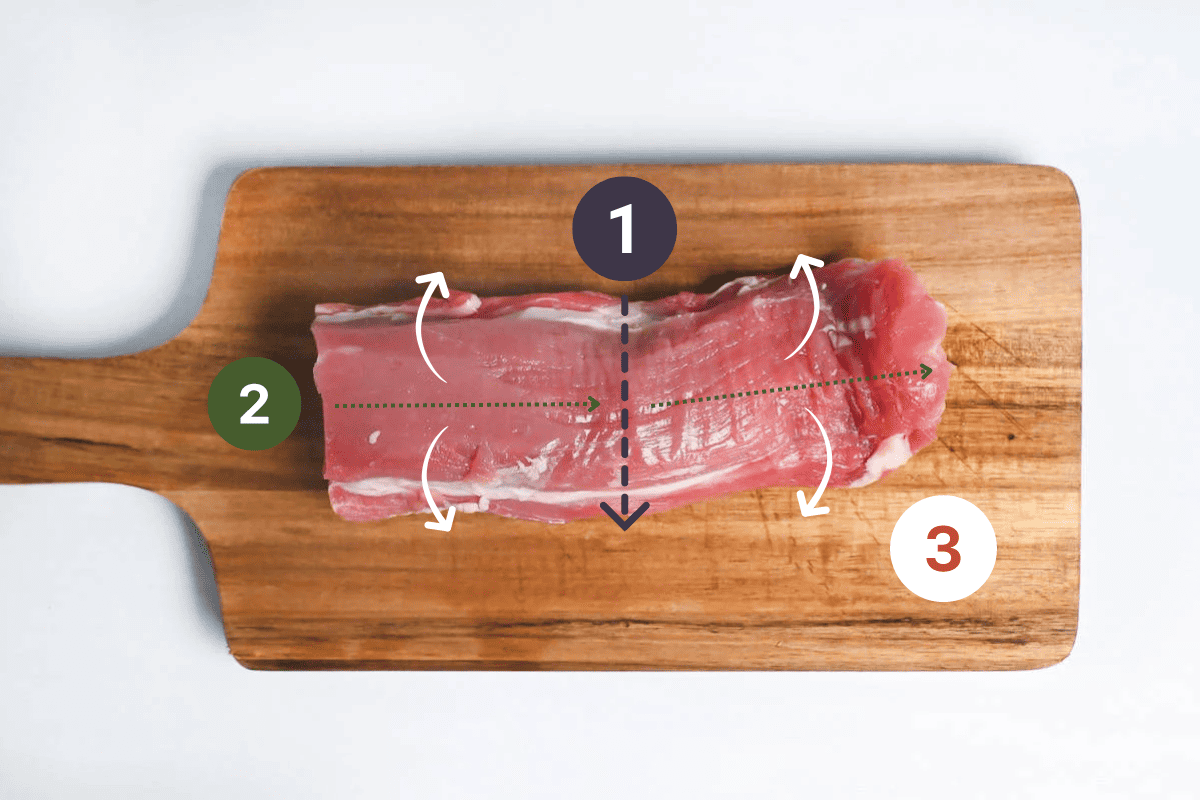
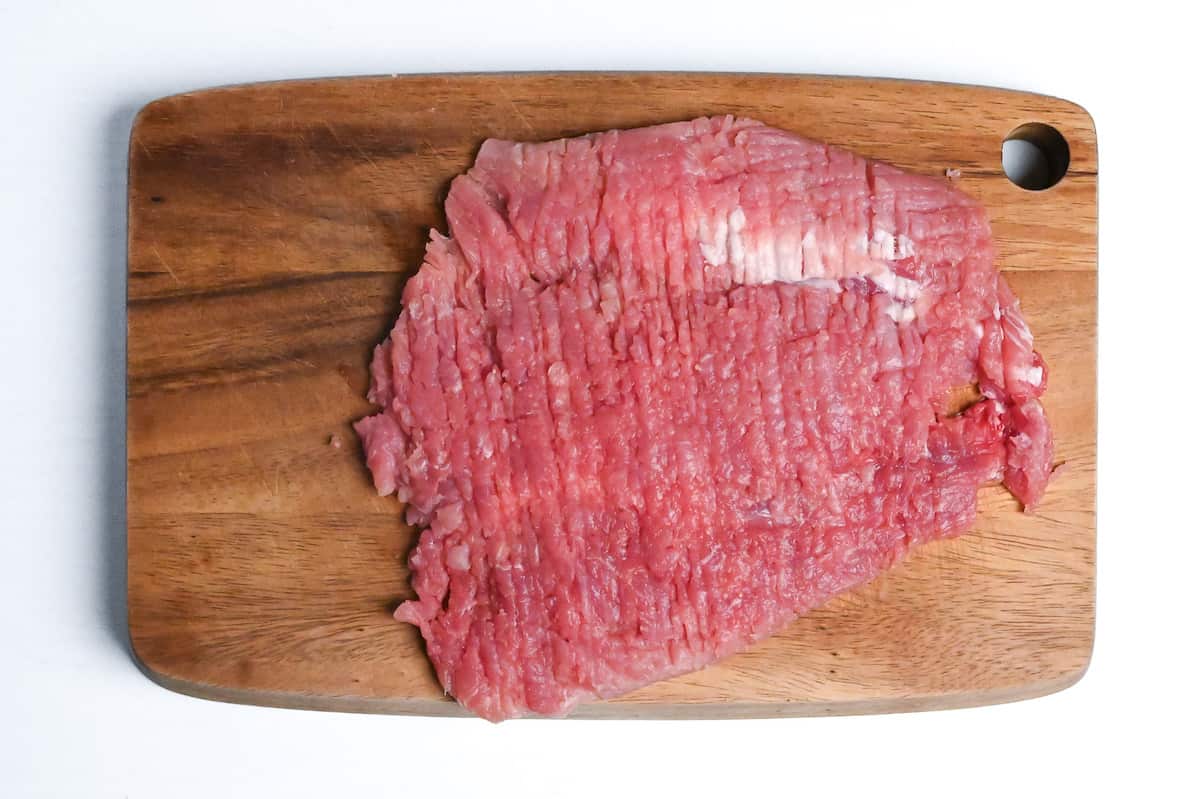
- Score the sinew with a few shallow cuts. Fold the edges in and press each into a square 1.5 to 2 cm thick (0.6 to 0.8 inch).
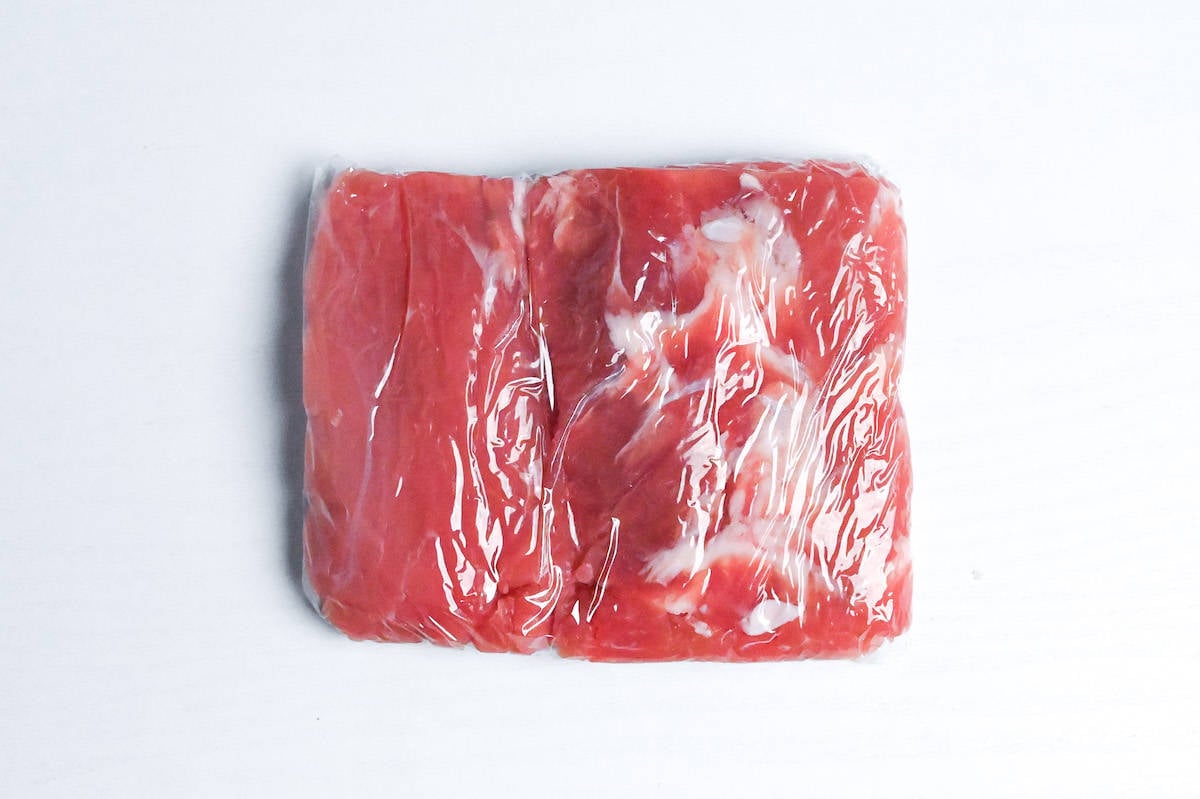
- Season both sides with ¼ tsp salt and a sprinkle of white pepper, wrap, and freeze 30 minutes.
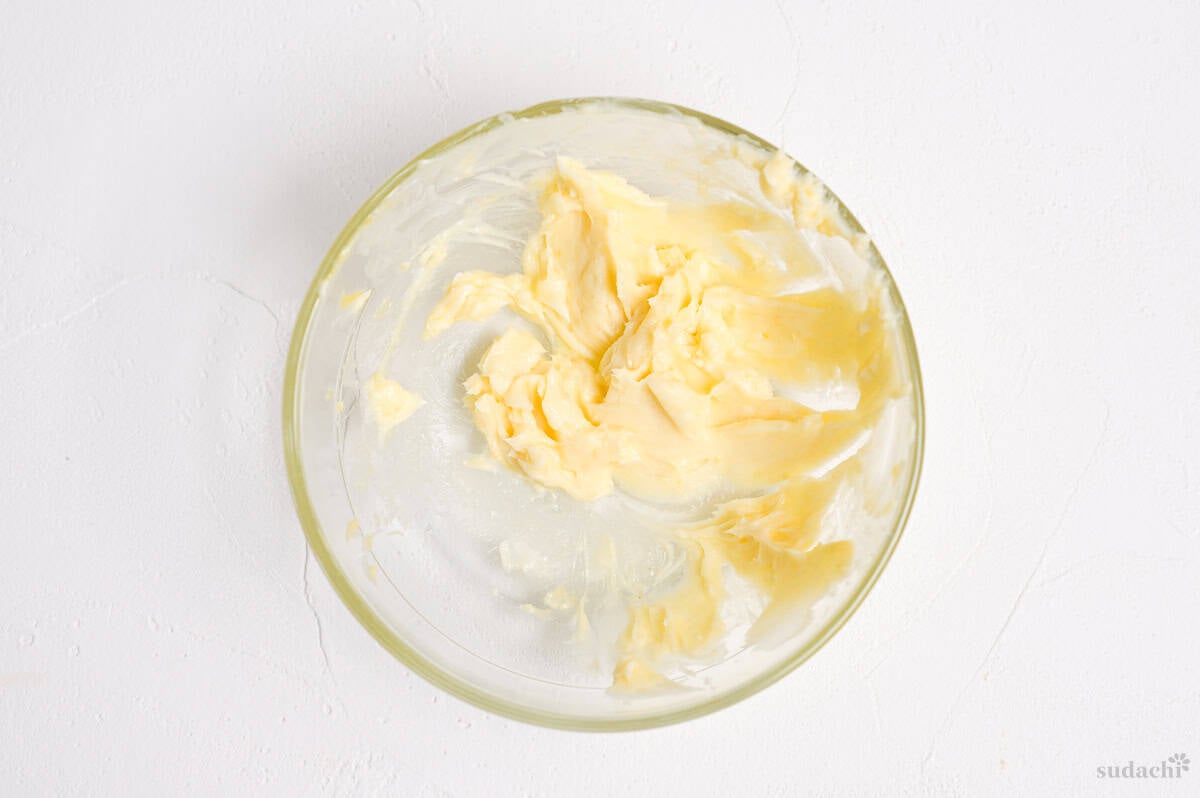
- While the cutlets firm up, cream 1 tsp Japanese mustard (karashi) into 1 ½ tbsp unsalted butter until smooth, then set on the counter for later.
- Warm 2½ tbsp Worcestershire sauce, 1 tbsp ketchup, and 1 tsp honey in a small saucepan over low heat, and simmer until slightly thickened. Off the heat, stir in 1 tsp ground sesame seeds.
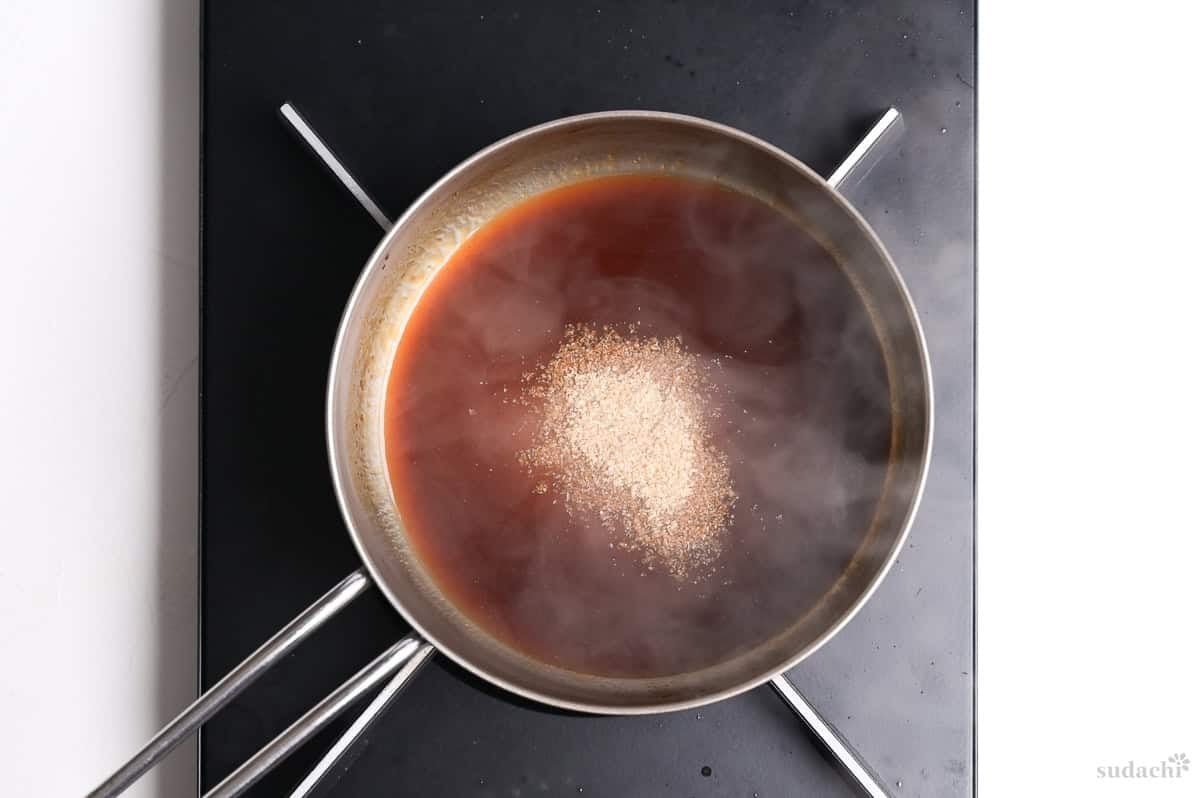
- Heat cooking oil for deep frying to 165 to 170°C (330 to 340°F). Beat 1 egg with 1 tbsp whole milk and 1 tsp cooking oil. Set out a plate of cake flour or all-purpose flour and a plate of 100 g panko breadcrumbs.
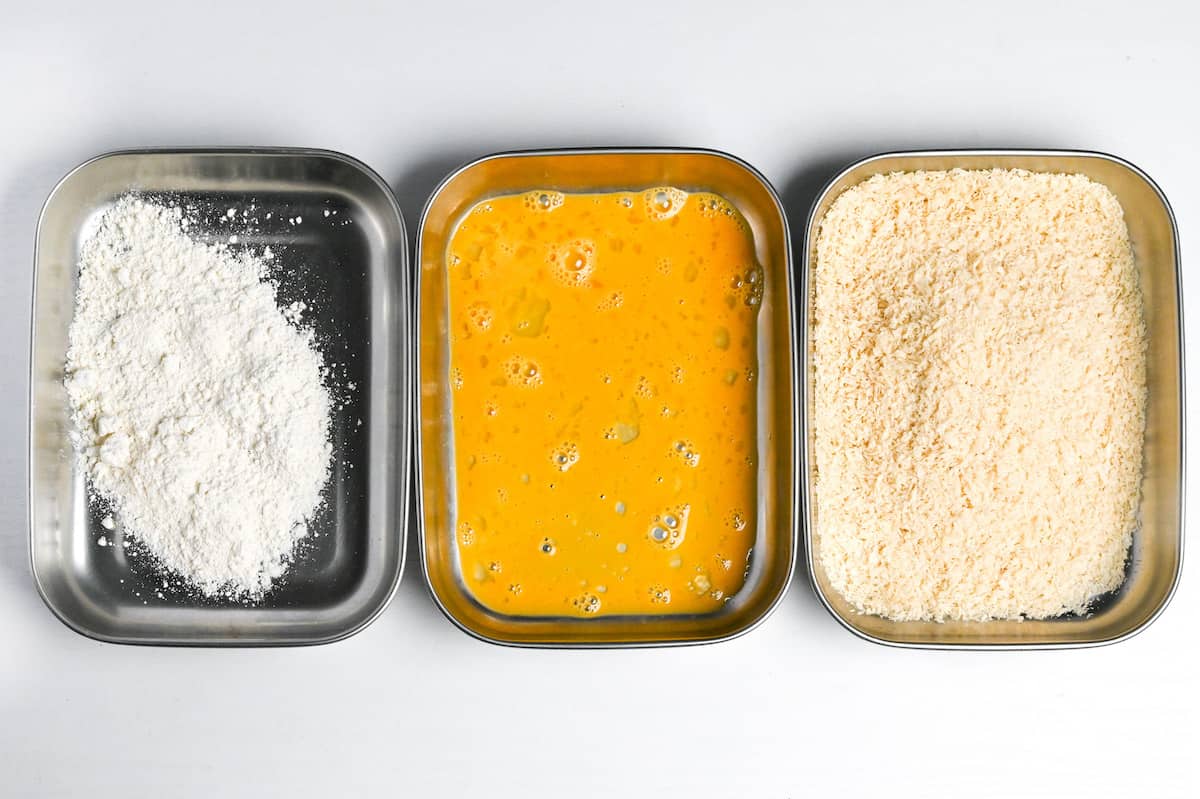
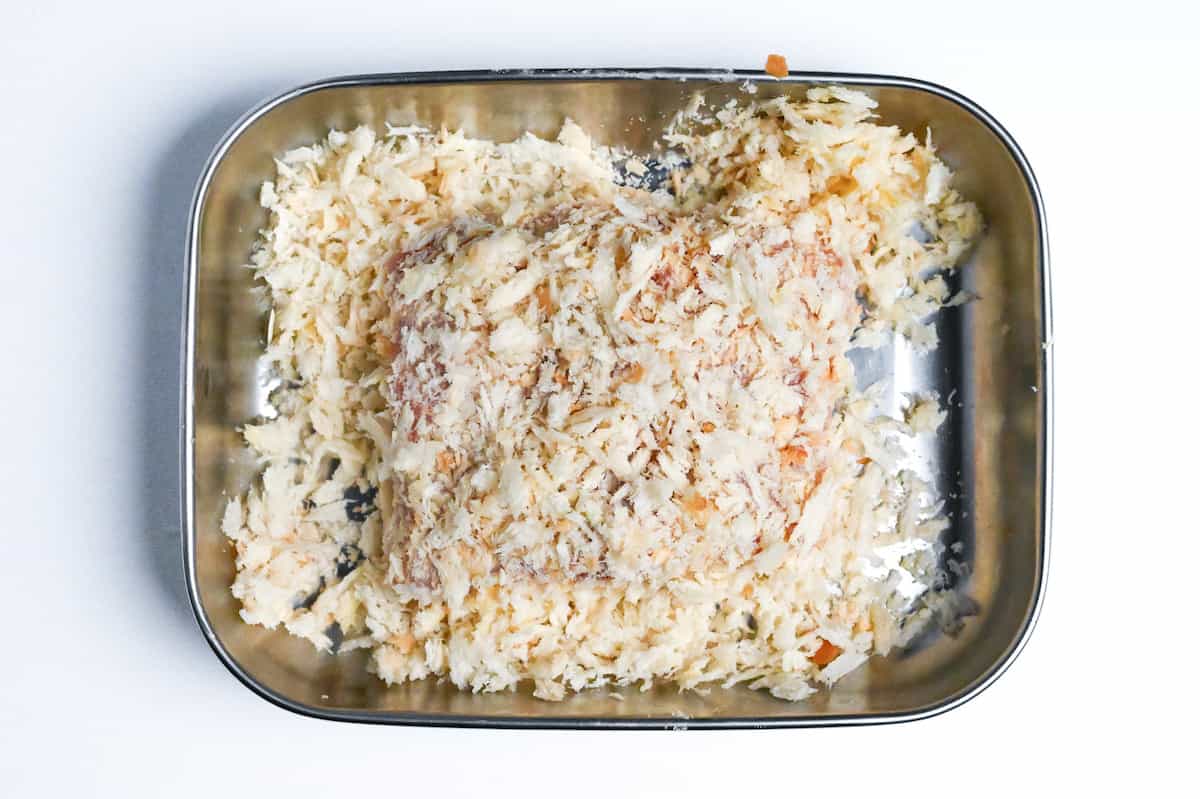
- Unwrap a frozen cutlet. Coat it thinly with flour and shake off the excess, run it through the egg, then pack panko onto every face, pressing firmly to secure it.
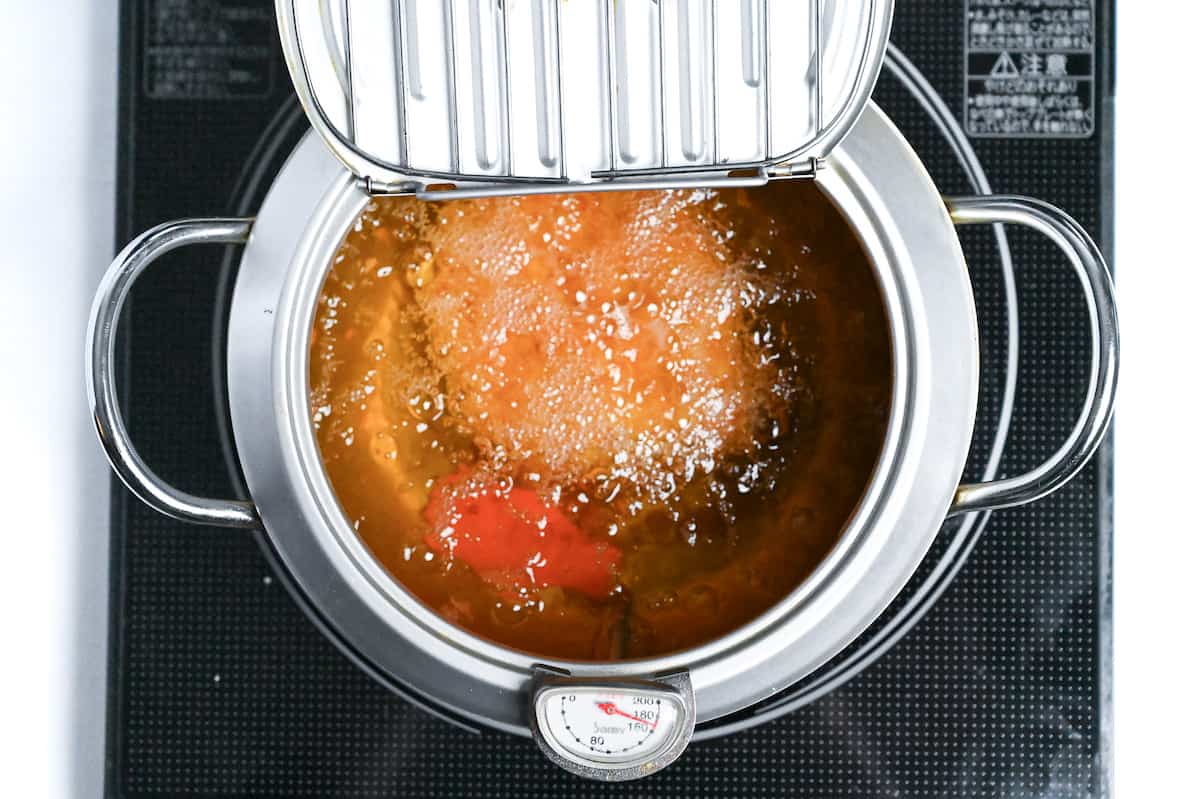
- Slide the cutlet into the oil at 165 to 170°C (330 to 340°F). Fry until the center reaches an internal temperature of 63 °C (145 °F), about 5 minutes.
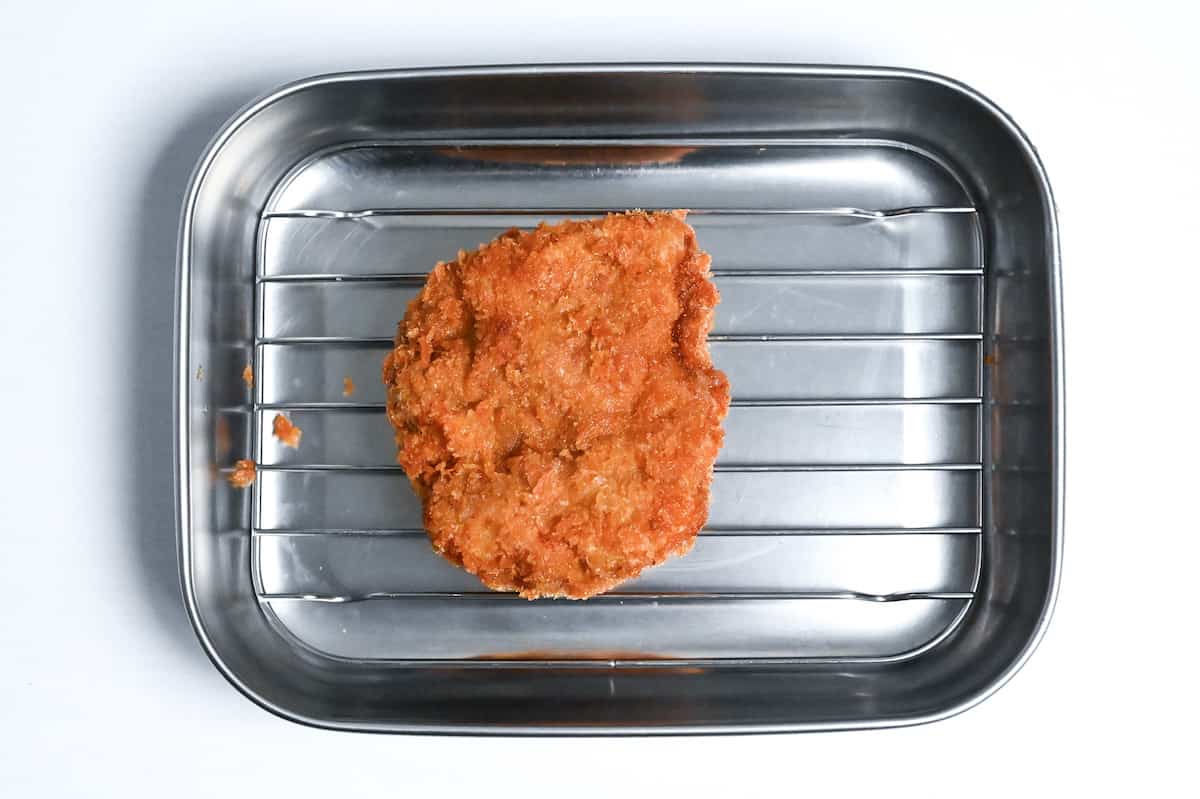
- Lift the cutlet onto a wire rack and rest at least 3 minutes.
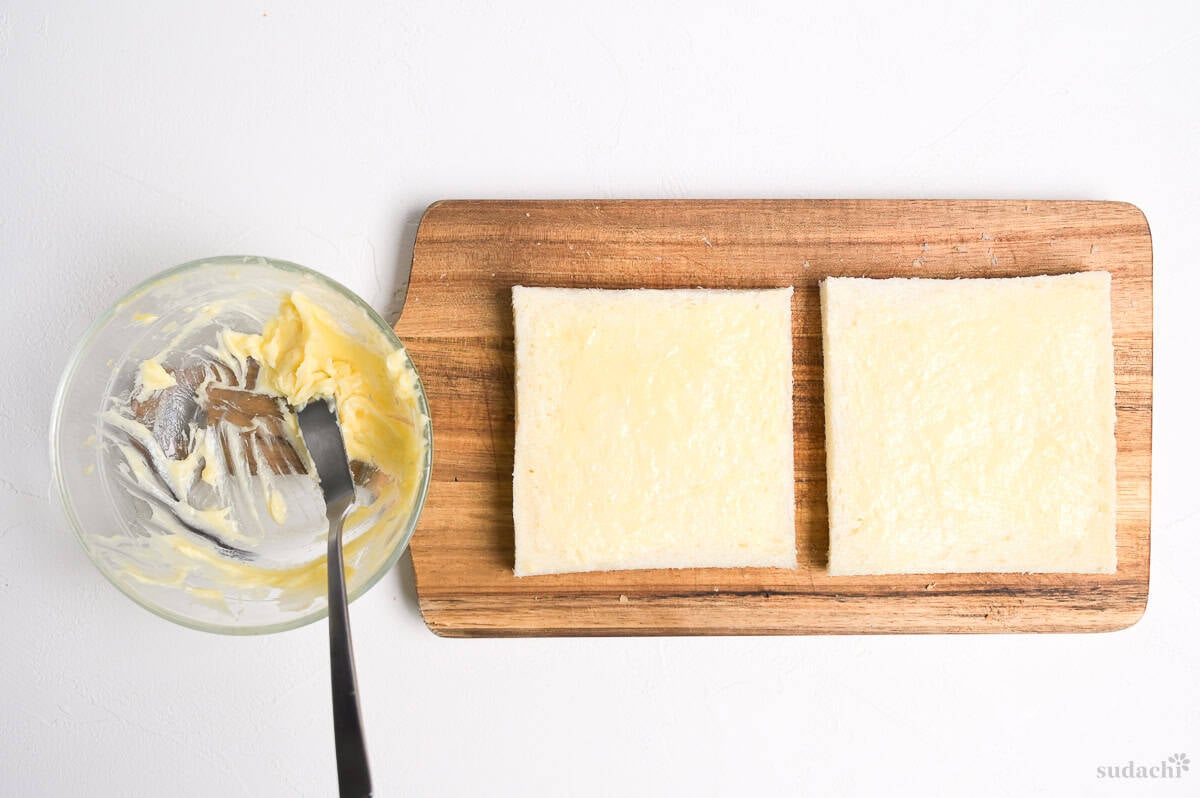
- Trim the crusts off the 4 slices white bread if you like. Spread karashi butter to the corners on the inner side of every slice.
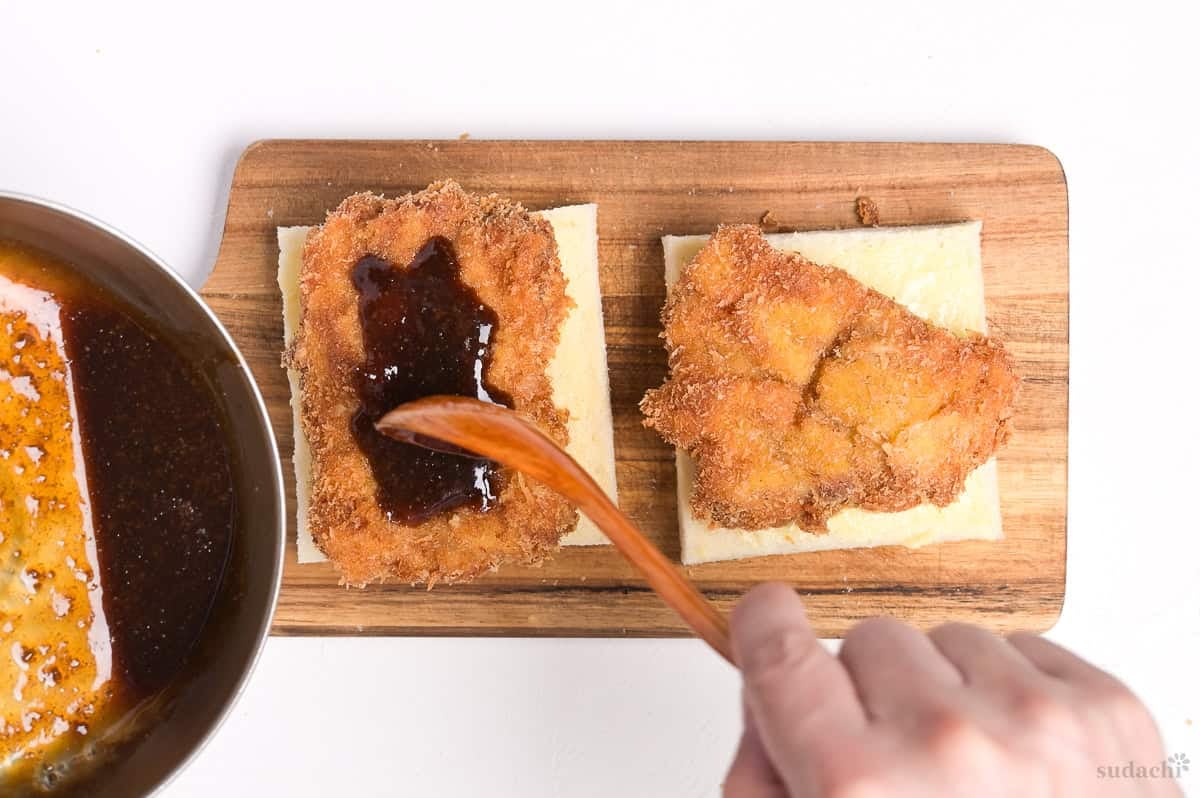
- Lay a cutlet on each bottom slice and drizzle the sauce over the top. If using cabbage, mound the dry shreds on the cutlets, then close each sando with a top slice.
- Press each sando flat with your palm, wrap, and rest for 2 to 5 minutes.
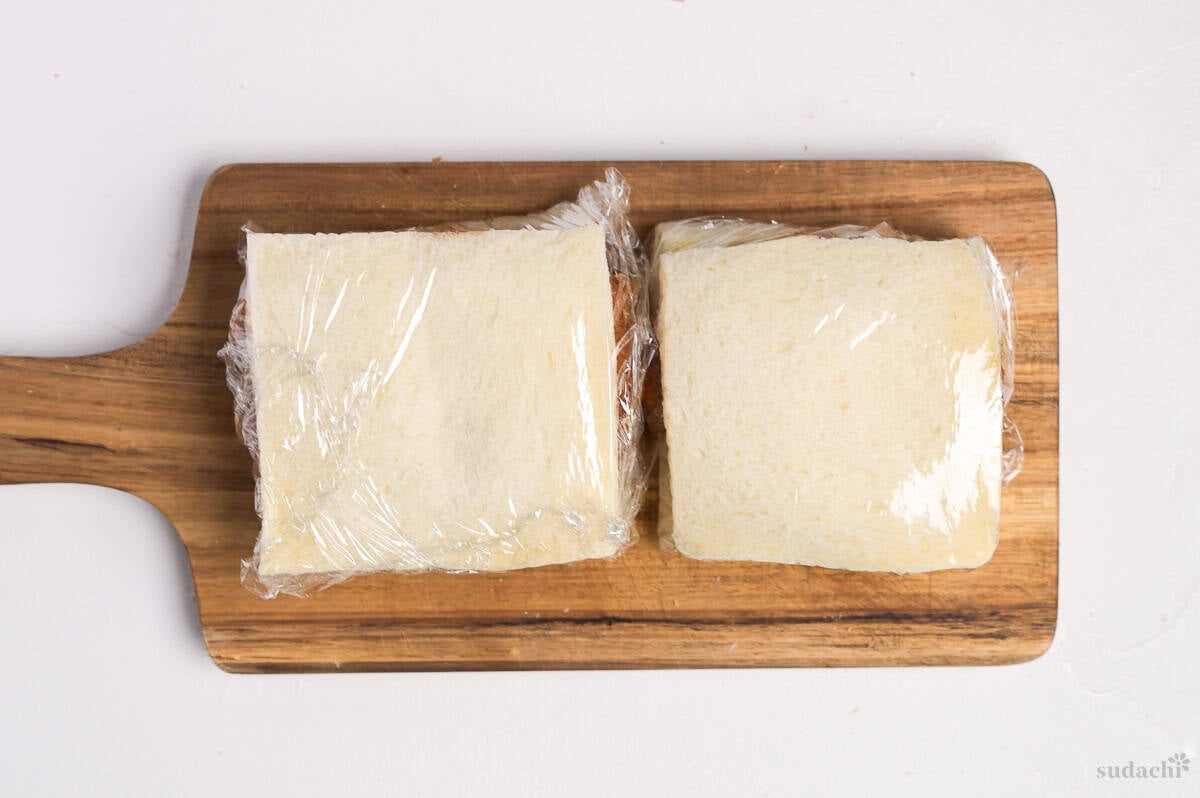
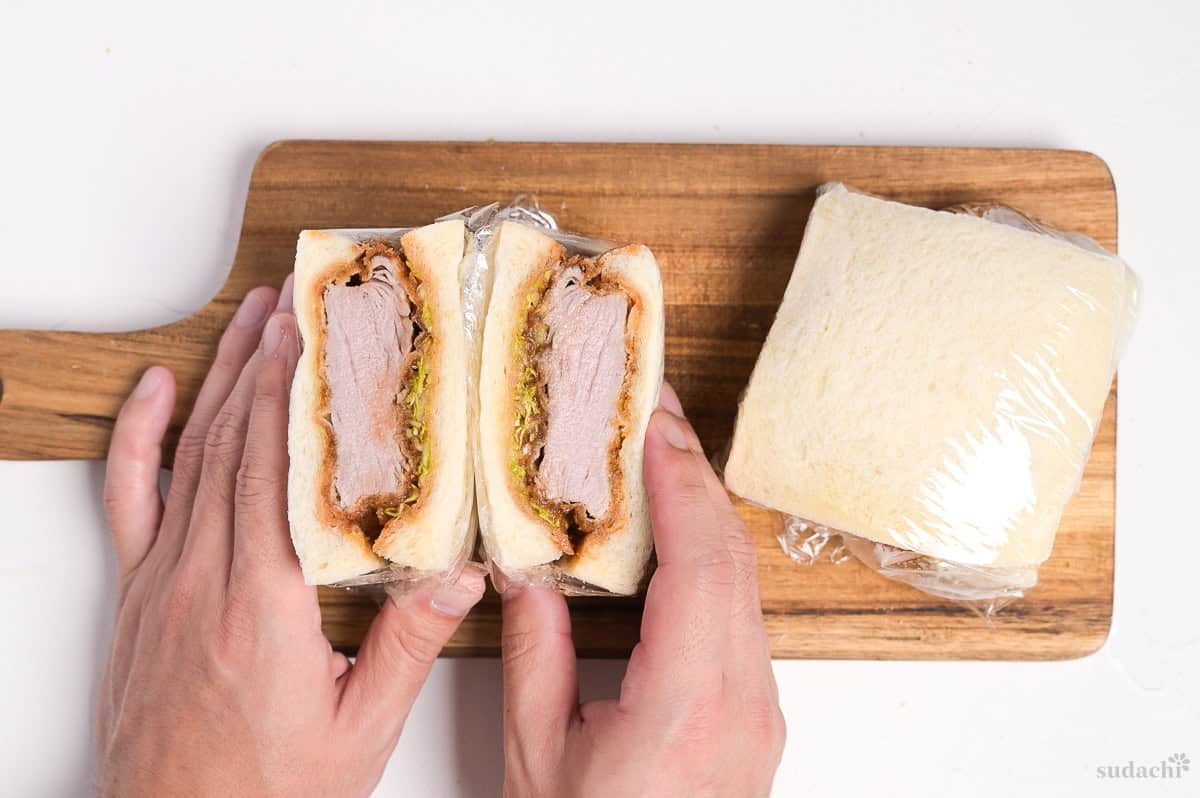
- Cut each sando in half with a sharp knife, drawing the blade through the wrap rather than pressing down. Unwrap and serve. Enjoy!
No kitchen thermometer? Cook until the vigorous bubbles turn quiet and small, then remove it and make a small discreet cut in the thickest part to check the juices run clear.
Notes
Judge the pork by its center, not the crust: A lean tenderloin browns long before the middle is safe, so a golden coating can hide a raw core. Check the center with a thermometer, the internal cooked temperature should reach 63C or 145F before resting. If you don't have a thermometer, cut into the thickest part and check that the juices run clear.
Rest the sando before you cut, and draw the knife: Slicing the moment you close it, before the layers knit, is a common reason a katsu sando falls apart. Press it, wrap it, wait 2 to 5 minutes, then draw a sharp knife through in a single motion.
Spread the karashi butter corner to corner: Soggy bread is a barrier problem, not a bread problem. A film of fat across both inner faces keeps the sauce and the cutlet's juices off the crumb, which is what lets the sando sit and still cut clean.
Reduce the sauce until it clings: A thin, loose sauce runs straight off the cutlet and into the bread. Simmer it until it coats the back of a spoon and drips off slowly, so it stays where you put it instead of soaking the crumb.
Dry the cabbage completely if you use it: Cabbage is optional, but any water it carries can work past the butter into the bread. A shake is not enough. Pat it thoroughly dry with a towel, and if it stays damp, leave it out.
British Worcestershire works with more ketchup: If you cannot find Japanese usuta sauce, Lea & Perrins does the job. It runs sharper and less fruity, so stir a little extra ketchup into the sauce to bring the sweetness back into balance.
Full Recipe QR Code↑↑